
And what it reveals about time, values, and why Europeans refuse to trade rest for convenience
You’re on vacation in rural France. Or maybe it’s a small town in Germany, a sleepy village in Italy, or a quiet coastal city in Spain. It’s Sunday afternoon, and you’ve finally slowed down enough to think about groceries, souvenirs, maybe a coffee refill and a pack of batteries.
You walk through town, ready to shop.
And everything is closed.
Not just boutiques and bakeries. The supermarket. The pharmacy. Even the cafés are shuttering. You try the one chain store you recognize. The doors are locked.
Confused, you check Google Maps. The place should be open. You try again Monday morning — and suddenly everything is bustling.
What just happened?
You’ve hit the wall of Europe’s Sunday rhythm — a centuries-old habit that still shapes much of the continent’s relationship with time and consumption. And to many American travelers, it feels like a personal inconvenience. But to Europeans, it’s a non-negotiable cultural boundary.
Here’s why Europe still takes Sunday seriously — and why this one day of closed shutters, empty streets, and slow hours drives American tourists crazy.
Want More Deep Dives into Everyday European Culture?
– Why Europeans Walk Everywhere (And Americans Should Too)
– How Europeans Actually Afford Living in Cities Without Six-Figure Salaries
– 9 ‘Luxury’ Items in America That Europeans Consider Basic Necessities
1. Sunday in Europe Still Means Rest
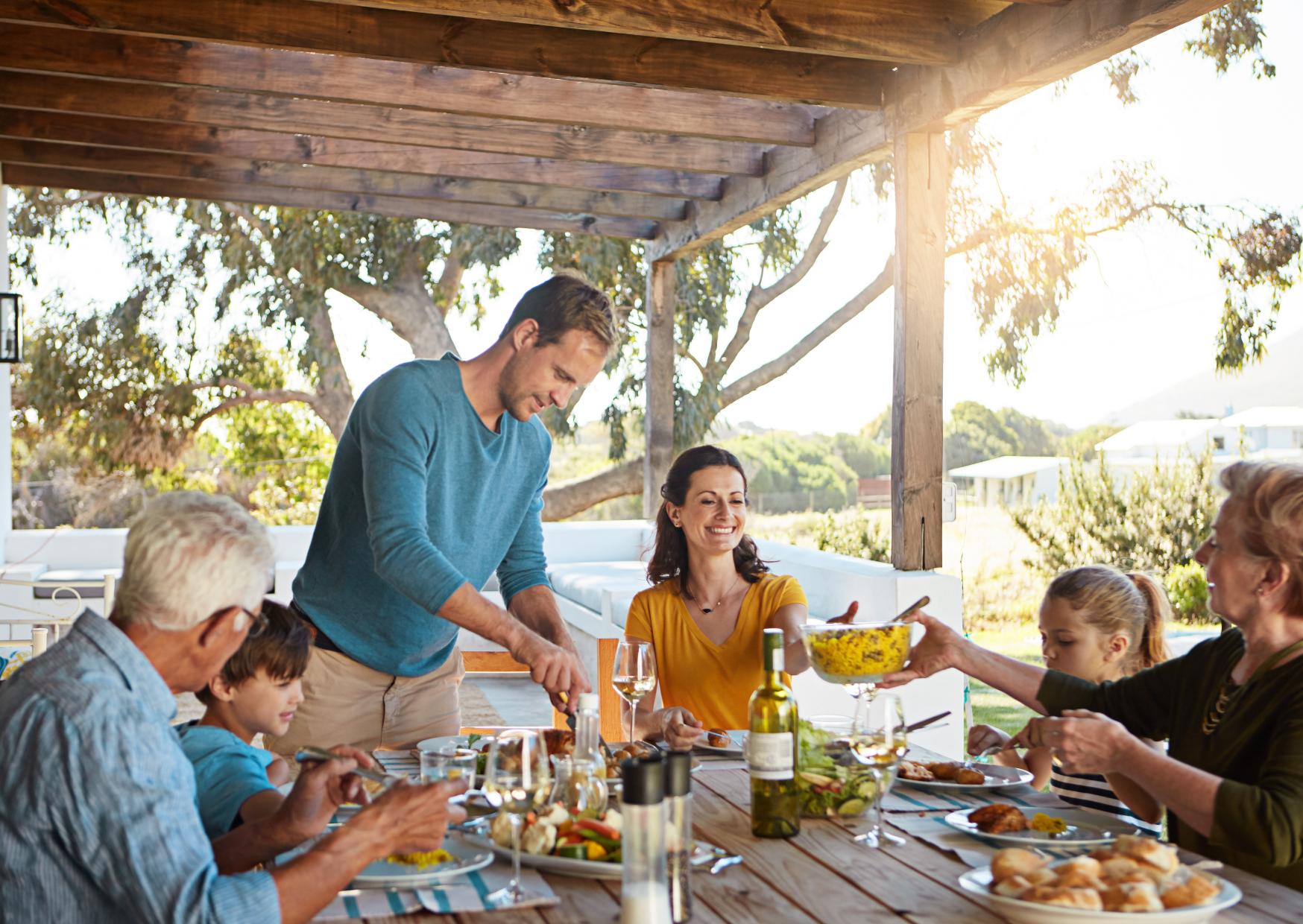
In much of Europe, Sunday isn’t just a day off — it’s a protected zone of quiet, family time, and pause.
Shops close. Streets empty. People stay home or take slow walks. Brunch exists, but without frenzy. The pace of life drops, not because people are lazy, but because rest is respected.
This isn’t a romanticized relic. It’s written into law in many places — and reinforced by decades of tradition. The point isn’t religious anymore. It’s cultural muscle memory.
2. Americans Expect 24/7 Access
In the U.S., stores stay open late, and Sunday shopping is normal. Target, CVS, Walmart — all available on weekends. In many cities, Sunday becomes a major shopping day, especially for busy families.
This creates a habit of on-demand availability. When you need something, you go get it. When a store is closed, it’s an inconvenience — not a rhythm.
So when Americans visit Europe and discover the supermarket is closed on Sunday at 3 p.m., they feel shocked and slightly offended. Why wouldn’t it be open?
3. The Law Still Enforces It in Many Countries
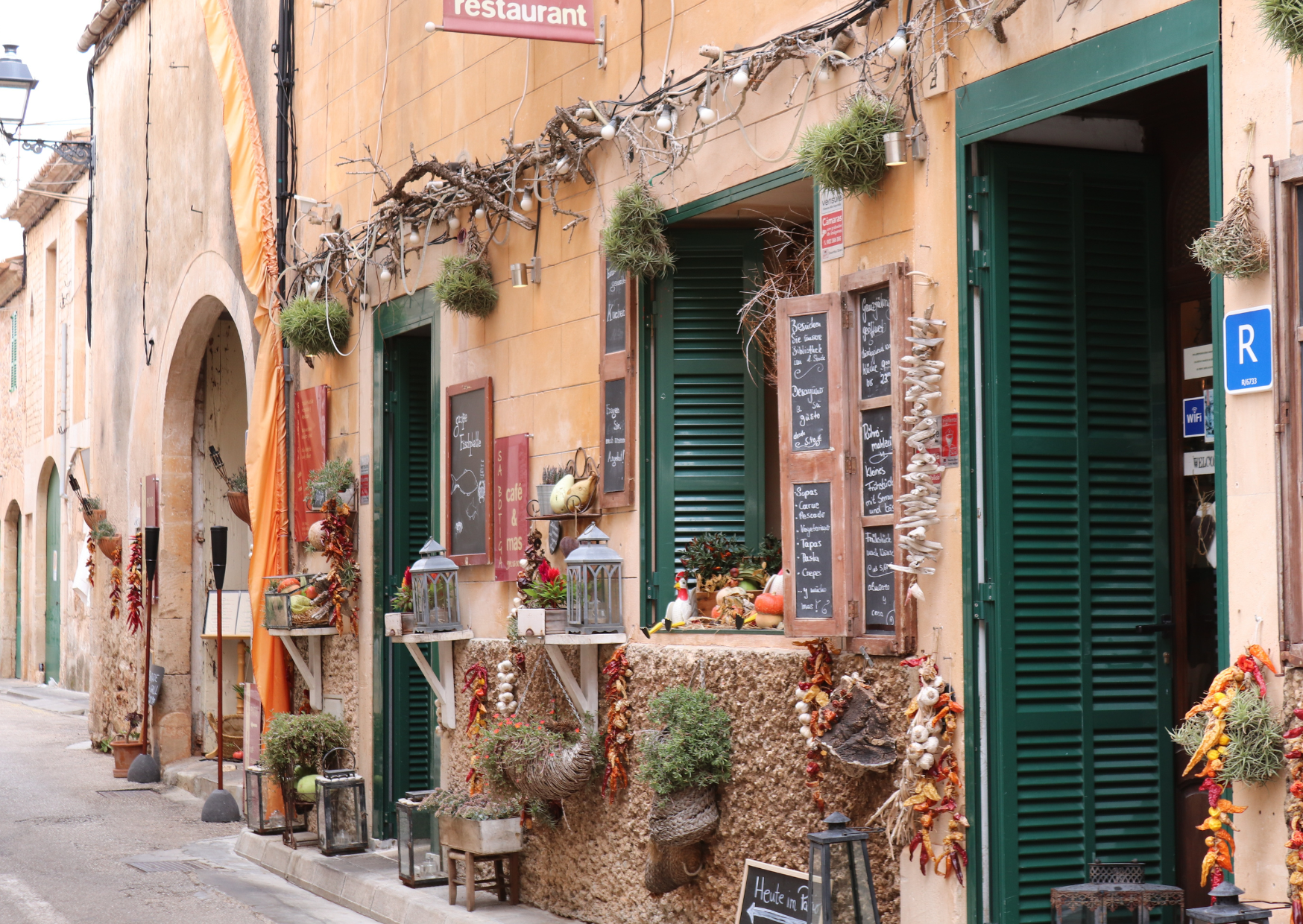
In Germany, Sunday is protected by federal law. Most retail stores are prohibited from opening, except for bakeries in the morning and gas stations. Exceptions are rare and tightly controlled.
In France, national labor law limits Sunday work, with exceptions granted only for tourist zones or emergency services. Spain has regional variations, but many areas follow the same quiet rhythm.
These rules reflect the belief that people deserve a guaranteed day off — and that economic activity can wait.
It’s not a glitch. It’s policy. And it’s popular.
4. Sunday Is for Family, Not Errands

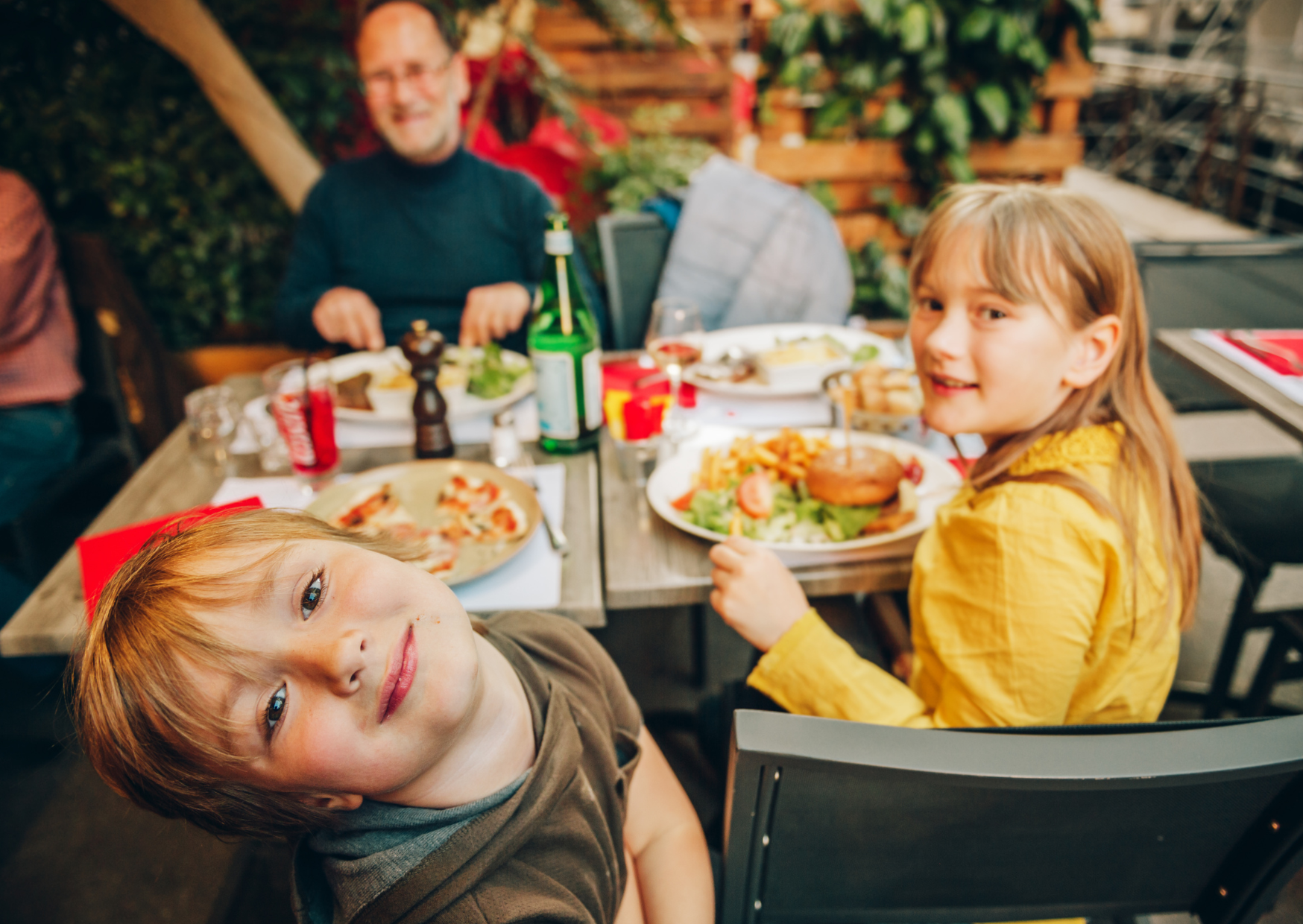
In the European calendar, Sunday is often the only day when multiple generations sit together. Lunch may last hours. Walks are long. Time is stretched.
The idea of running to the store for paper towels or snacks feels out of place. It breaks the mood.
To American tourists, this can feel impractical — like an entire continent is playing hard to get. But to locals, it’s a way of drawing a line between work, consumption, and being human.
The day belongs to life, not logistics.
5. Planning Ahead Is Expected — Not Optional
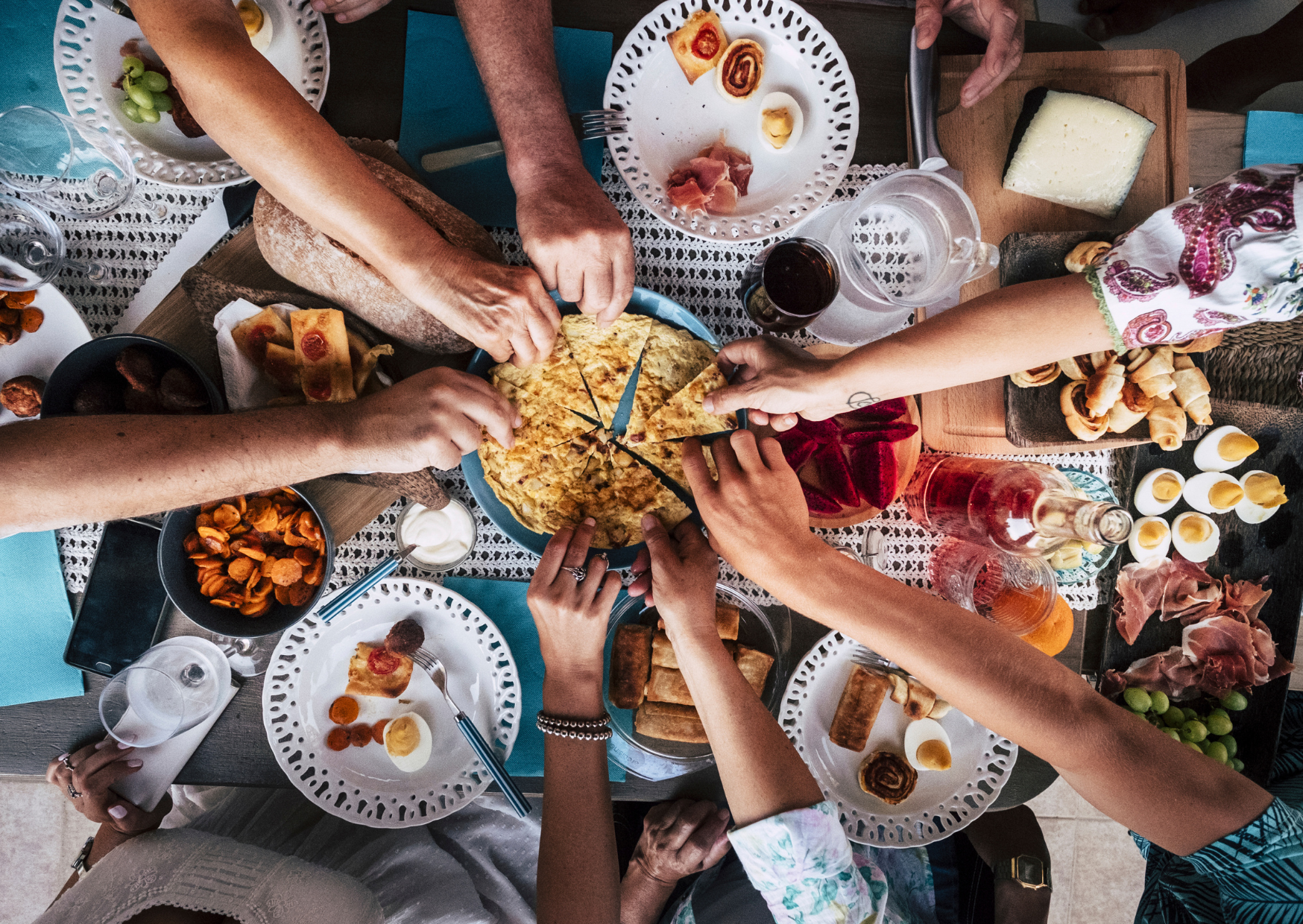
European shoppers know Sunday is off-limits, so they plan for it.
They buy groceries on Saturday. They stock up. They don’t wait until the fridge is empty to think about dinner. It’s a small discipline, passed down through routine.
Americans, used to spontaneous purchases, find this irritating. Why can’t you just run out for a loaf of bread?
Because in Europe, part of living well is planning thoughtfully — and learning to be okay when the answer is “not today.”
6. Some Touristy Areas Break the Rule — but It’s the Exception
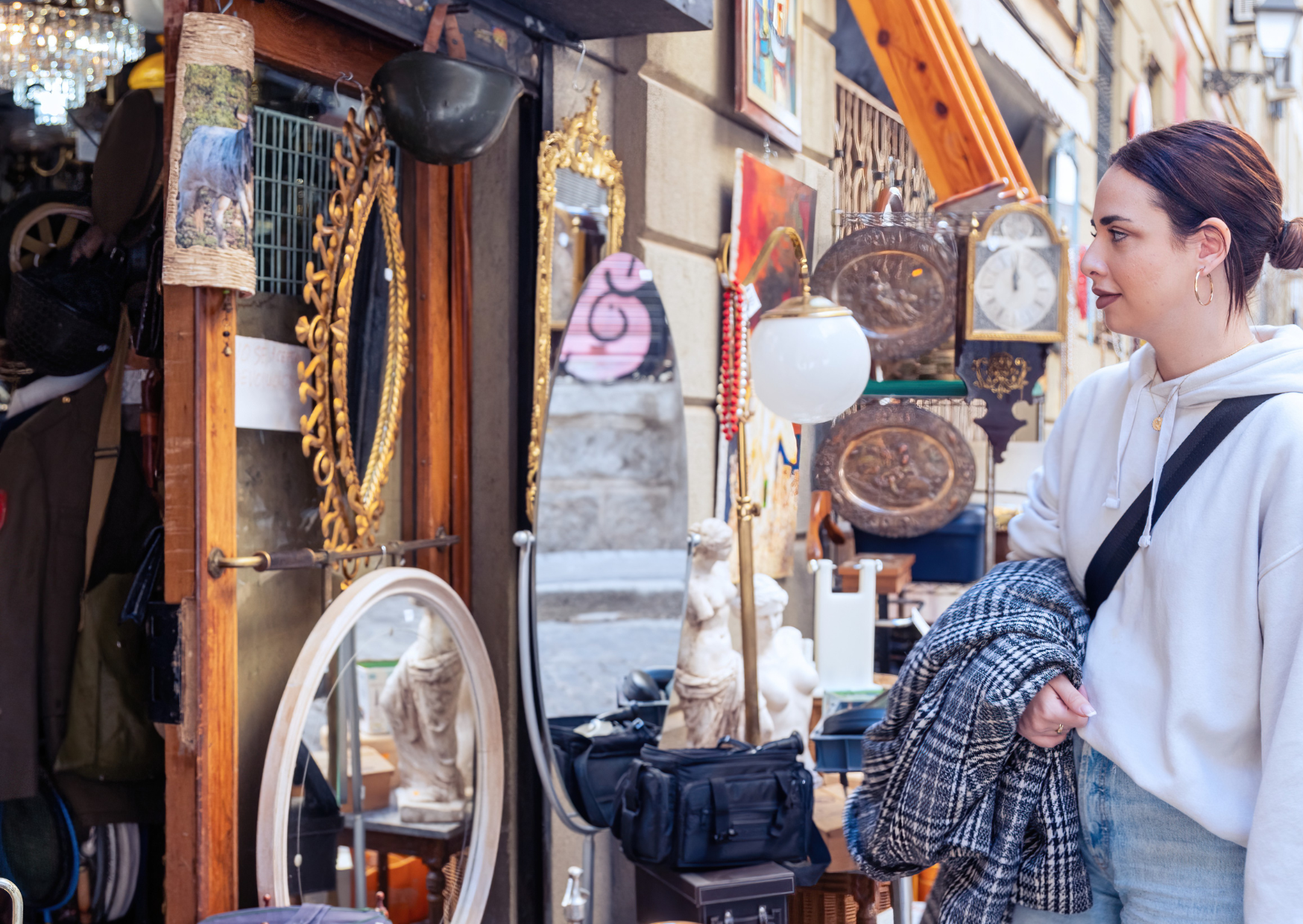
In major cities like Paris, Rome, or Barcelona, you’ll find open shops in high-traffic areas, especially in tourist zones. But even there, smaller shops may still close, and hours are reduced.
American travelers often get lulled into thinking Sunday closures are a myth — until they step outside the tourist belt and find themselves surrounded by silence.
The rule hasn’t changed. You just happened to land in the exception.
7. The Rule Extends Beyond Retail

It’s not just about shopping. In many towns, Sunday also affects:
- Pharmacies: Only one may stay open per area (called a “pharmacy on duty”)
- Public transport: Runs on reduced schedules
- Restaurants: Many close, especially in smaller cities
- Post offices and banks: Always shut
This system expects people to slow down on Sunday — and structure their lives accordingly.
Americans find it baffling. Europeans find it liberating.
8. Convenience Culture Feels Shallow to Many Europeans
European resistance to Sunday shopping is rooted partly in cultural suspicion of hyper-convenience.
The idea that everything should always be available — from coffee to car insurance — is seen by many as a hallmark of consumerist pressure, not freedom.
Rest becomes impossible when access is endless. So limiting access, for one day, becomes an act of social protection.
It’s not about nostalgia. It’s about choosing time over transaction.
9. Labor Rights Shape the Rules
Much of Europe has stronger labor protections than the U.S., especially around working hours, rest days, and family leave.
Sunday closures reflect a belief that workers deserve time off that isn’t optional — that rest shouldn’t depend on tips, scheduling luck, or personal advocacy.
In the U.S., retail and service workers often work weekends with little recourse. In Europe, many are legally shielded from that expectation — and supported by a cultural consensus.
10. Tourists Misread the Closure as a Lack of Progress
When American travelers find everything closed on Sunday, they often interpret it as backward or inefficient.
They joke about Europe being stuck in the past. They wonder how businesses survive. They call it quaint — or frustrating.
But the closure isn’t a sign of dysfunction. It’s a value statement. The system works because people agree that not everything needs to be available all the time.
It’s a kind of modernity that chooses restraint over expansion.
11. Locals Don’t Rush — They Recalibrate

While American tourists spiral when they realize they can’t buy toothpaste or groceries on a Sunday afternoon, locals rarely panic.
They shift gears. They cook something simple. They visit family. They take a walk or sit in the sun.
Because for them, Sunday isn’t for fixing problems. It’s for letting things be.
And if that means going without for a day, they’re fine with it.
12. You’re Not Being Ignored — You’re Being Asked to Wait
When the door doesn’t open on Sunday, it’s not personal. It’s not lazy. It’s not outdated.
It’s a quiet invitation to live like a local — to embrace stillness, or boredom, or slowness.
The beach is open. The woods are open. The bakery might be open for one hour in the morning.
And that’s enough.
The Sign on the Door Isn’t Just About Hours — It’s About Priorities
When you see that closed sign in Portugal, in Austria, in small-town France, you’re not just looking at a business decision.
You’re looking at a cultural firewall, designed to keep Sunday human.
You don’t have to love it. You don’t have to adopt it. But if you’re paying attention, it might teach you something — about rhythm, about presence, and about the radical idea that not every day has to be productive.
Especially not this one.

About the Author: Ruben, co-founder of Gamintraveler.com since 2014, is a seasoned traveler from Spain who has explored over 100 countries since 2009. Known for his extensive travel adventures across South America, Europe, the US, Australia, New Zealand, Asia, and Africa, Ruben combines his passion for adventurous yet sustainable living with his love for cycling, highlighted by his remarkable 5-month bicycle journey from Spain to Norway. He currently resides in Spain, where he continues sharing his travel experiences with his partner, Rachel, and their son, Han.