
And what it reveals about freedom, secrecy, and why one culture treats alcohol as a skill while the other treats it as a threat
It’s a Friday night in Munich. A group of teenagers, some 15, others 17, sit in the corner of a beer garden. They laugh, drink slowly, pass around fries. One of them waves at a passing parent. No one ducks. No one whispers.
Across the Atlantic, in a U.S. suburb, a different group of teens sneaks into someone’s basement. The lights are dim. The music is loud. Cans of cheap beer are hidden behind couches. The lookout is posted by the back door. Everyone’s hoping no one’s dad comes home early.
The difference isn’t just the location. It’s the relationship to drinking itself — and to authority.
Here’s why 16-year-old Europeans often drink in public, under adult eyes, while American teenagers drink in secret, in the shadows — and what this contrast reveals about control, social trust, and what each culture thinks adulthood really means.
Want More Deep Dives into Everyday European Culture?
– Why Europeans Walk Everywhere (And Americans Should Too)
– How Europeans Actually Afford Living in Cities Without Six-Figure Salaries
– 9 ‘Luxury’ Items in America That Europeans Consider Basic Necessities
1. Europe Treats Teenagers Like Emerging Adults

In much of Europe, adolescence is seen as a transition to adulthood, not a liminal period to be tightly controlled.
By 16, teens are often expected to navigate social situations, public spaces, and even alcohol — with maturity. The trust comes gradually, not all at once, and with the expectation that mistakes will be made in public, not punished in private.
Parents don’t assume their teens will avoid alcohol. They assume they’ll learn how to use it — and the learning needs to start before age 21.
2. America Treats Teenagers Like Risk Zones
In the United States, the legal drinking age is 21 — the highest in the developed world. The message this sends to teens is clear: you’re not ready.
This creates a dynamic of fear and control. Parents lock liquor cabinets. Schools run anti-drinking campaigns. Teenagers who experiment with alcohol do so under pressure — and in secret.
The basement becomes the training ground because it’s hidden. It’s a space where the rules are broken quietly, away from adults, with no guidance — and no safety net.
3. European Laws Reflect Cultural Assumptions

In countries like Germany, Austria, and France, 16-year-olds can legally buy beer or wine in many contexts. Spirits may require being 18, but access to lower-proof alcohol is open and regulated.
This legality isn’t an oversight — it reflects a cultural assumption that teenagers should be introduced to alcohol gradually, in controlled environments.
In America, where alcohol is criminalized until 21, there’s no legal space for learning moderation. So teens either abstain completely — or they drink as rebellion, not as skill-building.
4. American Teens Learn About Alcohol from Other Teenagers
Because adults are legally barred from offering alcohol to minors in most U.S. states, teenagers learn how to drink from… other teenagers.
That means the first drinking experience is often surrounded by:
- peer pressure
- no supervision
- no moderation
- low-quality alcohol
- misinformation about tolerance
It’s not education. It’s risk amplification.
In Europe, that same learning happens slowly — often in front of adults, with better alcohol, more conversation, and less confusion.
5. In Europe, Drinking Is a Social Skill — Not a Transgression
At 16, European teens are expected to join the adult world socially — which includes navigating alcohol.
They learn when to say no, when to stop, how to pace themselves, and how to carry a drink without making it the main event. They drink with meals, with parents, at school events, in public — and all of this builds contextual understanding.
In the U.S., teens learn that drinking is forbidden, then binge when they finally get access — because they’ve had no chance to practice restraint.
6. Parents Talk Openly About Drinking — Or Join In
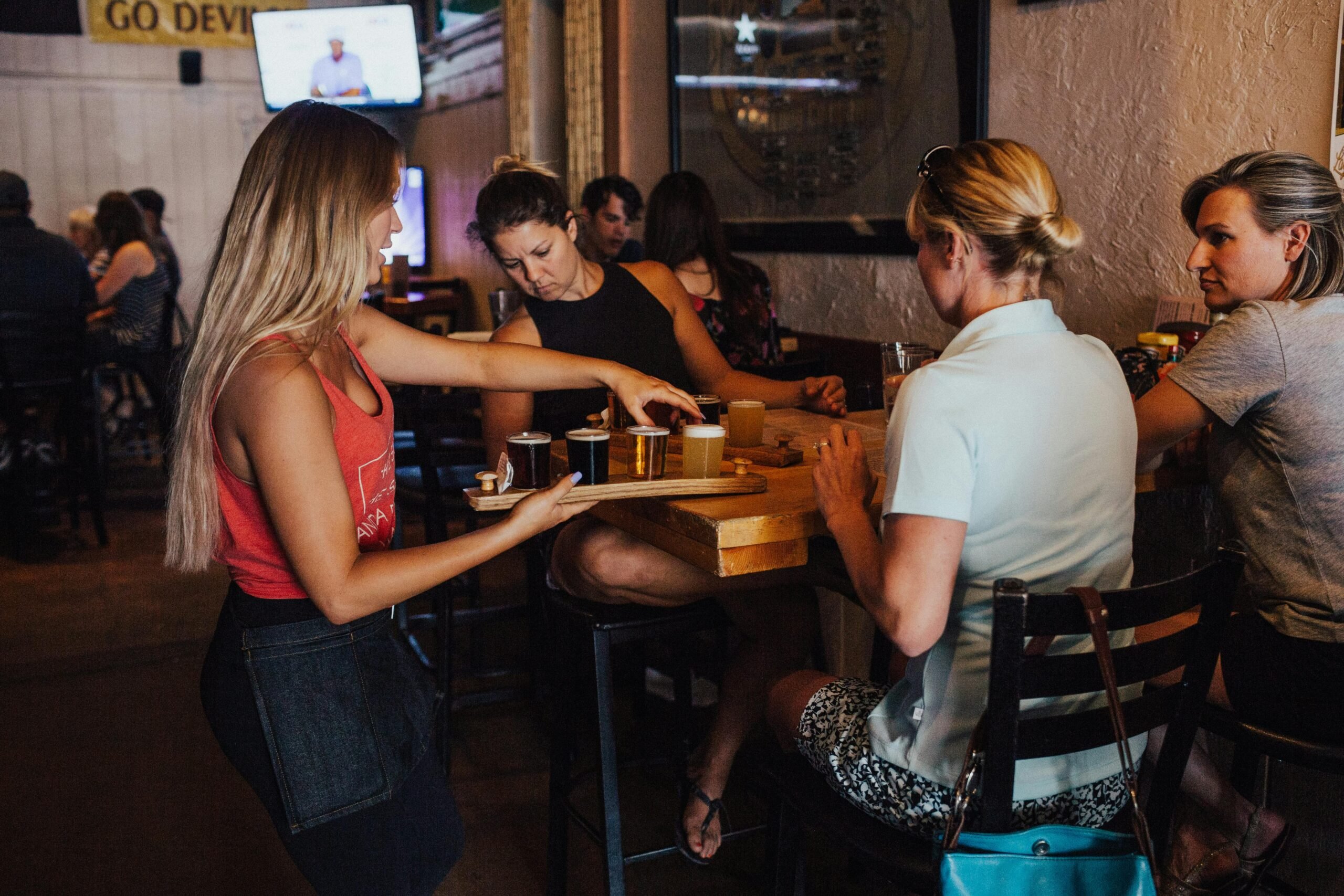
European parents don’t treat drinking like a hidden subject. They might pour a small glass at dinner, talk about types of wine, or offer a sip at a family celebration.
By the time a teen is 16, it’s not shocking if they’ve already had a drink — with their parents, not behind their backs.
American parents, bound by law and culture, often avoid the topic altogether — or enforce harsh boundaries, then look away when they’re broken.
This silence breeds confusion. The conversation happens later — if it happens at all.
7. Fear of Legal Consequences Keeps American Teens in the Dark
In the U.S., parents who provide alcohol to minors — even their own children — risk legal action.
A parent who pours a small glass of wine at dinner for a 16-year-old can be reported, fined, or investigated. Even in states where the law allows some exceptions, the fear of CPS or school discipline often keeps parents silent.
So teens learn alone. And when they make mistakes — they do it without supervision.
8. In Europe, Public Drinking Teaches Public Behavior
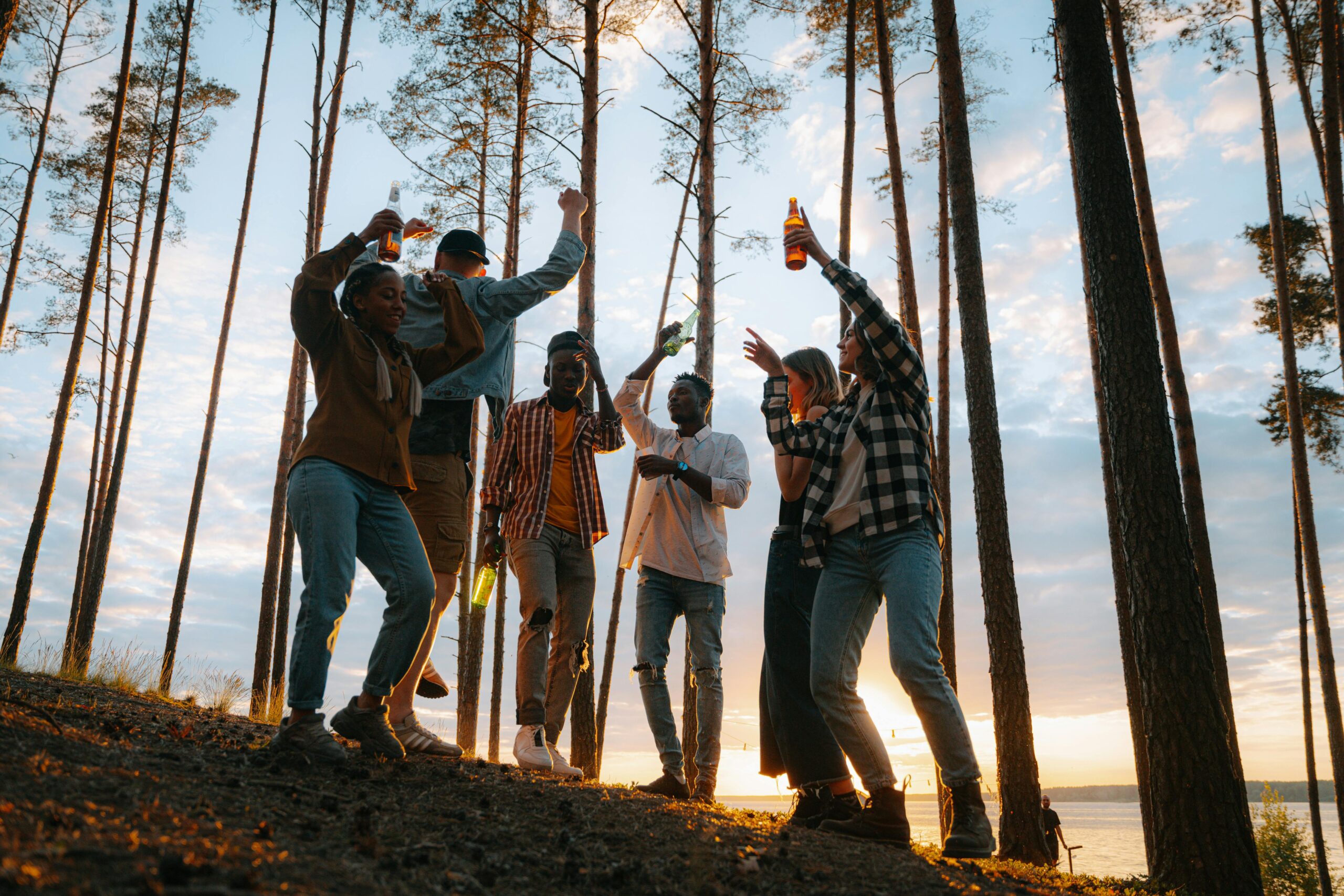
European teens drink in public — and they’re expected to behave accordingly.
Whether it’s at a festival, a family event, or a park, the setting is visible. Adults may be nearby. Police may pass through. The behavior must stay within limits.
This exposure builds awareness of how to handle yourself while drinking — without chaos.
In contrast, American teen drinking happens behind closed doors, often at parties with no adults. When something goes wrong, there’s no one to help — and no lesson to be learned except avoidance.
9. European Teens Don’t Associate Alcohol With Rebellion
In the U.S., drinking underage often feels like a rite of passage — an act of defiance. It’s something you do to break rules, feel older, or prove independence.
In Europe, there’s less thrill. Drinking is just part of social life, like staying out late or learning to dress well.
That means teens don’t feel the same urge to push boundaries — because the boundary is already open, and they’re being invited to walk through it with responsibility.
10. The Risk Isn’t Avoided — It’s Managed

European cultures don’t ignore the risks of teen drinking. But they choose to manage them actively, instead of pretending abstinence will work.
This means:
- allowing moderate drinking at home
- talking openly about limits
- modeling drinking behavior themselves
- removing the secrecy
American systems, by contrast, often believe if you forbid something long enough, it won’t happen.
But it does happen — and usually without any adult input.
11. Basements Are for Hiding — Not Learning

There’s a reason why American teen drinking often happens in basements, barns, or backyards: it’s illegal, and it’s hidden.
These are spaces of secrecy. They’re not designed for dialogue or development. They’re where kids go to avoid being seen.
This reinforces the idea that alcohol is something to be sneaky about, not something to learn from. The risk goes unspoken — until it becomes visible through damage.
12. By 18, European Teens Are Often More Prepared

By the time they reach adulthood, many European teens already know their limits.
They’ve had bad hangovers. They’ve seen friends go too far. They’ve learned how to say no. And they’ve done all of this while still under some level of adult observation.
American teens, meanwhile, often begin drinking in college — at 18 or 19 — when they’re legally independent, far from home, and unaccustomed to moderation or public drinking norms.
The contrast in preparation shows — in emergency room visits, in binge drinking rates, in confidence around alcohol.
One Culture Trains, The Other Prohibits
The basement isn’t just a location — it’s a symbol. Of secrecy. Of parental fear. Of laws that assume teenagers can’t handle what they’re not taught.
The park bench in Europe? It’s a different symbol. Of public presence. Of shared space. Of drinking as a behavior, not a rebellion.
Neither system is perfect. But only one assumes that teens are capable of learning how to drink before they’re allowed to do it freely.
And when the basement doors close, and the beer cans stack up, it’s worth asking — what if the lesson had started earlier, in the open, with guidance instead of guilt?

About the Author: Ruben, co-founder of Gamintraveler.com since 2014, is a seasoned traveler from Spain who has explored over 100 countries since 2009. Known for his extensive travel adventures across South America, Europe, the US, Australia, New Zealand, Asia, and Africa, Ruben combines his passion for adventurous yet sustainable living with his love for cycling, highlighted by his remarkable 5-month bicycle journey from Spain to Norway. He currently resides in Spain, where he continues sharing his travel experiences with his partner, Rachel, and their son, Han.