
And what it reveals about culinary trust, historical memory, and why Italians still prize food Americans are taught to fear
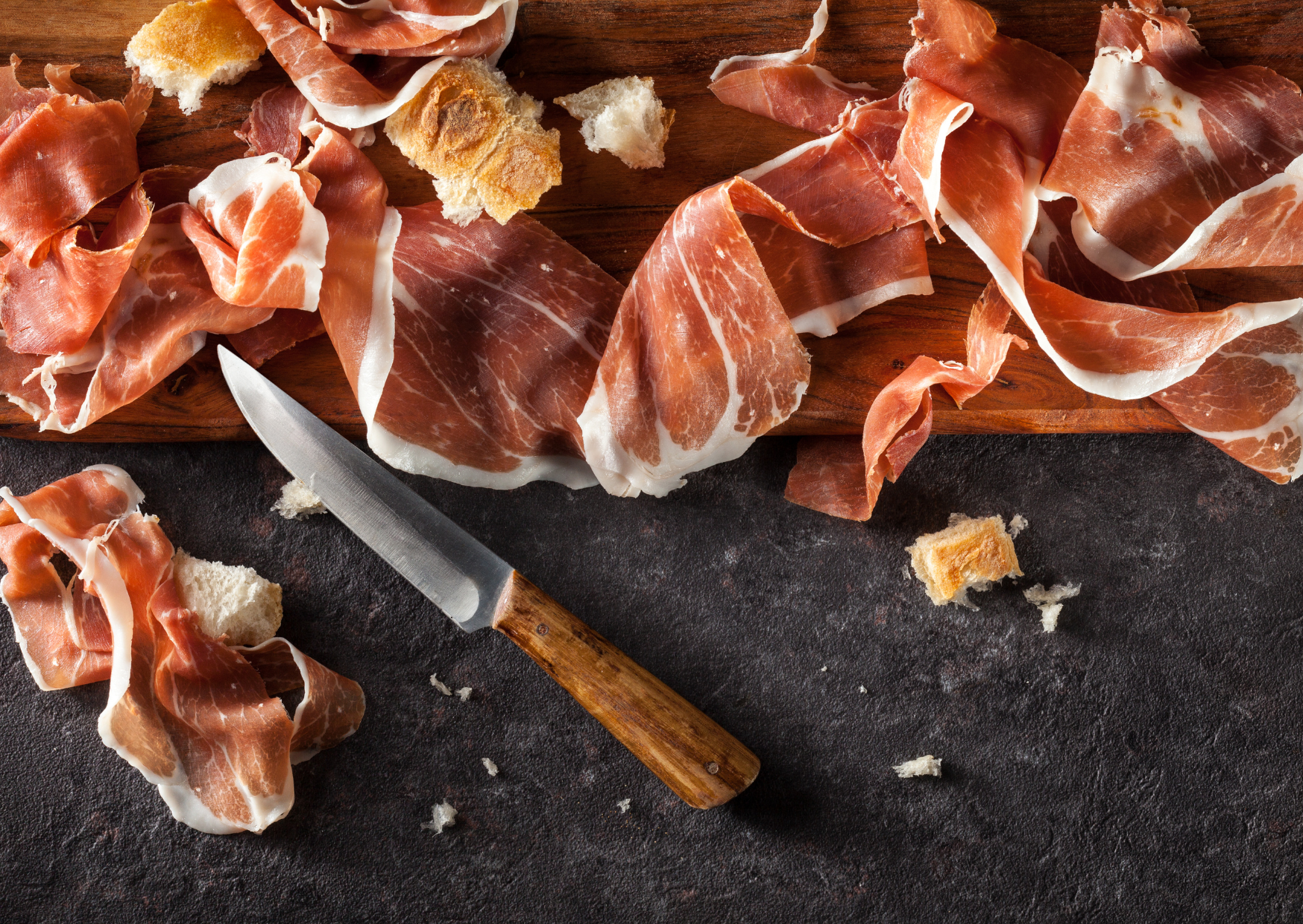
It happens in a crowded salumeria in Umbria. A shopkeeper cuts a thin, glistening slice of pork and hands it to you across the counter. The meat is soft pink, almost translucent. No char, no crust, no sign of heat.
You hesitate.
“It’s raw,” you say.
He smiles. “È buonissimo.”
To an Italian, this isn’t dangerous. It’s delicacy. It’s salsiccia cruda or coppa di testa, or thinly sliced guanciale meant to be eaten as is. No stove. No oven. Just air, time, and tradition.
To an American, it’s a red flag. A warning from every food safety course, medical blog, and USDA sticker. Raw pork equals parasites. Possibly trichinosis. Maybe worse.
And yet, in Italy — not just rural corners, but all over — raw and cured pork is eaten regularly. With pride. With minimal fear.
Here’s why Italians eat raw pork in ways American doctors consider high-risk, and what this difference says about trust, regulation, and the cultural stories we tell ourselves about danger.
Want More Deep Dives into Everyday European Culture?
– Why Europeans Walk Everywhere (And Americans Should Too)
– How Europeans Actually Afford Living in Cities Without Six-Figure Salaries
– 9 ‘Luxury’ Items in America That Europeans Consider Basic Necessities
1. Americans Were Raised on Parasite Panic
In the U.S., pork has long been seen as biologically unstable.
For decades, government campaigns warned against undercooked pork, linking it to trichinella spiralis, a parasite that causes trichinosis — a serious, even deadly disease.
These warnings stuck. Cook your pork to 160°F. Don’t trust pink. Throw it back on the grill. The idea became dogma.
Even now, despite modern improvements in meat inspection, Americans remain cautious. Raw pork is treated as unthinkable, even in fine dining.
2. Italy Trusts Its Curing Traditions
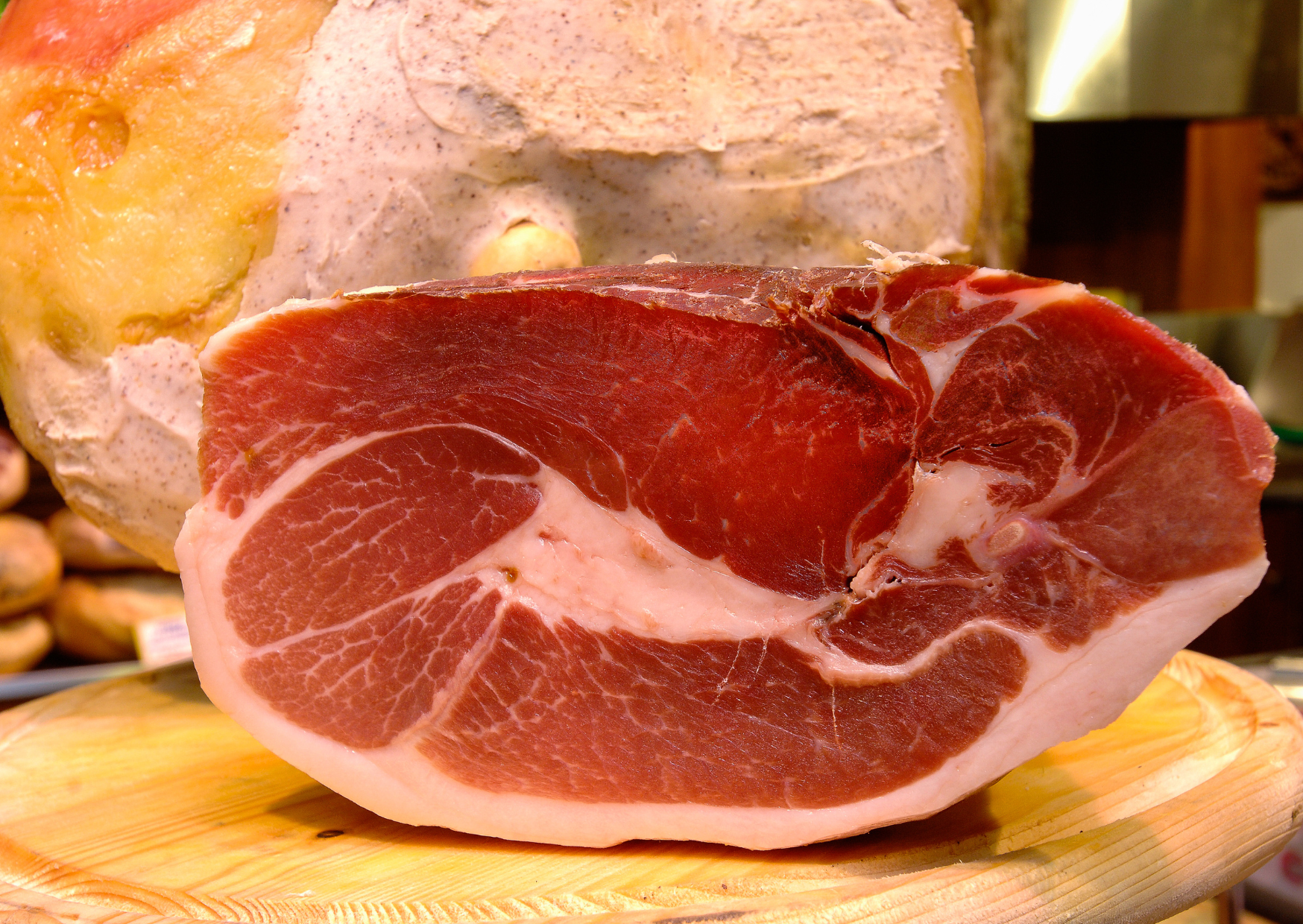
In Italy, raw pork doesn’t mean unprocessed. It means uncooked but cured — often through salt, time, and careful drying.
Salsiccia cruda in Piedmont, for example, is made from fresh, ground pork mixed with spices and left to rest in cool conditions. It’s served with bread, not heat.
Coppa di testa is made from head meat and skin, pressed and sliced thin. Guanciale is cured cheek, eaten raw in some regions before it’s ever tossed into carbonara.
To Italians, these products are not raw in the dangerous sense. They’re transformed, even if they never touch a flame.
3. The Supply Chain Is Smaller and More Personal
One reason Italians trust their pork? They often know where it came from.
In many regions, pork is sourced from local farms, butchered nearby, and cured by hand. There’s direct connection. Transparency. Pride.
The butcher isn’t a stranger. He’s part of the community. His product carries personal credibility, not just regulatory approval.
By contrast, Americans are distanced from their meat. It’s wrapped in plastic, shipped across states, handled by chains of invisible workers. That distance creates fear.
When you don’t know the origin, you trust the rules. When you do, you trust the person.
4. The U.S. Standard Is Safety by Elimination
In American food regulation, safety means kill everything.
Temperatures are set high. Shelf lives are short. Labels scream warnings. The approach is universal: remove all possible risk through uniform practice.
There’s no room for nuance, regional technique, or personal judgment. Food is safe because it’s processed and sanitized — not because it was handled with care.
This mindset leaves no space for raw pork. It can’t be monitored easily. It’s not systematized. So it’s excluded.
5. Italians Believe Safety Comes From Technique
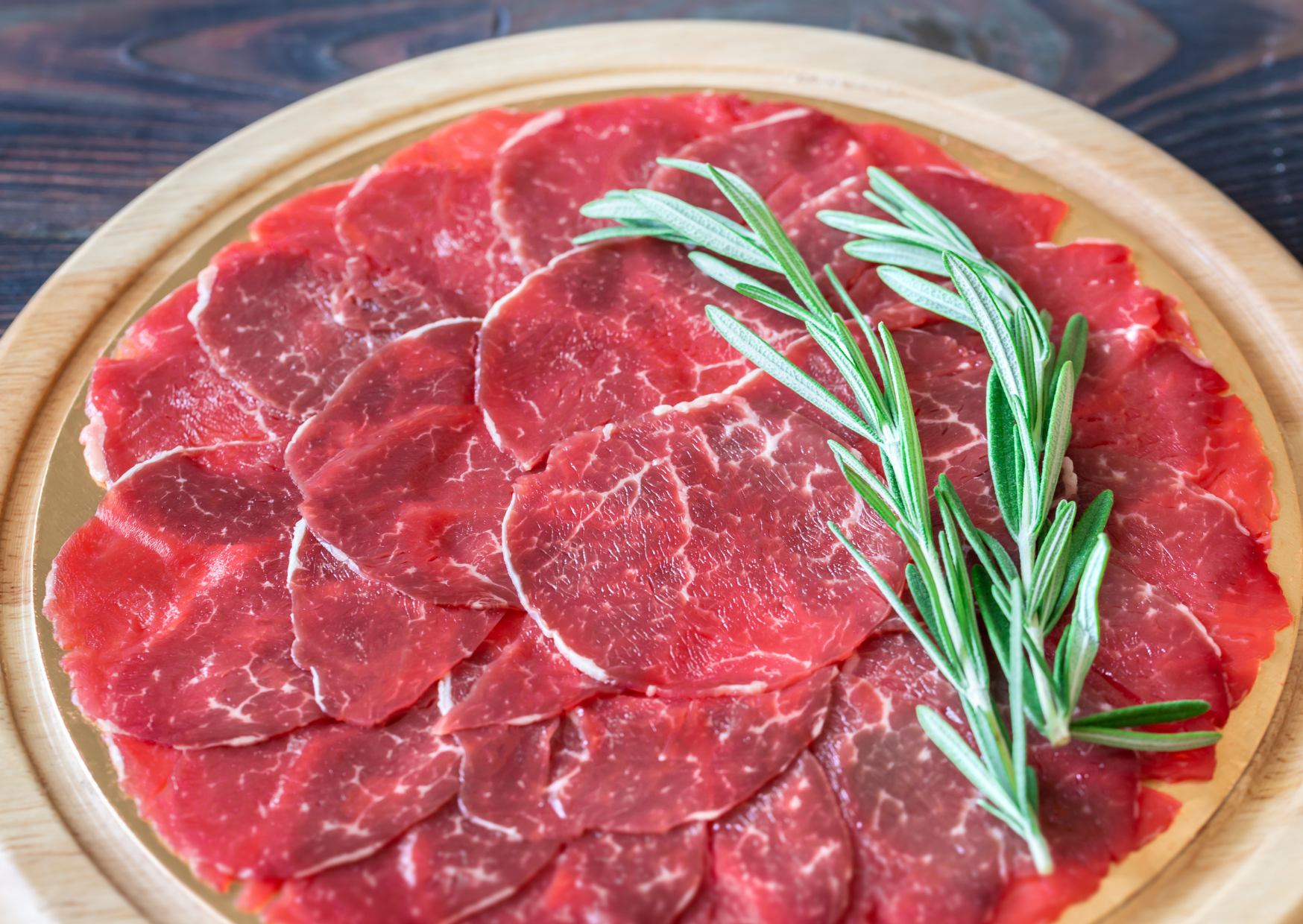
In Italy, safety is not the absence of risk. It’s the presence of craft.
Cured meats are judged by smell, touch, appearance. Producers know the humidity levels in their basements. They track aging by feel. They test by taste.
There are official protections too. But the deeper trust lies in intergenerational knowledge, not just thermometers.
Food is not safe because it was heated. It’s safe because it was made correctly.
6. Laws Are Strict — but Allow Tradition
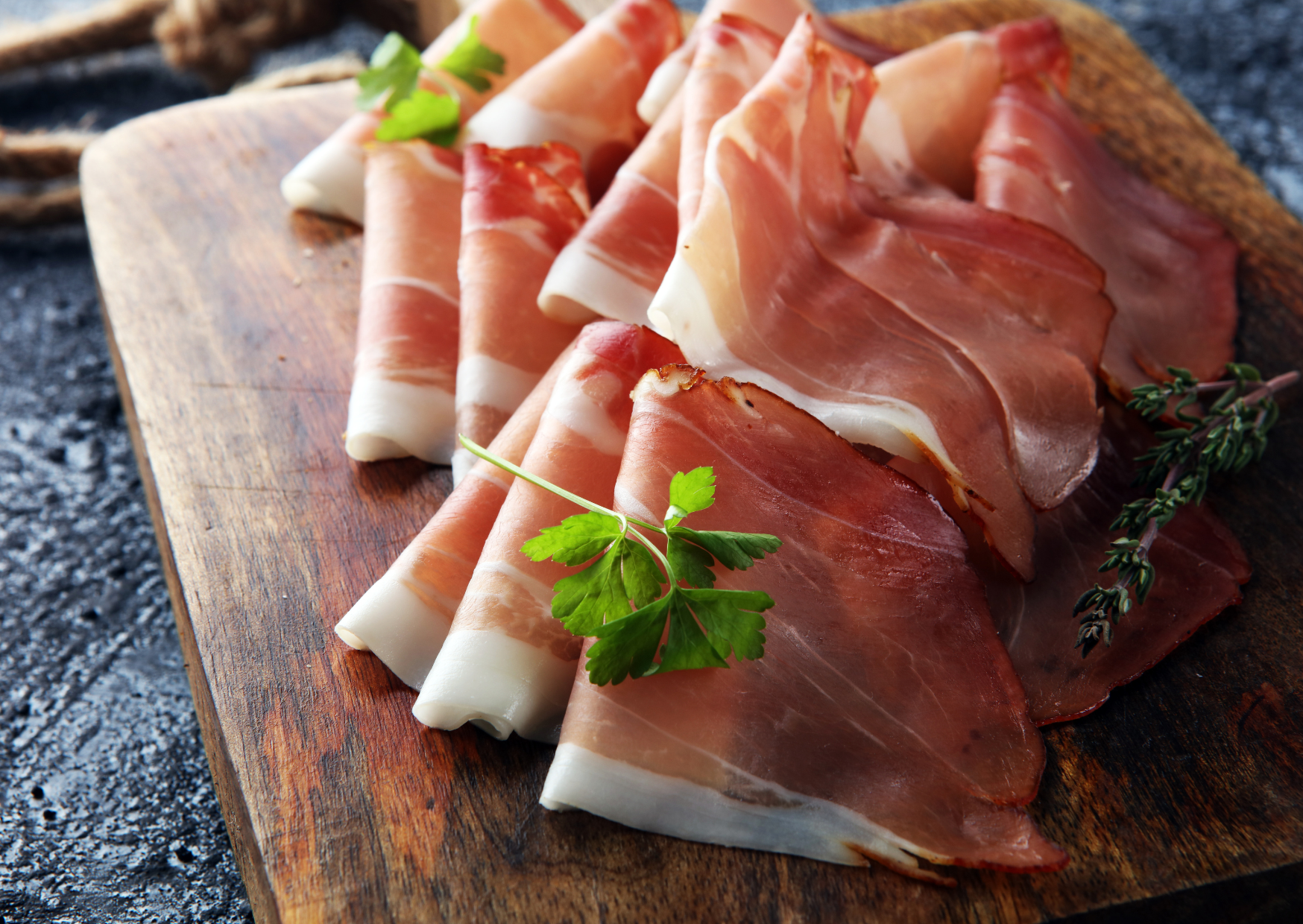
Italy isn’t lawless. Raw pork products must meet hygiene standards and are often inspected, especially when sold commercially.
But the law also makes space for tradition.
DOP and IGP certifications protect methods. Local products are legally recognized for being what they are — cured, raw, and safe when prepared properly.
The U.S., by contrast, tends to make one rule for all. In doing so, it flattens the culinary landscape and pushes raw pork off the table.
7. Regional Pride Keeps These Products Alive
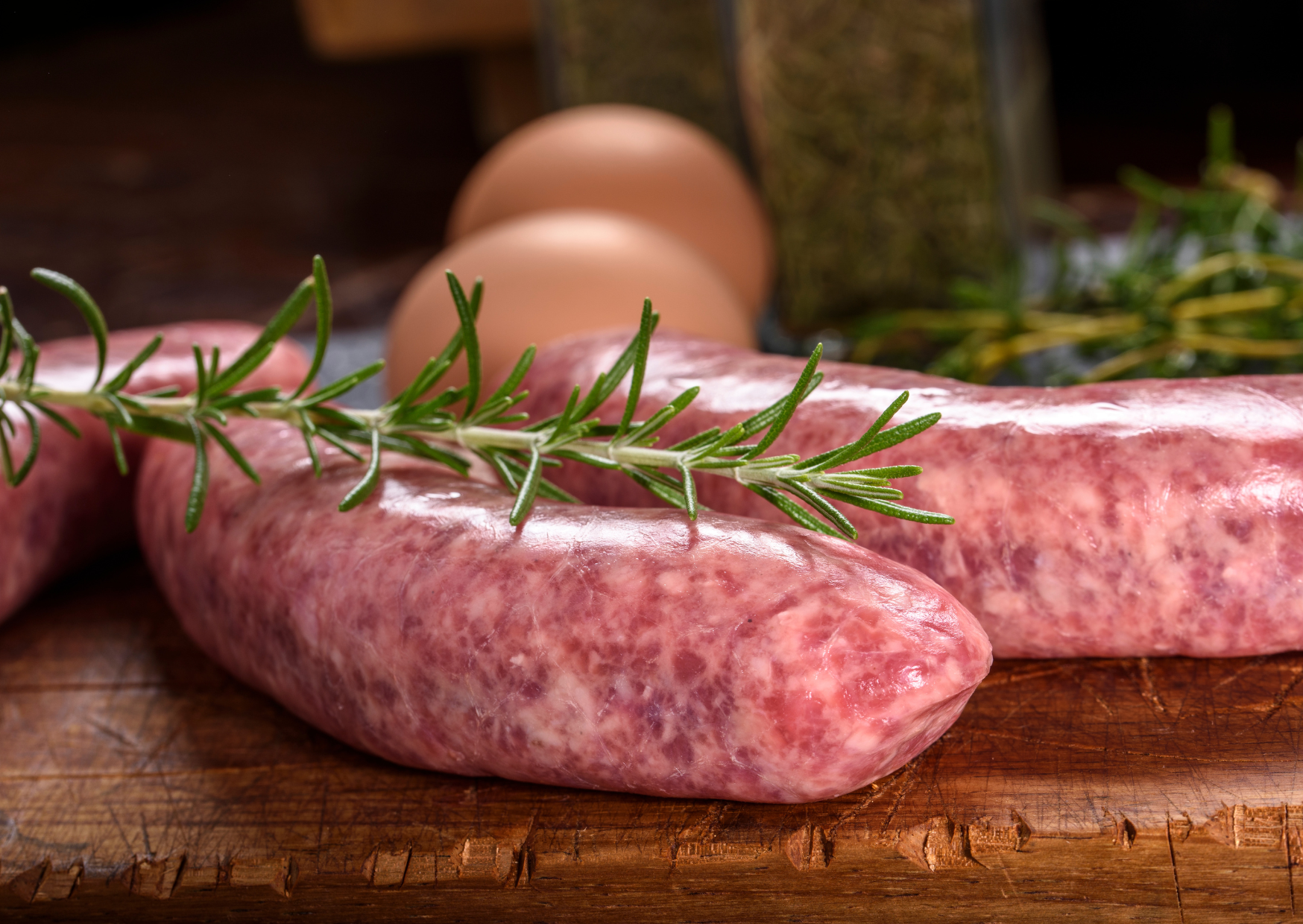
In places like Norcia, Cuneo, or Sardinia, local pride is tied to specific meats. Raw salsiccia. Cured lardo. Salame with just the right chew.
These are not side dishes. They’re regional identities.
Families pass down recipes. Festivals celebrate them. Tourists come to taste them.
Removing them would not just mean losing a food — it would mean losing a piece of place.
8. Texture and Taste Matter
Cured pork eaten raw has a specific mouthfeel — tender, rich, a little fatty.
Americans often associate pork with chewiness or crispness. But Italians look for creaminess, subtle funk, and clean fat.
These are flavors and textures you can’t get from cooked meat. They only come from time and controlled rawness.
To remove the raw element is to lose the point.
9. American Doctors Don’t See the Whole Picture
Medical professionals in the U.S. still warn against raw pork, citing historical outbreaks and current risks in unregulated supply chains.
But they often lump all raw pork together — industrial and artisanal, fresh and cured, careless and controlled.
Italian producers operate on a different system, with different oversight. The conditions that led to U.S. warnings don’t always apply.
This doesn’t mean all raw pork is safe. But it does mean context matters — and doctors don’t always have it.
10. Italians Still Remember When It Wasn’t Safe
Older Italians remember when trichinosis was real. When families raised pigs without inspection. When poor curing could cause illness.
But those memories didn’t lead to a ban. They led to better technique.
Instead of outlawing raw pork, Italy refined it. Learned from mistakes. Tightened controls. But kept the product.
That history gives modern Italians confidence — not arrogance. They eat raw pork knowing how it’s made, not assuming it’s harmless.
11. American Tourists React with Discomfort
When Americans are offered raw pork in Italy, many flinch.
Some politely decline. Others try it and are surprised — by the texture, the taste, the absence of regret.
But even then, there’s a flicker of discomfort. The memory of every food safety video, every “undercooked warning,” every story about parasites.
The bite might be good. But the brain is still suspicious.
12. The Fear Is Cultural, Not Just Medical
Americans see raw pork and think risk. Italians see raw pork and think care.
This isn’t just about bacteria. It’s about cultural values.
Americans are taught to avoid danger through restriction. Italians are taught to manage danger through skill.
That shift changes how you approach food. It changes what you allow yourself to eat — and what you believe you deserve to enjoy.
It’s Not Just Meat. It’s Trust.
When an Italian butcher offers you raw pork, they’re not being reckless. They’re offering confidence — in their work, their process, their product.
And when an American recoils, it’s not arrogance. It’s learned caution, reinforced by a system that sees safety as the absence of error.
Neither culture is wrong. But only one still makes space for flavor that comes without fire.
You can refuse the slice. You can ask questions. But if you do try it, know this:
You’re tasting not just pork — but history, technique, and a different way of managing risk. One where the danger isn’t denied, but transformed.

About the Author: Ruben, co-founder of Gamintraveler.com since 2014, is a seasoned traveler from Spain who has explored over 100 countries since 2009. Known for his extensive travel adventures across South America, Europe, the US, Australia, New Zealand, Asia, and Africa, Ruben combines his passion for adventurous yet sustainable living with his love for cycling, highlighted by his remarkable 5-month bicycle journey from Spain to Norway. He currently resides in Spain, where he continues sharing his travel experiences with his partner, Rachel, and their son, Han.