
And what it reveals about dignity, service culture, and why Americans confuse pride with rudeness in French hospitality
It happens just after dessert. You’ve lingered over your espresso, admired the slowness of a French meal, and finally asked for the check. When it comes, you do what you’ve always done — pull out some bills, calculate 15%, and round up.
You leave the money on the table and head for the door.
But as you step outside, you hear your server call after you. He hands back the extra cash with a flat expression and says something like:
“Le service est déjà inclus.”
Service is included.
No smile. No warmth. Just a quiet, firm gesture. You feel embarrassed. Confused. Almost scolded. You were trying to be generous — and somehow, it backfired.
To an American, tipping is a sign of respect, gratitude, even social obligation. But in France, tipping carries a very different meaning. It can be rejected, minimized, or met with discomfort — not because French servers are rude, but because the system doesn’t expect, or always welcome, extra money.
Here’s why French servers sometimes reject tips — and why Americans often misinterpret it as an insult instead of a reflection of how service is valued in France.
Want More Deep Dives into Everyday European Culture?
– Why Europeans Walk Everywhere (And Americans Should Too)
– How Europeans Actually Afford Living in Cities Without Six-Figure Salaries
– 9 ‘Luxury’ Items in America That Europeans Consider Basic Necessities
1. Tipping Is Already Built Into French Wages

In France, restaurant bills include a mandatory service charge, typically around 15%, baked directly into the menu prices. This means servers don’t rely on tips to make a living.
Unlike their American counterparts, who often earn low hourly wages and depend on tips to survive, French servers are paid a monthly salary with benefits — including paid vacation, health care, and job security.
When you leave a large tip, it doesn’t fill a gap. It can feel excessive, even misplaced.
You’re not helping someone survive. You’re trying to layer one culture’s habit onto another system that already works differently by design.
2. Pride in Service Comes Without a Performance Smile

American service culture teaches that “the customer is always right”, and that friendliness is part of the job.
In France, the server is a professional, not a performer. They don’t hover, they don’t refill your water constantly, and they don’t compliment your food choices.
They give you space, take your order, and expect you to stay as long as you like. The transaction is direct — not cold, but efficient and egalitarian.
So when an American tips generously in response to this quiet professionalism, French servers may interpret it not as gratitude, but as misplaced reward for doing one’s job.
3. The Tip Can Feel Patronizing, Not Appreciated
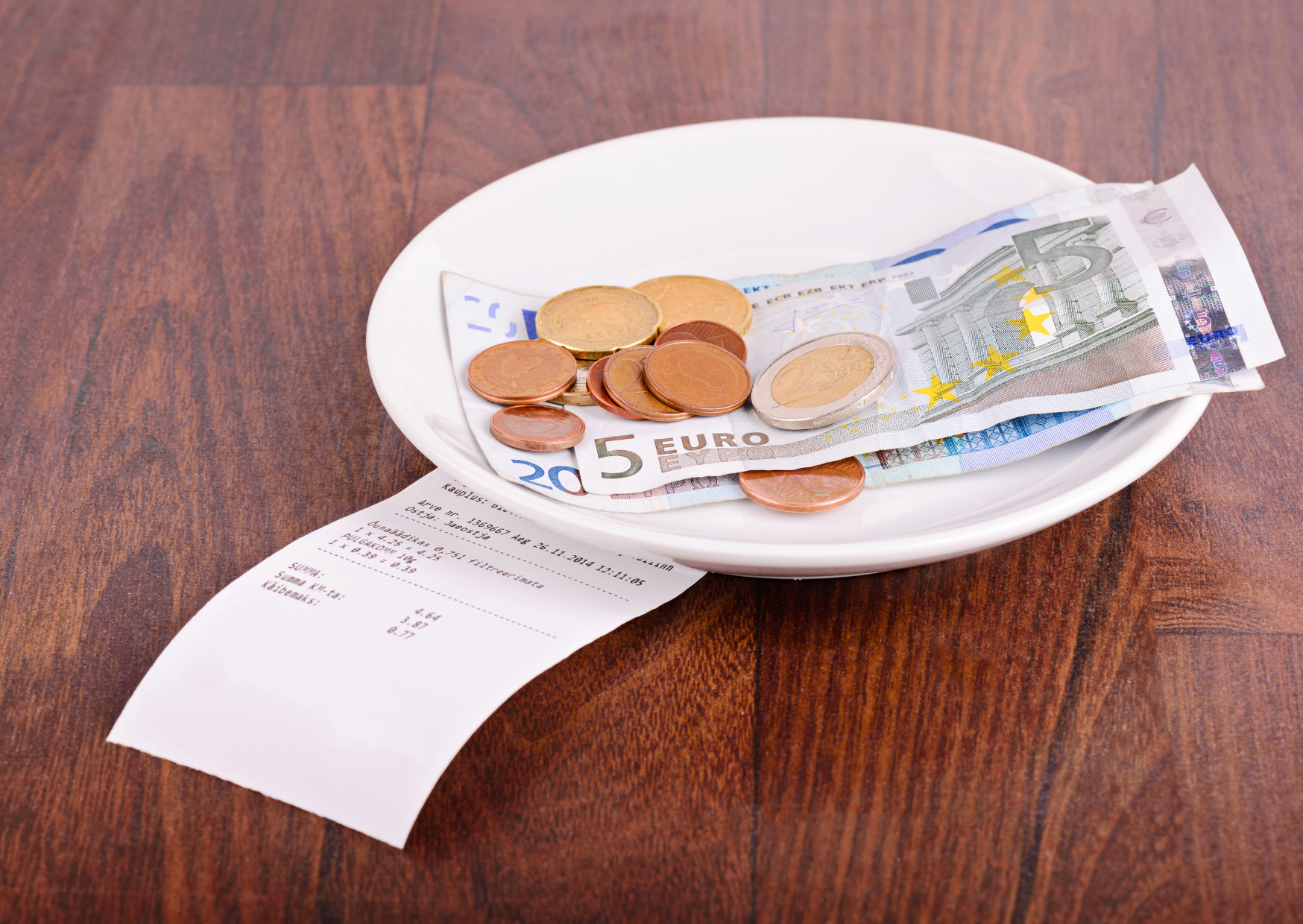
Imagine someone tipping you for brushing your teeth or tying your shoes. That’s how some French servers perceive excessive tipping — as if the act of doing their job deserved bonus points.
This isn’t about arrogance. It’s about labor dignity.
In France, service work isn’t viewed as lesser. Being a waiter or waitress is often a skilled, long-term profession — not a temporary job on the way to something better.
The pride comes from doing the job well, not from hoping a stranger leaves a few extra euros for a smile.
4. Americans Think Generosity Speaks for Itself
In the U.S., tipping is how you say “thank you”, “you did great”, or “I see you”. It’s not just about money — it’s a cultural shorthand for respect.
That’s why, when a French server returns a tip or declines extra cash, Americans feel uncomfortable. They were trying to express something, and their gesture was refused.
But in France, gratitude is shown with words. A sincere “merci, c’était délicieux” or “bonne journée” means more than loose change. The tip doesn’t say what you think it does.
5. The Amount You Tip Can Be Seen as Awkward or Confusing
Leaving 15 to 20 percent on a French restaurant bill is not just generous — it’s unexpected.
Most locals leave a few coins, maybe rounding up to the nearest euro. If the bill is €46, a local might leave €48. Anything beyond that may cause a raised eyebrow.
Servers may think you’ve misunderstood the bill, or worse, that you’re trying to buy favor or attention.
The American habit of proving generosity through money can clash with a French sense of propriety and boundaries.
6. Cash Tipping Creates Practical Problems
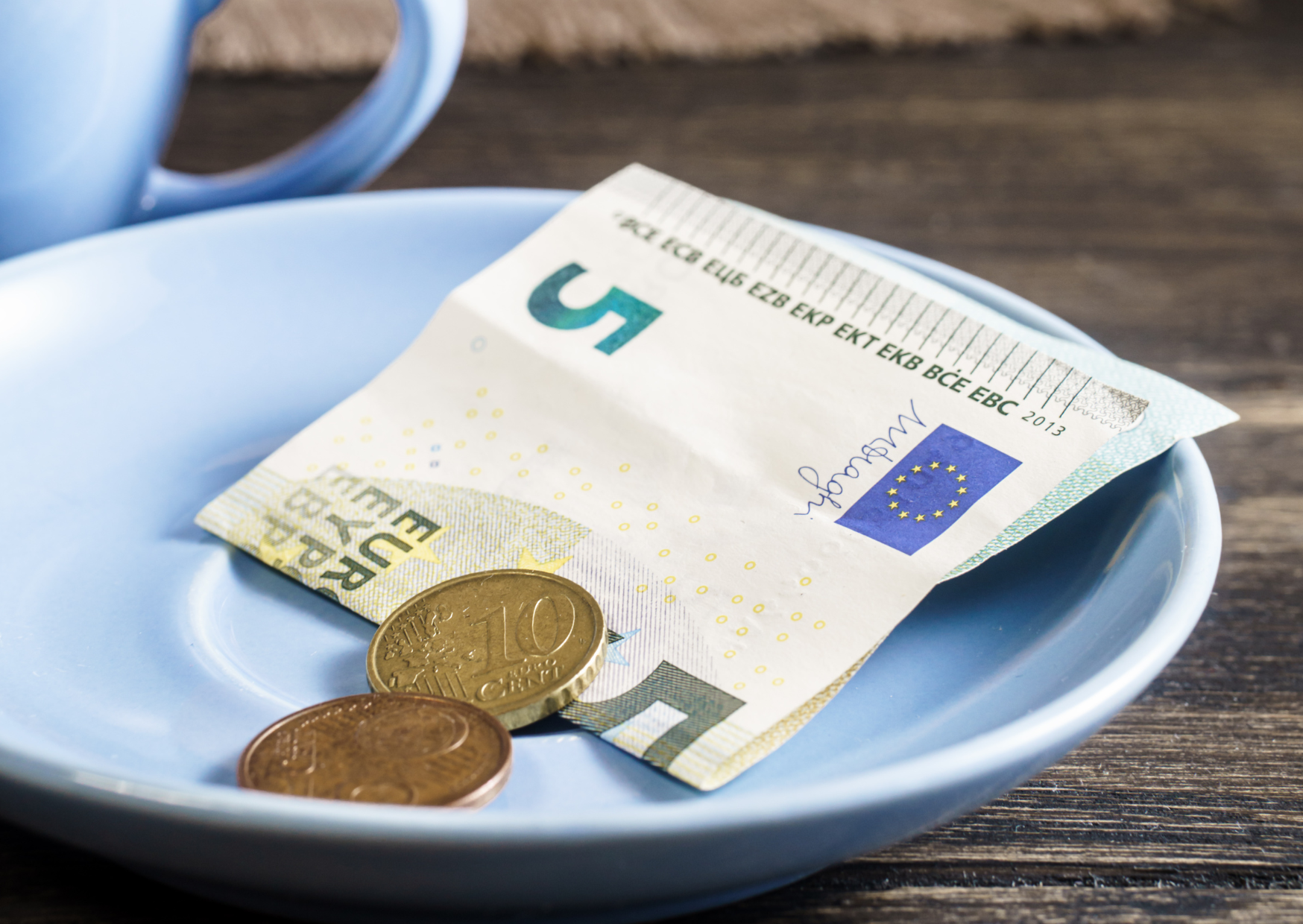
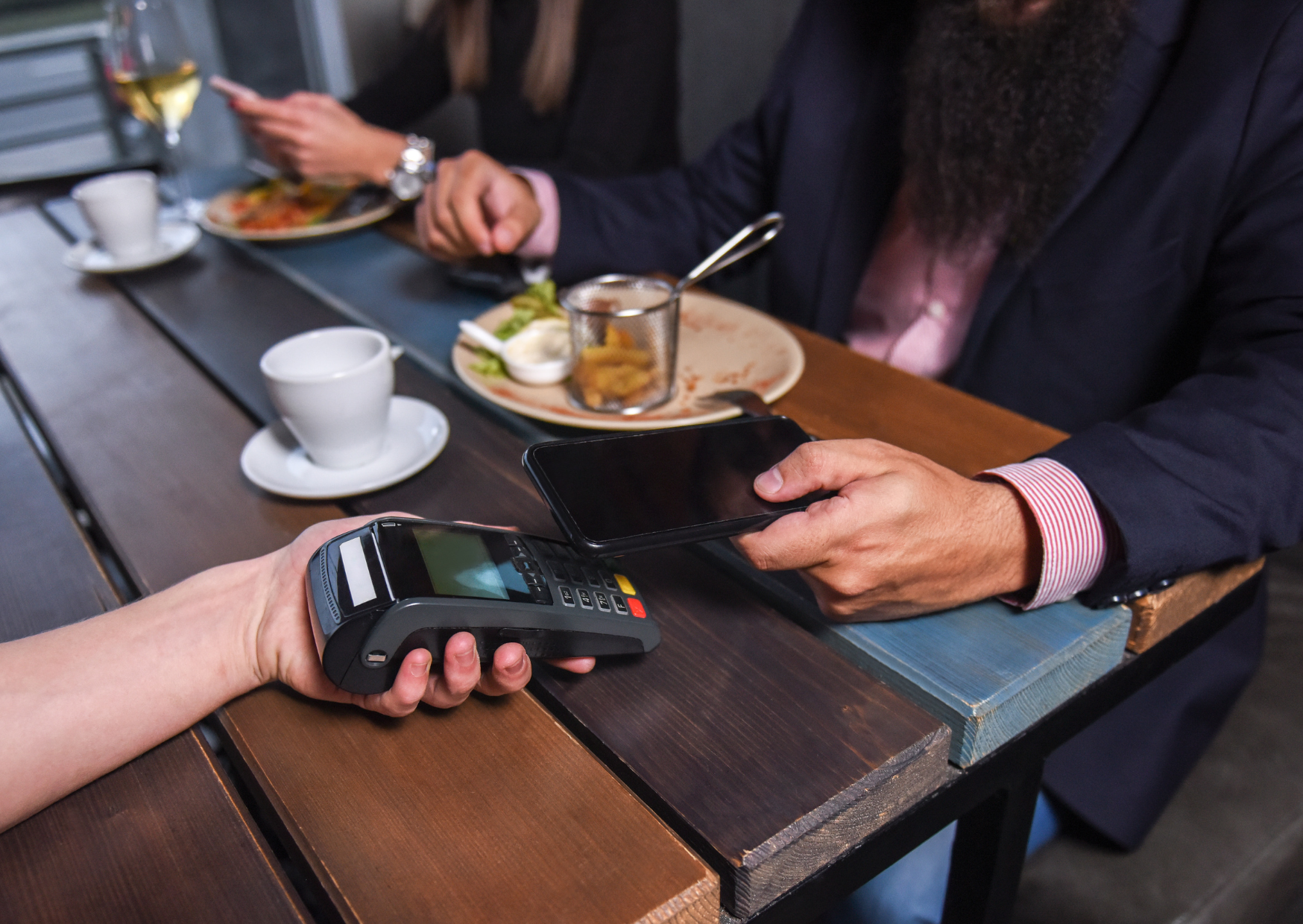
Because service is included in credit card bills, most French diners don’t tip electronically. Tips, when given, are almost always in small cash amounts — a couple of euros left on the table.
When Americans ask to add a tip to the card, it can confuse staff or create extra work. In some places, it’s not even possible.
This isn’t rudeness. It’s a structural issue. French systems are not built to accommodate tip culture, and extra gestures can complicate a process that’s usually simple.
7. Rejection Isn’t Rudeness — It’s Clarity

When a French server hands back your extra cash and says, “service is included,” they’re not being cold.
They’re being transparent.
They assume you didn’t know, and they’re telling you that you’ve already paid enough. It’s a moment of honesty, not dismissal.
In a culture where understatement is valued, this simple return of a tip may actually be a gesture of respect — letting you keep your money rather than profit from your confusion.
8. Locals Don’t Tip to Be Seen
In many American restaurants, tipping is performative. You tip in front of others. You signal your status. You make eye contact with the bartender as you drop the bill.
In France, tipping is quiet. If done at all, it’s left discreetly — no fanfare, no expectation.
So when American tourists tip in large amounts, it can feel uncomfortably visible, as if you’re trying to signal your generosity rather than simply pay the bill.
To locals, this can read as a lack of subtlety — not a virtue.
9. Tourist Tipping Warps Expectations in Some Areas

In Paris, Nice, and other tourist-heavy cities, tipping has become more common — not because of local norms, but because of tourist behavior.
Some restaurants now expect tips from Americans, even if they’re not required. Others may tolerate larger tips without returning them, especially in areas where Americans dominate the customer base.
But among more traditional servers — particularly in smaller towns — the gesture still feels unfamiliar and uncomfortable.
The reaction to your tip depends partly on where you are, and how often that place caters to international habits.
10. Service Workers Are Not Supposed to Flatter You
American diners sometimes feel offended by French service because it lacks effusiveness.
No one tells you “great choice!” when you order. No one checks in every five minutes. The waiter doesn’t hover.
That’s not disinterest — it’s cultural respect for space and autonomy.
French servers assume you know what you want. They’re not trying to please you through constant affirmation. So when you try to please them with an American-style tip, they may not know what to do with it.
11. Tipping Doesn’t Guarantee Better Service — It Changes the Vibe
In the U.S., tipping is part of a transactional performance. You tip better, you get better service. It’s a feedback loop.
In France, service quality isn’t linked to your money. It’s based on how you act, how you treat the staff, and how smoothly the interaction goes.
Trying to tip big as a way of guaranteeing friendliness can actually make things awkward, not smoother.
Because in France, service isn’t for sale — it’s offered on professional terms.
12. Americans Leave Feeling Like They Did Something Wrong
When their tip is rejected, many American travelers feel stung. They interpret the server’s gesture as rude or dismissive.
But what they’re missing is that the system was already working.
The service charge was there. The meal was delivered. The space was respected. No one expected anything else.
The rejection isn’t personal. It’s cultural.
And it’s a reminder that what counts as generous in one place can feel inappropriate in another.
They’re Not Saying No to Gratitude — They’re Saying You’ve Already Said It
In France, tipping is not a conversation about money. It’s a quiet nod, a rounding up, a few coins if you feel like it.
Service isn’t transactional. It’s built in.
So when the server hands back your extra cash, don’t take it as a rejection of your kindness. Take it as a gentle correction — a reminder that in this country, respect isn’t measured by your tip.
It’s measured by how long you lingered over the meal. How well you said thank you. And whether you understood that sometimes, the most polite thing to do is simply walk away smiling — with nothing left on the table but the bill.

About the Author: Ruben, co-founder of Gamintraveler.com since 2014, is a seasoned traveler from Spain who has explored over 100 countries since 2009. Known for his extensive travel adventures across South America, Europe, the US, Australia, New Zealand, Asia, and Africa, Ruben combines his passion for adventurous yet sustainable living with his love for cycling, highlighted by his remarkable 5-month bicycle journey from Spain to Norway. He currently resides in Spain, where he continues sharing his travel experiences with his partner, Rachel, and their son, Han.