
Traveling in Mexico offers unforgettable experiences — from its vibrant cities and beach resorts to its authentic food and welcoming culture. But one topic that often confuses visitors is tipping. Unlike some countries where tipping is optional or rare, tipping in Mexico is an expected part of service culture, with its own unwritten rules and customs that can catch travelers off guard.
Understanding how much to tip, when it’s appropriate, and when it’s not only helps you avoid awkward situations but also shows respect for local customs. In Mexico, tipping isn’t just about rewarding good service — it’s often a vital part of a worker’s income, particularly in tourism-heavy areas. Knowing the norms can make your trip smoother and your interactions with locals more positive.
In this post, we’ll break down the key tipping rules you need to know before traveling to Mexico. From restaurants and taxis to hotels and tour guides, we’ll cover common mistakes, essential tips, and the right way to handle tipping without stress or confusion.
Read here best things to know before visting Mexico and the best Mexico sim card for tourist
Read here Mexican food, vegetarian food in Mexico and Mexican drinks
BOOK YOUR TRAVEL INSURANCE
Two of our favorite travel insurance: Heymondo Vs Safetwing cheapest travel Insurance. You can get for $135 USD your Heymondo Travel Insurance with Heymondo discount code valid for 90 days. Read our full comparison of Genki vs Safetywing Travel Insurance Review and the comparison Heymondo vs Genki
Tips for Tipping in Mexico
Use Discretion: If the service is poor or unsatisfactory, don’t feel obligated to leave a tip.
Be Generous in Rural Areas: In less touristy regions, tipping even small amounts can make a big difference.
Say Thank You: Along with your tip, a simple “gracias” (thank you) goes a long way.
Restaurants: Leave 10–15% of the bill in cash, even if paying by card, unless service was poor.
Hotels: Tip bellhops 20–50 pesos per bag and housekeeping 20–50 pesos per day.
Taxis & Rideshares: Tipping is not required for street taxis, but rounding up or giving 10–20 pesos is appreciated. For app rides like Uber, 10% is considered generous.
Tour Guides: Offer 10–15% of the tour price, especially for private or small-group tours.
Grocery Packers & Gas Attendants: A few pesos (5–10) is customary for baggers and attendants.
One major misconception is that Mexican service workers expect American-style tips across the board. While tipping is indeed common, Mexico has its own standards — and over-tipping based on American norms can actually create unrealistic expectations or misunderstandings, especially in less touristy areas.
Another misunderstood belief is that you can skip tipping if you’re already paying high service fees. In many cases, service charges at resorts or hotels do not go directly to staff. This makes direct tipping still appreciated and, in some cases, expected. Always check whether a tip is included before deciding to skip it.
Perhaps most surprising is the idea that tipping in cash is optional if you’ve already tipped via card. In Mexico, tipping in cash is often preferred because it guarantees that the staff member actually receives the money, rather than it getting lost in credit card processing or withheld by management.
General Rules About Tipping in Mexico
Tipping is Common but Not Mandatory
While tipping isn’t legally required, it’s customary and appreciated in the service industry.
Many workers rely on tips to supplement low wages.
Use Pesos When Possible
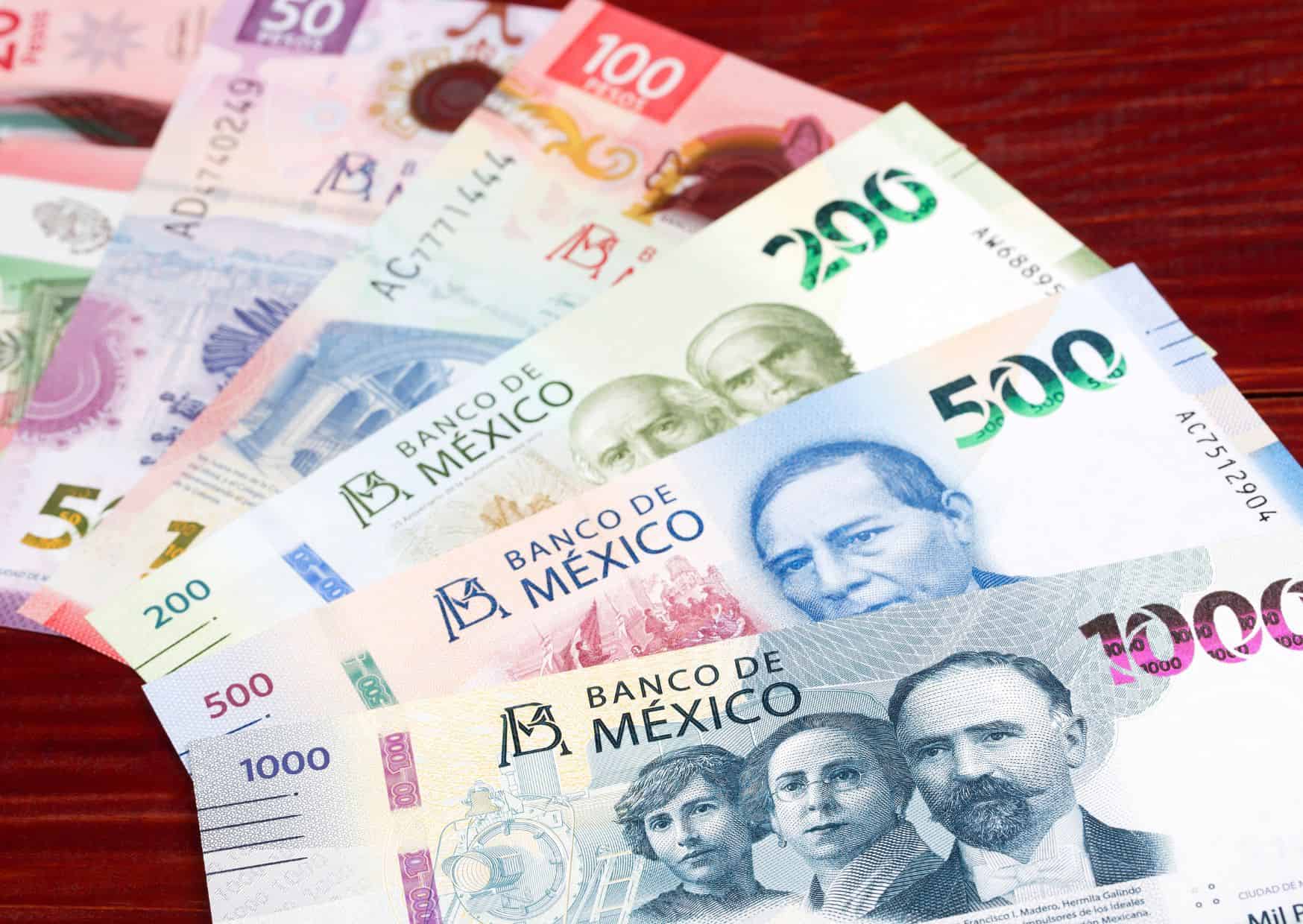
Tipping in Mexican pesos is preferred, as it avoids currency exchange hassles for workers.
If you’re tipping in foreign currency (e.g., U.S. dollars), ensure it’s in small denominations.
Keep Small Bills and Coins Handy
Having small denominations makes it easier to tip without needing change.
Standard Tip Percentage
In most cases, a tip of 10–15% of the bill is appropriate, though exceptional service can warrant 20% or more.
Tipping Guidelines for Specific Services
1. Restaurants and Cafes
How Much:
10–15% of the bill if service is good.
15–20% for excellent service.
Important Notes:
Check the bill to see if a service charge (servicio) is already included; if so, tipping is optional but appreciated.
2. Bars

How Much:
10–20 pesos per drink or 10–15% of the total bill.
Important Notes:
Tip the bartender directly, as pooled tips may not reach them.
3. Hotels

How Much:
Bellboys: 20–50 pesos per bag.
Housekeeping: 20–50 pesos per night.
Concierge: 50–150 pesos for special services like securing hard-to-get reservations.
Important Notes:
Leave the housekeeping tip in an envelope or with a note so they know it’s for them.
4. Taxis and Rideshares
How Much:
Tipping isn’t expected for regular taxis, but rounding up to the nearest 10 pesos is polite.
For rideshares like Uber or Didi, tip 10–20 pesos or round up for good service.
Important Notes:
If the driver assists with luggage or provides exceptional service, tip more generously.
5. Tour Guides

How Much:
Private guides: 15–20% of the total cost.
Group tours: 50–100 pesos per person.
Important Notes:
Tip drivers separately (50–100 pesos, depending on the distance).
6. Street Performers or Musicians
How Much:
10–20 pesos if you stop to watch or enjoy their performance.
Important Notes:
Tipping isn’t mandatory but is a kind gesture.
7. Street Vendors
How Much:
Tipping isn’t expected for small purchases, but you can leave a few pesos for exceptional service.
Important Notes:
If a vendor goes out of their way to accommodate you, consider a small tip.
8. Gas Station Attendants
How Much:
10–20 pesos for basic service like filling your tank.
20–50 pesos if they clean your windshield or check your tires.
Important Notes:
Most gas stations in Mexico are full-service, and tipping attendants is a common practice.
9. Salons and Spas

How Much:
10–15% of the service cost.
Important Notes:
Tip hairstylists, manicurists, or massage therapists directly.
10. Grocery Baggers
How Much:
5–10 pesos for bagging your groceries.
Important Notes:
Many baggers are elderly or young volunteers who rely solely on tips.
Common Mistakes to Avoid
Not Carrying Cash
Many tipping situations in Mexico require small cash tips, so always have change or small bills ready.
Don’t assume you can tip with a card unless explicitly stated.
Overlooking Service Charges

Some high-end restaurants automatically include a service charge. Check your bill to avoid double-tipping.
Tipping with Coins Only
Avoid leaving very small coin denominations (e.g., 1 peso) as it may be perceived as disrespectful.
Forgetting to Tip Hotel Staff
Tipping housekeeping and bellboys is often overlooked but highly appreciated.
Not Tipping Street Performers or Vendors for Special Efforts
If a vendor or performer goes out of their way to enhance your experience, a small tip goes a long way.
Tipping in Foreign Coins
Avoid tipping with coins from another currency, as they cannot be exchanged easily.
Over-Tipping in Casual Situations
While generosity is appreciated, over-tipping can lead to inflated expectations for locals and tourists alike.
Final Thoughts
Tipping in Mexico doesn’t have to be confusing or stressful. By understanding the local customs and approaching tipping with respect and fairness, you can ensure your contributions are both appreciated and appropriate. It’s a small gesture that can make a big difference in how you’re received and the service you enjoy.
Being mindful of tipping isn’t just about avoiding mistakes — it’s about contributing to the local economy and acknowledging the hard work of service industry professionals who often rely on tips to support their families. A little generosity, given thoughtfully, goes a long way.
So before you head off on your next Mexican adventure, take a moment to learn these simple tipping rules. You’ll travel more confidently, interact more respectfully, and enjoy a smoother, more rewarding experience throughout your trip.

About the Author: Ruben, co-founder of Gamintraveler.com since 2014, is a seasoned traveler from Spain who has explored over 100 countries since 2009. Known for his extensive travel adventures across South America, Europe, the US, Australia, New Zealand, Asia, and Africa, Ruben combines his passion for adventurous yet sustainable living with his love for cycling, highlighted by his remarkable 5-month bicycle journey from Spain to Norway. He currently resides in Spain, where he continues sharing his travel experiences with his partner, Rachel, and their son, Han.