
And what it reveals about boundaries, respect, and how ancient beauty is protected in modern Italy
Rome doesn’t hide its beauty. It pours it into the streets, the piazzas, the alleyways. You don’t have to enter a museum to feel awestruck — the artwork is already outside. Marble lions, towering columns, mythological creatures frozen in water and stone. It’s seductive. It feels touchable.
And that’s exactly the problem.
Every day in Rome, American tourists — along with others, but disproportionately so — are fined, warned, or escorted away by police for doing something that feels harmless. Something they’ve seen in movies or on Instagram. Something they believe is part of the experience.
They touch, sit on, dip their hands into, or climb the fountains.
To Italians, this is more than a tourist misstep. It’s an insult to heritage. A casual disregard for centuries of history. And while the signs are clear, and the rules well known, the infractions continue — daily.
Here’s why that single fountain touch is costing American visitors hundreds of euros every day in July 2025 — and what it reveals about cultural reverence, unspoken etiquette, and the limits of “just one photo.”
Want More Deep Dives into Everyday European Culture?
– Why Europeans Walk Everywhere (And Americans Should Too)
– How Europeans Actually Afford Living in Cities Without Six-Figure Salaries
– 9 ‘Luxury’ Items in America That Europeans Consider Basic Necessities
1. The Fountains Are Not Just Water Features — They Are Protected Monuments
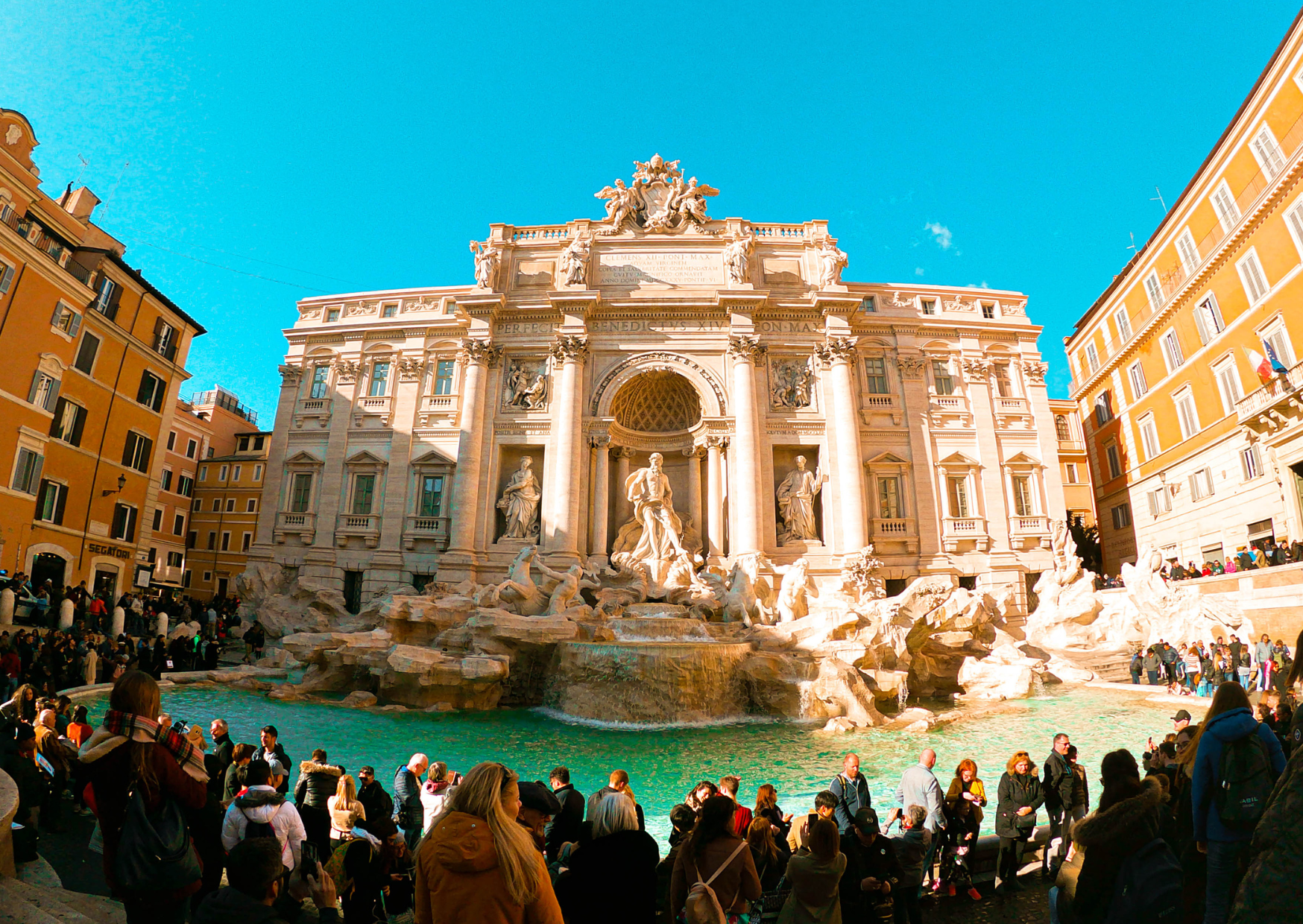
In the U.S., public fountains are often decorative. Places to cool off, toss a coin, or let kids splash around. They’re made of concrete, steel, or modern ceramics. They invite interaction.
In Rome, fountains are classified as monuments — just like the Colosseum or the Vatican walls. Many date back centuries. They were sculpted by the hands of Bernini, della Porta, and other artists whose work forms the soul of the Eternal City.
Touching a Rome fountain isn’t like dipping your toes into a hotel pool. It’s more like grabbing the Mona Lisa — publicly, carelessly, and with the cameras rolling.
2. Tourists Are Fined for What Locals Know Not to Do
The fines aren’t theoretical. They’re issued daily.
In July 2025, the most common offenses include:
- Sitting on the edge of the Trevi Fountain
- Splashing or wading in the Fountain of the Four Rivers
- Climbing the barriers around the Fountain of Neptune
- Washing feet or bottles in small piazza fountains
- Taking “fountain selfies” with legs or arms inside the water
Police do not issue warnings for these anymore. The rule is posted at each site. Fines range from 150 to 500 euros, depending on the location and the nature of the infraction.
Tourists are often shocked. “But I saw someone do it on Instagram.” “It’s just a photo.” “I was just cooling off.”
None of those excuses work. Italians — and especially Roman authorities — have had enough.
3. Americans Often Treat the Fountains Like Theme Park Props
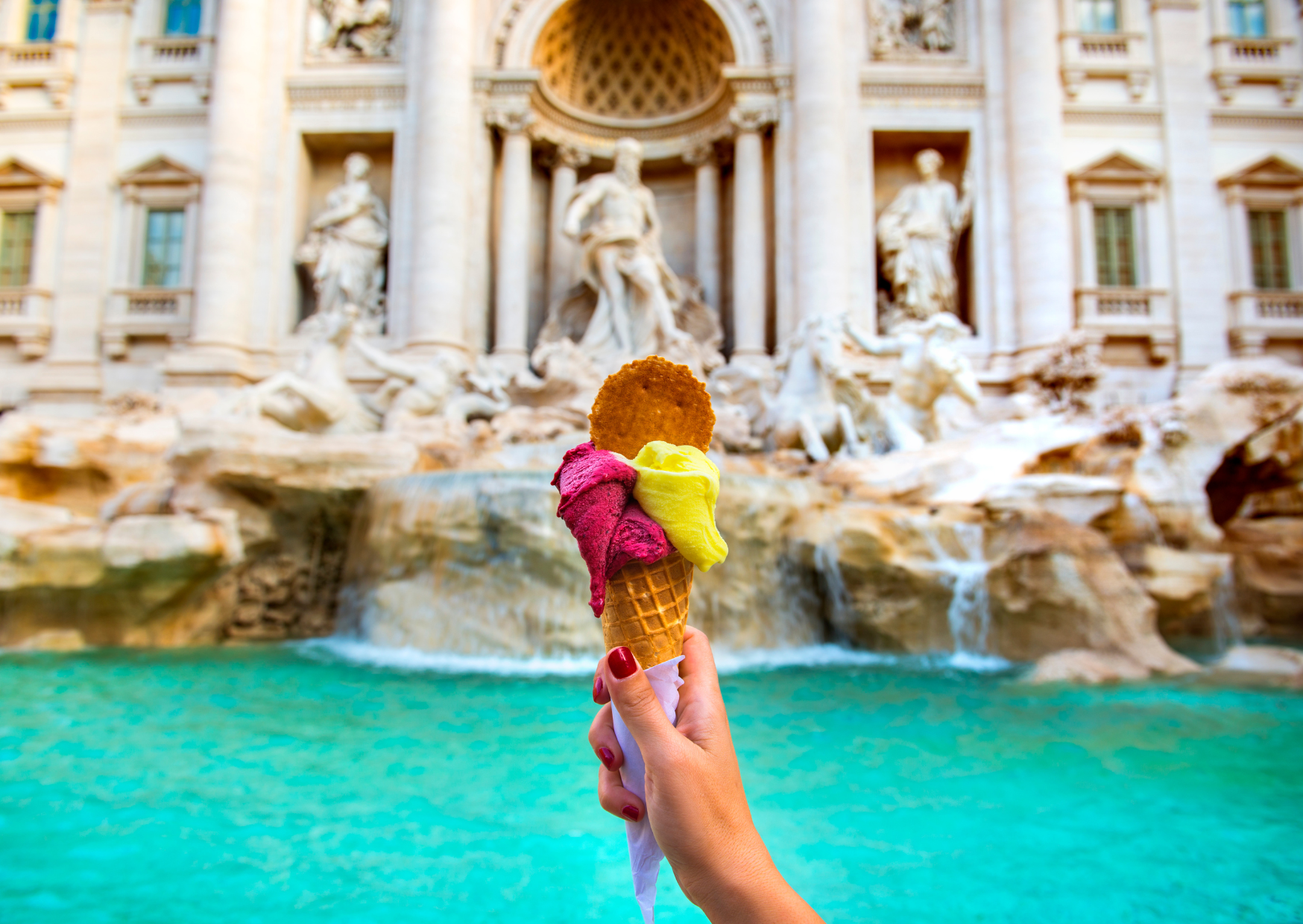
There’s a particular style of American tourism — playful, performative, and informal — that doesn’t translate well in Italy.
Rome isn’t staged. It isn’t themed. Its history is real. When an American tourist jumps onto the ledge of a baroque fountain to pose like Audrey Hepburn, they’re not being charming — they’re being tone-deaf.
To locals, it feels like someone entering your grandmother’s living room, jumping onto the antique table, and snapping a selfie. You’re not connecting with history. You’re standing on it.
4. The Water Is Not for You — Even When It’s 100 Degrees
Rome in July is sweltering. Temperatures regularly hit 37–40°C (99–104°F). Tourists are exhausted, dehydrated, and desperate to cool off.
But fountains are not public baths. They’re not designed to refresh you. They’re designed to honor centuries of Roman art, engineering, and mythology.
Yes, there are small drinking fountains throughout the city — the nasoni — specifically meant for cooling off. Locals know this. But many tourists, seeing crystal-clear water in ornate marble basins, forget that the water isn’t for them.
If you wouldn’t dunk your feet in a cathedral baptismal font, don’t do it here.
5. Italians Don’t Touch — They Observe
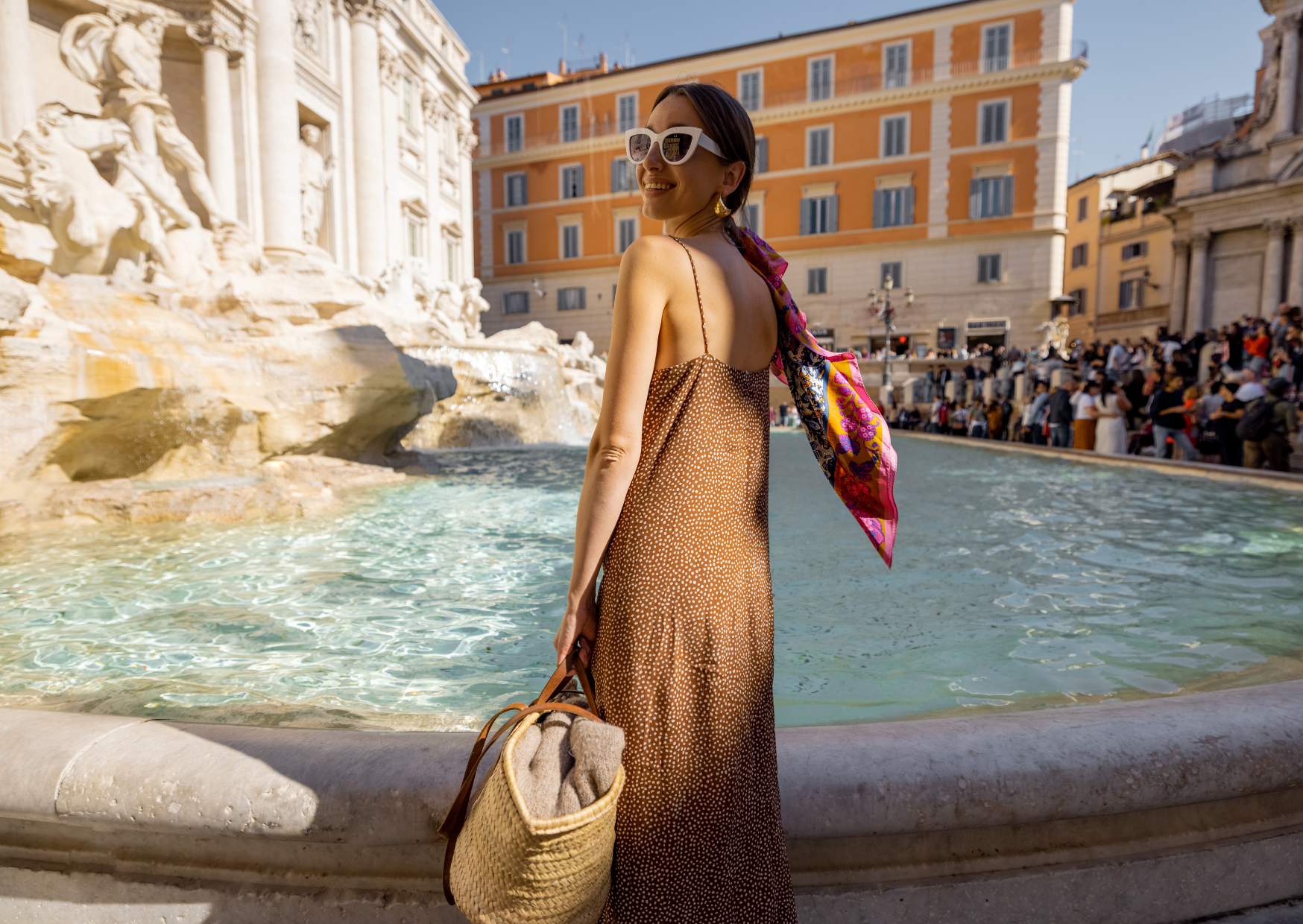
If you watch Italian locals at fountains, you’ll notice something important: they don’t touch.
They may stand close. They may take a photo. But they never climb, lean, dip, or dangle.
Children are taught early to respect public space as shared and sacred. That reverence extends to statues, tiles, churches, mosaics — and especially fountains.
This quiet boundary doesn’t need to be enforced in Italian culture. It’s learned. Internalized. You don’t touch what’s not yours — especially when what’s not yours is 400 years old.
6. Social Media Normalized Bad Behavior — But Rome Didn’t Forget
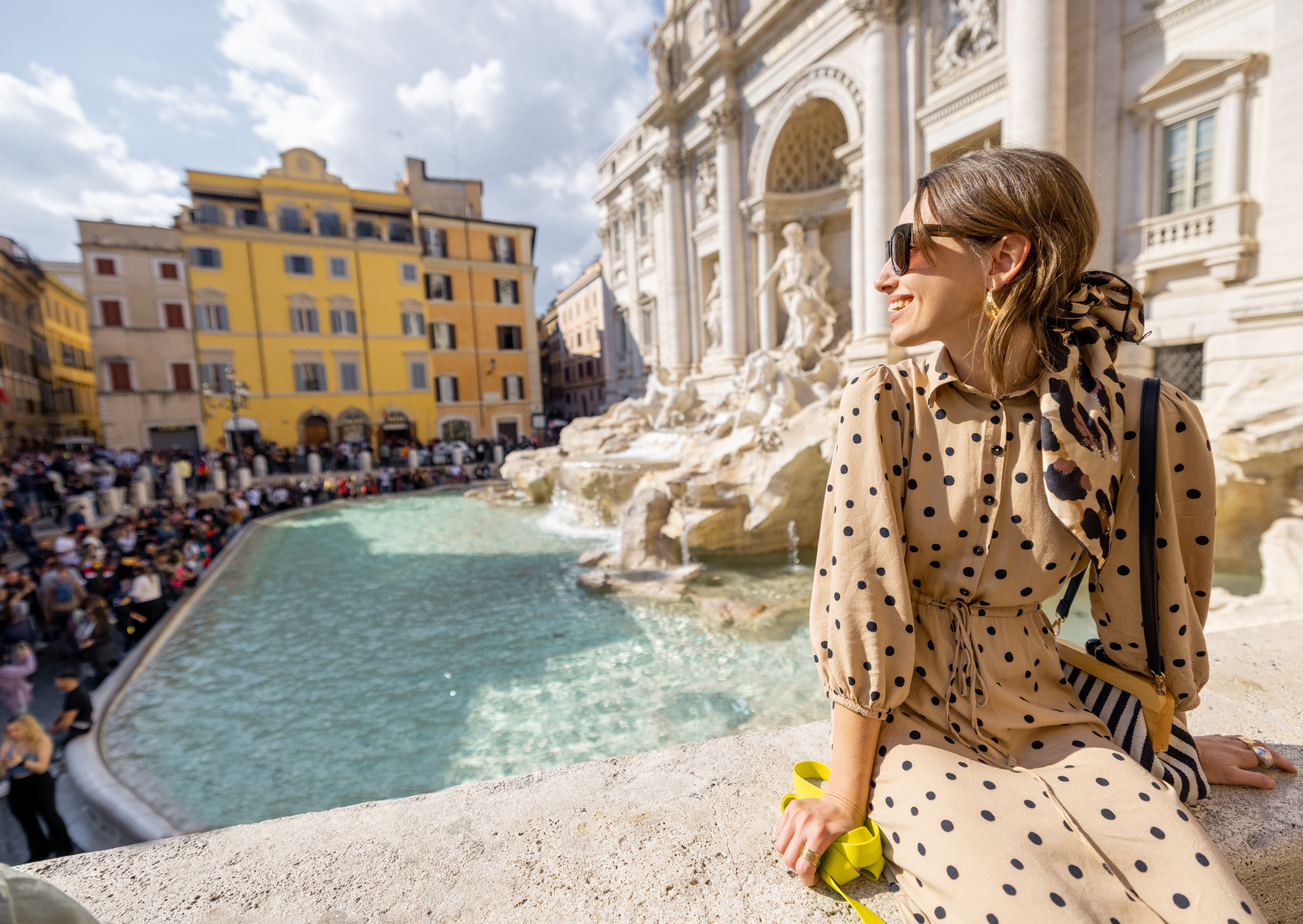
Part of the problem stems from Instagram and TikTok. Tourists post dreamy shots of feet in fountains, silhouettes perched on marble, cinematic scenes borrowed from films made before these protections were enforced.
What those posts don’t show is the police officer waiting off-camera, the fine handed out afterward, or the local outrage.
Rome has cracked down in 2025 with more surveillance, more fines, and zero tolerance. Tourists hoping for “that one photo” find themselves paying for it — immediately and painfully.
7. “I Didn’t Know” Is No Longer an Excuse
The rules are printed near major fountains in multiple languages. There are signs, ropes, and metal barriers. Officers patrol in plain clothes and uniform. Tourist guides repeat the rules endlessly.
Still, people cross the lines — and then act surprised when they’re fined.
But ignorance is not an excuse. In 2025, Rome assumes you’ve had time to look around, read the signs, and behave with awareness.
Fines are not warnings. They’re enforcement. You don’t get a second chance.
8. Disrespect Isn’t Just Illegal — It’s Culturally Offensive
Italians don’t separate art from national pride. The fountains are not just beautiful; they’re part of the public soul. When a tourist defaces, disrespects, or misuses one — even unknowingly — it strikes a nerve.
It feels like entitlement. Like ignorance wrapped in selfie culture.
And it builds resentment.
Locals don’t expect perfection from visitors. But they do expect humility. A moment of observation before action. A pause to understand where you are — and how you’re being seen.
9. There Are Better Ways to Experience the Fountains — Without the Fine
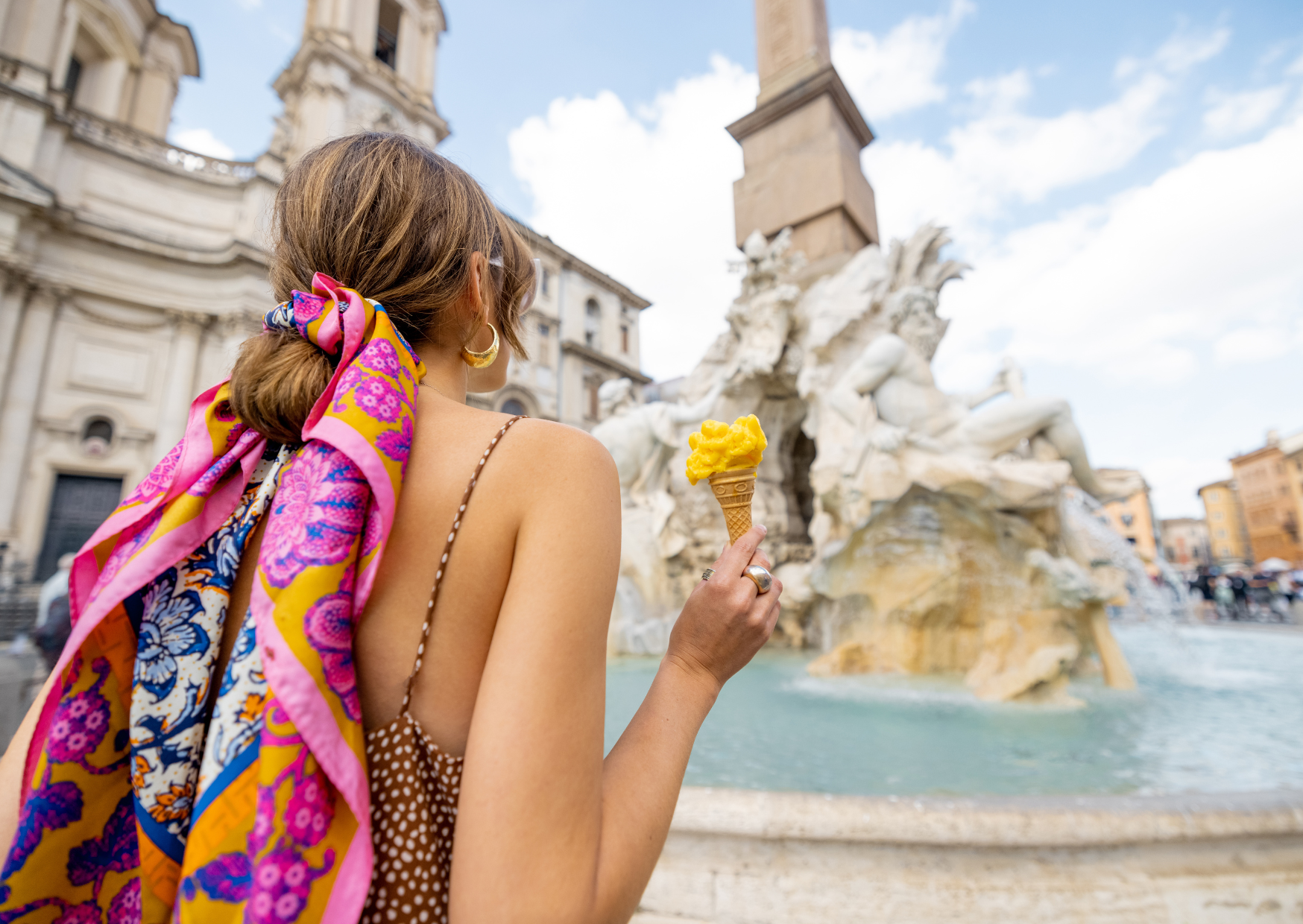
The irony? You don’t need to touch the fountains to feel their power.
Walk past the Trevi Fountain at dawn, before the crowds. Stand at the Fountain of the Four Rivers at midnight, when the square is quiet. Sit nearby and listen to the water. Take a photo from a distance — and include the whole work, not just yourself.
The fountains weren’t designed for interaction. They were designed for awe.
And when you treat them that way, the city rewards you — not with a fine, but with a moment of connection that no Instagram post can match.
One Touch, Two Realities
To an American tourist, touching a fountain in Rome feels casual — even innocent.
To an Italian local, it feels like cultural vandalism.
In the U.S., public spaces are often built for interaction.
In Rome, public spaces are preserved, not played with.
One culture sees an opportunity for a personal moment.
The other sees a shared inheritance that must be protected.
So if you’re in Rome this summer, sweating under the sun and tempted to dip your hand into cool marble water, remember:
That fountain has survived wars, emperors, and centuries of erosion.
It doesn’t need your fingers. It needs your respect.

About the Author: Ruben, co-founder of Gamintraveler.com since 2014, is a seasoned traveler from Spain who has explored over 100 countries since 2009. Known for his extensive travel adventures across South America, Europe, the US, Australia, New Zealand, Asia, and Africa, Ruben combines his passion for adventurous yet sustainable living with his love for cycling, highlighted by his remarkable 5-month bicycle journey from Spain to Norway. He currently resides in Spain, where he continues sharing his travel experiences with his partner, Rachel, and their son, Han.