
And what it reveals about practicality, waste, and a culture that trusts intuition over plastic warnings
Walk into nearly any European home — whether it’s a farmhouse kitchen in rural Portugal, a chic Parisian flat, or a sunny apartment in southern Spain — and open the fridge. Among the standard food items, you’ll almost certainly find something else: an old yogurt tub, a metal cookie tin, or a plastic gelato container filled with leftovers.
It won’t be labeled. It won’t match its lid. It may even be slightly discolored. But it will be in regular use — filled with soup, lentils, chopped vegetables, or some homemade sauce that no one outside the family would recognize.
To most Europeans, this is the most normal kitchen habit in the world.
To many Americans — especially those trained in food safety regulations or used to hyper-labeled containers from The Container Store — it’s horrifying. The kind of thing a health inspector would flag on the spot.
And yet, across Europe, reusing leftover food containers that Americans would never trust is not a sign of carelessness. It’s a sign of efficiency, confidence, and cultural calm around food.
Here’s why Europeans regularly reuse food containers that U.S. health codes would never allow — and what that reveals about two radically different philosophies of waste, risk, and home cooking.
Want More Deep Dives into Everyday European Culture?
– Why Europeans Walk Everywhere (And Americans Should Too)
– How Europeans Actually Afford Living in Cities Without Six-Figure Salaries
– 9 ‘Luxury’ Items in America That Europeans Consider Basic Necessities
1. Yogurt Tubs, Ice Cream Buckets, and Olive Jars Live a Second Life
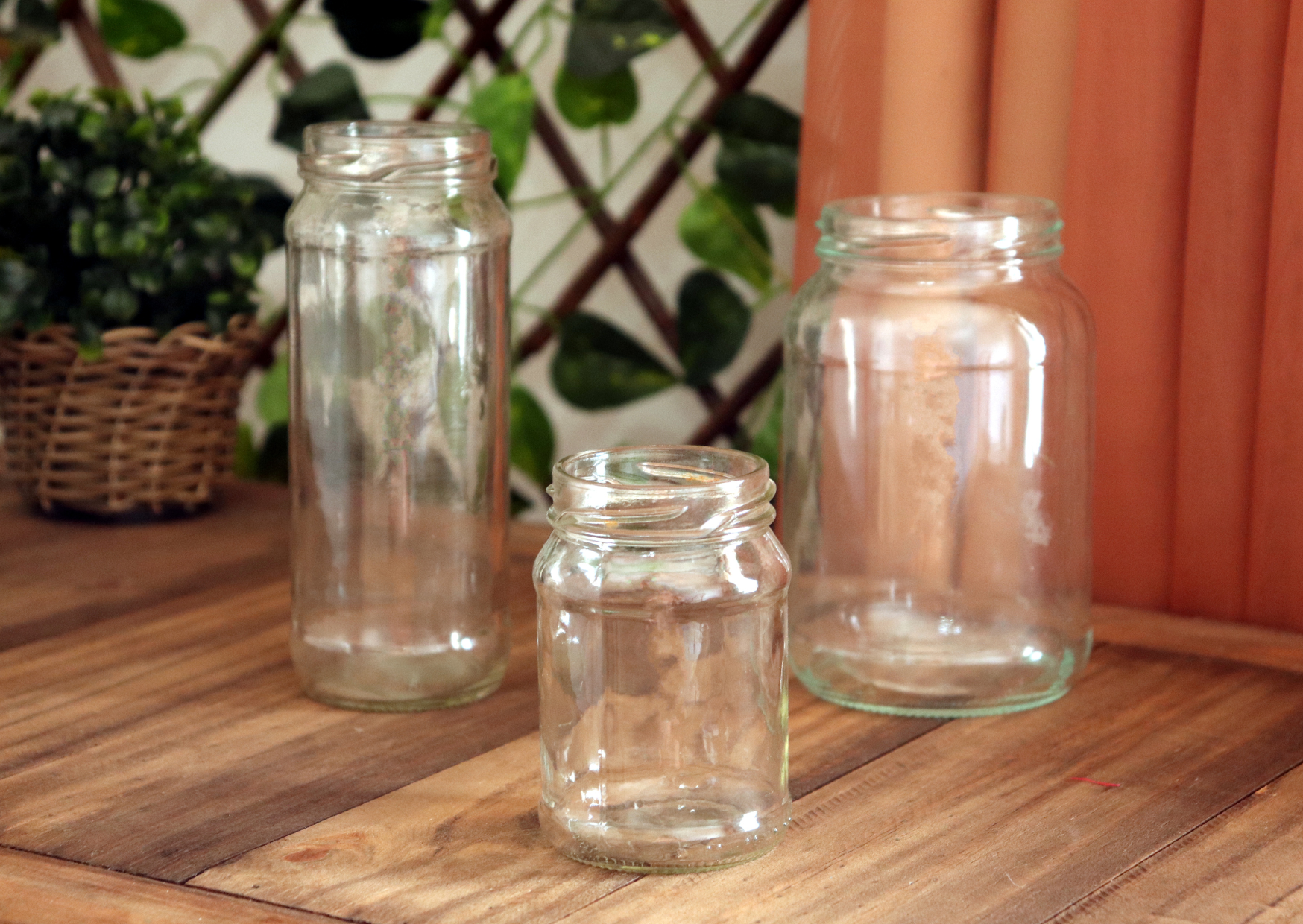
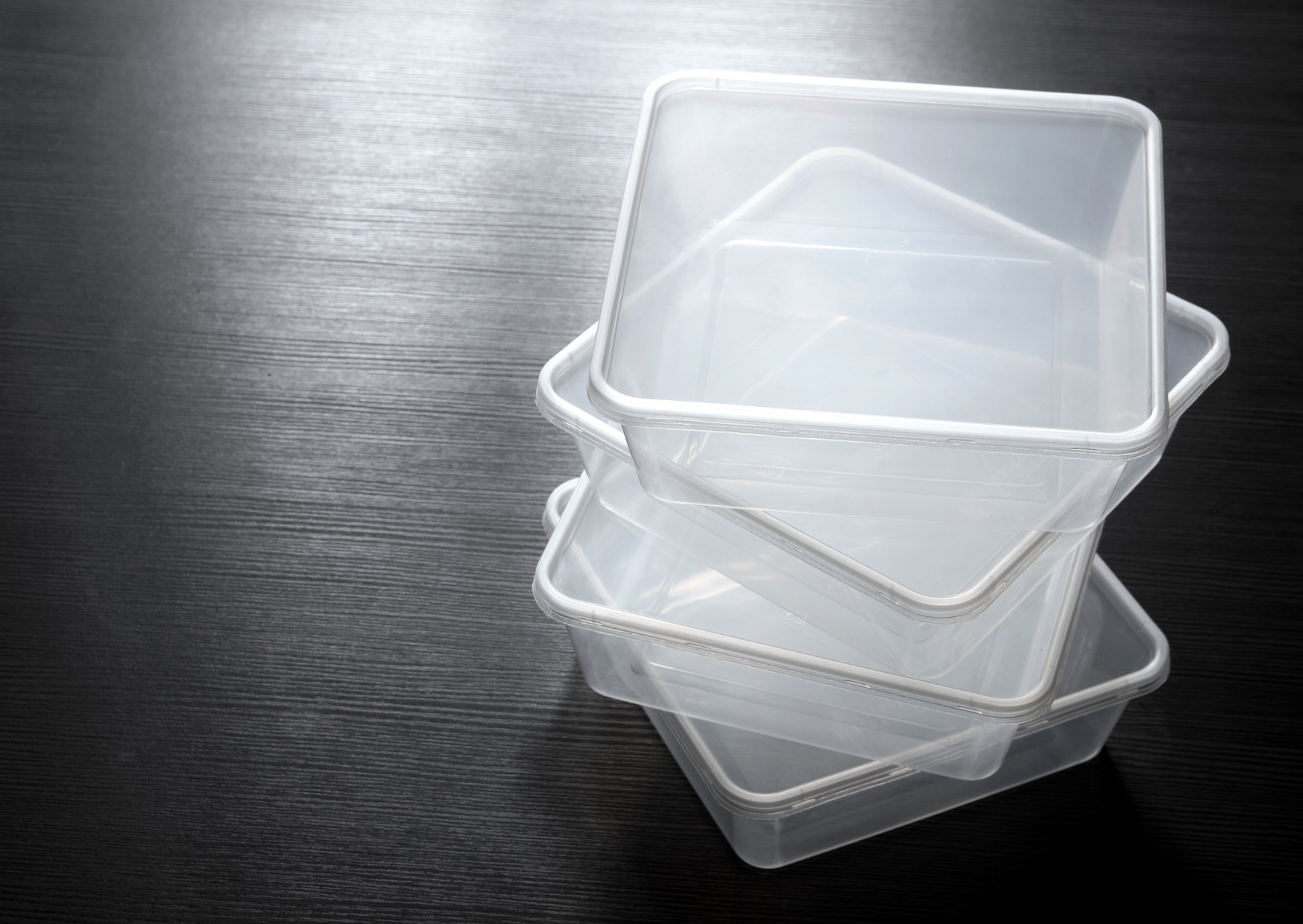
In the U.S., plastic yogurt tubs, takeout boxes, or gelato containers are typically thrown out or recycled after one use. Maybe they get one round of repurposing before ending up in the trash.
In Europe? They’re kept — indefinitely.
Yogurt containers hold soup. Ice cream buckets store stews. Old jam jars preserve sauces or beans. Containers get washed and stacked in the cupboard, where they’re reused until they crack.
It’s not about being frugal. It’s about not wasting something that still works.
To Americans, this feels like breaking a rule. To Europeans, it feels like avoiding unnecessary plastic purchases.
2. There’s No Fear of “Food-Grade” Labels
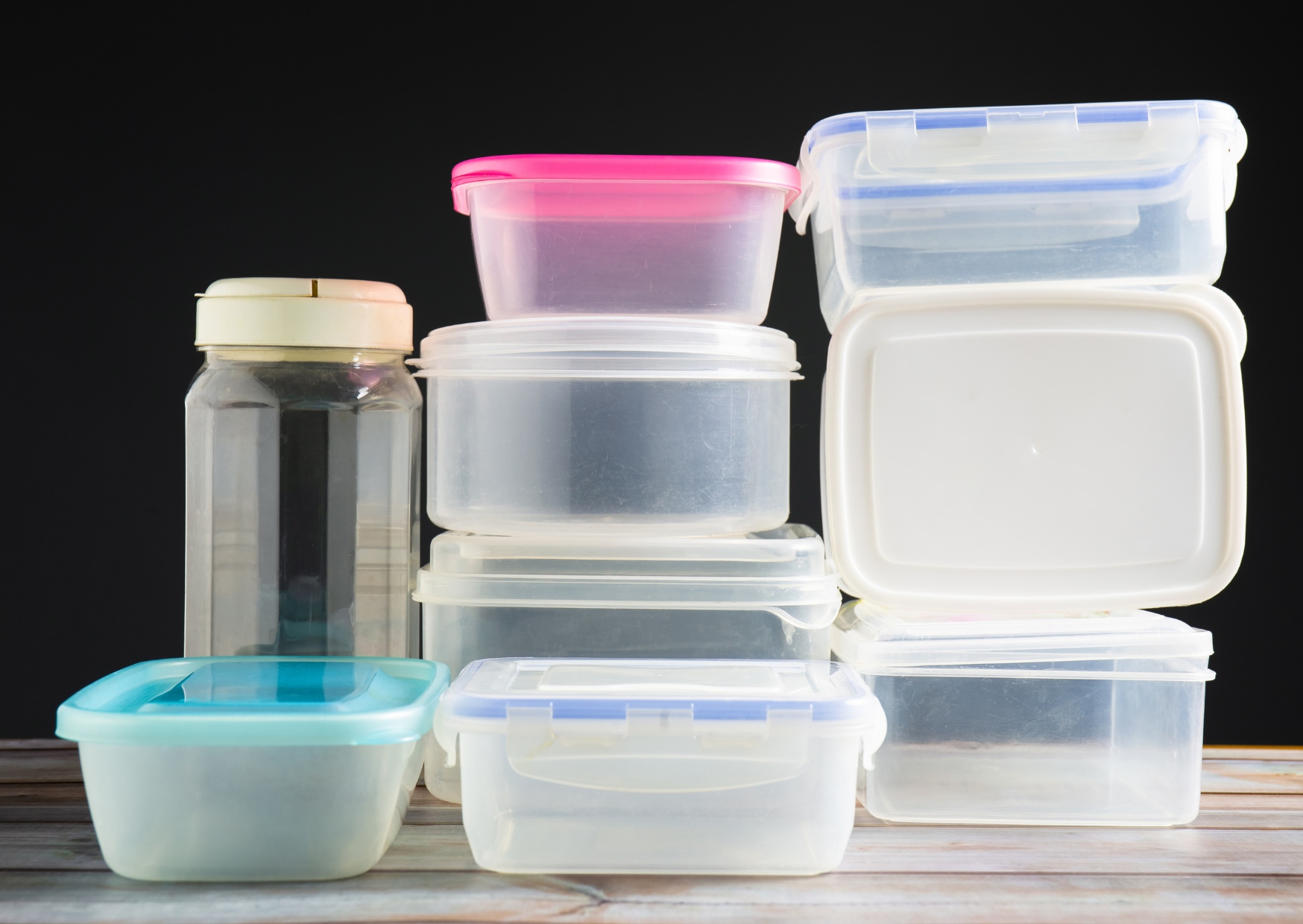
American households are conditioned to look for “BPA-free,” “microwave safe,” “dishwasher approved,” or “food-safe” stamps on every plastic item.
In Europe, most people couldn’t tell you what BPA stands for — and they aren’t worried about it.
Containers are reused because they’re clean and functional, not because they passed a standardized chemical test. If a container holds food and doesn’t melt when washed, it’s good enough.
The result? A kitchen full of mixed materials — and very few matching sets.
3. Cross-Use Isn’t Considered Dangerous — Just Logical
A former butter tub becomes a bean container. A cookie tin now stores rice. A biscuit box might hold shredded cabbage or half a lemon.
No one cares that the label says “dulce de leche” while the inside contains lentil stew.
In American kitchens, using the “wrong” container often feels unsanitary. In European kitchens, it’s common sense.
If the container is washed, it’s safe. No label can override the visual and sensory test: Does it look clean? Does it smell clean? Then it’s fine.
4. Containers Are Stored for Convenience, Not Aesthetic
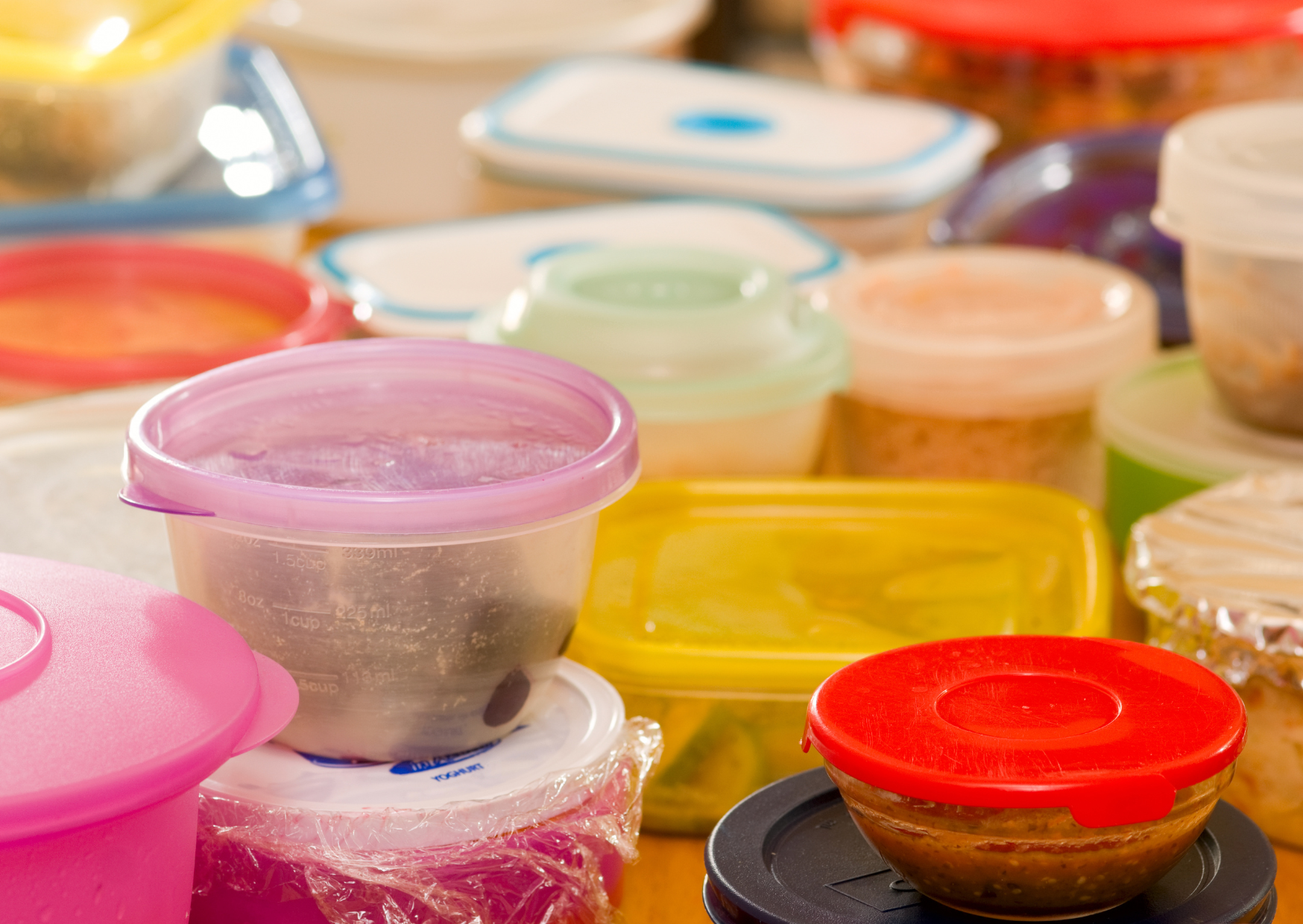
In the U.S., food storage has become a lifestyle category — clear acrylic bins, minimalist labels, color-coded lids, matching Tupperware drawers. Instagram is full of organized fridges that look like magazine ads.
In Europe, the fridge is organized like a working tool, not a showroom.
Containers are reused because they’re available, easy to replace, and durable. No one expects the shelves to be symmetrical. No one judges your butter container for storing leftover chickpeas.
It doesn’t have to look beautiful. It just has to function.
5. Washing Is Enough — Sanitization Isn’t a Daily Drama
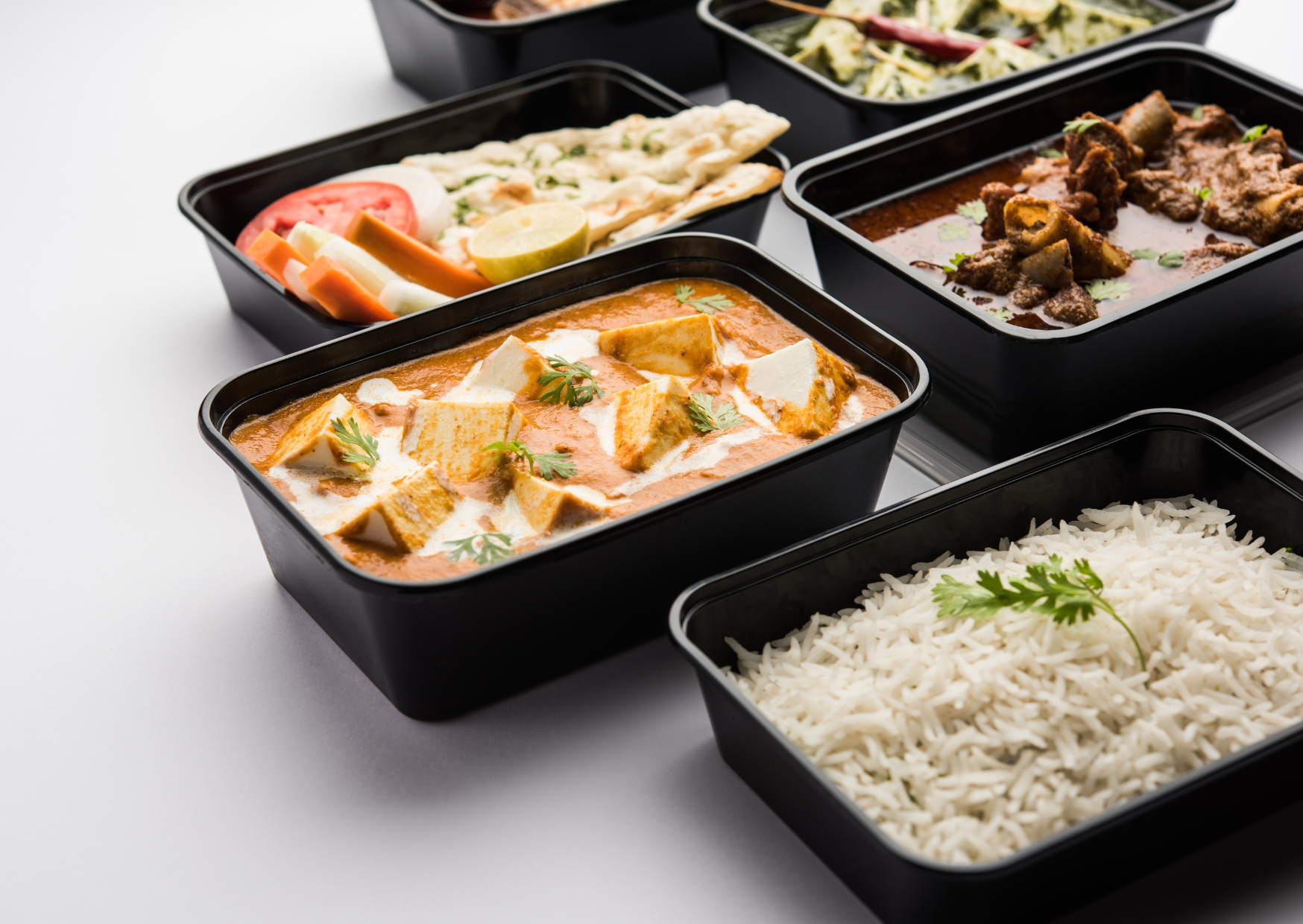
In American food safety culture, the line between “clean” and “sanitized” is sharp. There’s constant talk of invisible bacteria, potential contamination, and protocols.
In Europe, people wash their containers thoroughly — but they don’t go overboard.
They trust hot water, soap, and a scrub. Some even boil or sun-dry plastic containers. But few people fear reuse unless there’s visible damage or mold.
And they’ve been doing this for generations, without widespread disaster.
6. Health Codes Don’t Dictate Domestic Life
In the U.S., food safety regulations influence household habits. People internalize what restaurants and health inspectors are told — and apply those same standards at home.
In Europe, home kitchens operate on a different, more intuitive system.
There’s a strong tradition of learning by doing — not by policy. People judge freshness by sight, smell, and common sense, not expiration dates or legal compliance.
So if Grandma puts last night’s paella in an old margarine container and stacks it in the fridge under a foil-wrapped wine bottle, no one flinches.
7. Glass Jars and Tins Outlive the Products They Came With
Europeans have a particular fondness for glass jars — from honey to olives to marmalade. Once emptied, they’re cleaned and used for sauces, grains, drinks, or desserts.
Tin cookie boxes? They don’t hold cookies. They hold sewing kits, sugar cubes, even anchovies.
And they often stick around for years.
While American kitchens may aim to declutter and replace, European kitchens are full of sentimental, practical “forever containers.”
8. There’s No Shame in Pulling a Reused Tub Out for Guests
In the U.S., guests are often served in “nicer” containers — ceramic dishes, fresh plates, or disposable serveware.
In Europe, if someone stops by for lunch, you may see a yogurt tub opened right at the table. A gelato container full of leftovers. A reused pickle jar of sangria.
It’s not seen as lazy. It’s seen as normal.
Guests don’t expect a curated experience. They expect hospitality. And if that includes a reused butter tub full of homemade chickpea stew, they’ll accept it — and ask for seconds.
9. Reducing Waste Isn’t a Trend — It’s an Instinct
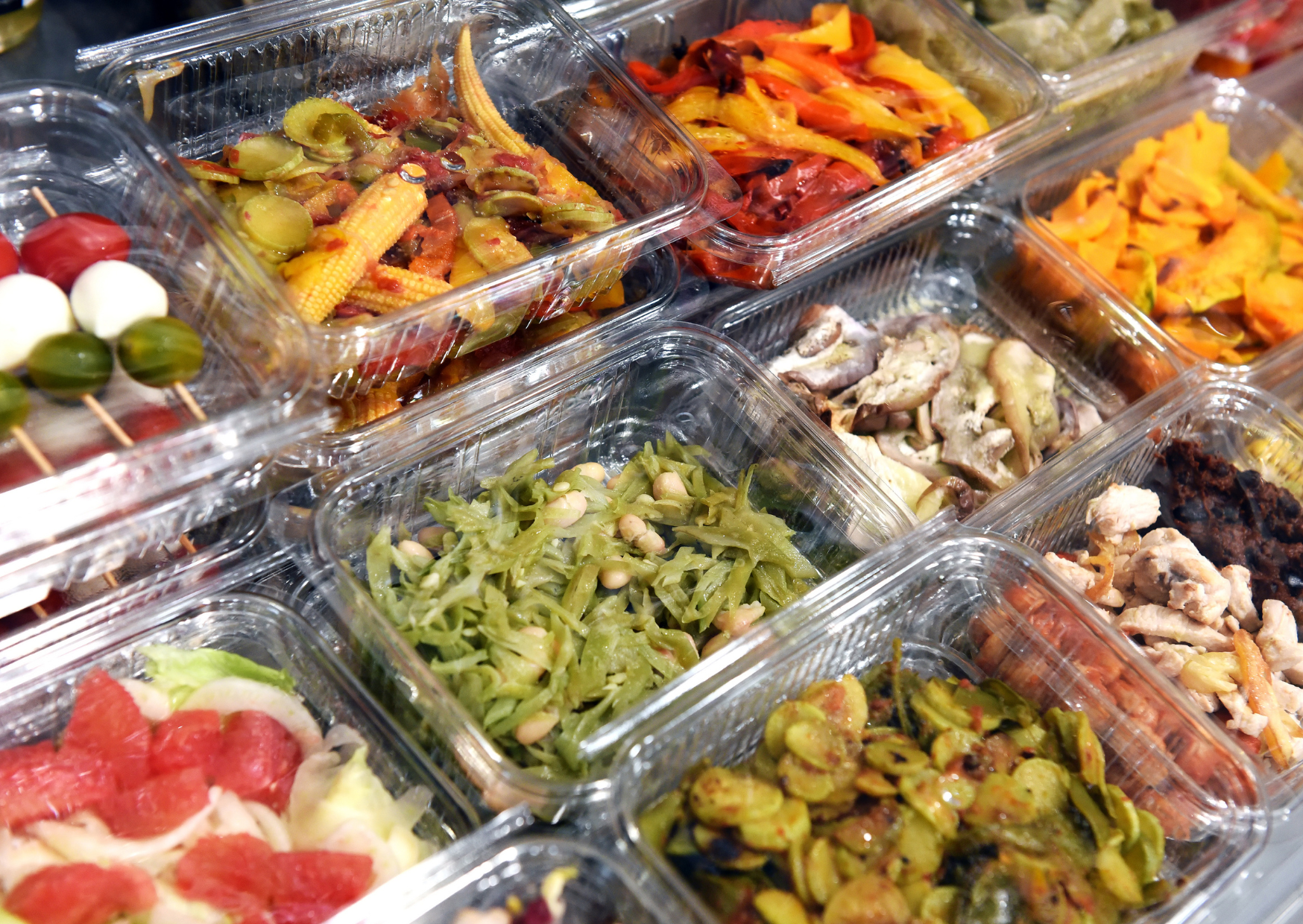
In the U.S., sustainability is often marketed — reusable straws, glass lunchboxes, bamboo food storage kits.
In Europe, reuse is more instinctive. People reuse containers not to signal environmentalism, but because it’s obvious. You don’t throw out a perfectly good jar. You don’t toss a container you could fill again.
It’s not a movement. It’s not a lifestyle brand. It’s just what people have always done.
And it saves money, space, and time — without needing a single infographic or viral post.
One Fridge, Two Philosophies
To Americans, the sight of old margarine tubs filled with soup and stacked alongside unlabeled jars feels unhygienic.
To Europeans, the sight of matched plastic containers bought new every year feels wasteful, unnecessary, and overthought.
To Americans, containers are tools for preserving freshness.
To Europeans, they’re just vehicles for food — no fuss, no drama, no performance.
In the U.S., you’re taught to trust the manufacturer.
In Europe, you’re taught to trust yourself.
So the next time you visit a European home and see a yogurt tub labeled “natural” holding spicy lentils from three days ago, don’t panic.
It’s not a health risk.
It’s not a mistake.
It’s a culture that knows how to reuse what it has — and hasn’t needed a plastic warning label to survive this long.

About the Author: Ruben, co-founder of Gamintraveler.com since 2014, is a seasoned traveler from Spain who has explored over 100 countries since 2009. Known for his extensive travel adventures across South America, Europe, the US, Australia, New Zealand, Asia, and Africa, Ruben combines his passion for adventurous yet sustainable living with his love for cycling, highlighted by his remarkable 5-month bicycle journey from Spain to Norway. He currently resides in Spain, where he continues sharing his travel experiences with his partner, Rachel, and their son, Han.