
And what it reveals about kitchen intuition, refrigeration culture, and the long memory of food safety fears
You walk into a sunlit kitchen in Naples. A cotton towel covers a ceramic plate on the counter. You lift the edge and see two pinkish fish, firm and glistening, resting patiently in the open air.
They’re thawing. Not in the fridge. Not in cold water. Just… out.
Your American instincts tighten. Isn’t that dangerous? Where’s the thermometer? Where’s the warning label?
In many American households, the idea of leaving raw fish on the counter triggers mental images of bacteria swarming. Of risk. Of food poisoning. Of a call to poison control if you so much as smell the fish after it’s been out too long.
But in Italian kitchens, especially in the south, leaving seafood or meat to thaw at room temperature isn’t unusual. It’s not done carelessly, but confidently. Not as a shortcut, but as a practice rooted in rhythm, climate, and culinary memory.
Here’s why Italians still thaw food the way their grandmothers did — and why Americans, trained by decades of food safety campaigns and refrigeration dependence, see the same act as a health hazard.
Want More Deep Dives into Everyday European Culture?
– Why Europeans Walk Everywhere (And Americans Should Too)
– How Europeans Actually Afford Living in Cities Without Six-Figure Salaries
– 9 ‘Luxury’ Items in America That Europeans Consider Basic Necessities
1. Italy Still Trusts the Kitchen Counter
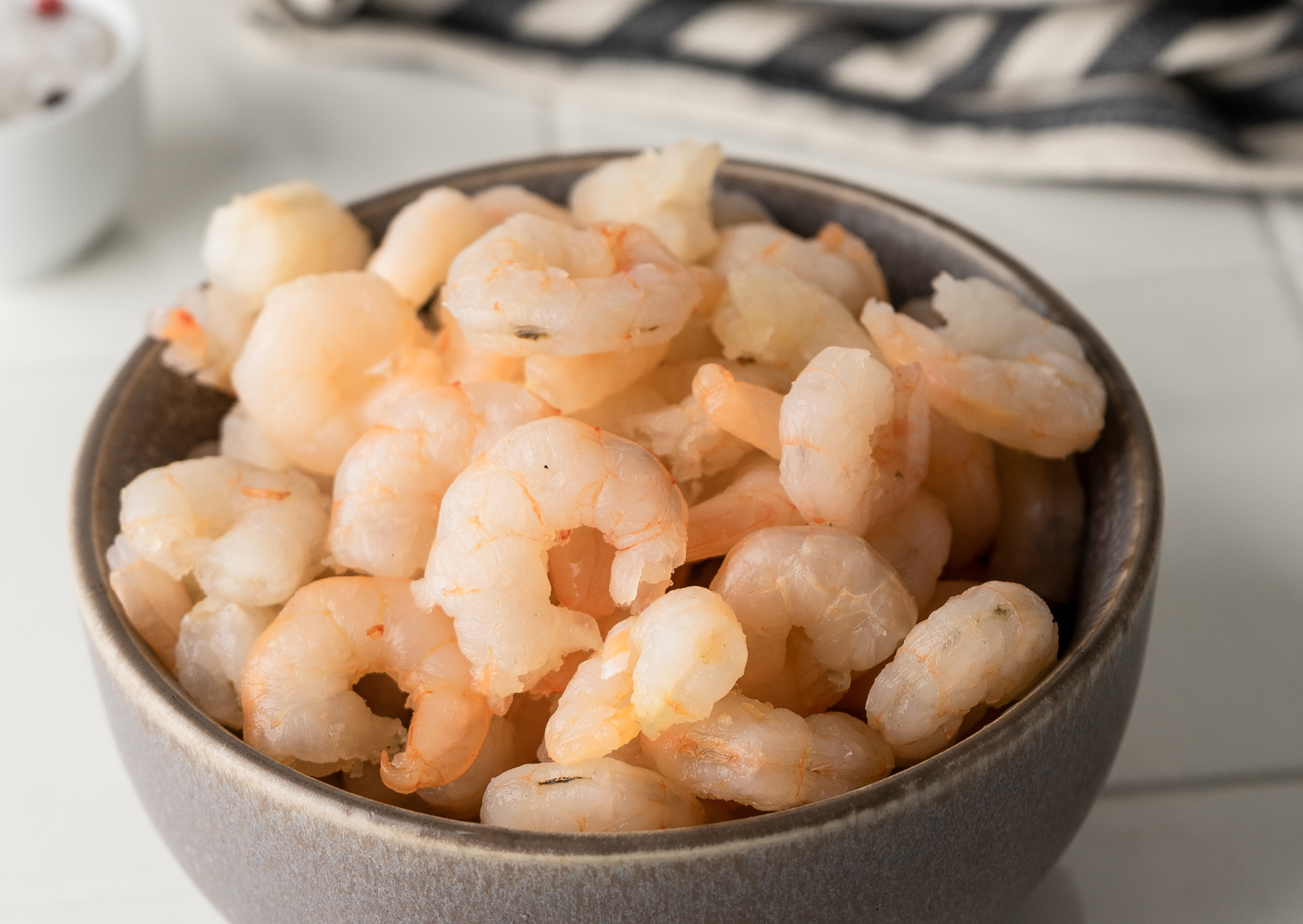
In American kitchens, the counter is where food is prepared, not where it sits. It’s clean, polished, and meant for temporary contact.
But in Italy, the counter is part of the cooking process. It’s not just a surface. It’s a space where food comes to room temperature, where dough rests, where meats settle after marinating.
Thawing fish or meat here is not considered risky, so long as it’s done within a short window and under watchful eyes. It reflects a broader trust in the home cook’s judgment, not just the appliance.
2. Americans Learned to Fear Bacteria
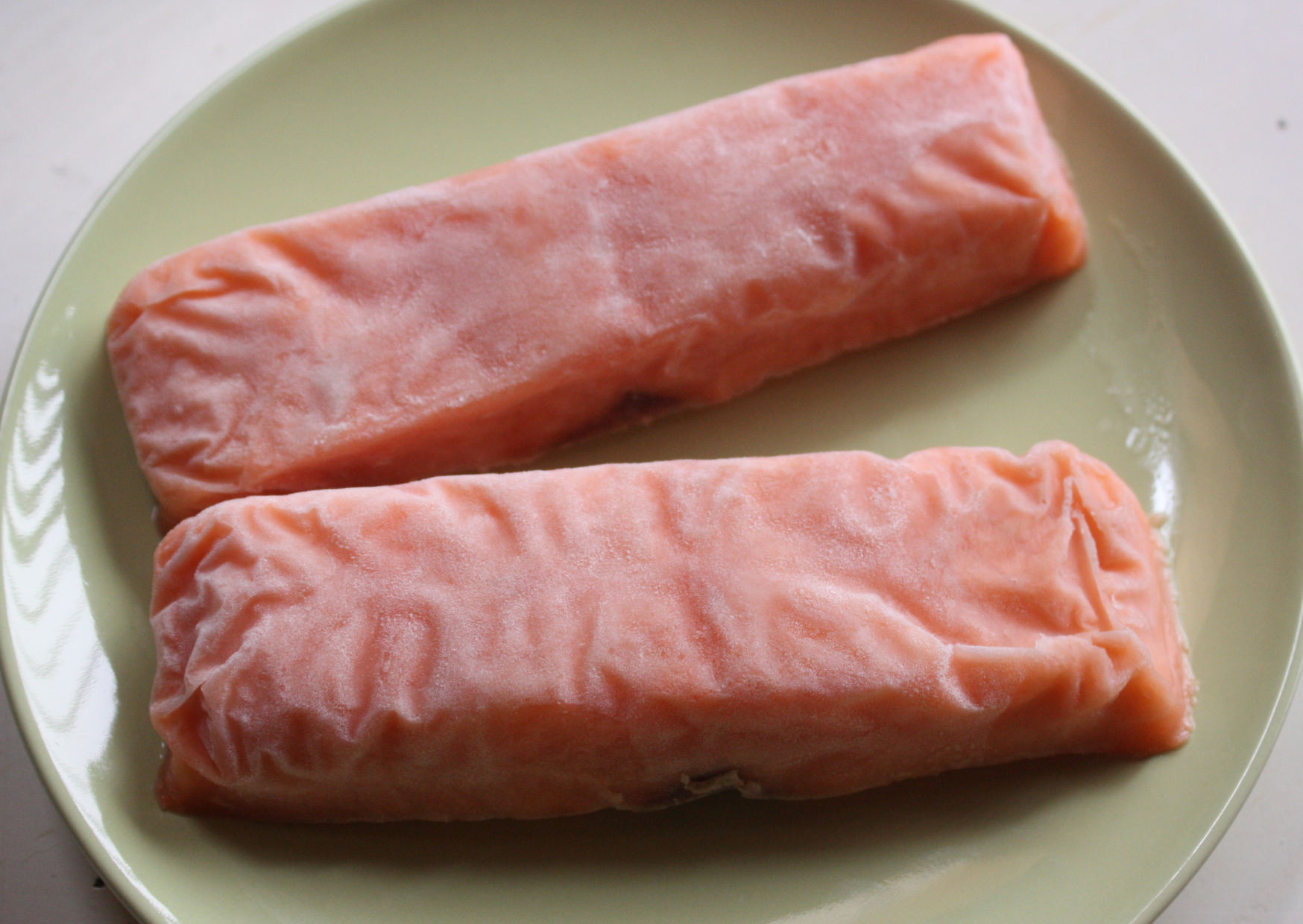
In the United States, food safety is deeply influenced by industrial food systems. Mass recalls, outbreaks, and contamination scandals shaped a national anxiety around anything perishable.
Government guidelines encourage over-correction: keep it cold, cook it hot, discard it quickly.
The average American home cook is told to never thaw food on the counter, even if the room is cool and the portion small. The assumption is that bacteria are invisible threats, always lurking, waiting to multiply at room temperature.
That fear runs so deep that even seeing fish thawing outside the fridge triggers discomfort.
3. Italian Kitchens Use Time, Not Thermometers
Italian home cooking often relies on intuition and timing, not gadgets.
You won’t find many meat thermometers in a grandmother’s kitchen. But you’ll find someone who can judge doneness by scent, by sight, or by pressing a finger against a fillet.
Thawing is treated similarly. If the seafood is frozen in the morning, it’s unwrapped and left to soften for an hour or two before cooking. The cook checks it periodically. It doesn’t sit all day. It’s not forgotten.
The rhythm is local and habit-based, shaped by generations of experience rather than digital timers.
4. Southern Climates Influenced Caution, Not Fear
Ironically, it’s in warmer places like southern Italy where you’d expect more fear of food spoilage. Yet here, people are careful without panicking.
Fish markets open early, and people cook what they buy that day. Freezers are small. Portions are reasonable. Thawing something for dinner on the counter isn’t risky when it will be cooked by noon or mid-afternoon.
This differs sharply from the American model of stockpiling and forgetting, where a family might thaw five pounds of meat overnight without a plan.
In Italy, less food is stored, and more is used quickly. That alone changes the risk equation.
5. America’s Cold Chain Mentality
The U.S. food industry relies heavily on what’s known as the cold chain — a system that keeps food chilled from factory to fork. Every break in temperature control is seen as a potential danger.
This has trained Americans to believe that cold equals safety, and anything above fridge temperature is suspicious.
Even home cooks mimic this logic. Food is moved from freezer to fridge to microwave, not to the counter. Labels say “keep refrigerated” in bold letters, and expiration dates are treated as hard stops.
The result is a culture where temperature control dominates trust.
6. Italian Recipes Assume Room Temperature
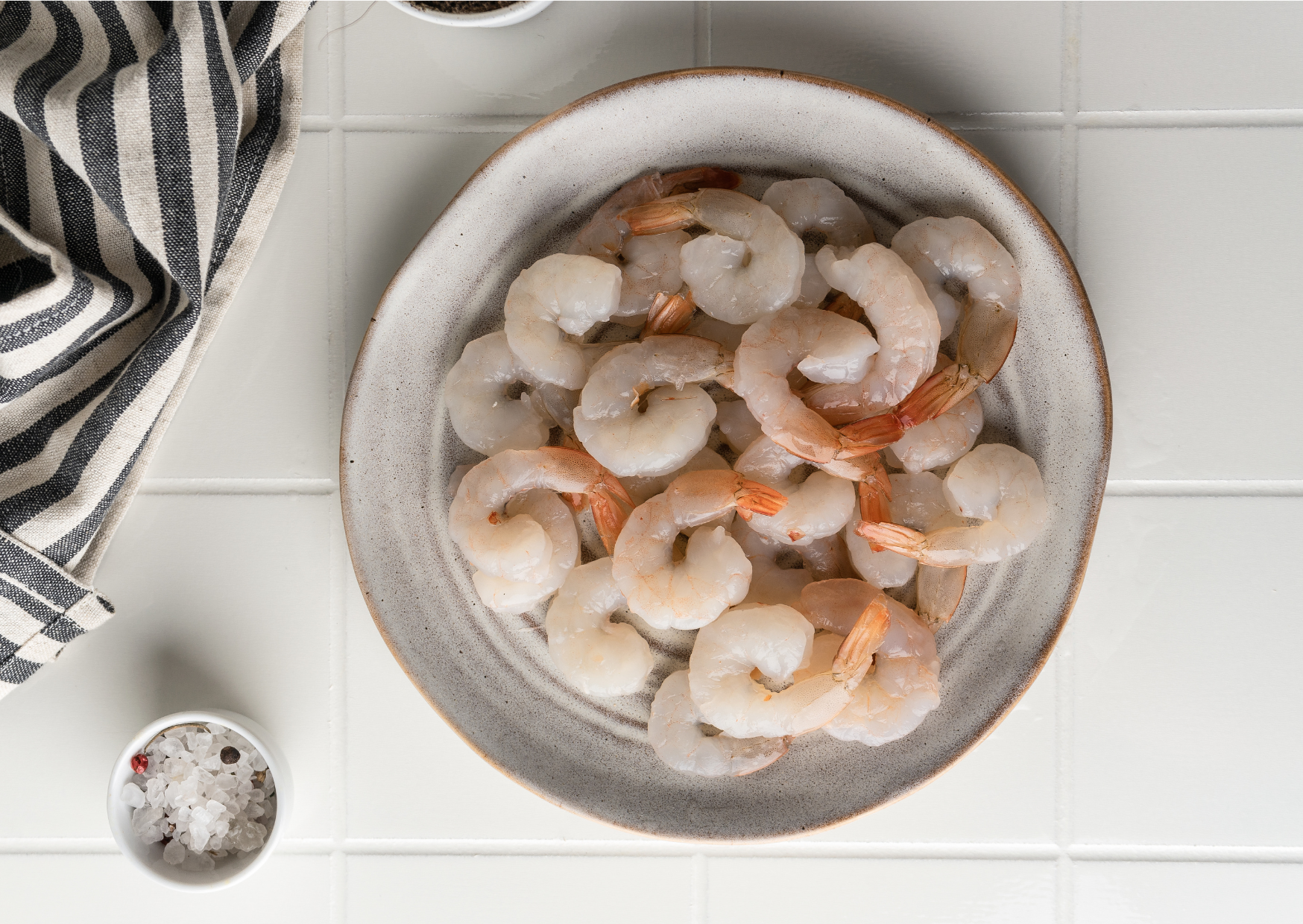
Italian cooking often asks that ingredients be at room temperature before they’re used. Eggs, butter, cheese, meats — all are allowed to soften or adjust to the ambient environment before preparation.
Seafood is no exception. When fish is thawed gently on a counter, it’s not just about convenience. It’s about texture and flavor. Cold seafood dropped directly into a hot pan releases water too quickly, steams instead of sears, and loses subtlety.
The thawing process is part of the meal’s timing, not a step to hide or fear.
7. Italian Fridges Are Small by Design
In many Italian homes, the refrigerator is modest. Often under-counter. Sometimes built into cabinetry. It holds just enough for a few days, not weeks.
Freezer compartments are even smaller. There isn’t much room to stash bulk proteins or family packs of frozen meals.
This encourages a pattern of frequent shopping and short-term storage. When something is frozen, it’s usually because it will be used soon — and defrosted intentionally, often on the counter or sink, depending on what’s needed.
The result is less frozen food overall, and more comfort with quick, short-term thawing.
8. Health Guidelines Differ Country to Country
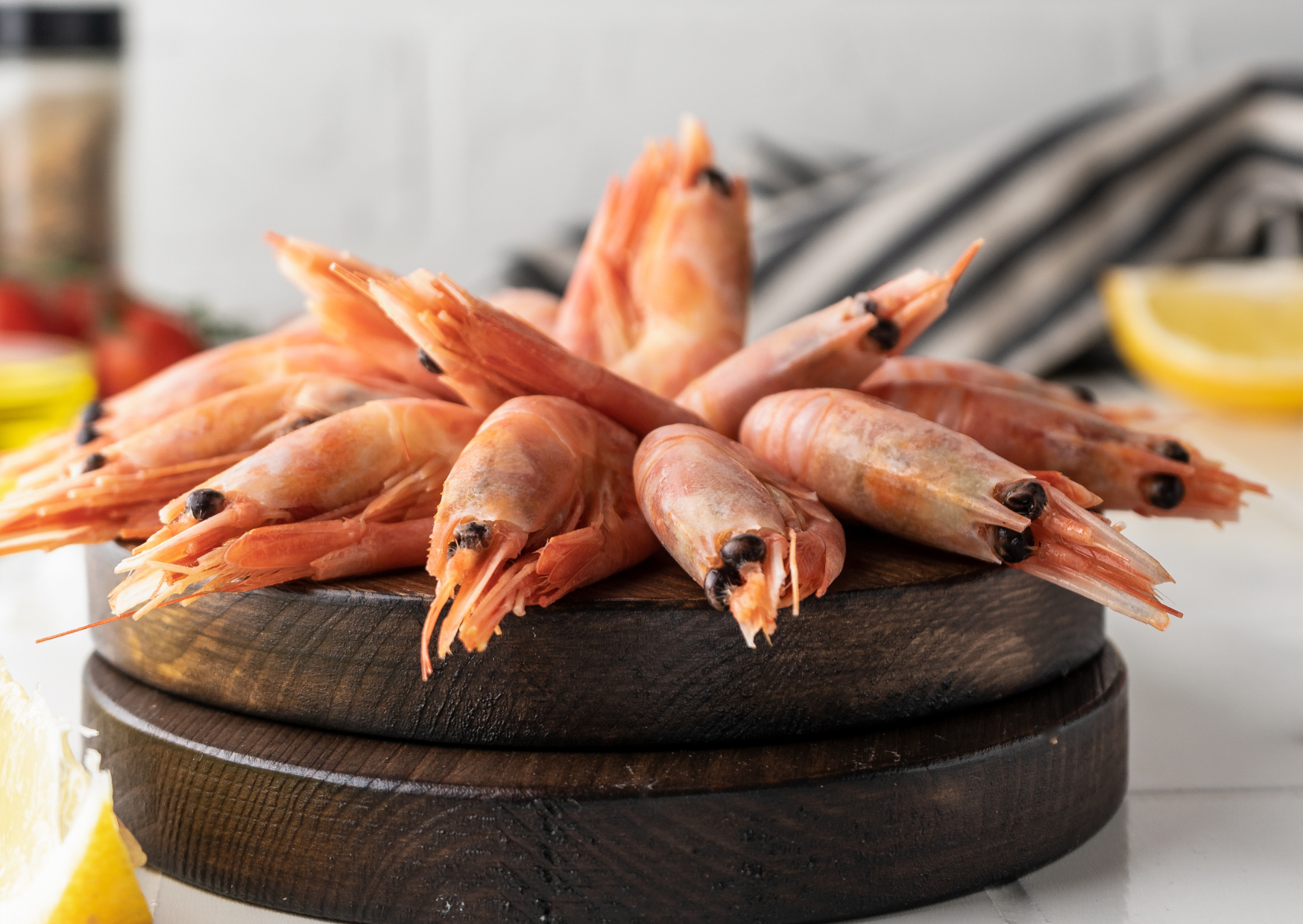
While American agencies like the USDA warn against counter-thawing, European guidelines are more flexible.
Italy’s approach to food safety often focuses on freshness, sourcing, and visual inspection. Rather than blanket rules, there’s an expectation that cooks use judgment.
Small-scale markets, regular cooking habits, and shorter supply chains all contribute to this trust. Thawing fish on the counter for a few hours in a 20°C kitchen isn’t alarming. It’s part of normal culinary life.
It doesn’t mean Italians ignore bacteria. It means they calibrate their response based on context.
9. Family Knowledge Outweighs Packaging
In American households, many decisions are based on what the packaging says. If a label says “do not refreeze” or warns against counter-thawing, most people obey.
In Italy, family knowledge often holds more weight. Nonna says the fish is fine. Zia says she’s done it that way her whole life. That oral knowledge chain carries authority.
Even young Italians raised with digital tools still absorb this kitchen confidence. It’s not defiance. It’s trust — in memory, not marketing.
The Smell Test Still Matters
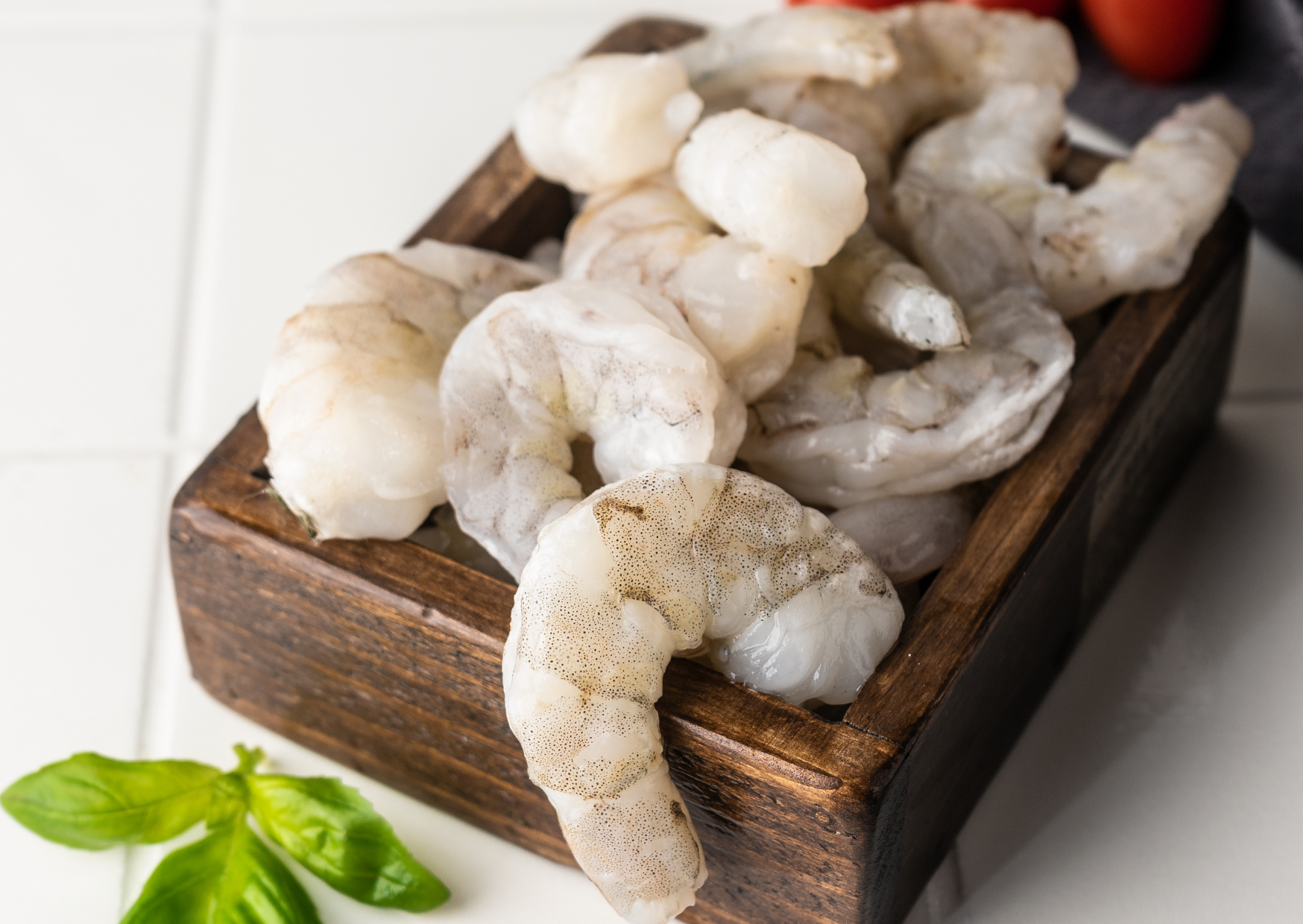
At the end of the day, Italians trust their senses. If fish smells fresh, looks firm, and cooks cleanly, the process was sound.
Americans, by contrast, are taught to distrust the nose. Warnings against sniffing milk or trusting appearance are everywhere.
But for Italians, the body is still part of cooking. You smell the fish. You touch the skin. You observe. And when you thaw something on the counter, it’s not an act of laziness. It’s an act of culinary timing — part of the dance between food and environment.
The counter, in this view, isn’t dangerous. It’s alive.

About the Author: Ruben, co-founder of Gamintraveler.com since 2014, is a seasoned traveler from Spain who has explored over 100 countries since 2009. Known for his extensive travel adventures across South America, Europe, the US, Australia, New Zealand, Asia, and Africa, Ruben combines his passion for adventurous yet sustainable living with his love for cycling, highlighted by his remarkable 5-month bicycle journey from Spain to Norway. He currently resides in Spain, where he continues sharing his travel experiences with his partner, Rachel, and their son, Han.