
And what it reveals about trust, taste, and the cultural gap between flavor and fear
To an American home cook, butter belongs in one place: the fridge. It’s kept cold, protected, and safely wrapped — like a delicate product constantly on the edge of turning dangerous. Leave it out too long, and someone in the house will ask, “Is that still okay to eat?”
In France, that concern never arrives. The butter lives on the counter.
Uncovered, or maybe half-wrapped in its original paper. Set gently into a porcelain dish. Sometimes even exposed to light, crumbs, or the occasional fly-by spoon.
It’s not a mistake. It’s not laziness. It’s intentional.
Because to the French, butter isn’t something you refrigerate into submission. It’s something you enjoy — with texture, flavor, and presence. And that starts with it being soft enough to spread.
Here’s why French people proudly eat butter at room temperature — and why Americans still fear it will make them sick.
Want More Deep Dives into Everyday European Culture?
– Why Europeans Walk Everywhere (And Americans Should Too)
– How Europeans Actually Afford Living in Cities Without Six-Figure Salaries
– 9 ‘Luxury’ Items in America That Europeans Consider Basic Necessities
1. Butter Isn’t Treated Like Raw Chicken
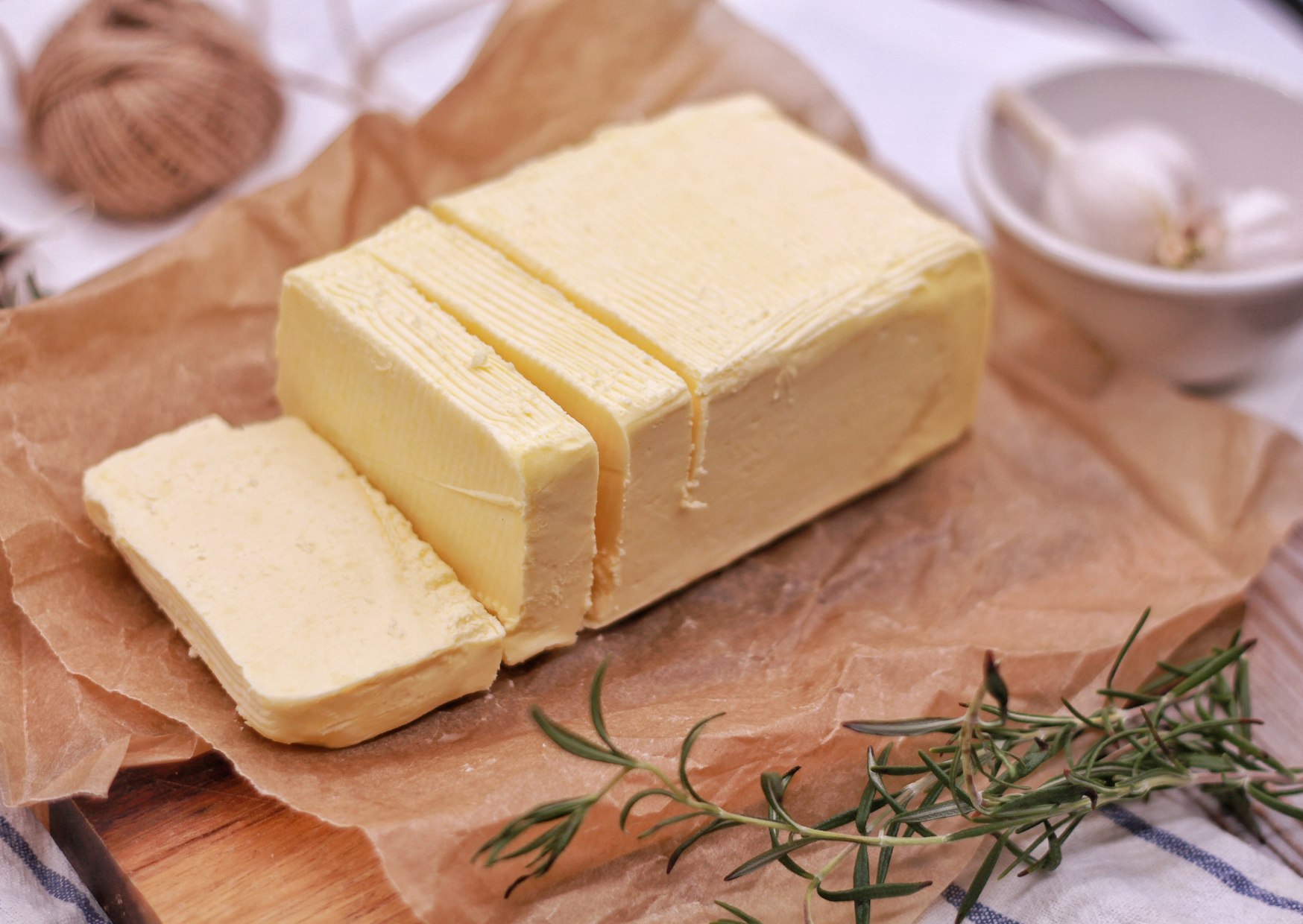
In American kitchens, butter is handled like a semi-dangerous substance. If it’s left out for more than a few hours, people get nervous. Food safety messaging tells them bacteria grows rapidly on unrefrigerated dairy. That fear bleeds into everyday behavior.
In France, butter is not treated like a biohazard.
It’s fat. Mostly solid. Salted or cultured — both of which act as natural preservatives. The French know it doesn’t spoil quickly. It might change color or texture slightly, but it won’t rot overnight.
And no one throws it out because it spent the day out of the fridge. They spread it on toast, serve it with radishes, or tuck it under the skin of roast chicken — without guilt or goggles.
2. Flavor Comes First — And Cold Butter Is Flavorless
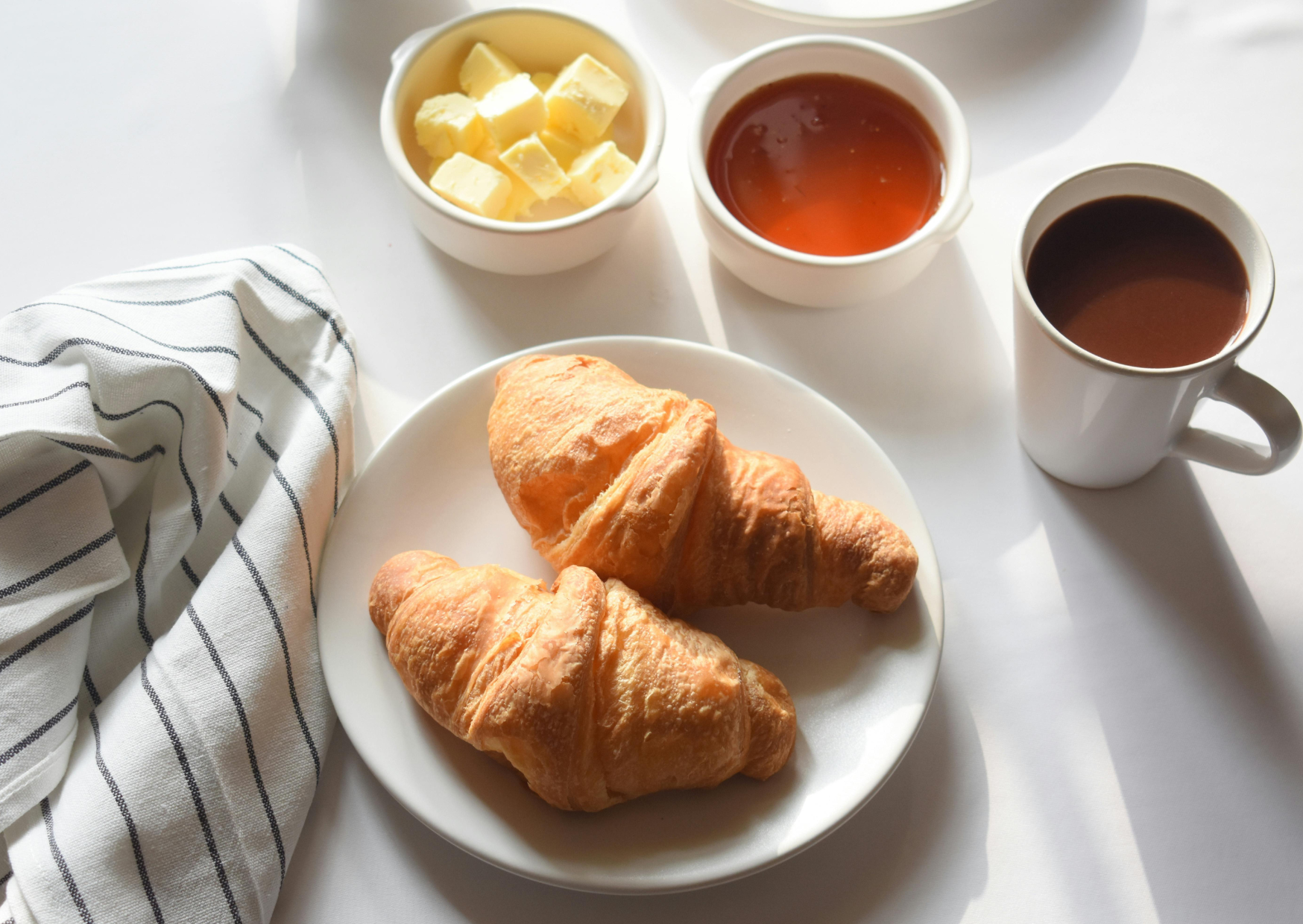
To the French, flavor is non-negotiable. Meals are built around it. Products are chosen for it. And any storage habit that dulls flavor is rethought.
Cold butter? It tastes like nothing. It tears bread. It resists the knife. It’s culinarily offensive.
Room temperature butter? It’s spreadable, creamy, aromatic. It blends into sauces, soaks into toast, and melts into eggs with zero effort.
Americans are taught that safety is the goal. The French are taught that pleasure is the goal — and that good food habits should enhance, not sterilize, the experience.
3. Bacteria Panic Isn’t Part of the French Food Vocabulary
French food culture doesn’t center on fear. Raw milk cheeses, steak tartare, soft eggs, and unwashed fruit from the garden are part of life. There’s trust — in food, in microbes, and in the body’s ability to process what it eats.
In the U.S., butter left out for twelve hours leads to Googling, label-reading, and maybe a text to mom.
In France, it leads to breakfast.
They know butter isn’t a bacterial playground. It has too little water and too much fat for most pathogens to thrive — especially if it’s salted.
And if it smells fine? It is fine.
4. French Butter Is Made for the Counter
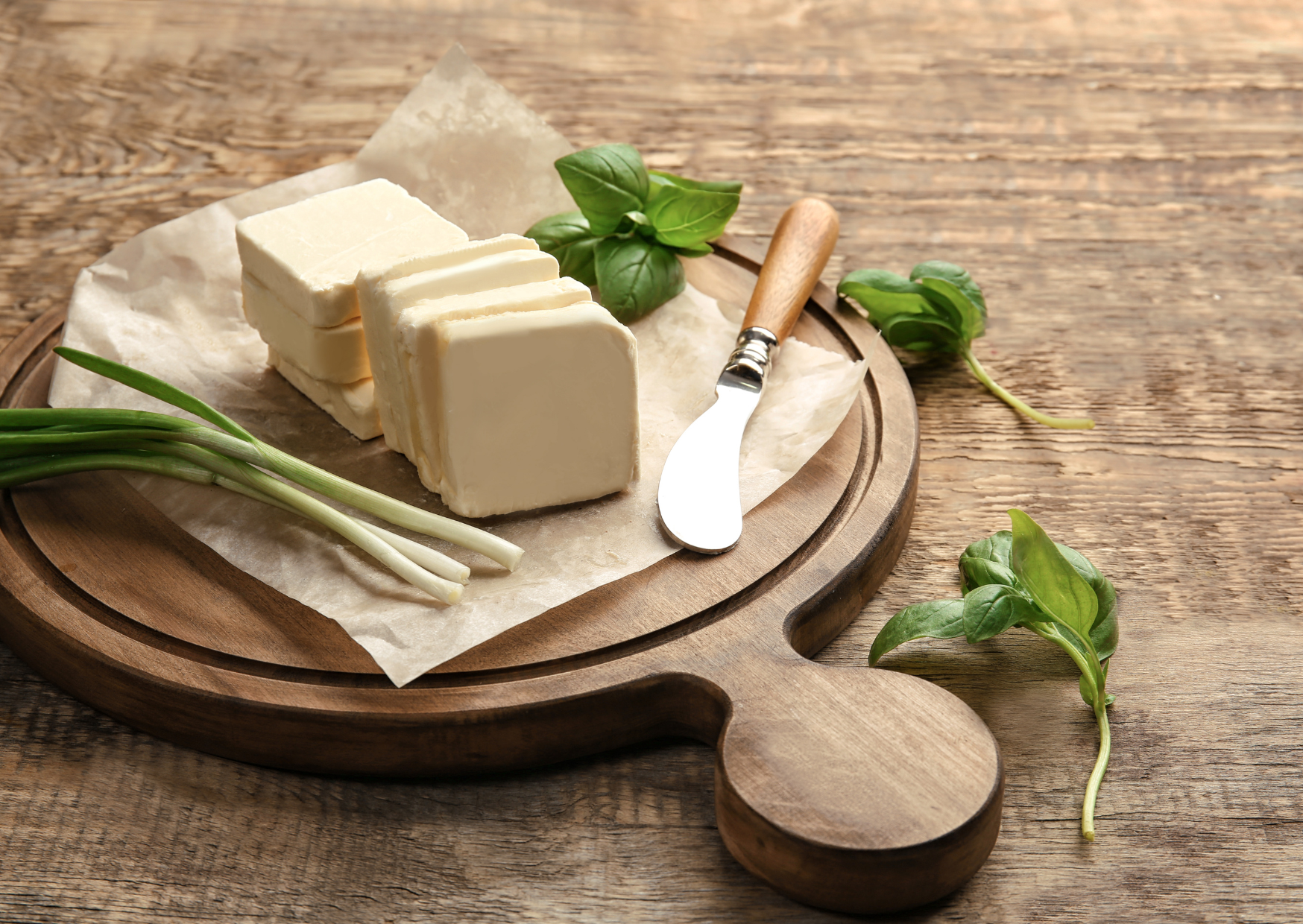
Many French butters — especially cultured butter from Brittany or Normandy — are crafted with storage in mind.
Culturing gives butter a tangy flavor and lowers its pH, making it naturally more resistant to spoilage. Salted versions last even longer. And the packaging is often minimal: wrapped in foil, paper, or placed in simple crocks.
It’s not designed to be hidden in the cold. It’s designed to sit on the counter, get used daily, and stay soft until the last swipe.
To refrigerate it is to forget how it’s meant to function.
5. Refrigerators Are for Perishables — Not Pantry Staples
In American households, the fridge is used for everything. Bread. Apples. Ketchup. Eggs. Butter. Even some nuts and oils.
In France, the fridge is for true perishables — meat, dairy, leftovers. Not for butter, not for baguettes, and certainly not for mustard.
Room-temperature butter isn’t just convenient. It’s part of a broader philosophy: store things where they’re happiest — not just where they feel safest.
6. The Pace of Use Prevents Spoilage
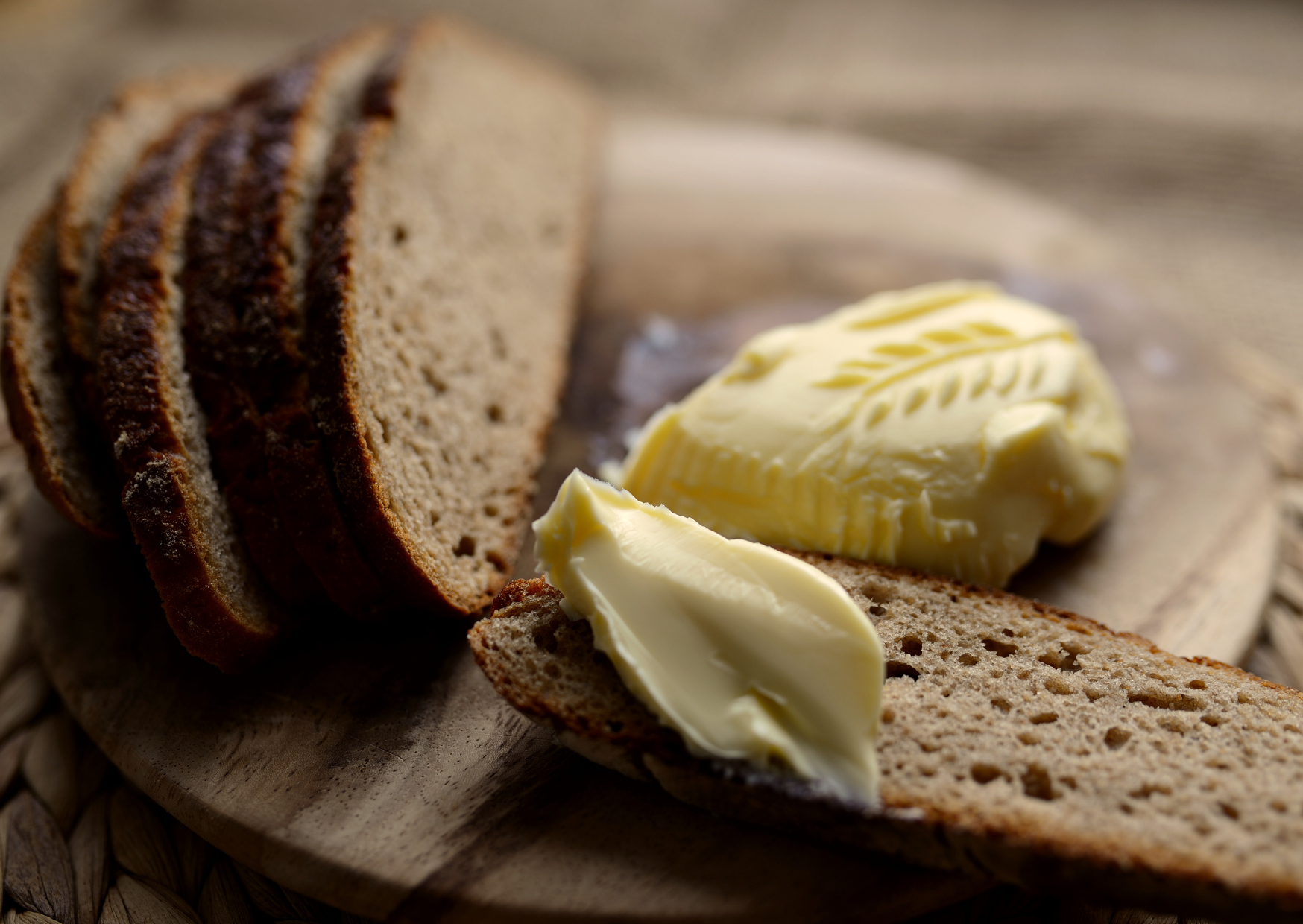
In the U.S., butter often lasts weeks or months. People buy in bulk. They freeze sticks. They use it for baking, not daily spreading.
In France, butter is used constantly — for toast in the morning, for cooking lunch, for serving with dinner. It’s replenished every few days.
Because it doesn’t sit around for a month, it doesn’t have time to go rancid. It’s self-regulating: used quickly, stored simply.
That pace makes refrigeration unnecessary. Butter lives on the counter because it’s always in motion.
7. Crumbs in the Butter? That’s Life
An American opening a butter dish and seeing toast crumbs might feel disgusted. It signals contamination, messiness, even bacteria risk.
In France, it signals breakfast.
Crumbs in butter are normal. A smear of jam nearby is forgivable. A crooked lid, a reused knife, or a dish left uncovered for hours? That’s domestic reality, not a scandal.
French kitchens are clean — but not neurotic. Food isn’t sanitized into silence. It lives. And butter, like everything else, gets messy when it’s loved.
8. Children Grow Up Knowing Butter Isn’t Dangerous
In American homes, parents often teach kids to fear room-temperature dairy. “That’s been out too long.” “Don’t eat that.” “You’ll get sick.”
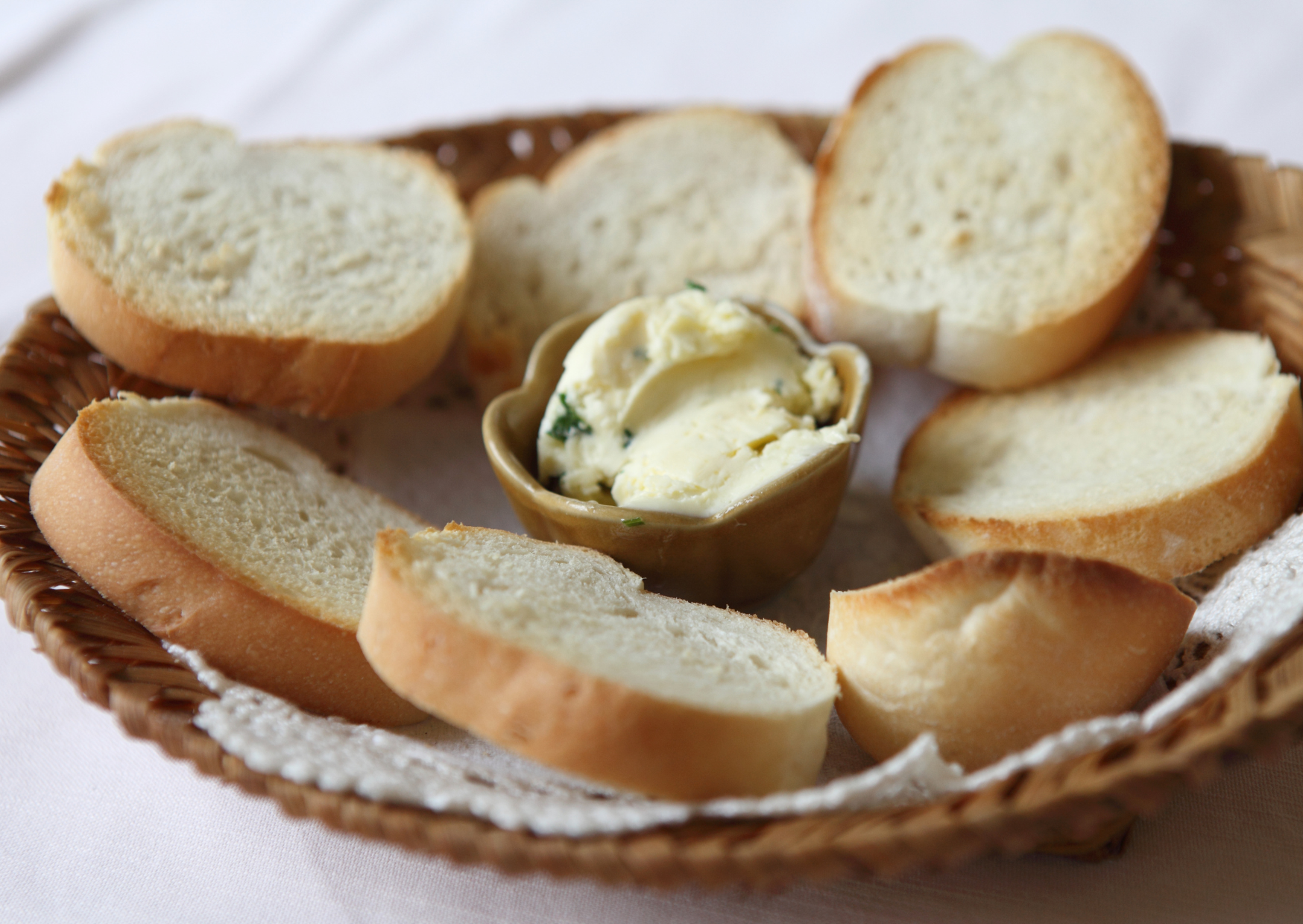
In France, children are handed warm bread and soft butter without hesitation. They grow up knowing butter is safe, normal, and part of daily life.
There’s no moment when butter becomes suspect. There’s no hygiene lecture about a stick left uncovered.
And because they aren’t raised to fear it, they grow up with a calm, respectful relationship to food — not a defensive one.
9. Butter at the Table Is a Gesture — Not a Risk
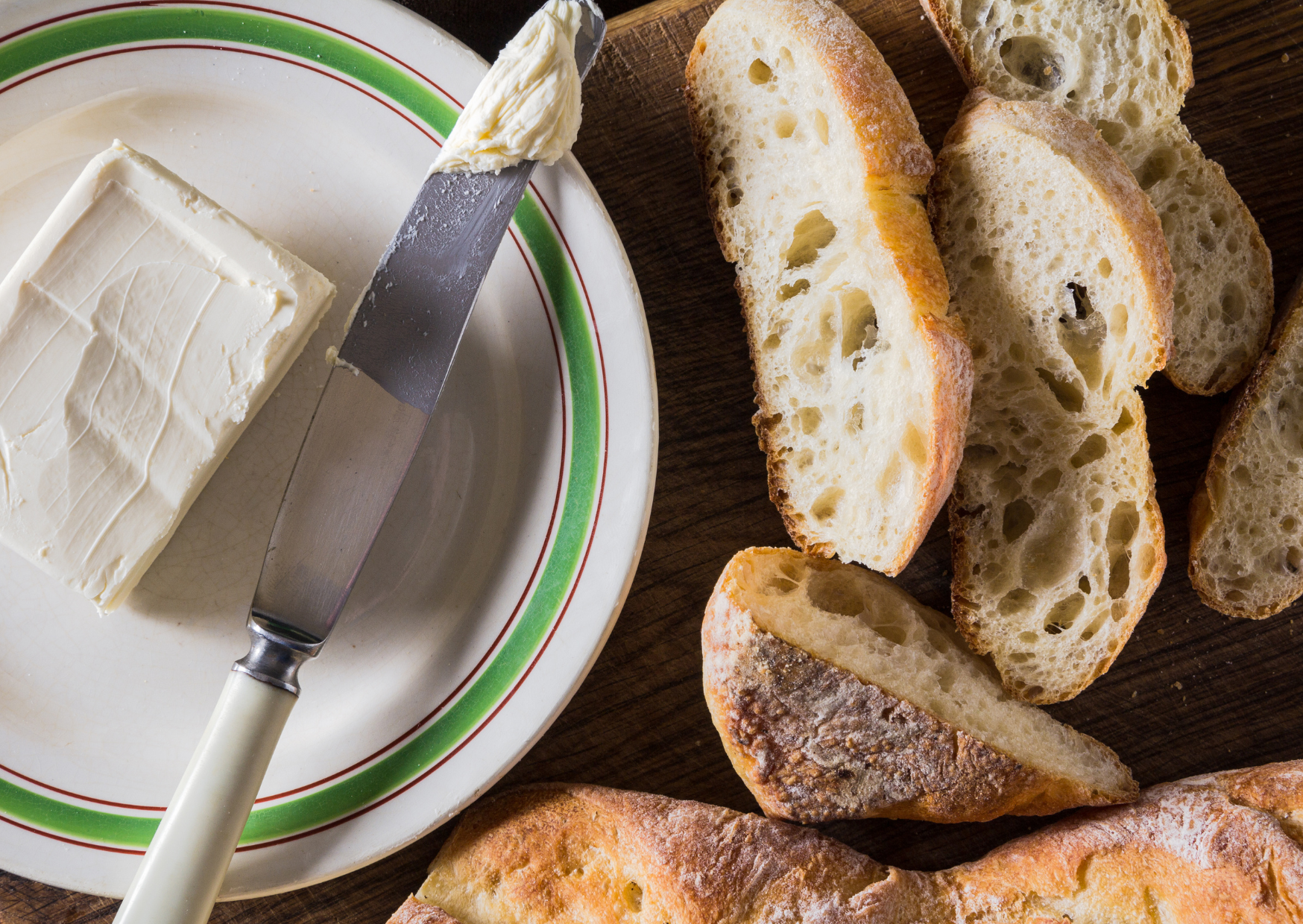
When a French family sets out butter for a meal, it’s not done cautiously. It’s done with ease.
A ceramic dish is placed near the bread. No lid. No ice pack. No timer.
People take what they need. They don’t worry how long it’s been out. It may stay on the table through dessert.
And if it’s soft and a little glossy at the end of the meal? It’s still perfect for tomorrow.
Because butter, in France, isn’t an item to manage. It’s a companion to good food, and it’s treated with trust.
One Ingredient, Two Cultures
To Americans, butter is vulnerable — fragile, perishable, something to monitor.
To the French, butter is resilient — flavorful, versatile, and completely at ease on the kitchen counter.
In the U.S., food safety is centered around prevention.
In France, it’s centered around observation and rhythm.
If it smells fine, feels fine, and tastes fine, it is fine.
If it’s part of the meal, it deserves to be ready to use — not sliced like concrete from the back of a fridge.
So next time you’re in France, and you see a warm dish of butter melting ever so slightly in the sunlit corner of a kitchen, don’t recoil.
Spread it on your baguette. Eat slowly.
And know that the only thing you’re risking is realizing how good it can really taste when you let it breathe.

About the Author: Ruben, co-founder of Gamintraveler.com since 2014, is a seasoned traveler from Spain who has explored over 100 countries since 2009. Known for his extensive travel adventures across South America, Europe, the US, Australia, New Zealand, Asia, and Africa, Ruben combines his passion for adventurous yet sustainable living with his love for cycling, highlighted by his remarkable 5-month bicycle journey from Spain to Norway. He currently resides in Spain, where he continues sharing his travel experiences with his partner, Rachel, and their son, Han.