
And what it reveals about routine, comfort, and a very different understanding of what “clean” really means
In American households, especially in suburban settings, kitchen cleanliness is treated like a line of defense. Dishes are scrubbed immediately after dinner. Leftovers go into tightly sealed containers. Counters are sanitized with chemical sprays. Trash is taken out before bed. Crumbs are an emergency. And everything gets closed, wiped, and shut down before the lights go off.
The reason? Fear of pests. Roaches, ants, mice — and the worst offender of all: rats. American pest control experts warn about what happens if you leave a single dirty spoon in the sink overnight. Kitchen hygiene is non-negotiable.
Now spend a few nights in Spain.
A family finishes dinner — late, of course — and clears the table slowly. Dishes might get rinsed, but not necessarily washed. Wine glasses and coffee mugs sit by the sink. A crust of bread is left uncovered. Olive oil sits open on the counter. The kitchen stays… alive.
And more often than not, someone will return to it at midnight. Not to clean, but to snack.
To Americans, this kitchen behavior seems like an invitation for rodents.
To Spanish families, it’s comfort.
Here’s why the nightly kitchen habits of Spanish households would horrify American pest control experts — and why they persist, proudly, across the country.
Want More Deep Dives into Everyday European Culture?
– Why Europeans Walk Everywhere (And Americans Should Too)
– How Europeans Actually Afford Living in Cities Without Six-Figure Salaries
– 9 ‘Luxury’ Items in America That Europeans Consider Basic Necessities
1. The Kitchen Never Fully Closes
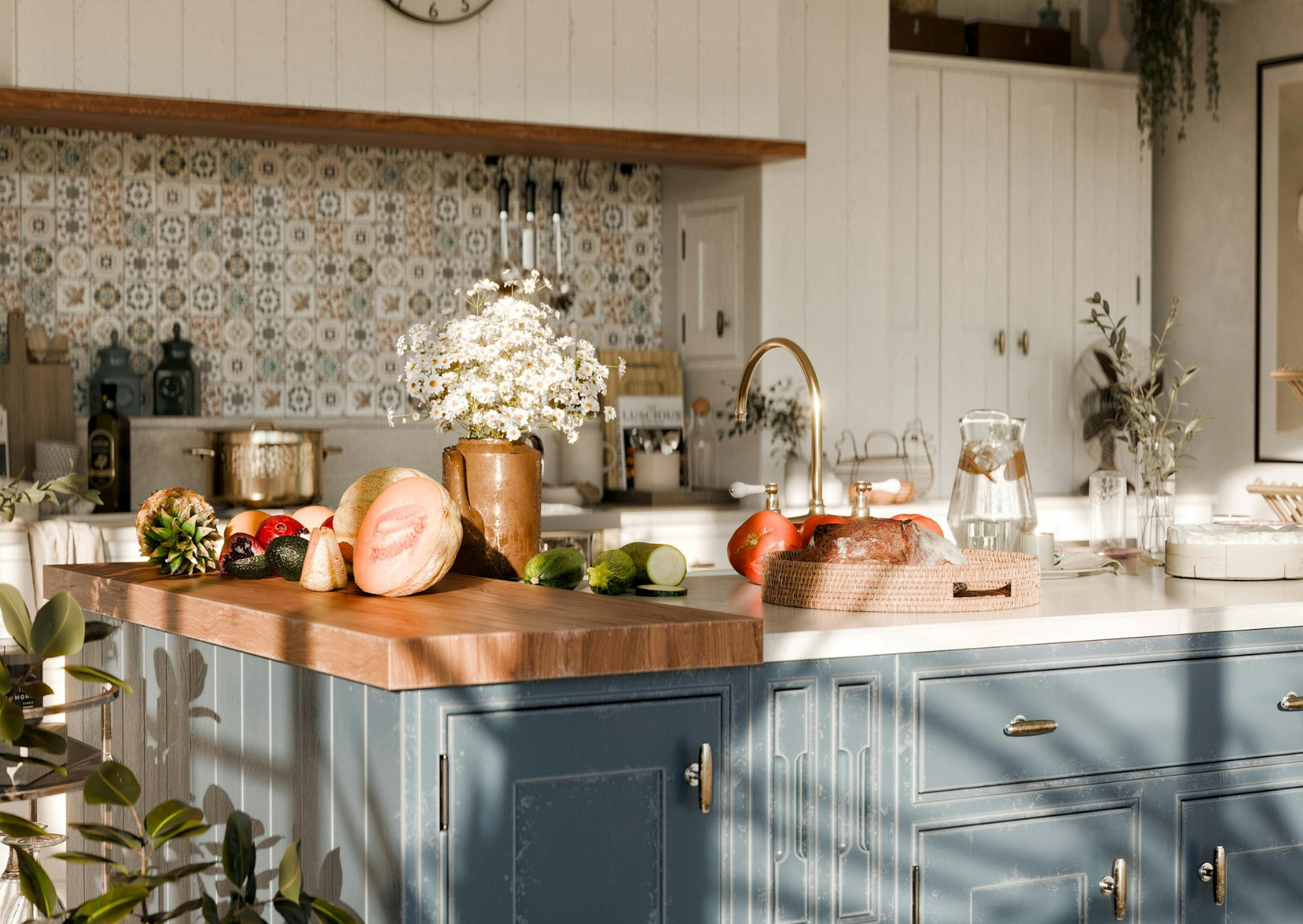
In the U.S., kitchens “close” after dinner. Counters are wiped. Appliances are turned off. Dishes are cleaned or loaded. Trash is taken out. The room is restored to hotel-level cleanliness.
In Spain, the kitchen never really closes.
Dinner ends around 10 or 11 p.m., especially in summer. Coffee is sipped. Conversations linger. The last person might leave the table after midnight.
And yet, there’s no rush to clean everything. Pots are soaked, not scrubbed. Dishes are stacked, not loaded. Counters might have crumbs. The idea is: we’ll handle it in the morning.
The kitchen is treated not as a battleground, but as a space that lives on its own schedule.
2. Bread Is Left Out — And Not Just on Accident
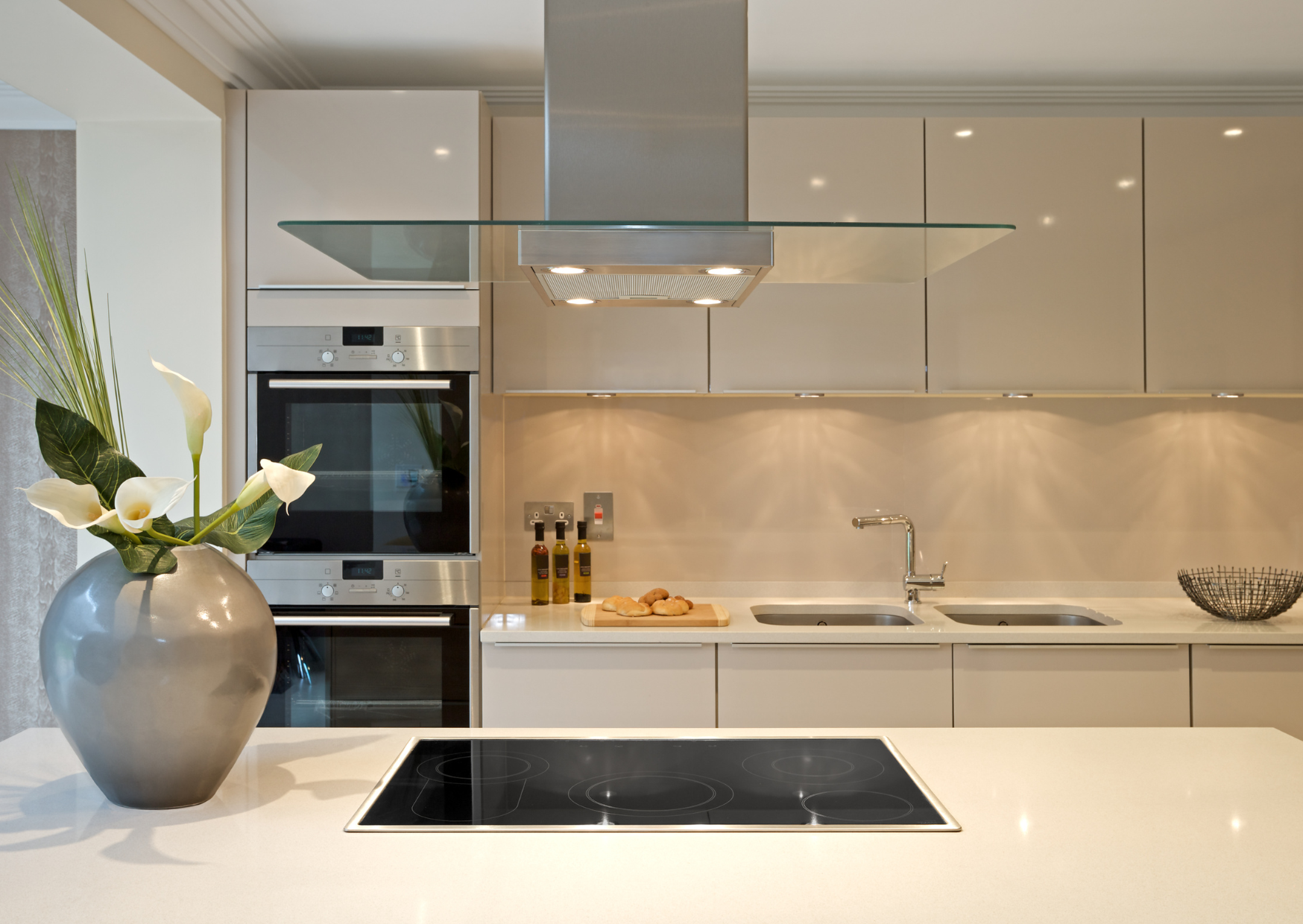
American kitchens are full of bread boxes, plastic bags, zip-sealed pouches, and refrigerator storage to prevent staleness or pests.
In Spain, bread is often left uncovered overnight — not out of laziness, but out of habit.
It sits on a wooden board. Or in a cloth-lined basket. Maybe wrapped loosely in a napkin. No plastic. No ziplock. Just… there.
It hardens, yes — but that’s the point. Stale bread is used the next day for gazpacho, salmorejo, or breadcrumbs. Nothing is wasted.
To an American pest control expert, this is a horror story. To a Spanish grandmother, it’s a normal Tuesday.
3. The Trash Might Not Be Taken Out Every Night
One of the cardinal rules in American kitchens is: never leave the trash overnight. Banana peels, food wrappers, meat scraps — they must go before bedtime.
In Spain, especially in cities, trash is collected on specific nights. Not daily. And even in homes with bins, it’s common to let the trash wait until morning.
Food scraps are often separated — composted, sometimes drained in the sink, or stored in open-top bins until taken down the next day.
And still… no one panics.
Why? Because Spanish kitchens are built on the assumption that you can co-exist with the natural rhythms of waste — and still live cleanly.
4. Food Is Left on the Stove — Not Refrigerated
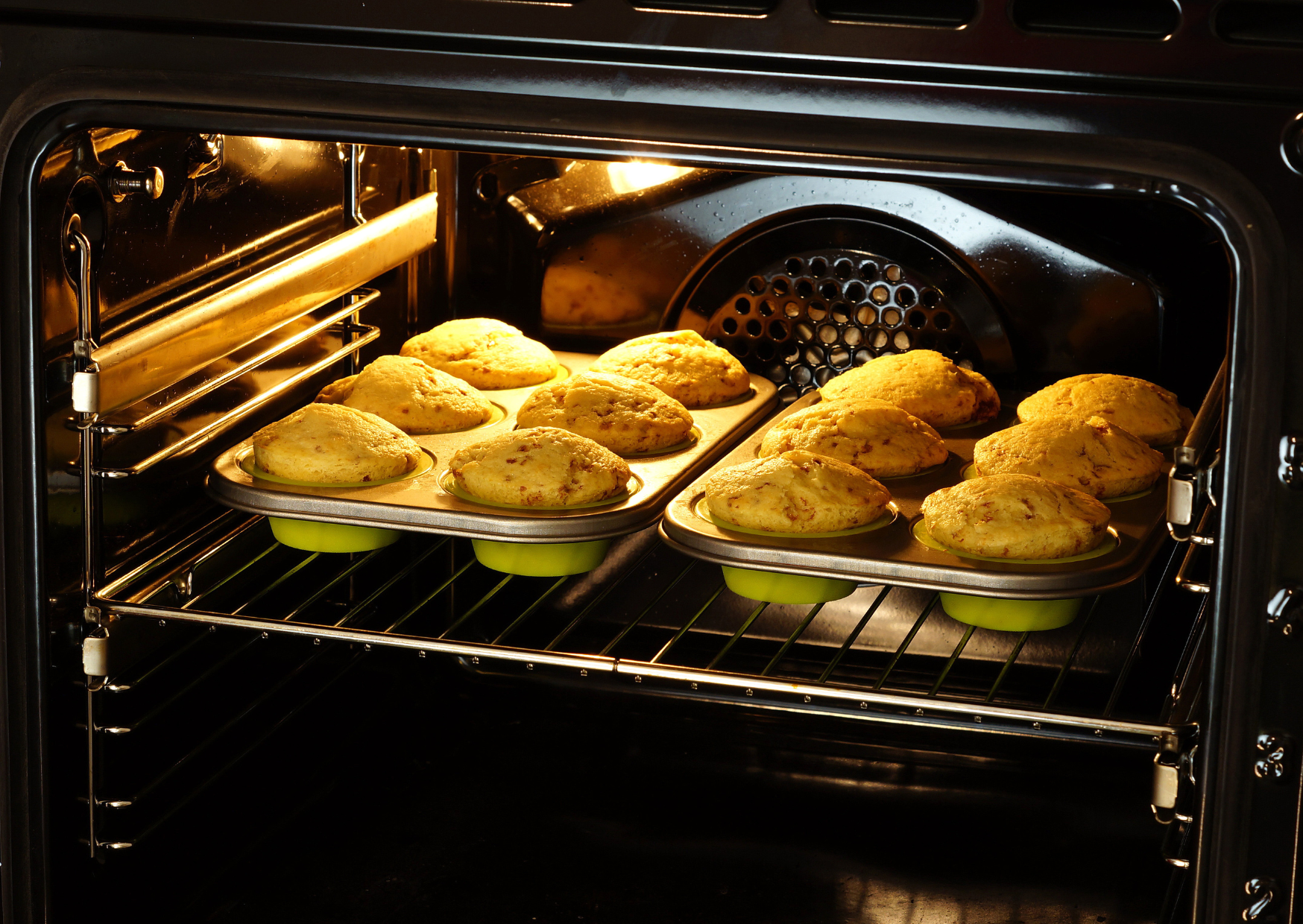
In American households, cooked food that isn’t eaten is refrigerated within minutes. Food safety warnings are everywhere: “Don’t leave soup out!” “Cover the rice!” “Seal everything immediately!”
In Spain, it’s common to leave a pot of soup or stew sitting on the stove overnight — covered with a lid or a towel, but not refrigerated.
Why? Because it will be eaten the next day. Because traditional dishes like lentejas (lentils) or cocido actually taste better after resting. And because no one believes the room temperature will invite apocalypse.
Pest control? Not a priority. Flavor and routine take precedence.
5. People Return to the Kitchen at Midnight — Without Cleaning First
Perhaps the most shocking behavior for American guests is seeing someone go into the kitchen late at night, pour a glass of milk, grab a cookie, or even heat up leftovers — all while the sink still has dishes and the trash hasn’t been emptied.
In the U.S., this feels unsanitary. Disrespectful. “Don’t eat in a dirty kitchen!”
In Spain, no one flinches. It’s your house, and if you’re hungry, you eat. You don’t perform cleanliness just to prove a point.
The sink can wait. The stomach cannot.
6. Fruit Bowls Are Overflowing — and Not Always Fresh
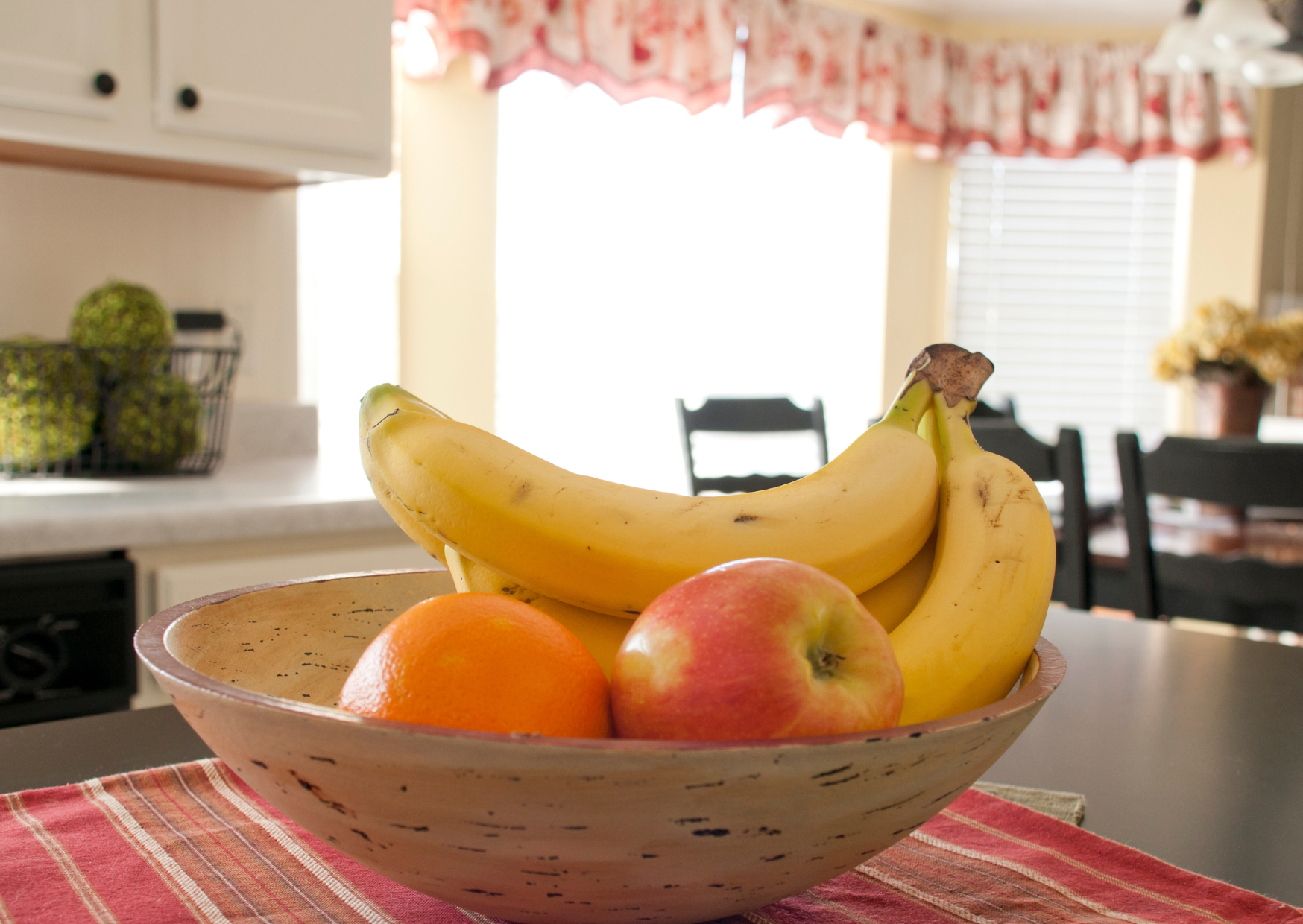
Spanish kitchens often have giant fruit bowls on the counter — oranges, bananas, pears, plums — much of it ripe, and some of it overly ripe.
No refrigeration. No labels. And definitely no fear about what might be slightly past its prime.
That bruised apple? It’ll be used tomorrow in a tarta. The banana? Maybe for a smoothie. Nothing is tossed just for being soft.
To American standards — which lean heavily on “sell by” dates and visual perfection — this seems like an invitation for fruit flies.
To Spaniards, it’s wasteful to worry about produce that still has life left in it.
7. Open Containers Are Normal — As Long As They’re Covered
In American kitchens, every leftover goes into airtight Tupperware. Matching lids. BPA-free. Microwave safe.
In Spain, a pot with a lid is the container. A bowl with a plate on top counts as sealed. A pan of croquetas can stay covered with foil — left out until the next day.
It’s not that people don’t store things — they do. But they don’t believe in over-sealing or over-refrigerating.
They don’t ask, “Is this safe?”
They ask, “Is this still good?”
It’s a culinary judgment, not a fear-based one.
8. Pests Are Possible — But Rarely Seen
Here’s the twist: despite these habits, most Spanish kitchens aren’t crawling with vermin.
Why? Because homes are cleaned often — just not on American schedules. Floors are swept daily. Crumbs are wiped. Trash goes out when it’s full. But none of it is done with anxiety.
More importantly, homes are built differently. Fewer basements. Tighter spaces. Less central heating and insulation where pests love to hide.
So the relaxed behavior isn’t delusional — it’s based on generational experience.
9. Cleanliness Is Measured by How the Space Feels — Not by Checklists
At the end of the day, American pest control sees the kitchen as a battlefield — and the enemy is anything that might attract rodents or bugs.
Spanish families see the kitchen as a living room with a sink. Something in constant use, constant motion, and never perfectly tidy — because that would mean no one is living in it.
Cleanliness is a feeling: fresh air, swept floor, food cooked with care. Not whether the fridge is organized or the counters sparkle under LED lights.
And that difference — that emotional confidence — is what lets the Spanish kitchen remain a little messy, a little open, and still perfectly functional.
One Kitchen, Two Rules
To Americans, a kitchen that isn’t closed down at night is a health hazard.
To Spaniards, a kitchen that can’t welcome someone at midnight is missing the point.
To Americans, rats arrive when you skip a step.
To Spaniards, they only arrive if you ignore your kitchen entirely.
So if you find yourself in a Spanish home, staring at uncovered bread, stacked dishes, and a pot left on the stove, don’t panic.
You’re not looking at a disaster.
You’re looking at a kitchen that will wake up again tomorrow — and feed everyone just fine.

About the Author: Ruben, co-founder of Gamintraveler.com since 2014, is a seasoned traveler from Spain who has explored over 100 countries since 2009. Known for his extensive travel adventures across South America, Europe, the US, Australia, New Zealand, Asia, and Africa, Ruben combines his passion for adventurous yet sustainable living with his love for cycling, highlighted by his remarkable 5-month bicycle journey from Spain to Norway. He currently resides in Spain, where he continues sharing his travel experiences with his partner, Rachel, and their son, Han.