
Traveling to Spain? Get ready for delicious food, warm weather, stunning architecture — and one of Europe’s most laid-back, yet deeply traditional, cultures. While Spain may feel relaxed on the surface, there’s an entire layer of unspoken etiquette that locals expect visitors to observe — even if they’ll never tell you directly.
Understanding these unwritten social rules can mean the difference between being treated as a welcomed guest or being silently judged as a clueless tourist. Spanish people tend to be gracious and friendly, but there are certain habits and behaviors they secretly expect you to know — and violating them might raise an eyebrow or two (or worse, a disapproving mutter).
Here’s your essential guide to Spanish etiquette — what locals expect but never say.
Read here best things to know before visiting Spain, Planning an Itinerary in Spain: 3 Days Madrid Itinerary and 4 Days Barcelona Itinerary
BOOK YOUR TRAVEL INSURANCE
Two of our favorite travel insurance: Heymondo Vs Safetwing cheapest travel Insurance. You can get for $135 USD your Heymondo Travel Insurance with Heymondo discount code valid for 90 days. Read our full comparison of Genki vs Safetywing Travel Insurance Review and the comparison Heymondo vs Genki
Quick Easy Tips
Greet everyone properly: Always say hola or buenos días when entering shops, cafes, or small businesses, and say adiós or hasta luego when leaving. It is considered rude to ignore staff or others around you.
Avoid eating while walking: Spaniards generally sit down to enjoy food, even quick snacks. Eating while walking is viewed as disrespectful to the meal and can mark you instantly as a tourist.
Dress neatly, even casually: Spaniards value appearance. Avoid gym wear or beachwear in cities unless you are actually exercising or at the coast. Smart casual is the standard even for errands.
Keep your hands visible at the table: During meals, rest your wrists on the edge of the table instead of placing hands in your lap, as this is a traditional sign of polite table etiquette.
Don’t rush meals: Meals are social occasions in Spain, especially lunch. Eating quickly and leaving immediately is seen as disrespecting the cultural importance of shared meals.
One controversial truth about Spanish etiquette is that while locals appear relaxed and informal, social codes are deeply ingrained. Foreigners often misinterpret this laid-back attitude as an invitation to behave casually in all contexts, leading to unintentional disrespect, especially in family or traditional settings.
Another misunderstood aspect is punctuality. While Spaniards are flexible with personal social plans, professional or formal meetings demand punctuality. Many tourists wrongly assume “Spanish time” applies to business, which can damage first impressions and credibility if arriving late.
Finally, although tipping is not compulsory in Spain, it is appreciated for good service, usually rounding up the bill or leaving small coins. Tourists who tip excessively following American standards risk creating skewed expectations in tourist-heavy areas, while those who tip nothing may appear ungrateful in restaurants where service was attentive and personal.
1. Greet Everyone — and Always Say Goodbye
In Spain, greetings matter — and they’re not just formalities. Whether you’re entering a shop, stepping into a waiting room, or arriving at a friend’s gathering, the polite thing to do is greet everyone.
A simple “Hola” or “Buenos días” goes a long way. Failing to greet people can come off as rude, aloof, or cold. Even in elevators or small cafés, a quick hello is expected.
But it doesn’t stop there. Saying goodbye is just as important. When you leave a group setting — even a small one — you should say “Adiós”, “Hasta luego”, or “Nos vemos” to everyone. Sneaking out without saying goodbye, even quietly, is considered impolite.
Pro tip: In social gatherings, you’ll often hear people say “encantado/a” after being introduced — it means “pleased to meet you,” and it’s a nice touch that shows respect.
2. The Two Kisses Rule (But Context Matters)

In much of Spain, particularly the south and central regions, people greet each other with two kisses — one on each cheek. It’s a light air kiss, not a full contact smooch, and it’s used between friends, acquaintances, and even new introductions in casual settings.
But here’s the nuance: it’s usually woman-to-woman or man-to-woman. Men typically greet each other with a handshake or a friendly pat on the back, unless they’re close family or very good friends.
That said, the rules can vary by region. In Catalonia or the Basque Country, you might find people a bit more reserved, and in professional settings, a handshake is more common.
Tip: If you’re unsure, follow the other person’s lead. And whatever you do, don’t go in for just one kiss — it will confuse everyone.
3. Don’t Rush Through Meals — Ever
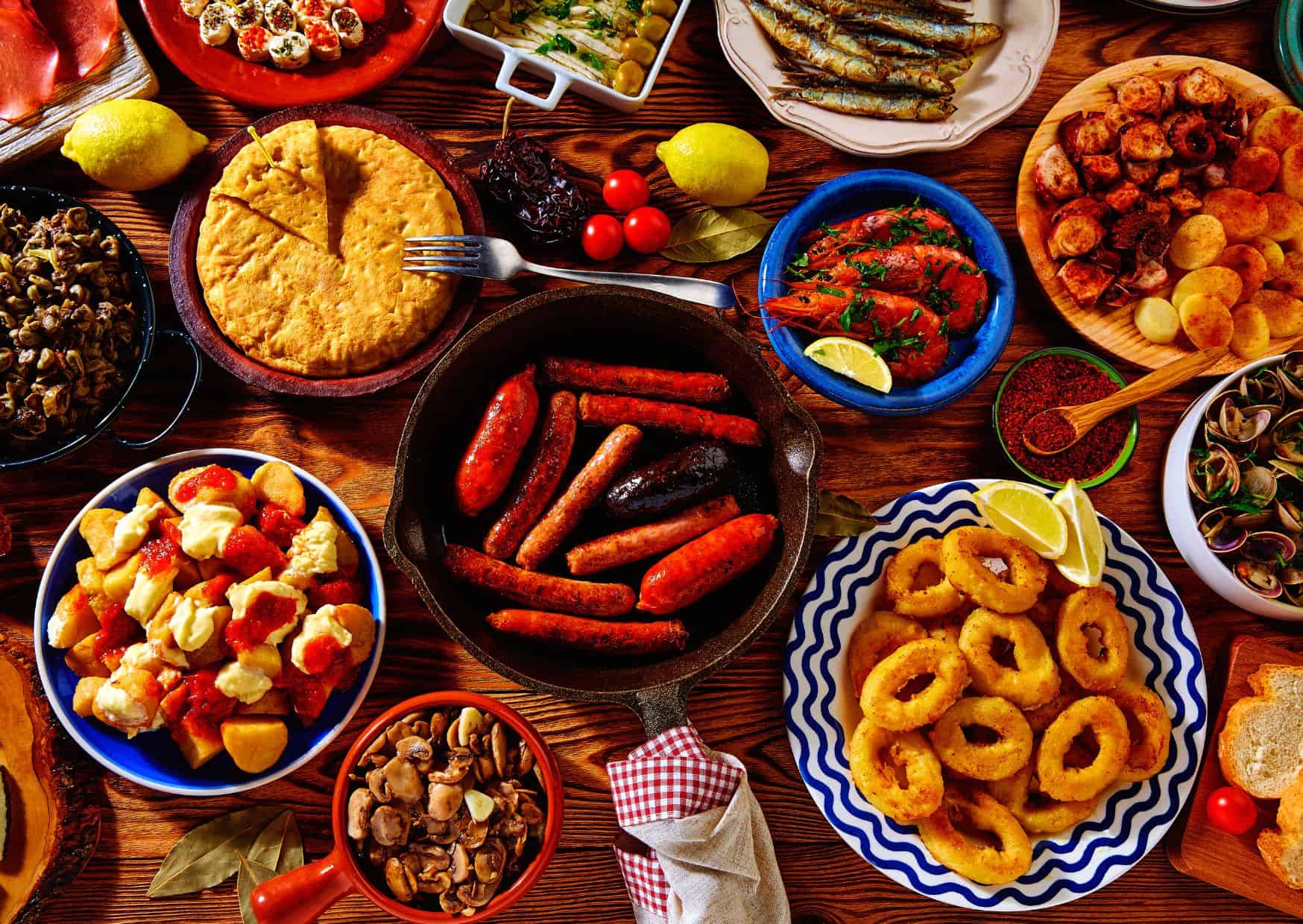
In Spain, meals are about more than just food — they’re about connection, conversation, and enjoyment. Lunch and dinner can last for hours, especially when shared with others. Unlike in some cultures where speed is valued, rushing through a meal is considered odd and even disrespectful.
There’s a rhythm to Spanish dining: drinks and tapas first, then a leisurely meal, maybe dessert, then coffee, and finally a “sobremesa” — a period of relaxed conversation after eating.
If you’re dining out, don’t expect the bill to arrive until you ask for it — servers won’t bring it automatically, as that would imply they’re pushing you out the door.
Also, don’t eat on the go. Walking while eating — even something simple like a sandwich or pastry — is rare and considered uncultured. Spaniards typically sit down to eat, even if it’s just for a few minutes at a café.
4. Be Punctual-ish (But Not Too Rigid)
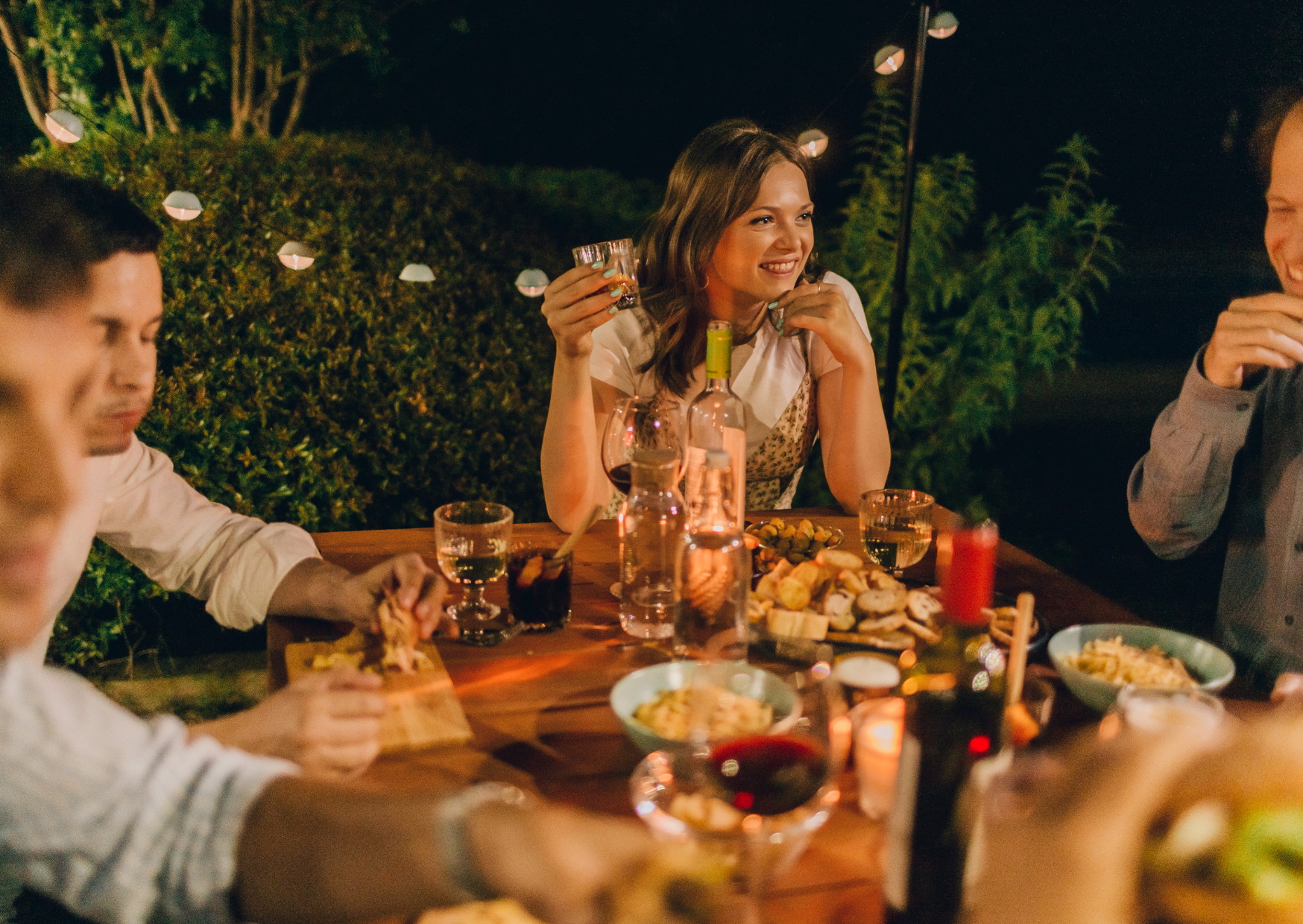
Time in Spain has a different flavor. For social events, there’s a concept known as “la hora española” — a casual understanding that people may arrive 15 to 30 minutes late, and it’s totally acceptable.
However, that doesn’t mean you should be too casual with time. For business meetings, job interviews, or formal events, punctuality is expected. But if you’re heading to a dinner party, showing up 15 minutes late might actually be appreciated — arriving right on time could catch your host unprepared.
Golden rule: Be flexible, read the room, and understand the difference between a professional setting and a social one.
5. Respect the Siesta (Even If It’s Disappearing)

The famous siesta is more symbolic than literal these days — especially in big cities like Madrid or Barcelona. Most people don’t go home to nap in the middle of the day. But what does remain is the long lunch break, often from 2 p.m. to 5 p.m., during which smaller shops, banks, and local businesses might close.
Tourists often get frustrated by these midday closures — but to Spaniards, it’s not laziness, it’s tradition and lifestyle. Time in the afternoon is for rest, family, or a slow meal, not nonstop productivity.
Tip: Plan your errands around this rhythm — and don’t expect much to happen between 2 and 5.
6. Dress Well, Even Casually

Spaniards are not overdressed, but they are always put-together. Even casual outfits are stylish — well-fitted jeans, clean shoes, and a sense of coordination. Wearing sweatpants, flip-flops (unless at the beach), or gym clothes in public can be perceived as sloppy.
While no one will confront you, they will notice, especially in smaller towns or when visiting churches or upscale restaurants.
Want to blend in? Stick to neutral colors, avoid flashy logos, and wear shoes that aren’t just for the gym. The effort will go a long way.
7. Don’t Talk Loudly in Public (Yes, Really)

It’s a stereotype that Spaniards are loud — and in private or festive settings, they can be animated. But in public spaces like public transport, small restaurants, or residential areas, speaking loudly is frowned upon.
If you’re traveling in a group and speaking in English at full volume, you may draw unwanted attention. Locals may not say anything, but you’ll likely get a few side-eyes.
Respect the shared space. Be mindful of your volume, especially in the evenings or near people’s homes.
8. Mind the Personal Space (and Don’t Over-Apologize)
Spain doesn’t have the same wide radius of personal space you might find in the U.S. or Northern Europe. People stand closer, touch more during conversations, and don’t find it invasive.
That said, they also don’t expect constant apologies for small things like bumping into someone slightly or brushing past in a tight space. Saying “perdón” or “lo siento” constantly can come off as anxious or overly formal. A smile and a quick “¡Uy!” or “¡Perdona!” is enough.
Embrace the closeness — it’s part of the warmth of Spanish culture.
9. Money Talk: Tipping and Payments
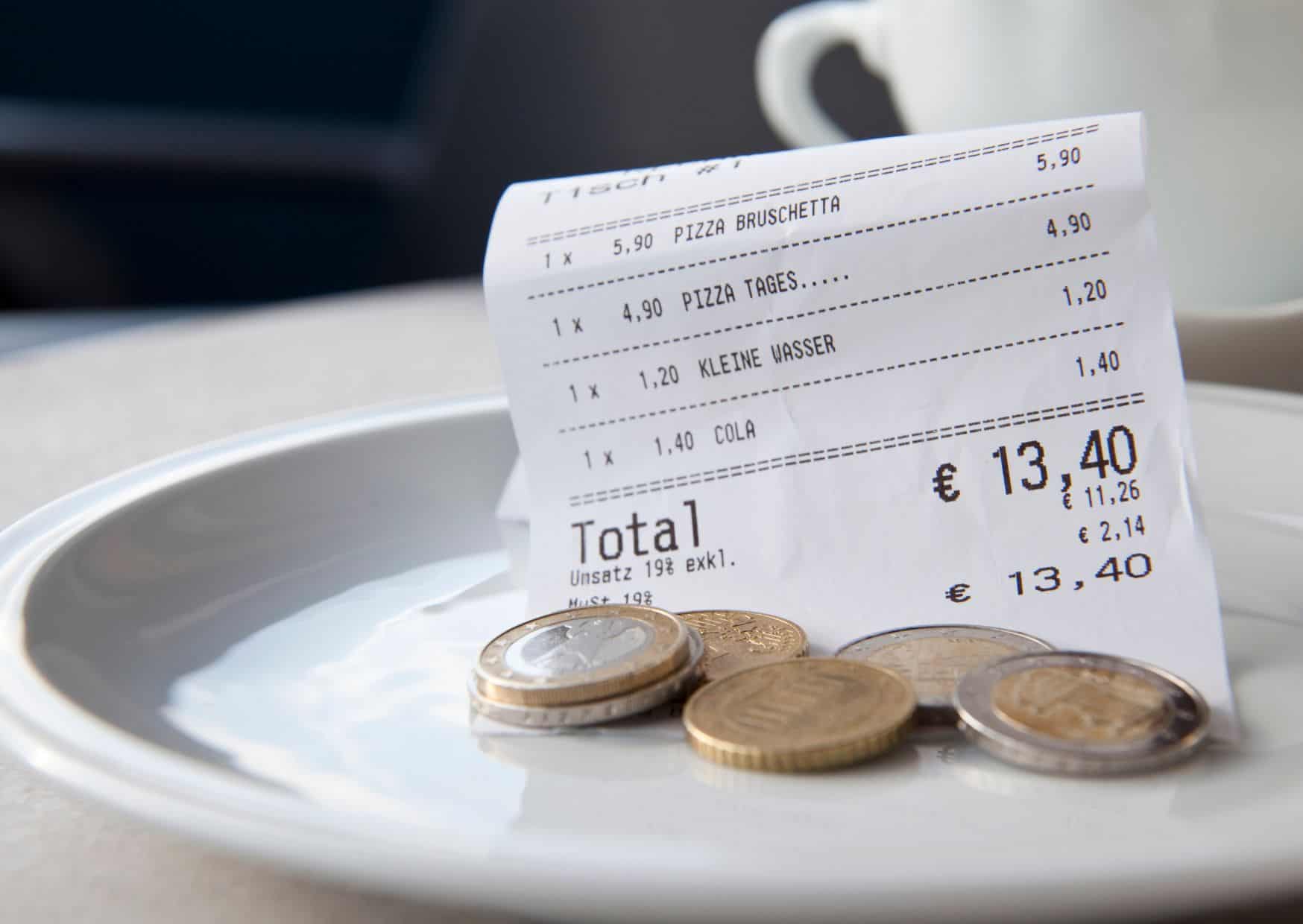
In Spain, tipping is appreciated but not expected. Rounding up a few euros or leaving small change is common, especially for good service in cafés or restaurants. But tipping 15–20%, as is standard in the U.S., isn’t necessary.
Also, while cards are widely accepted, some smaller businesses prefer cash. It’s a good idea to carry a few euros, especially in rural areas or local markets.
Never split a bill down to the cent in a group setting — it can come off as overly fussy. Spaniards tend to round and share casually: “You got coffee, I’ll get the beers.”
10. Religion and Politics: Tread Lightly
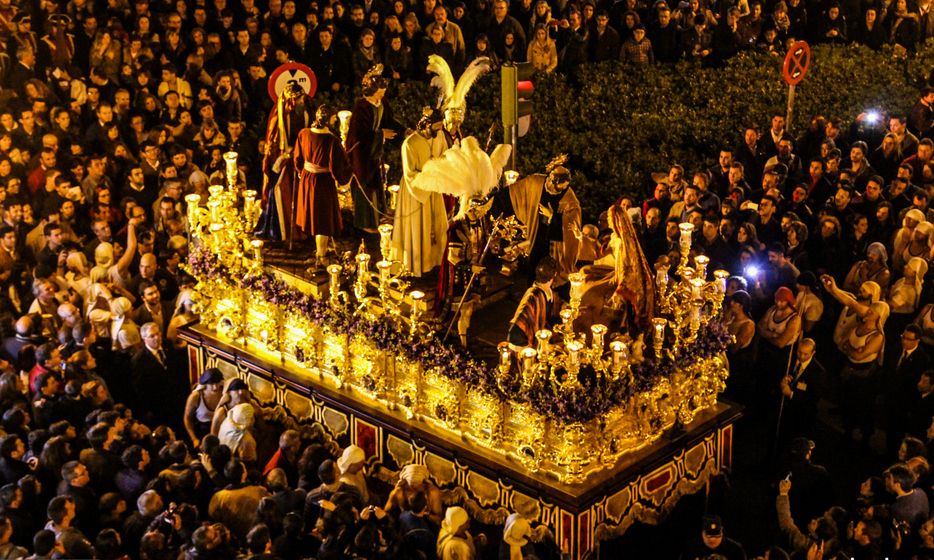
While Spain is officially secular, religion still plays a cultural role, especially in festivals, holidays, and local traditions. It’s best to be respectful around churches, religious icons, or during Holy Week (Semana Santa). Even non-religious locals treat these traditions with a degree of reverence.
As for politics — Spain has a complex and often sensitive political landscape, especially surrounding regions like Catalonia or the Basque Country. If you’re not well-informed, it’s better to listen than to opine. Avoid making sweeping statements or jokes about Spain’s history or regional identities.
Final Thoughts: Respect, Warmth, and Being Present
Spanish etiquette isn’t about being rigid or overly formal. In fact, what locals value most is connection, presence, and authenticity. They won’t lecture you about what you’re doing wrong, but they will notice if you’re making an effort — or if you’re ignoring the flow of their culture.
If you greet people, show up with a smile, dress respectfully, and embrace the slower pace of life, you’ll likely be met with open arms and genuine hospitality. It’s not about following a rulebook — it’s about tuning in to the human rhythm that makes Spain so charming.
So next time you find yourself in a Spanish plaza, café, or family home, remember: It’s the little things that count — even if they’re never said aloud.
Have you experienced any surprising etiquette moments in Spain? What did you learn the hard way — or what local habit did you fall in love with? Share your thoughts in the comments!

About the Author: Ruben, co-founder of Gamintraveler.com since 2014, is a seasoned traveler from Spain who has explored over 100 countries since 2009. Known for his extensive travel adventures across South America, Europe, the US, Australia, New Zealand, Asia, and Africa, Ruben combines his passion for adventurous yet sustainable living with his love for cycling, highlighted by his remarkable 5-month bicycle journey from Spain to Norway. He currently resides in Spain, where he continues sharing his travel experiences with his partner, Rachel, and their son, Han.