
And what it reveals about expectations, exposure, and the difference between cultural strategy and linguistic survival
Travel through Europe — from tiny Alpine towns to coastal Spanish cities — and you’ll find teenagers switching between English, French, and their mother tongue without hesitation. In restaurants, on trains, or in parks, it’s not unusual to hear a 12-year-old translating for their parents or helping a younger sibling speak to a tourist.
It’s not always perfect. It’s not always fluent. But it’s casual, natural, and built into everyday life.
Then compare it to the United States, where foreign language study often begins in high school, fades quickly, and rarely results in real-world conversation. Many Americans, even well-educated adults, struggle to hold a basic conversation in another language — let alone switch between several.
So how do European kids grow up speaking two, three, sometimes four languages? And why do American kids, in the world’s most globally connected country, so often speak only one?
Here are the nine key reasons — and what they reveal about how differently language is treated, taught, and valued on both sides of the Atlantic.
Want More Deep Dives into Everyday European Culture?
– Why Europeans Walk Everywhere (And Americans Should Too)
– How Europeans Actually Afford Living in Cities Without Six-Figure Salaries
– 9 ‘Luxury’ Items in America That Europeans Consider Basic Necessities
1. Multilingualism Isn’t Optional — It’s Part of Life
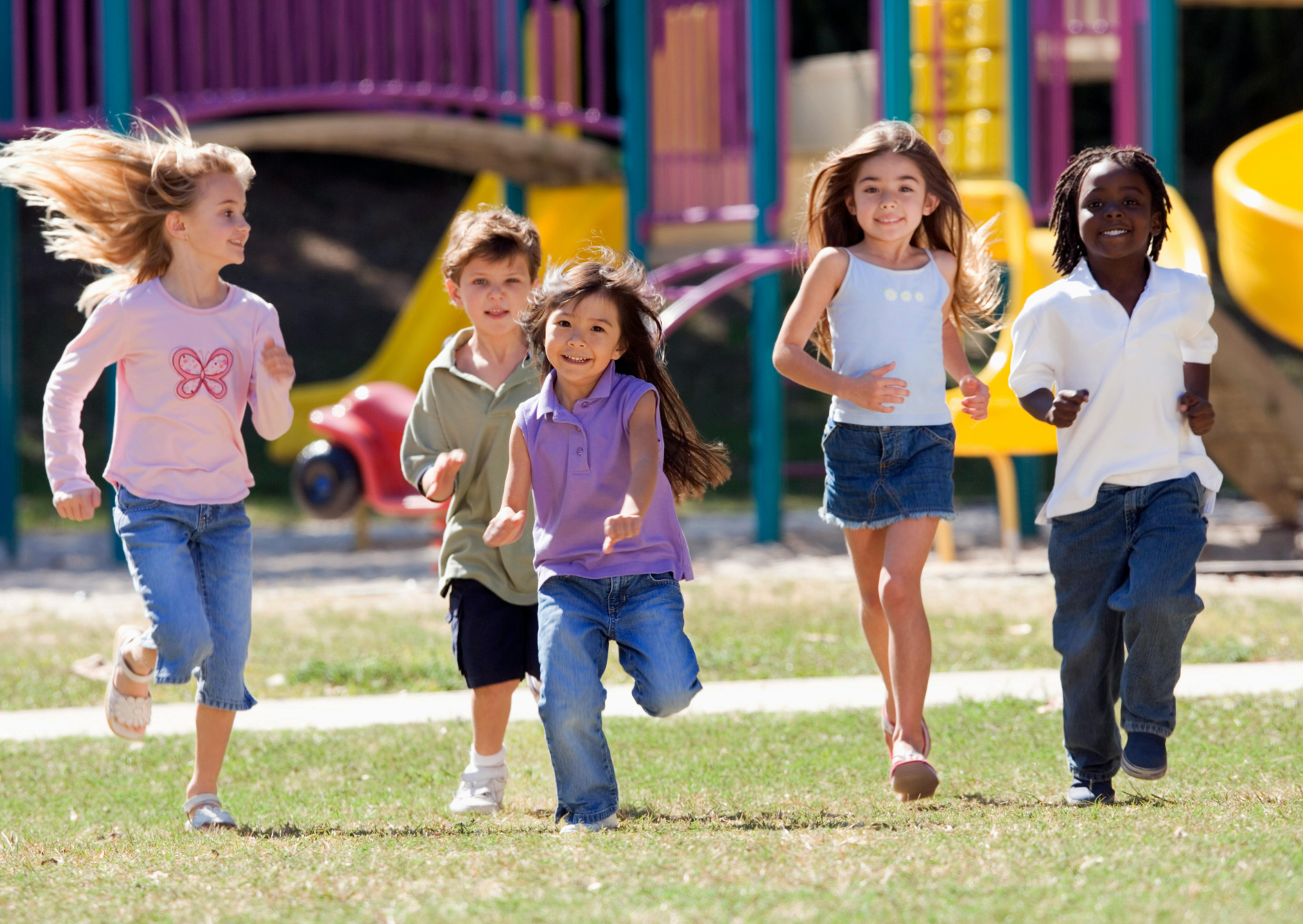
In the U.S., foreign language learning is often seen as a bonus — useful for travel, nice for college applications, but not essential to daily life.
In Europe, it’s a necessity.
Most countries border multiple others. Crossing into a different language zone is a weekend trip. Watching TV or using apps often involves different languages. Tourism, trade, and education happen across borders.
From an early age, European kids are aware that the world doesn’t speak just one language — and that communication equals mobility.
Multilingualism isn’t framed as exceptional. It’s expected.
2. English Is Taught Early — and Often

One major advantage European kids have is that they start learning English young — often as early as kindergarten or primary school.
And English isn’t treated like a school subject. It’s woven into pop culture, video games, music, YouTube, and social media. Many kids grow up watching English-language shows, sometimes subtitled instead of dubbed.
By the time they hit middle school, they’ve already had thousands of hours of passive English exposure — long before formal grammar lessons begin.
In contrast, American kids often don’t start foreign language study until middle or high school — long after their brains are primed for easy acquisition.
3. Being “Bad at Languages” Isn’t an Excuse
In the U.S., it’s common to hear adults say, “I’m just not good at languages” — as if linguistic ability is a rare talent, not a learned skill.
In Europe, that excuse doesn’t fly.
Everyone is expected to try. And even if they struggle, they keep learning. Teachers don’t expect perfection. They expect participation. Schools normalize mistakes and make space for progress over time.
The result? Even kids who aren’t “gifted” at languages still come out with basic conversational ability — and the confidence to try.
4. Language Learning Is Practical — Not Theoretical
In American schools, foreign language classes often focus on grammar charts, vocabulary lists, and isolated drills. Speaking can be minimal. Classes meet infrequently. And students often finish years of study without ever holding a real conversation.
In Europe, there’s more emphasis on function — ordering food, asking for help, introducing yourself, watching films with subtitles, listening to songs.
Even within the classroom, students are taught to use the language — not just understand its structure.
This practical use builds fluency faster than memorizing tenses from a textbook.
5. Many Countries Are Already Multilingual at Home

In Belgium, kids may speak Dutch, French, and English by age 10. In Switzerland, they switch between German, French, and Italian. In Finland, kids speak Finnish, Swedish, and often English.
Even in Spain, where multiple regional languages exist — like Catalan, Galician, and Basque — many children grow up balancing two native languages from the start.
That multilingual exposure isn’t seen as confusing. It’s normalized. Children learn which language to use where, and with whom. Their brains adapt early.
By contrast, American homes are overwhelmingly monolingual, especially among English-speaking families. And language exposure outside the home is limited.
6. Subtitles — Not Dubbing — Shape the Ear

In many European countries, especially in Scandinavia and the Netherlands, foreign shows and movies are subtitled — not dubbed.
That means children hear English constantly — while reading in their own language.
This builds listening skills early, reinforces vocabulary, and makes English sound natural long before they study it formally.
In the U.S., foreign-language films are rare. And when they’re shown, many viewers avoid subtitles altogether.
American kids grow up hearing only English — and missing the ear-training that comes from bilingual audiovisual exposure.
7. Travel Reinforces Language Relevance
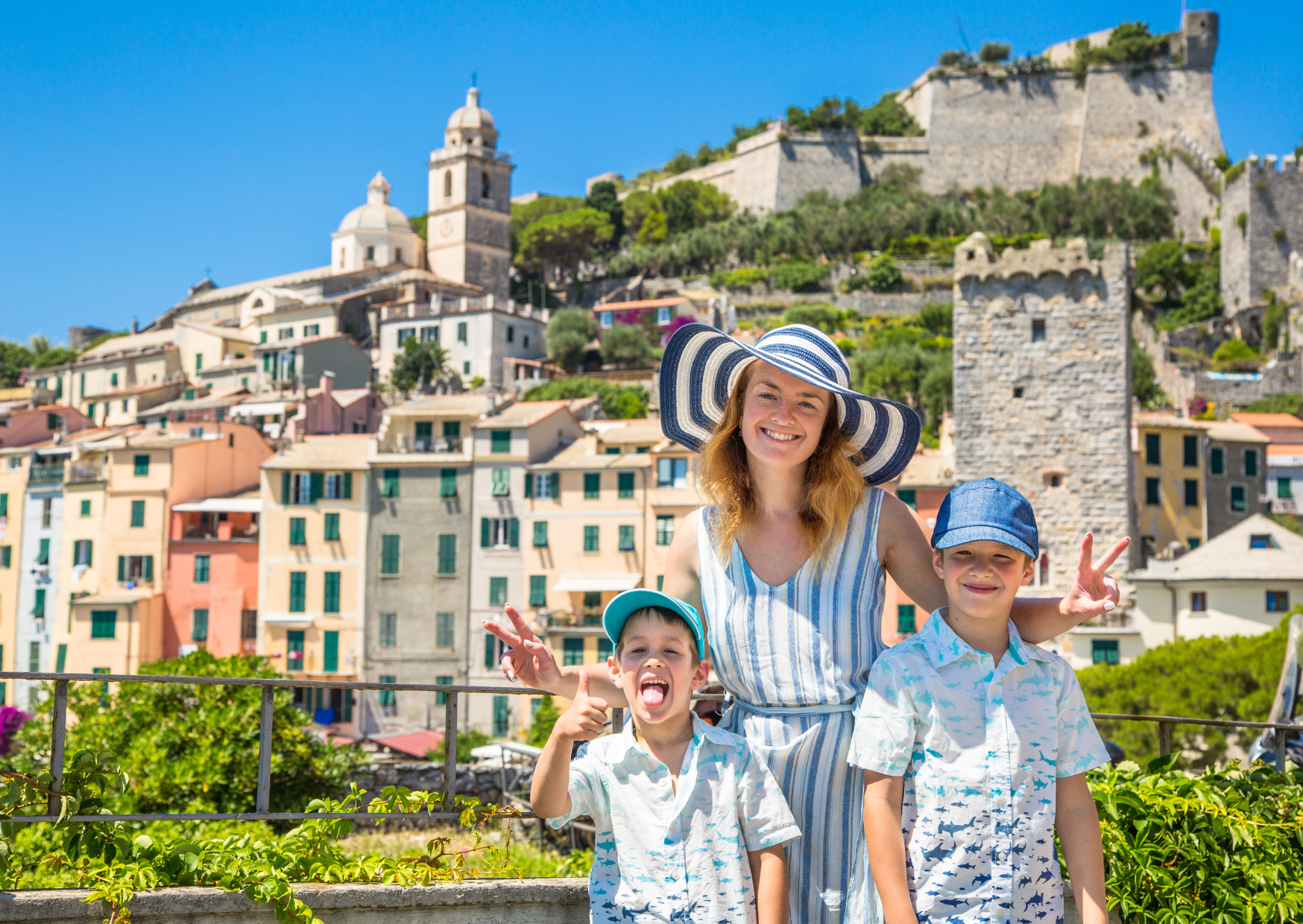
In Europe, cross-border travel is common. A weekend trip might take a family to another language zone. School trips involve real-world use of classroom knowledge.
Even local interactions can involve multilingualism — ordering a croissant in Paris, navigating German road signs, chatting with Dutch exchange students.
Every trip becomes a language lesson in disguise.
In the U.S., even international travel often defaults to English. Popular destinations cater to American tourists. The urgency to speak another language never quite materializes.
8. Language Is Framed as Identity — Not Just Skill
In the U.S., language is often taught as an academic subject — like math or science.
In Europe, languages are framed as a way to belong. To understand another culture. To participate in global conversations. To access ideas and people you can’t reach in English.
That emotional framing matters.
When language becomes personal — when it ties into who you are becoming, not just what you’re passing on a test — motivation grows.
European kids are taught that speaking another language is part of being a citizen of the world.
9. Schools and Parents Expect Results — Not Just Exposure
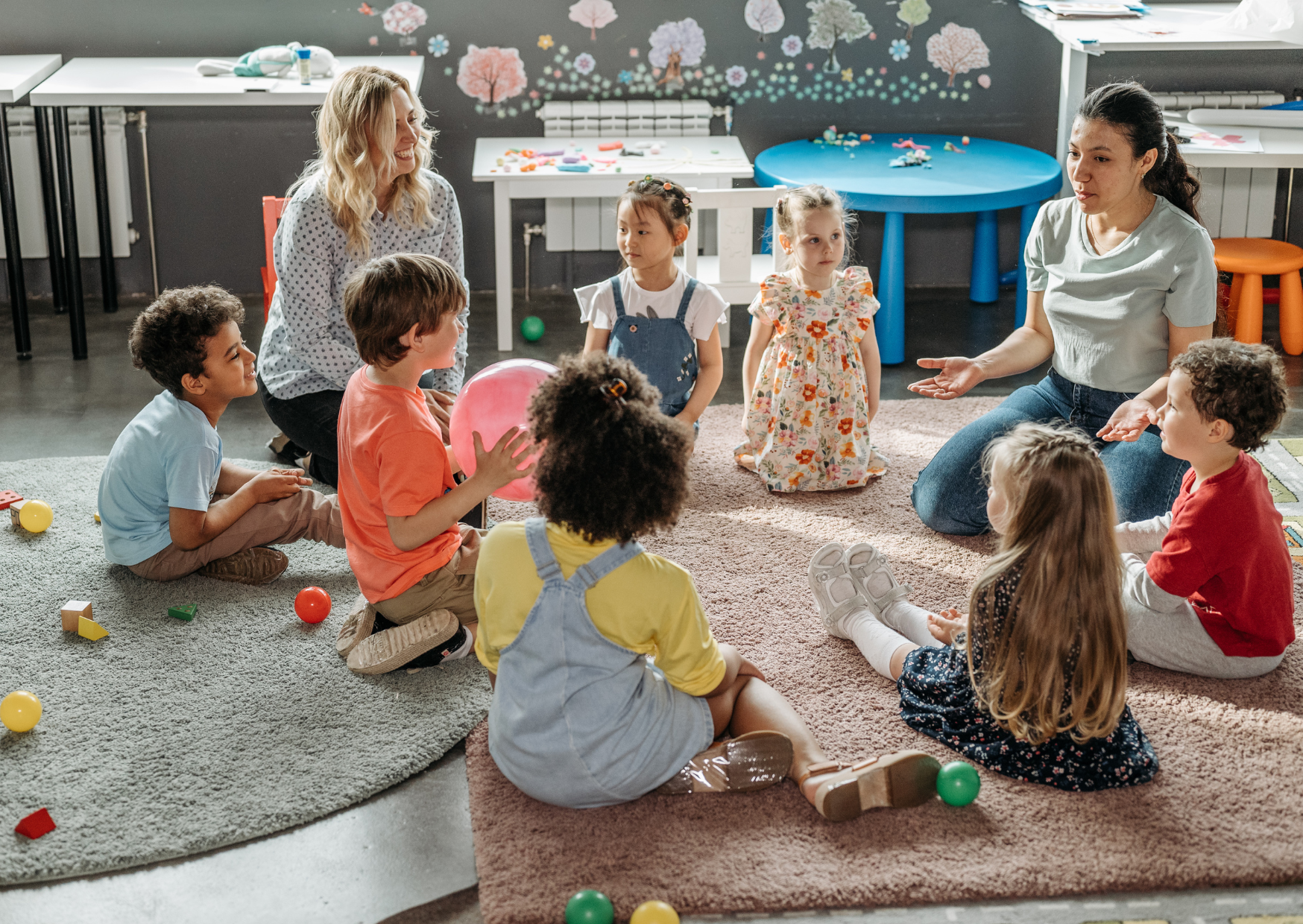
In American schools, it’s not uncommon for students to take two or three years of a foreign language and retain almost nothing. That’s accepted as normal.
In Europe, language instruction is long-term, cumulative, and high-expectation. Students take one language for years — then add a second. Sometimes a third.
Exams test real-world use. University programs require fluency. Parents take it seriously. Teachers push for practical outcomes.
Because of this, by the time European kids leave secondary school, many can function in two or more languages — not fluently, always, but confidently.
One Mindset, Two Outcomes
To Americans, speaking more than one language is often seen as impressive — or even elite.
To Europeans, speaking only one is often seen as limiting.
In the U.S., language is often optional.
In Europe, it’s a bridge — to travel, to opportunity, to understanding.
One culture treats language as a classroom subject.
The other treats it as a tool for living.
So when a 14-year-old in Italy helps a tourist in English, or a German teen chats with Spanish friends online, it’s not a sign of genius. It’s a sign of investment, exposure, and expectations — starting young, and lasting long enough to matter.

About the Author: Ruben, co-founder of Gamintraveler.com since 2014, is a seasoned traveler from Spain who has explored over 100 countries since 2009. Known for his extensive travel adventures across South America, Europe, the US, Australia, New Zealand, Asia, and Africa, Ruben combines his passion for adventurous yet sustainable living with his love for cycling, highlighted by his remarkable 5-month bicycle journey from Spain to Norway. He currently resides in Spain, where he continues sharing his travel experiences with his partner, Rachel, and their son, Han.