
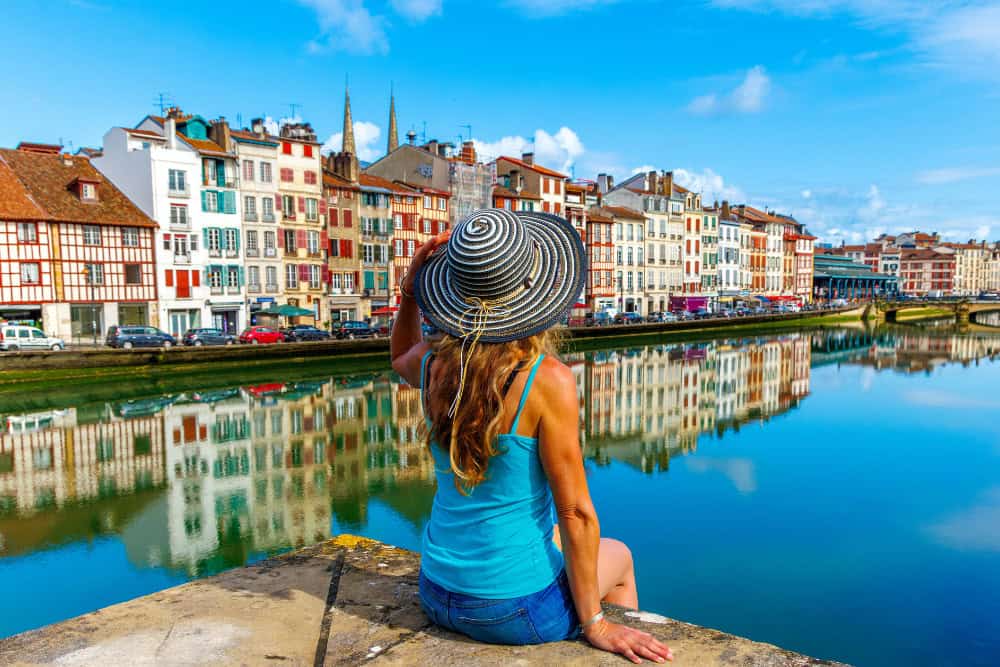
The August sun beats down on Paris’s usually bustling streets, but something’s different. The neighborhood boulangerie has a simple sign: “Closed for Annual Holiday.” The local cafes? Shuttered. That impossibly busy accountant’s office? Empty.
While American tourists scratch their heads at the quiet streets, locals are living out a cultural institution that defines European work-life balance: the sacred summer break. Let’s look at why Europeans travel more than Americans and the general culture around Europe about travel and vacation and how it’s part of the whole lifestyle!
Other Reads:
– 15 Reasons For Americans to Move to Spain
– Why Europeans Never Buy These 13 Things Americans Can’t Live Without
– 20 Culture Shocks for Americans in Europe
– The Travel Insurance We Trust for Europe
Quick & Easy Tips for Americans Who Want to Travel More
Start small with long weekends – You don’t need a month off. Plan mini getaways that maximize 3–4 days and give you regular breaks to explore.
Use credit card rewards smartly – Europeans benefit from cheap regional flights. Americans can compete with flight points and travel cards — learn how to use them strategically.
Explore your “backyard” first – Travel doesn’t have to mean international. Road trips and exploring different states build the habit of travel, even if it’s domestic.
Change your mindset, not just your calendar – Prioritize experiences over stuff. Cut spending in small areas and put it toward travel savings instead.
Take advantage of remote work – If you have job flexibility, use it. Combine work with travel and extend trips without using all your PTO at once.
One reason Europeans travel more is because their societies value leisure and personal development as essential, not indulgent. In many European countries, taking time off isn’t just accepted — it’s expected. Meanwhile, in American work culture, vacation can be seen as a weakness, or something you “earn” only after grinding yourself down.
There’s also a deep cultural emphasis on exposure to other places. Europe’s proximity to other countries is a factor, yes — but the mentality matters more. In countries like Germany, France, or the Netherlands, traveling is tied to education, language, and curiosity. In the U.S., where geography makes international travel harder, the mindset sometimes shifts toward staying local, saving, or waiting “until retirement.”
Lastly, cost isn’t always the issue Americans think it is. Many Europeans travel on a budget — cheap flights, hostels, trains, and travel hacking make it affordable. The idea that you need thousands of dollars to travel is more of a cultural assumption than a global truth. In reality, it’s often a matter of priorities, habits, and perspective.
The Sacred Summer Break: A Cultural Institution

It’s not just about having time off – it’s about an entire continent embracing the art of leisure. Walk through any major European city in August, and you’ll find a transformed landscape. Rome’s typical traffic gives way to empty streets, Barcelona’s locals disappear from their usual haunts, and Paris’s neighborhood bistros post their “vacation” signs with pride.
The reality of European summer breaks goes far deeper than Americans might imagine:
- Minimum 4-6 weeks paid vacation
- Entire cities emptying in August
- Businesses completely shutting down
- Summer-specific work hours
- Expected, not requested, time off
In Spain, the concept of “horario de verano” (summer schedule) transforms work life from June through September. Offices shift to 8-3 workdays, understanding that productivity in 40°C (104°F) heat isn’t just uncomfortable – it’s inefficient. This isn’t seen as a reduction in work hours, but rather an intelligent adaptation to seasonal rhythms.
The Legal Right to Rest
Unlike the American approach of earning vacation time like a reward, Europeans view time off as a fundamental right. This isn’t just cultural – it’s codified into law. The European Union mandates a minimum of 20 paid vacation days per year, but most countries go above and beyond. France offers 30 days, while Spain provides 22 plus 14 public holidays. Add in the concept of “bridge days” (taking the Monday off when a holiday falls on Tuesday), and you’re looking at serious travel time.
The financial aspect of European vacation culture might shock Americans even more than the time off. Many companies provide a “13th month” salary – an extra month’s pay specifically for vacation expenses. Some offer additional holiday bonuses or travel vouchers. This isn’t corporate generosity; it’s a recognition that well-rested employees are more productive and creative.
The Art of Strategic Travel
Europeans have elevated vacation planning to an art form. Let’s use an example. Maria, a marketing manager in Madrid. She doesn’t just randomly book time off – she strategically plots her year around Spain’s numerous public holidays. A Thursday holiday becomes a four-day weekend with one vacation day. Multiple these “bridge days” across the year, and you’ve got weeks of extra travel time.
This strategic approach extends beyond individual planning:
- Companies expect and plan for holiday clustering
- Train schedules adapt to vacation patterns
- Airlines adjust routes for seasonal migration
- Business projects account for summer slowdowns
Regional Flavors of Rest
Each European country adds its own unique spin to vacation culture:
Italy’s Ferragosto
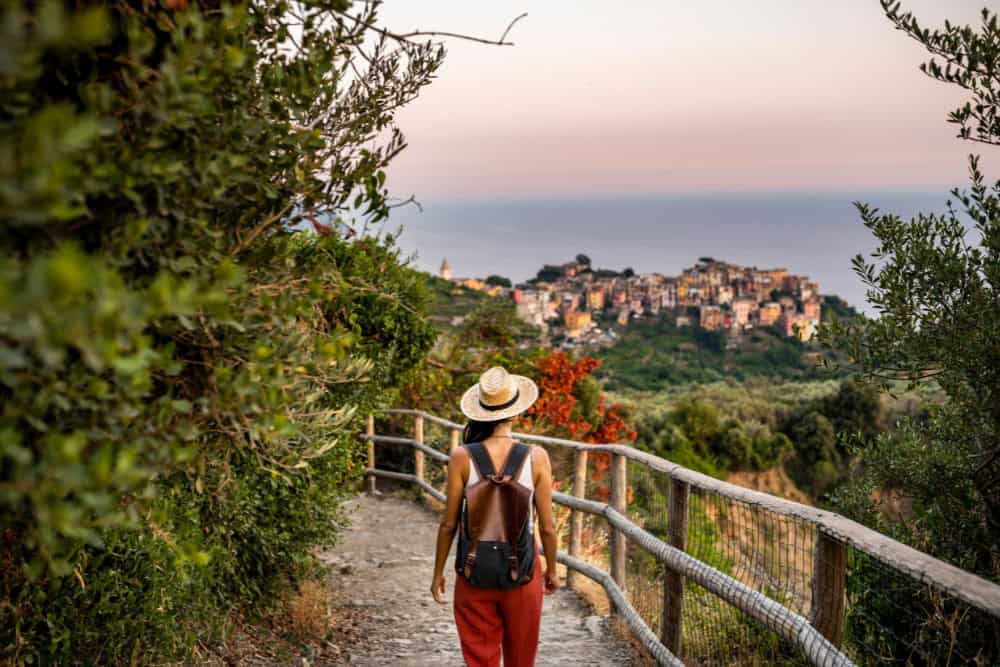
The entire country practically shuts down for the August 15th holiday, but the closure often extends to the entire month. Small businesses post cheerful “Chiuso per Ferie” (Closed for Holidays) signs, and cities empty as Italians head to coastal towns or mountain retreats.
France’s Sacred August
The French take their summer exodus so seriously that special vacation traffic reports become national news. Cities organize activities for the “unfortunates” who must remain behind, while beaches from Normandy to Nice fill with vacationing families.
Germany’s Work-Free Weekends
Germans protect their weekends with almost religious devotion. Shops close on Sundays, emails go unanswered, and the focus shifts entirely to leisure and family. This weekly mini-vacation culture supports a broader appreciation for true rest.
The Ripple Effect
This vacation culture doesn’t just affect travel – it transforms entire economies and societies:
- Seasonal business adaptations
- Infrastructure designed for mass movement
- School calendars aligned with work breaks
- Public transportation schedules adjusted
- Cultural events timed around vacation patterns
Regional Variations: The Hidden Rules

In Scandinavia, vacation isn’t just guaranteed – it’s enforced. Swedish law mandates four consecutive weeks during summer months (June-August). Companies build their entire business calendars around this period, understanding that trying to schedule major projects in July is futile.
The Norwegian concept of “fellesferie” (common vacation) sees entire industries coordinating their summer breaks. This isn’t just about individual rest – it’s about maintaining a sustainable work rhythm for entire sectors.
Financial Support: Beyond Basic Pay

The “13th month” salary concept deserves deeper explanation. Unlike American holiday bonuses, this isn’t a reward for good performance – it’s a structured part of annual compensation specifically for vacation expenses. In Spain, it’s typically paid in July, perfectly timed for August vacations.
Examples across Europe:
- Germany: Many companies provide “Urlaubsgeld” (vacation money) in May/June
- Italy: “Tredicesima” paid in December for winter holidays
- France: “Prime de vacances” supplements regular vacation pay
- Belgium: “Double pécule de vacances” doubles salary for vacation month
Strategic Bridge Days (“Pontes” or “Brückentage”)
Europeans have developed an art form of maximizing public holidays. Take this typical scenario from Spain:
- Thursday December 6th: Constitution Day (Holiday)
- Friday December 7th: Bridge Day (Take as vacation)
- Saturday/Sunday: Weekend
- Monday December 10th: Back to work
One vacation day turns into a four-day break. Multiply this strategy across the year’s holidays, and you’ll understand how Europeans seem to always be traveling.
Modern Evolution: Work-Travel Integration
Spain’s Digital Nomad Revolution Spain’s new digital nomad visa lets remote workers stay up to 5 years. Major cities are adapting:
- Barcelona: Tech hubs with flexible workspaces near beaches
- Valencia: Dedicated digital nomad neighborhoods
- Madrid: Corporate offices offering hot-desking for traveling employees
French Flexibility France maintains its 35-hour workweek while embracing new patterns:
- Remote work from any EU country for up to 3 months
- Company-subsidized co-working spaces across the country
- Protected lunch hours even during remote work
- “Right to disconnect” laws applying to remote workers
German Structure Germans apply their famous efficiency to hybrid work:
- Strict core hours (10-4) even during travel periods
- Formal agreements for cross-border work
- Works council oversight of remote policies
- Balance of flexibility and structure
Nordic Innovation Scandinavian countries lead in modern work integration:
- Sweden: No fixed office days required
- Denmark: Work-from-anywhere months
- Norway: Cabin-work culture formalized
- Finland: Four-day week trials combined with travel
The Mediterranean Approach Southern European countries blend traditional siestas with modern work:
- Italy: Extended lunch breaks maintained during remote work
- Greece: Summer schedule adaptations for digital nomads
- Portugal: Digital nomad villages in coastal towns
- Croatia: Digital nomad visas with tax benefits
The New European Work-Travel Balance: What It Means
As we’ve seen, European vacation culture isn’t just about time off – it’s about creating a sustainable approach to life and work. The integration of modern work flexibility with traditional vacation rights has created something uniquely European: a system that protects rest while embracing new possibilities.
Key Takeaways:
- Mandatory vacation remains sacred despite digital evolution
- Remote work enhances rather than replaces traditional breaks
- Cultural differences persist even in digital age
- Quality of life prioritized over constant connectivity
Looking Ahead Europe’s approach offers valuable lessons for the global workforce. While Americans might not immediately get 30 days of vacation, they can adopt aspects of European work-travel integration:
- Strategic use of remote work policies
- Better vacation planning
- True disconnection during time off
- Combining travel with flexible work
The Bottom Line
The European model proves that productivity and regular travel aren’t mutually exclusive. In fact, this balanced approach often leads to more creative, energized, and effective workers. As one Dutch manager puts it: “We don’t see vacation as time away from work – we see work as what we do between vacations.”
Pro Tip: Whether you’re planning a move to Europe or just want to adopt some of these practices, start with one aspect: perhaps planning your year’s vacations in advance or practicing true disconnection during breaks. Small changes can lead to better work-life integration, even without the legal guarantees Europeans enjoy.

About the Author: Ruben, co-founder of Gamintraveler.com since 2014, is a seasoned traveler from Spain who has explored over 100 countries since 2009. Known for his extensive travel adventures across South America, Europe, the US, Australia, New Zealand, Asia, and Africa, Ruben combines his passion for adventurous yet sustainable living with his love for cycling, highlighted by his remarkable 5-month bicycle journey from Spain to Norway. He currently resides in Spain, where he continues sharing his travel experiences with his partner, Rachel, and their son, Han.