
And what it reveals about pressure, connection, and why Mediterranean romance isn’t measured in numbers
American couples are used to reading statistics.
How often are you supposed to be intimate? Once a week? Twice? More if you’re under 40? Less if you have kids? Entire industries have been built around these questions — apps, therapists, coaching programs, supplements, and online articles that promise to get your “numbers back up.”
In Spain, those conversations don’t really happen.
It’s not that intimacy doesn’t matter — it does. But it’s not quantified, ranked, or compared. Spanish couples rarely talk about “frequency” in the abstract. There’s no cultural obsession with optimizing performance, no social pressure to share details, and certainly no widespread panic that something’s wrong just because things change over time.
Instead, what exists is a quiet rhythm — one shaped by real life, not surveys. And it’s that rhythm, that casual and confident connection, that many Americans find surprising. Because when intimacy isn’t treated like a task or benchmark, it often feels more consistent, more alive — and more human.
Here’s why the intimacy rhythm Spanish couples maintain often makes Americans feel inadequate — and what it reveals about two very different ideas of connection, satisfaction, and love.
Want More Deep Dives into Everyday European Culture?
– Why Europeans Walk Everywhere (And Americans Should Too)
– How Europeans Actually Afford Living in Cities Without Six-Figure Salaries
– 9 ‘Luxury’ Items in America That Europeans Consider Basic Necessities
1. There’s No Cultural Standard for “How Often”

In the U.S., discussions around intimacy often come with numbers. What’s average. What’s ideal. What’s “healthy.”
But in Spain, couples don’t compare themselves to statistics. There’s no national anxiety about how many times a week or month is “enough.” People are far more likely to say “It depends” — on the week, the season, the relationship.
Some couples are affectionate daily. Others go through long quiet stretches. Neither feels the need to define it.
In Spanish culture, intimacy is a private ecosystem, not a public performance.
2. Affection Is Constant — Even When Intimacy Isn’t
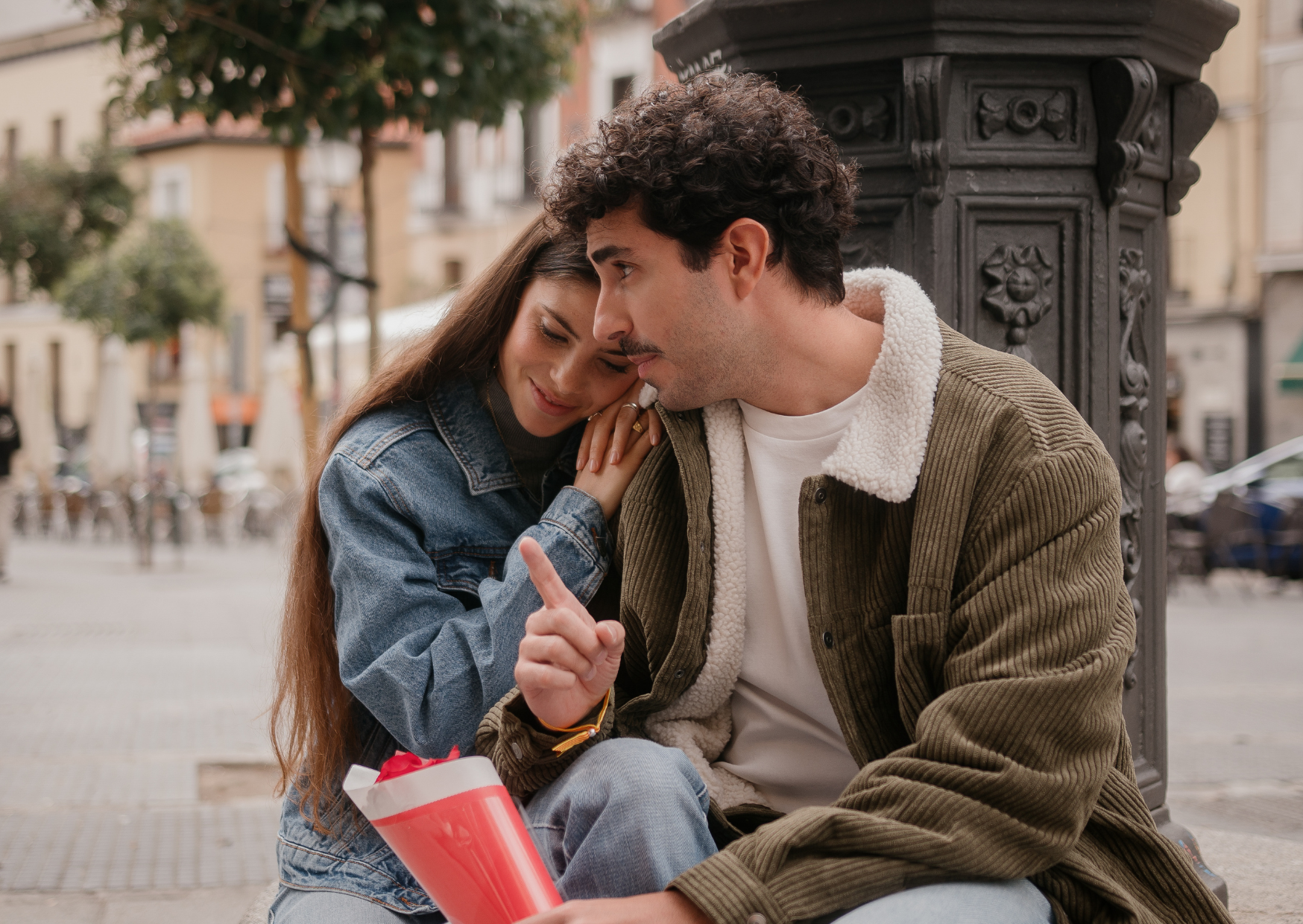
One of the defining features of Spanish relationships is physical closeness. Public displays of affection aren’t showy — they’re habitual. A hand on the back. A kiss on the forehead. Sitting close. Holding hands on the street at any age.
This everyday closeness often replaces the need for verbal reassurances or milestones. You know you’re loved because you’re touched — not because someone tells you a schedule is being maintained.
In the U.S., where affection is often reserved for private moments or special occasions, physical contact can be loaded. In Spain, it’s just part of the day — and that closeness sustains couples even when intimacy fluctuates.
3. There’s No Shame in Saying “Not Tonight”
In many American relationships, saying “not tonight” can trigger guilt, resentment, or self-doubt. There’s an unspoken fear that declining intimacy too often means something is wrong.
In Spain, “Hoy no” isn’t dramatic. It’s not a crisis. It’s normal.
People are tired. People are busy. Sometimes it’s too hot. Sometimes it’s not the moment. No one spirals about it. No one reads into it more than necessary.
Because the assumption is: this is a rhythm, not a contract. It ebbs, it flows, and tomorrow is another day.
4. Intimacy Is Treated Like Food — Regular, Joyful, and Seasonal
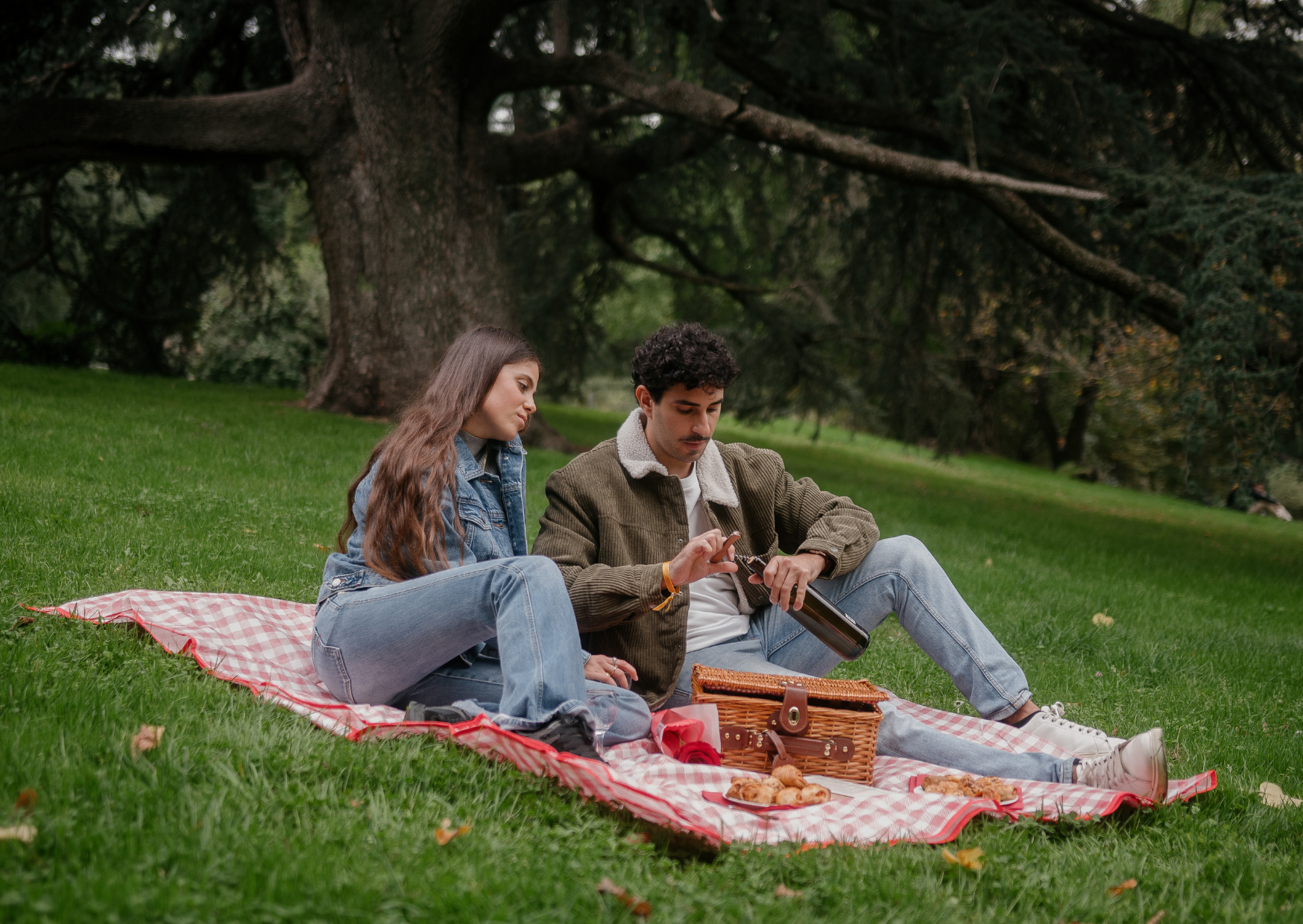
In Spain, food isn’t scheduled with alarms. It’s something that happens because the moment calls for it. You eat when you’re hungry. You eat better when you’re relaxed. And you enjoy it most when it’s shared, not forced.
Intimacy follows the same pattern.
There’s no pressure to “make it happen.” There’s no self-improvement routine built around it. You don’t need a perfect setting. You don’t need a self-help guide.
It’s a natural part of life — and like good paella, it’s better when made slowly, with whatever ingredients the day offers.
5. The Relationship Is the Priority — Not the Scorecard

In the U.S., it’s not uncommon for couples to evaluate their relationships based on intimacy frequency. “Are we doing this enough?” becomes shorthand for “Are we okay?”
In Spain, the relationship is evaluated by how you live together — how you argue, laugh, cook, travel, and touch throughout the day. Not by what happens behind a closed door.
Intimacy is a byproduct of connection — not the proof of it.
And because of that, many Spanish couples feel less pressure, and more pleasure.
6. Conversations About Intimacy Are Casual — Not Clinical
When Spanish couples do talk about intimacy, they do so without awkwardness. There’s humor. There’s honesty. There’s no need for euphemisms or scripts.
If someone’s tired, they say so. If someone’s frustrated, they bring it up — but not as an attack.
And often, these conversations happen naturally, without a “sit down and talk about it” moment. They’re woven into other parts of the relationship — and that integration makes it easier to keep the rhythm going.
In the U.S., these conversations often carry emotional weight and pressure. In Spain, they carry context and understanding.
7. Spanish Culture Doesn’t Shame Aging Bodies — Or Their Desires

Another key difference? Older couples in Spain continue to be affectionate and sexually active, without apology or secrecy.
American culture often treats intimacy as a young person’s game. After a certain age, it’s joked about, hidden, or ignored.
But in Spain, older couples kiss in public. They flirt. They take afternoon siestas for more than just sleep. They don’t stop feeling — and they don’t stop living.
That acceptance makes the rhythm last longer — because it’s never treated like a phase that expires.
8. Life Is Designed to Make Room for Intimacy
In the U.S., couples often struggle to find time. Long workdays, commutes, kids, screens, and scheduling battles all compete for attention. Intimacy becomes something you plan, protect, and hope doesn’t get canceled.
In Spain, the daily rhythm of life is more relaxed. Meals are longer. Workdays end later, but are broken by pauses. Social life is integrated. The home is not just a place to sleep — it’s a place to live.
This pace allows for moments of closeness that aren’t planned. Moments that Americans often lose to productivity.
9. The Intimacy Itself Isn’t Centered on Performance

Perhaps the biggest difference of all: intimacy in Spain isn’t treated as a performance to perfect.
It’s not about achieving something. It’s not measured by duration, frequency, or intensity.
It’s about connection, release, and sometimes — simply fun.
That mindset relieves pressure. It also makes intimacy more sustainable, even in long-term relationships. Because it stays rooted in pleasure, not expectation.
One Rhythm, Two Interpretations
To Americans, the Spanish approach to intimacy might seem unstructured. Vague. Maybe even lacking ambition.
Where’s the “relationship goals”? The therapy-driven check-ins? The benchmark for what’s healthy?
But that’s the point.
In American culture, intimacy is treated like a skill to master. In Spain, it’s treated like a language you speak over time — one that changes with the seasons, your bodies, and your lives.
And in that quiet, steady rhythm, there’s often more satisfaction than any checklist could offer.
So if you’re an American visiting Spain — or simply trying to understand how Mediterranean couples seem to “stay connected” without trying so hard — start by looking at how they treat closeness:
Not as a duty.
Not as a milestone.
But as something that grows in the background — as natural and effortless as the evening breeze.

About the Author: Ruben, co-founder of Gamintraveler.com since 2014, is a seasoned traveler from Spain who has explored over 100 countries since 2009. Known for his extensive travel adventures across South America, Europe, the US, Australia, New Zealand, Asia, and Africa, Ruben combines his passion for adventurous yet sustainable living with his love for cycling, highlighted by his remarkable 5-month bicycle journey from Spain to Norway. He currently resides in Spain, where he continues sharing his travel experiences with his partner, Rachel, and their son, Han.