
And what it reveals about cultural perception, bodily ease, and how Mediterranean norms dismantle American modesty
If you spend any real time in Italy — not just on a whirlwind city tour but long enough to stay with friends, visit the countryside, or spend a week on the coast — you may start to wonder if Italians are simply less clothed than everyone else.
Children run naked across beaches. Grandmothers strip down to their slips at the water’s edge. Middle-aged men stand on balconies in their briefs, chatting on the phone. Entire households wander from room to room in their underwear. Topless sunbathing is shrugged off. Changing behind a towel — or not even trying — is completely normal.
To an American observer, especially one raised on privacy culture and locked bathroom doors, it can seem like everyone in Italy is half-naked, most of the time.
But are Italians truly more exposed than the rest of us? Or are Americans just catching them at moments where their cultural filter sees scandal, and the Italian one sees normal life?
Here’s what’s really going on.
Want More Deep Dives into Everyday European Culture?
– Why Europeans Walk Everywhere (And Americans Should Too)
– How Europeans Actually Afford Living in Cities Without Six-Figure Salaries
– 9 ‘Luxury’ Items in America That Europeans Consider Basic Necessities
1. Italians Are Comfortable in Their Skin — And in Their Spaces
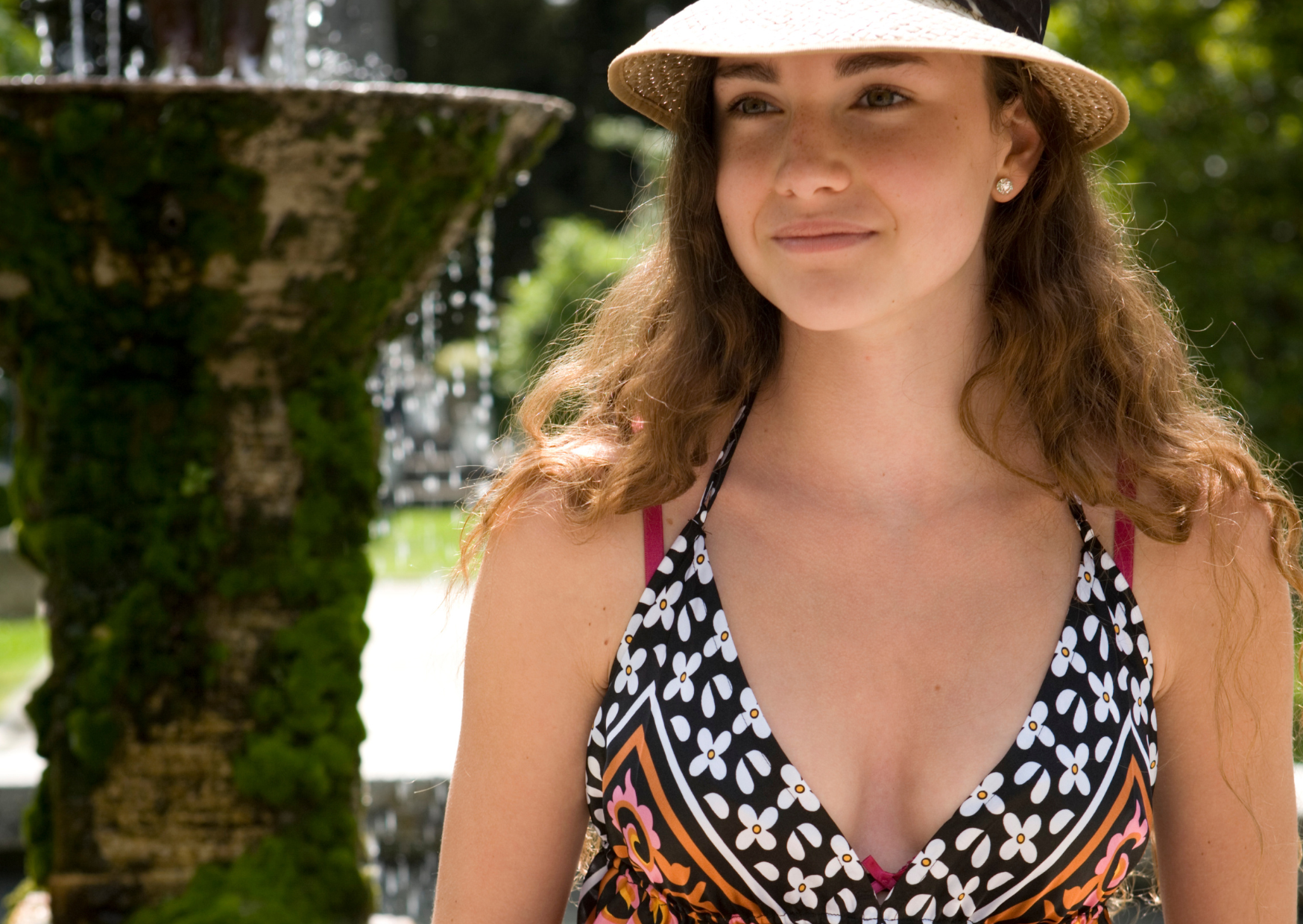
Italian homes, especially multi-generational ones, don’t have a strong culture of body hiding. Parents undress in front of children. Siblings share bathrooms without blinking. Friends change in the same room. It’s not sexual. It’s not rebellious. It’s just not awkward.
To Americans, who often grow up with “don’t look” and “give me privacy,” even casual nudity feels intimate. In Italy, nudity is practical, not provocative.
Someone taking off their bra at the beach or walking from the shower to the kitchen in a towel isn’t breaking rules — they’re just moving through life.
2. Beach Culture Prioritizes Function, Not Fashion

If Americans treat the beach like a photo shoot, Italians treat it like a family living room in the sand.
People change clothes on the beach without flinching. Parents wrangle toddlers into swimsuits right on the towel. Men peel off wet trunks and shimmy into dry ones with nothing but a loose towel and confidence.
No one gasps. No one points. No one rushes to the changing booth — because most beaches don’t even have one.
For Italians, the beach is where the body gets sun, salt, and rest. Being modest? That’s not the point.
3. Public Showers Are Treated Like Personal Bathrooms
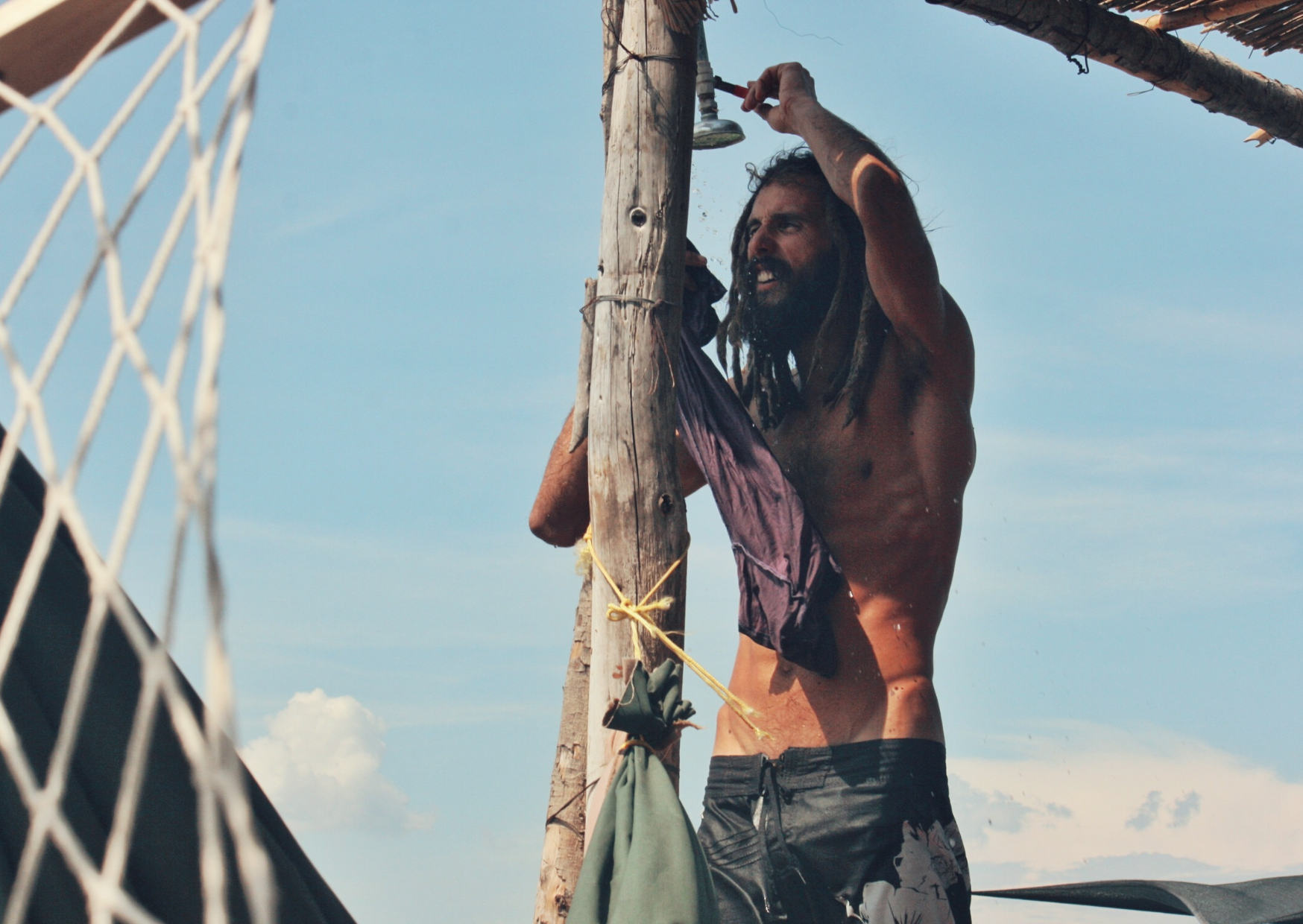
In beach towns, you’ll often see people rinsing off in public showers, stripping down completely or lathering up in full view. It’s not exhibitionism. It’s tradition. It’s hygiene. And it’s done without shame.
Tourists avert their eyes. Locals lather their arms. Children get scrubbed by their grandparents.
There’s no curtain, no rush, no apology. The body is just a body, and cleaning it isn’t scandalous — it’s ordinary.
4. Underwear Is Not Considered Private Clothing

In many Italian households, especially in the summer, underwear is not hidden. Men walk around in briefs. Women sit at breakfast in camisoles. Bras are visible. Slips are outerwear.
It’s not about looking sexy. It’s about comfort in a home where the heat is real and the family is close.
Americans often associate underwear with vulnerability or intimacy. Italians see it as a layer — one that doesn’t require hiding from family, friends, or neighbors watering their balcony plants.
5. The Real Difference Is in Interpretation — Not Behavior
The question isn’t whether Italians are naked more often. It’s whether Americans interpret those moments differently.
When an Italian peels off a swimsuit or walks in from the garden in just their shorts, they’re not performing. They’re not making a statement. But Americans, shaped by a culture that pairs modesty with morality, may read these ordinary acts as bold or inappropriate.
In reality, Italians aren’t more naked — they’re just less self-conscious about it.
6. Clothing Is Seasonal — and Optional Within Reason

During heat waves, Italians dress down. Men unbutton shirts halfway. Women wear sundresses without bras. Children may wear nothing but swim trunks all day. Indoors, even less.
This isn’t a trend. It’s how people have always survived hot summers without full AC. Before climate control, you controlled your clothing.
And unlike in the U.S., where being underdressed feels vulnerable, in Italy it feels natural — because everyone does it.
7. Changing Clothes Isn’t a Private Event

If someone needs to change after a swim or before heading out for dinner, they might just do it — behind a towel, in the car, or in the middle of the room.
There’s no announcement. No giggling. No shame.
To Italians, changing clothes is not a moment of modesty. It’s a task.
And because it’s treated like a task, it doesn’t attract attention — except from Americans who aren’t used to seeing bodies without explanation.
One Country, Two Cultures of the Body
To Americans, the Italian approach to nudity and semi-nudity feels bold, maybe even shocking.
To Italians, the American obsession with privacy and “coverage” feels fussy, dramatic, and unnecessary.
In the U.S., the body must be managed, styled, filtered, and hidden unless it’s perfect.
In Italy, the body just is — imperfect, visible, and allowed to exist without permission.
So, are Italians naked all the time?
Not really.
They’re just comfortable when they are — and they don’t need you to look away.

About the Author: Ruben, co-founder of Gamintraveler.com since 2014, is a seasoned traveler from Spain who has explored over 100 countries since 2009. Known for his extensive travel adventures across South America, Europe, the US, Australia, New Zealand, Asia, and Africa, Ruben combines his passion for adventurous yet sustainable living with his love for cycling, highlighted by his remarkable 5-month bicycle journey from Spain to Norway. He currently resides in Spain, where he continues sharing his travel experiences with his partner, Rachel, and their son, Han.