
Hint: It’s not just the baseball caps and white sneakers.
Whether they mean to or not, American tourists often stand out when traveling abroad. From the volume of their conversations to their tipping habits and style of dress, many of these behaviors are simply second nature back home—but they can seem loud or even strange in other cultures. While being recognizable isn’t always negative, it can sometimes create awkward situations or distance travelers from more authentic experiences.
Standing out as a tourist can have unintended consequences: overpriced goods, colder local interactions, or even subtle exclusion from more immersive aspects of local life. And while many countries warmly welcome visitors, there’s something to be said for the value of blending in—of being more traveler than tourist. When done respectfully, this doesn’t mean losing your identity; it means understanding the nuances of where you are.
In this post, we’ll break down why American tourists often stand out, explore the habits and mindsets that attract attention, and offer easy, practical tips to help travelers better integrate into the rhythm of daily life abroad. The goal isn’t to criticize—it’s to empower you with cultural awareness that transforms how you travel.
Here’s a breakdown of why American tourists stand out, and more importantly, how to blend in so you can travel smarter, connect deeper, and avoid the classic tourist cringe.
Read Here European Things that terrify Americans and American Habits that make Europeans Cringe
Read here how to pack for Europe and Best eSIM for Europe
BOOK YOUR TRAVEL INSURANCE
Two of our favorite travel insurance: Heymondo Vs Safetwing cheapest travel Insurance. You can get for $135 USD your Heymondo Travel Insurance with Heymondo discount code valid for 90 days. Read our full comparison of Genki vs Safetywing Travel Insurance Review and the comparison Heymondo vs Genki
Quick & Easy Tips to Blend In
Lower your voice in public: Many countries value quieter, more subdued conversations, especially in cafes or public transport.
Observe local dress codes: Europeans, for example, tend to dress more formally—even when just grabbing groceries.
Skip the athletic wear: Leave the gym clothes for workouts unless you’re actually working out.
Learn key phrases: A few words like “please” and “thank you” in the local language can go a long way.
Tipping customs vary: Do your research—over-tipping in some countries can actually cause confusion.
Avoid constant comparisons to the U.S.: Locals generally aren’t interested in hearing why things are “better back home.”
Here’s the hard truth: many international travelers roll their eyes at “typical” American tourists—not because of nationality, but because of behavior. There’s a stereotype, unfortunately rooted in some truth, that American travelers can come across as entitled or unaware. This often stems from assuming that service standards, food options, or social norms abroad should reflect U.S. expectations.
Another common friction point is cultural curiosity—or lack thereof. While many Americans travel with genuine interest, others unknowingly dismiss or disrespect local customs, often by treating destinations like backdrops for Instagram rather than living communities. Taking photos of locals without permission, demanding ice water, or expecting everything in English can send the wrong message fast.
Even more nuanced: a sense of cultural exceptionalism. Some Americans unintentionally travel with the belief that their way is the “default” or superior—forgetting that they’re the guest, not the host. Recognizing this isn’t about shame—it’s about self-awareness, and the ability to adjust behavior to better connect with others.
1. Speaking Loudly (Everywhere)

Why it stands out:
Americans often speak at a higher volume than locals in restaurants, museums, and public transport.
How to blend in:
Lower your voice, especially indoors.
Match the tone of the room—observe before you engage.
Tip: The quieter you are, the more people will open up.
2. Wearing the “Tourist Uniform”
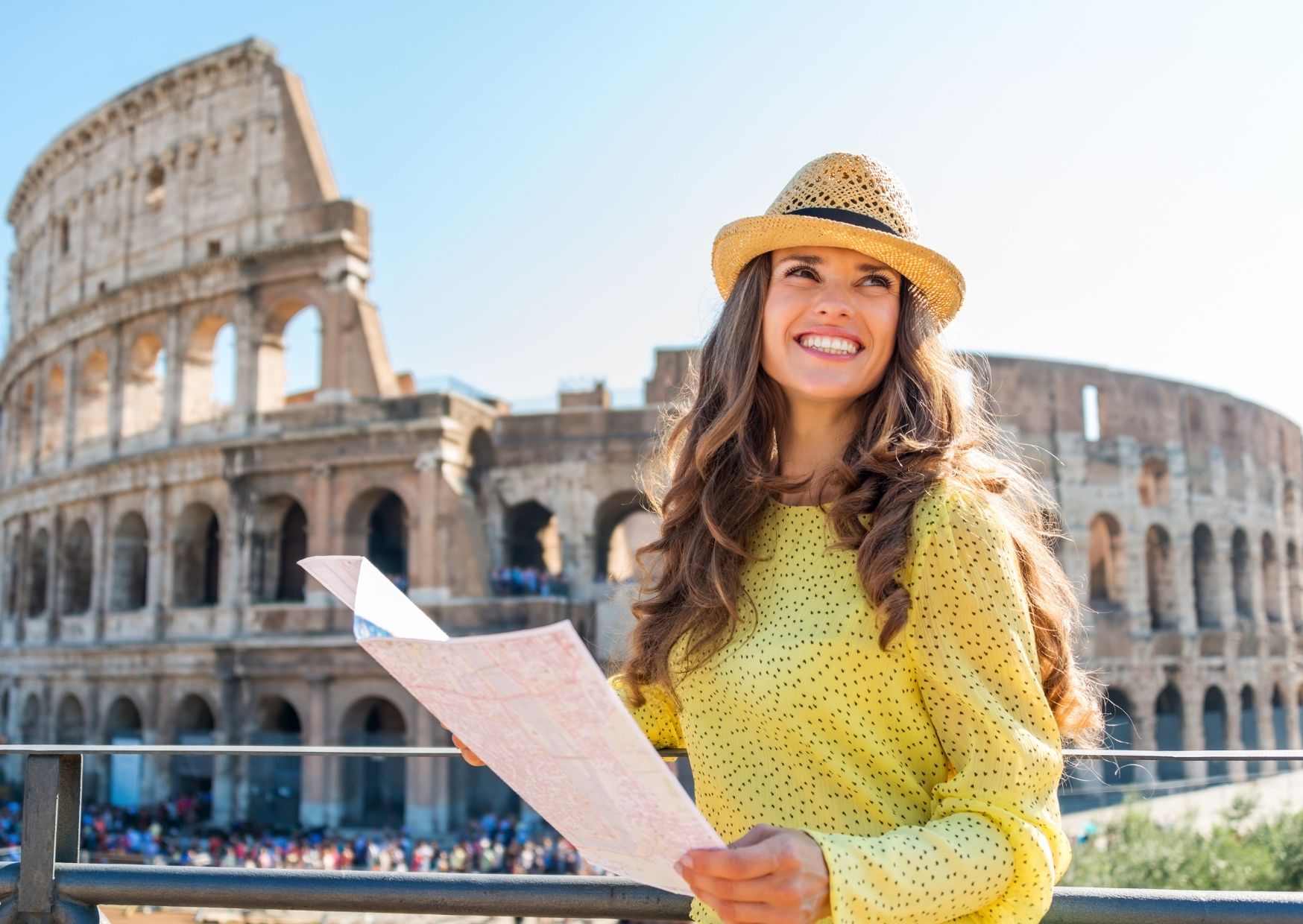
Why it stands out:
Athletic wear, baseball caps, flip-flops, and logo tees might be comfy, but they scream “I’m not from here.”
How to blend in:
Opt for neutral, well-fitting clothes over gym wear.
Choose shoes locals actually wear (hint: not running sneakers).
Ditch the big backpack unless you’re hiking.
Style matters—it shows respect for the place you’re in.
3. Only Speaking English (and Expecting Everyone Else To)
Why it stands out:
Assuming English is universal can come off as arrogant—even if many people do speak it.
How to blend in:
Learn a few key phrases in the local language:
“Hello”
“Please/thank you”
“Excuse me”
Use apps like Google Translate or Duolingo for basics.
Just trying makes a huge impression.
4. Overtipping or Tipping at the Wrong Time

Why it stands out:
Tipping culture varies wildly. In many countries, tipping 20% is unnecessary—or even confusing.
How to blend in:
Research local tipping norms.
In Europe, rounding up or leaving 5–10% is often enough.
In Japan, don’t tip at all—it can be considered rude.
Know before you go—it’ll save you money and awkwardness.
5. Taking Photos of Everything (and Everyone)
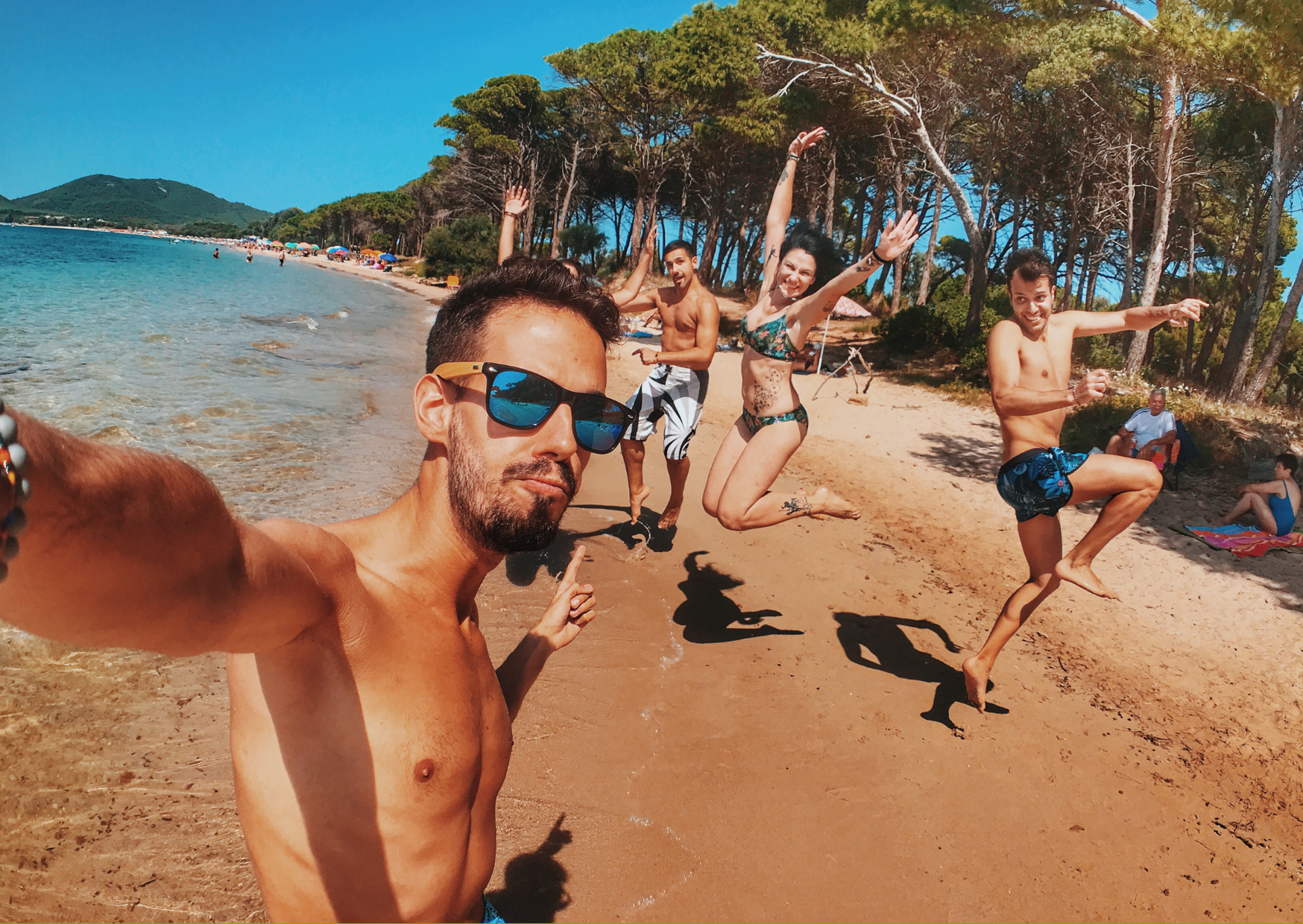
Why it stands out:
Snapping constant photos, especially of people, religious sites, or markets, can feel invasive.
How to blend in:
Ask permission before photographing people.
Put the camera down sometimes—be present, not just documenting.
Experience the moment, not just the Instagram highlight reel.
6. Looking for “American-Style” Food

Why it stands out:
Asking for burgers, ketchup, or Starbucks in a local bistro defeats the purpose of travel.
How to blend in:
Try the local specialties.
Let go of your food routine—you might discover a new favorite dish.
No, Europe doesn’t do “mac and cheese with a side of ranch.”
7. Being Impatient (With Time, Service, or Lines)
Why it stands out:
Americans are used to speed, convenience, and customer-first service. Many cultures value slowness, relationships, and patience.
How to blend in:
Embrace slower service as part of the cultural rhythm.
Don’t rush meals—savor them.
Practice waiting without showing frustration.
Consider it an unintentional lesson in mindfulness.
8. Not Understanding Local Etiquette
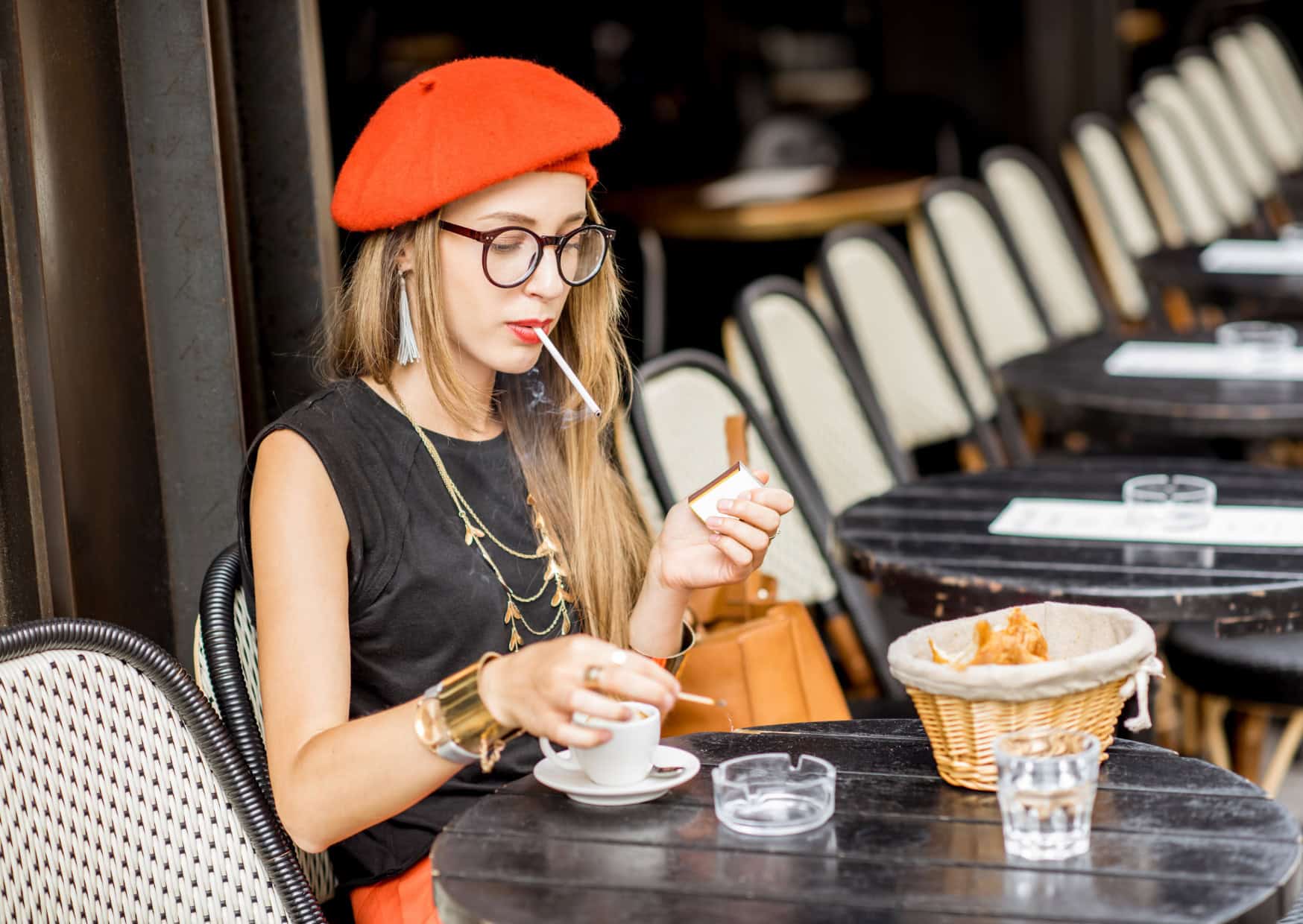
Why it stands out:
Cultural faux pas—like walking into a church in tank tops, not removing shoes, or hugging strangers—can be a giveaway.
How to blend in:
Look up basic do’s and don’ts before arriving.
Observe locals. If they’re quiet, covered, or formal—you should be too.
Respect earns respect.
9. Group Mentality and “Tourist Bubble” Behavior

Why it stands out:
Large groups of tourists moving through markets or monuments tend to be loud, insulated, and… well, obvious.
How to blend in:
Explore solo or in small groups.
Stay curious, not just on schedule.
Interact with locals—don’t just pass through.
Travel is better when it’s a two-way street.
Final Thoughts
Blending in abroad doesn’t mean pretending to be someone you’re not. It’s about respecting the social rules and rhythms of the places you visit. Traveling with humility, curiosity, and a willingness to learn not only opens doors—it makes experiences richer and more rewarding. Locals notice when a traveler is trying, and they often respond with warmth and generosity.
You don’t need to speak the language fluently or know every custom to be a good guest. But small changes in how you dress, speak, or interact can significantly shift how you’re treated. Blending in doesn’t just help you avoid tourist traps or awkward moments—it builds bridges to more genuine, meaningful exchanges.
At the end of the day, the best travel stories don’t come from standing out—they come from fitting in, even briefly, with the world around you. Whether you’re sipping espresso in Rome or wandering markets in Kyoto, embracing the local way makes every destination feel a little more like home.

About the Author: Ruben, co-founder of Gamintraveler.com since 2014, is a seasoned traveler from Spain who has explored over 100 countries since 2009. Known for his extensive travel adventures across South America, Europe, the US, Australia, New Zealand, Asia, and Africa, Ruben combines his passion for adventurous yet sustainable living with his love for cycling, highlighted by his remarkable 5-month bicycle journey from Spain to Norway. He currently resides in Spain, where he continues sharing his travel experiences with his partner, Rachel, and their son, Han.