
And what it reveals about cultural trust in the body, and radically different ideas of medical urgency
In the United States, a fever over 101°F often triggers a chain reaction: medication, cooling pads, hydration schedules, urgent care calls, and if the number keeps rising — a trip to the ER. Parents panic. Adults rearrange work. Someone pulls out a thermometer every twenty minutes.
But in Europe — whether you’re in a city flat in Barcelona or a countryside home in Provence — you might find something very different.
A child with a 39°C fever (that’s about 102.2°F) is tucked into bed under three layers of blankets. They’re sweating. Their cheeks are flushed. And their parent is calmly saying, “It’s better to let the fever work.”
No cold compress. No ice packs. No Tylenol every four hours.
No rush to the hospital — unless the symptoms change dramatically.
To most Americans, this approach is reckless at best, dangerous at worst. But to Europeans, it’s a widely accepted fever remedy — one that’s guided by generations of tradition, basic medical training, and a deep trust in the body’s ability to heal.
Here’s why Europeans often treat high fevers in ways that would send many Americans to the emergency room — and what it reveals about two very different cultural ideas of how the body should be cared for.
Want More Deep Dives into Everyday European Culture?
– Why Europeans Walk Everywhere (And Americans Should Too)
– How Europeans Actually Afford Living in Cities Without Six-Figure Salaries
– 9 ‘Luxury’ Items in America That Europeans Consider Basic Necessities
1. Sweating It Out Is Still a First-Line Remedy

In much of Europe, when someone has a fever — especially a child — the goal is not to bring the temperature down immediately.
It’s to help the body break the fever naturally.
That means rest, hydration, and yes — bundling the person up in layers to encourage sweating. The idea is that the body will raise its internal temperature to fight off infection, and sweating helps release the heat once it’s done.
No fans. No cold baths. No air conditioning. Just supporting the process.
To Americans, who are taught to fight fever with external cooling and fast-acting medication, this looks alarming. But for Europeans, it’s simply the first 24 hours of letting the immune system do its job.
2. Medication Is Used — But Later, and Sparingly
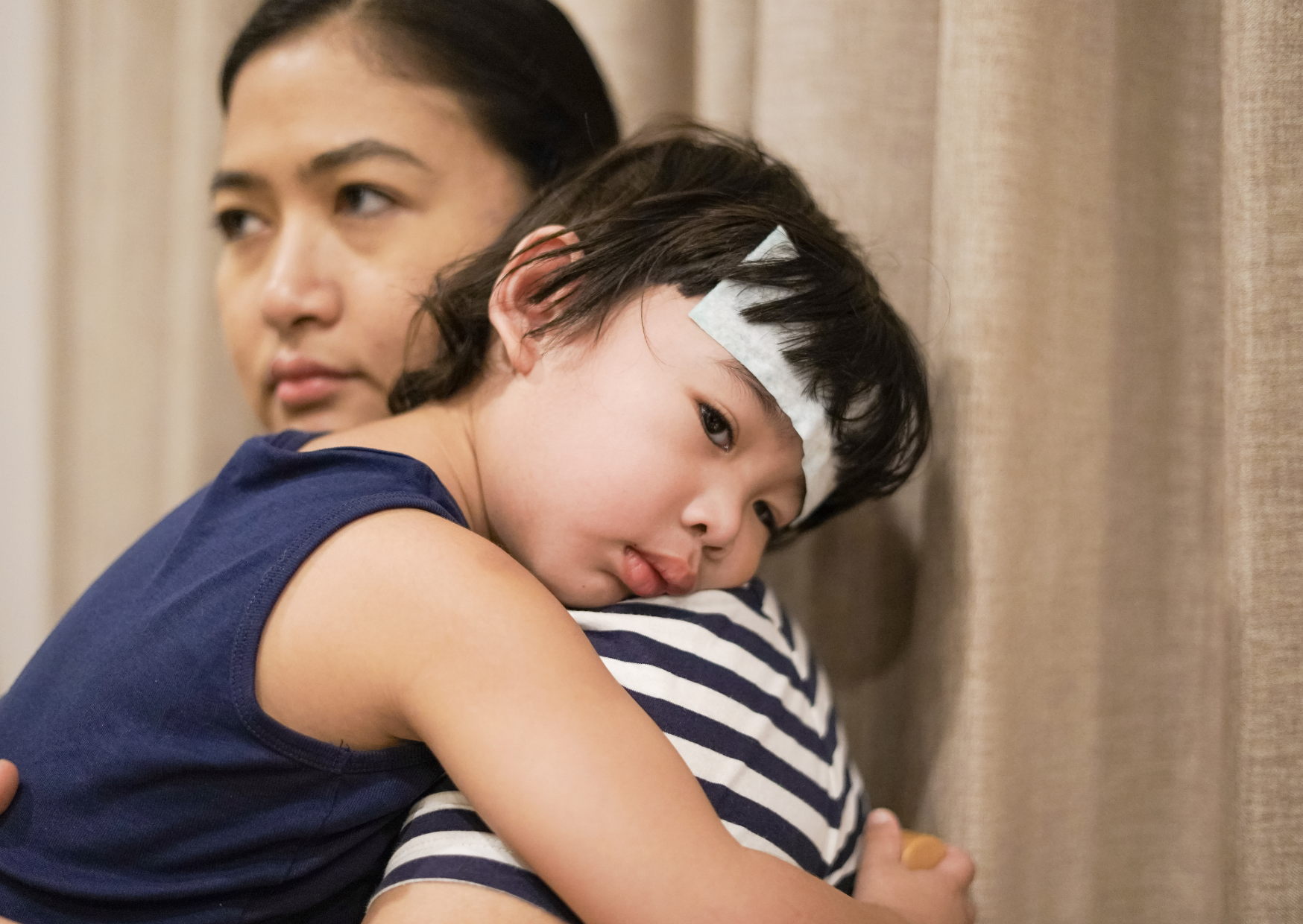
European parents do give paracetamol (what Americans call acetaminophen) or ibuprofen. But it’s often delayed until the fever reaches 39°C (102.2°F) or higher, and even then, only if the child is in visible discomfort or struggling to rest.
The idea isn’t to keep the body at a “normal” temperature 24/7. It’s to monitor, observe, and support — without interfering unless necessary.
This measured approach is grounded in advice from pediatricians across Europe, many of whom remind parents that fever is a symptom, not a disease.
In the U.S., by contrast, over-the-counter fever reducers are given earlier and more frequently — sometimes before the fever has even fully developed. The American response is built on urgency and control. The European response is built on tolerance and trust.
3. The Thermometer Doesn’t Dictate the Emotion
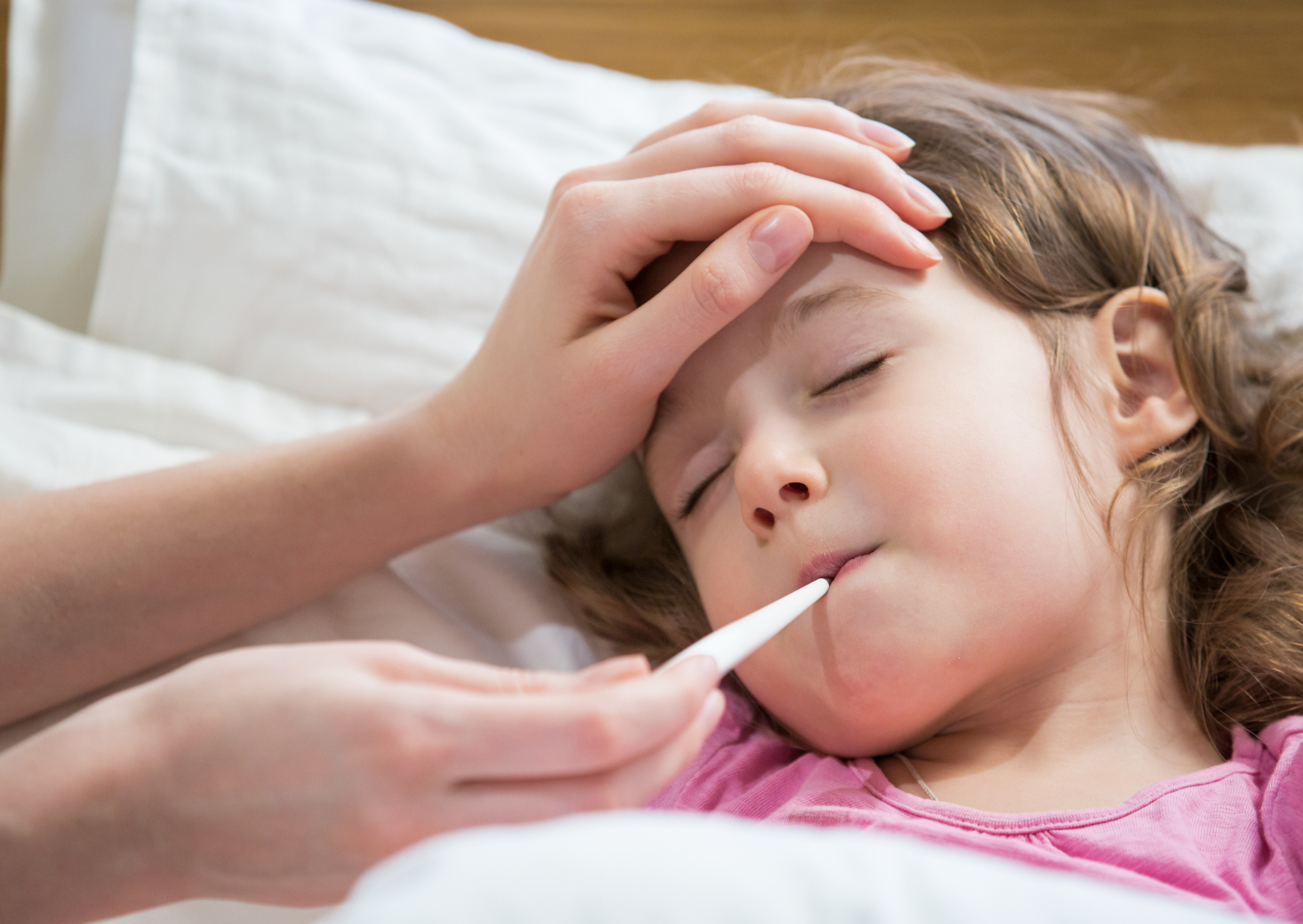
In the United States, a rising thermometer reading can spark anxiety. Numbers trigger action. Charts are consulted. Pediatricians are called. Everyone watches the decimal points.
In European households, the thermometer is a tool, not a crisis trigger.
If a child has a 39.5°C (103°F) fever but is still eating, sleeping, and smiling between naps, the parent may decide to wait and watch. If the child is sluggish or delirious at 38°C (100.4°F), that’s when concern begins.
The assessment is holistic — based on behavior, appearance, and duration — not just the number.
To Americans, this seems casual. To Europeans, it’s common sense.
4. Grandma’s Remedies Still Matter — And Still Work

Across Europe, herbal teas, broths, citrus infusions, vinegar foot soaks, and mustard compresses are still part of how fevers are treated — not instead of medical care, but alongside it.
Many of these traditions go back generations. They’re passed down not just by family, but often endorsed by local doctors, especially in smaller communities.
A fevered child might be given warm chamomile with honey. A teenager might be told to put on wool socks soaked in vinegar. An adult might sip thyme-infused broth while staying wrapped in layers.
None of this would make it into an American ER treatment plan. But in Europe, the folk remedy and the medical protocol live side by side — and both are taken seriously.
5. Hospitals Are for Emergencies — Not Fevers
In the U.S., it’s not uncommon for parents to bring a child to the emergency room for a fever over 102°F, especially if it persists.
In Europe, doing so would raise eyebrows.
Doctors are clear: fevers — even up to 40°C (104°F) — do not usually require hospitalization, unless they come with alarming symptoms (like a stiff neck, seizures, breathing difficulty, or dehydration).
Families are expected to monitor at home, call their primary doctor, and use the emergency system only when something changes dramatically.
This restraint isn’t about neglect. It’s about resource preservation and realistic risk assessment.
6. Pediatricians Encourage Patience — Not Panic
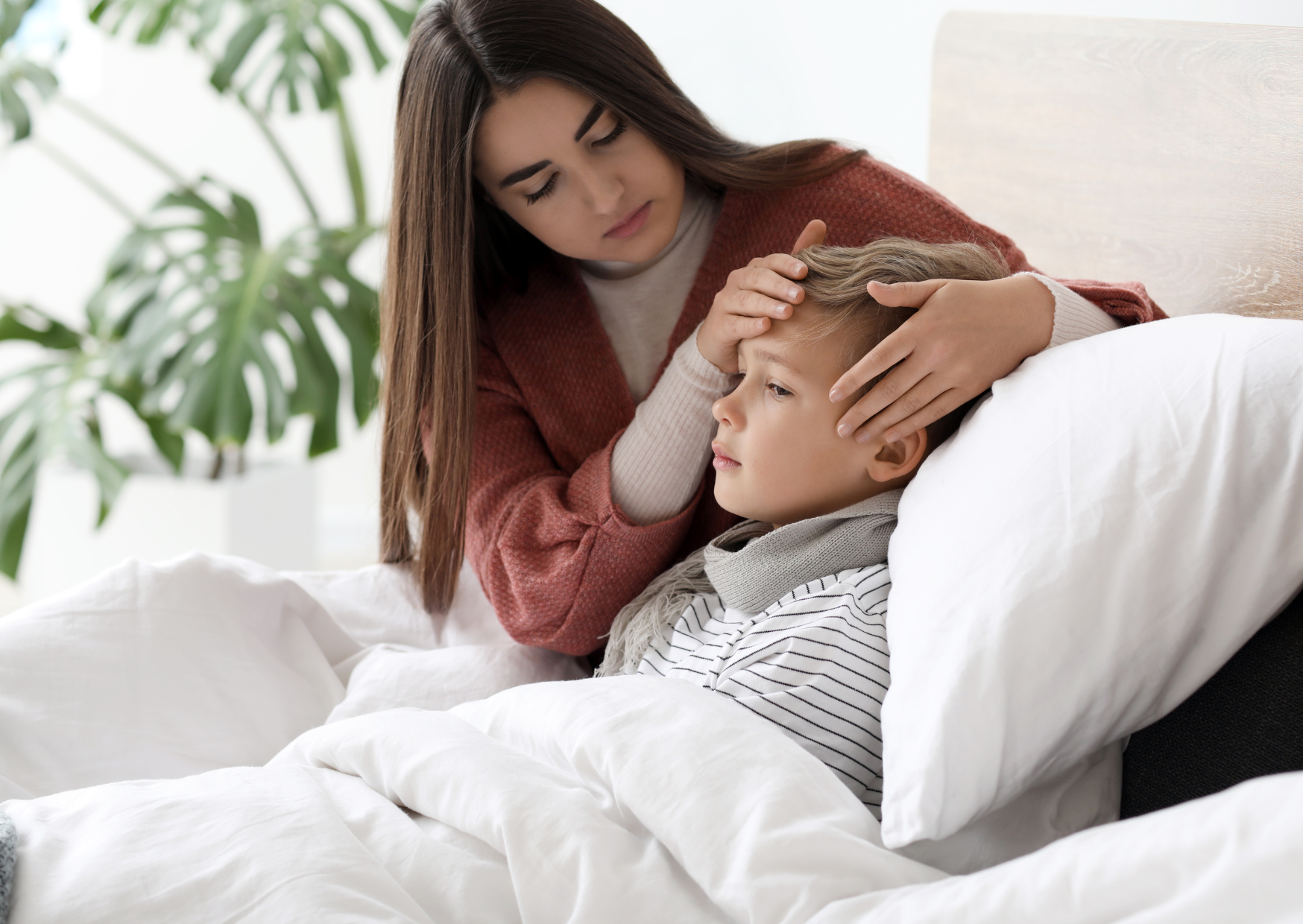
European pediatricians are often more direct than their American counterparts. They may tell a parent, “The fever will go up and down for a few days. Let it.” They rarely prescribe antibiotics unless absolutely necessary, and they caution against overuse of pain relievers.
The American system, especially with private healthcare, often leans toward action to reassure. More visits, more medication, faster results.
In Spain, France, Germany, and Italy, doctors are more likely to say, “Call me if it gets worse — but for now, give it time.”
And that message is repeated often enough that it becomes the cultural norm.
7. Children Are Taught to Endure Discomfort — Not Fear It
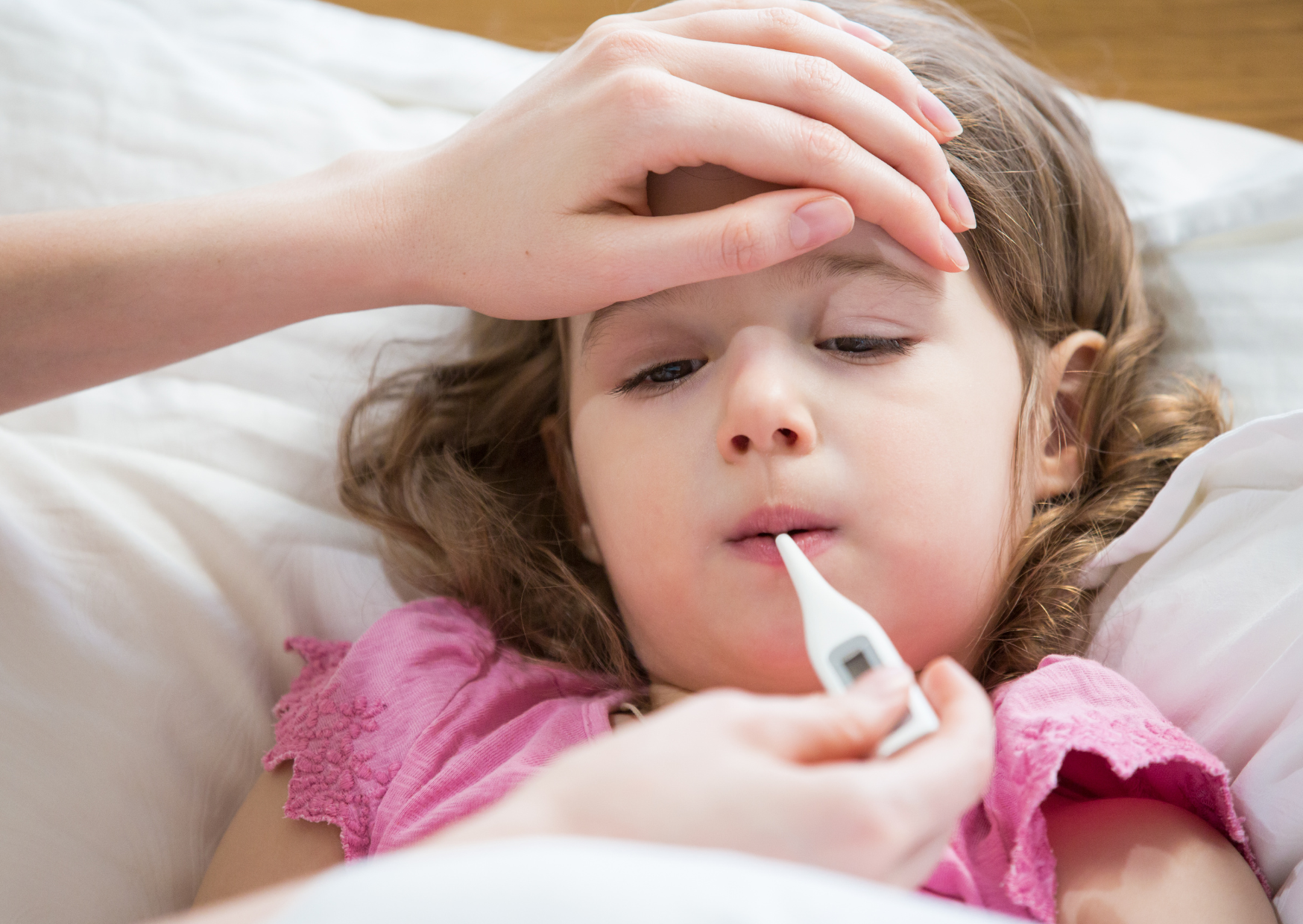
American children are often shielded from even moderate illness. A slight fever keeps them home. Any sign of fatigue is labeled as something to fix.
In Europe, children are taught that feeling unwell is part of life. A fever means rest, soup, cartoons — and maybe boredom.
It doesn’t mean alarm, stress, or a cascade of appointments.
This early exposure to minor illness helps build resilience, not just immunity. Children learn to check in with their bodies, take it easy, and trust that their system will do what it needs to do.
8. The Body Is Seen as an Ally — Not a Threat
In American culture, the body is often viewed as a machine to be optimized — and when something goes wrong, it must be fixed immediately.
In Europe, the body is seen as an intelligent system, one that knows what to do most of the time — especially with things like fever, digestion, or fatigue.
The idea is that fever is not the enemy. It’s the body’s defense mechanism, doing what it’s designed to do.
Suppressing it prematurely might interrupt the healing process. Supporting it gently — with warmth, rest, and patience — is often the better course.
9. Trust in Recovery Replaces Fear of Escalation
The American approach to illness often centers around fear — the worst-case scenario. What if it gets worse? What if we wait too long? What if it’s something serious?
In Europe, there’s more confidence in the natural progression of illness. Most fevers resolve in two to three days. If they don’t, then escalation happens — with measured, precise responses.
This trust in recovery, built through generations of calm parenting, clear communication, and consistent healthcare messaging, means fewer panicked ER visits — and less trauma around every rise in temperature.
One Fever, Two Philosophies
To Americans, a 102°F fever is often a sign that something is wrong.
To Europeans, it’s a sign that something is working.
To Americans, the job is to intervene early and control the outcome.
To Europeans, the job is to observe, support, and wait for the body to lead the way.
Both systems want what’s best. But only one demands control at all costs.
So if you find yourself in a European home, watching a child wrapped in blankets, sipping warm tea with flushed cheeks and no Tylenol in sight, don’t assume it’s ignorance.
You might just be watching a culture that trusts the body more than the thermometer — and that has taught its people that recovery isn’t always something to rush.

About the Author: Ruben, co-founder of Gamintraveler.com since 2014, is a seasoned traveler from Spain who has explored over 100 countries since 2009. Known for his extensive travel adventures across South America, Europe, the US, Australia, New Zealand, Asia, and Africa, Ruben combines his passion for adventurous yet sustainable living with his love for cycling, highlighted by his remarkable 5-month bicycle journey from Spain to Norway. He currently resides in Spain, where he continues sharing his travel experiences with his partner, Rachel, and their son, Han.