
And what it reveals about pace, pleasure, and the quiet habits that lower stress without prescriptions
High blood pressure is one of the most commonly treated health conditions in the United States. Over 100 million Americans are estimated to have hypertension, and the standard protocol is familiar: daily medication, constant monitoring, low-sodium diets, and a growing list of things to avoid.
But across the Mediterranean — from southern Spain to coastal Greece — many older adults live full lives without medication, step counters, or food apps. They drink coffee. They eat salty olives. They talk loudly. They nap in the middle of the day. And somehow, their blood pressure remains stable — and in many cases, far better than their American peers.
Ask around in Mediterranean villages, and you won’t hear people talk about “blood pressure management” the way Americans do. But they do it — through lifestyle, attitude, and routine, not restriction and fear.
Here’s the blood pressure secret Mediterranean people know — the one American doctors don’t always say out loud — and how it lives quietly in daily life without ever being called “treatment.”
Want More Deep Dives into Everyday European Culture?
– Why Europeans Walk Everywhere (And Americans Should Too)
– How Europeans Actually Afford Living in Cities Without Six-Figure Salaries
– 9 ‘Luxury’ Items in America That Europeans Consider Basic Necessities
1. Rest Is Not Earned — It’s Scheduled

In the U.S., rest is often earned. After productivity. After meetings. After you hit your goals. If you stop to rest too soon, it feels lazy. If you nap during the day, you might feel guilty.
In Mediterranean culture, rest is a non-negotiable rhythm.
It’s built into the day. Siestas aren’t about sleep — they’re about slowing the pulse. You stop. You sit. You digest. You recalibrate. Even if you only close your eyes for ten minutes, the signal to your nervous system is the same: we are not in danger.
And it works. Regular midday rest lowers cortisol, steadies blood pressure, and protects the heart — not through pills, but through permission.
2. Meals Are Not Just Nutritional — They’re Emotional
American health advice around hypertension is often focused on what to eliminate: salt, fat, red meat, caffeine, processed food.
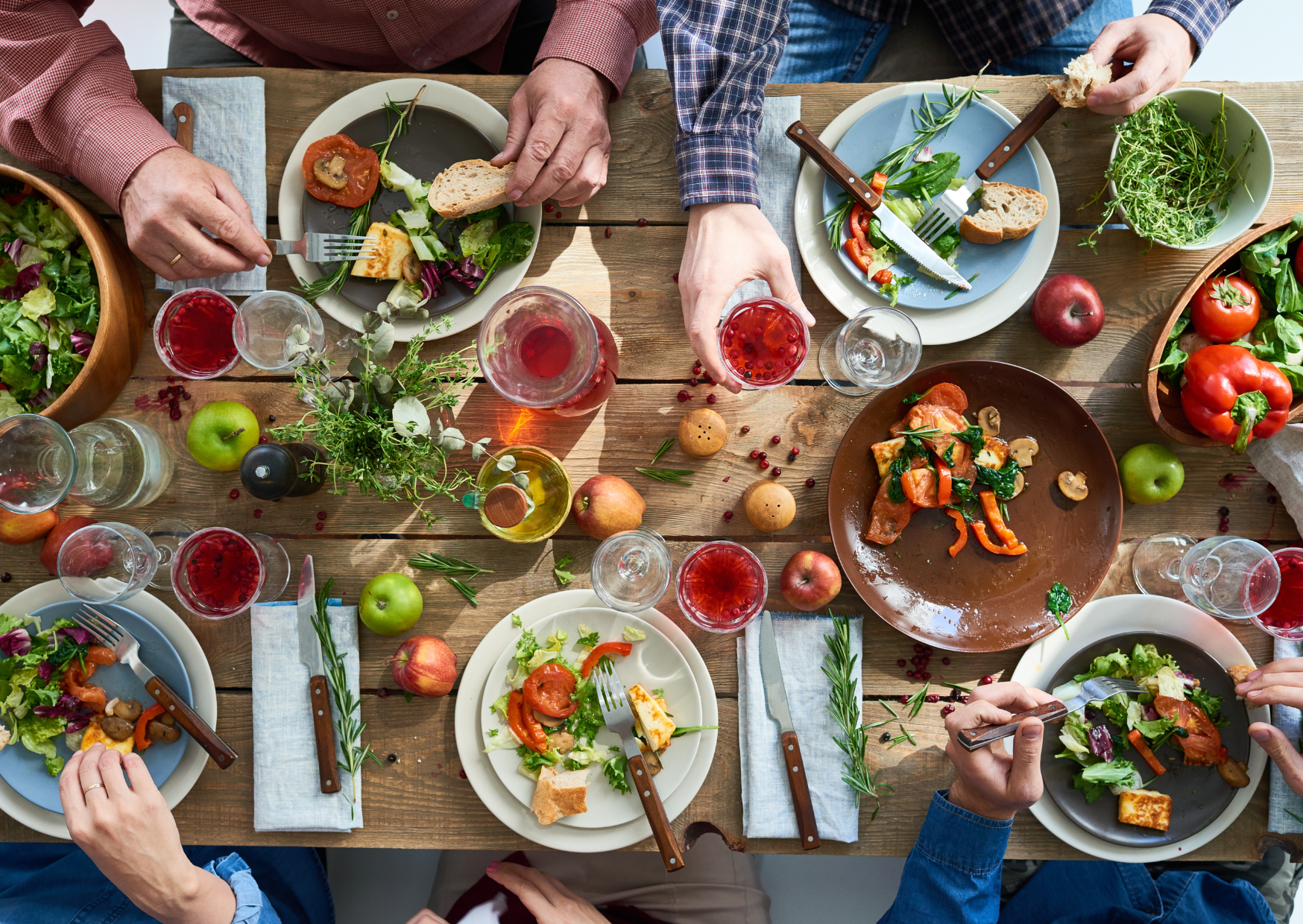
In the Mediterranean, meals are not built on elimination. They’re built on connection.
People sit down. They eat slowly. They laugh. They argue. They go back for seconds. Meals are not rushed or monitored. They’re experienced.
And what matters isn’t just the olive oil or the grilled fish. It’s the emotional state while eating.
You can eat the healthiest food in the world, but if you’re eating it in a rush, standing up, or while scrolling your phone, your nervous system stays agitated.
Mediterranean people lower their blood pressure simply by making food the center of the moment — not a task between tasks.
3. Movement Is Natural — Not Structured

In the U.S., exercise is treated like a medical prescription. You must do 150 minutes per week. You must raise your heart rate. You must track your steps.
In the Mediterranean, movement is built into life. It’s not scheduled. It’s not counted. It’s just… normal.
People walk to the store. They climb stairs. They carry groceries. They garden. They take the long way home. They fidget while talking.
This light, constant movement is exactly what helps regulate blood pressure. Not bursts of high-intensity workouts followed by eight sedentary hours — but a gentle, consistent rhythm of activity throughout the day.
And they don’t brag about it. It’s just how they live.
4. Caffeine Isn’t Feared — It’s Respected

In the U.S., coffee is often blamed for high blood pressure. Many patients are told to cut back or eliminate caffeine entirely — just in case.
In the Mediterranean, coffee is everywhere. Strong. Small. Frequent. But it’s not chugged from a giant to-go cup while racing through traffic.
It’s sipped. Sat with. Paired with conversation. Consumed in low-stress settings.
The body responds not just to the chemical — but to the context. A double espresso enjoyed calmly on a quiet terrace might raise blood pressure slightly, but the overall effect is neutral or even beneficial, because it’s not layered with panic.
It’s not just what you drink. It’s how you live while drinking it
5. Salt Isn’t Demonized — It’s Balanced
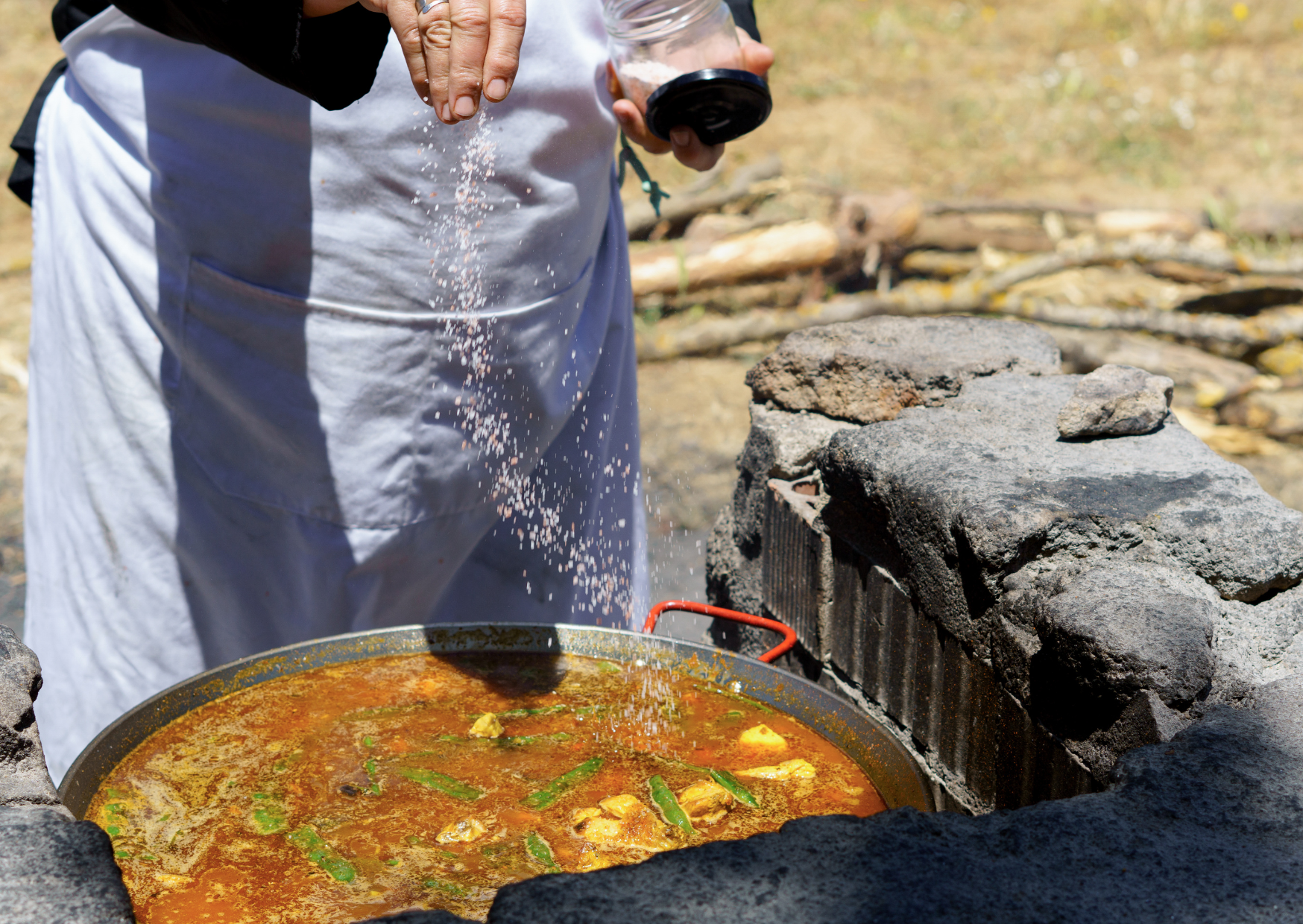
American doctors often tell patients to avoid salt like it’s poison. In the Mediterranean, salty foods like olives, anchovies, cheeses, and cured meats are daily staples.
So what gives?
The answer lies in balance.
Mediterranean diets are naturally rich in potassium (thanks to fruits, vegetables, and legumes), which helps offset the effects of sodium. Plus, people drink water, move often, and eat real food — not highly processed packaged meals packed with hidden sodium.
They don’t panic over salt. They use it wisely, enjoy the flavor, and eat slowly enough to know when they’ve had enough.
6. Social Connection Is Daily Medicine

One of the biggest unspoken drivers of American hypertension is loneliness. Isolation raises cortisol. Chronic stress raises blood pressure.
In Mediterranean cultures, you don’t go a day without connection.
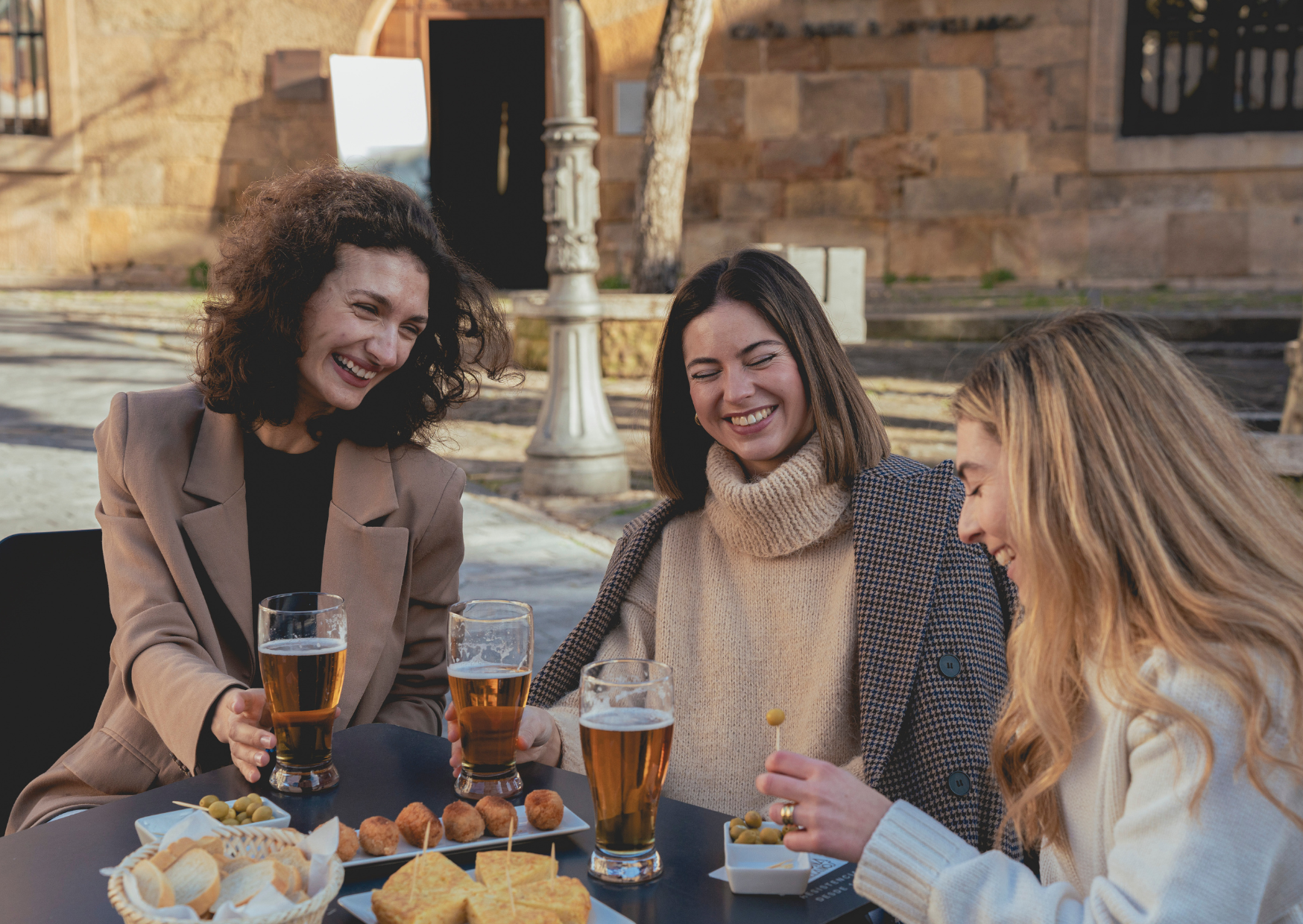
Whether it’s chatting with your butcher, calling your cousin, waving to your neighbor, or sharing coffee with a friend — there’s no health without human contact.
You don’t need to be best friends with everyone. You just need to be seen. To belong.
This quiet, constant web of social connection keeps people emotionally regulated — and that lowers blood pressure better than a thousand low-sodium crackers.
7. People Don’t Obsess Over Numbers
In the U.S., many patients become obsessed with their blood pressure readings. They track daily. They worry over every fluctuation. They build anxiety around a number — and that anxiety raises the number.
In Mediterranean countries, people are aware of blood pressure — but they don’t live by the monitor.
They listen to their body. They trust their rhythms. They see the doctor when needed, but they don’t turn their health into a spreadsheet.
And that freedom from constant health data might be one of the healthiest habits of all.
8. Food Isn’t a Battle — It’s a Joy
In American wellness culture, food is moralized. There are “good” foods and “bad” foods. Meals are judged, guilted, or negotiated.
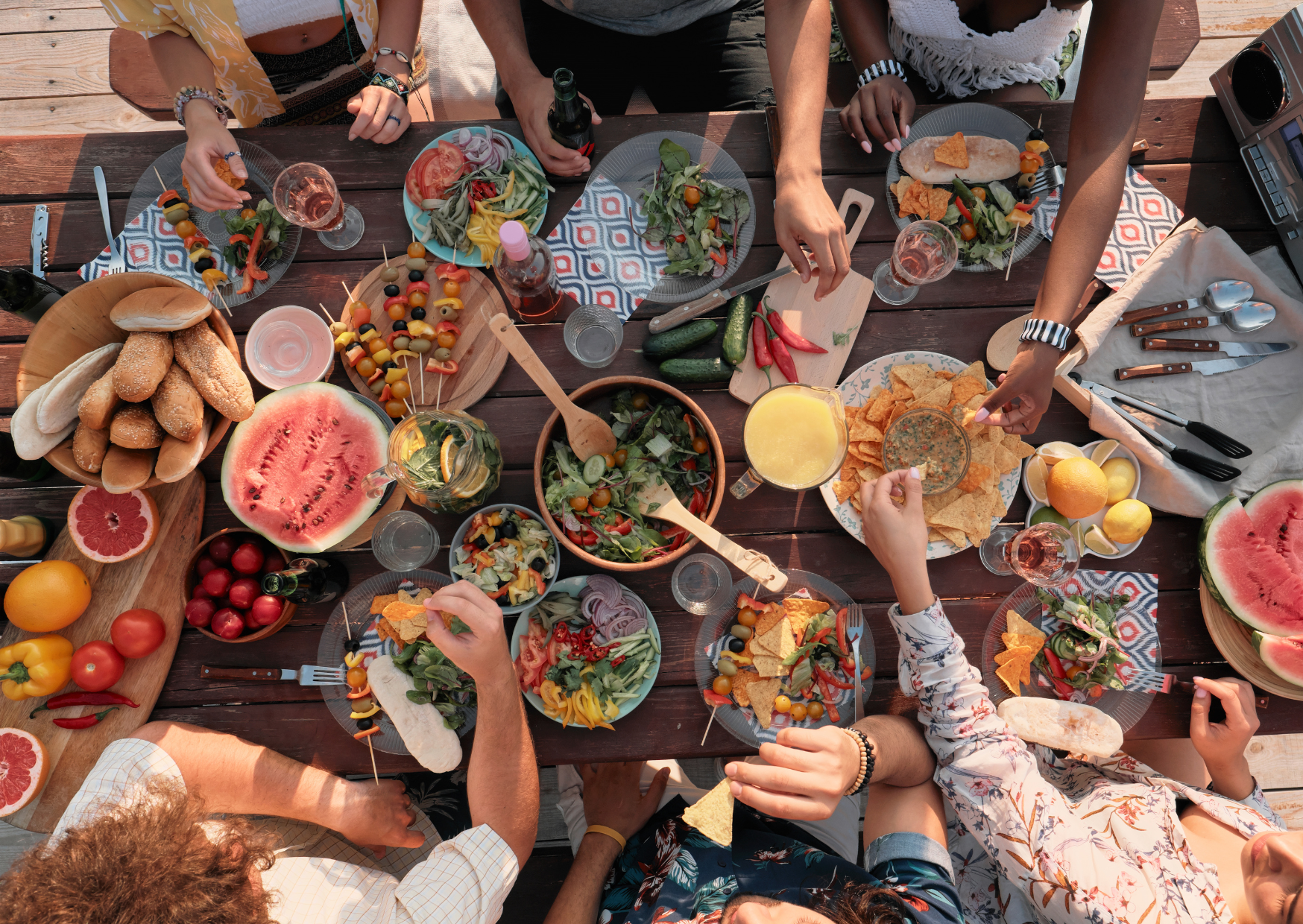
In the Mediterranean, food is celebrated.
A meal is something to anticipate. It’s a pleasure, not a transaction. Even healthy foods are cooked with flavor, fat, herbs, and heart.
This emotional nourishment means meals reduce stress — not add to it. And that mental calm lowers blood pressure in a way no food label ever could.
9. Stress Is Released — Not Internalized
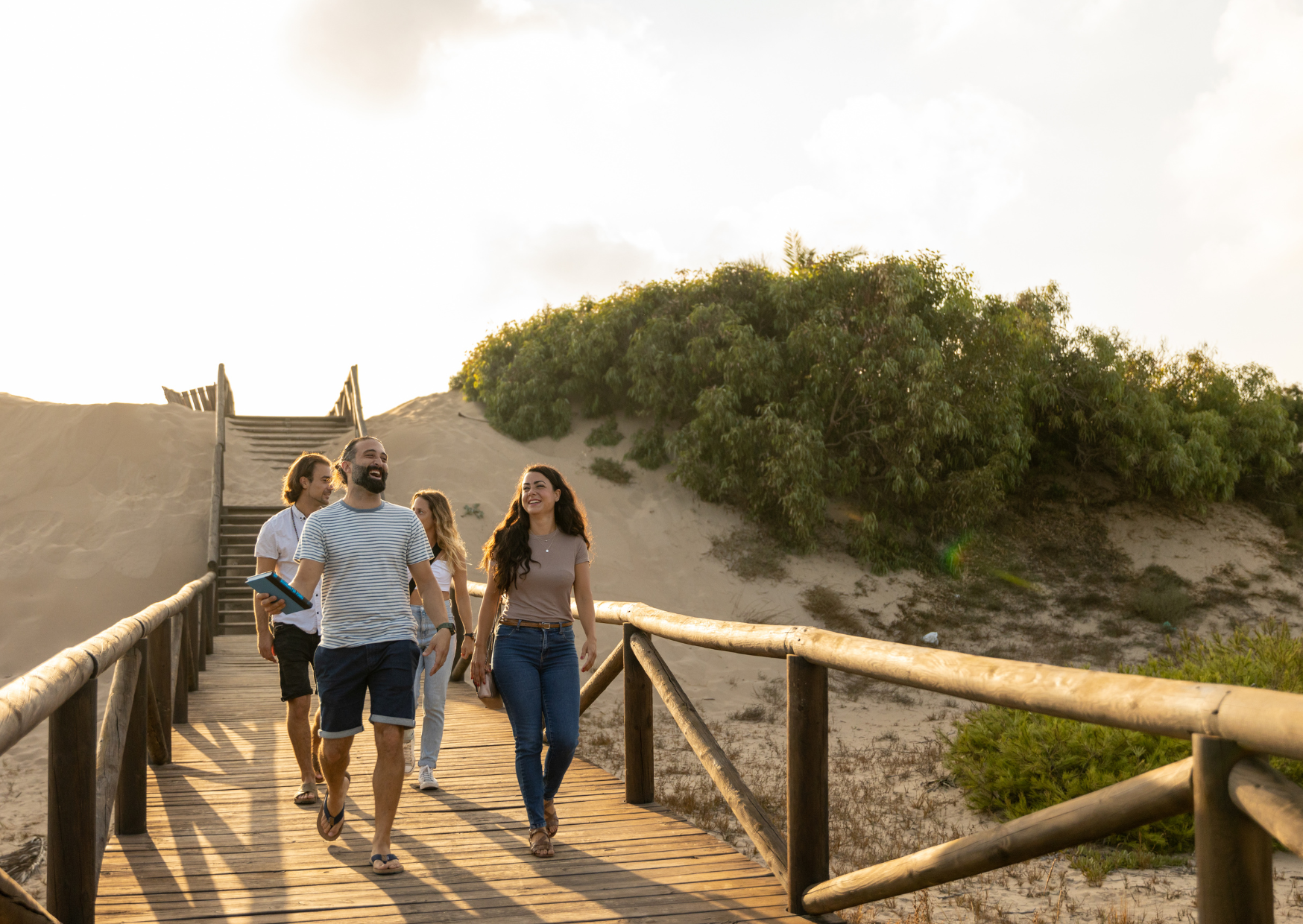
Americans are trained to manage stress through productivity. If you’re stressed, you push through. If you’re overwhelmed, you work harder. If something’s wrong, you fix it — alone, and quickly.
In Mediterranean cultures, stress is shared.
You vent. You complain out loud. You walk. You talk. You rest. You let the emotion pass through, not sit inside your body like a trapped voltage.
That emotional release — loud, expressive, and sometimes theatrical — actually protects the heart. It keeps blood pressure from rising chronically.
You don’t carry stress as a secret. You share it with the table.
One Condition, Two Philosophies
To Americans, blood pressure is a condition to control, manage, and monitor with seriousness.
To Mediterranean people, blood pressure is a living system, shaped by daily rhythm, joy, and presence.
In the U.S., treatment often means subtraction: cut salt, cut caffeine, cut stress.
In the Mediterranean, it means adding: more rest, more walking, more real food, more laughter.
Neither approach is perfect. But one is lived with far less fear — and far more flavor.
So next time you sip your espresso or sit down to lunch, remember: the secret isn’t just in the olive oil. It’s in how they live while enjoying it.

About the Author: Ruben, co-founder of Gamintraveler.com since 2014, is a seasoned traveler from Spain who has explored over 100 countries since 2009. Known for his extensive travel adventures across South America, Europe, the US, Australia, New Zealand, Asia, and Africa, Ruben combines his passion for adventurous yet sustainable living with his love for cycling, highlighted by his remarkable 5-month bicycle journey from Spain to Norway. He currently resides in Spain, where he continues sharing his travel experiences with his partner, Rachel, and their son, Han.