
Why Bother Knowing This?
Spain’s iconic “siesta” is legendary worldwide. Many travelers arrive expecting sleepy towns that shut down for hours, with entire populations snoozing each afternoon. Yet the reality is far more nuanced. Yes, there’s a cultural pause in the middle of the day—but it doesn’t always look like the myths perpetuated in guidebooks and travel shows.
Learning the real story behind the Spanish siesta and daily schedules can help you avoid awkward moments—like showing up at a restaurant right when it’s closed, or assuming everyone is napping when they might be busy running errands. Below, we’ll tackle 8 major misconceptions tourists have about Spanish daily rhythms, so you can better sync with local life on your next visit.
Looking for More Travel & Culture Reads?
– They Don’t Work 24/7: 5 Vacation Customs in Europe That Drive Americans Crazy
– 7 Dress Code Shocks Americans Face in Italy
– 9 European Beach Habits That Shock First-Time Tourists
1. “Everyone in Spain Still Takes a Long Nap Every Afternoon”
The Myth
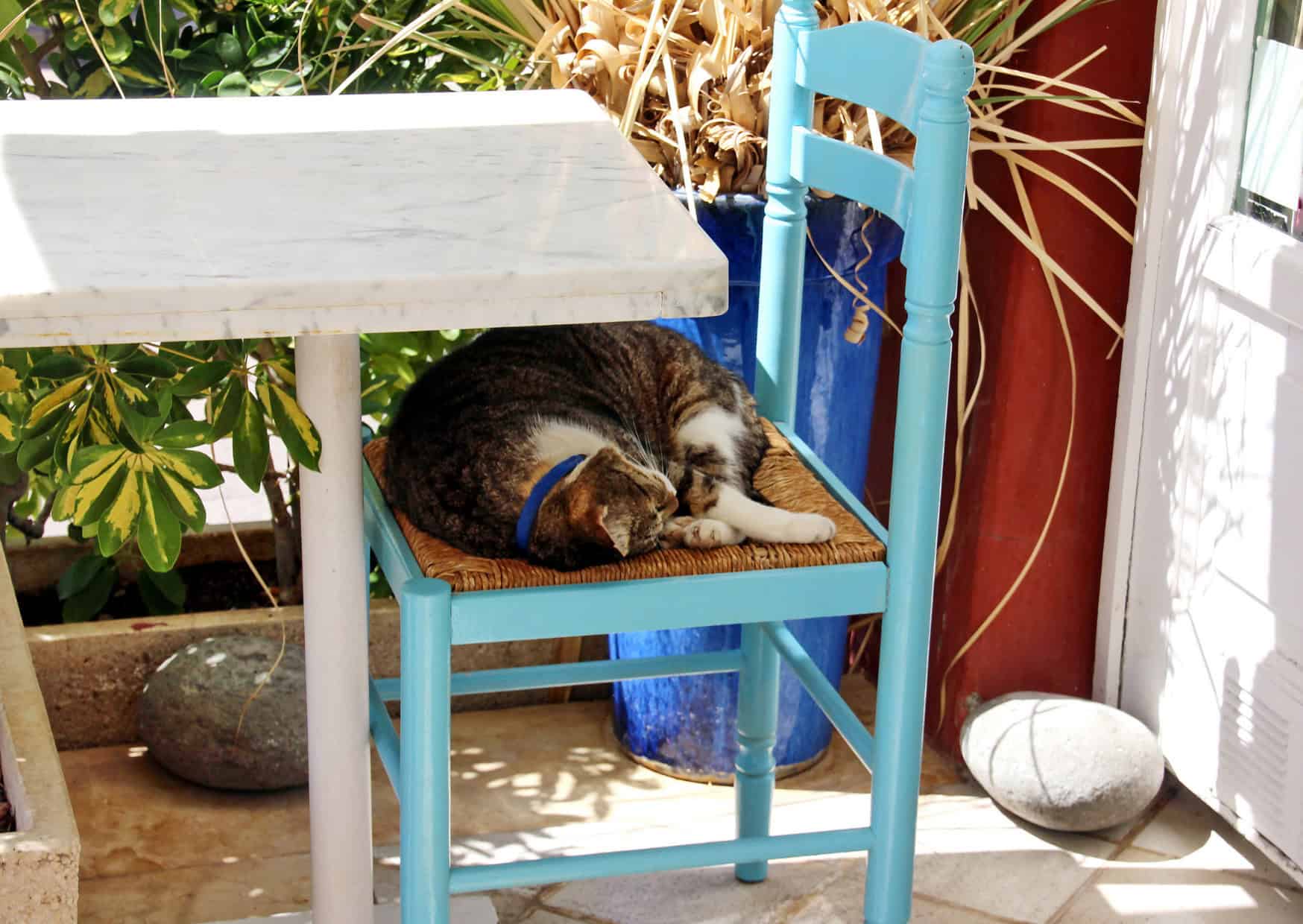
If your idea of siesta is that all Spaniards religiously sleep from 2 p.m. to 5 p.m. daily, you’re envisioning a countrywide, blissful shut-eye session. Tourists sometimes picture entire cities with lights out, shutters drawn, and people in pajamas.
The Reality
- Modern Work Schedules: While a midday break is still culturally relevant, many urban Spaniards have 9-to-5 (or 9-to-6) jobs with only a short lunch break—leaving little room for a long snooze.
- Regional Differences: In smaller towns or rural areas, a longer midday pause is more common, but it often involves lunch and rest, not necessarily a big nap.
- Occasional Power Naps: The “Spanish siesta” might be just 20–30 minutes for those who can manage it, especially if they stayed out late the night before.
Why Tourists Are Confused
Travel guides love the romantic image of entire streets empty at midday. Yes, you’ll see some shuttered shops, but that doesn’t mean everyone’s in bed. Many might be out at a long lunch, running errands, or simply relaxing at home—nap optional.
Hidden Meaning
The concept of siesta originated as a way to avoid working in the hottest part of the day, particularly in Spain’s warmer southern regions. Today, life has modernized, and continuous schedules are increasingly common. Still, the tradition remains a cherished cultural touchstone—even if it’s more about lunch and downtime than a full-scale nap.
2. “Shops Are Closed All Afternoon—So I Can’t Get Anything Done”
The Myth
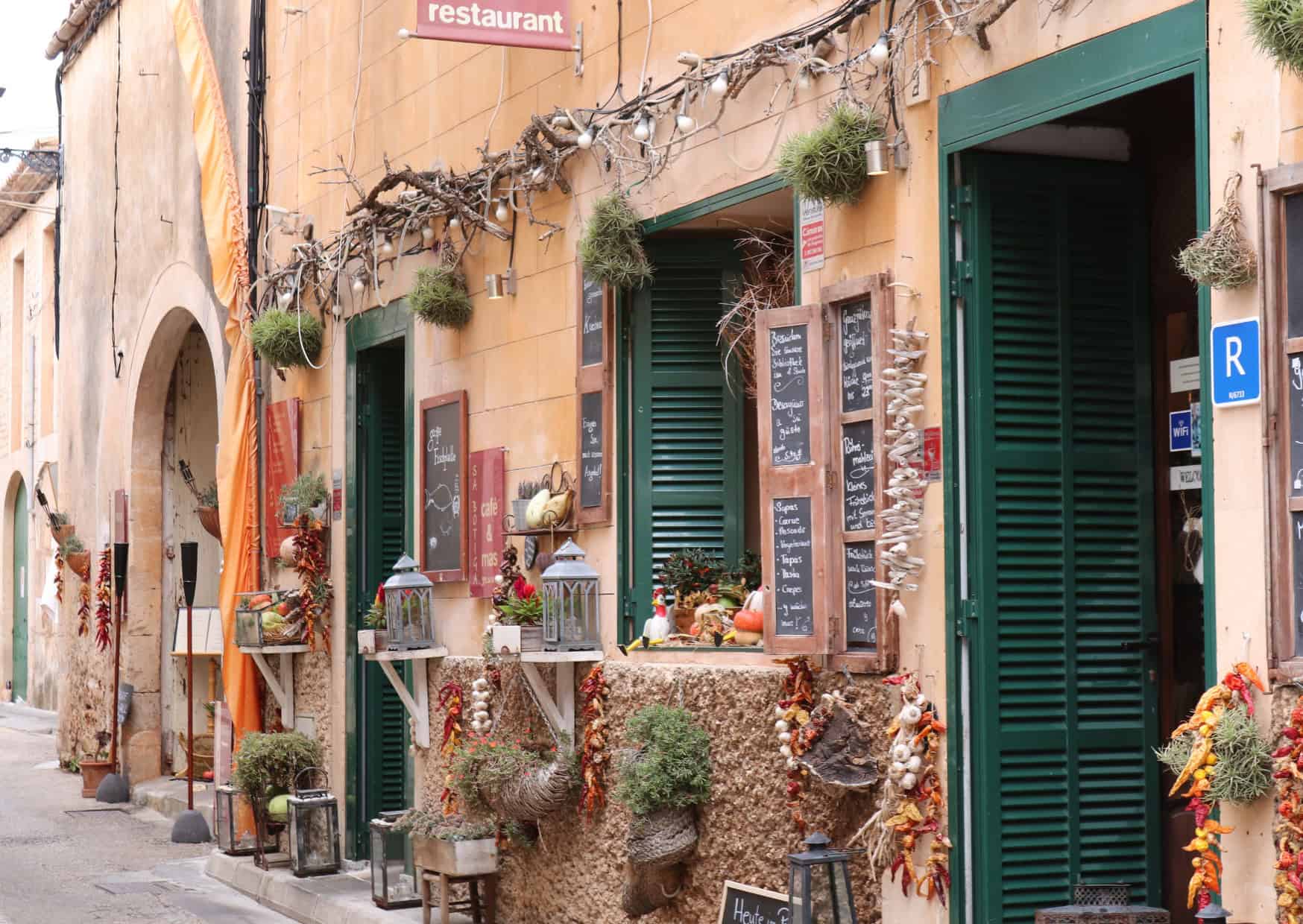
Tourists might assume that between noon and, say, 5 p.m., everything in Spain slams shut: grocery stores, pharmacies, clothing shops, you name it. They panic, thinking they’ll starve if they don’t stock up before noon or plan carefully around “siesta hours.”
The Reality
- Flexible Hours: Many modern supermarkets, department stores, and big chains stay open through the afternoon, especially in larger cities and tourist areas.
- Smaller Businesses May Close: Traditional family-run shops or businesses in smaller towns might shut from about 1:30 p.m. or 2 p.m. until around 5 p.m. or later.
- Extended Evening Hours: These same shops often reopen in the late afternoon and stay open until 8 or 9 p.m. That means you can still do plenty of shopping, just shifted a bit later.
Why Tourists Are Confused
If you arrive from a country where shops rarely close midday, seeing a locked door at 2 p.m. can be startling. But city centers often cater to travelers and maintain continuous hours. It’s primarily local, family-run establishments that hold onto traditional closing times.
Hidden Meaning
The midday closure ties into Spain’s emphasis on a relaxed, family-oriented lunch, historically the biggest meal of the day. Rather than grabbing a quick bite, shop owners prefer a real break, often returning home to eat with loved ones. Tourists who adapt to this rhythm might discover a more laid-back approach to errands—and a richer lunchtime experience.
3. “Spaniards Don’t Work Much Because They Spend the Day Sleeping”
The Myth
A persistent stereotype is that Spaniards have “short workdays,” laze around in the afternoon, and then party at night. Some outsiders interpret the siesta tradition as evidence of a poor work ethic—nothing could be further from the truth.
The Reality
- Longer Total Hours: Many Spanish professionals start work around 9 a.m. or 9:30 a.m., take a break, then continue until 7 or 8 p.m. That can add up to a long, split-shift day.
- Late Dinners Don’t Mean Less Work: If a Spaniard dines at 10 p.m., it’s not because they were idle all afternoon. The cultural clock is just shifted.
- High Productivity: According to various studies, Spanish workers often rank well in productivity measures. A midday pause can help break up the day and boost focus—though modern companies sometimes prefer shorter breaks.
Why Tourists Are Confused
The idea of an extended lunch or break might look “lazy” to those used to a straight 9-to-5. But for many Spaniards, it simply redistributes work hours. They often log as many—or more—total hours as professionals elsewhere in Europe or the U.S.
Hidden Meaning
Spanish culture values quality of life and a certain rhythm that separates morning tasks from late-afternoon or evening ones. Recognizing this nuance can transform a simplistic “they nap all day” viewpoint into respect for a balanced approach.
4. “Lunch is Just a Quick Meal—Then It’s Nap Time”

The Myth
Some tourists believe Spaniards shove down a sandwich at midday, then immediately collapse into bed. The image is basically a break that’s all about sleeping rather than eating.
The Reality
- Largest Meal of the Day: Traditionally, lunch (la comida) is the heaviest, most social meal. It might involve multiple courses—salad or soup, a main dish, dessert, coffee—and can last an hour or more.
- Family Gathering: In many households, lunch is when everyone comes together—kids might come home from school, parents from work (if they live close by or can manage flexible hours).
- Relaxation Over Rushing: The post-lunch phase can be for digesting, chatting, maybe a nap if there’s time—but the meal itself is a big event.
Why Tourists Are Confused
In countries like the U.S., lunch is often quick and functional: a half-hour break at a desk or a fast-food run. Seeing Spanish families linger over a multi-course midday meal feels unusual.
Hidden Meaning
For Spaniards, the midday meal is a cornerstone of daily family life—a chance to connect, share stories, and enjoy homemade dishes. Siesta is less about pure inactivity and more about savoring the break.
5. “Restaurants Will Always Be Open When I’m Hungry—It’s a Tourist Country!”
The Myth
Assuming Spain is a top tourist destination, some visitors believe they can grab a meal at any time. After all, tourists must eat, so restaurants must cater to them around the clock, right?
The Reality
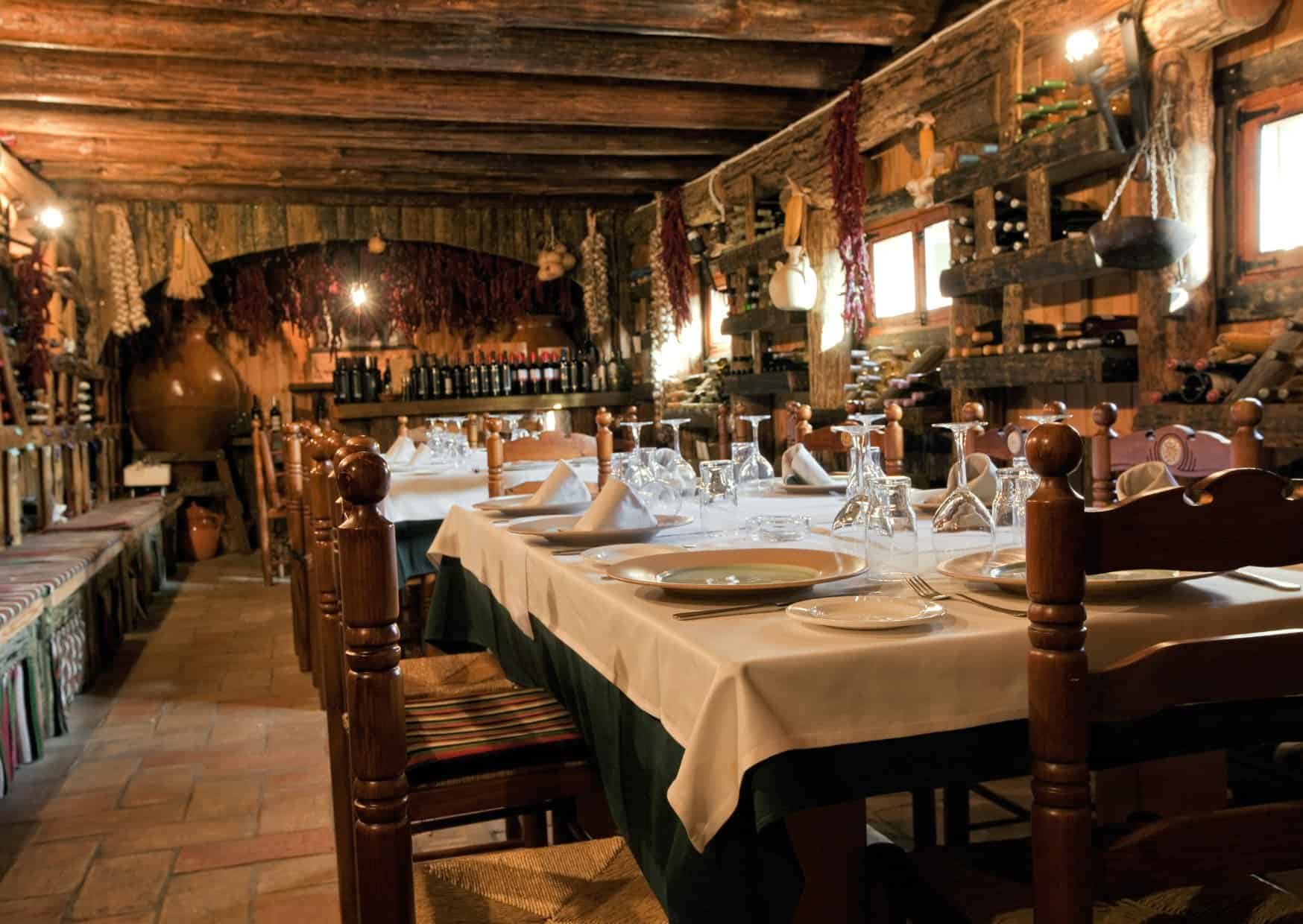
- Strict Mealtimes: Many traditional restaurants open for lunch around 1 or 1:30 p.m. and close by 4 p.m., then reopen for dinner at 8 or 8:30 p.m. (or even later).
- Limited “All-Day Dining”: While tourist-heavy spots in big cities (like Barcelona or Madrid) might offer continuous service, local restaurants in smaller towns still adhere to fixed lunch and dinner hours.
- Adapt or Go Hungry: If you wander into a local café at 5 p.m. demanding lunch, you might only find snacks or beverages available—no hot kitchen.
Why Tourists Are Confused
American or Northern European visitors are used to more flexible dining times. They may be shocked to learn they can’t eat a full meal at 6 p.m. in many Spanish restaurants.
Hidden Meaning
The Spanish schedule revolves around lunch at 2 or 3 p.m. and dinner from 9 p.m. onward. It’s a distinct cultural pattern. Tourists who sync up with local mealtimes (even if it feels late) can enjoy a more authentic experience—like bustling tapas bars at 10 p.m. full of life.
6. “The Siesta Is Only for Sleep—No Exceptions”
The Myth
Many visitors assume “siesta” = nap, period. They might feel guilty if they don’t crash on the couch in that midday window.
The Reality
- Varied Use of Free Time: Some Spaniards indeed take a power nap, but others might watch TV, read, run errands, or handle personal tasks.
- Cafe Culture: You’ll see people sipping coffee at a bar or having a leisurely lunch with friends. It’s about a “pause” rather than mandatory sleep.
- Modern Constraints: With continuous work schedules, a large portion of the population can’t just clock out for two hours. Many adapt by grabbing a quick break in an office cafeteria.
Why Tourists Are Confused
The word “siesta” literally translates to “nap” in some contexts, but socially, it’s a broader concept—a midday downtime. Tourists who try to force a daily nap might be missing out on leisurely lunches or local explorations.
Hidden Meaning
It’s really about slowing down during the hottest part of the day, enjoying personal freedom or rest in whichever form suits you. The tradition has evolved with modern life, but the underlying idea—breaking up the day—still holds cultural weight.
7. “Spaniards Are Lazy Because They Party All Night and Sleep All Day”

The Myth
Another unfair stereotype is that late-night partying equals laziness, with the assumption that Spaniards only wake up to fiesta again.
The Reality
- Late-Night Socializing: Spaniards often enjoy meeting friends late in the evening, but they also get up for work or school the next morning—just like everyone else.
- Weekend vs. Weekday: Partying until 3 or 4 a.m. might happen more on weekends. During weekdays, many abide by a more moderate schedule, balancing dinner at 10 p.m. with morning obligations.
- Cultural Emphasis on Social Life: Yes, nights can stretch late, but that’s built into the culture—bars and clubs stay open later, mealtimes shift, people adapt.
Why Tourists Are Confused
If you only see the weekend nightlife—especially in hotspots like Ibiza, Barcelona, or Madrid’s club scene—you might assume that’s how every day goes. But Spaniards have regular work schedules and responsibilities—just offset by a slightly different daily clock.
Hidden Meaning
Spain’s social culture cherishes face-to-face gatherings, meaningful conversation, and communal enjoyment. A late night out doesn’t necessarily reflect laziness; it’s about a vibrant social tradition. Many people still power through their day afterward—maybe with a short siesta if they’re lucky!
8. “The Siesta Is Dying—No One Cares About It Anymore”

The Myth
Some visitors read headlines declaring, “Spain abandons siesta!” They might assume that modern business hours have killed the tradition entirely.
The Reality
- Adaptation, Not Abandonment: While big cities and corporate offices often run continuous hours, smaller towns and traditional businesses still practice midday closures.
- Seasonal Variations: In the heat of summer, especially in Andalusia or other southern regions, the midday break remains essential for comfort.
- Cultural Symbol: Even if schedules change, the concept of siesta is woven into Spanish identity. People may take shorter breaks or shift times, but they still uphold the value of a midday pause.
Why Tourists Are Confused
They might see city centers operating through the afternoon, leading them to proclaim, “Siesta is gone!” Then they venture into rural areas or older neighborhoods and find shops closed at 2 p.m. The reality is multifaceted—modern reforms plus traditional holdouts.
Hidden Meaning
Spain is balancing global economic demands (like standard 9-to-5 schedules) with cultural heritage. Siesta, in some form, remains an emblem of Spanish life. Even if it evolves, the spirit of slowing down midday persists.
Conclusion: Understanding the Siesta for a Richer Travel Experience
Far from being a mere “long nap,” the Spanish siesta tradition is actually a window into the country’s deeper values—a focus on family mealtimes, late-night socializing, and taking a breather in the hottest hours of the day. Yes, modernity has changed how strictly people follow siesta schedules, especially in bustling urban centers and multinational companies. But the legacy is still palpable if you look for it:
- Meal Culture: Prepare for a hearty midday lunch and a late dinner.
- Midday Lull: Expect some shops—especially small, family-run ones—to close for a few hours.
- Nightlife: Embrace the fact that Spanish towns come alive in the later hours—be ready for dinner at 9 or 10 p.m.
- Flexibility: Recognize that not everyone naps, but many appreciate a pause or leisurely break.
By shedding these 8 misconceptions, travelers can align better with the local rhythm—enjoying calmer afternoons, savoring social evenings, and avoiding frustration when they see shuttered shop doors. In the end, the siesta tradition isn’t about laziness or universal naps; it’s about a culture that finds time for both work and rest, community and solitude, fun and productivity.
Pro Tip: If you’re traveling through Spain, try syncing up with local mealtimes. Have a light breakfast, enjoy a longer lunch around 2 p.m., and then plan to eat dinner no earlier than 8:30 or 9 p.m. This simple shift helps you experience Spain’s daily rhythm and avoid the frustration of arriving at empty restaurants midday or super-early in the evening. ¡Buen provecho!

About the Author: Ruben, co-founder of Gamintraveler.com since 2014, is a seasoned traveler from Spain who has explored over 100 countries since 2009. Known for his extensive travel adventures across South America, Europe, the US, Australia, New Zealand, Asia, and Africa, Ruben combines his passion for adventurous yet sustainable living with his love for cycling, highlighted by his remarkable 5-month bicycle journey from Spain to Norway. He currently resides in Spain, where he continues sharing his travel experiences with his partner, Rachel, and their son, Han.