
(And Why It Might Be the Secret to Stronger Family Bonds)
In the United States, dinner often marks the end of structured family time. After eating, everyone tends to scatter—to clean up, check their phones, finish homework, or collapse in front of the television. The meal is complete, the task is done, and the evening moves on.
In much of Europe, though, dinner is not the end of the gathering. It is the beginning of something even more important: the after-dinner ritual.
Known by different names depending on the country, this tradition involves lingering intentionally at the table, talking, laughing, sipping, and simply existing together for long stretches of time. No rush. No immediate retreat to individual screens. Just more time shared around the table, long after the plates have been cleared.
This practice is not just a charming custom. It is a central feature of daily life that strengthens social ties, supports mental health, and even improves digestion and sleep. Yet to many Americans, it remains almost completely unknown.
Here are nine ways the European after-dinner ritual unfolds, and why adopting even a small piece of it could change family life in surprising ways.
Want More Deep Dives into Other Cultures?
– Why Europeans Walk Everywhere (And Americans Should Too)
– How Europeans Actually Afford Living in Cities Without Six-Figure Salaries
– 9 ‘Luxury’ Items in America That Europeans Consider Basic Necessities
1. Meals End Slowly, Not Suddenly
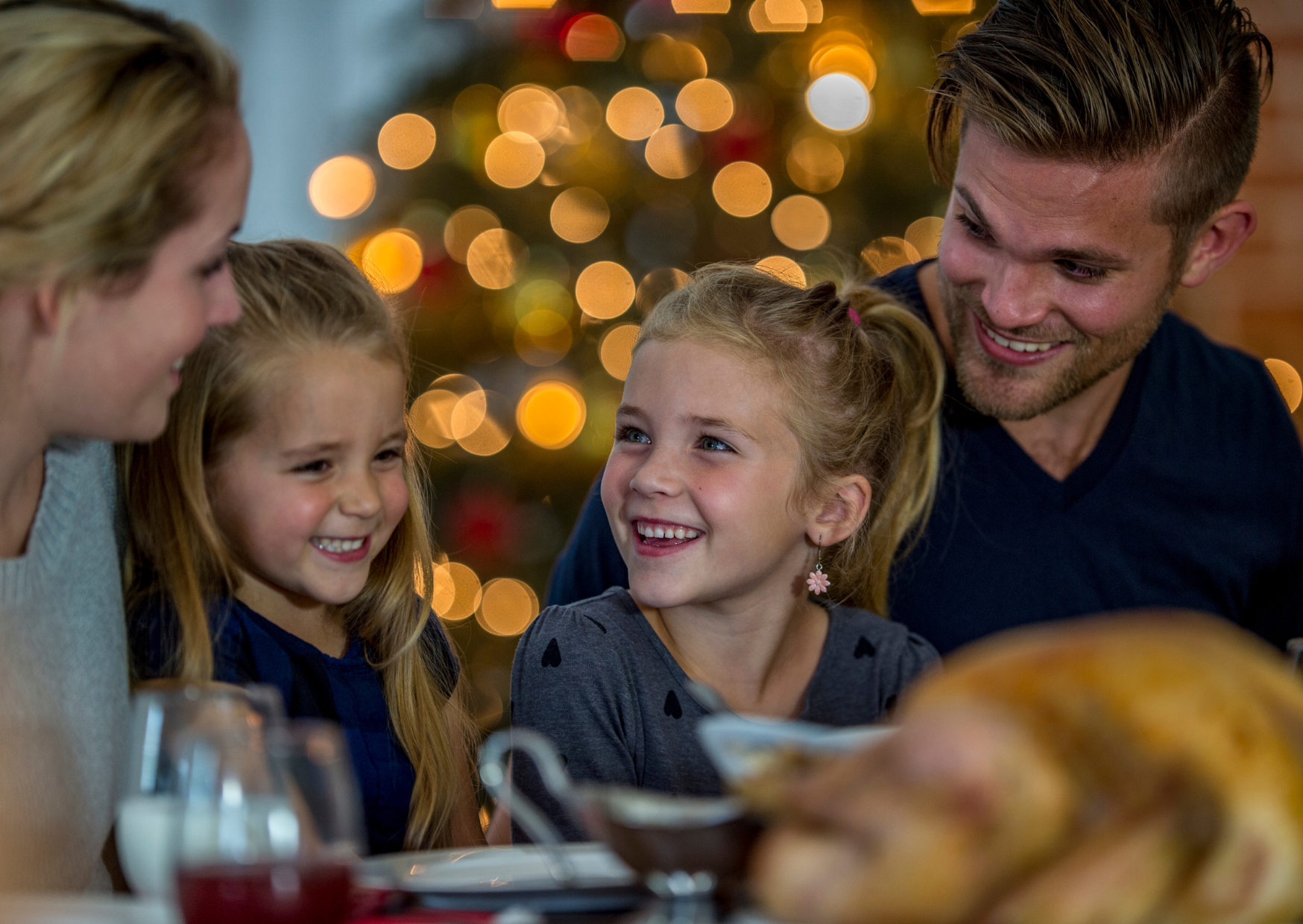
In Europe, meals do not have a defined “stop” time. Dinner winds down in a gradual, natural way, often moving seamlessly into conversation.
- Courses may slow down, but the energy stays warm and lively.
- Empty plates remain on the table for a while without urgency to clear them immediately.
- People push chairs back a little, refill wine glasses, and keep talking.
This relaxed transition honors the meal not just as a fueling stop but as an anchor for human connection.
In American households, the meal often ends the moment the last fork is set down. In Europe, the meal is simply the opening act for what comes next.
2. Coffee or Herbal Tea Marks the Transition
In many countries, a small cup of espresso or herbal tea signals the shift from dining to lingering.
- In Italy and France, a quick coffee after a long meal is practically sacred.
- In Spain and Greece, herbal infusions like chamomile, mint, or mountain tea are common.
- The warm drink provides a gentle digestive aid and extends the gathering naturally.
It is a simple but powerful psychological cue: we are staying a while longer. The act of slowly sipping rather than rushing away creates space for deeper conversations.
3. Conversation Deepens and Softens
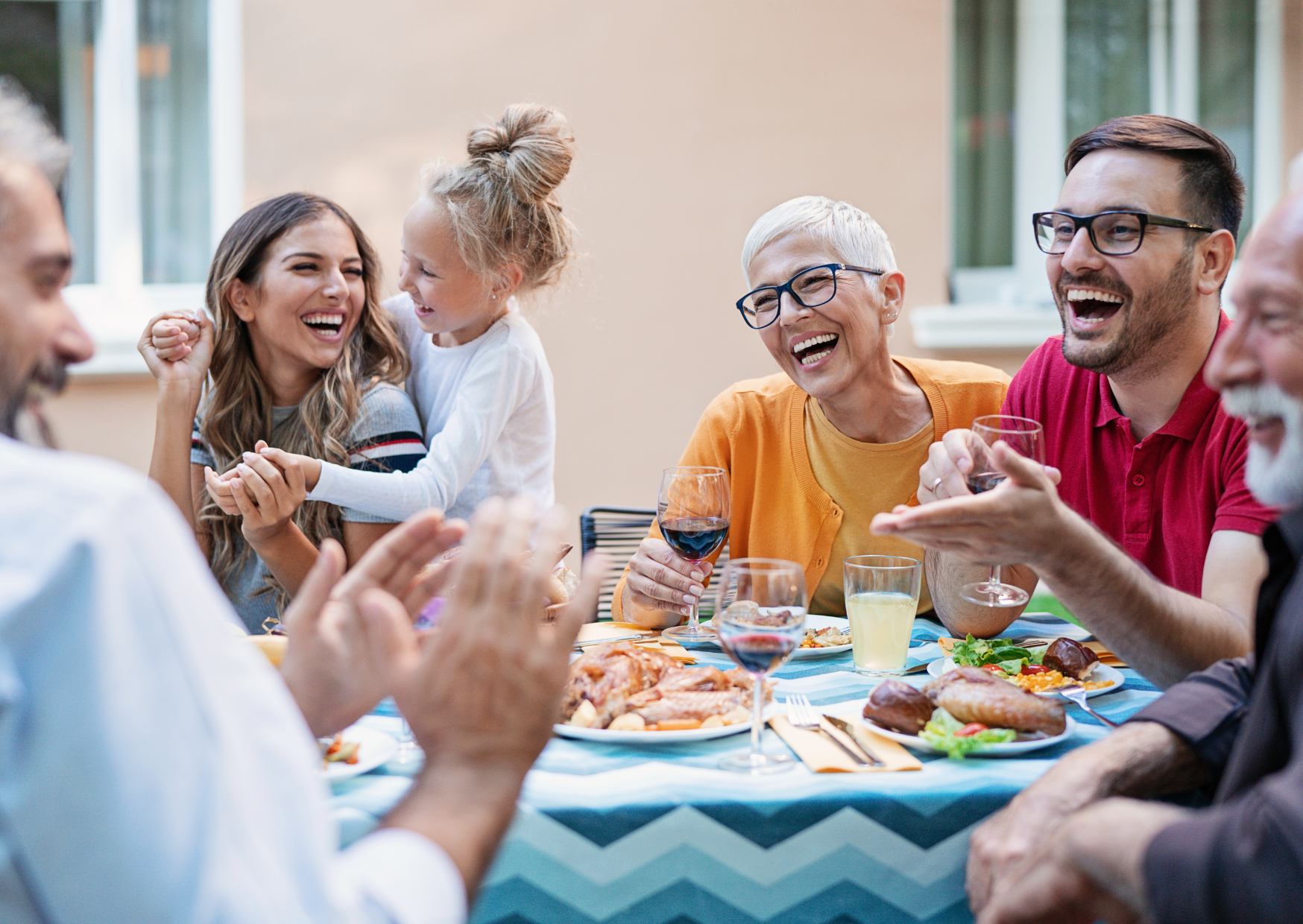
During the meal, conversation may be animated or practical. After the meal, it tends to soften.
- People reflect on memories, stories, and plans for the future.
- Jokes grow funnier as the evening stretches on.
- Confessions, advice, and philosophical musings come forward easily.
It is during this lingering time that family wisdom is passed down, friendships deepen, and relationships stretch beyond the surface.
Americans often miss these opportunities because the rush to “move on” dominates evening routines. In Europe, the richest conversations happen after the last bite.
4. Small Sweets May Appear, But They Are Simple

Dessert is not always elaborate. Sometimes, a simple bowl of fruit, a plate of cookies, or a square of chocolate accompanies the lingering.
- Fresh seasonal fruits like figs, grapes, or cherries
- A single homemade tart passed around the table
- Small local sweets that highlight the region
The goal is not indulgence or spectacle. It is to extend the pleasure of sharing, even with something small.
In America, dessert is often treated as a grand finale. In Europe, it is a gentle extension, not a show-stopper.
5. There Is No Background TV or Distraction
One of the most striking differences is the absence of background television, smartphones, or noisy interruptions.
- Music may play softly in the background, but the table remains the center of attention.
- Phones are usually put away or ignored during and after the meal.
- The after-dinner hour is protected as social time, not entertainment time.
This uninterrupted attention gives relationships a rare chance to breathe and deepen, free from digital competition.
In contrast, American families often split their attention across devices after dinner, fragmenting connection just when it could be richest.
6. The Elder Generation Often Leads the Ritual
In Mediterranean cultures especially, grandparents, aunts, and older family members play an active role in extending the table gathering.
- They tell family stories, sing old songs, or recount life lessons.
- Younger family members are expected to listen, participate, and learn.
- Elders hold court not with lectures, but with anecdotes and humor.
This after-dinner ritual strengthens intergenerational bonds, something that modern American culture often struggles to maintain.
By giving elders a natural stage every evening, European families weave memory and tradition into daily life, not just special occasions.
7. Digestive Health Is Taken Seriously (But Gently)
The practice of lingering at the table is not just social. It also supports digestive health.
- Moving slowly after a meal gives the body time to shift gears naturally.
- Herbal teas aid digestion, relaxation, and sleep.
- Light conversation encourages parasympathetic nervous system activity, aiding nutrient absorption.
In American culture, rushing away from the table—or collapsing on a couch immediately—can stress digestion and disrupt evening rhythms.
Europeans treat the after-dinner ritual as part of eating well, not just socializing well.
8. Alcohol Consumption Tapers Off Naturally
In countries like Italy, Spain, and France, drinking wine with dinner is common, but the after-dinner period naturally slows alcohol intake.
- Water, coffee, or herbal tea take center stage.
- If another drink is poured, it is usually light and small, such as a digestif.
- The focus shifts away from drinking and toward connection.
This subtle transition helps prevent overconsumption and anchors alcohol within a social, not excessive, context.
In America, where post-dinner drinking often continues without food or social structure, this European balance offers an alternative rhythm.
9. There Is No Rush to “Be Productive”
Perhaps the most revolutionary difference is the absence of pressure to get something done after dinner.
- There is no expectation to “use the evening” for errands, emails, or productivity hacks.
- Sitting and talking for hours is considered a valid and valuable way to spend time.
- Being together is the goal, not efficiency.
In American culture, free time often carries guilt: the sense that it should be optimized or justified. In Europe, free time spent with loved ones is its own form of accomplishment.
Slowness as a Way of Loving
The after-dinner ritual that so many European families protect is not about food. It is about choosing slowness as a form of love.
It says: we are not done with each other yet. We are not rushing to isolate ourselves into separate rooms. We are staying here, in the warmth of food and conversation, because life is short and moments like this matter.
If American families borrowed even part of this tradition—whether five minutes of lingering or a full hour—they might find that their relationships grow stronger, not through grand gestures, but through small, consistent acts of togetherness.

About the Author: Ruben, co-founder of Gamintraveler.com since 2014, is a seasoned traveler from Spain who has explored over 100 countries since 2009. Known for his extensive travel adventures across South America, Europe, the US, Australia, New Zealand, Asia, and Africa, Ruben combines his passion for adventurous yet sustainable living with his love for cycling, highlighted by his remarkable 5-month bicycle journey from Spain to Norway. He currently resides in Spain, where he continues sharing his travel experiences with his partner, Rachel, and their son, Han.