
And what it reveals about pain, prescription habits, and a culture that views pharmaceuticals very differently
Americans heading to Europe often pack thoughtfully. They bring outlet converters, walking shoes, sunscreen, and the comfort of familiar over-the-counter medications. A few painkillers. Something for sleep. Maybe allergy relief or a muscle relaxant. Standard travel routine — nothing extreme.
Until they land in France. And suddenly, those harmless pills become controlled substances.
Medications that are casually purchased in U.S. pharmacies, sold in bulk on Amazon, or handed out after dental cleanings are classified as narcotics under French law. In some cases, carrying them without specific documentation can result in confiscation, fines, or even legal trouble.
Here’s why the medicine many Americans travel with — and rely on without a second thought — would be flagged, questioned, or banned outright in France, and what it says about two very different views on how people manage pain, sleep, and the human body.
Want More Deep Dives into Everyday European Culture?
– Why Europeans Walk Everywhere (And Americans Should Too)
– How Europeans Actually Afford Living in Cities Without Six-Figure Salaries
– 9 ‘Luxury’ Items in America That Europeans Consider Basic Necessities
1. Codeine: Over-the-Counter in America, Controlled in France
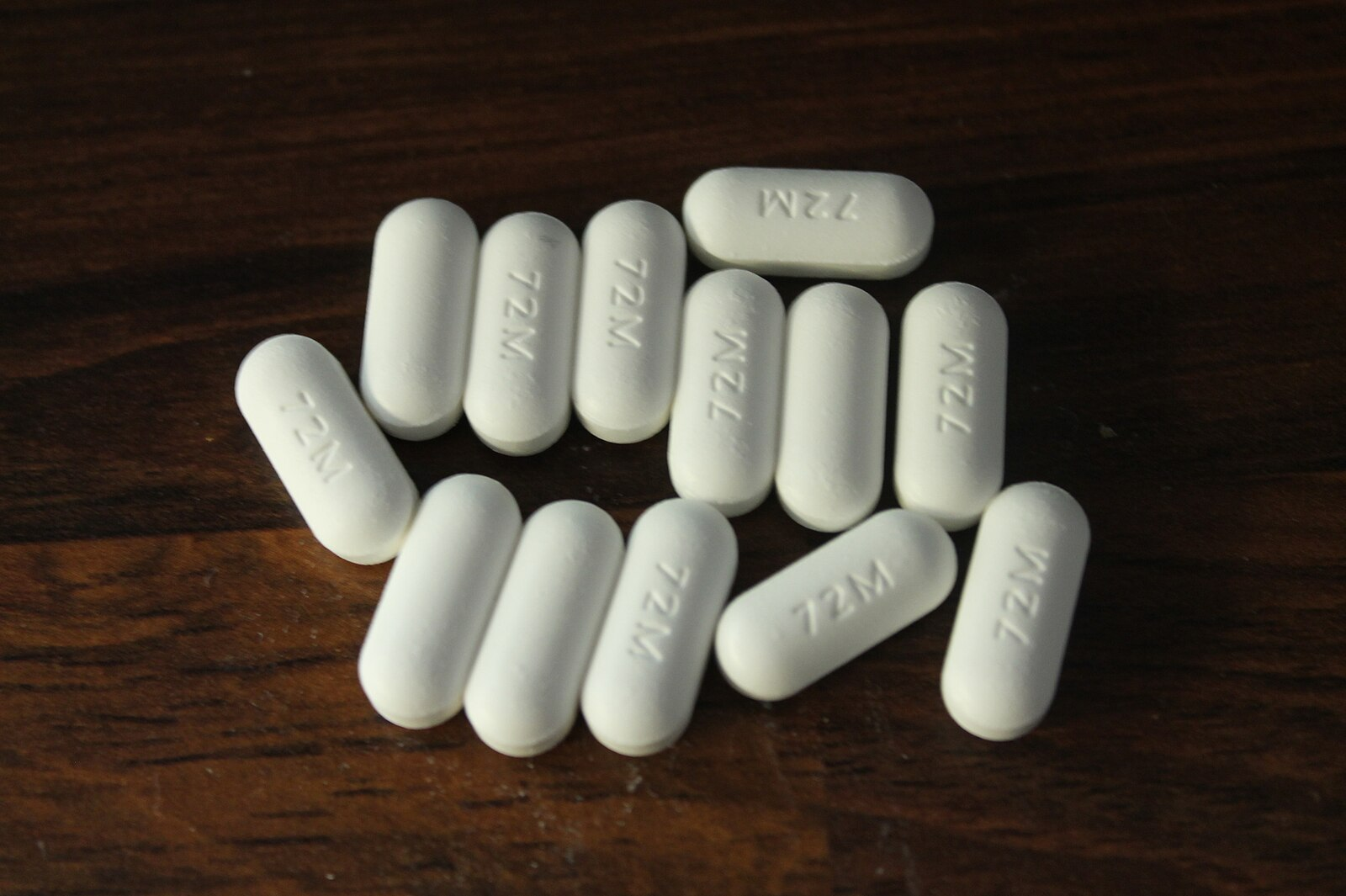
In the United States, medications containing codeine — like Tylenol with codeine, cough syrup with codeine, or certain pain relievers — are common. They might require a prescription, but they’re seen as mild and often given post-surgery or for serious colds.
In France, codeine is a narcotic, strictly controlled. Since 2017, all codeine-based medications require a prescription — and even then, only for specific medical needs. The shift came after rising concerns about misuse, particularly among young people.
If you bring codeine-based products into France without a prescription, they may be confiscated at customs, especially if you’re carrying more than a small personal-use supply.
To Americans, this is bewildering — but it reflects a deeper skepticism in France toward opioid-based pain management, even in low doses.
2. Diphenhydramine (Benadryl): Sleep Aid in the U.S., Closely Watched in Europe
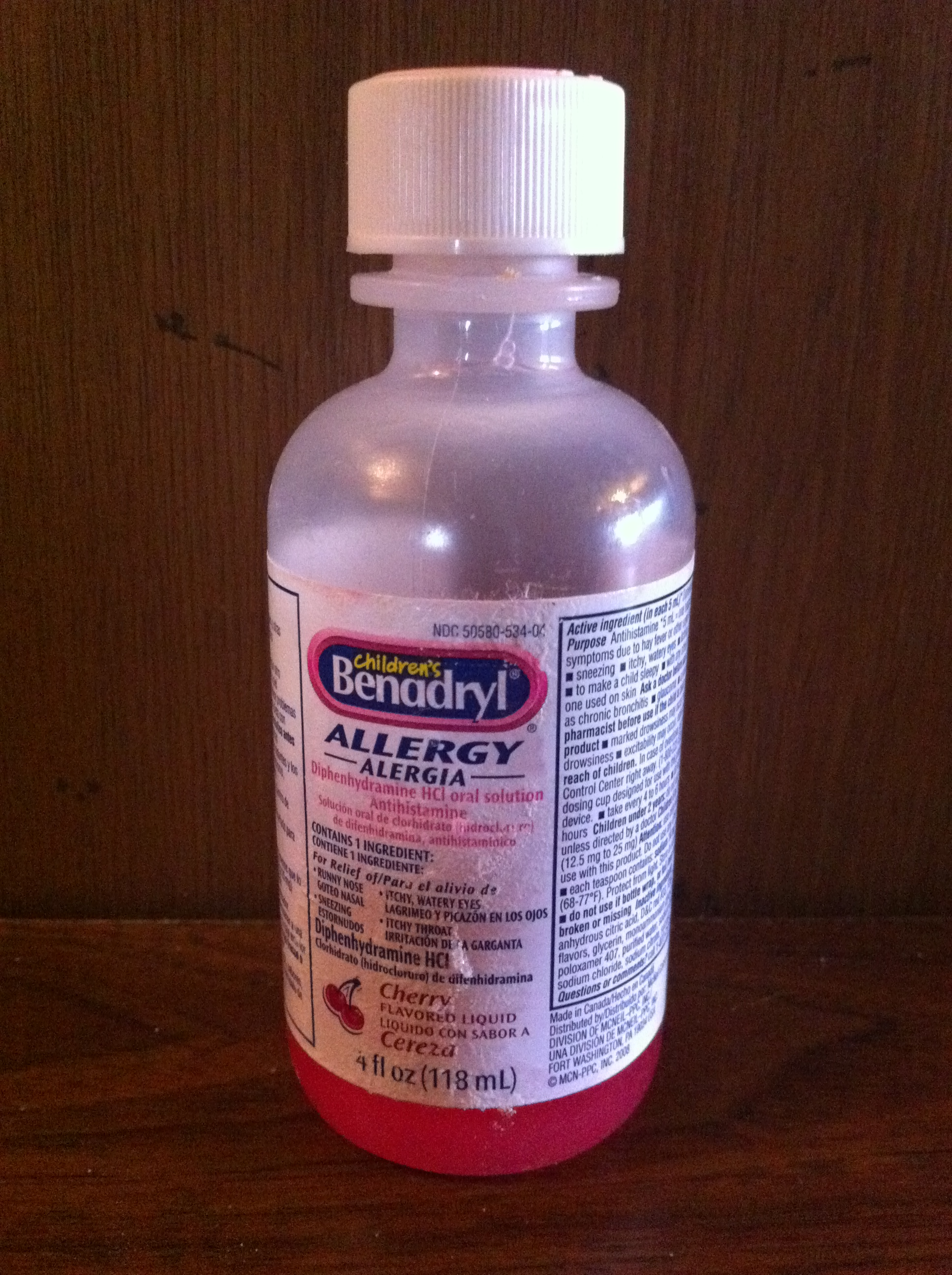
In the U.S., Benadryl is a household name. It’s used for allergies, sleep, anxiety, and even motion sickness. It’s found in night-time cold medicines and sold over-the-counter in large quantities.
In France, diphenhydramine is not commonly used, and in some forms, it’s considered a psychotropic substance. Importing large quantities, or using it without medical guidance, may raise red flags.
French doctors tend to discourage sedating antihistamines, especially when used for sleep. Alternatives are prescribed, but usually with stricter controls and under more cautious guidance.
Bringing multiple bottles of Benadryl — especially if you’re not visibly ill — might make French officials suspicious. Not necessarily criminal, but enough to prompt questions.
3. Melatonin: Natural in America, Regulated in France
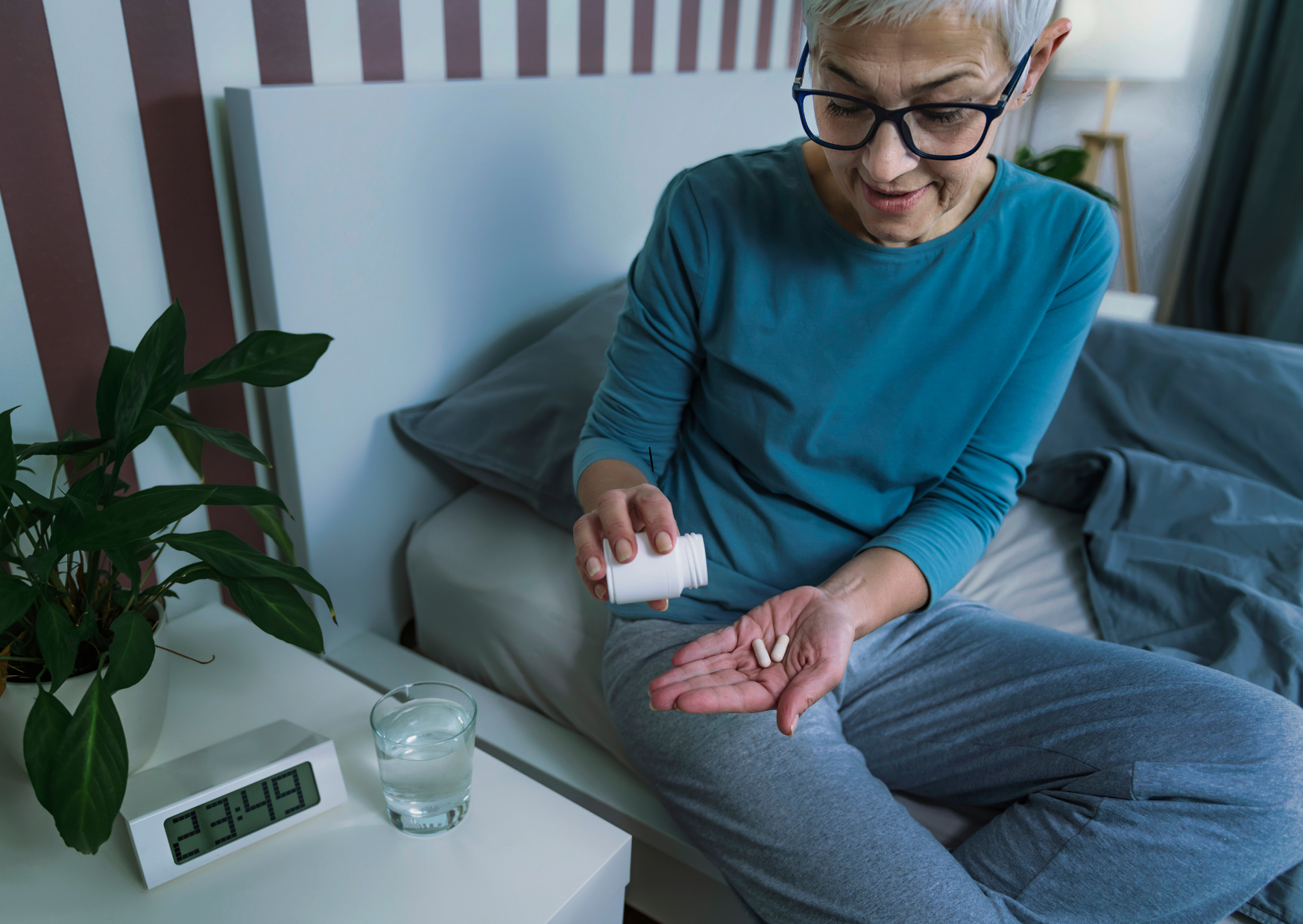
In the U.S., melatonin is sold everywhere — drugstores, gas stations, wellness shops — often in high doses and labeled as a natural supplement.
In France, melatonin is available, but doses above 1 mg are classified as medication, not supplements. Products with 2 mg or more require a prescription. Bringing high-dose melatonin (5 mg, 10 mg, etc.) into France without paperwork can result in confiscation.
The French approach views sleep as something to retrain, not sedate. Sleep aids are prescribed, yes, but melatonin isn’t casually handed out as a solution for jet lag or insomnia.
4. Adderall and Ritalin: Legal in the U.S., Illegal Without Documentation in France
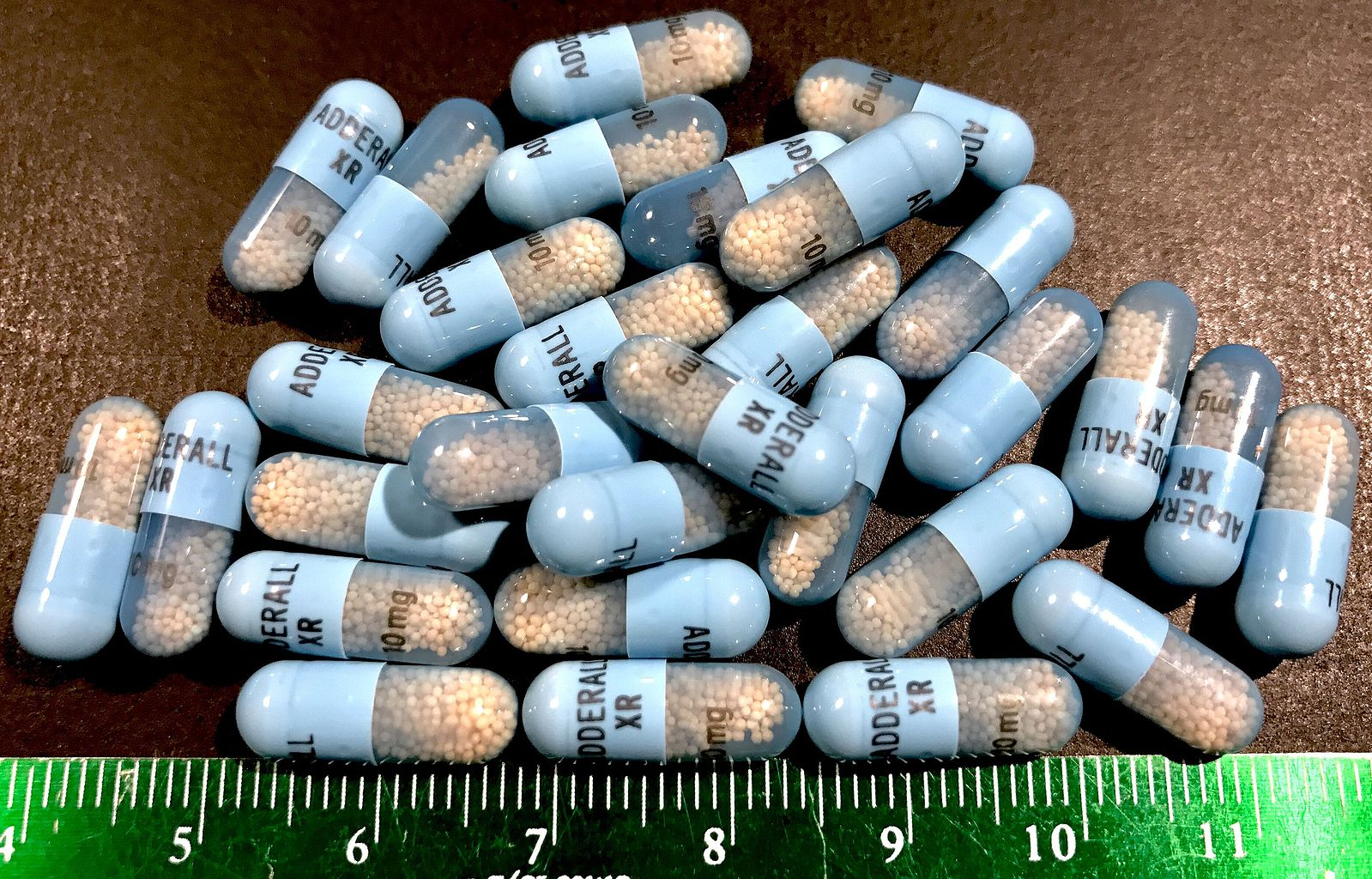
American travelers with ADHD often pack Adderall (amphetamine) or Ritalin (methylphenidate) as part of their daily treatment plan. In the U.S., these medications are common, regulated but widely prescribed.
In France, these substances are narcotics, tightly controlled, and rarely prescribed except under close psychiatric supervision. Bringing them into France requires:
- A translated prescription
- A medical certificate
- In some cases, advance authorization from French customs
Without proper documentation, even a small amount of Adderall is technically illegal to possess in France.
This discrepancy isn’t just legal — it reflects France’s more hesitant stance toward stimulant medications, especially in children.
5. Hydrocodone and Oxycodone: Common Post-Op in the U.S., Considered Dangerous in France
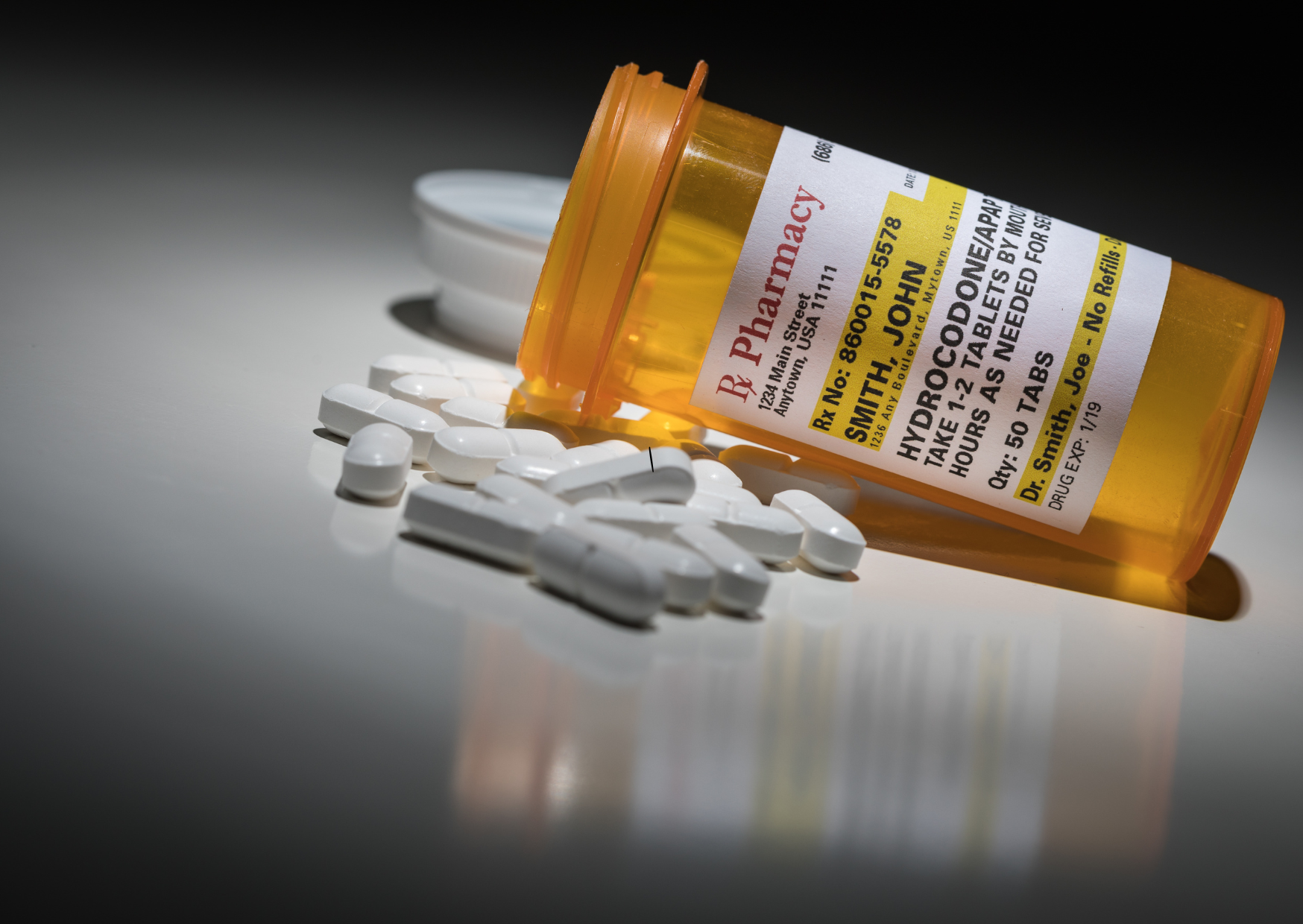
Hydrocodone and oxycodone, both opioid painkillers, are routinely prescribed in the U.S. for everything from dental surgery to chronic pain. Many Americans pack leftovers for “just in case” situations.
In France, these are heavily restricted narcotics, usually prescribed in hospital settings and under strict surveillance. Their use is rare, even after major procedures.
Possessing them without medical documentation — or carrying more than a small quantity — can result in serious legal trouble.
France’s low rate of opioid use isn’t accidental. It’s cultural. Pain is managed differently, often through physiotherapy, lower-dose meds, or simply letting discomfort run its course.
6. Pseudoephedrine: Cold Relief or Suspicion?
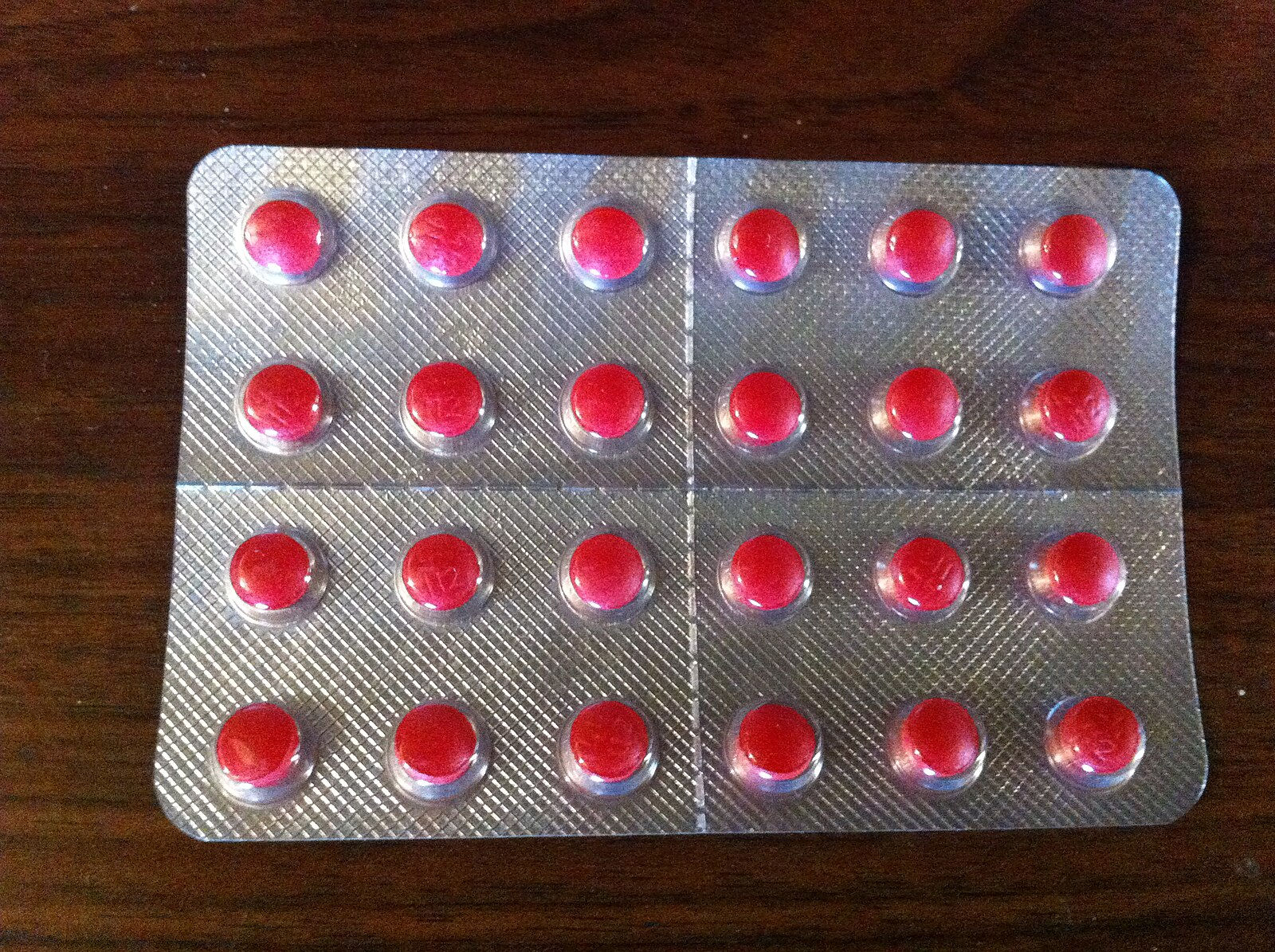
In the U.S., pseudoephedrine (found in Sudafed and many decongestants) is sold behind the pharmacy counter, with ID required but still easily accessible.
In France, pseudoephedrine is available — but more restricted, and larger quantities may be flagged at customs due to its use in the production of methamphetamine.
Travelers carrying multiple boxes may be questioned. It’s legal, but monitored. The French approach is cautious, emphasizing minimal chemical intervention for common colds.
7. Gabapentin: Non-Narcotic in the U.S., Controlled in Parts of Europe
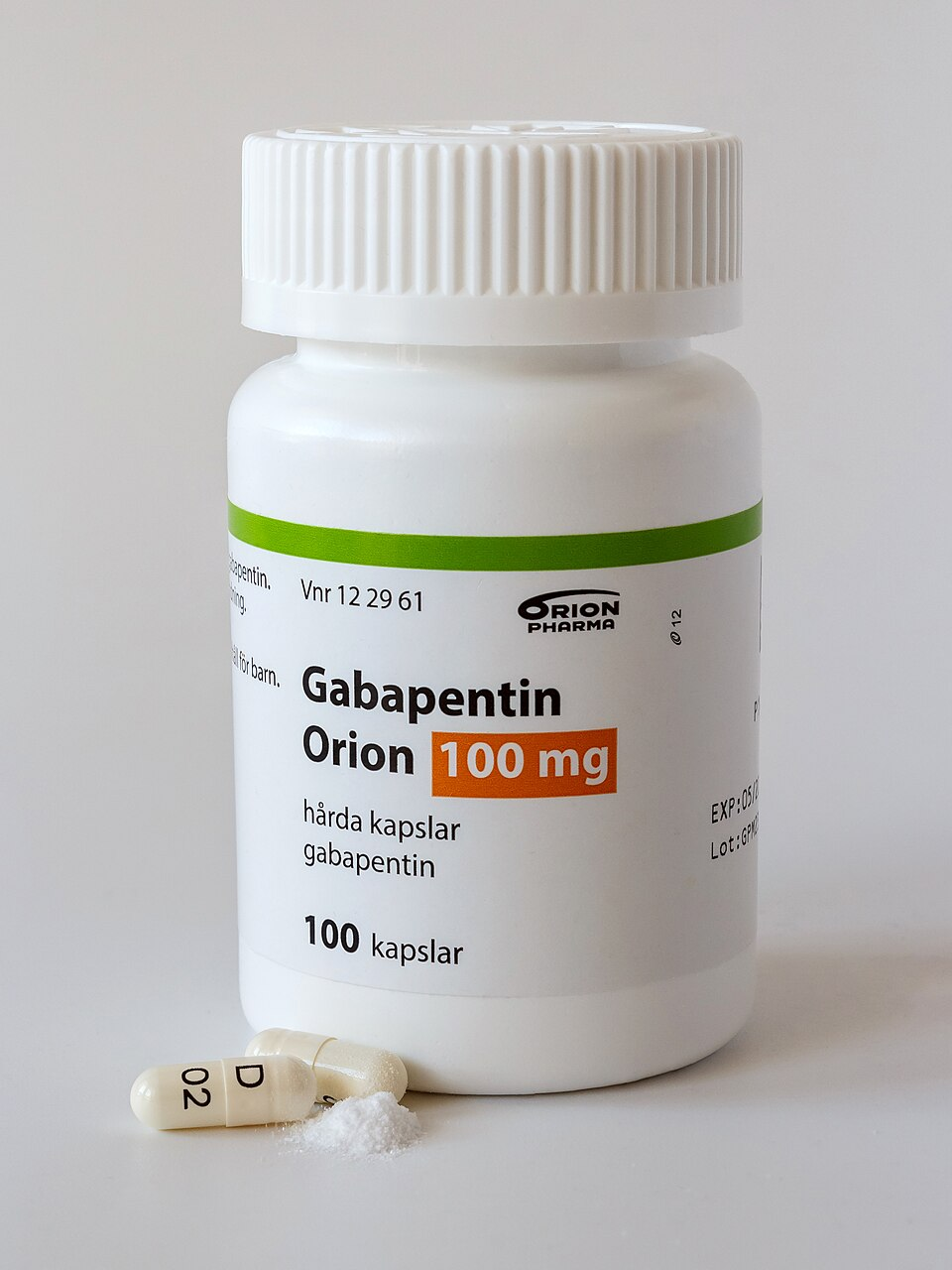
While not yet fully restricted in France, gabapentin — often used for nerve pain, anxiety, and seizures — is increasingly viewed with concern across Europe. In the U.K. and other EU countries, it’s already classified as a controlled substance due to rising misuse.
France may follow suit. Traveling with large amounts without a clear prescription could draw attention.
This reflects a broader trend: France sees chronic medication dependence as something to avoid, not normalize.
8. Overpacking “Just in Case” Is Itself Suspicious
Many American travelers carry entire pharmacy kits — painkillers, sleep aids, cold meds, allergy pills, digestive aids, and backups.
In France, where people typically visit the pharmacy when something goes wrong, this level of pharmaceutical preparedness seems excessive.
It can even raise suspicion at customs — especially if quantities are large or medications are unlabeled.
French people trust their local pharmacists, who act as medical gatekeepers. Walking in with symptoms is normal. Walking around with a full suitcase of medications? Not so much.
9. French Culture Treats Medication as Serious Not Routine
In the U.S., medication is often seen as maintenance — something to integrate into daily life, manage stress, improve sleep, or “optimize” energy.
In France, medication is intervention. Something you take when something is wrong. And even then, with caution.
Doctors prescribe less. Patients ask fewer questions. There’s less DIY pharmacology and more deference to the pharmacist.
So while Americans often treat meds like personal safety nets, French culture treats them as controlled exceptions.
One Pill Bottle, Two Perspectives
To an American, a pill bottle in a suitcase is protection — from anxiety, jet lag, toothaches, or seasonal allergies.
To a French customs officer, that same bottle might signal misuse, overmedication, or regulatory violation.
In the U.S., medications are part of your identity.
In France, they are part of a system — one that you don’t bypass without permission.
Neither approach is perfect. But the contrast is real — and for travelers, consequential.
So if you’re heading to France, don’t just pack your passport.
Check your medications. Translate your prescriptions. And leave the “just in case” mentality at home — because in France, medication isn’t casual.
It’s controlled, observed, and culturally coded — one pill at a time.

About the Author: Ruben, co-founder of Gamintraveler.com since 2014, is a seasoned traveler from Spain who has explored over 100 countries since 2009. Known for his extensive travel adventures across South America, Europe, the US, Australia, New Zealand, Asia, and Africa, Ruben combines his passion for adventurous yet sustainable living with his love for cycling, highlighted by his remarkable 5-month bicycle journey from Spain to Norway. He currently resides in Spain, where he continues sharing his travel experiences with his partner, Rachel, and their son, Han.