
Asian cuisine is one of the most diverse, nuanced, and ancient culinary traditions in the world. From delicate Japanese sushi to fiery Thai curries and the complex spice blends of Indian dishes, Asian food encompasses countless regional identities, techniques, and philosophies about nourishment and life itself. However, for many foreigners, certain details about Asian food culture remain confusing, surprising, or even misunderstood.
Often, travellers approach Asian meals with their own cultural assumptions about ingredients, table manners, and presentation. Some find street food stalls daunting, while others struggle to understand the strong flavours or unfamiliar textures that are deeply loved by locals. This cultural gap can lead to misconceptions, awkward dining experiences, or missing out on authentic dishes that reveal the soul of each destination.
In this post, you’ll learn about 11 details about Asian food that foreigners can’t understand, with quick easy tips to navigate Asian dining confidently, a controversial understanding of how these perceptions affect cultural appreciation, and final thoughts on embracing Asian food with humility and openness.
Read here Best eSim for International Travel and Best Travel Insurance Comparison
Read here where to go in Asia and where not to visit in Asia and the most delicious food to try in Asia
BOOK YOUR TRAVEL INSURANCE
You can read Heymondo Vs Safetwing cheapest travel Insurance. You can get for $135 USD your Heymondo Travel Insurance with Heymondo discount code valid for 90 days. Read our full Heymondo Travel Insurance Review
Quick Easy Tips
Research local table etiquette, such as chopstick placement, to avoid unintentional disrespect.
Try unfamiliar textures, like jellyfish, tendon, or natto, to expand your palate with an open mind.
Taste before adding condiments, as many Asian dishes are balanced precisely by the chef.
Observe locals when eating street food to learn the correct way to hold or dip items.
Ask about spice levels honestly, as “mild” can still be hot by Western standards.
Embrace communal dining, where dishes are shared rather than individually ordered.
Learn local food vocabulary, even just names of dishes, to connect with vendors and chefs meaningfully.
One controversial aspect is that many foreigners approach Asian food with a mindset of novelty rather than respect, viewing dishes like balut, durian, or chicken feet as “weird” rather than understanding their cultural significance. This attitude can feel patronising to locals who grew up with these foods as everyday staples or delicacies tied to heritage and celebration.
Another debate lies in authenticity versus adaptation. While foreigners often prefer “cleaner,” milder versions of traditional dishes, many Asian chefs feel pressured to adjust recipes to suit foreign tastes. Critics argue that this dilutes culinary heritage and perpetuates stereotypes that authentic Asian food is too oily, spicy, or strong for global diners, when in reality, it is deeply refined and balanced.
Finally, some argue that Western fascination with Asian food focuses heavily on Japanese, Thai, and Chinese cuisines while overlooking countless regional dishes in countries like Laos, Myanmar, or rural Indonesia. This selective appreciation risks reinforcing narrow views of what “Asian food” truly is, neglecting its vast and diverse culinary landscape.
Details About Asian Food
1. Rice Isn’t Just a Side Dish
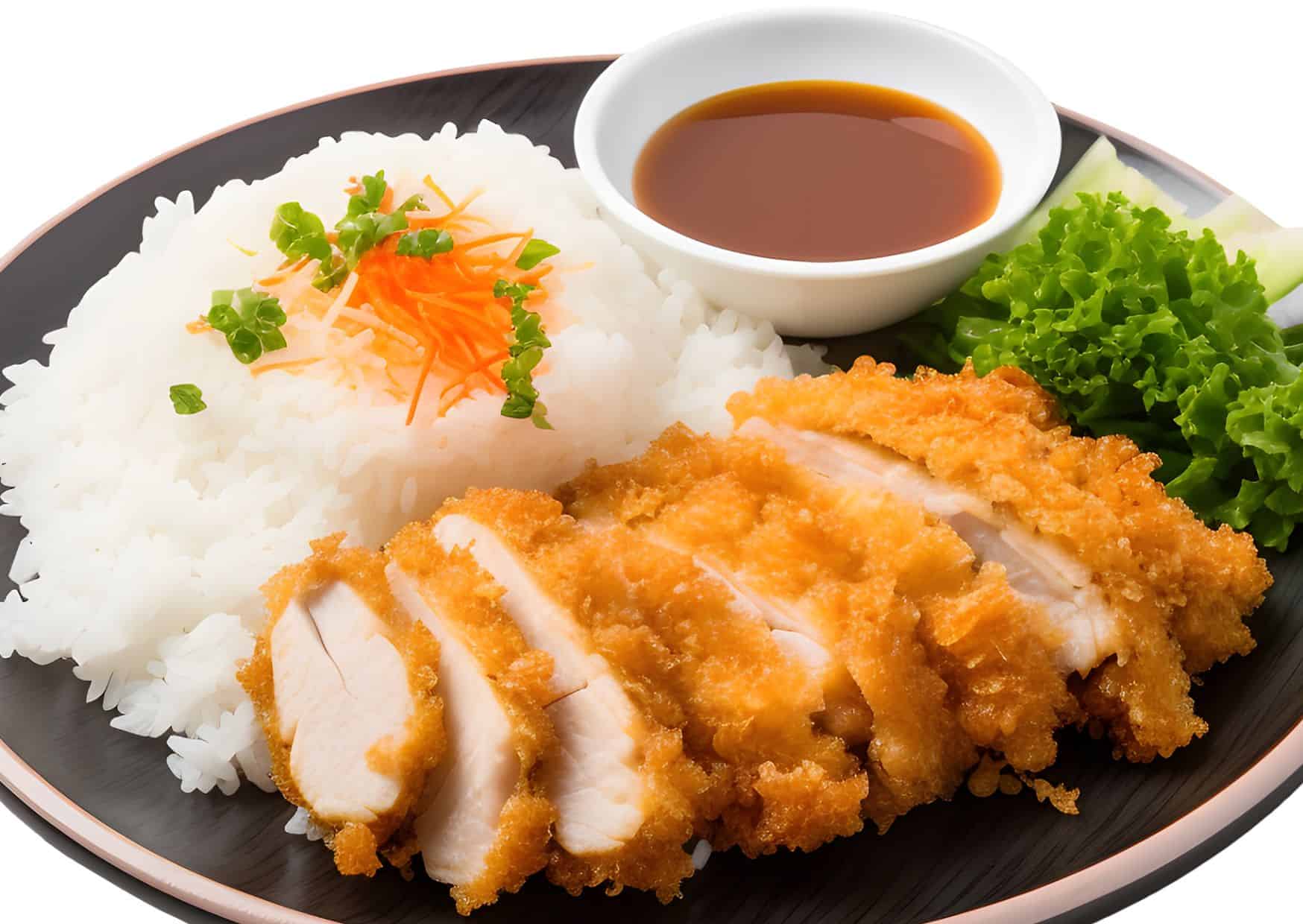
What’s Confusing: In many Western countries, rice is treated as a simple side dish or filler, but in many Asian countries, rice is the foundation of the meal.
Why It Matters: In countries like Japan, China, Korea, and Thailand, rice is central to the meal. It’s considered the main dish in many cases, with meats and vegetables acting as accompaniments. In cultures like Japanese and Korean, offering rice signifies hospitality and abundance.
What to Do: Treat rice with the respect it deserves. In places like Japan, don’t pour soy sauce or sauces over rice unless it’s explicitly part of the dish, as plain rice is often enjoyed for its natural flavor.
Read here the comparison between Asian Breakfast and European Breakfast
2. Sharing Food Is Essential
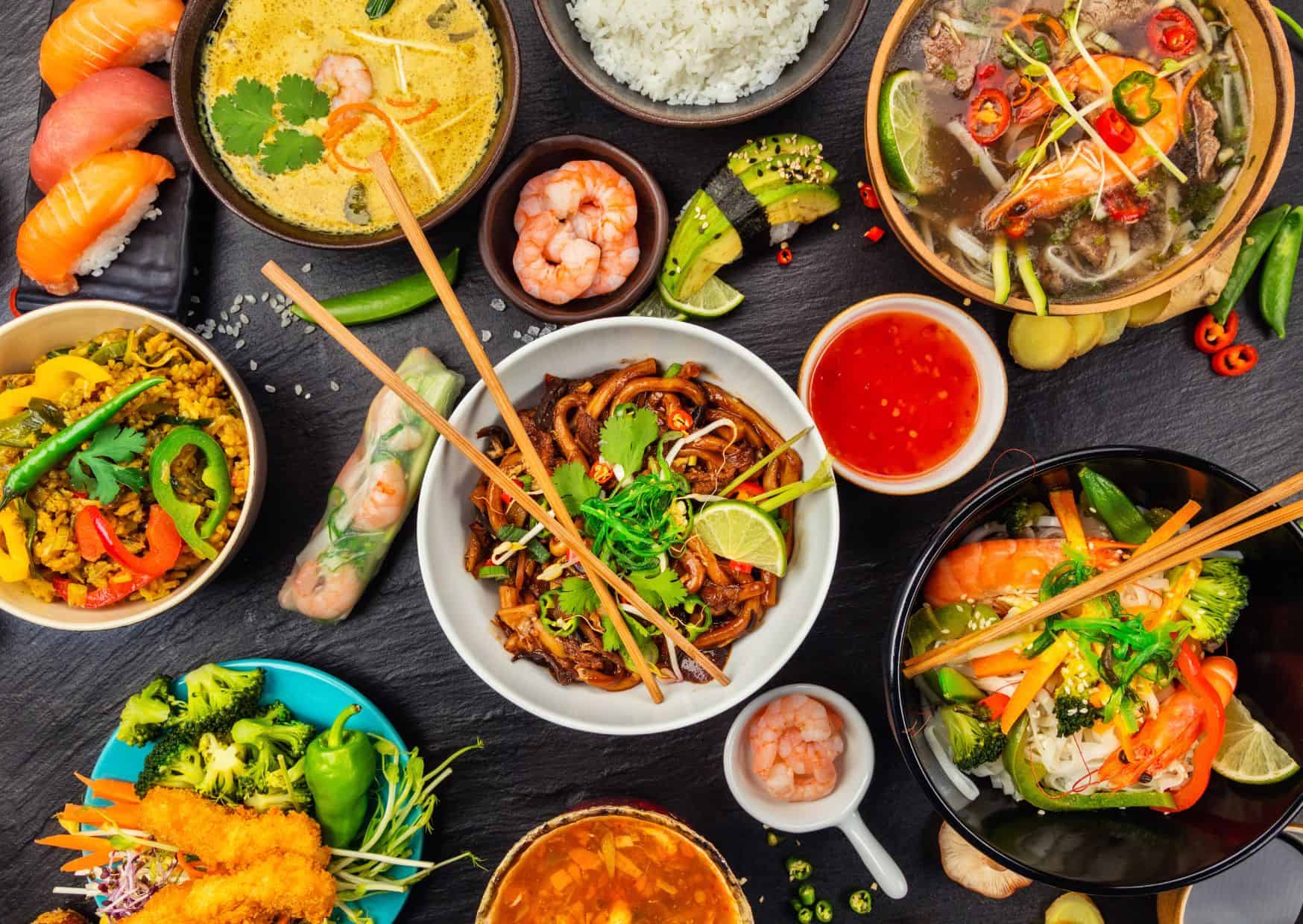
What’s Confusing: In many Asian cultures, meals are served family-style, with multiple dishes shared by everyone at the table. Unlike Western individual plates, meals are about sharing and communal dining.
Why It Matters: Eating together in this way represents unity, generosity, and respect. It’s common for friends and family to take food from shared dishes with communal chopsticks or from the center of the table, rather than having individual portions. It’s a gesture of inclusion and respect to ensure everyone tries a bit of each dish.
What to Do: Be open to sharing dishes with others when dining out or at someone’s home. Don’t take large portions from the communal plates; instead, take small amounts and allow everyone to enjoy the variety.
3. Soup Can Be a Main Dish or Accompaniment
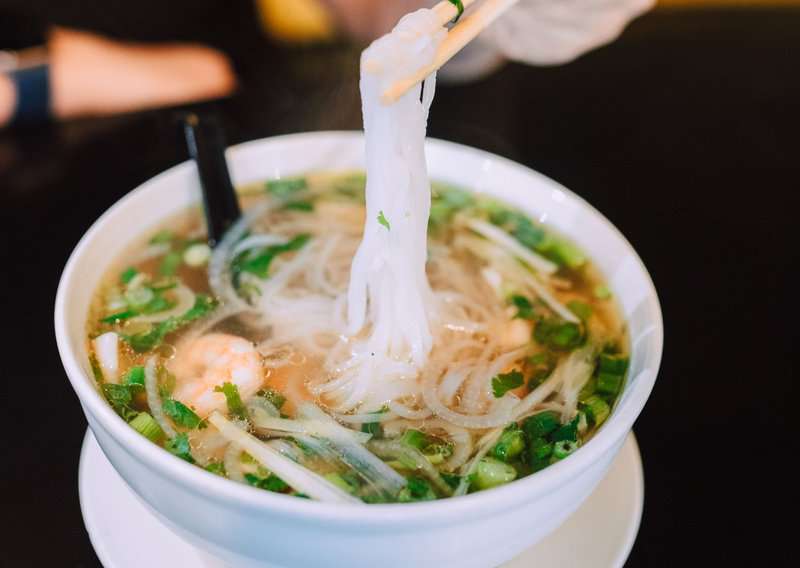
What’s Confusing: In Western countries, soup is often served as a starter, but in many Asian cultures, soup is either an integral part of the meal or the main dish itself.
Why It Matters: In places like Vietnam (with pho) or Thailand (with tom yum), soup is a hearty, filling main course, often served with rice or noodles. In Chinese or Japanese meals, lighter soups are served as an accompaniment and can be consumed alongside other dishes.
What to Do: Don’t treat soup as just an appetizer or side dish. In many Asian meals, it’s perfectly acceptable (and expected) to enjoy it throughout the meal. When it’s the main dish, savor it fully and understand that it plays a central role in the meal.
4. Noodles Are a Meal, Not a Side
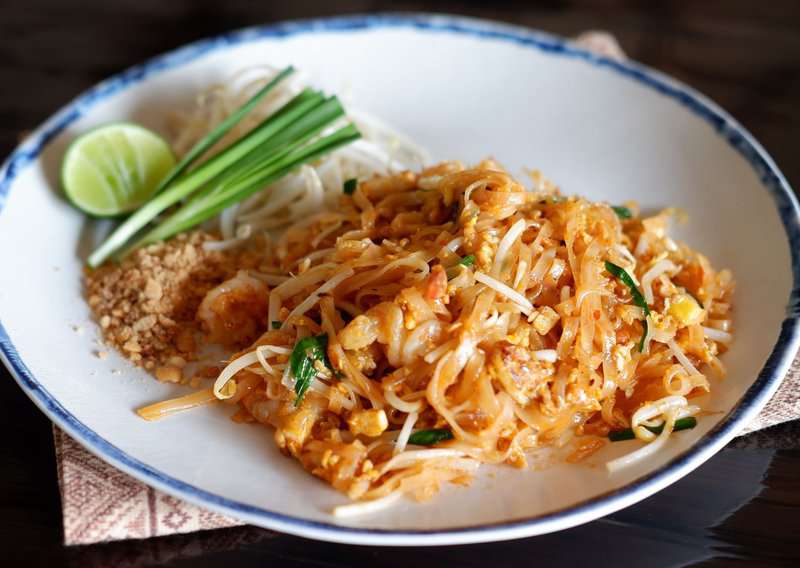
What’s Confusing: Foreigners might view noodles as a side dish, but in most Asian countries, noodles are a complete meal on their own, often filled with meats, vegetables, and broth.
Why It Matters: In countries like Japan (with ramen), Vietnam (with bun cha), and China (with chow mein), noodle dishes are full meals meant to be hearty and satisfying. Noodles can be eaten as a standalone dish or as part of a larger shared meal, but they’re never just a side.
What to Do: When ordering noodle dishes like pad Thai or laksa, understand that these are full meals designed to be enjoyed as such. Respect the complexity and balance of flavors in these dishes, and don’t assume they’re just filler.
5. Using Hands Is Normal
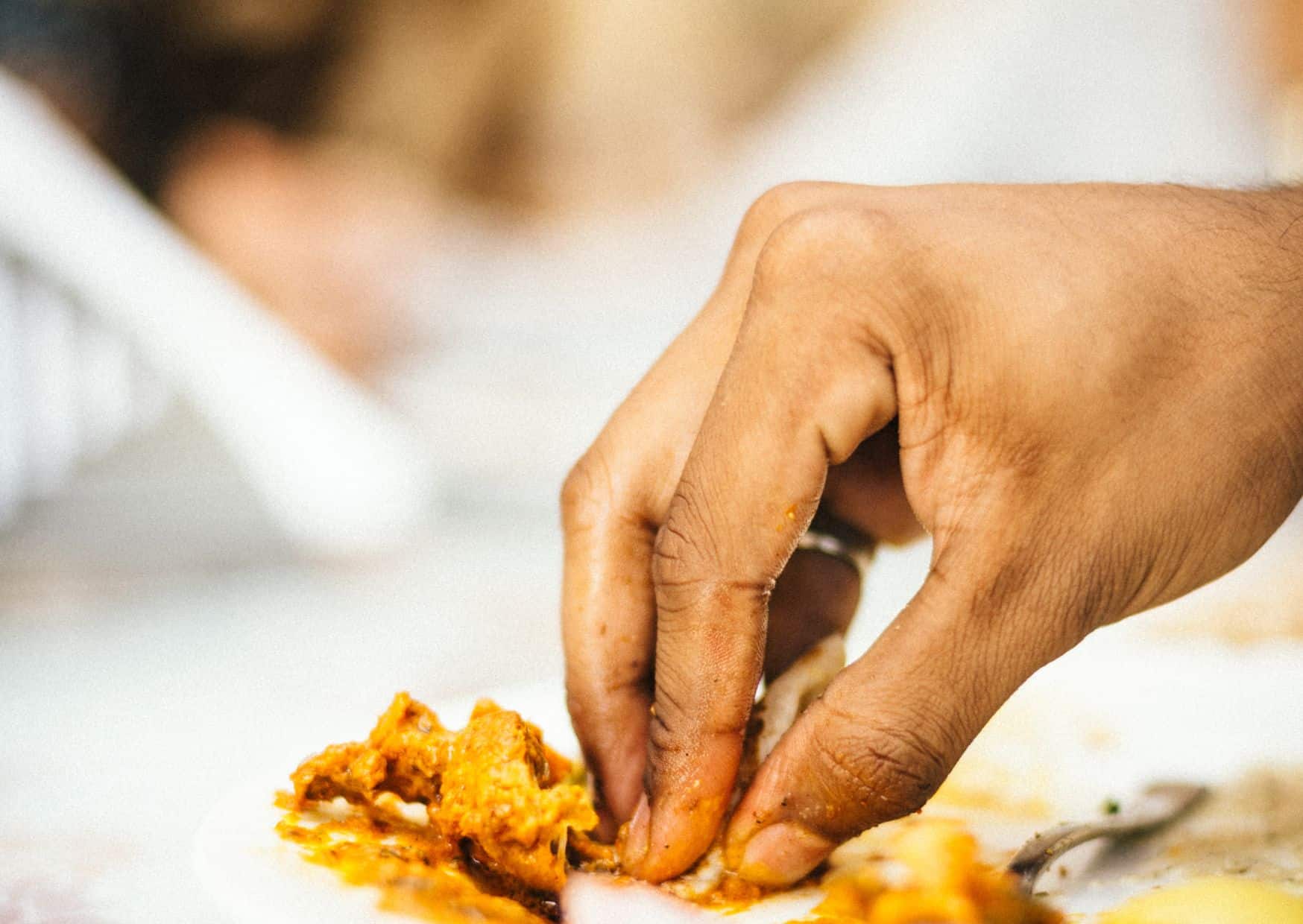
What’s Confusing: In many Western cultures, using cutlery is the standard way to eat. However, in parts of Asia, particularly in India, Nepal, and Malaysia, it’s common and culturally significant to eat with your hands, especially for traditional dishes like curry and rice.
Why It Matters: Eating with hands is often seen as a way to connect with food on a deeper level. In India, it’s believed that eating with your hands improves digestion and the sensory experience of the meal.
What to Do: If you find yourself in a place where eating with hands is the norm, embrace the experience and use your right hand (as it’s culturally preferred in many countries). Wash your hands before and after the meal, and observe how locals eat if you’re unsure of the proper technique.
6. Fermented Foods Are Common
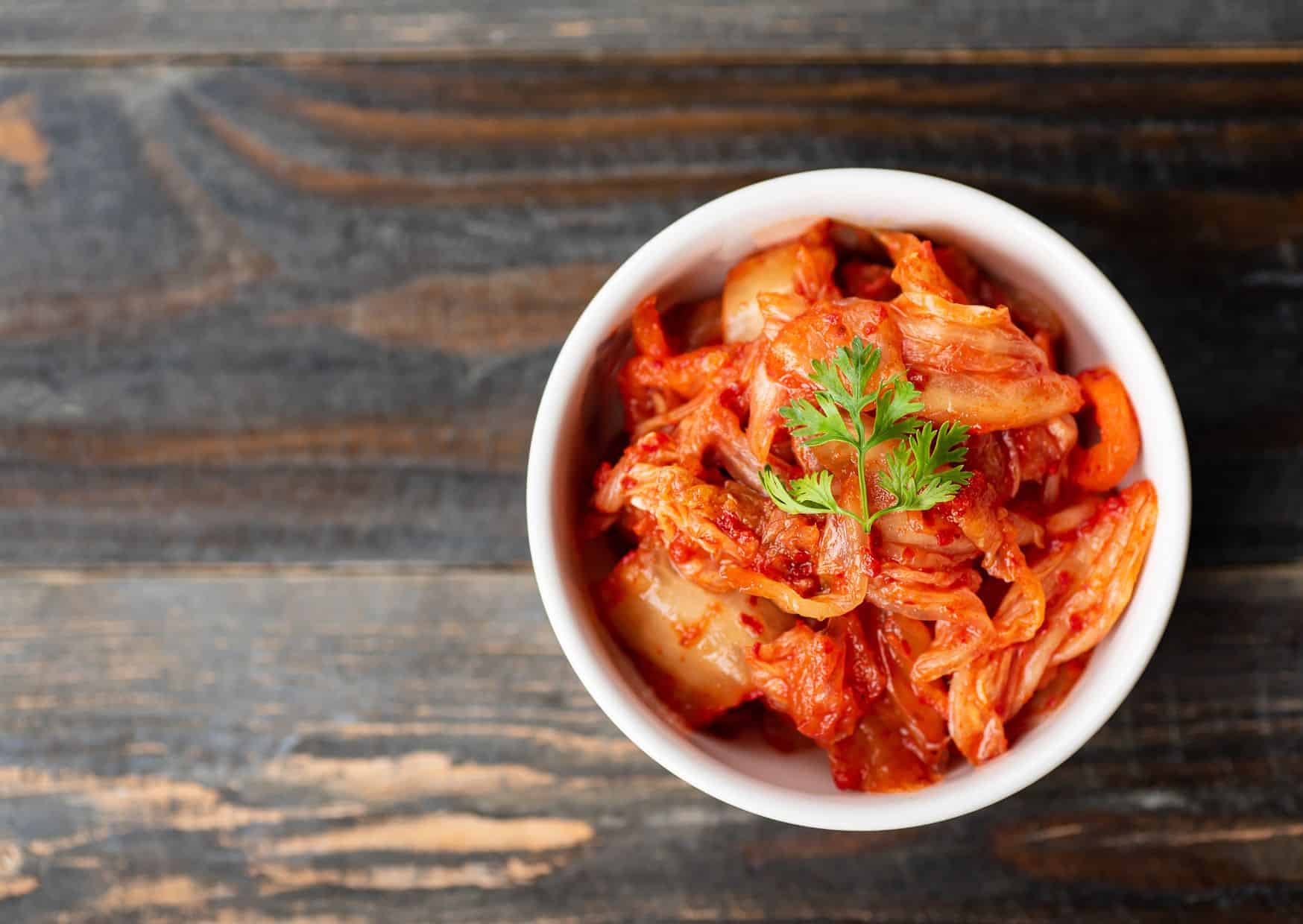
What’s Confusing: Many foreigners are unfamiliar with the wide use of fermented foods in Asian cuisine, which can result in intense, complex flavors that may be an acquired taste.
Why It Matters: Fermentation is a traditional method of preserving food in many Asian cultures. Popular fermented dishes include kimchi in Korea, natto in Japan, and fermented tofu in China. These foods are valued not only for their flavor but also for their health benefits, like probiotics and improved digestion.
What to Do: Keep an open mind when trying fermented foods. While the flavors may seem strong or unusual at first, they’re deeply integrated into the cuisine and offer a unique culinary experience. Try small portions if you’re unfamiliar and allow yourself time to adjust to the taste.
7. Tea Is an Essential Part of the Meal
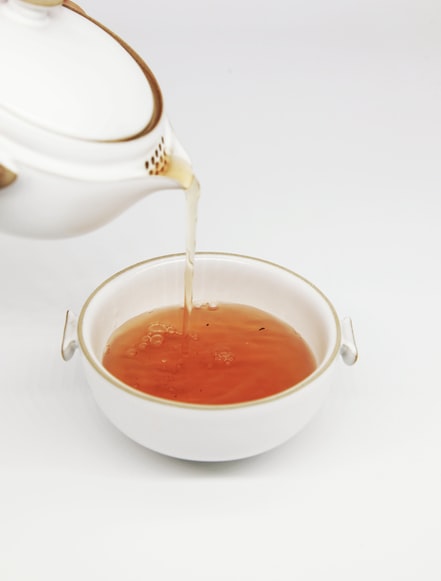
What’s Confusing: In many parts of the world, tea is considered a casual drink or something served at the end of a meal. However, in much of Asia, tea is a central part of the dining experience and is often served throughout the meal.
Why It Matters: In countries like China, Japan, and Thailand, tea is not just a beverage but a ritual that accompanies food. Whether it’s green tea in Japan or oolong tea in China, tea is meant to complement the flavors of the meal and is believed to aid digestion.
What to Do: Enjoy the tea served during your meal and avoid asking for other beverages like soda or alcohol unless offered. Be aware that sipping tea throughout the meal is part of the dining etiquette.
8. Chopstick Etiquette Is Crucial
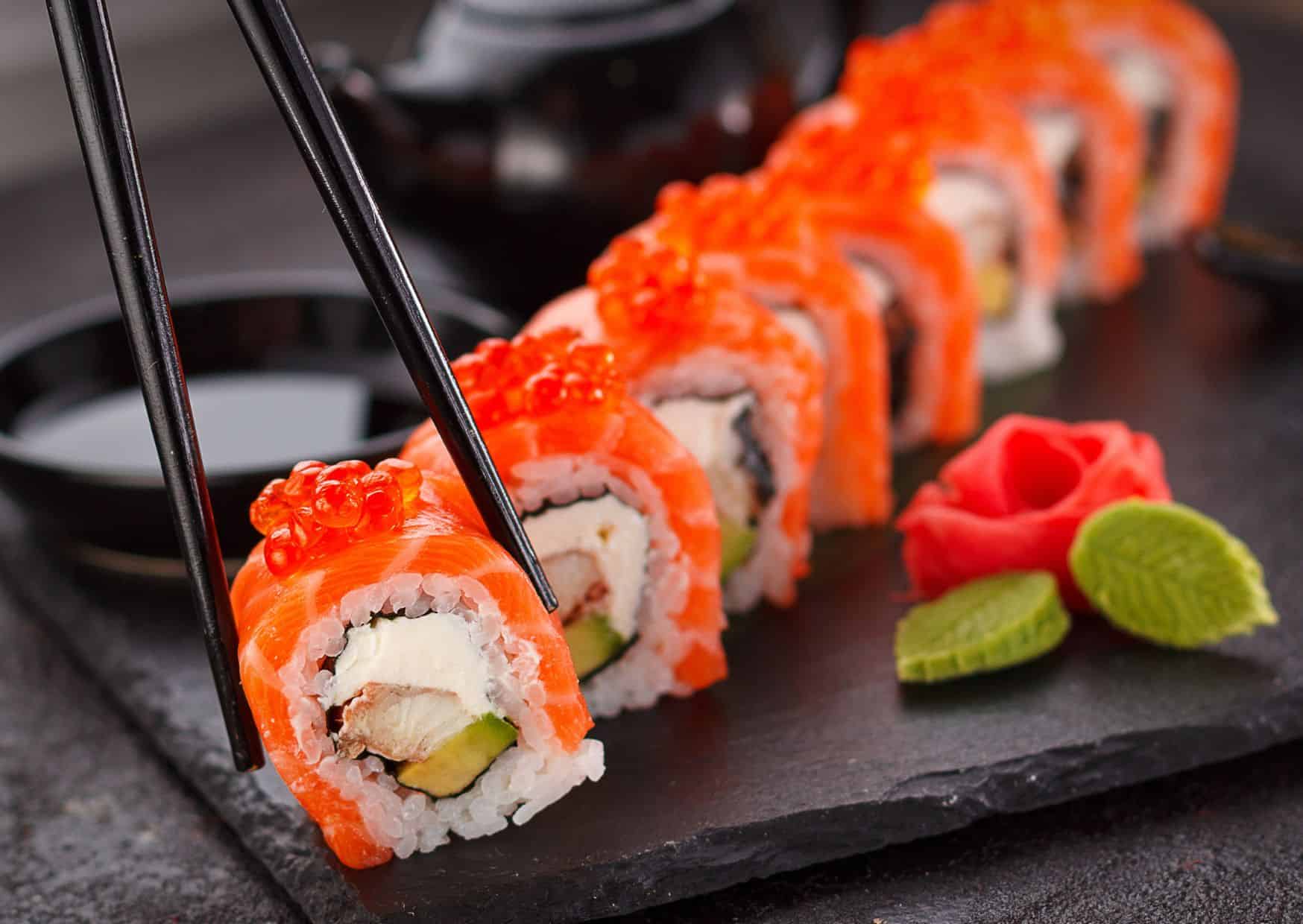
What’s Confusing: Foreigners often use chopsticks casually, but in many Asian cultures, there are specific rules and etiquette that must be followed when using them.
Why It Matters: Chopsticks are used widely across East Asia, and improper handling of them can be seen as disrespectful or bad luck. For example:
In Japan, it’s rude to stick chopsticks upright in a bowl of rice, as this resembles funeral rituals.
In China, pointing with chopsticks or playing with them is considered impolite.
What to Do: Learn the basic rules of chopstick etiquette:
Rest chopsticks on a chopstick holder when not in use.
Never pass food from chopstick to chopstick.
Avoid using chopsticks to spear food.
9. Eating “Everything” – Nose-to-Tail Cooking
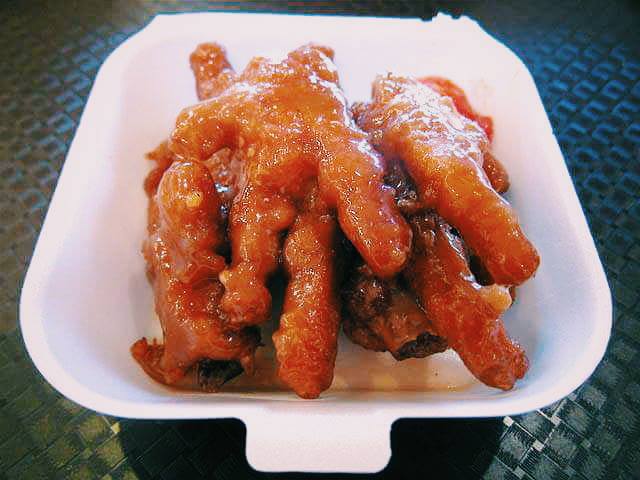
What’s Confusing: Many Asian cuisines emphasize nose-to-tail cooking, which means using all parts of an animal, including the organs, skin, and bones. This can be surprising to foreigners who aren’t used to seeing offal (organ meat) or less familiar parts of an animal in dishes.
Why It Matters: Using every part of the animal is considered a way to avoid waste and honor the food. In countries like China and Vietnam, dishes like chicken feet, pig’s intestines, and duck blood are delicacies, often celebrated for their unique textures and flavors.
What to Do: Approach unfamiliar ingredients with curiosity. While you may not be used to eating certain parts of the animal, they are often cooked with great care and are integral to the cuisine. Try a small bite and be open to new flavors and textures.
10. Spice Levels Can Be Intense
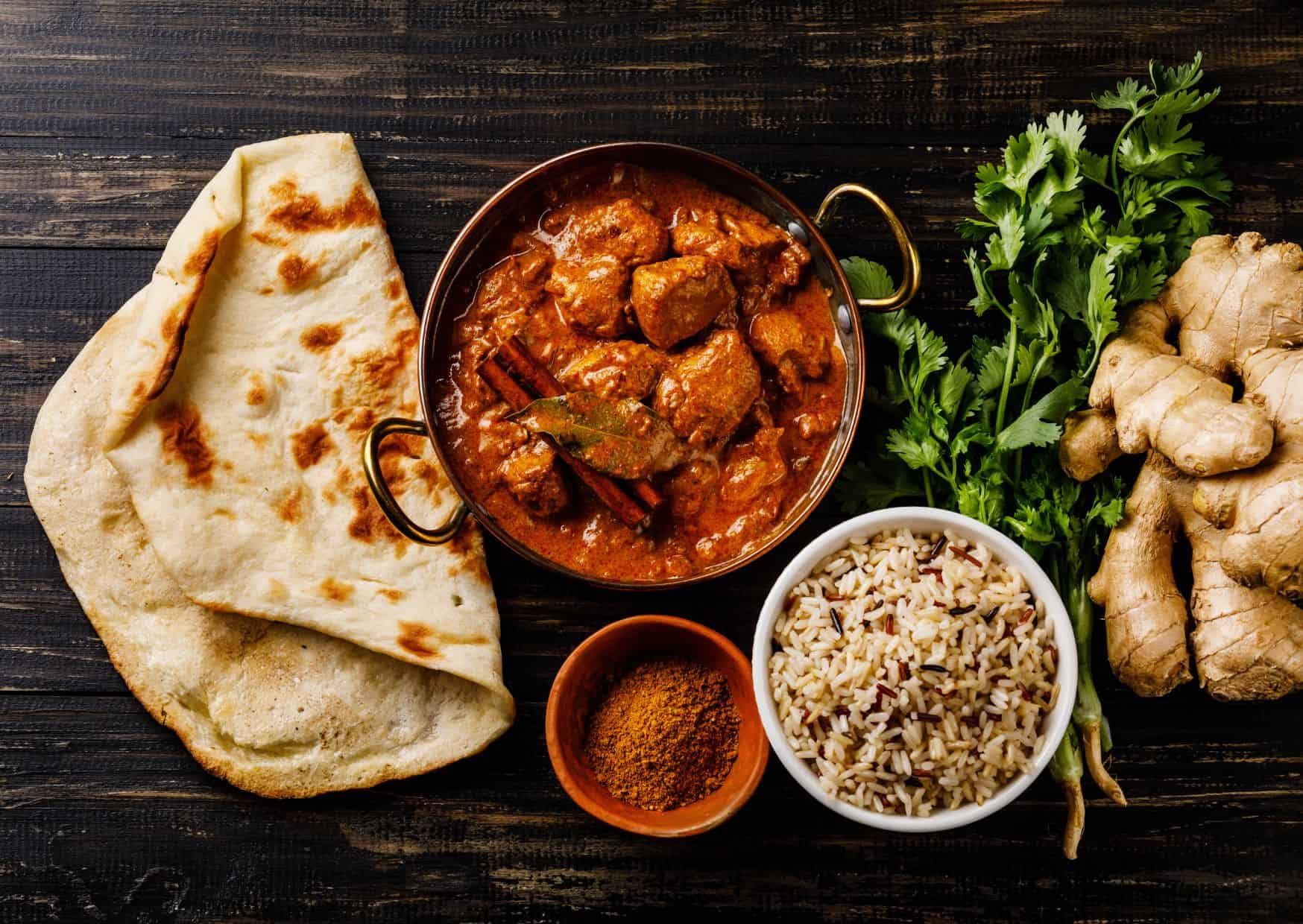
What’s Confusing: Foreigners are often unprepared for the intensity of spice in certain Asian cuisines, particularly in countries like Thailand, India, and Sichuan Province in China.
Why It Matters: Spices are central to many Asian dishes, not just for heat but for depth of flavor. In places like Thailand, the balance of spicy, sweet, sour, and salty flavors is key to the cuisine. In Sichuan cuisine, the use of Sichuan peppercorns creates a unique numbing and tingling sensation that foreigners may not expect.
What to Do: If you’re unfamiliar with spicy foods, ask for your meal to be made mild or order dishes that are less spicy. But don’t shy away completely from spice, as it’s a key part of the food experience in many regions. Gradually increase the spice level as your palate adjusts.
11. Desserts Are Less Sweet
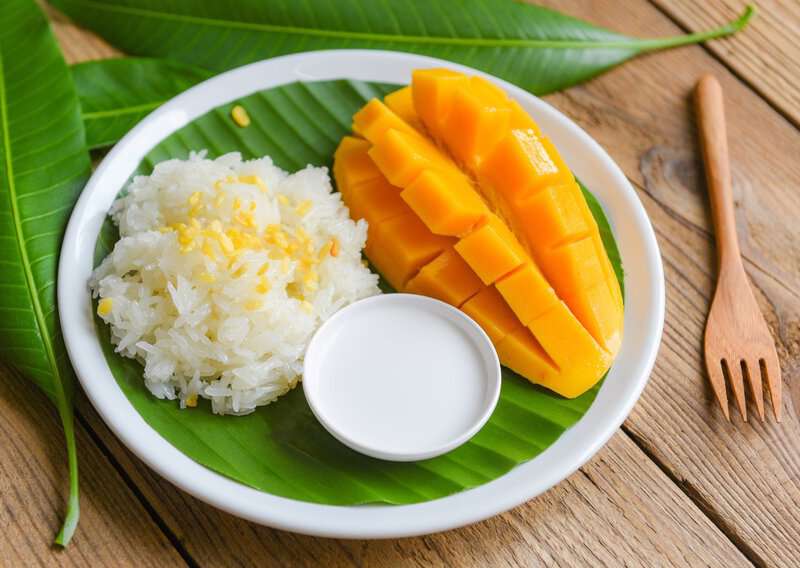
What’s Confusing: Many foreigners expect desserts to be sugary and rich, but in many Asian countries, desserts are much less sweet than their Western counterparts.
Why It Matters: In places like Japan and China, desserts often feature ingredients like red bean paste, taro, or matcha, which offer more subtle flavors. Rice-based desserts like mochi or sticky rice with mango are also common and less.
Final Thoughts
Understanding Asian food goes beyond learning about ingredients or recipes; it requires cultural curiosity, openness, and humility. Every dish carries stories of migration, resilience, climate, and tradition, shaped over centuries into the meals shared today in bustling markets or quiet family kitchens.
Travelling and dining respectfully means embracing differences in taste, texture, and dining etiquette as opportunities for growth. By stepping out of your comfort zone, you unlock experiences that deepen your understanding of people, their histories, and their values expressed through food.
Ultimately, the best way to appreciate Asian cuisine is to approach each meal not as a bucket-list item or challenge but as a chance to listen, learn, and celebrate cultures far beyond your own. In doing so, you’ll find that the dishes you once didn’t understand become some of the most meaningful meals of your life.

About the Author: Ruben, co-founder of Gamintraveler.com since 2014, is a seasoned traveler from Spain who has explored over 100 countries since 2009. Known for his extensive travel adventures across South America, Europe, the US, Australia, New Zealand, Asia, and Africa, Ruben combines his passion for adventurous yet sustainable living with his love for cycling, highlighted by his remarkable 5-month bicycle journey from Spain to Norway. He currently resides in Spain, where he continues sharing his travel experiences with his partner, Rachel, and their son, Han.