
And what it reveals about respect, heritage, and the quiet tension between tourists and history
Rome is not a city you just see — it’s a city you feel. The stones you walk on are older than your country. The fountains are older than your family tree. And the ruins, statues, steps, and columns scattered across the city aren’t tucked away in museums. They’re out in the open, part of daily life, scattered between pizza shops and Vespas.
But here’s the part many American tourists miss: just because it’s outdoors, doesn’t mean it’s a seat.
Every summer, Americans in Rome are shocked to learn that they can — and often do — get fined hundreds of euros for sitting where they shouldn’t. On the edge of a fountain. On the Spanish Steps. On the rim of an ancient marble pedestal. Sometimes just to rest. Sometimes to eat. Often just to take a selfie.
The instinct isn’t criminal. It’s understandable. You’re tired. The sun is intense. The steps look inviting.
But in Rome, certain places carry meanings Americans often don’t recognize — and acting like they’re benches can cost you more than just embarrassment.
Here’s why Americans keep getting fined for sitting in places that seem harmless — and what that reveals about very different cultural understandings of public space, heritage, and everyday respect.
Want More Deep Dives into Everyday European Culture?
– Why Europeans Walk Everywhere (And Americans Should Too)
– How Europeans Actually Afford Living in Cities Without Six-Figure Salaries
– 9 ‘Luxury’ Items in America That Europeans Consider Basic Necessities
1. The Spanish Steps Are Not a Seat — Even If They Look Like One
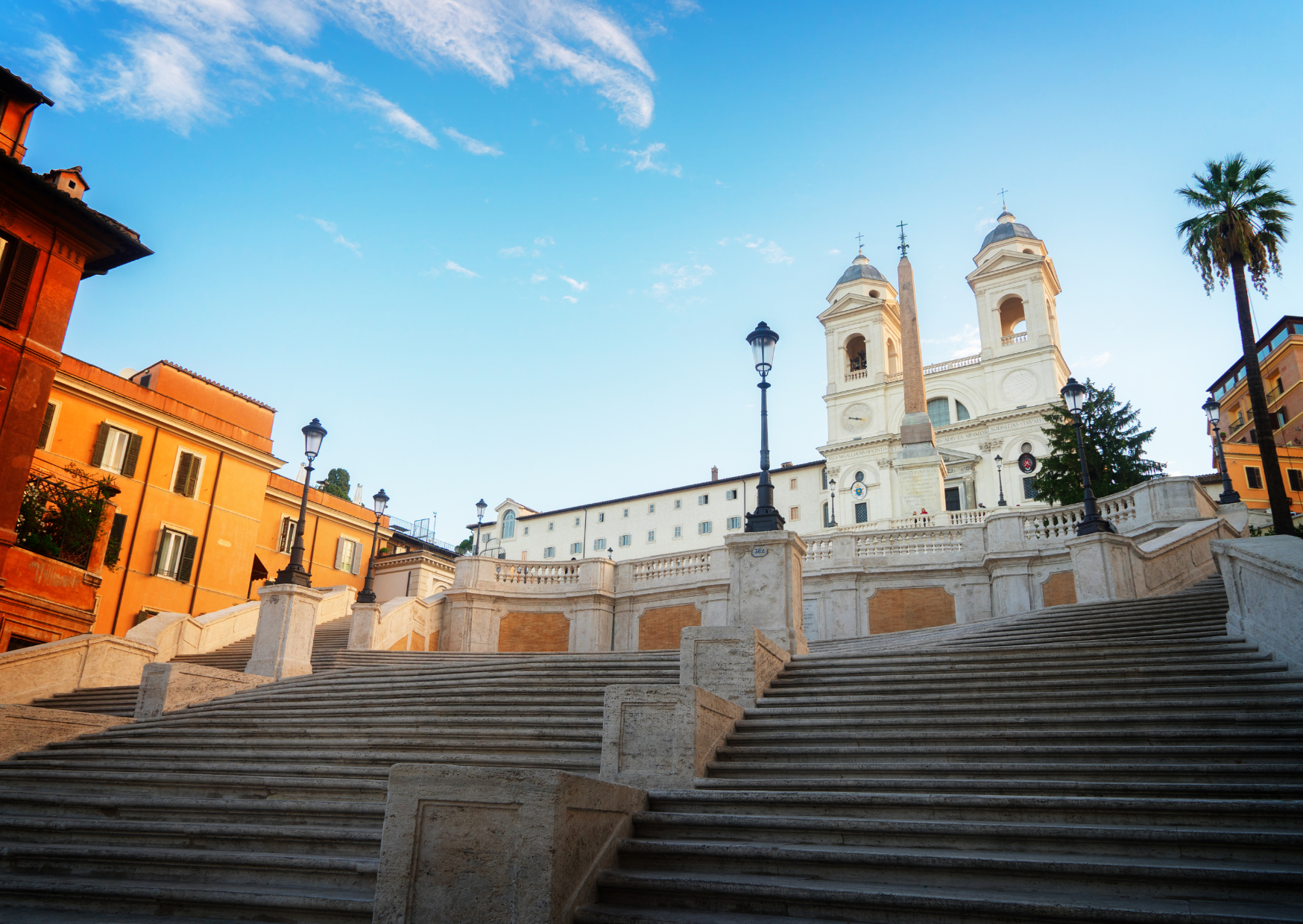
At first glance, the Spanish Steps (Scalinata di Trinità dei Monti) look like the world’s most photogenic resting spot.
Sweeping views. Historic beauty. Wide stone ledges that seem designed for perching with gelato.
But as of 2019, sitting on the Spanish Steps is officially prohibited — and yes, enforced.
Municipal police issue on-the-spot fines, often around €250–€500, depending on the situation. Tourists are told to stand up immediately. Repeat offenders are asked to leave. And yes, Americans are often the ones caught unaware.
Why? Because to Romans, the Steps aren’t a staircase. They’re a monument. A sculpted, preserved, and symbolic space that isn’t meant to become a food court or a tourist nap zone.
2. Fountains Are for Looking — Not Lounging
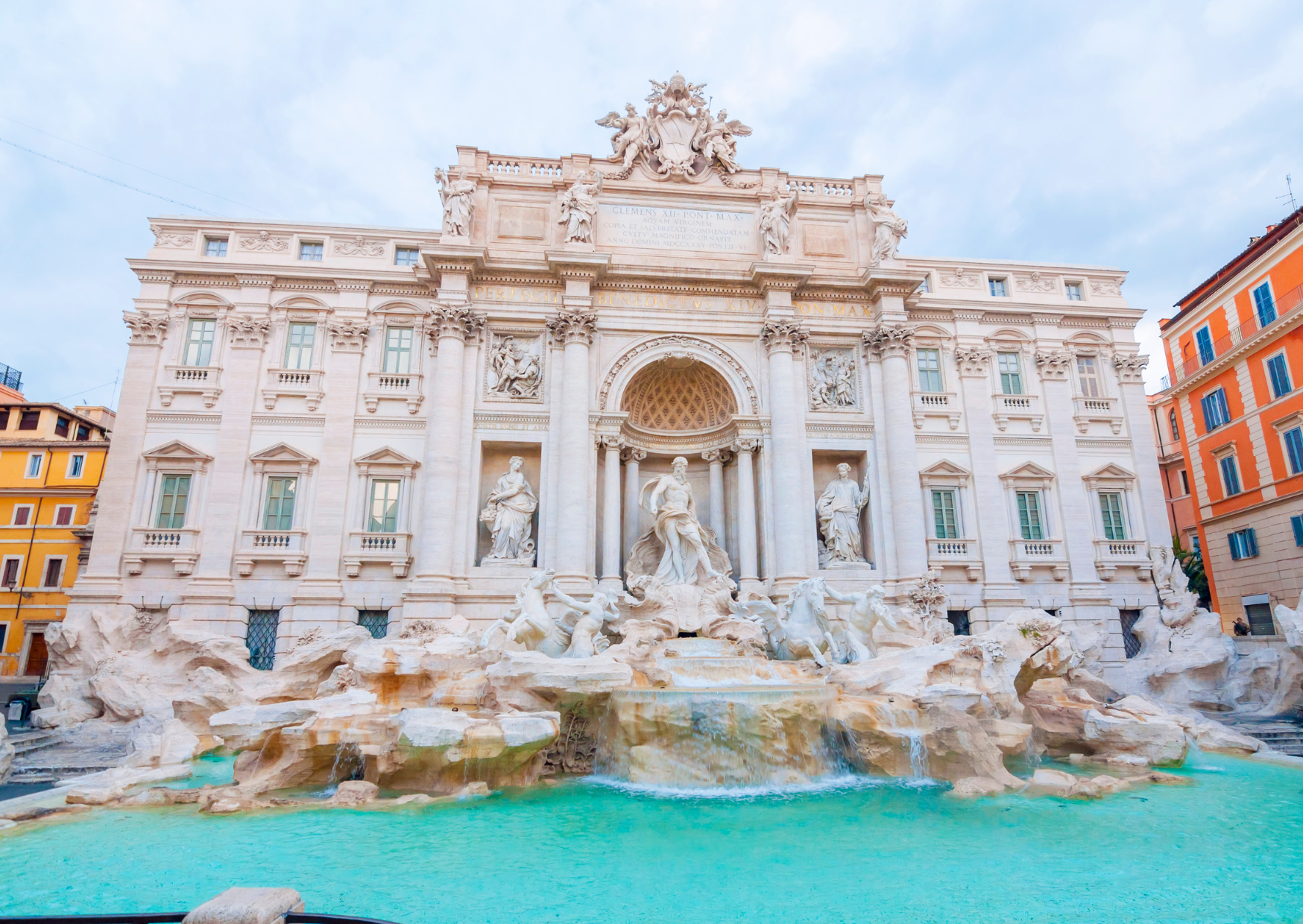
Rome is filled with glorious fountains — not just the famous Trevi Fountain, but hundreds of smaller ones: elaborate, carved, often tucked into corners of piazzas.
To an overheated tourist, the cool stone edge of a fountain looks like the perfect place to sit. Or lean. Or dangle a foot in the water.
But in Rome, this is considered wildly disrespectful.
Not only can you be fined for touching or sitting on a fountain, but there’s also an unspoken understanding: these fountains are functional artwork, not poolside décor.
If you wouldn’t sit on a statue inside a museum, why would you sit on one outside?
3. Eating in the Wrong Place Can Get You Fined
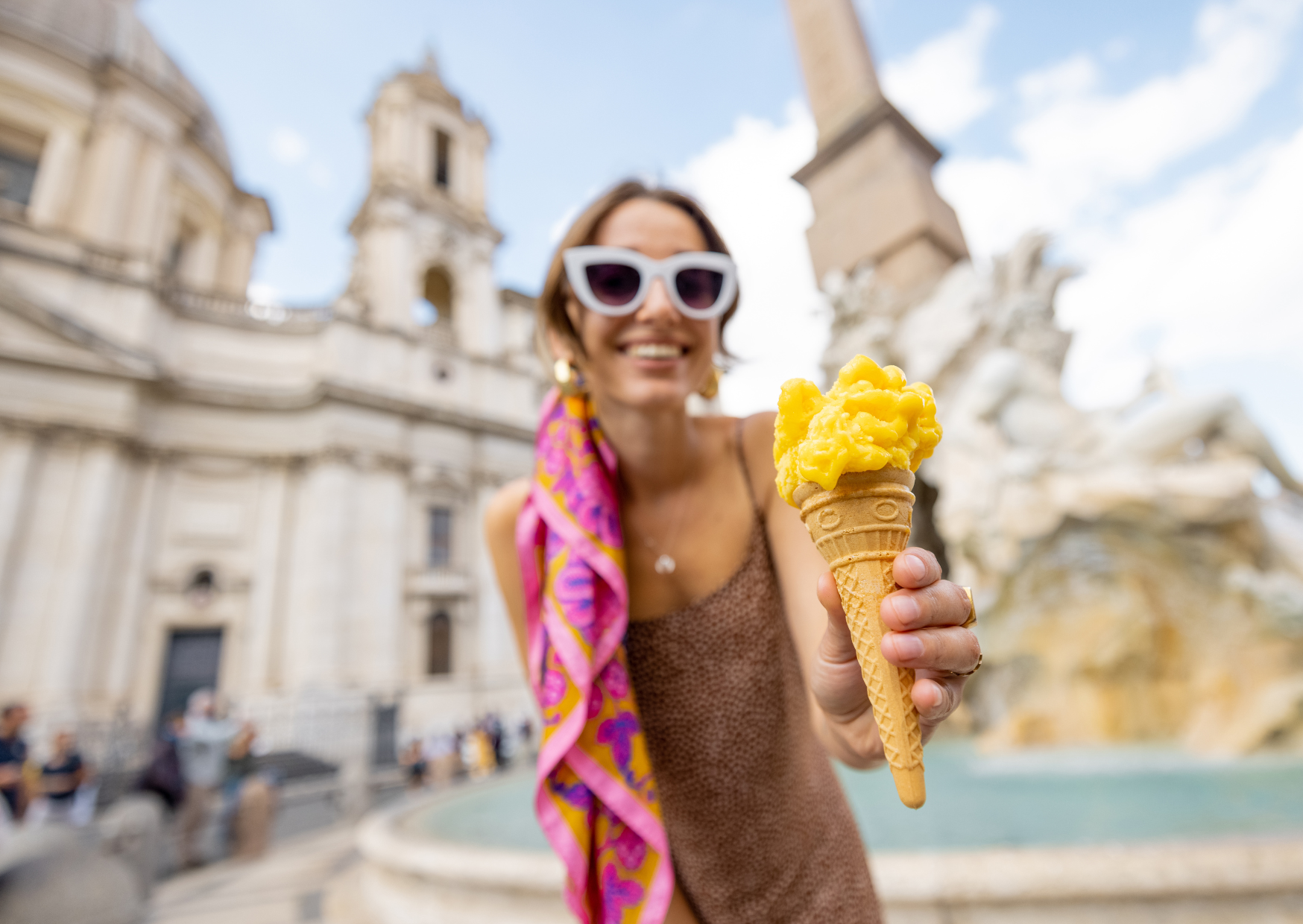
In many American cities, the rule is simple: public space is for the public. You can eat on benches, curbs, steps, or walls. Grab-and-go culture is normal.
In Rome, however, eating on or near historical landmarks is restricted. That includes:
- Church steps
- Ancient walls
- Public statues
- Historical bridges
If you’re caught eating a sandwich on a marble pedestal, you can be fined — not for littering, but for treating heritage like a picnic table.
It’s not about the food. It’s about the message: this place matters, and it deserves more than crumbs and crumbs of disrespect.
4. Americans Often Don’t Realize How Old — or Fragile — These “Surfaces” Are
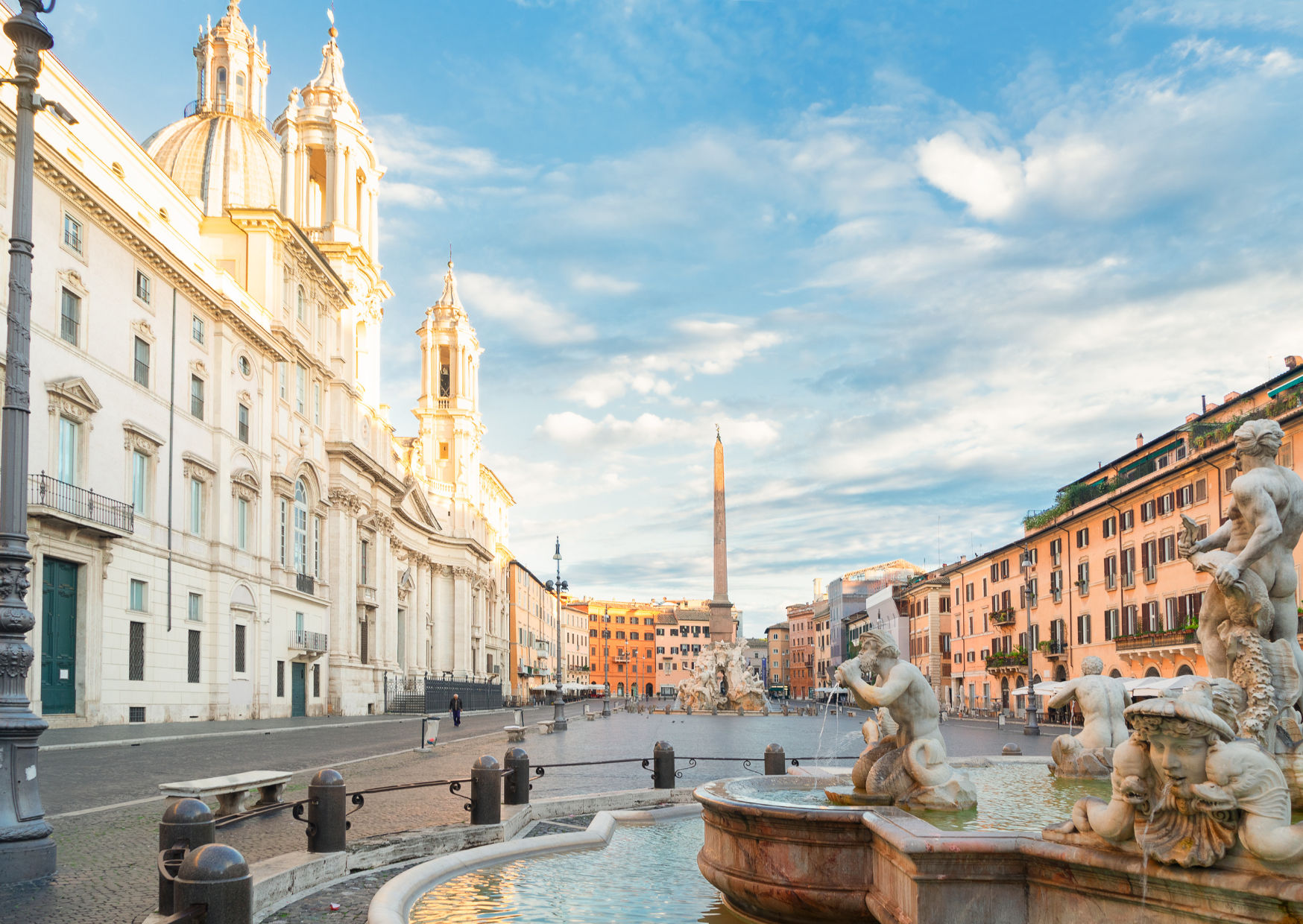
One reason Americans are so often fined is because they don’t recognize what they’re sitting on.
In the U.S., stone steps or ledges are often part of modern construction — built to last, functional, generic.
In Rome, the same-looking stone might be 300 years old, part of a Baroque church, or embedded with original Roman foundations.
Sitting on it might not break it, but normalizing that behavior does.
Tourists rarely intend harm. But thousands of people sitting, leaning, climbing, or eating on these surfaces day after day causes cumulative damage — and Rome has decided to draw a clear line.
5. Public Space in the U.S. Is “For Use” — In Rome, It’s “For Reverence”
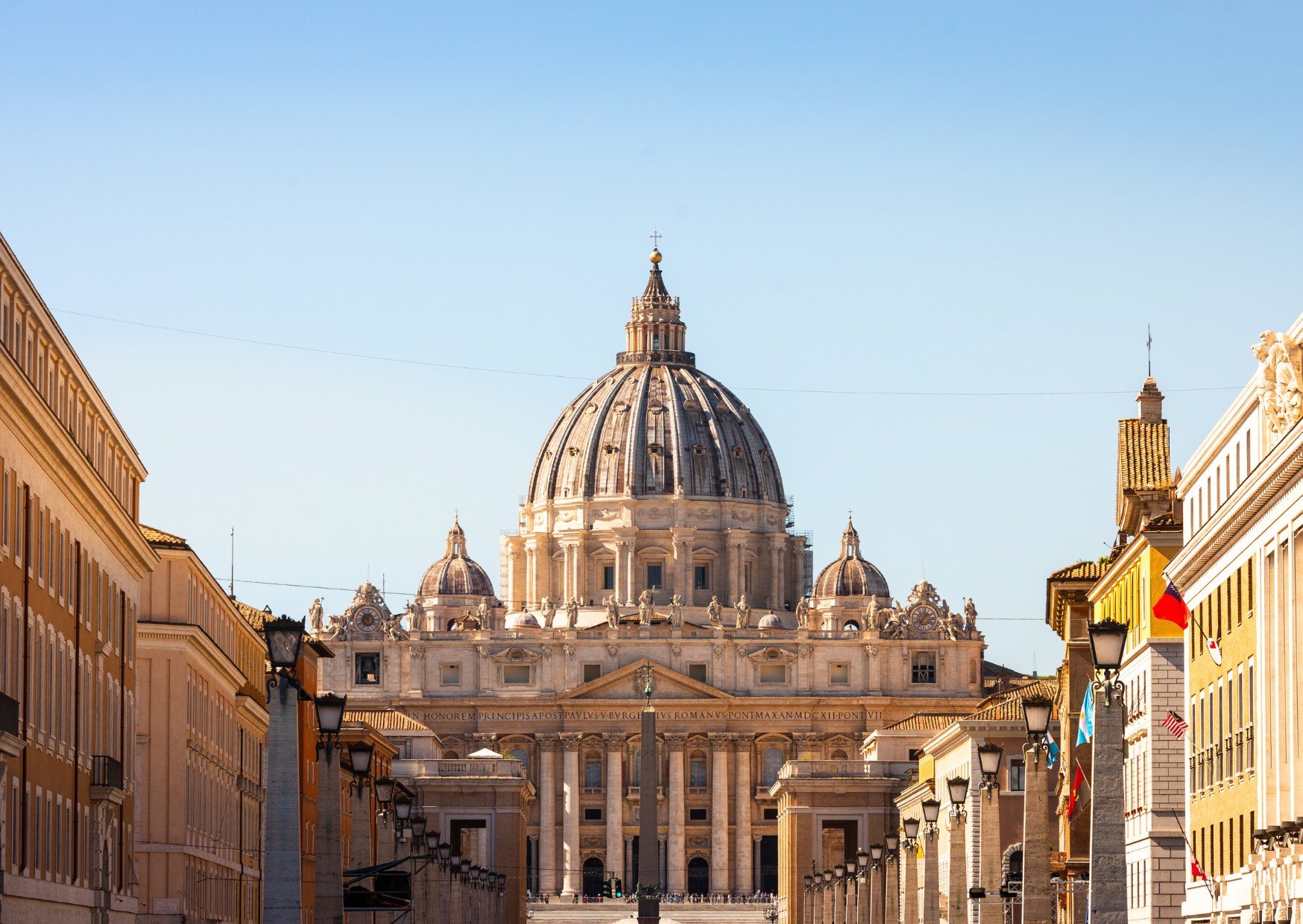
In American culture, public space is often defined by how you can use it. Can you sit here? Can you take a call here? Can you eat here?
In Rome, the default is not usage, but presence. You admire the space. You observe. You pass through.
That’s not to say Romans are overly reverent. They’re playful, relaxed, and famously unbothered by protocol. But when it comes to monuments, there’s an embedded awareness: this isn’t ours to touch freely. It belongs to something older.
Americans, trained to seek comfort and convenience, often miss that nuance.
6. Municipal Fines Aren’t Just for Show — They’re Enforced
Unlike some cities where rules are selectively enforced, Rome has made it a municipal mission to protect its historic spaces.
In recent years, the city has:
- Banned eating and sitting on historic fountains
- Prohibited climbing or lounging on ancient ruins
- Fined people for walking through monuments shirtless
- Outlawed street performers in certain protected areas
- Increased patrols in tourist-heavy piazzas
And enforcement is real. Police are visible. Fines are issued. Ignorance is not accepted as an excuse.
Tourists may see this as unfriendly. Romans see it as preservation.
7. The Fine Isn’t Just Financial — It’s Cultural
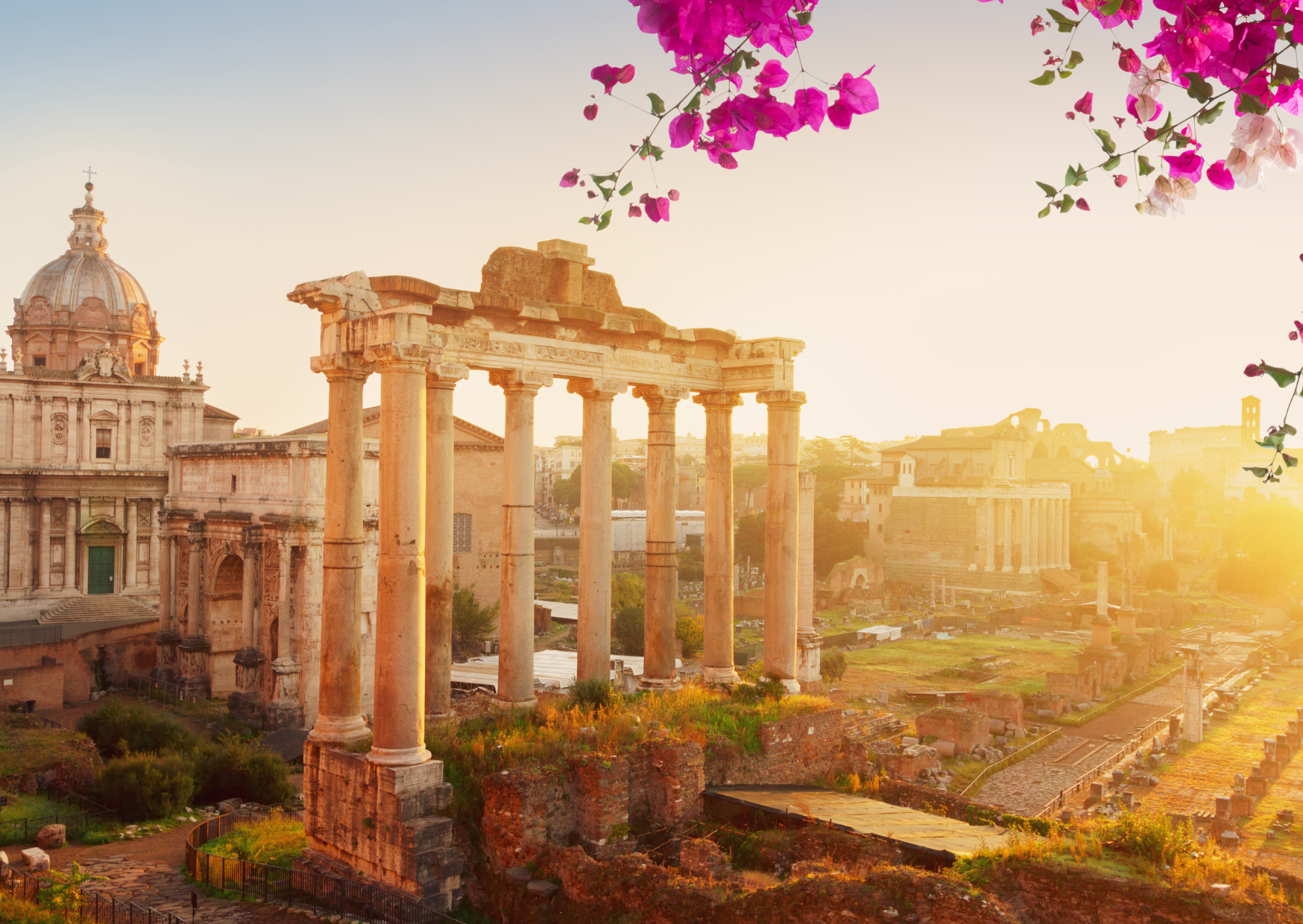
When an American tourist is fined €500 for sitting on the Spanish Steps, they’re often shocked — not just by the amount, but by the principle.
“I wasn’t doing anything wrong.”
“I was tired.”
“There was no sign.”
But to a Roman, the fine isn’t only about the act. It’s about teaching respect.
The logic is clear: if tourists learn that these places are not for casual lounging, they’ll treat them better. If sitting equals a fine, people will think twice. And if everyone acts with just a little more care, these spaces can survive another thousand years.
8. You’re Not Supposed to Touch the Art — Even When It’s Outside
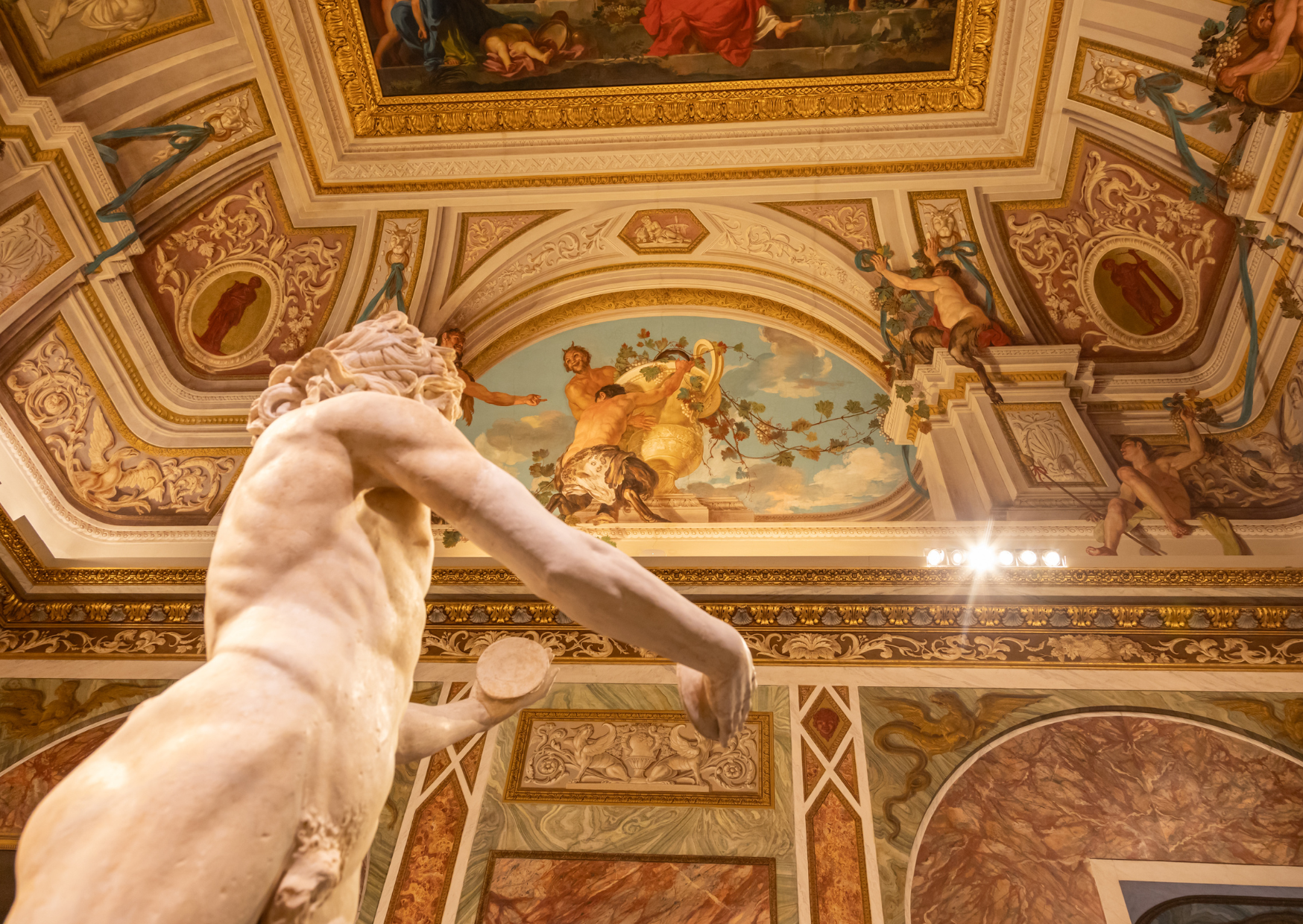
In a museum, Americans know the rules: don’t touch the art. Don’t lean on the sculpture. Don’t sit on the platform.
But on the streets of Rome, that logic sometimes disappears. Suddenly, marble lions become photo props. Ancient columns become Instagram backdrops. Decorative benches become lunch spots.
But in Rome, the art continues outside — and the rules stay the same.
Even if it’s open-air, even if there’s no rope around it, you don’t touch it. You certainly don’t sit on it. And you don’t balance your bottle of water on it like it’s a folding table.
9. To Sit Is to Claim Space — and That’s the Problem
In Roman architecture, form is intentional. Steps lead you upward. Pedestals raise something toward the sky. Fountains flow toward the viewer. Nothing is random.
When tourists sit on these elements, it changes the experience — visually, physically, emotionally.
To Romans, sitting sends a message: “This is mine to use.”
But in Rome, that’s rarely true. These places belong to time, not tourism.
So sitting becomes more than rest. It becomes erasure — and that’s why it’s being fined.
One Step, Two Interpretations
To Americans, a stone ledge is a ledge. A wide stair is a seat. A fountain is a public decoration.
To Romans, those same surfaces are loaded with history — and using them casually, even gently, is seen as a kind of theft.
In the U.S., public space invites use.
In Rome, it demands reverence.
And once you understand that, you won’t miss the benches. You’ll start to see the story in the stones.
So next time you’re walking through Rome and tempted to rest on a beautiful ledge, look again.
It’s probably older than your hometown. It’s probably been protected, repaired, and nearly lost.
And if you sit there anyway?
It might cost you €500 — but it will say far more than that about what you think the city is for.

About the Author: Ruben, co-founder of Gamintraveler.com since 2014, is a seasoned traveler from Spain who has explored over 100 countries since 2009. Known for his extensive travel adventures across South America, Europe, the US, Australia, New Zealand, Asia, and Africa, Ruben combines his passion for adventurous yet sustainable living with his love for cycling, highlighted by his remarkable 5-month bicycle journey from Spain to Norway. He currently resides in Spain, where he continues sharing his travel experiences with his partner, Rachel, and their son, Han.