
And what it reveals about skin, ritual, and two completely different ideas of what “clean” means
Ask almost any American dermatologist about skin care, and you’ll eventually hear the warning: don’t wash your face with hard water. It’s too drying, too harsh, too full of minerals. Use filtered water. Micellar water. Bottled toner. Anything but the stuff coming out of the bathroom tap.
In Europe, especially in countries like Spain, Italy, and France — where tap water is often loaded with minerals like calcium and magnesium — people not only wash their faces with it, they do so daily, happily, and without a hint of concern.
They splash, scrub, rinse — no filtered gadgets, no distilled alternatives, no second thoughts.
To Americans used to product-heavy regimens, triple cleansing, and bottled water solutions, this habit seems shocking. Doesn’t that water cause breakouts? Doesn’t it ruin your skin barrier? Isn’t this a disaster in disguise?
But for Europeans, the idea that tap water is a threat to the skin sounds deeply American — and deeply unrelatable.
Here’s why Europeans continue to wash their faces with water Americans have been told to avoid — and what that reveals about radically different philosophies of skincare, health, and trust in the body.
Want More Deep Dives into Everyday European Culture?
– Why Europeans Walk Everywhere (And Americans Should Too)
– How Europeans Actually Afford Living in Cities Without Six-Figure Salaries
– 9 ‘Luxury’ Items in America That Europeans Consider Basic Necessities
1. Tap Water Is the Default — Not a Danger

In much of Europe, water is considered safe, reliable, and healthy. People drink from public fountains. They wash produce straight from the tap. They don’t flinch at brushing teeth or filling the kettle.
And that includes rinsing their face, morning and night, with cold or lukewarm tap water — even in cities where the water is classified as “hard.”
No one is checking the mineral content before rinsing. No one is apologizing for it.
The idea that your bathroom sink water is harmful just doesn’t exist. It’s part of life, not a substance to manage.
2. Hard Water Is Common — And Not Feared
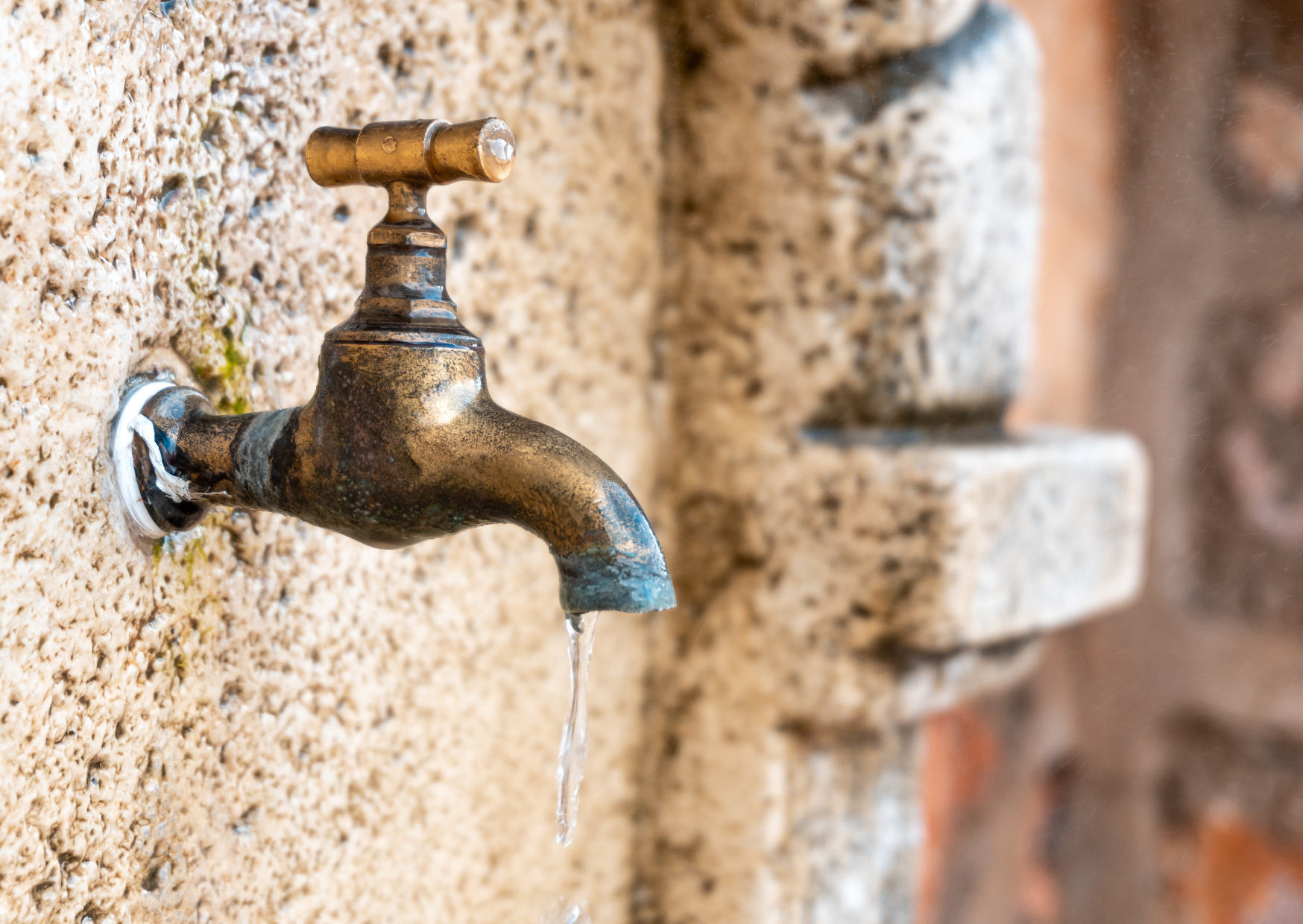
American skincare advice often singles out “hard water” as an acne-causing, barrier-destroying hazard. Many U.S. cities soften their water for exactly this reason.
In Europe, many regions — especially in Spain, southern France, and Italy — have notoriously hard water. You’ll see limescale on faucets. Kettles with mineral residue. Washing machines with descaling tablets.
But you’ll also see people with clear skin, radiant complexions, and zero concern about what that water does to their face.
Why? Because the water is seen as natural, not threatening. The skin adjusts. People don’t expect it to behave like treated, softened, pH-balanced liquid — and they don’t think it needs to.
3. European Skincare Starts With Ritual — Not Fear
In the U.S., skincare often starts with anxiety: preventing acne, correcting dryness, anti-aging, blocking sun damage, fighting inflammation.
In Europe, skincare is more ritualistic. It’s tied to time of day, routine, and mood. The act of splashing water on your face, massaging in a cleanser, and rinsing with your hands is part of being human — not a science experiment.
Many people don’t overthink ingredients. They don’t worry about pH. They don’t try to outsmart their skin.
They just wash — usually with gentle soap, maybe with cool water, and often with confidence.
4. Filtered Water Is for Coffee — Not the Sink
American bathrooms increasingly include gadgets: countertop water filters, water-softening showerheads, bottled micellar solutions, or full reverse osmosis systems.
In Europe, that level of purification is rarely used for skin. People invest in good coffee machines, not sink accessories.
Unless there’s a health-related reason, no one is buying water to rinse their face.
The assumption is simple: if it’s good enough to drink, it’s good enough to touch your skin.
5. The Skin Is Respected — Not Controlled

American beauty culture often treats the skin like a fragile machine that must be optimized. Specific pH levels. Double cleansing. Acid regulation. Seasonal switches. Microbiome awareness.
In Europe, there’s trust in the skin’s built-in intelligence.
If water is a little hard, your face might feel tight for a minute — then recover. If it’s cold, it wakes you up. If it’s warm, it soothes you.
The skin is seen as something you live with, not something you battle into perfection.
6. French Pharmacies and Spanish Supermarkets Sell Cleansers — Not Panic

Walk into a French pharmacy or Spanish supermarket, and you’ll see shelves of gentle cleansers. Creamy textures. Simple formulas. Minimal fragrance.
You won’t find products warning you about your water. You won’t see entire lines built around “barrier rescue” or “hard water recovery.”
Because the assumption isn’t that your water is to blame — it’s that your skin will be fine if you don’t overcomplicate things.
7. The Climate Is Tough — But the Skincare Is Simple
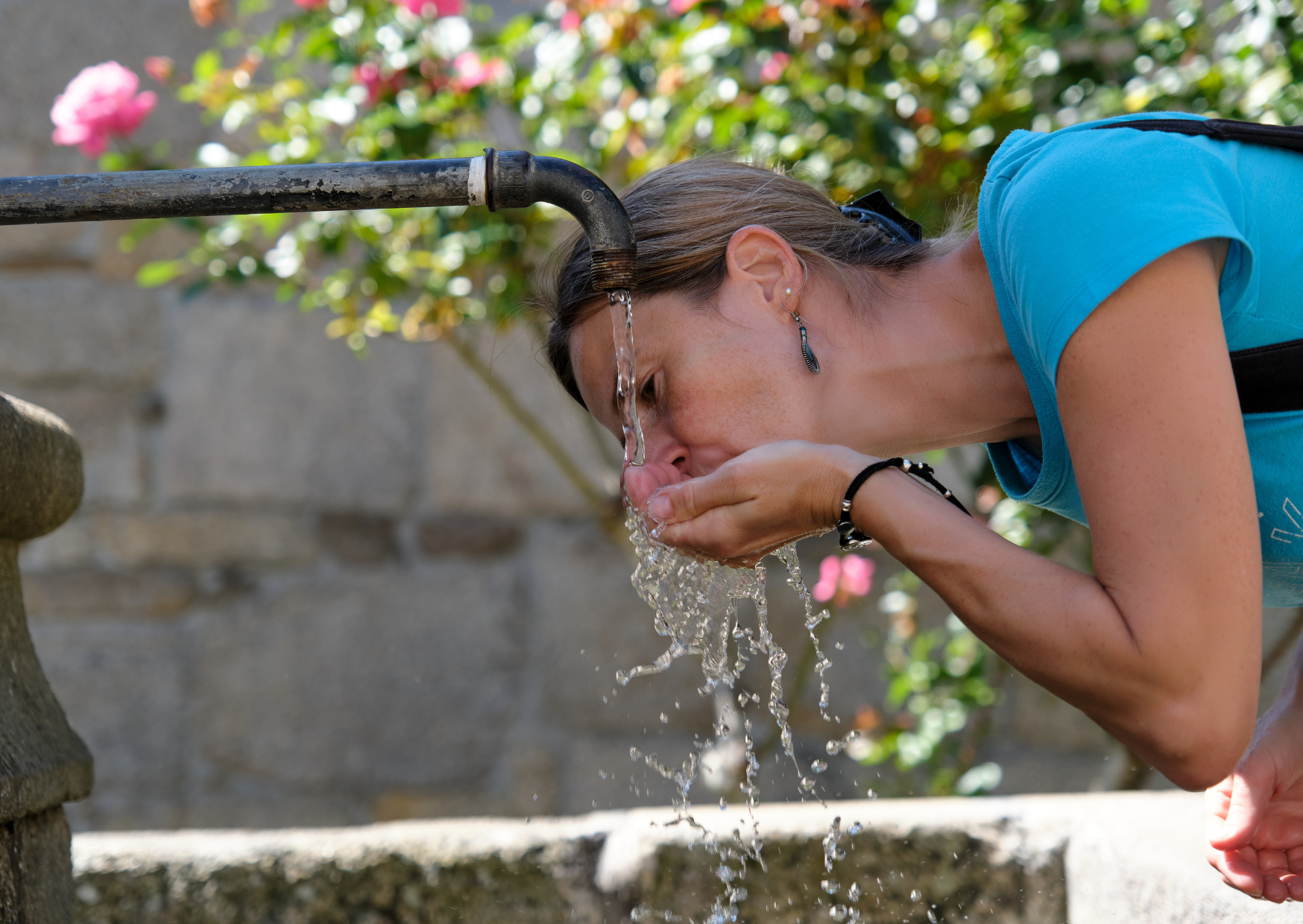
Many parts of Europe have dry air, intense sun, mineral-heavy water, and long summers. If skincare were about fighting the elements, these regions would be full of advanced filtration and extreme routines.
But most people still rinse with tap water, apply a basic moisturizer, and maybe wear SPF if they remember.
And their skin? Often glowing. Not in a filtered Instagram way — but in a healthy, lived-in, non-performative way.
The takeaway isn’t “hard water makes you beautiful.” It’s that your skin doesn’t need rescuing from your faucet.
8. The Focus Is on Routine — Not Perfection

Ask a European how they care for their skin, and you’ll hear simple answers:
“I wash with cold water.”
“I use the same soap I’ve always used.”
“I just splash and go.”
There’s no obsessive product rotation. No shame in skipping steps. No thirty-minute nightly routine designed to undo imaginary damage.
The consistency — and lack of obsession — often does more good than ten products promising miracles.
9. American Fear Culture Doesn’t Drive Product Choices
Ultimately, the reason Europeans keep rinsing with “hard” water is because they’ve never been told not to.
In the U.S., beauty marketing often starts with fear. This will age you. This will clog you. This will wreck your barrier.
European consumers are more skeptical of these messages. They don’t rush to fix things that aren’t broken. They don’t assume that their daily tap water is the enemy.
That confidence creates a quieter beauty standard — one that tolerates imperfection and respects real-life conditions.
One Sink, Two Philosophies
To an American, washing your face with hard tap water feels negligent.
To a European, it feels normal.
To an American, skincare means correcting damage.
To a European, skincare means living with your skin, not managing it like a project.
In the U.S., the water in your bathroom is seen as a variable to control.
In Europe, it’s just part of your day.
So if you find yourself in Spain or France, standing at the sink with cold mineral water and no serum in sight, don’t panic.
Splash your face. Pat it dry. Trust your skin to know what to do.
And walk into the day like millions of Europeans have for decades — no filter required.

About the Author: Ruben, co-founder of Gamintraveler.com since 2014, is a seasoned traveler from Spain who has explored over 100 countries since 2009. Known for his extensive travel adventures across South America, Europe, the US, Australia, New Zealand, Asia, and Africa, Ruben combines his passion for adventurous yet sustainable living with his love for cycling, highlighted by his remarkable 5-month bicycle journey from Spain to Norway. He currently resides in Spain, where he continues sharing his travel experiences with his partner, Rachel, and their son, Han.