
And what it reveals about fear, flavor, and how two cultures define what’s dangerous — and what’s delicious
Walk into a village market in France, a deli in Spain, or a cheese counter in northern Italy, and you’ll find wedges of cheese that would send many Americans straight to the garbage can — or the ER.
Crusted with blue veins, wrapped in natural rinds that look like tree bark, dotted with blooming white fuzz, or marbled with deep yellow cracks, these cheeses are not just accepted — they are celebrated.
They’re sliced, shared, smeared onto bread, and paired with wine.
To Europeans, this is food at its most alive — fermented, aged, complex, and real.
To many Americans, it looks like a public health hazard.
Because in the U.S., mold is a signal of decay, danger, contamination — something to report, not to consume.
Here’s why Europeans regularly eat moldy cheeses that would trigger a call to American poison control — and what this says about two very different cultural relationships with food, trust, and risk.
Want More Deep Dives into Everyday European Culture?
– Why Europeans Walk Everywhere (And Americans Should Too)
– How Europeans Actually Afford Living in Cities Without Six-Figure Salaries
– 9 ‘Luxury’ Items in America That Europeans Consider Basic Necessities
1. Mold in Cheese Isn’t a Flaw — It’s the Point
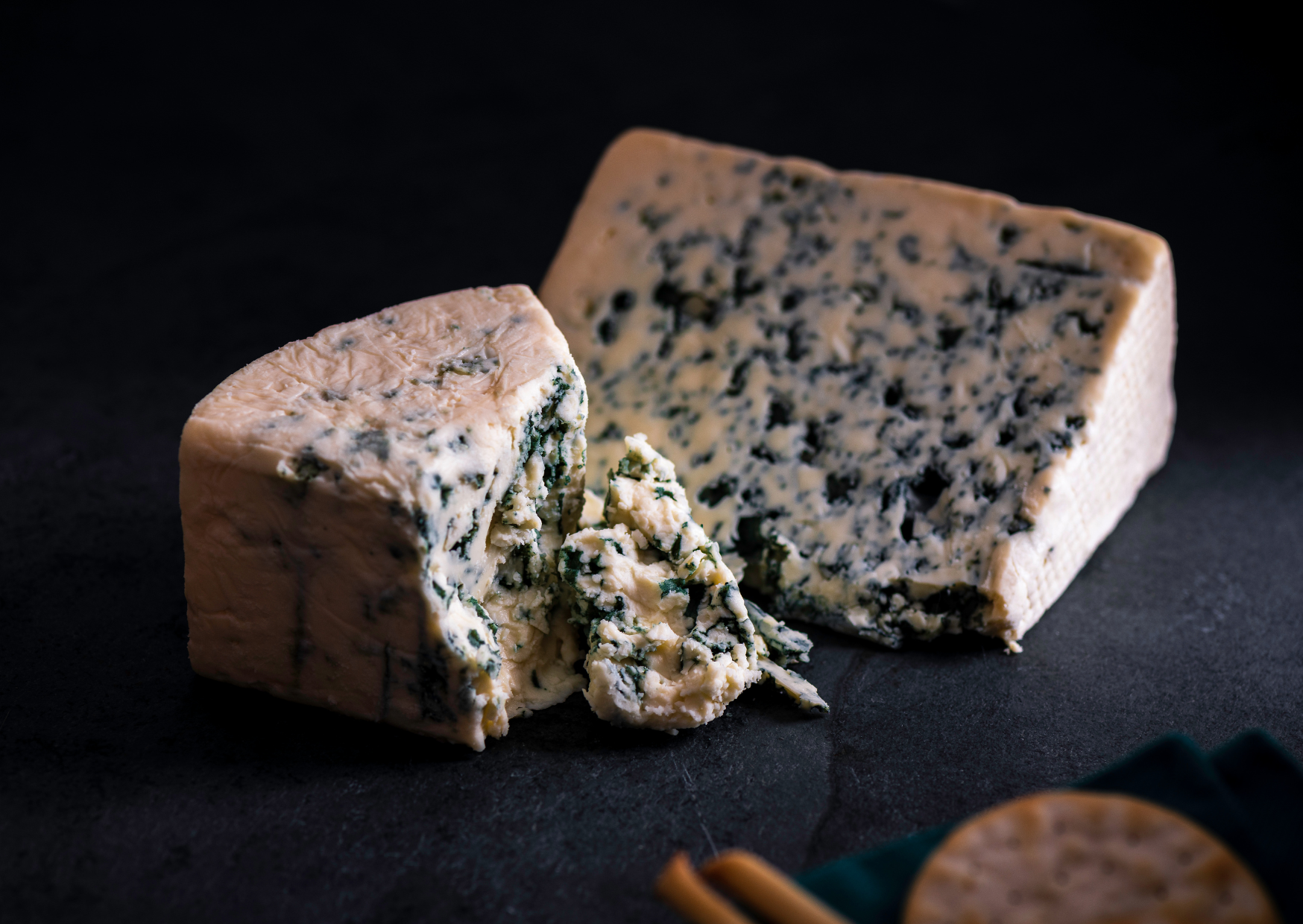
In American households, finding mold on food usually means one thing: it’s spoiled. Whether it’s a fuzzy strawberry or a slice of bread, the presence of mold means it’s time to throw it out.
But in Europe, certain molds are intentionally cultivated in cheese — and they’re central to the flavor, texture, and identity of the product.
French Roquefort, Spanish Cabrales, Italian Gorgonzola — these cheeses are aged in caves, exposed to air, and inoculated with Penicillium mold strains that give them their distinctive taste.
To a European palate, the mold doesn’t signal danger. It signals maturity.
2. Natural Rinds Are Meant to Be Eaten — or Not
In many American supermarkets, cheeses are wrapped in wax or vacuum-sealed plastic. Rinds are artificial. Anything odd-looking gets trimmed away.
In Europe, cheeses often come with natural rinds — crusty, brown, gray, even reddish with streaks of mold. Some are edible. Some are not. But either way, they’re part of the cheese’s identity.
A raw milk goat cheese from France might have a rind that looks like lichen. A Spanish Manchego could be coated in olive oil and herbs. An Alpine tomme may have a gritty, cave-aged exterior.
You can eat the rind — or cut it off. But no one panics about what’s growing on it. Because in Europe, surface mold is part of the food’s ecosystem, not a sign of rot.
3. Blue Cheese Isn’t “Bad” Cheese — It’s a Masterpiece
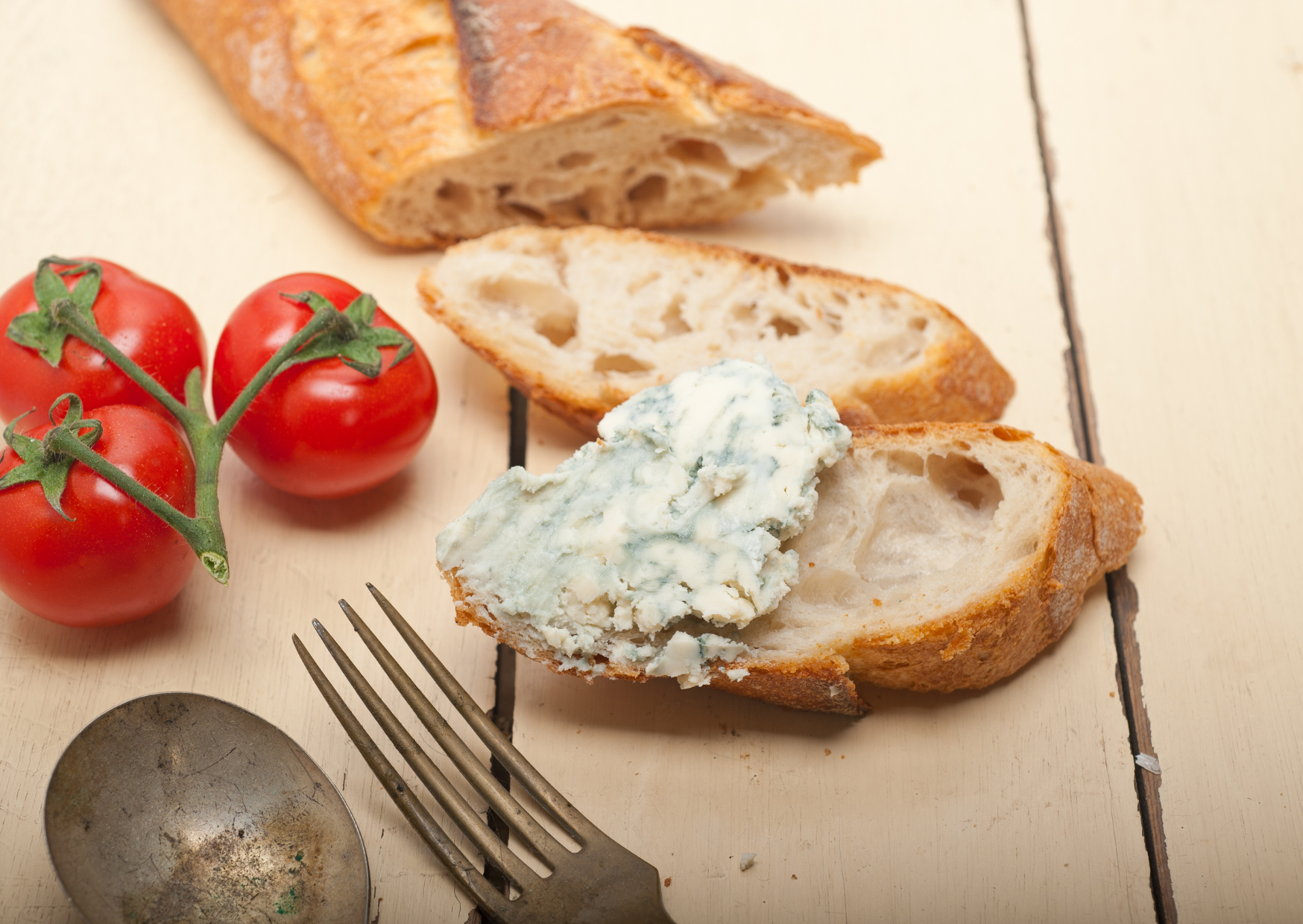
In the U.S., blue cheese is divisive. Some love it. Many hate it. Few trust it.
But in Europe, blue-veined cheeses are some of the most prestigious.
Roquefort, Cabrales, Stilton, Bleu d’Auvergne — each with its own mold strain, terroir, and aging process. These cheeses are pungent, strong, and often considered an acquired taste — but not a dangerous one.
In fact, their production is highly regulated. The molds used are edible. The fermentation process is controlled. And the end result is seen as a culinary achievement, not a microbiological gamble.
To many Americans, that smell equals contamination. To Europeans, it’s the scent of depth.
4. Aging Is a Process — Not a Countdown to Expiry
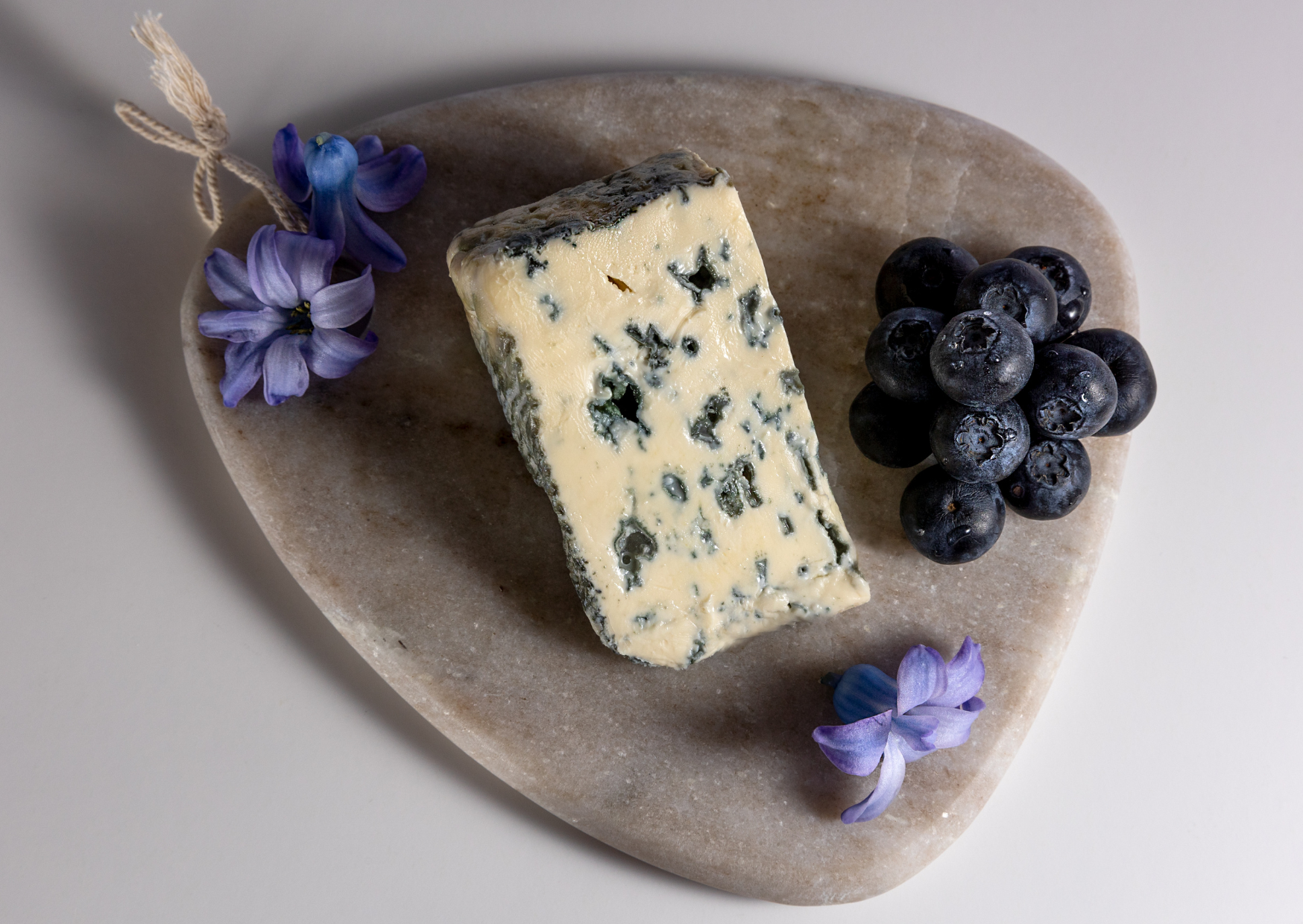
American food safety culture treats expiration dates as law. The moment a product nears or passes its sell-by date, it’s viewed with suspicion.
In Europe, especially when it comes to cheese, aging is an enhancement.
A wheel of cheese that’s been aging for six, twelve, or twenty-four months develops stronger flavor — and often, more visible mold.
This doesn’t mean it’s unsafe. It means it’s becoming more itself.
In fact, many European cheese lovers will keep cheese long past the recommended “best by” date, intentionally letting it soften, sweat, and evolve.
5. Raw Milk Cheeses Are Common — And Celebrated
In the U.S., raw milk cheeses are heavily regulated. Many are banned entirely, or only allowed if aged beyond 60 days. The fear of listeria, salmonella, and E. coli leads to preemptive bans.
In Europe, raw milk cheeses are traditional and protected.
They’re made in small batches, often by family producers. They’re part of cultural heritage. And yes — they involve bacteria. But they’re not dangerous when properly made. In fact, the bacterial complexity is what gives them life.
Americans often equate “unpasteurized” with “unsafe.” Europeans associate it with authenticity.
6. “Mold” Doesn’t Always Mean the Same Thing
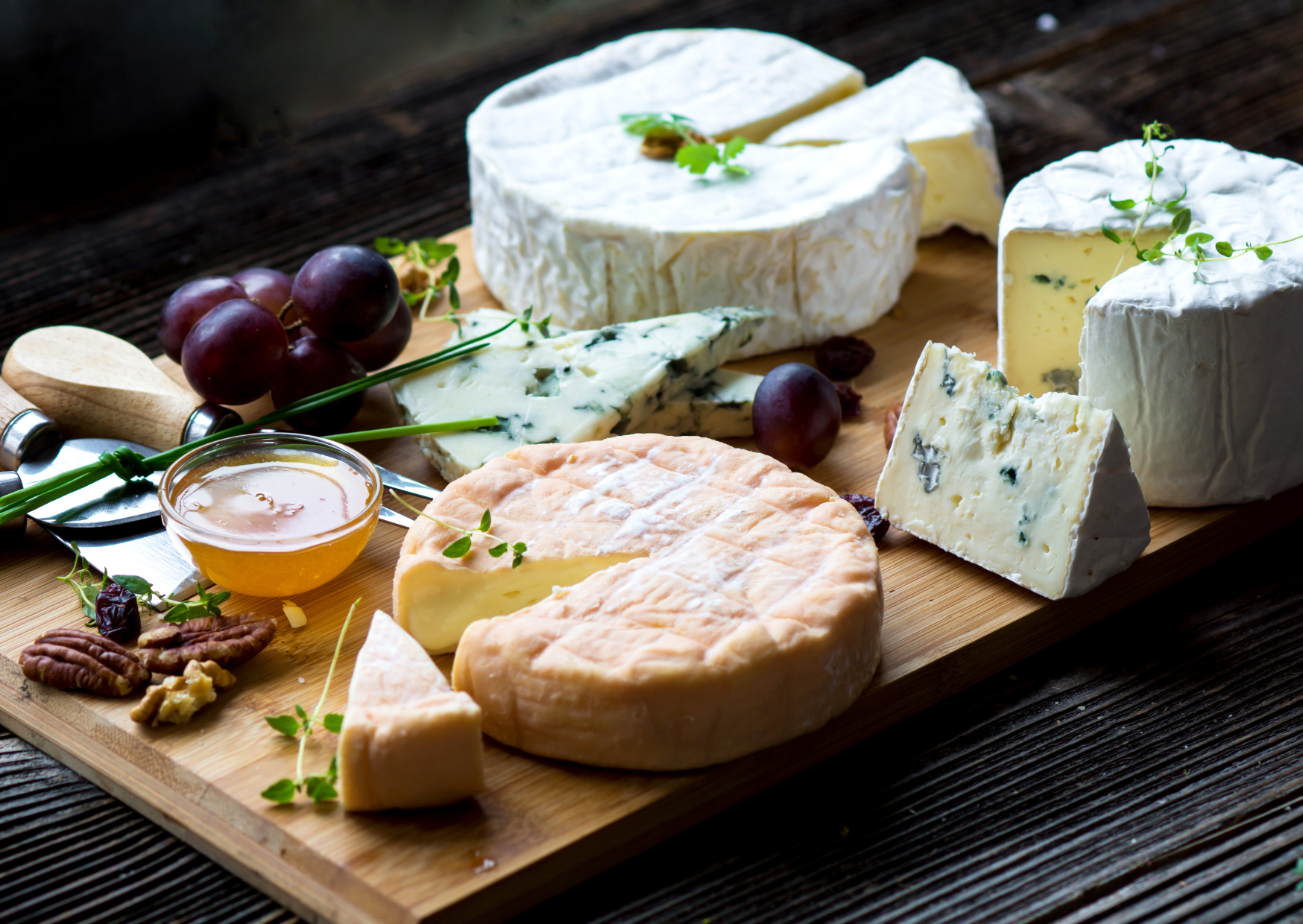
One reason for the cultural gap is linguistic. In the U.S., “mold” has one meaning: bad stuff growing on food.
In Europe, people distinguish between good mold (used in cheese) and spoilage mold (which does signal degradation).
French cheesemakers might talk about “la flore” — the flora of the cheese surface. Italians refer to “crosta fiorita” — blooming rinds. These aren’t contaminants. They’re controlled, monitored, and cultivated.
This nuance gets lost in American food discourse, where most visible growth is immediately suspect.
7. Even “Spoiled” Cheese Isn’t Always Thrown Out
In many American households, even a small speck of mold on cheese means the whole block is tossed.
In Europe, if mold grows unintentionally on a cheese — especially a firm one — it’s often cut off, not thrown away.
A dried rind? Trim it. A fuzzy patch? Slice past it. A soft edge? Eat it first.
The assumption is that food is resilient, not fragile. And that humans have enough judgment to tell when something’s truly gone bad.
8. The Smellier It Is, the More It’s Respected
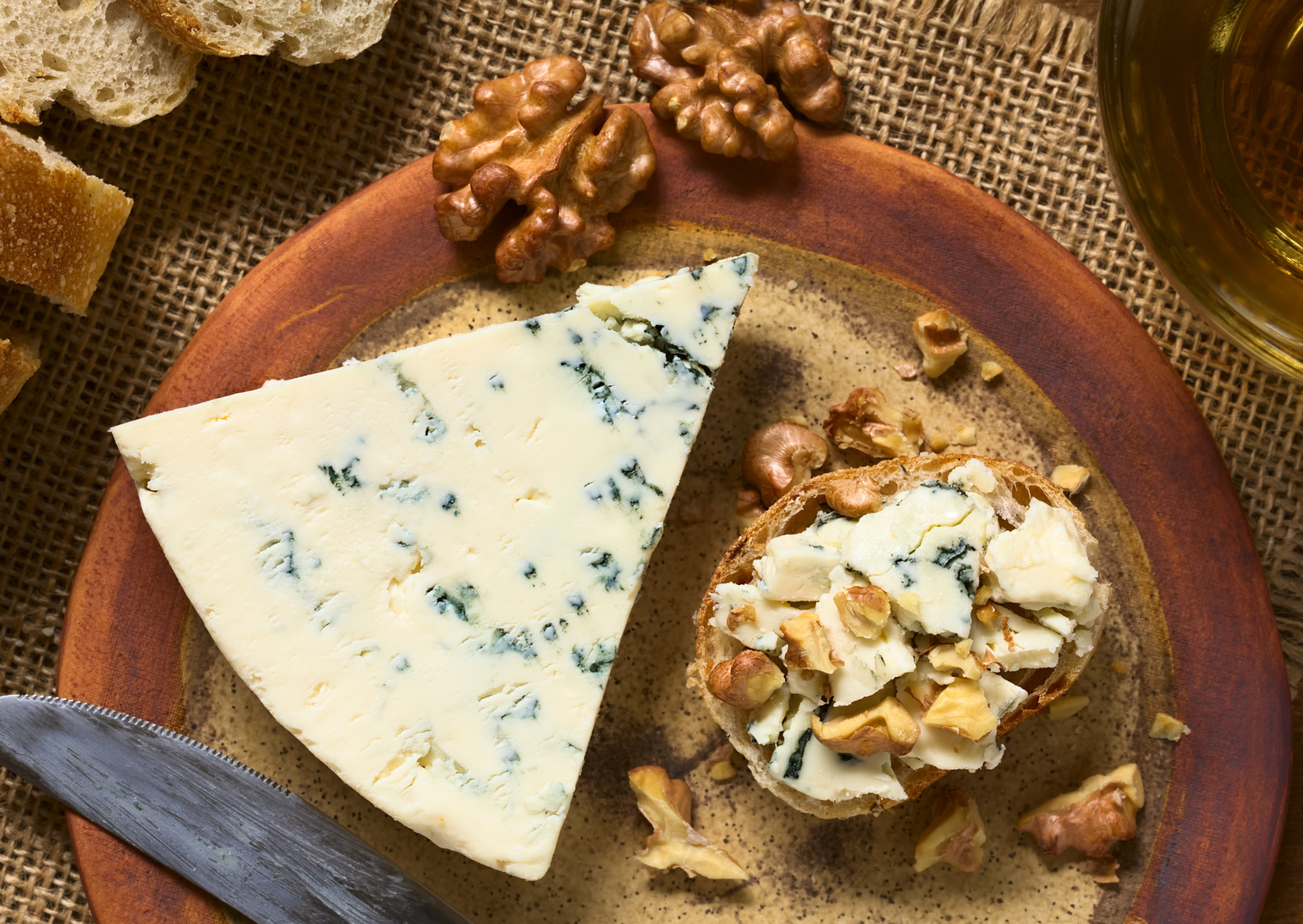
In the U.S., smelly food is often equated with rot. A strong scent equals something has “gone off.”
In Europe, a strong cheese is a sign of richness.
Washed-rind cheeses like Époisses or Taleggio can smell overpowering — but their insides are creamy, luxurious, and deeply sought after. These cheeses are not defects. They’re delicacies.
No one calls poison control. They call their friend and ask them to bring wine.
9. Risk Is Managed — Not Eliminated
At the core of the cultural divide is a different philosophy about food and risk.
American food systems are built around eliminating potential threats before they happen — even if that means sacrificing flavor, texture, or tradition.
European food systems are built around managing risk through tradition, expertise, and trust. Cheesemakers are trained. Recipes are centuries old. Consumers are educated.
The result? A little mold is not a liability. It’s a feature.
One Mold, Two Interpretations
To an American, a moldy wedge of cheese is a crisis.
To a European, it’s a sign the cheese is ready.
To an American, that smell means throw it out.
To a European, that smell means bring out the bread.
In the U.S., mold equals contamination.
In Europe, mold equals character.
So if you find yourself in a French village market this summer, eyeing a slab of blue-speckled sheep’s cheese that looks more geological than edible — don’t recoil.
Ask for a taste. Take a bite.
And realize that what you thought was rot… might just be the ripest thing you’ve ever eaten.

About the Author: Ruben, co-founder of Gamintraveler.com since 2014, is a seasoned traveler from Spain who has explored over 100 countries since 2009. Known for his extensive travel adventures across South America, Europe, the US, Australia, New Zealand, Asia, and Africa, Ruben combines his passion for adventurous yet sustainable living with his love for cycling, highlighted by his remarkable 5-month bicycle journey from Spain to Norway. He currently resides in Spain, where he continues sharing his travel experiences with his partner, Rachel, and their son, Han.