
And what it reveals about trust in tradition, self-maintenance, and radically different definitions of medical caution
Ask an American doctor about ear cleaning, and you’ll likely get the same advice every time: don’t put anything in your ear canal. No Q-tips. No cotton. No scoops. Nothing. “The ear is self-cleaning,” they’ll say. “Let the wax work itself out.”
In the United States, cleaning ears at home is discouraged. The process is medicalized, pushed toward clinics, and anything more than a warm washcloth is viewed as risky — even reckless.
Now fly to Europe.
Go into a pharmacy in France, Germany, Spain, or Italy, and you’ll find something tucked quietly near the cotton pads and thermometers: a metal ear pick. Sometimes sold in a two-pack. Sometimes ornately designed. Sometimes disposable, sometimes not.
These slender, scoop-shaped tools are used to gently remove earwax at home. Many European households have one. In some places, children learn to use them as teens. They are not sold with warnings. They are not locked behind counters.
And yet, to American ENTs, these tools are borderline criminal — regularly blamed for punctured eardrums, infections, and unnecessary trauma.
So why do Europeans keep using them? Why haven’t the warnings stuck? And what does this small but telling difference say about who’s trusted to handle their own body — and who isn’t?
Here are nine reasons why Europeans still use ear picks — and why the very idea horrifies most American doctors and patients alike.
Want More Deep Dives into Everyday European Culture?
– Why Europeans Walk Everywhere (And Americans Should Too)
– How Europeans Actually Afford Living in Cities Without Six-Figure Salaries
– 9 ‘Luxury’ Items in America That Europeans Consider Basic Necessities
1. The Tool Itself Is Normalized — Not Demonized
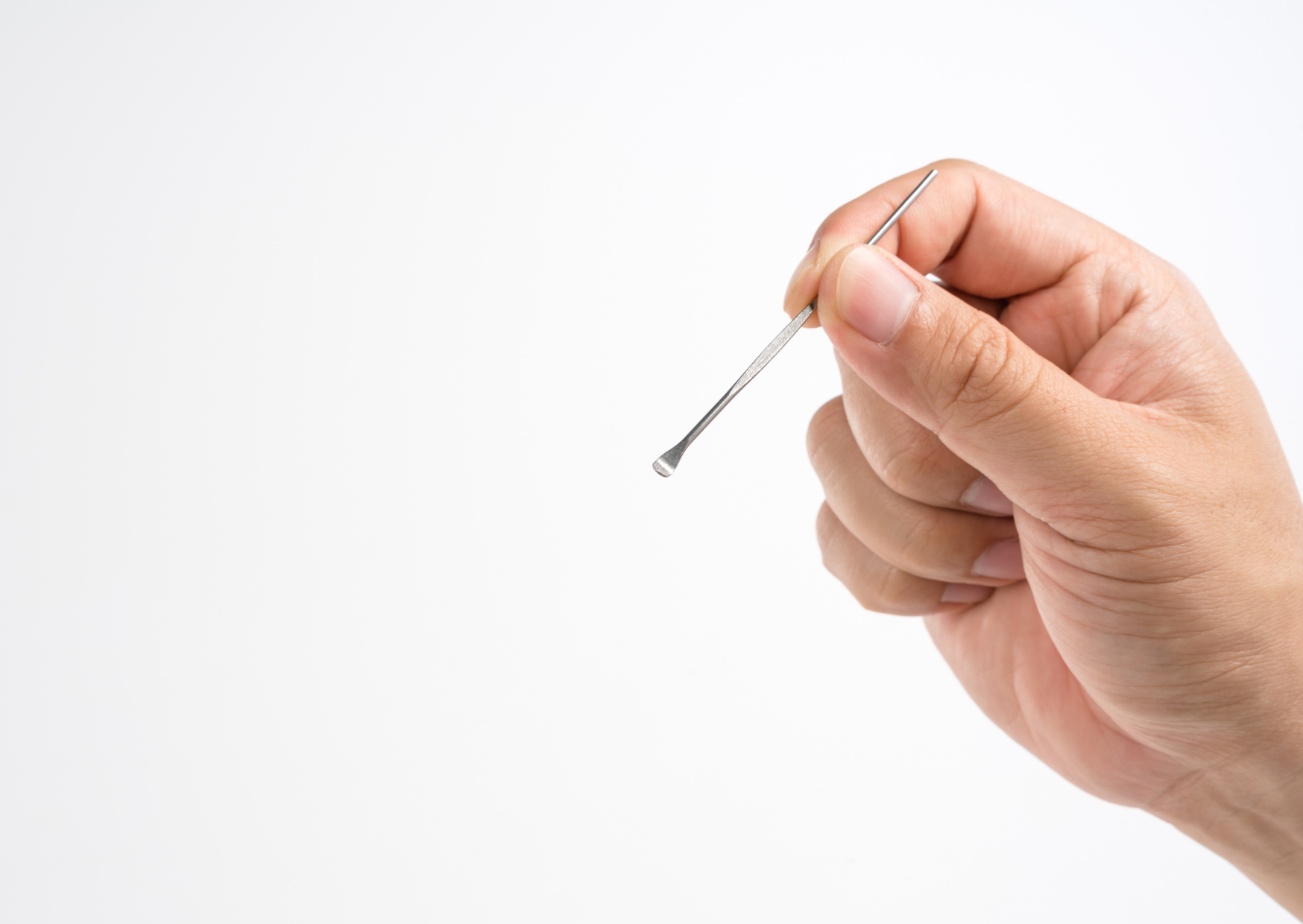
In the U.S., even cotton swabs come with warnings: “Do not insert into ear canal.”
In Europe, ear picks — metal, silicone, or bamboo — are sold openly, labeled for ear cleaning, and not framed as inherently dangerous.
They’re small, affordable, and not treated like surgical equipment. They are not marketed as rebellious or alternative. They are not hidden in wellness aisles. They are just part of home care.
To Americans, this feels risky. To Europeans, it feels standard — like a nail clipper or a tweezer.
2. Generations Have Used Them Without Catastrophe
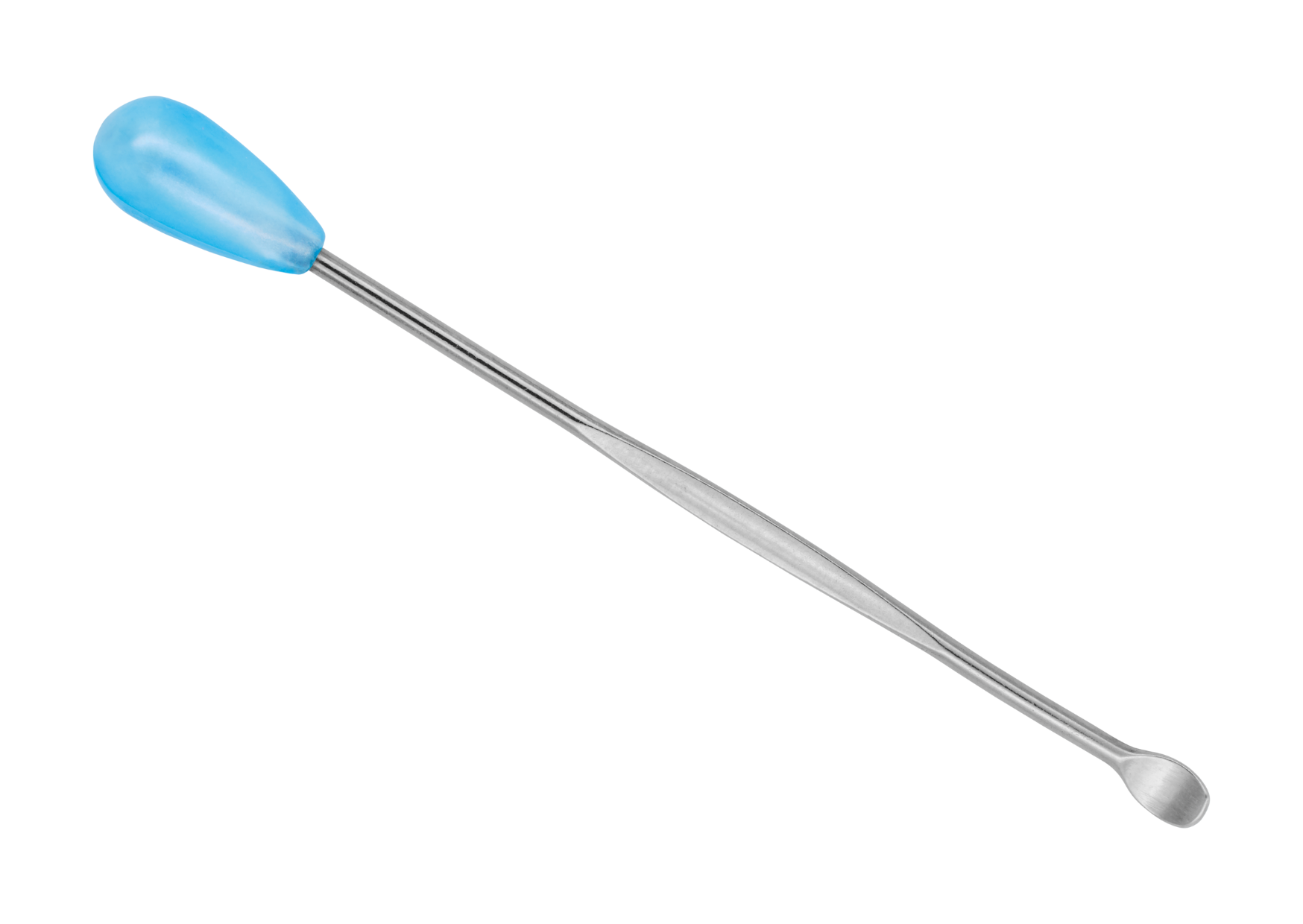
Most Europeans who use ear picks grew up seeing them used by parents, grandparents, or older siblings. The process was passed down quietly, casually — not as a ritual, but as an everyday act of upkeep.
You don’t schedule an appointment. You don’t read a manual. You just know — because someone showed you.
In the U.S., lack of generational use leads to fear. In Europe, it leads to familiarity.
3. There’s a Cultural Trust in the Body — and in Your Hands

American medicine tends to externalize care. You are encouraged to consult, refer, and defer. Doctors are the gatekeepers. Your body is not to be touched, probed, or “fixed” at home.
In Europe, there’s a stronger cultural current of self-management.
From earwax to minor wounds to cold symptoms, people expect to handle small issues themselves — with pharmacy support, not institutional dependence.
Cleaning your ears is not viewed as a medical act. It’s a part of hygiene — no more invasive than trimming a hangnail.
4. Clinics Aren’t the Default — Pharmacies Are
In the U.S., an earwax buildup often leads to a clinic visit, where suction, irrigation, or instruments are used by trained staff — often at significant cost.
In Europe, the first stop is the pharmacy, not the doctor. Ear drops, saline rinses, and yes, ear picks, are offered without shame or alarm.
You describe the issue, you get a solution, you try it at home.
This de-escalates the perceived danger — and puts control back in the user’s hands.
5. Europeans Are Taught to Be Gentle — Not Fearful

American medical messaging often emphasizes the worst-case scenario: punctured eardrums, permanent damage, hearing loss.
European instruction, when it exists, is gentler: don’t force it, don’t go deep, clean the outer canal only.
People learn through experience — not fear. And because of this, the tools are used with caution, not anxiety.
To an American doctor, that may sound naïve. To a European user, it’s just common sense.
6. The Body Is Not Over-Sterilized — It’s Managed with Moderation
American wellness culture often leans toward extremes: over-cleaning, over-sterilizing, or avoiding entirely.
European wellness culture tends to trust moderation. A little wax is fine. A little cleaning is fine. The goal isn’t total elimination — it’s comfort and clarity.
The ear is not seen as a delicate mystery. It’s another part of the body that needs occasional attention.
7. Many Europeans Find Q-tips More Dangerous Than Ear Picks
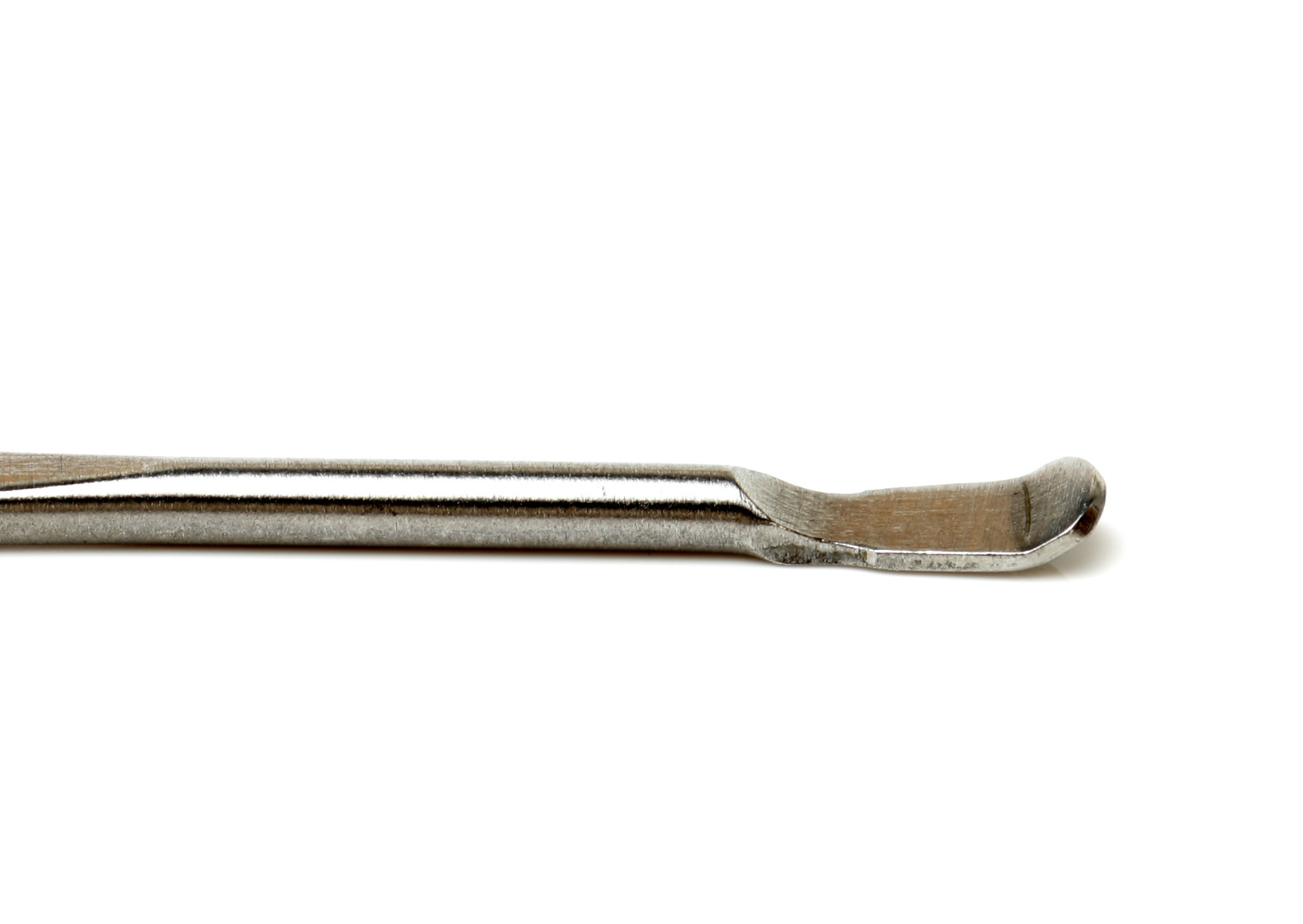
Ironically, while Americans stick to cotton swabs, most ENTs agree: Q-tips often push wax deeper, making blockages worse.
Ear picks, with their curved scoop shape, are designed to extract — not shove.
In Europe, this is part of the logic: a tool built for the job is safer than improvising with cotton.
The American refusal to use the correct tool, while continuing to use a riskier one, feels contradictory to many Europeans.
8. Discomfort Is Treated, Not Medicalized
In the U.S., an itchy ear might lead to WebMD doom spirals, urgent care visits, and fears of infection.
In Europe, that same itch triggers a cleaning — or a simple oil drop.
There’s no panic. No online symptom rabbit hole. No dramatic overreaction.
You solve the issue quietly, at home, with a tool you’ve trusted since childhood.
9. It’s About Autonomy — Not Anti-Science
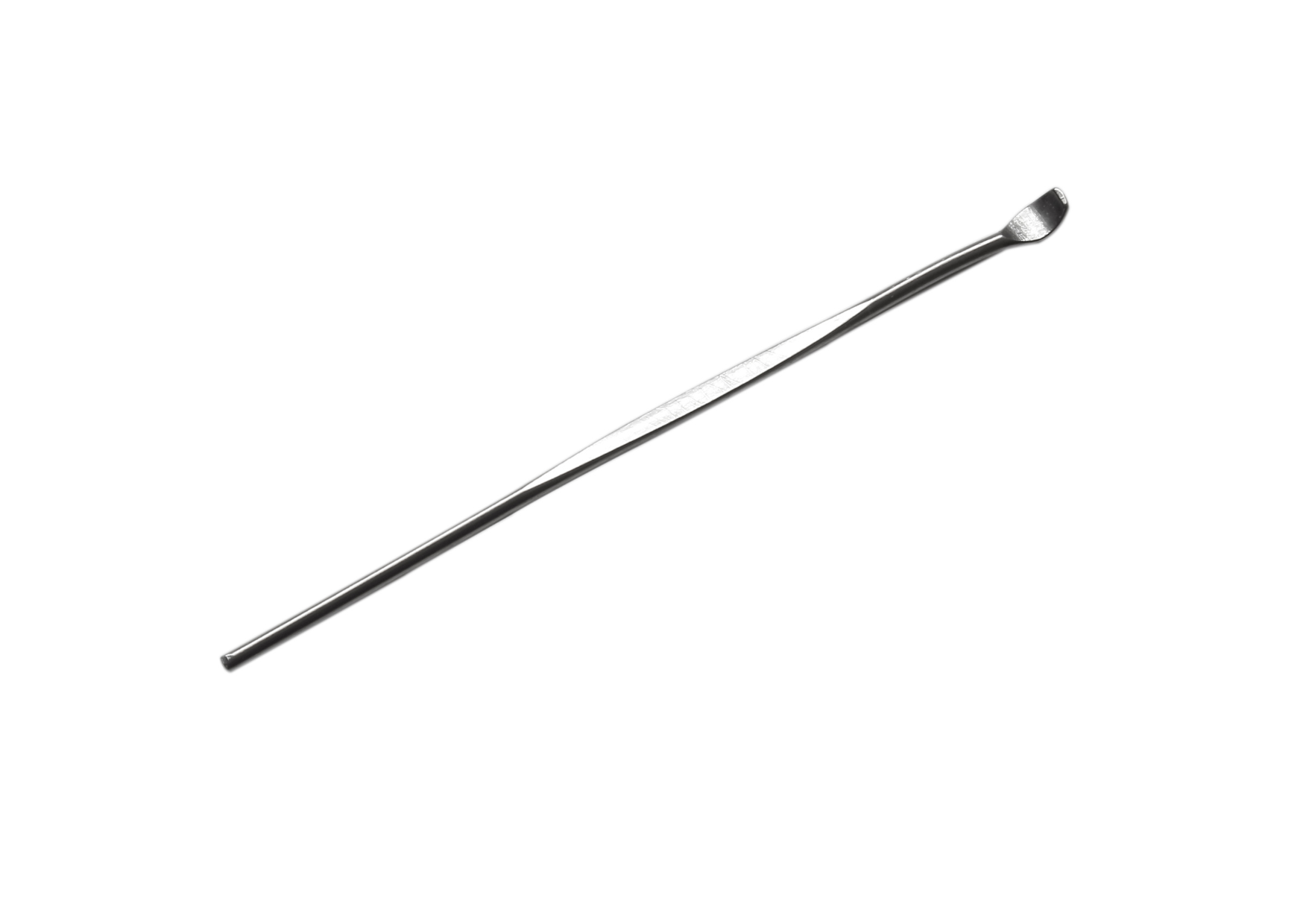
This isn’t about rejecting doctors or distrusting medicine. Most Europeans trust their health systems deeply. They see specialists when needed.
But they also trust their ability to handle minor things.
Using an ear pick doesn’t signal ignorance. It signals confidence in small, traditional solutions.
And that, more than anything, is what makes the American response feel so exaggerated — even infantilizing.
One Tool, Two Perspectives
To an American ENT, a metal ear scoop is a lawsuit waiting to happen.
To a European grandmother, it’s a small act of self-care before bed.
To an American parent, letting a teen use one unsupervised is dangerous.
To a European, it’s basic hygiene — part of growing up.
In the U.S., tools are regulated, labeled, and feared.
In Europe, tools are used because they work — and because people are trusted to use them wisely.
So if you find yourself in a European home, and see a thin metal tool next to the toothbrush or on a shelf in the bathroom, don’t panic.
It’s not risky. It’s not radical. It’s not irresponsible.
It’s just a tiny piece of steel — and a quiet symbol of cultural calm.

About the Author: Ruben, co-founder of Gamintraveler.com since 2014, is a seasoned traveler from Spain who has explored over 100 countries since 2009. Known for his extensive travel adventures across South America, Europe, the US, Australia, New Zealand, Asia, and Africa, Ruben combines his passion for adventurous yet sustainable living with his love for cycling, highlighted by his remarkable 5-month bicycle journey from Spain to Norway. He currently resides in Spain, where he continues sharing his travel experiences with his partner, Rachel, and their son, Han.