
And what it reveals about intuition, trust, and how French kitchens prioritize flavor over fear
Step into a French family kitchen around 11:30 in the morning, and you’re likely to see the beginning of something beautiful: a tomato tart being assembled, garlic being minced, or a piece of duck trimmed with quiet precision. But if you look closely, you’ll also see something that would send many American food safety experts into a quiet state of panic.
One cutting board.
Raw meat one minute. Vegetables the next.
Maybe a wipe with a sponge. Maybe not.
Then it’s time for cheese.
To a French home cook, this is normal — efficient, grounded, completely unremarkable.
To an American chef trained in hazard protocols and color-coded sanitation systems, it’s a recipe for contamination, illness, and at the very least, a failed inspection.
But French kitchens, even in 2025, still operate with a quiet confidence in personal judgment, generational know-how, and the belief that the cook — not the cutting board — carries the responsibility for food safety.
Here’s why the French cutting board habit horrifies Americans — and why, in most French homes, no one is remotely worried.
Want More Deep Dives into Everyday European Culture?
– Why Europeans Walk Everywhere (And Americans Should Too)
– How Europeans Actually Afford Living in Cities Without Six-Figure Salaries
– 9 ‘Luxury’ Items in America That Europeans Consider Basic Necessities
1. One Board, Many Ingredients — No Panic
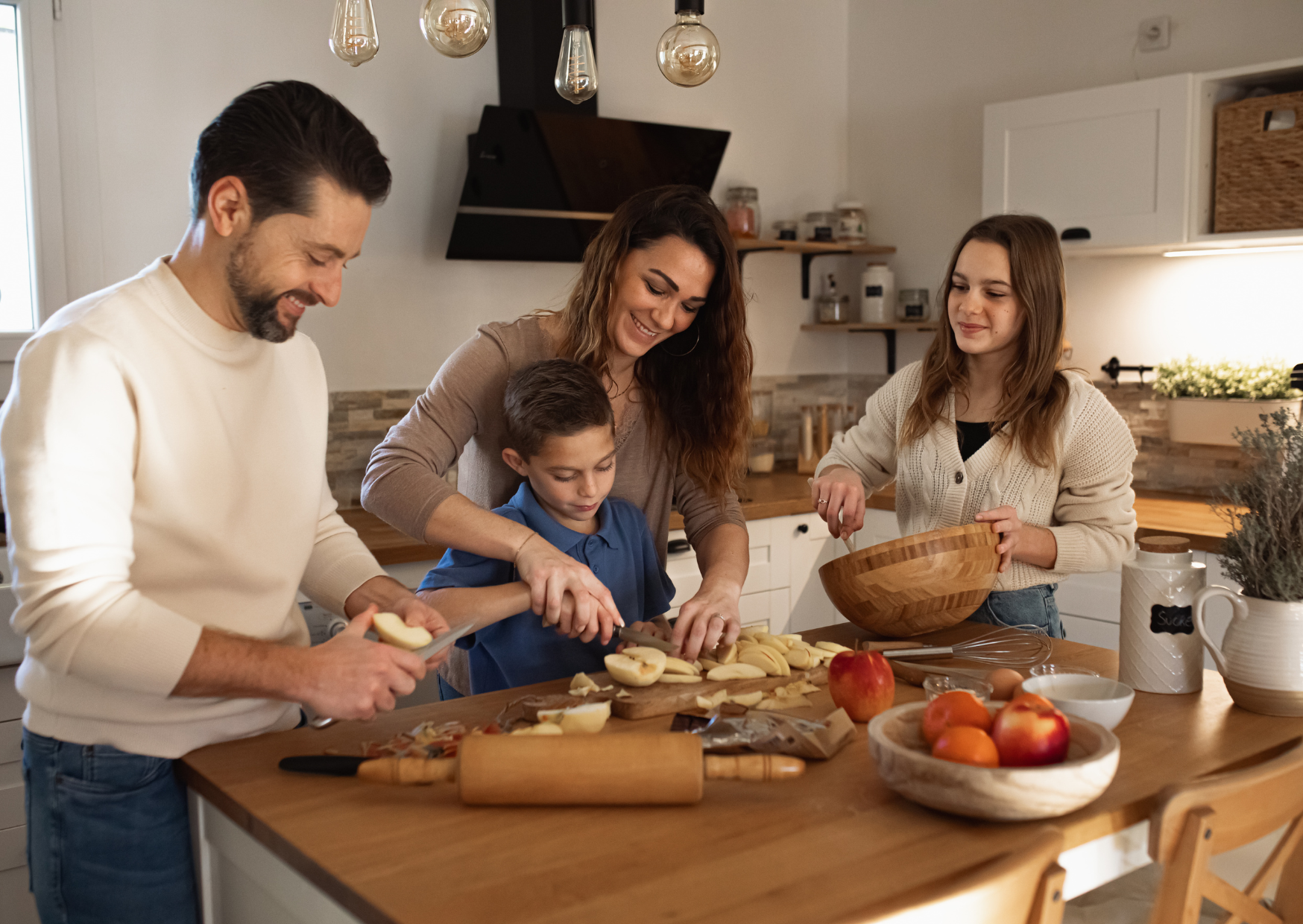
In many French homes, there is one main cutting board, used for everything. Meat. Herbs. Fish. Cheese. Onions. Fruit.
It might be wooden. It might be old. It might have knife marks, wine stains, or the smell of garlic from two days ago.
And it is not thrown away. It is used, rinsed, dried, and kept.
There is no separate board for raw meat. No plastic board for poultry. No citrus-only surface. The cook simply uses the same board — and trusts themselves to know what they’re doing.
2. Sanitizing Isn’t a Ritual — Common Sense Is
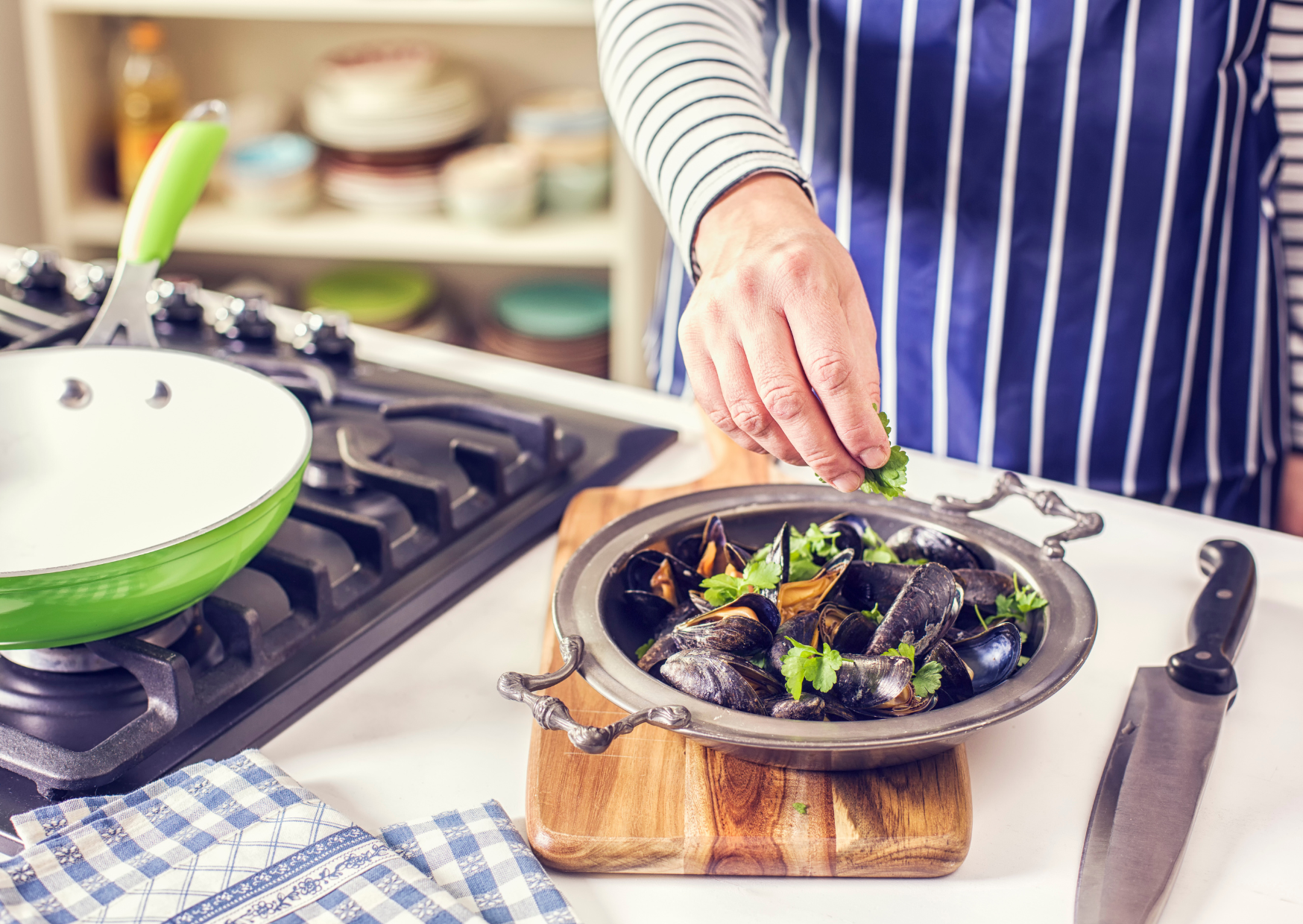
In the U.S., cleaning a cutting board often involves bleach, sprays, and timed soaking. The idea is that bacteria must be destroyed before the board is considered safe.
In France, the cleaning method is more hands-on and instinctual.
A quick rinse. A wipe with vinegar. A scrape with a sponge. Let it dry in the sun, or near an open window. If meat was cut, it might be washed a little more carefully — but rarely with chemicals.
To Americans, this feels negligent.
To the French, it’s reasonable.
The idea isn’t to eliminate all bacteria. It’s to handle food thoughtfully and cook it properly.
3. Raw Meat and Vegetables Might Share the Board — Just Not at the Same Time
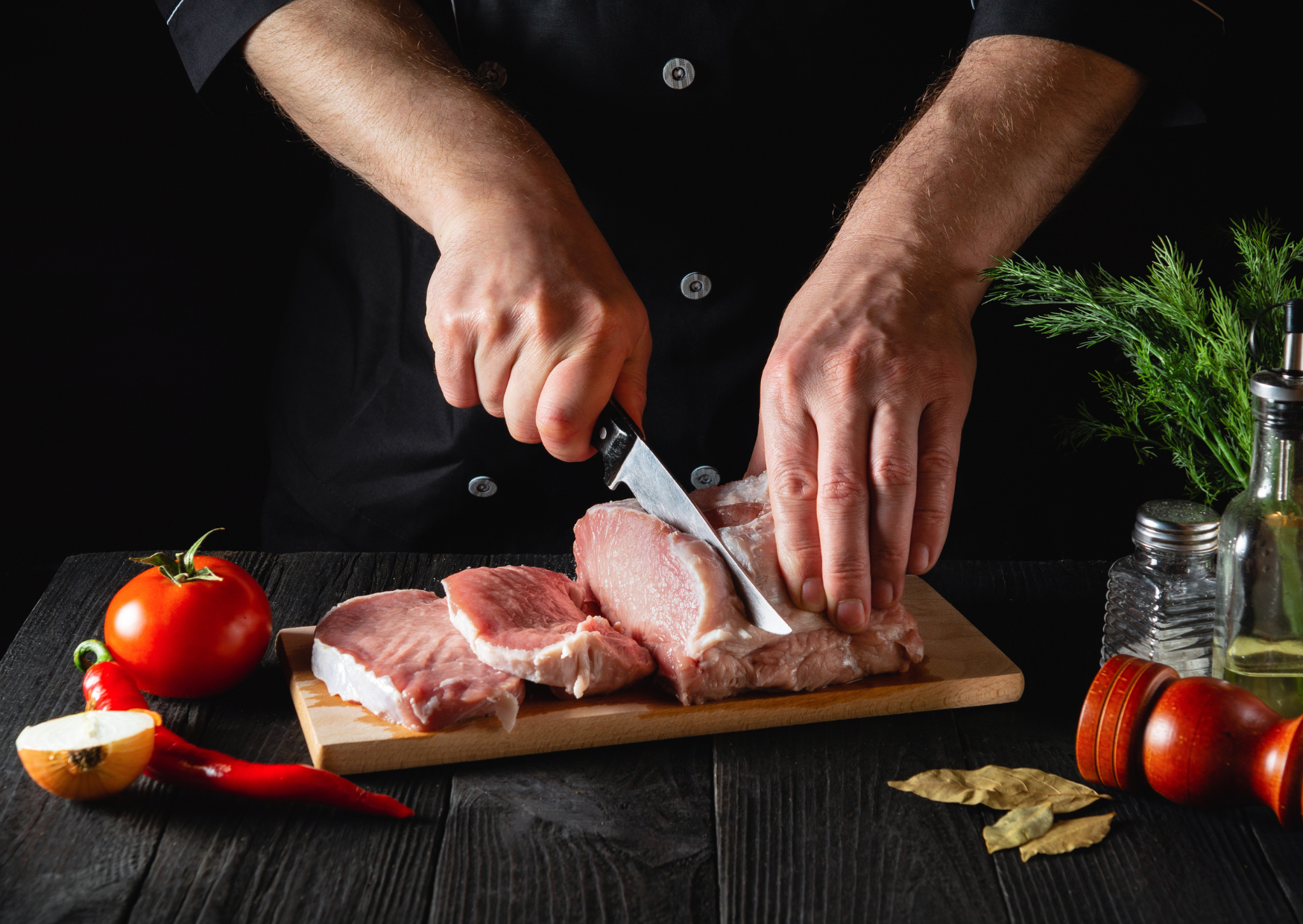
Yes, a French cook might chop chicken on the board, wipe it down with a towel, and then move on to green beans.
But they don’t leave residue. They don’t ignore the sequence. They clean just enough.
There’s no illusion that the board is sterile. But there’s awareness of how bacteria works. Chicken is cooked thoroughly. Veggies are sautéed. The knife gets rinsed.
To an American, the risk feels avoidable. To a French cook, it feels mitigated by knowledge and skill.
4. Old Wooden Boards Are Preferred — Not Feared
American inspectors often discourage wooden cutting boards, especially in restaurants, claiming they’re porous and harder to sanitize.
In France, a well-worn wooden board is a badge of honor. It’s part of the kitchen’s landscape. It holds flavor, memory, and heritage.
Some boards are passed down through generations. Others are chosen carefully at market stalls. A good board is maintained — not discarded.
It may be scrubbed with salt. Dried in the sun. Rubbed with lemon. But it is never replaced unless it breaks.
5. Restaurants Follow the Rules — Homes Follow the Rhythm
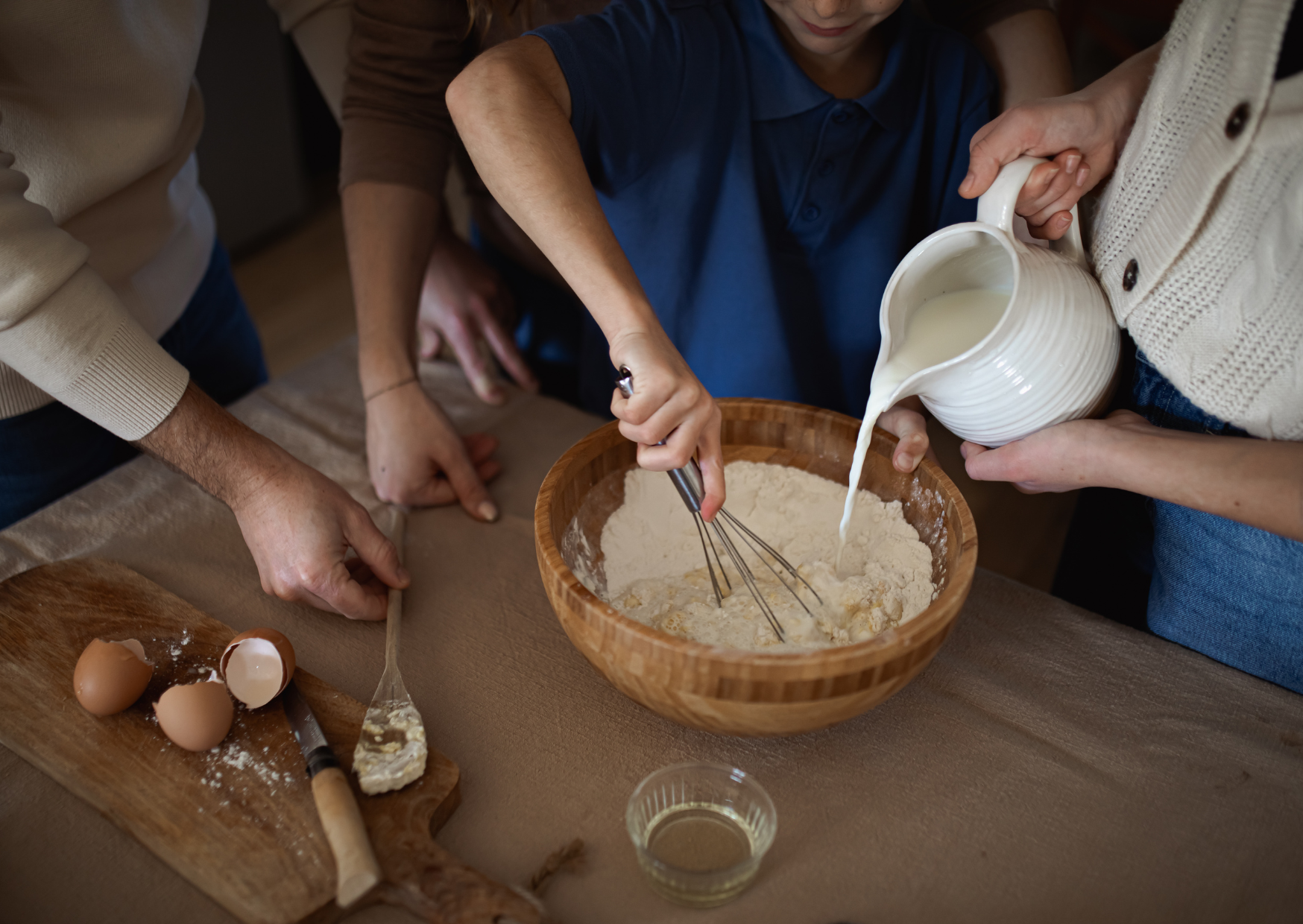
In French restaurants, health regulations are strict — and followed. There are protocols for separate surfaces, gloves, food storage, and inspection.
But home kitchens follow a different logic.
The cook is the expert. The ingredients are known. The timing is intuitive. And the environment is not sterile — it’s intimate.
There’s no need to color-code plastic boards when you’re making veal blanquette for your family. You clean as you go. You stay present. And you trust the process, not the checklist.
6. Cross-Contamination Isn’t Ignored — It’s Interpreted Differently
In the U.S., food safety campaigns treat cross-contamination as an invisible, ever-present threat.
In France, it’s seen as manageable with care.
If you cut raw pork, you rinse the board. If you cut garlic and then fruit, you might regret the taste — but not worry about illness.
The idea that one misstep will cause disaster isn’t baked into French food culture. Instead, the assumption is: you know what’s safe because you’ve cooked all your life.
7. Sponges Are Reused — And No One Is Sick
In many French kitchens, the same sponge is used to wipe counters, clean knives, and — yes — scrub the cutting board.
The sponge may be old. A little stained. It may smell faintly of soap and thyme. But it’s rinsed, wrung out, and used again.
Americans often treat sponges as disposable biohazards. In France, they are tools — reused until they truly can’t do the job.
And despite all this? Food poisoning isn’t rampant.
8. The Board Is Part of the Meal’s Memory
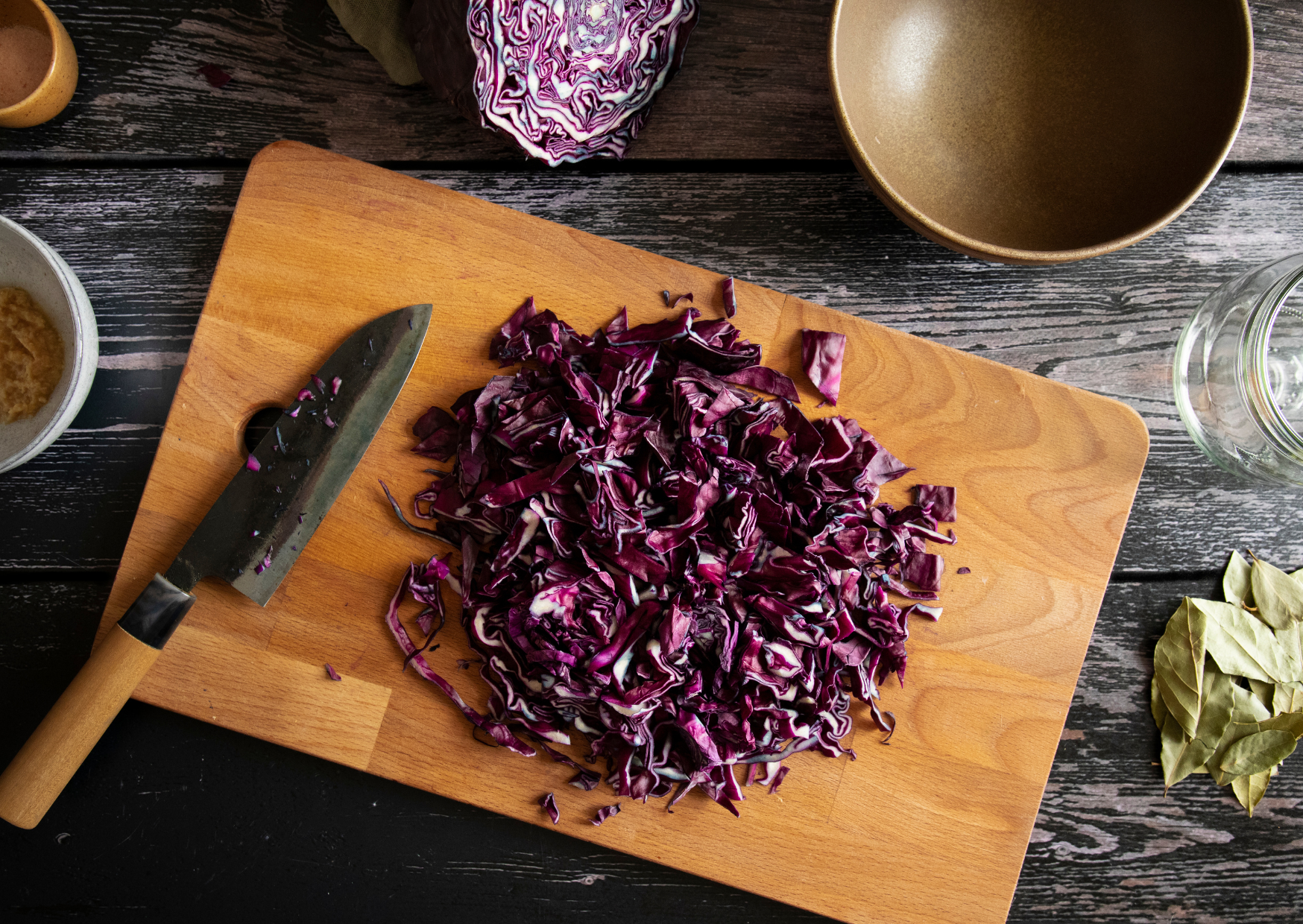
In France, cooking is about texture, flavor, presence — not clinical perfection.
The same board that sliced duck today will mince parsley tomorrow. It holds the faint oil of last night’s anchovies. It carries the scent of garlic that’s been worked into a hundred dishes.
Americans want clean slates. French kitchens favor continuity.
It’s not just a board. It’s part of the flavor profile.
9. The Responsibility Lies with the Cook — Not the Tools
This is perhaps the most important distinction.
In the U.S., safety is externalized. You follow instructions. You use the right gear. If something goes wrong, the system failed.
In France, the responsibility is internal.
The cook is expected to know. To taste. To observe. The same board becomes safe or unsafe based on how it’s handled, not based on what color it is.
That trust in the individual, not the process, defines much of the French relationship to food.
One Board, Two Worlds
To Americans, a shared cutting board is a sign of laziness.
To the French, it’s a sign of skill.
To Americans, sanitation requires control.
To the French, sanitation requires attention.
In the U.S., cleanliness is proven by protocol.
In France, it’s proven by experience — and by the meal.
So the next time you’re in a French kitchen and you see the same board used for duck, onions, and cheese, pause before you panic.
You’re not witnessing a health code violation.
You’re witnessing a culture that believes good cooking is smarter than fear.

About the Author: Ruben, co-founder of Gamintraveler.com since 2014, is a seasoned traveler from Spain who has explored over 100 countries since 2009. Known for his extensive travel adventures across South America, Europe, the US, Australia, New Zealand, Asia, and Africa, Ruben combines his passion for adventurous yet sustainable living with his love for cycling, highlighted by his remarkable 5-month bicycle journey from Spain to Norway. He currently resides in Spain, where he continues sharing his travel experiences with his partner, Rachel, and their son, Han.