
And what it reveals about regulation, trust, and two very different philosophies of health
Walk through the dental hygiene aisle in an American supermarket and you’ll see an overwhelming wall of options. Whitening. Strengthening. Anti-cavity. Anti-plaque. Charcoal. Enamel-repair. Most promise bold results in bright packaging, and nearly all of them share a single active ingredient: sodium fluoride.
To Americans, fluoride is normal. It’s in toothpaste, tap water, mouthwash, and public health campaigns. It’s praised by dentists, endorsed by institutions, and seen as a non-negotiable part of any adult’s hygiene routine.
But travel across Europe, and the story changes.
In many European countries, toothpaste without fluoride is not only available — it’s preferred by a growing number of people. Supermarkets stock natural brands, fluoride-free lines, and herbal alternatives. People actively avoid fluoridated toothpaste, citing concerns that would raise eyebrows in most American dental offices.
To many Americans, this looks like pseudoscience. To many Europeans, American toothpaste looks unnecessarily medicated.
Here’s why Europeans are increasingly avoiding the toothpaste ingredient Americans use daily — and what it reveals about two very different ideas of cleanliness, risk, and bodily autonomy.
Want More Deep Dives into Everyday European Culture?
– Why Europeans Walk Everywhere (And Americans Should Too)
– How Europeans Actually Afford Living in Cities Without Six-Figure Salaries
– 9 ‘Luxury’ Items in America That Europeans Consider Basic Necessities
1. Fluoride Is a Standard Ingredient in the U.S. — But Not in Europe

In the U.S., sodium fluoride is so normalized in oral hygiene that most people don’t even notice it. It’s in nearly every mainstream toothpaste brand, often promoted as the main cavity-fighting ingredient.
In many European countries, however, fluoride toothpaste coexists with fluoride-free options — and consumers are expected to make an informed choice.
You might walk into a pharmacy in France, Germany, or Spain and see equal shelf space for both types. Parents often choose fluoride-free paste for young children. Adults may alternate between the two — or skip fluoride entirely.
It’s not fringe. It’s part of the mainstream market.
2. European Consumers Are Trained to Question Ingredients — Not Just Trust Them
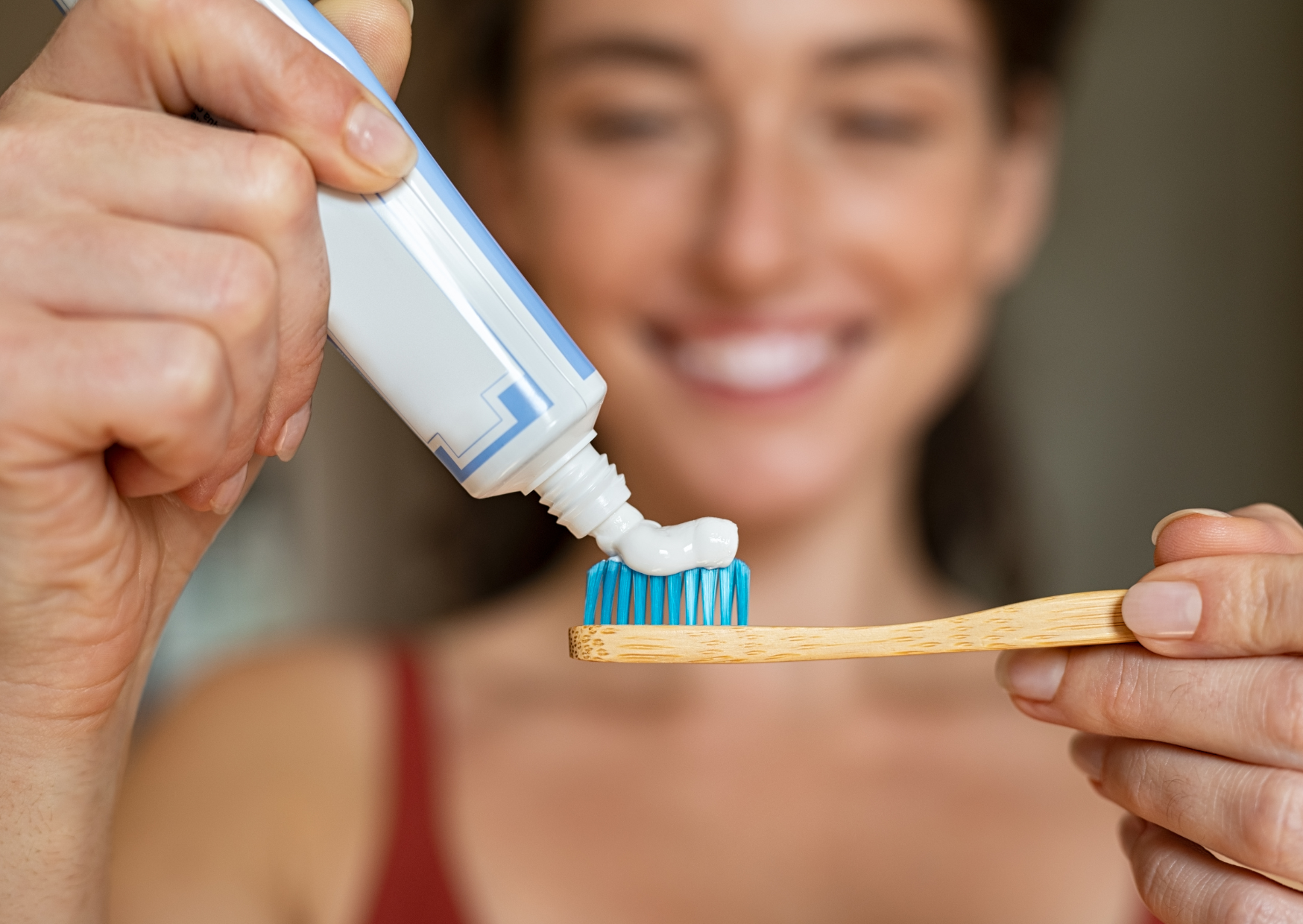
American consumer culture often encourages trust in experts. If dentists say fluoride prevents cavities, most people comply. If it’s on a government-approved label, it must be safe.
European culture, especially in Germany, France, and the Nordics, leans more skeptical — especially when it comes to chemicals.
People read ingredient lists. They choose based on body compatibility, not just effectiveness. They question preservatives, dyes, parabens, and yes — fluoride.
This doesn’t mean all Europeans reject fluoride. But it means that its inclusion is not assumed to be positive. It must be justified.
3. Water Fluoridation Is Rare in Europe — and Often Rejected
One reason fluoride toothpaste is so common in the U.S. is that fluoride has been added to public water supplies since the 1940s. Americans are accustomed to receiving fluoride from multiple sources.
In Europe, water fluoridation is rare — and in many countries, it’s outright banned or strongly discouraged. Spain, Italy, Germany, and France do not fluoridate water, and public resistance to the practice is high.
Without fluoridated water, many Europeans see daily fluoride use in toothpaste as a personal choice, not a public health obligation.
4. Parents Are Cautious — Especially with Young Children
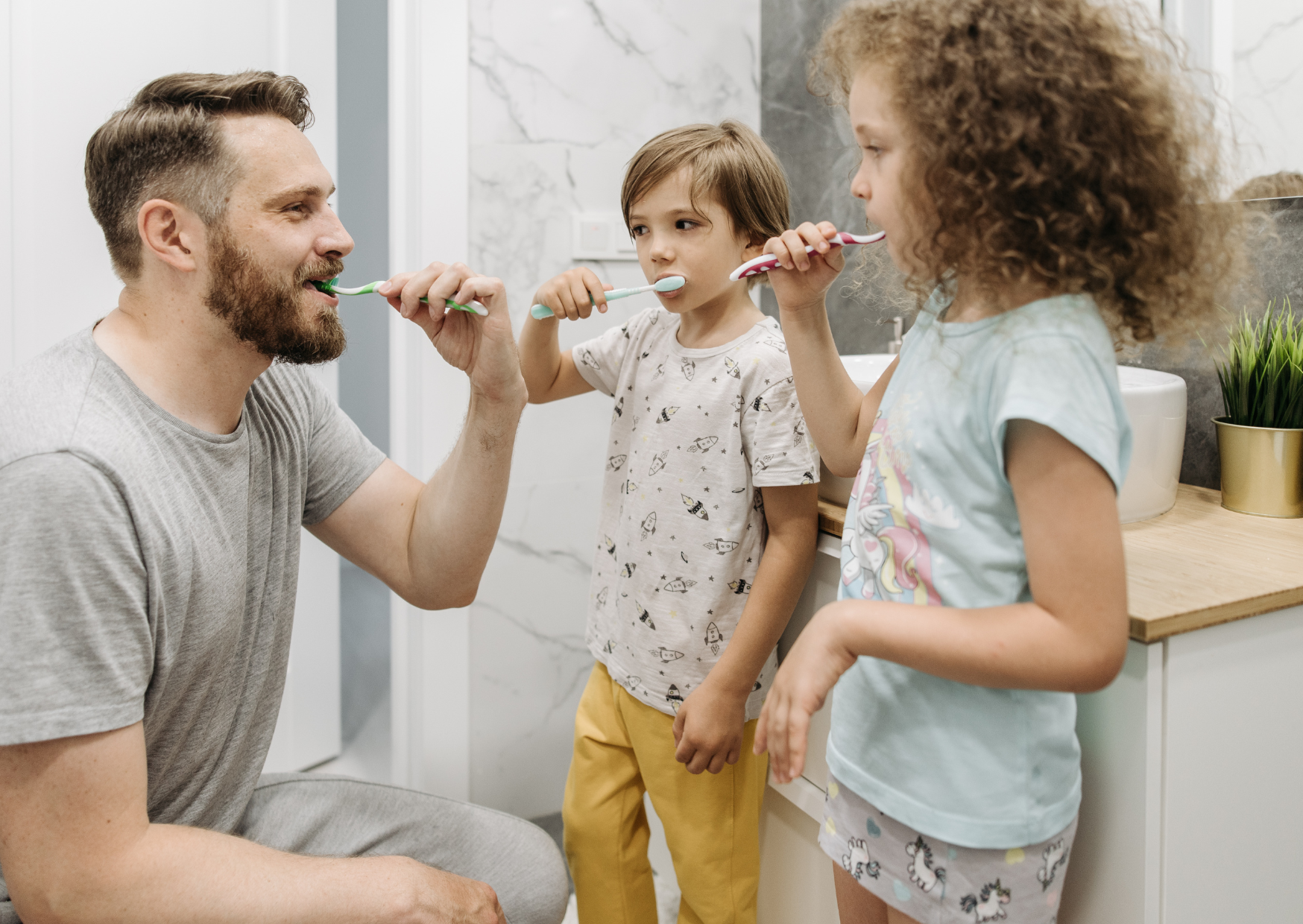
In the U.S., children’s toothpaste almost always contains fluoride, with warnings not to swallow.
In Europe, many parents opt for fluoride-free toothpaste until their child learns to spit, sometimes not introducing fluoride until age six or seven. Concerns about fluorosis (white streaks on teeth from too much fluoride) are taken seriously.
And even when fluoride is used, it’s often in lower concentrations than in U.S. brands.
The approach is cautious: use it only if necessary, and only in the right amounts.
5. “Natural” Toothpastes Are Mainstream — Not Niche
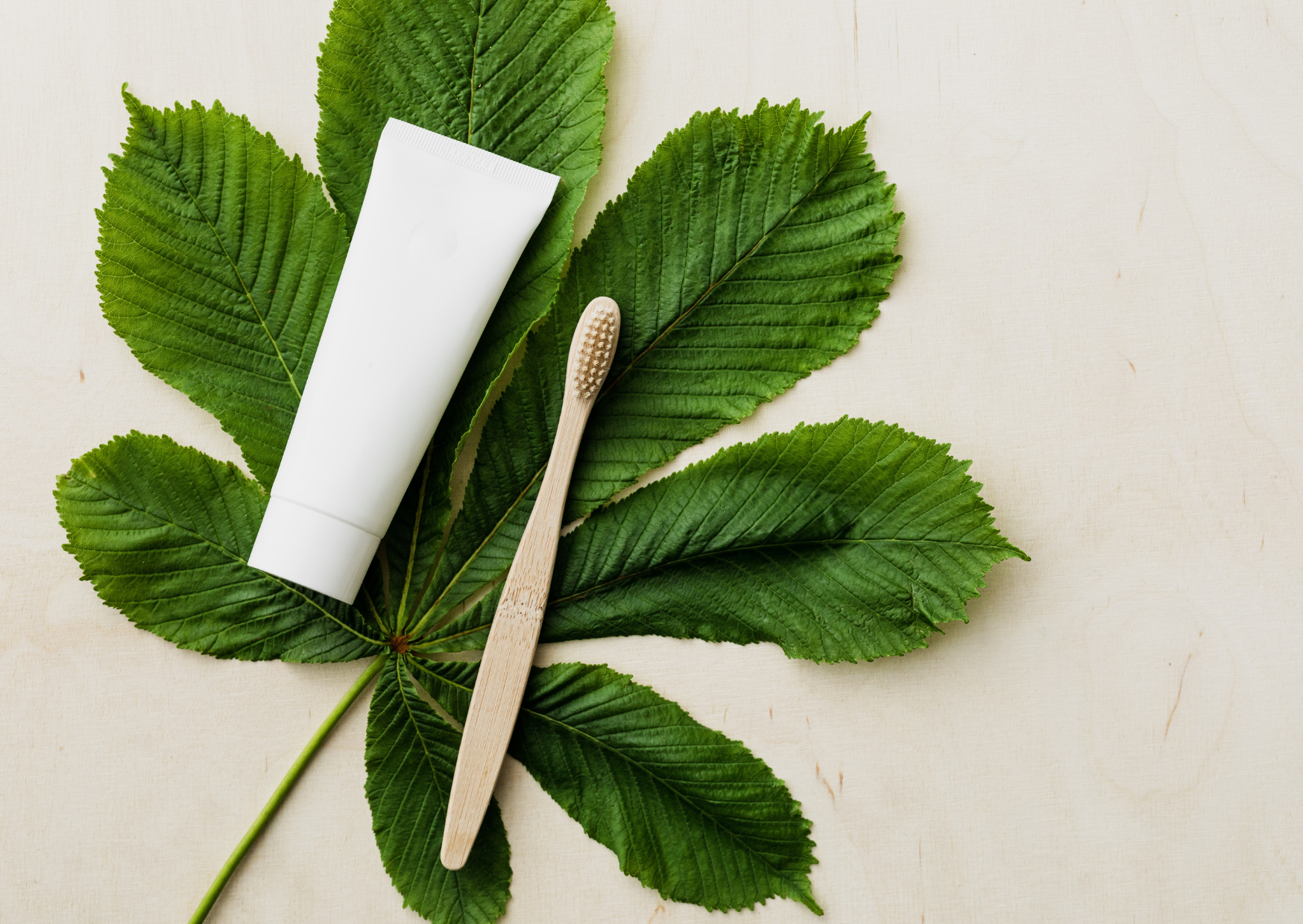
In the U.S., natural toothpaste brands like Tom’s of Maine or Burt’s Bees are often stocked in health food stores or set apart in a “natural products” section.
In Europe, especially in countries like Germany and the Netherlands, natural toothpaste is mainstream.
Brands like Weleda, Lavera, or Urtekram are sold in regular supermarkets. Many are certified organic. Fluoride-free versions are labeled clearly and not treated like alternative medicine.
It’s not about rejecting science — it’s about choosing simpler formulations when possible.
6. Herbal and Mineral Alternatives Are Respected — Not Mocked

In the U.S., alternative toothpaste ingredients like clay, salt, or herbal oils are often dismissed as ineffective or “crunchy.”
In Europe, these ingredients are part of respected traditions. Salt toothpastes are popular in Switzerland and Germany. Herbal oils are used in Ayurvedic-influenced products in France and Italy.
Some brands combine fluoride with herbal ingredients. Others replace it entirely.
The result is a broader market — and more consumer trust in non-synthetic solutions.
7. The Marketing Language Is Softer — and Less Aggressive
American toothpaste marketing is full of promises: “Kills 99% of bacteria.” “Fights plaque all day.” “Maximum strength.”
European brands often take a more balanced, non-militarized tone.
Phrases like “supports oral hygiene” or “protects natural enamel” are more common than “whitens fast” or “deep cleans.”
Even when fluoride is included, the emphasis is on support, not total domination.
This reflects a deeper cultural difference in how health is framed — not as a war, but as a system to nourish and balance.
8. Skepticism Isn’t “Anti-Science” — It’s Cultural Memory
To Americans, avoiding fluoride often reads as a red flag — the sign of someone distrustful of medicine or authority.
In Europe, skepticism is often a learned response from decades of health scandals: asbestos, pesticides, contaminated blood, hormone disruptions in plastics.
Avoiding fluoride isn’t always ideological. Sometimes it’s just a quiet habit of erring on the side of caution — especially when simpler alternatives exist.
9. The Mouth Isn’t Treated Like a Chemical Battleground

At its core, American dental care is often about eliminating threats — bacteria, acids, decay. Stronger = better. Total protection = ideal.
In Europe, there’s more emphasis on maintaining oral balance.
Fluoride is seen as helpful, not essential. Brushing technique, diet, and regular dental visits are prioritized over maximum chemical defense.
Many people believe that if you eat well, brush gently, and take care of your teeth — you might not need fluoride at all.
That belief may be debated by dentists — but it’s deeply embedded in consumer habits.
One Ingredient, Two Mentalities
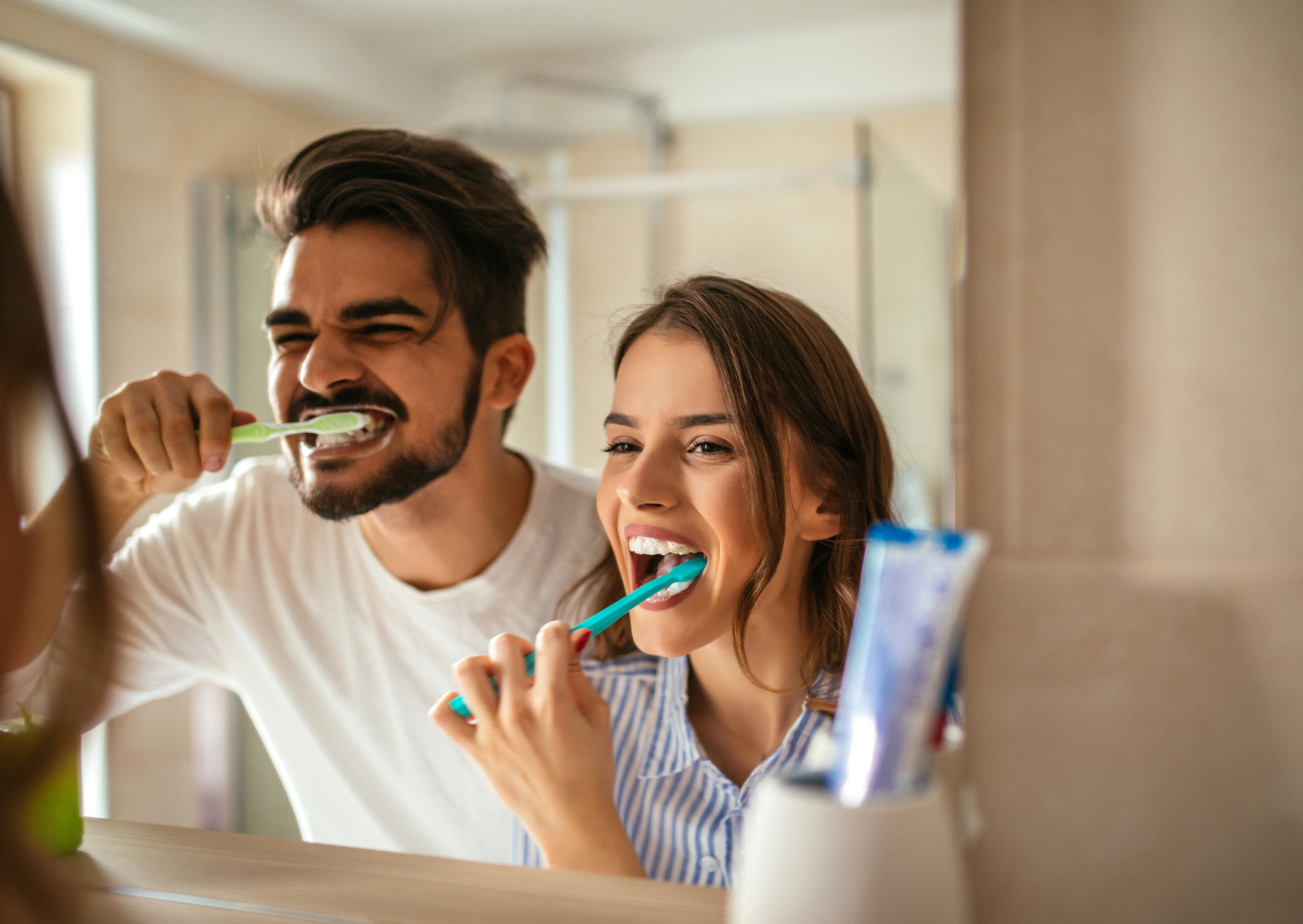
To Americans, fluoride is part of a non-negotiable daily ritual.
To many Europeans, it’s a helpful option — but not the only one.
In the U.S., trusting fluoride means trusting the system.
In Europe, choosing toothpaste means reading the label, asking questions, and deciding for yourself.
Neither culture is inherently right or wrong. But the difference reveals two very distinct ways of navigating health:
America says: Use what works, every day, without hesitation.
Europe says: Use what makes sense — and stop if it doesn’t feel necessary.
And that quiet pause, that willingness to say “maybe not,” is what makes the toothpaste aisle feel so different on either side of the Atlantic.

About the Author: Ruben, co-founder of Gamintraveler.com since 2014, is a seasoned traveler from Spain who has explored over 100 countries since 2009. Known for his extensive travel adventures across South America, Europe, the US, Australia, New Zealand, Asia, and Africa, Ruben combines his passion for adventurous yet sustainable living with his love for cycling, highlighted by his remarkable 5-month bicycle journey from Spain to Norway. He currently resides in Spain, where he continues sharing his travel experiences with his partner, Rachel, and their son, Han.