
(And Why That Willingness Might Explain a Lot About Lifestyle, Resilience, and Priorities)
Spend enough time in Europe, and you start to notice something: people put up with things. Cold rooms. Long walks. Crowded cafés. Heat with no AC. Showers without pressure. Trains with no Wi-Fi. It is not that they do not feel the discomfort—it is that they seem strangely unbothered by it.
In contrast, American culture tends to prioritize comfort and convenience above all. Air conditioning must be powerful. Chairs must be cushioned. Walking should be minimal. Waiting is a problem to be solved. Anything that causes physical discomfort is quickly fixed, upgraded, or avoided.
But in Europe, many of these minor discomforts are part of daily life. They are tolerated not because people love suffering, but because they value other things more—tradition, community, rhythm, sustainability, or simply the acceptance that life isn’t always optimized.
Here are nine physical discomforts Europeans live with willingly—and what their tolerance says about cultural priorities.
Want More Deep Dives into Everyday European Culture?
– Why Europeans Walk Everywhere (And Americans Should Too)
– How Europeans Actually Afford Living in Cities Without Six-Figure Salaries
– 9 ‘Luxury’ Items in America That Europeans Consider Basic Necessities
1. No Air Conditioning in Summer
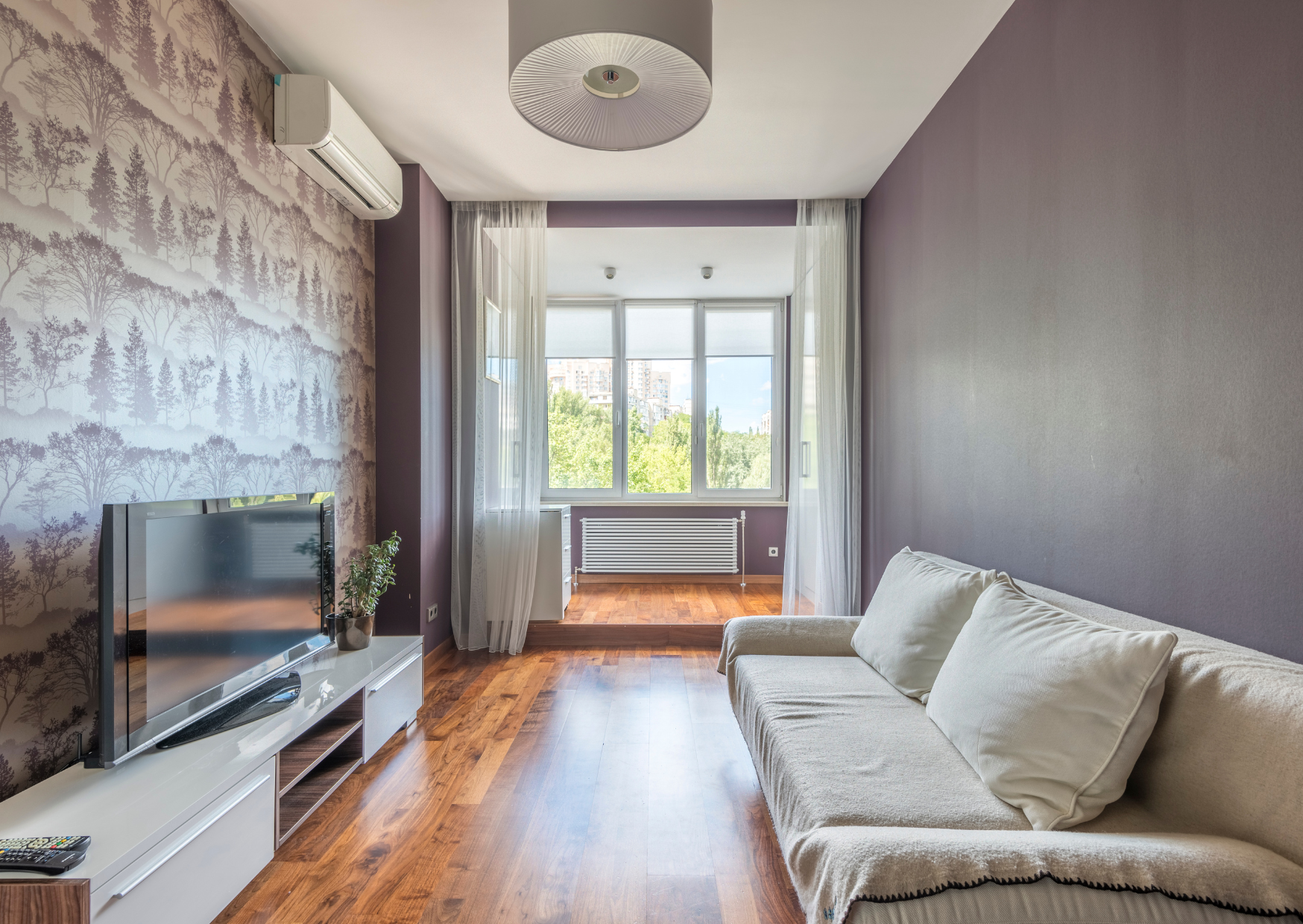
In much of Europe, air conditioning is either rare, inefficient, or absent altogether. Even during brutal August heatwaves, many locals endure it with fans, shutters, and cold water.
- Older buildings were not designed for central air, and many towns restrict exterior units for aesthetic reasons.
- Locals rely on time-tested techniques: closing blinds at midday, airing out homes at dawn, and adjusting their routines.
- People nap, slow down, and sweat—without turning every room into a meat locker.
While Americans blast AC to create a constant 70-degree environment, Europeans accept seasonal discomfort. It is not enjoyable—but it is normal.
2. Icy Apartments in Winter

Likewise, in the colder months, European homes can feel chilly compared to American standards.
- Central heating is often controlled by the building, not the individual.
- Rooms are heated sparingly to save energy.
- Rather than heating large spaces, Europeans layer up—indoor sweaters, thick socks, and thermal underlayers are common.
It is not unusual for a living room to feel brisk until evening, or for a bathroom to be cold in the morning. Comfort comes from adaptation, not constant temperature control.
3. Hard Beds and Thin Pillows
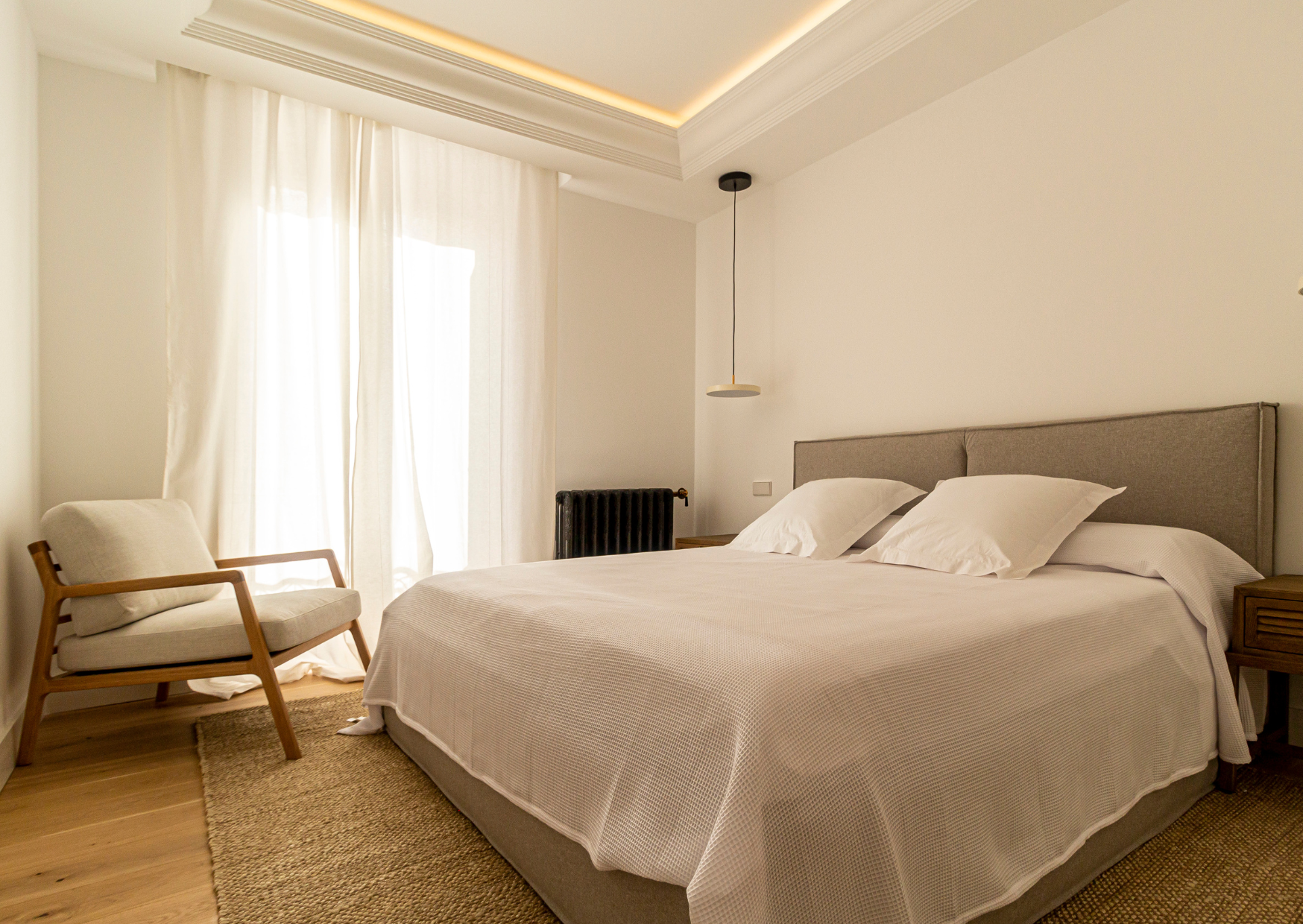
Many Americans prize soft, plush bedding. Memory foam. Pillow-top mattresses. Multiple pillows. The European bed, in contrast, is often described by visitors as “firm,” “minimal,” or simply “unforgiving.”
- Mattresses are firmer and often less thick.
- One pillow per person is the standard.
- Duvets provide warmth, but the sleeping surface itself is designed for posture, not indulgence.
This is not neglect—it is preference. Comfort, in this case, is understood as functional, not luxurious. For Europeans, sleep quality often comes from silence, darkness, and routine—not softness.
4. Long Walks Everywhere
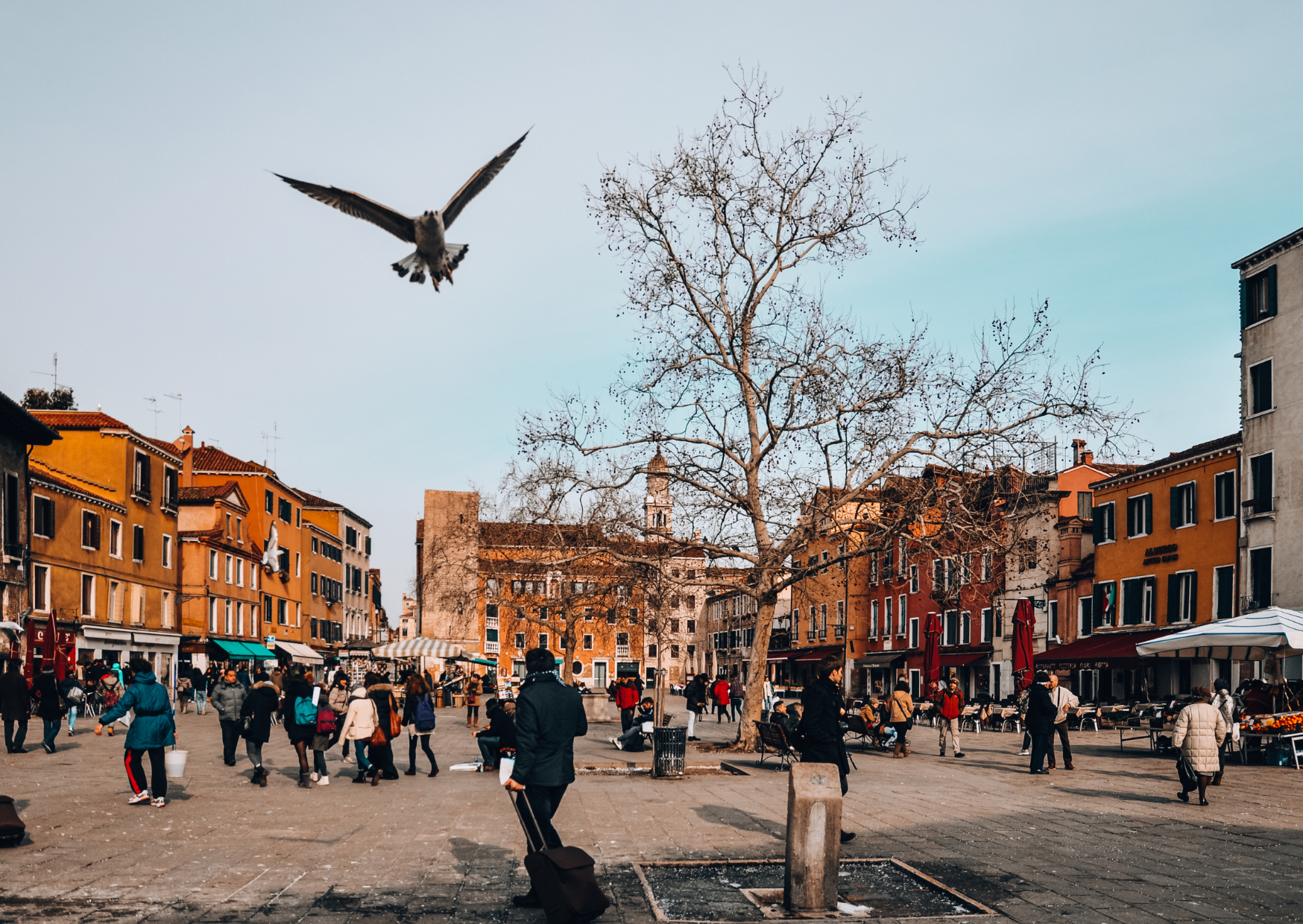
Walking is not just tolerated in European cities—it is expected.
- Grocery shopping involves walking home with bags.
- Public transport often includes walking 10 to 15 minutes on each end.
- Elevators are rare in older buildings. Stairs are standard.
Americans may see this as exhausting or inefficient. Europeans see it as normal movement. It is baked into daily life, reducing the need for scheduled workouts. You do not walk for fitness. You walk because it is how the city works.
5. No To-Go Mentality
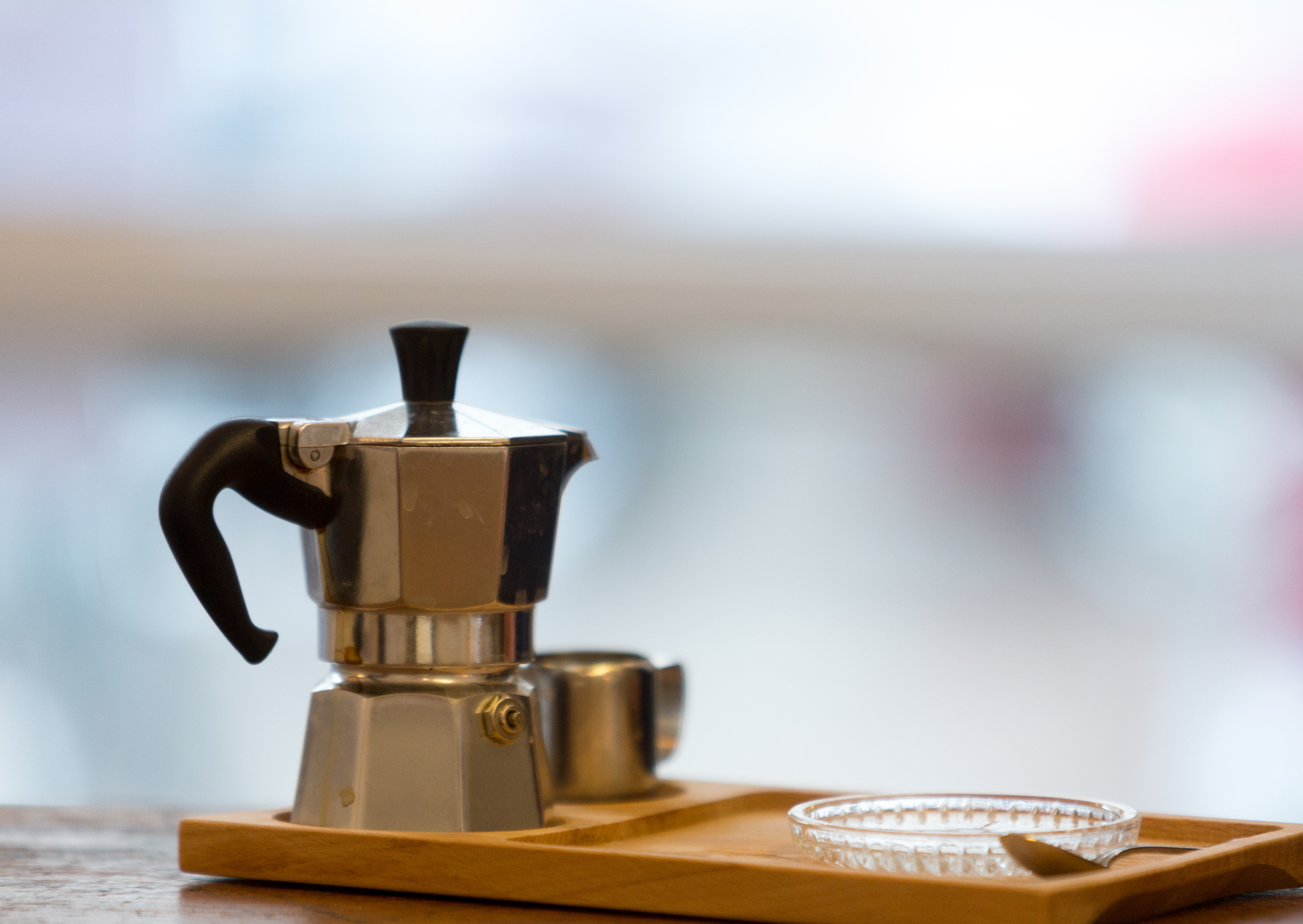
Getting food or drink “to-go” is less common in Europe, and sometimes even frowned upon. Coffee is enjoyed at the counter. Lunch is eaten sitting down. Meals are not rushed, nor are they portable.
- Many cafés will not offer to-go cups unless asked.
- Taking food on the street can look sloppy or impatient.
- Even ice cream is meant to be enjoyed on a bench, not in the car.
For Americans, the inability to “grab and go” feels inefficient. For Europeans, the act of slowing down is part of the pleasure—even if it means being slightly late or slightly hungry.
6. Shared Personal Space
Europeans tolerate less physical space than Americans are used to.
- Sidewalks are narrower. Trains are crowded. Cafés are packed with closely spaced tables.
- Personal space bubbles are smaller. Brushing shoulders or sharing a bench with a stranger is not alarming.
- Elevators are tiny. Bathrooms are smaller. Hallways are tighter.
It is not that space is unavailable. It is that space is not expected. Sharing tight spaces is seen as part of city life—not a problem that needs fixing with bigger infrastructure.
7. Basic Bathrooms
Bathrooms in Europe can feel spartan by American standards.
- Showers are often small, with low water pressure.
- Bathtubs without curtains are common.
- Public restrooms may lack toilet seats, soap, or even paper.
- Bidets are present in many homes but absent from hotels, or vice versa.
The surprise comes from the contrast. A beautiful home may still have a humble bathroom. Hotels may invest in charm, not deluxe plumbing. For many Europeans, the bathroom is a place for function, not luxury.
8. Waiting Without Entertainment
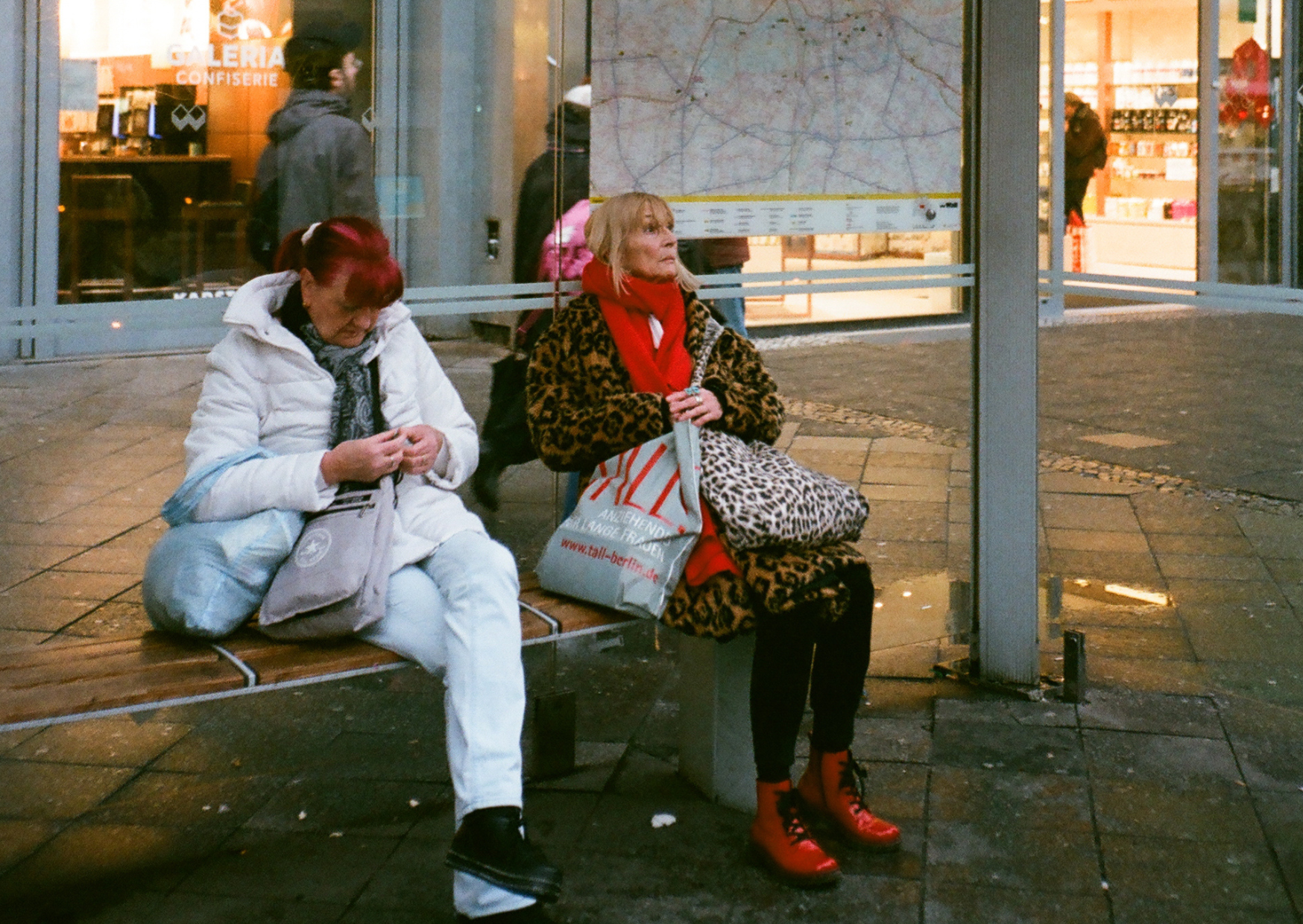
Europeans wait—for the bus, for a doctor, for a restaurant table—often without constant digital distraction.
- You will see people sitting quietly, staring into space, reading, or chatting.
- Public spaces are not filled with TVs or entertainment.
- Time is passed, not filled. Silence is not feared.
This willingness to wait without stimulation is not just about tolerance. It reflects a culture that still values presence and patience—even when the moment is mildly uncomfortable.
9. Minimal Climate Control in Public Transport
Public transport in Europe is not always air conditioned, especially in older metros or buses.
- Trains may feel stuffy in summer or cold in winter.
- Windows may not open. Heating may be uneven.
- Riders adapt. They dress in layers. They endure the journey.
While Americans expect climate-controlled commutes, Europeans focus on the practicality of getting somewhere. The train may be hot, but it is affordable, efficient, and avoids traffic. That trade-off is worth it.
Why They Put Up With It
It is not that Europeans do not want comfort. Many do. But culturally, comfort is not the default priority. These daily discomforts are accepted because:
- Tradition matters. Old buildings are preserved, even if it means no elevator or drafty windows.
- Energy conservation is valued. People tolerate fluctuations in temperature to reduce waste.
- Convenience is not always king. Slowness, waiting, and effort are seen as part of a meaningful life.
- Frugality is normalized. Small discomforts are accepted if they save money, space, or resources.
- Cultural habits are strong. People live the way their parents did. You adapt to the system, not the other way around.
Discomfort is not always a sign that something is wrong. Sometimes it is a sign that something is real, lived-in, or more sustainable.
Europeans do not fear sweat, stairs, or slow service. They accept them. And in doing so, they often build more resilient bodies, more flexible routines, and a higher tolerance for unpredictability.
The next time a European shrugs off a lukewarm coffee or a slightly too-warm train ride, remember—they are not being passive. They are practicing a kind of cultural resilience. One that quietly says: you do not need everything to be perfect to enjoy your life.

About the Author: Ruben, co-founder of Gamintraveler.com since 2014, is a seasoned traveler from Spain who has explored over 100 countries since 2009. Known for his extensive travel adventures across South America, Europe, the US, Australia, New Zealand, Asia, and Africa, Ruben combines his passion for adventurous yet sustainable living with his love for cycling, highlighted by his remarkable 5-month bicycle journey from Spain to Norway. He currently resides in Spain, where he continues sharing his travel experiences with his partner, Rachel, and their son, Han.