
Wildlife encounters are among the most cherished experiences for travelers around the world. The thrill of seeing majestic animals like whales, tigers, and elephants in their natural habitats can be the highlight of any trip. However, the surge in wildlife tourism has its dark side, often hidden from the enthusiastic tourist’s eye.
In this article, we go into into five popular wildlife experiences, unveiling the ethical dilemmas and conservation challenges they pose. By understanding the impact of these activities, travelers can make more informed decisions and contribute positively to wildlife conservation.
More reads:
– 6 Essentials to Pack for Europe
– Why September and October are The Best Months to Visit Europe
– The Best Destinations in Europe for Travelling with Young Children
– 15 Common Mistakes to Avoid in Europe and How to Avoid Them
– Travel Insurance for Europe
1. Whale Watching in Iceland – The Dark Side of Touristic Wildlife Encounters
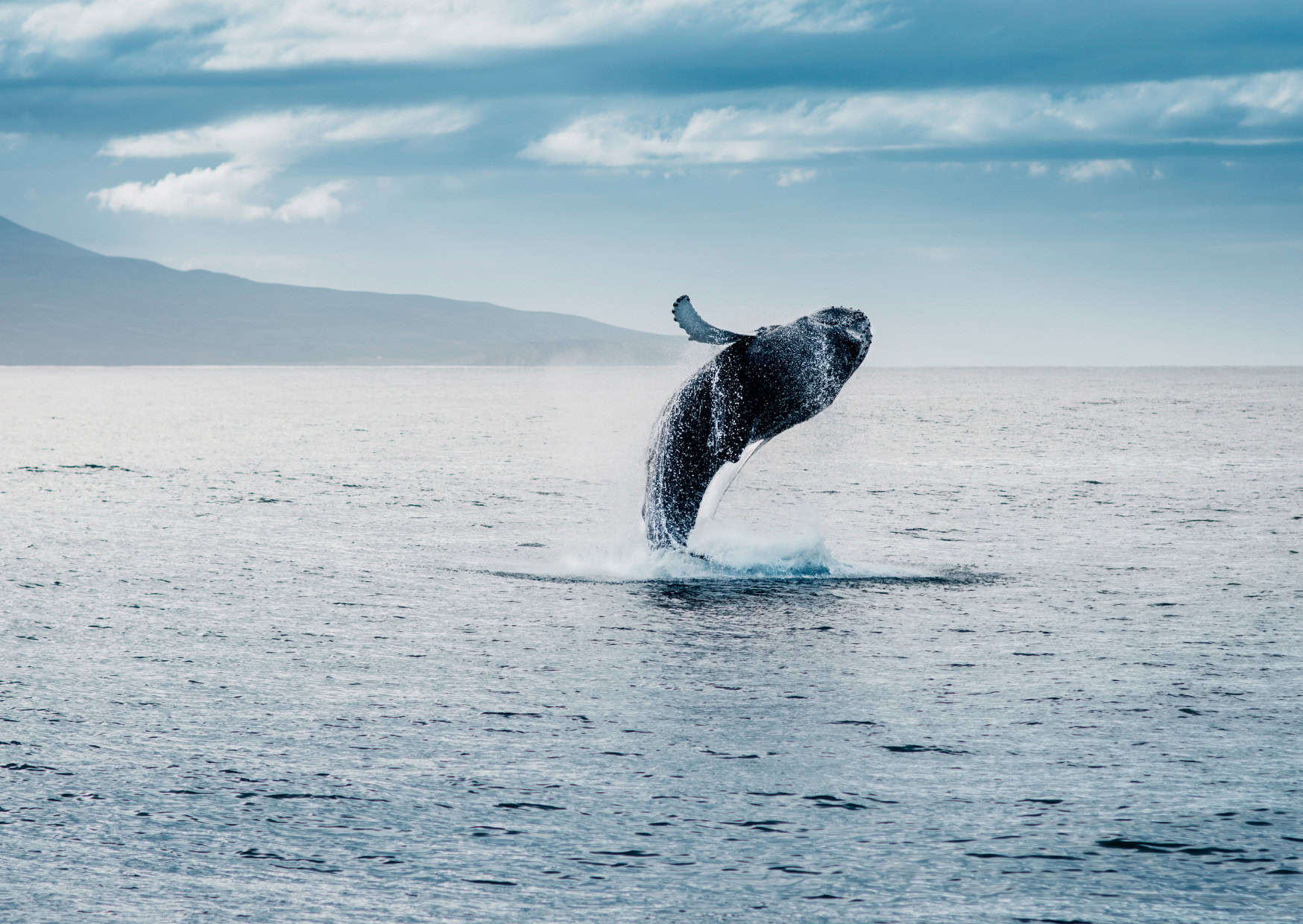
The Challenge: Whale watching in Iceland draws crowds eager to see these magnificent creatures up close. But heavy tourist traffic can stress the whales, disrupt their natural behaviors, and even lead to physical harm from too many boats crowding around them.
What’s Happening:
- Too Close for Comfort: Some tours may get too close to the whales, causing them stress or altering their natural migration and feeding patterns.
- Noise Pollution: The engines from a high number of boats can create noise that disrupts the whales’ communication and navigation.
- Crowding: During peak tourist seasons, the influx of boats crowding popular whale watching spots can lead to a chaotic environment that’s not ideal for either the whales or the visitors.
Visitor Tips:
- Choose Wisely: Pick tour operators committed to sustainable practices, who respect guidelines about safe distances and minimize their environmental impact.
- Stay Informed: Learn about whale behavior and the local guidelines for interacting with wildlife before you go on a tour.
- Respect Nature: Always follow the tour guide’s instructions and keep noise to a minimum to help provide a stress-free environment for the whales.
By being mindful of these challenges and choosing responsible tours, visitors can enjoy the beauty of whale watching without compromising the welfare of these incredible animals.
2. Tiger Safaris in Ranthambore, India
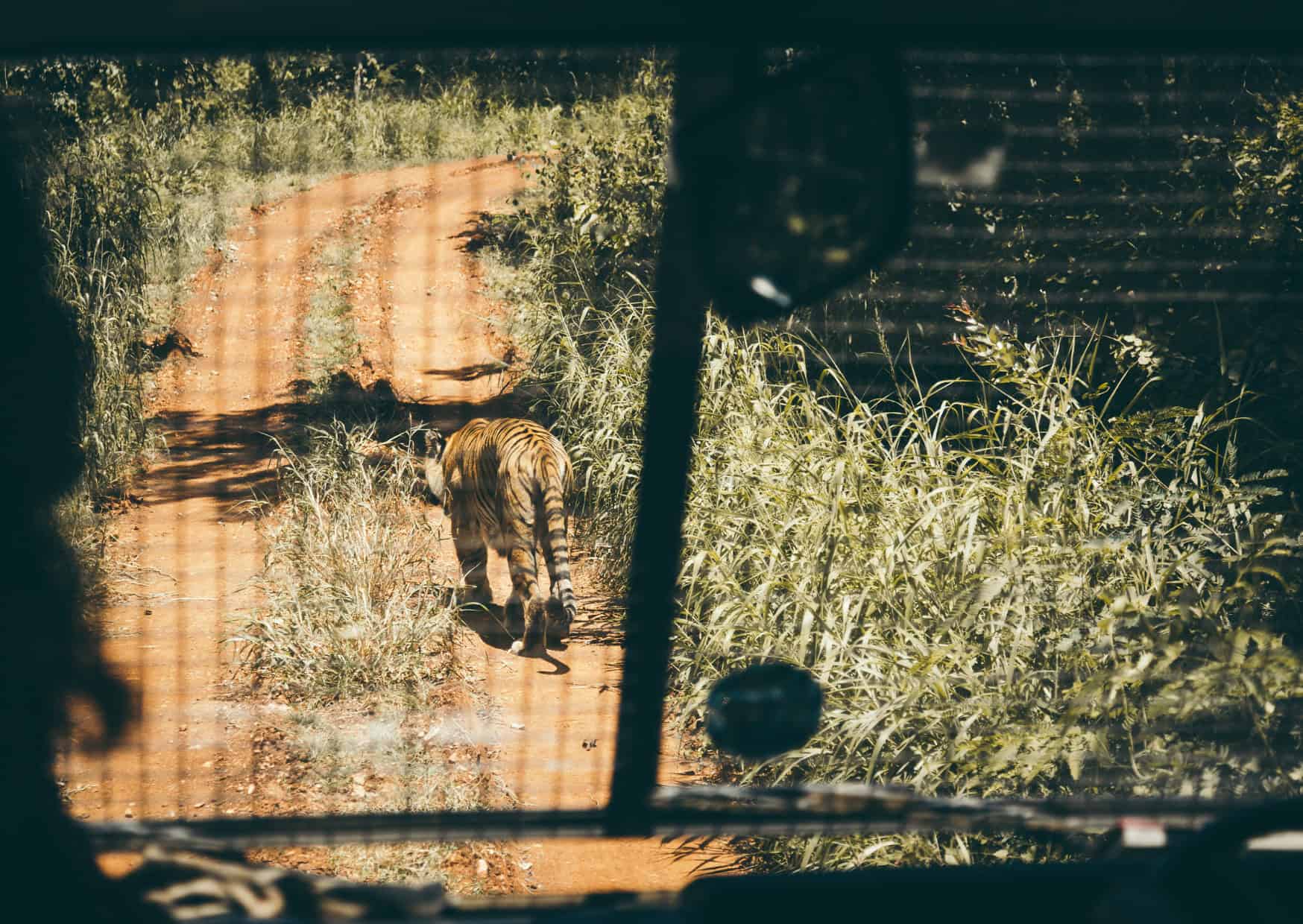
The Challenge: Tiger safaris in Ranthambore National Park are immensely popular for those hoping to catch a glimpse of these majestic animals in the wild. However, the rising number of tourists has led to overcrowding and can disrupt the natural behavior of tigers and other wildlife.
What’s Happening:
- Habitat Disturbance: The constant flow of safari vehicles can stress the tigers, potentially altering their hunting patterns and natural behaviors.
- Increased Human Interaction: Frequent close encounters with humans can make tigers accustomed to human presence, which might affect their instinctual fear and behavior negatively.
- Traffic and Noise: The noise and congestion from safari vehicles not only disturb the tigers but also impact the overall ecosystem within the park.
Visitor Tips:
- Follow Park Rules: Always stick to the designated safari routes and maintain a safe distance from the animals. Never attempt to attract a tiger’s attention for a better view or photo.
- Choose Responsible Tour Operators: Opt for safari companies that limit their vehicle numbers and adhere strictly to wildlife conservation guidelines.
- Be a Quiet Observer: Keep noise to a minimum during your safari. The quieter you are, the more likely you are to observe natural wildlife behaviors.
By respecting these guidelines, tourists can help ensure that tiger safaris remain a sustainable activity that contributes to the conservation of these incredible animals rather than endangering them.
3. Elephant Encounters in Thailand
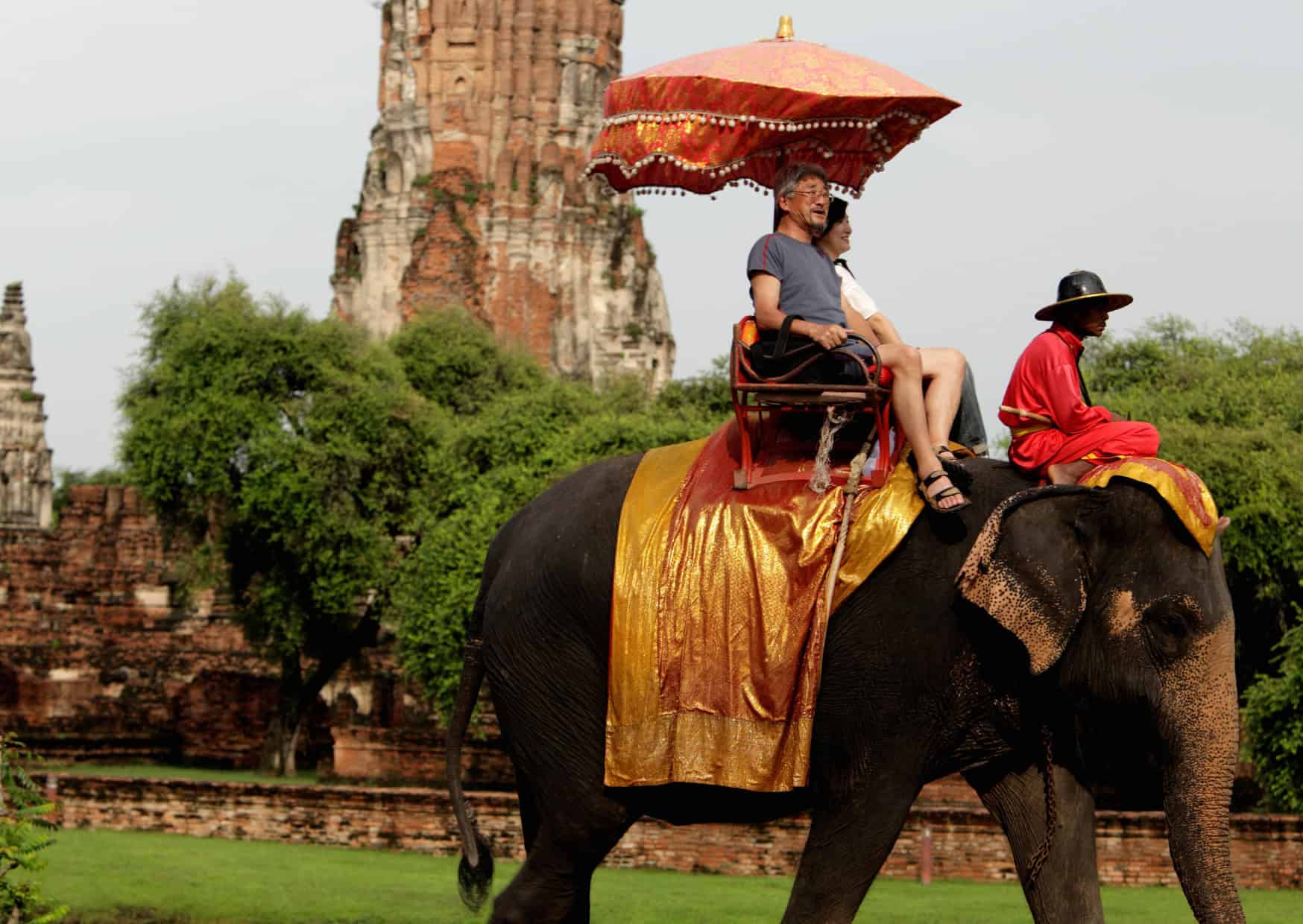
The Challenge: Elephant camps and sanctuaries in Thailand attract many tourists eager to interact with these gentle giants. Unfortunately, not all establishments treat their elephants ethically. In some places, elephants are made to carry heavy loads or perform in shows, which can harm their health and well-being.
What’s Happening:
- Physical Stress: Elephants used for rides or entertainment often suffer from spinal injuries and other health issues due to the unnatural activities and overwork.
- Improper Care: Some facilities lack proper veterinary care, adequate space, or appropriate nutrition for their elephants, leading to poor health and shortened lifespans.
- Psychological Impact: Elephants are highly intelligent and social animals. Inadequate social interaction with other elephants and stressful encounters with humans can lead to psychological distress.
Visitor Tips:
- Support Ethical Sanctuaries: Choose to visit sanctuaries that prioritize elephant welfare, where animals are not ridden or used for entertainment but are cared for in a natural environment.
- Educate Yourself: Learn about the needs and natural behaviors of elephants before your visit. Understanding these aspects can enhance your appreciation of these animals and the care they require.
- Advocate for Change: Share your experiences and promote ethical treatment of elephants through social media and reviews. Your voice can help raise awareness and encourage more tourists to choose responsible wildlife interactions.
By choosing ethical venues and advocating for better treatment, tourists can enjoy meaningful encounters with elephants that support their conservation and well-being.
4. Dolphin Shows in Captivity
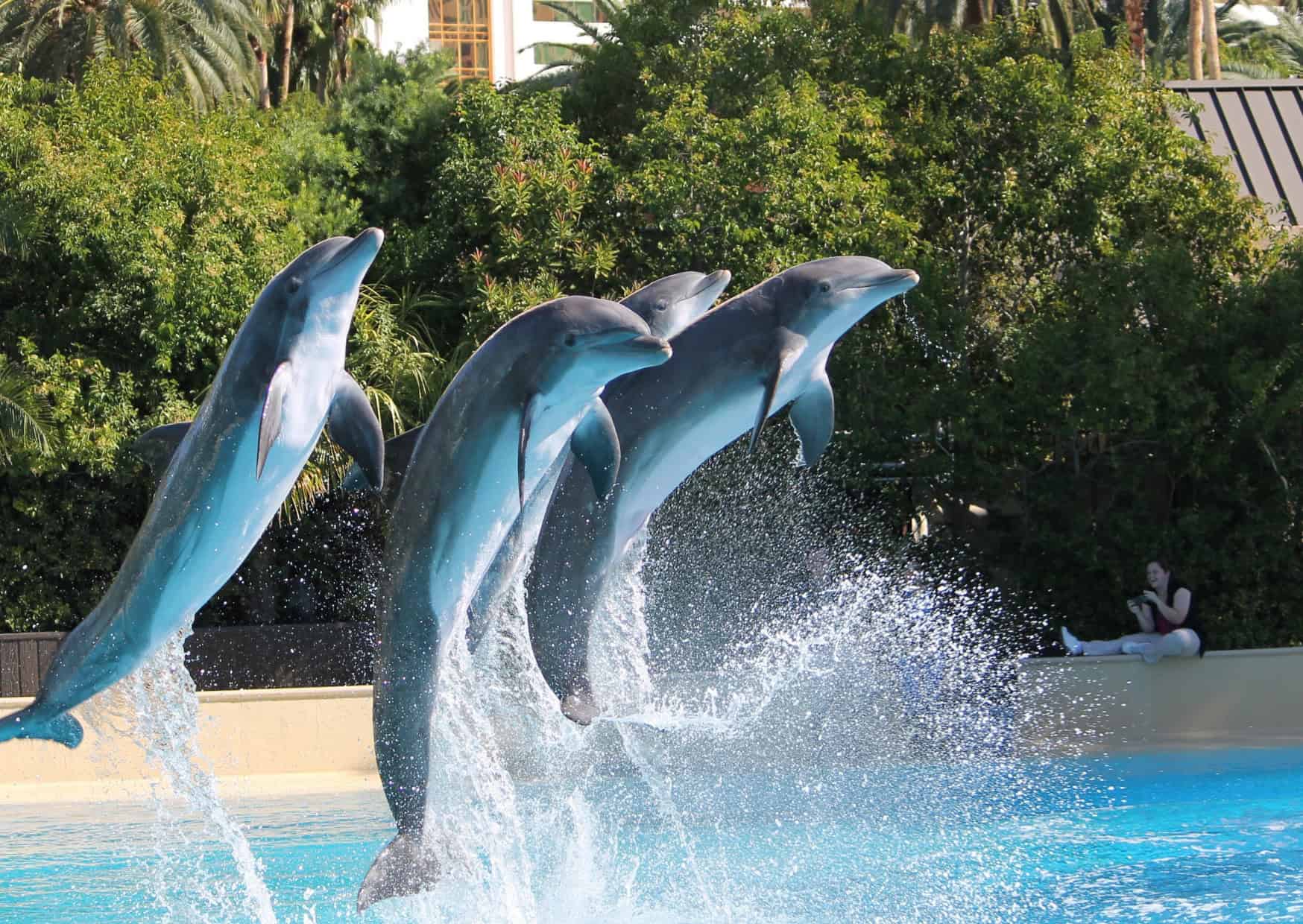
The Challenge: Dolphin shows and interactive encounters in marine parks around the world are popular tourist attractions. However, keeping dolphins in captivity for entertainment can lead to significant ethical and welfare concerns. These intelligent creatures often suffer in environments that cannot meet their complex physical and social needs.
What’s Happening:
- Confined Spaces: Dolphins in captivity are kept in pools that are much smaller than their natural habitat, restricting their ability to swim long distances and live in pods as they would in the wild.
- Behavioral Stress: The lack of environmental enrichment and social structures can lead to stress, aggression, and abnormal behaviors in captive dolphins.
- Health Issues: Captive dolphins often exhibit health problems such as ulcers, chlorine poisoning, and stress-related conditions due to their confined living conditions and the chemical treatments of pool water.
Visitor Tips:
- Choose Wild Encounters: Opt for wildlife tours that offer the chance to see dolphins in their natural ocean habitats where they are free to exhibit natural behaviors.
- Educate Others: Share information about the impacts of captivity on dolphins and promote marine conservation efforts that focus on protecting these animals in the wild.
- Support Conservation Initiatives: Contribute to or volunteer with organizations that work towards the conservation of marine life and the rehabilitation and release of captive animals.
By prioritizing responsible wildlife experiences and advocating for the ethical treatment of dolphins, tourists can help reduce the demand for captive shows and support efforts to protect these remarkable animals in their natural environments.
5. Lion Walks in Africa
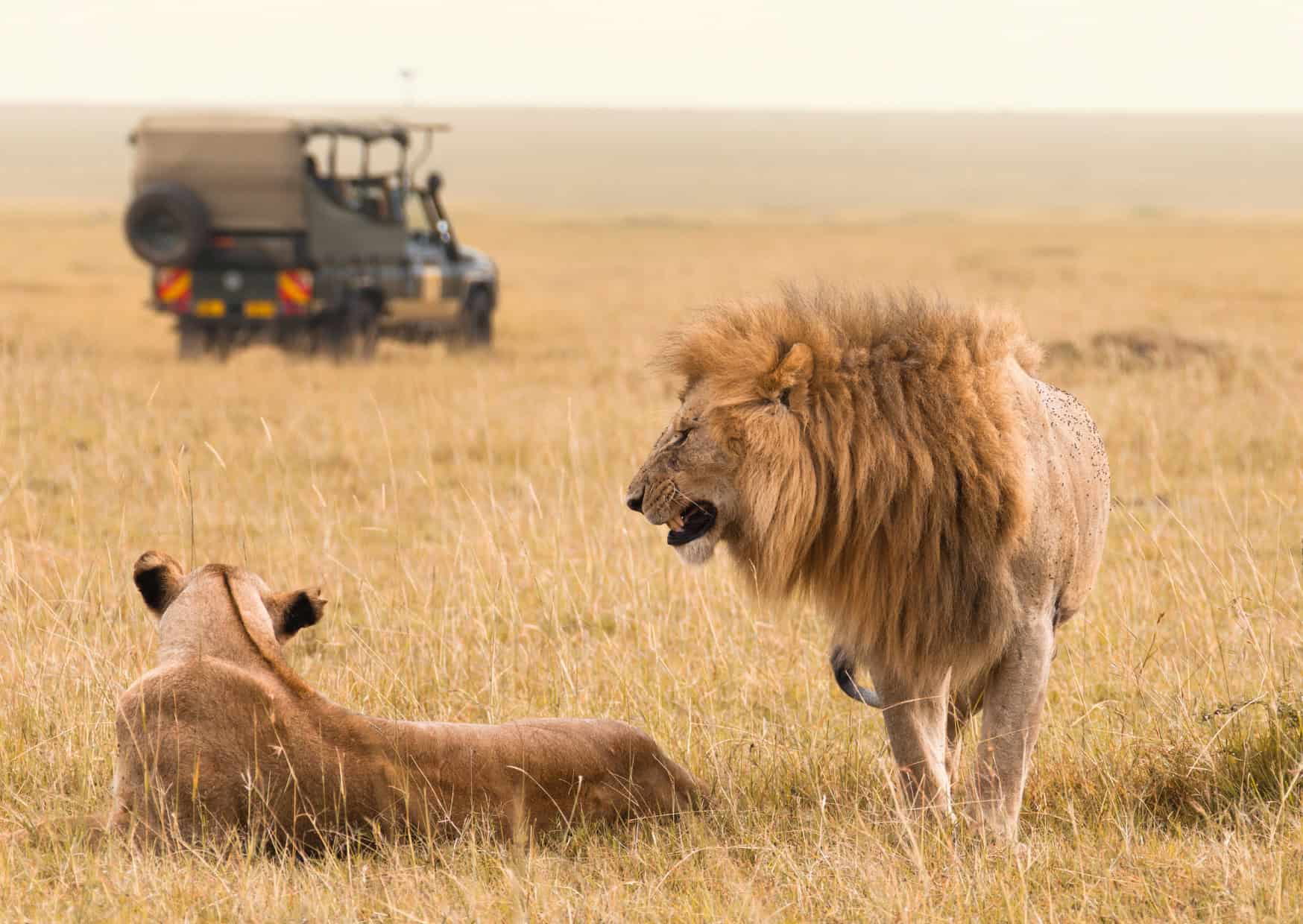
The Challenge: Lion walks, where tourists can walk alongside or interact closely with lions, are offered in some parts of Africa as unique wildlife experiences. However, these activities often do not prioritize the well-being of the lions and can contribute to unethical breeding practices and improper handling.
What’s Happening:
- Captive Breeding: Many lions used for walks are bred in captivity under conditions that do not consider their health or genetic diversity. This breeding is primarily for profit, not conservation.
- Human Imprinting: Young lions raised in close contact with humans fail to develop natural fears and behaviors necessary for survival in the wild. This makes it nearly impossible for them to be reintegrated into natural habitats.
- Safety Risks: Close interactions with lions pose significant safety risks for both the animals and humans involved, often leading to stress and aggression.
Visitor Tips:
- Support Wild Conservation: Choose safari experiences that allow you to observe lions in their natural environment from a safe distance. This supports conservation efforts and provides a more authentic understanding of lion behavior.
- Research Thoroughly: Before booking any wildlife interaction, research the facility’s conservation credentials and animal welfare standards. Look for reviews and feedback from previous visitors.
- Educate and Advocate: Use your visit as an opportunity to learn more about lion conservation and share this knowledge. Advocating for ethical wildlife tourism can influence others to make responsible choices.
Concluding The Dark Side of Touristic Wildlife Encounters
By opting for ethical wildlife experiences that respect the natural behavior and habitat of lions, tourists can enjoy memorable encounters that contribute positively to conservation efforts and animal welfare.
As we explore the darker aspects of tourist interactions with wildlife, it becomes clear that our love for these magnificent creatures must be matched by our responsibility towards them. Each visit we make and each interaction we partake in leaves a footprint—sometimes literally—on their world.
By choosing ethical wildlife encounters, educating ourselves about the environments we visit, and advocating for conservation, we can help ensure that these animals continue to thrive in the wild.
Let’s transform our fascination with the natural world into a force for good, supporting practices that respect and preserve the awe-inspiring wildlife we cherish so deeply.

About the Author: Ruben, co-founder of Gamintraveler.com since 2014, is a seasoned traveler from Spain who has explored over 100 countries since 2009. Known for his extensive travel adventures across South America, Europe, the US, Australia, New Zealand, Asia, and Africa, Ruben combines his passion for adventurous yet sustainable living with his love for cycling, highlighted by his remarkable 5-month bicycle journey from Spain to Norway. He currently resides in Spain, where he continues sharing his travel experiences with his partner, Rachel, and their son, Han.