
And what it reveals about cultural trust, body education, and different ideas of comfort and control
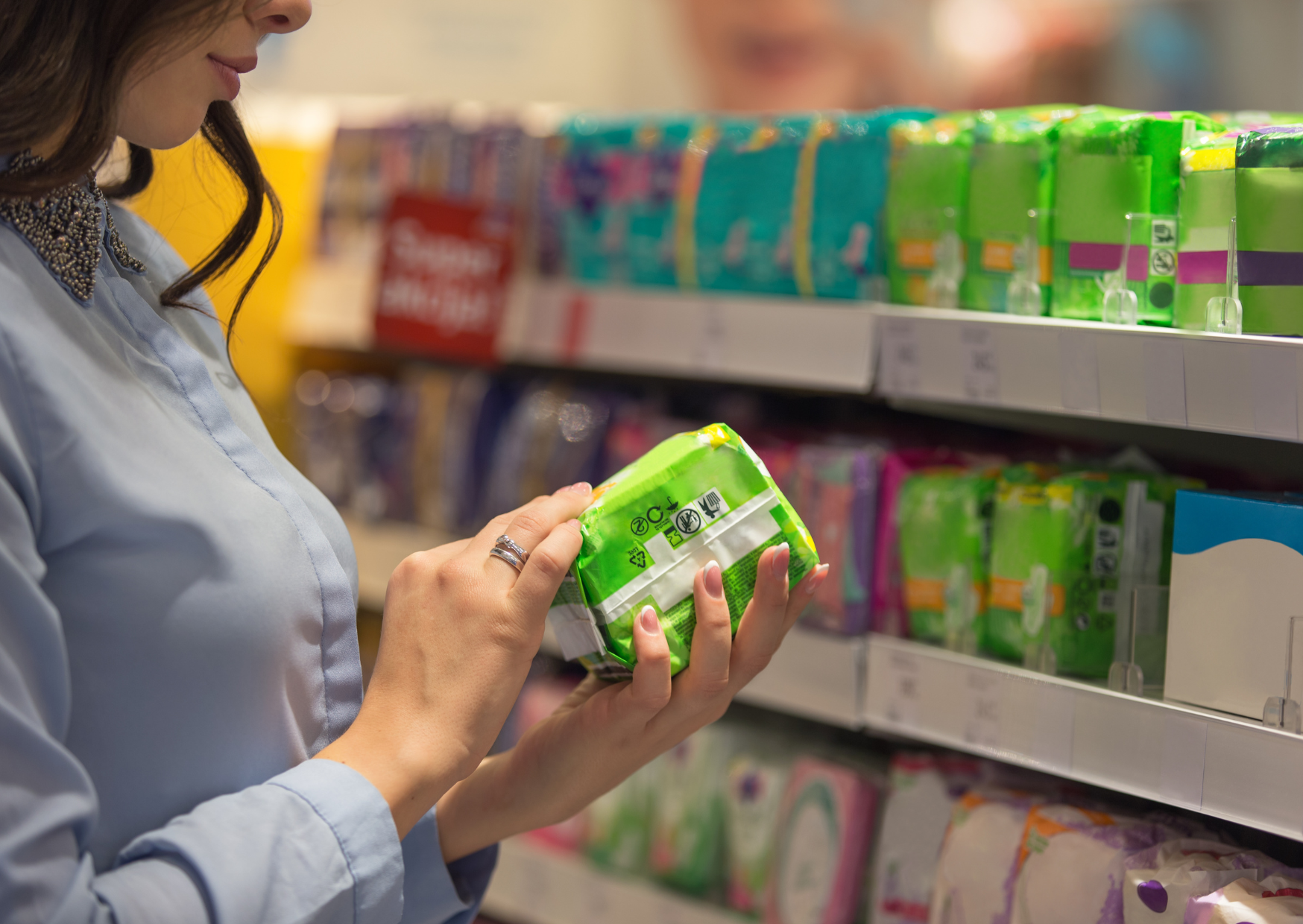
In the United States, tampons have become the go-to menstrual product for millions of women. They’re found in school bathrooms, work kits, and personal purses across the country. They’re marketed as modern, clean, and liberating — especially compared to pads, which are often seen as old-fashioned or juvenile.
But travel to many parts of Europe — especially Spain, Italy, France, and even Germany — and you’ll quickly notice something surprising: tampons are not the default. Pads remain more common. Menstrual cups are growing steadily. And new, reusable products like period underwear are catching on fast. Tampons, while available, aren’t as ubiquitous as American travelers might assume.
The difference isn’t due to lack of access or education. It’s cultural. In fact, the European approach to menstrual care reveals a very different relationship with the body, discretion, and the idea of “managing” a natural process.
Here’s why tampons aren’t the default in much of Europe — and what’s used instead.
Want More Deep Dives into Everyday European Culture?
– Why Europeans Walk Everywhere (And Americans Should Too)
– How Europeans Actually Afford Living in Cities Without Six-Figure Salaries
– 9 ‘Luxury’ Items in America That Europeans Consider Basic Necessities
1. Pads Are Normal — and Not Treated as Embarrassing
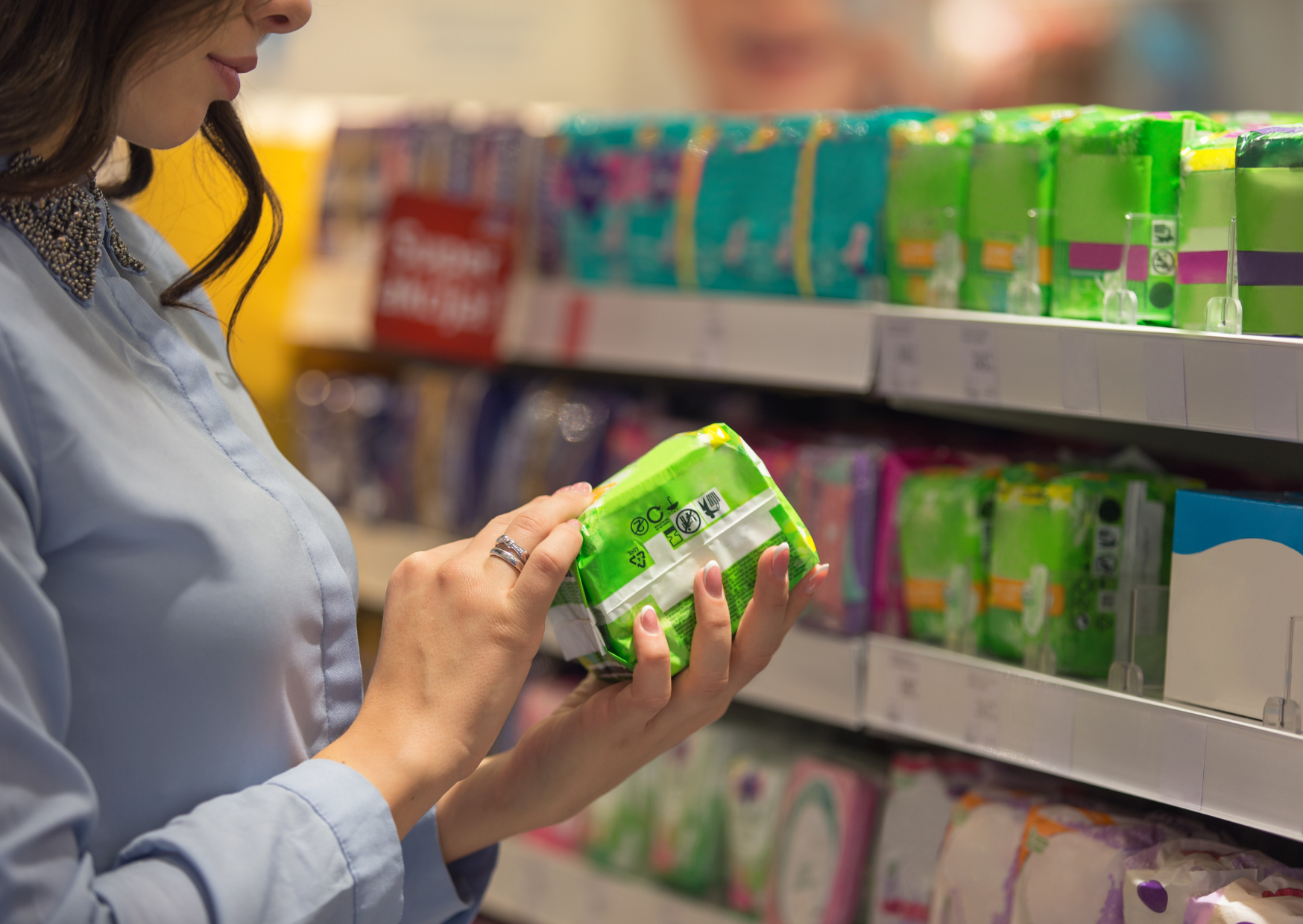
In the U.S., pads are often seen as something you “grow out of.” Many American women associate them with early puberty, bulky high school mishaps, or childhood. The transition to tampons is framed as a milestone — a sign of maturity and body confidence.
In Europe, that hierarchy doesn’t exist. Pads are standard. Women of all ages use them. They’re available everywhere — pharmacies, supermarkets, corner stores — and offered in a wide range of sizes and absorbencies.
And crucially, there’s no shame in using them. You don’t need to explain why you prefer them. It’s just a choice — not a developmental stage.
2. There’s More Skepticism Around Inserting Products
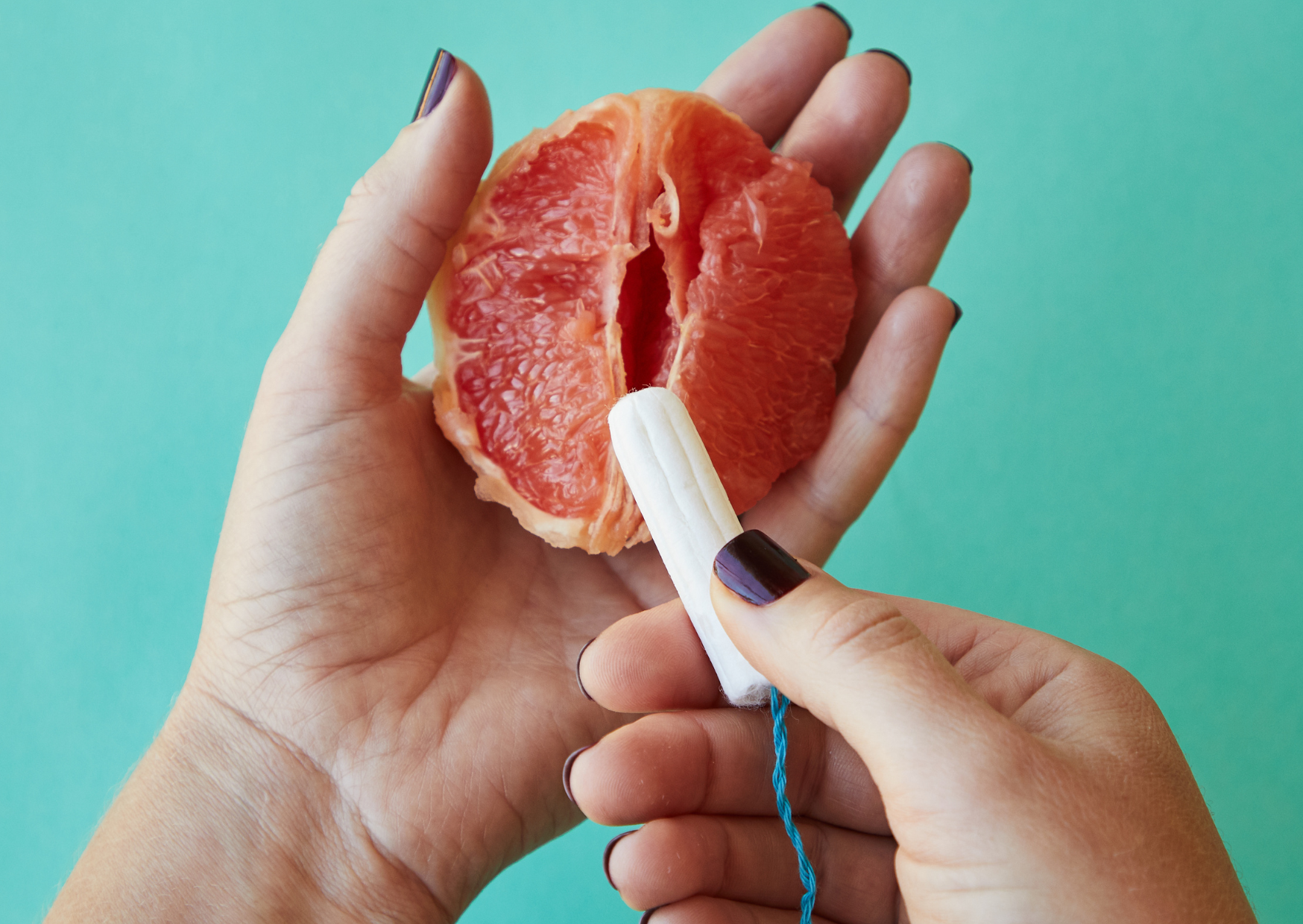
Across many parts of Europe, especially Mediterranean countries, there’s historically been more caution around internal menstrual products — particularly for young women or teenagers.
It’s not taboo. But there’s more emphasis on body awareness, comfort, and natural rhythm. In some cultures, there’s also a generational layer of modesty or inherited concern over using tampons too early.
Many girls in Spain or Italy grow up hearing from their mothers or grandmothers that tampons are best left for later — or only for swimming. As a result, many women simply grow comfortable with pads — and never feel the need to switch.
3. Tampons Are Available — But Not Pushed
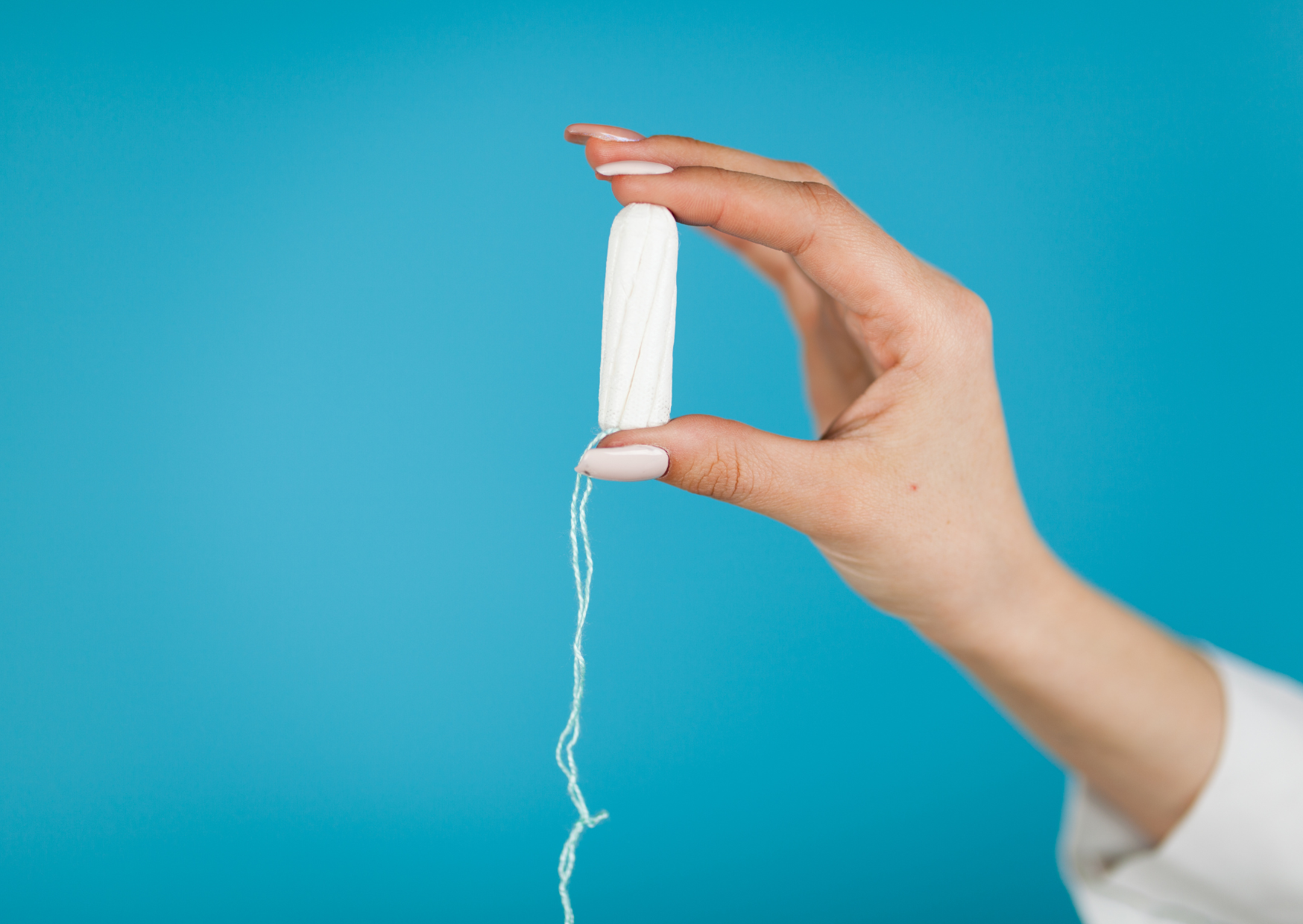
In the U.S., tampon brands dominate menstrual marketing. Sleek, discreet, “you won’t even feel it” language is everywhere. The emphasis is on performance, invisibility, and control.
In Europe, tampon advertising is much more muted. You’ll find tampons in most stores — but they don’t command the same cultural spotlight.
There’s less pressure to switch. No sense that you’re doing something “wrong” by sticking with pads. And since many European schools don’t include tampons in their school bathrooms, there’s no built-in default from a young age.
4. The Menstrual Cup Took Off Faster in Europe
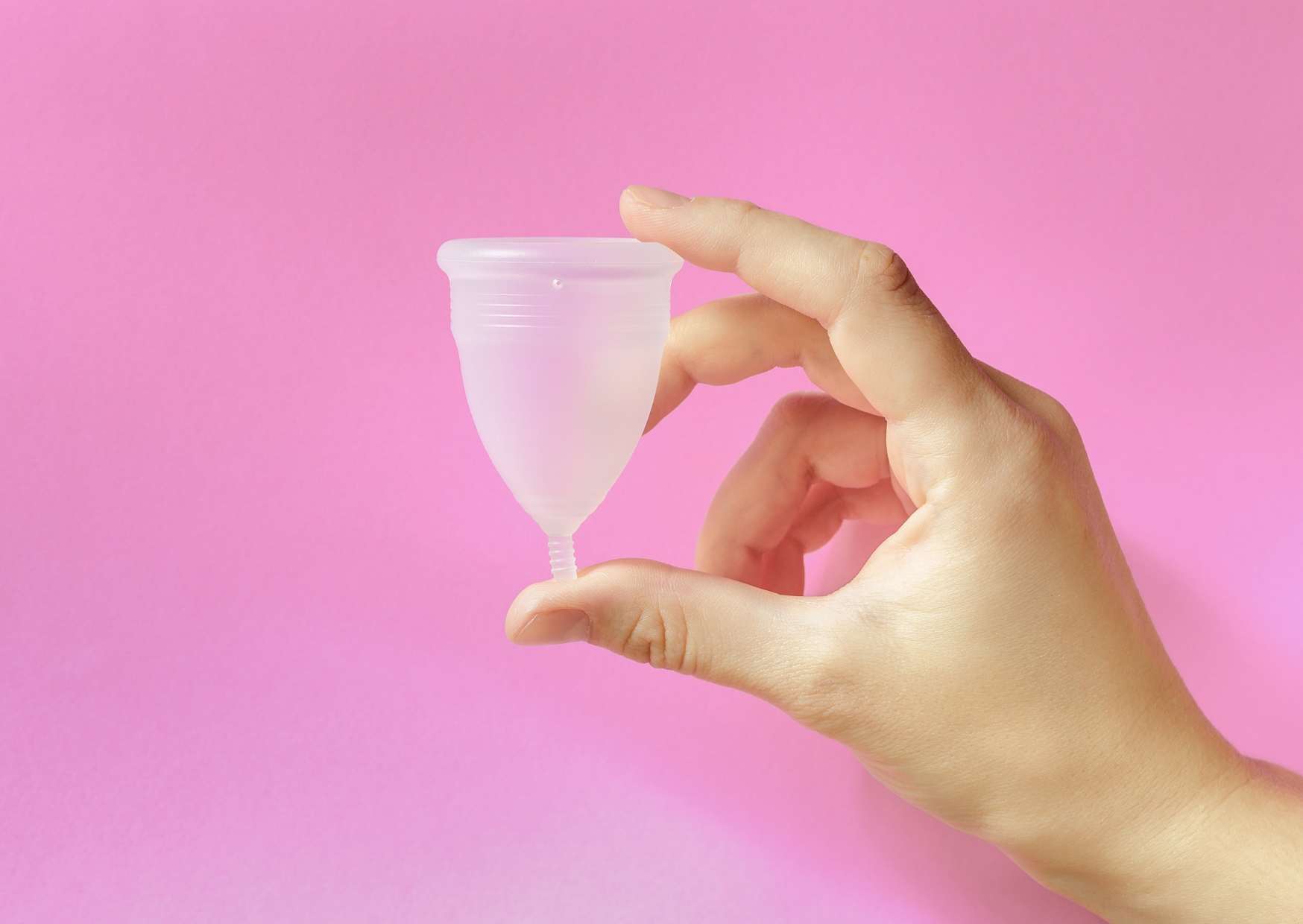
While tampons never fully became dominant in many European countries, menstrual cups filled the gap for women who wanted something internal, reusable, and eco-conscious.
Cups like Mooncup (UK), Lunette (Finland), and OrganiCup (Denmark) have been widely used in Europe for over a decade — long before they caught on in the U.S.
In Spain and France, pharmacies regularly stock cups, and women discuss them openly, not just in activist circles but in mainstream conversations.
Many women who skip tampons go straight from pads to cups — viewing them not as high-tech, but as simple, low-waste, and practical.
5. Period Underwear Is Not a Trend — It’s a Utility
In the U.S., period underwear is often seen as a niche product — innovative, yes, but still “alternative.” In Europe, especially since 2020, brands like Love Luna, Cocoro (Spain), and Thinx Europe have become standard wardrobe additions.
Women wear period underwear on light days, at night, or as backup for a cup. Teenage girls wear them to school. Many women use them exclusively at home.
It’s not a statement — it’s comfort. And unlike tampons, which require insertion, or pads, which must be changed every few hours, period underwear is seen as less invasive, more intuitive, and aligned with a European preference for physical ease.
6. Fewer Women Sleep with Tampons
In the U.S., sleeping with tampons is common — and often encouraged by brands offering higher absorbency “night” versions.
In Europe, many women choose not to sleep with internal products — either out of habit, caution, or personal preference.
Instead, they switch to a pad, a cup, or absorbent underwear overnight. The belief is simple: why insert something when you don’t need to?
It’s not about fear. It’s about trusting that your body doesn’t need to be micromanaged at every moment.
7. Medical and School Conversations Are Less Product-Focused
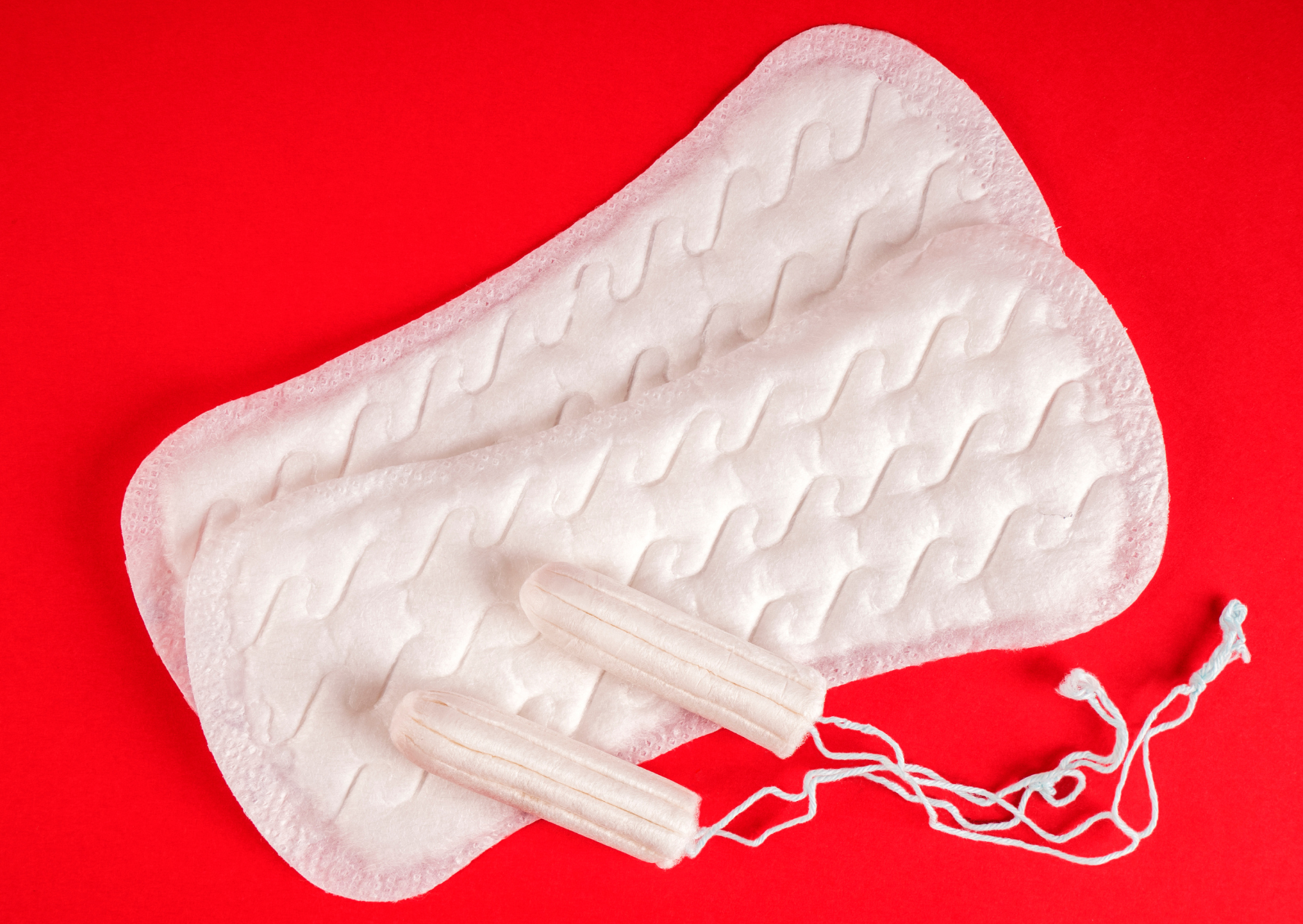
In the U.S., sex ed classes often include discussions about how to use a tampon, how to insert one correctly, and how to choose between pads and tampons.
In Europe, especially in Spain, France, and Italy, menstrual education focuses more on cycle awareness, general hygiene, and how to manage discomfort — not how to be “discreet.”
That means fewer young girls are introduced to tampons by default. Their first experience with menstruation is often centered around understanding what’s happening, not racing to make it invisible.
As a result, many never feel the urgency to shift away from pads.
8. Cultural Emphasis on Bodily Ease, Not Control
At the core of it, European women are raised with slightly different expectations around what it means to live inside a body.
In the U.S., there’s constant messaging around optimizing: stay dry, stay fresh, stay controlled. Periods are a “problem” to solve. Tampons are marketed as freedom from mess.
In Europe, the messaging is softer. Periods are normal. Mess is manageable. The body doesn’t need to be silenced — just supported.
And that support can look like choosing a pad, a cup, or nothing at all on light days — without apology.
9. Menstruation Is Not as Hidden — And That Changes Everything
In American culture, periods are deeply personal, often secretive. Products are hidden in purses. Tampon wrappers are designed to be silent. The entire experience is wrapped in discretion.
In Europe, periods aren’t displayed — but they’re not hidden, either.
It’s normal to hear a woman ask for a pad in a public space. It’s normal for someone to announce they’re not swimming because of their period. It’s not a shameful pause in life — it’s a rhythm.
This openness means product choice becomes less emotionally loaded. You pick what works. You change what doesn’t. And no one expects you to prove how modern or brave you are just because you don’t use pads.
One Cycle, Two Mindsets
In the U.S., tampons are seen as the default — the expected path from adolescence to adulthood.
In Europe, tampons are just one option among many — and often not the most popular.
In the U.S., inserting something quickly and hiding all signs of bleeding is the gold standard.
In Europe, the priority is comfort, trust, and practicality, not perfection.
So if you find yourself at a pharmacy in Madrid or Marseille, staring at a shelf full of pads, reusable cloths, menstrual cups, and only a few boxes of tampons, don’t assume something is missing.
You’re just in a culture that lets women choose without judgment — and doesn’t confuse silence with strength.

About the Author: Ruben, co-founder of Gamintraveler.com since 2014, is a seasoned traveler from Spain who has explored over 100 countries since 2009. Known for his extensive travel adventures across South America, Europe, the US, Australia, New Zealand, Asia, and Africa, Ruben combines his passion for adventurous yet sustainable living with his love for cycling, highlighted by his remarkable 5-month bicycle journey from Spain to Norway. He currently resides in Spain, where he continues sharing his travel experiences with his partner, Rachel, and their son, Han.