
And what it reveals about trust, rhythm, and how comfort is defined differently on either side of the Atlantic
If you’ve ever wandered through a residential neighborhood in Spain, Italy, France, or Germany early in the morning — or even mid-afternoon — you’ve likely seen something that would deeply unsettle the average American homeowner.
Windows wide open. Shutters thrown back. Interior doors propped open. Sometimes, the front door itself ajar.
No one is standing watch. No one is rushing to close things up. No alarm system is beeping. No dog is barking.
And yet the entire house feels… exposed. Open to the street, the neighbors, the air, and — to American eyes — potential intruders.
To a European, especially in Southern and Central Europe, this is not irresponsible. It’s not dangerous. It’s essential.
Here’s why Europeans air out their homes in ways that many Americans believe would get them robbed — and what this everyday ritual reveals about trust, ventilation, and the rhythm of real domestic life.
Want More Deep Dives into Everyday European Culture?
– Why Europeans Walk Everywhere (And Americans Should Too)
– How Europeans Actually Afford Living in Cities Without Six-Figure Salaries
– 9 ‘Luxury’ Items in America That Europeans Consider Basic Necessities
1. “Ventilar la casa” Is a Daily Ritual — Not an Occasional Chore
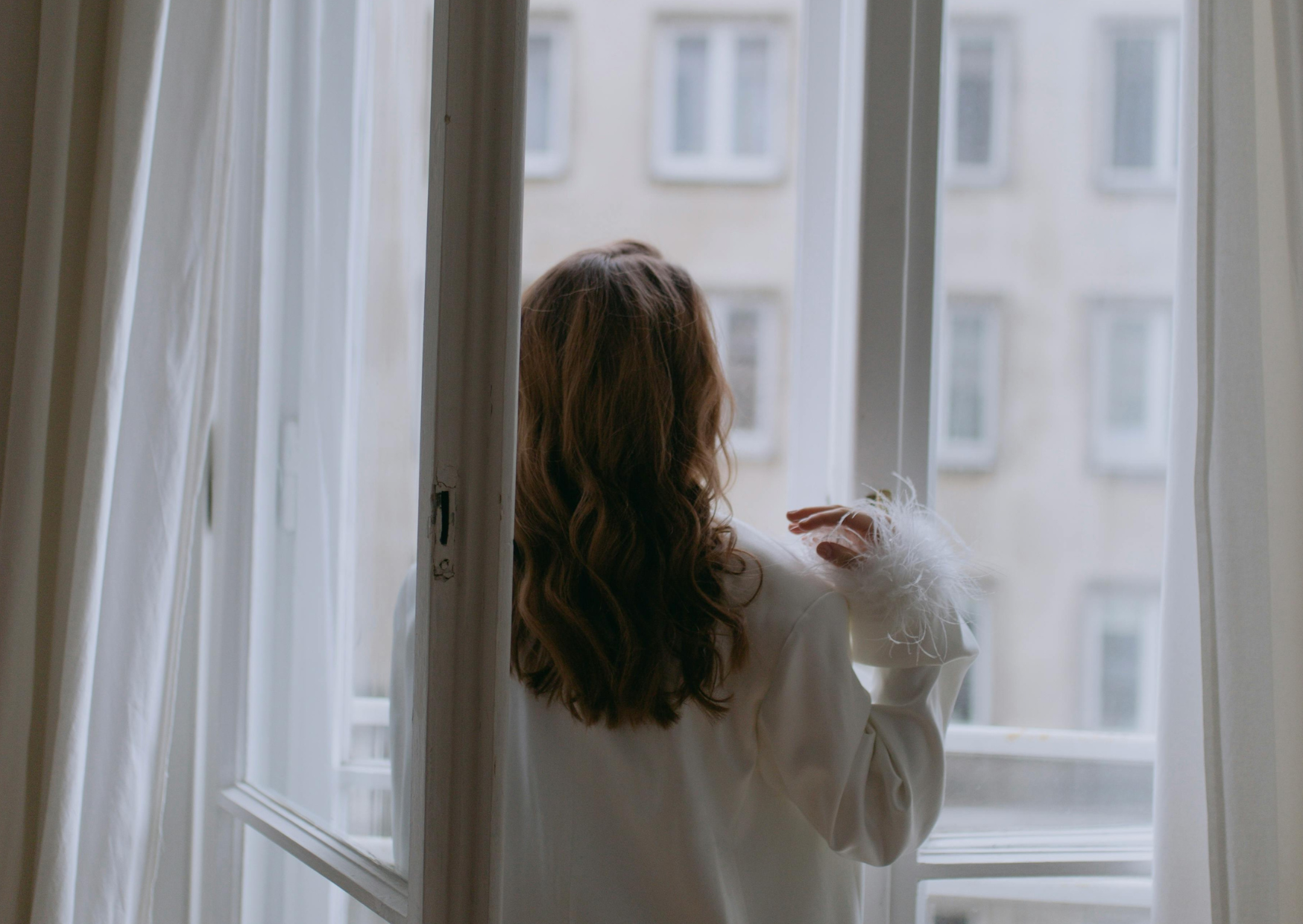
In much of Europe, especially in Spain and Italy, people “ventilate the house” every morning. It’s not something you do when there’s a smell. It’s not reserved for spring cleaning or when guests come.
It’s every single day — sometimes multiple times.
You wake up. You open every window. You pull the shutters back. In some households, you even open interior doors to create a breeze.
It’s automatic. Like brushing your teeth.
In the U.S., this kind of full-house airing out feels excessive — even unsafe. But for Europeans, it’s basic hygiene.
2. Fresh Air Is Considered Healthier Than Filtered Air
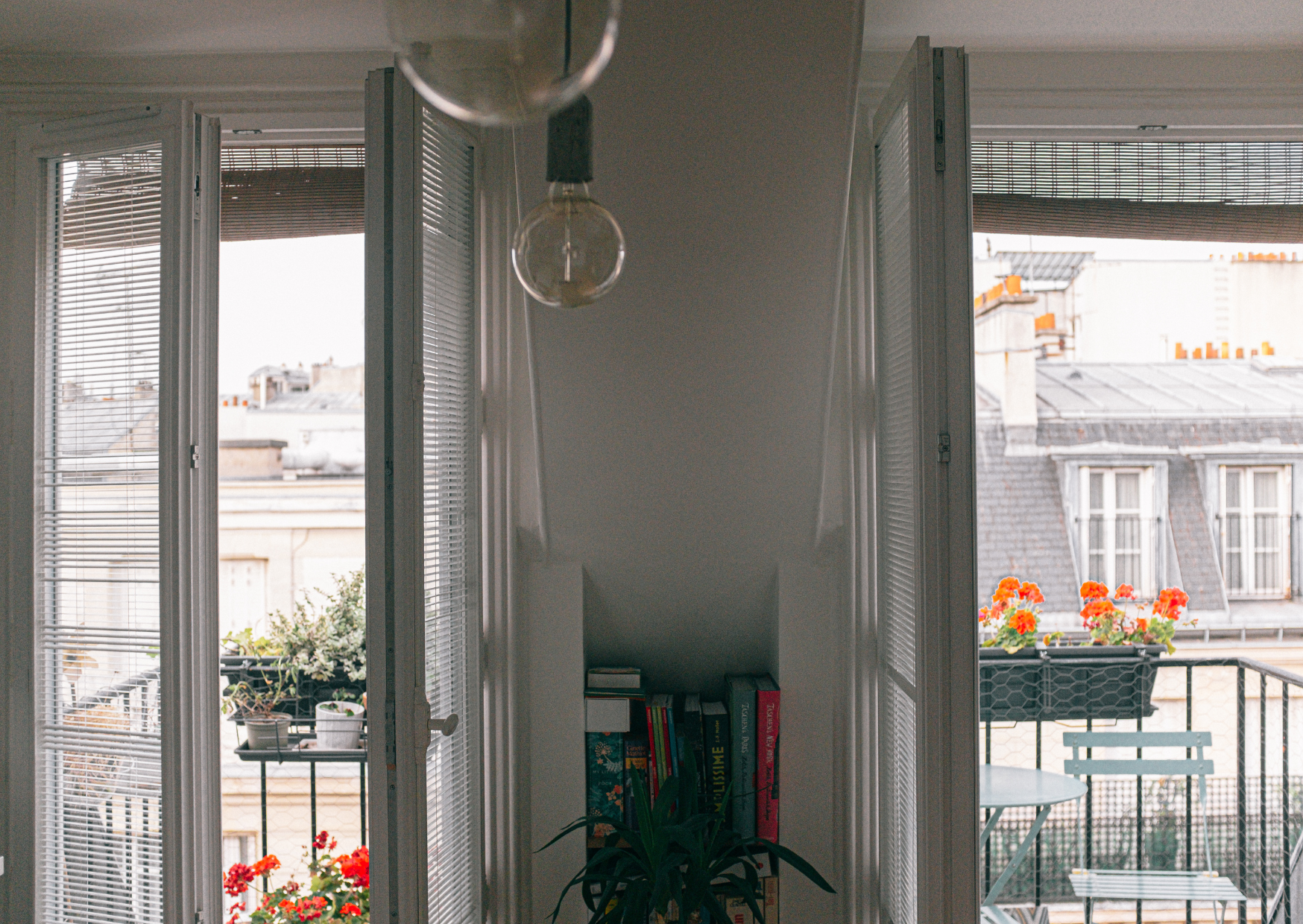
Americans trust central air. Europeans trust air from outside.
In the U.S., houses are sealed tight. Climate-controlled. Filtered. Opening the windows often feels like giving up on the HVAC system — or inviting in allergens, dust, or humidity.
In Europe, filtered air isn’t trusted to clear out a space. It’s artificial. Still. Flat.
Real air — cold, damp, dry, or hot — is considered cleansing. You air out not just for comfort, but for your lungs, your sleep, your walls, your mood.
And you don’t worry about a little pollen or a gust of wind. You just open everything — and let the house breathe.
3. Americans Are Trained to Fear Burglars — Europeans Assume the Best
In the U.S., home security is a major industry. Smart cameras. Doorbell alerts. Motion sensors. Bars on basement windows. Closed blinds at all times. The assumption is clear: someone is always waiting to break in.
In much of Europe, the mindset is different. People trust their neighbors, their communities, and their daily routines.
Most burglaries, when they happen, occur in empty homes — not ones actively airing out in daylight, while laundry is being folded or coffee is brewing in the next room.
The assumption isn’t “everyone is a threat.” It’s “this is normal life — and people respect that.”
4. Street-Level Windows Stay Open — Even Without Screens
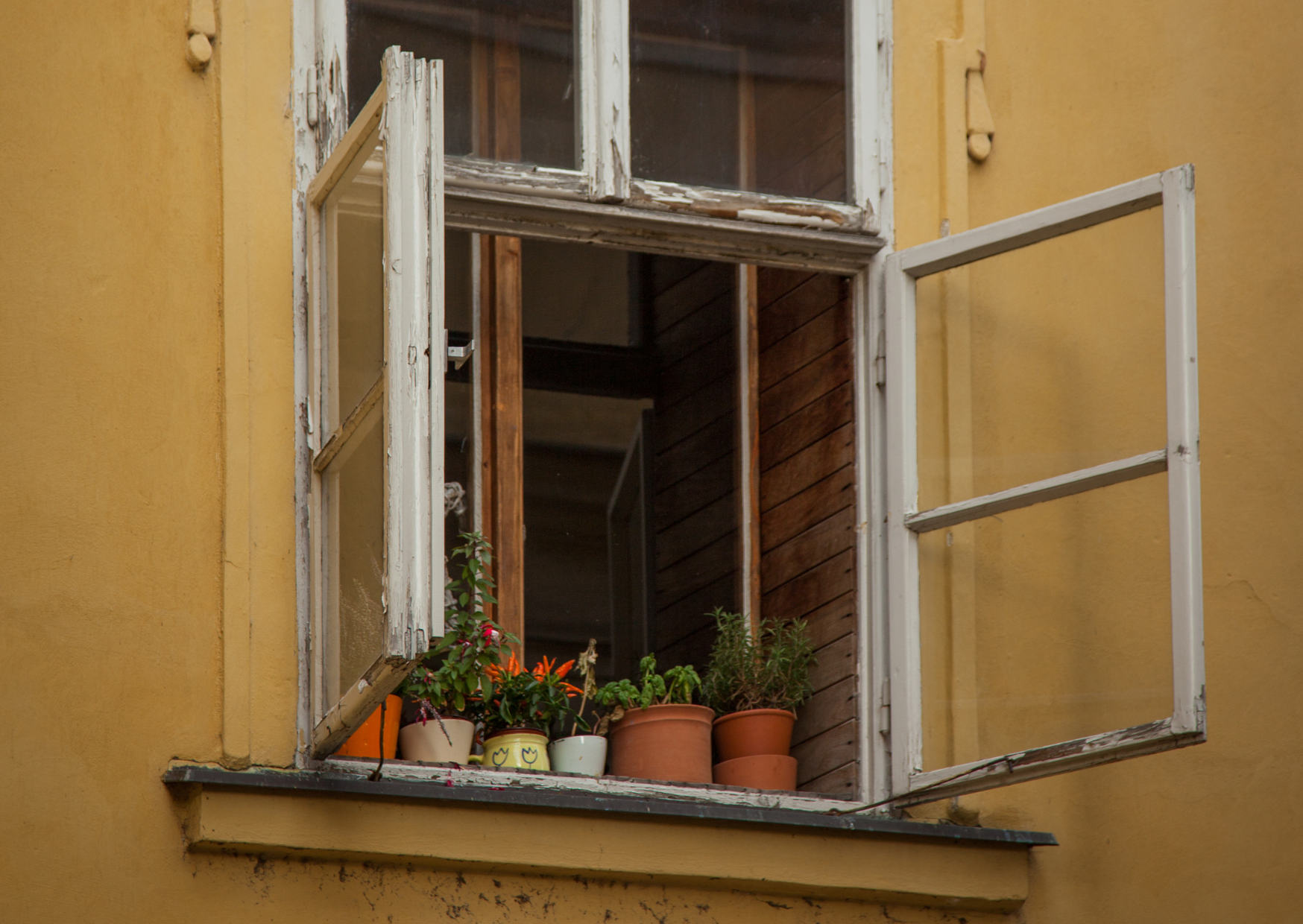
In European towns, especially older ones, windows often open right onto the street. You can see into kitchens. Bedrooms. Living rooms.
And yet those windows remain open — even when no one is standing directly behind them.
In American cities, this would trigger alarm bells. Someone might climb in. Someone might see too much.
In Europe, that visibility isn’t feared — it’s part of everyday coexistence.
You walk by your neighbor’s kitchen and see them slicing bread. You hear a baby crying three floors up. You pass under someone’s window and smell their dinner.
That openness is part of the shared rhythm of life — not a security flaw.
5. Windows Are Left Open Even When People Leave the House
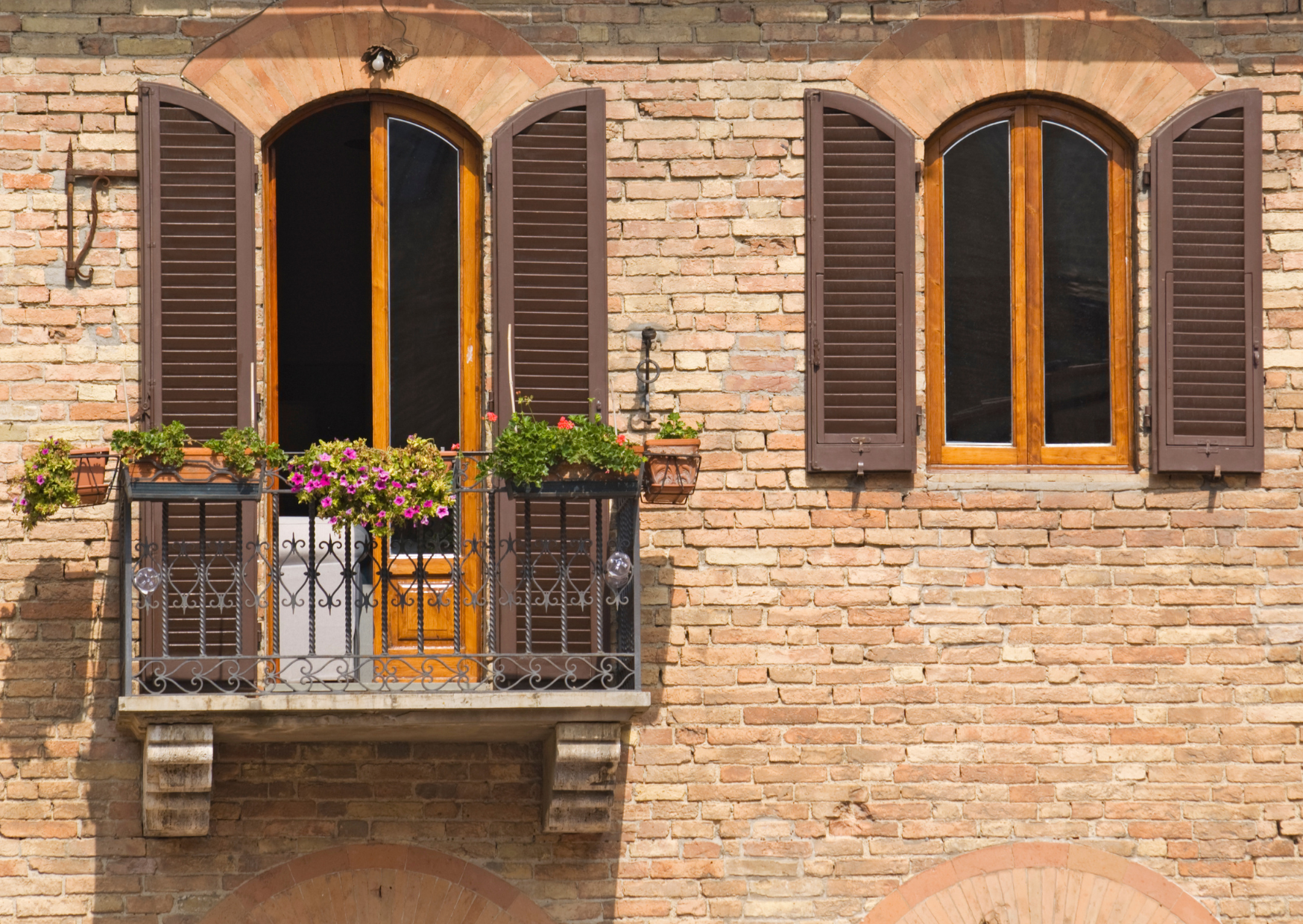
In the U.S., it’s common to do a full home check before leaving: are the windows locked? Is the AC on? Is everything sealed?
In Europe, people often leave bedroom or kitchen windows tilted open for hours — even when they’re at work.
Especially in cities and towns with upper-floor apartments, this is entirely normal.
They don’t expect burglars. They expect the air to circulate, the sun to warm the tiles, and the house to greet them fresher than they left it.
6. Morning Airing Is Tied to Laundry, Sleep, and Cleanliness
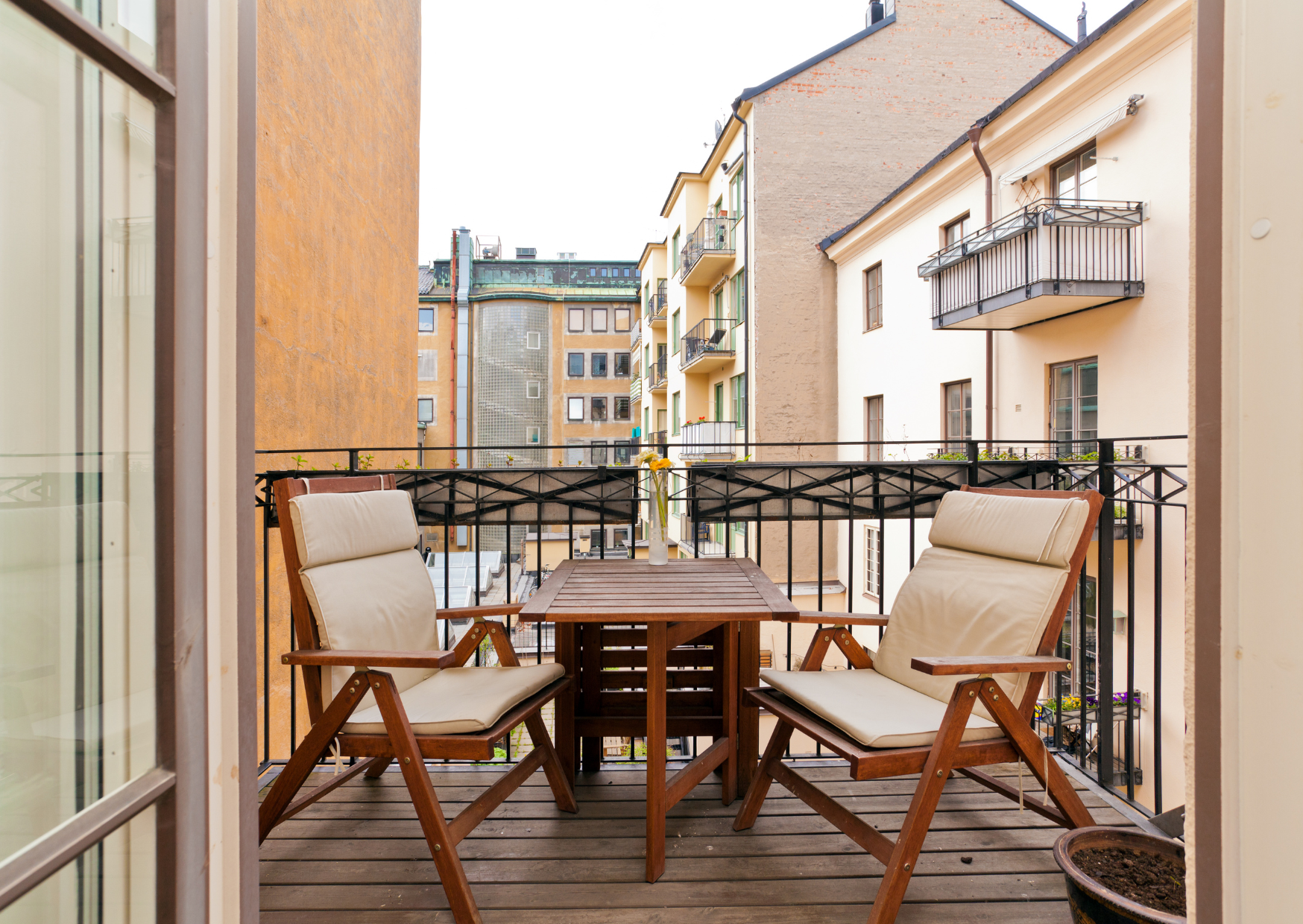
Ventilating a home in Europe isn’t just about temperature. It’s about maintaining balance — physical, olfactory, and psychological.
You air out the bedroom because you slept in it.
You air out the bathroom because it’s been humid.
You air out the kitchen because you cooked.
You air out every room so that nothing feels stale.
Laundry is hung near open windows. Steam is pushed out instead of trapped. Even homes without dryers smell crisp because they don’t seal in moisture.
For Europeans, a closed-up house feels suffocating — no matter the season.
7. Windows Are Designed to Be Opened — Fully

In many American homes, windows are sliders — half-stuck, designed to tilt slightly but never open wide.
In Europe, windows swing open completely. Tall, narrow frames with iron latches. Double doors that open onto balconies. No screens. No restrictions.
They are built to invite air, not resist it.
This architectural detail reflects a deeper truth: homes in Europe are designed to work with the natural world, not to block it out entirely.
8. Noise, Smells, and Street Life Aren’t Treated Like Intrusions
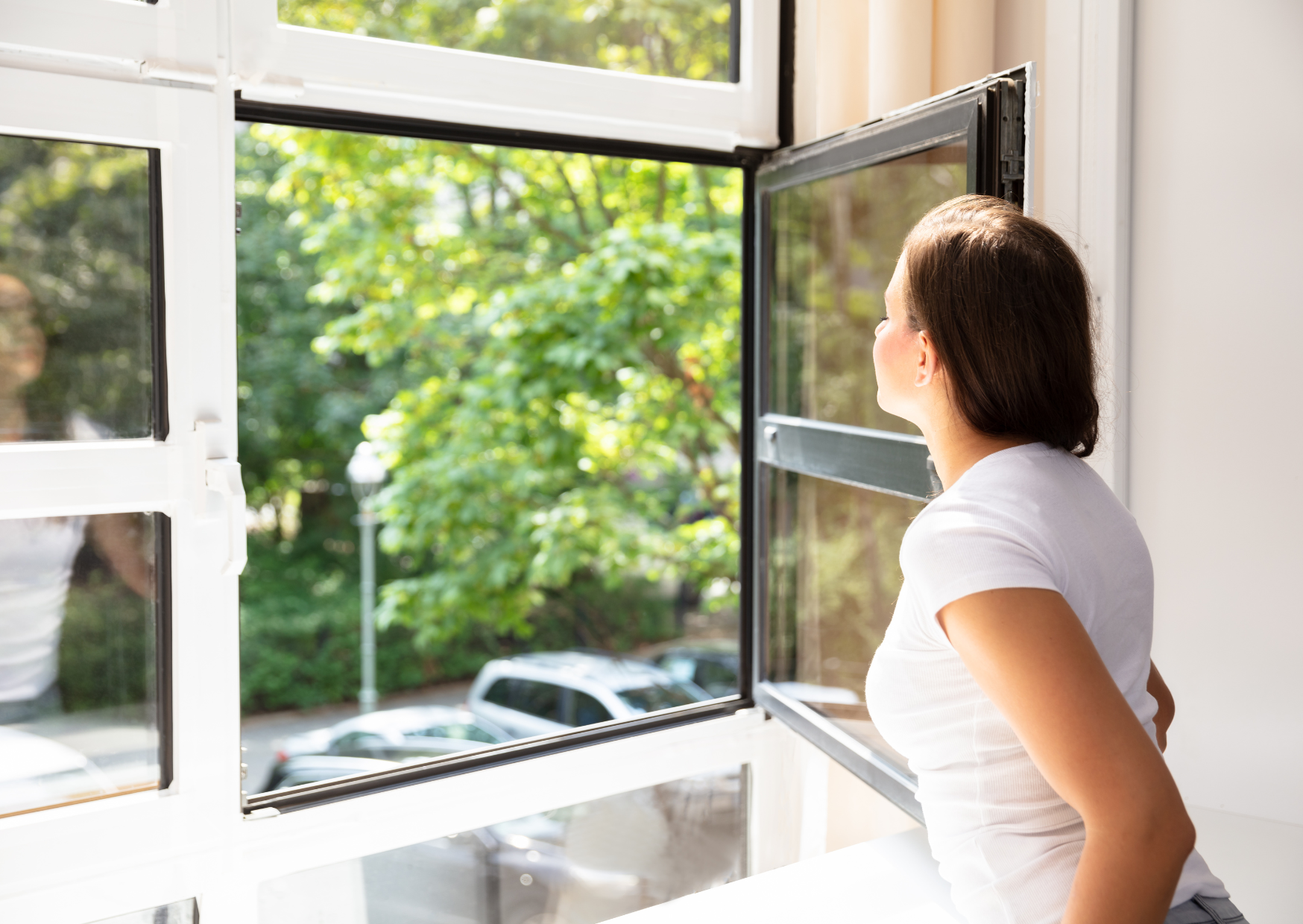
Americans often worry about what comes in through an open window: noise, smells, bugs, weather.
In Europe, these are part of life.
You hear the baker unloading trays. You smell your neighbor’s onion soup. You feel the breeze that carries cigarette smoke from someone’s terrace.
And still — you leave the window open.
There’s less obsession with control. More willingness to live in shared sensory space, not apart from it.
9. The House Isn’t a Fortress — It’s a Living Space
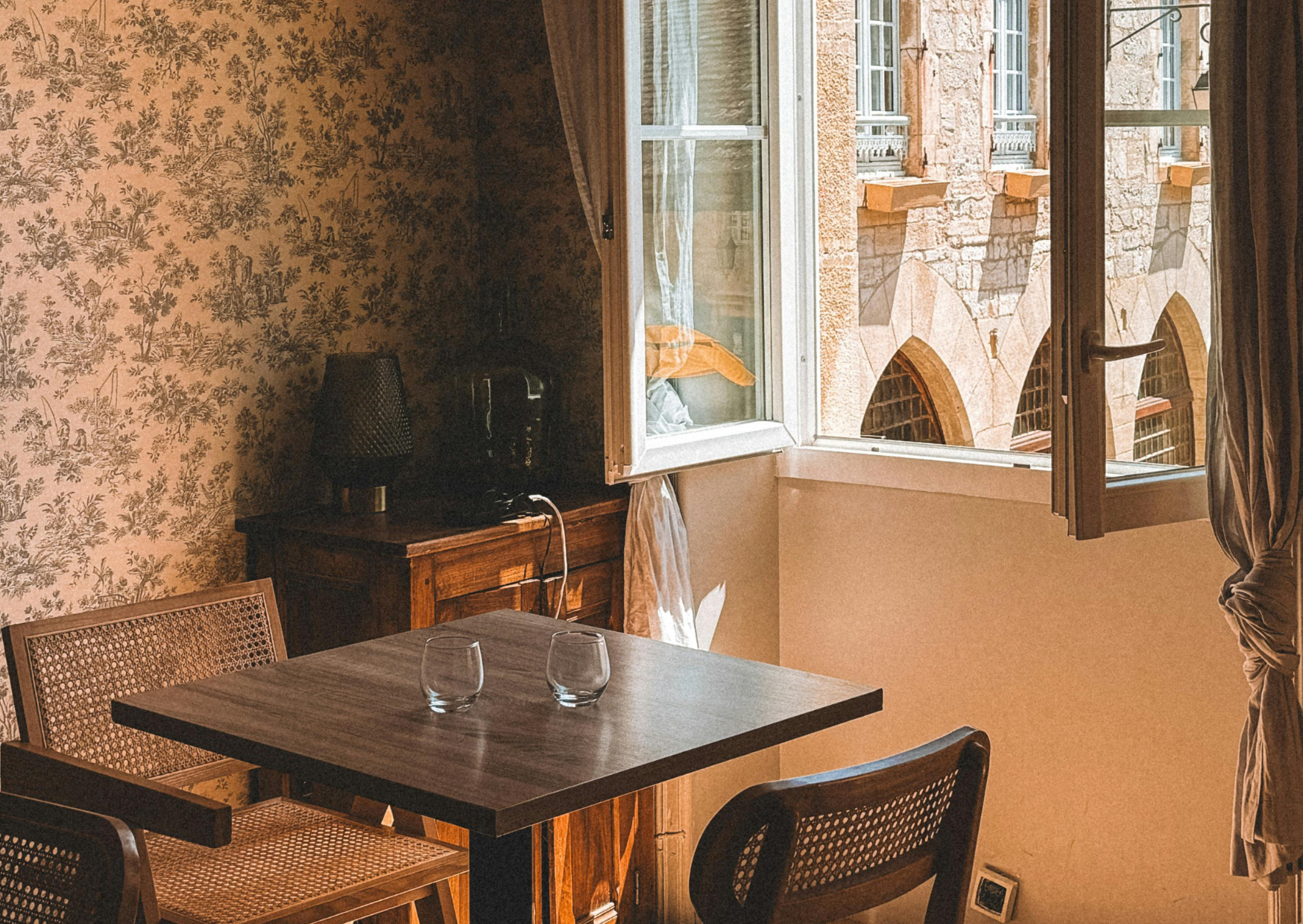
Perhaps the most fundamental contrast is how each culture treats the home itself.
In the U.S., homes are often seen as sealed sanctuaries. Protected spaces. The outside world is messy, unsafe, and disruptive.
In Europe, homes are fluid extensions of the environment. The walls matter less than the flow of light, air, sound, and scent.
People leave doors open while chatting with neighbors. Windows swing wide with no one watching. And no one thinks it’s risky — because a home that breathes is healthier than one that hides.
One Window, Two Worldviews
To Americans, European air-out rituals look careless. Dangerous. Even shocking.
Why would you leave your windows open?
Don’t you worry someone will climb in?
What if the cat escapes?
What if someone sees your laundry?
What if the house smells like garlic?
To Europeans, these questions miss the point.
Because to live well means living with the world — not constantly defending yourself from it.
So if you find yourself in a European home, and your host opens every window before you’ve even finished your coffee, don’t panic.
It’s not about showing off. It’s not about being careless.
It’s about clearing the air — literally and metaphorically.
It’s about choosing freshness over fear.
And maybe, just maybe, it’s a habit worth stealing.

About the Author: Ruben, co-founder of Gamintraveler.com since 2014, is a seasoned traveler from Spain who has explored over 100 countries since 2009. Known for his extensive travel adventures across South America, Europe, the US, Australia, New Zealand, Asia, and Africa, Ruben combines his passion for adventurous yet sustainable living with his love for cycling, highlighted by his remarkable 5-month bicycle journey from Spain to Norway. He currently resides in Spain, where he continues sharing his travel experiences with his partner, Rachel, and their son, Han.