
And what it reveals about comfort, confidence, and a radically different idea of what “clean” actually means
In the United States, toilet paper is a sensitive subject. Entire ad campaigns are devoted to softness, thickness, and even dermatological safety. Parents teach children which brands to trust. Doctors warn about wiping techniques, skin irritation, and the dangers of recycled paper. Everything about the American toilet paper experience is designed to be clinical, luxurious, and safe.
But across Europe, the paper in question is often thinner. Rougher. Sometimes greyish. Sometimes oddly perfumed. And in many cases, recycled, scratchy, single-ply — or not used at all.
To American travelers, this shift in texture and quality feels like a personal affront. Some visitors pack their own toilet paper. Others leave European bathrooms asking, “How do people live like this?”
Yet Europeans — from Scandinavia to southern Spain — barely think about it. They use what’s available. They adapt. And often, they don’t rely on paper as their primary solution at all.
Here’s why the toilet paper Europeans use would horrify American doctors — and what it says about two vastly different cultural approaches to hygiene, health, and bathroom logic.
Want More Deep Dives into Everyday European Culture?
– Why Europeans Walk Everywhere (And Americans Should Too)
– How Europeans Actually Afford Living in Cities Without Six-Figure Salaries
– 9 ‘Luxury’ Items in America That Europeans Consider Basic Necessities
1. European Toilet Paper Is Often Thinner, Rougher — and Nobody Complains
In the U.S., toilet paper is sold like a beauty product. Quilted. Cushioned. Triple-ply. Aloe-infused. The marketing emphasizes skin sensitivity and indulgence.
In Europe, you’re more likely to encounter one-ply recycled paper — the kind that feels closer to parchment than plush. It tears easily. It dissolves fast. And yet, no one’s skin is falling apart.
The difference? Europeans use just enough to do the job. There’s no obsession with ultra-soft luxury — just basic function.
To an American doctor used to recommending ultra-soft products for delicate skin, this sounds like a recipe for rashes. To Europeans, it’s normal life — and they’re fine.
2. Many Europeans Rely on Bidets — Not Endless Paper
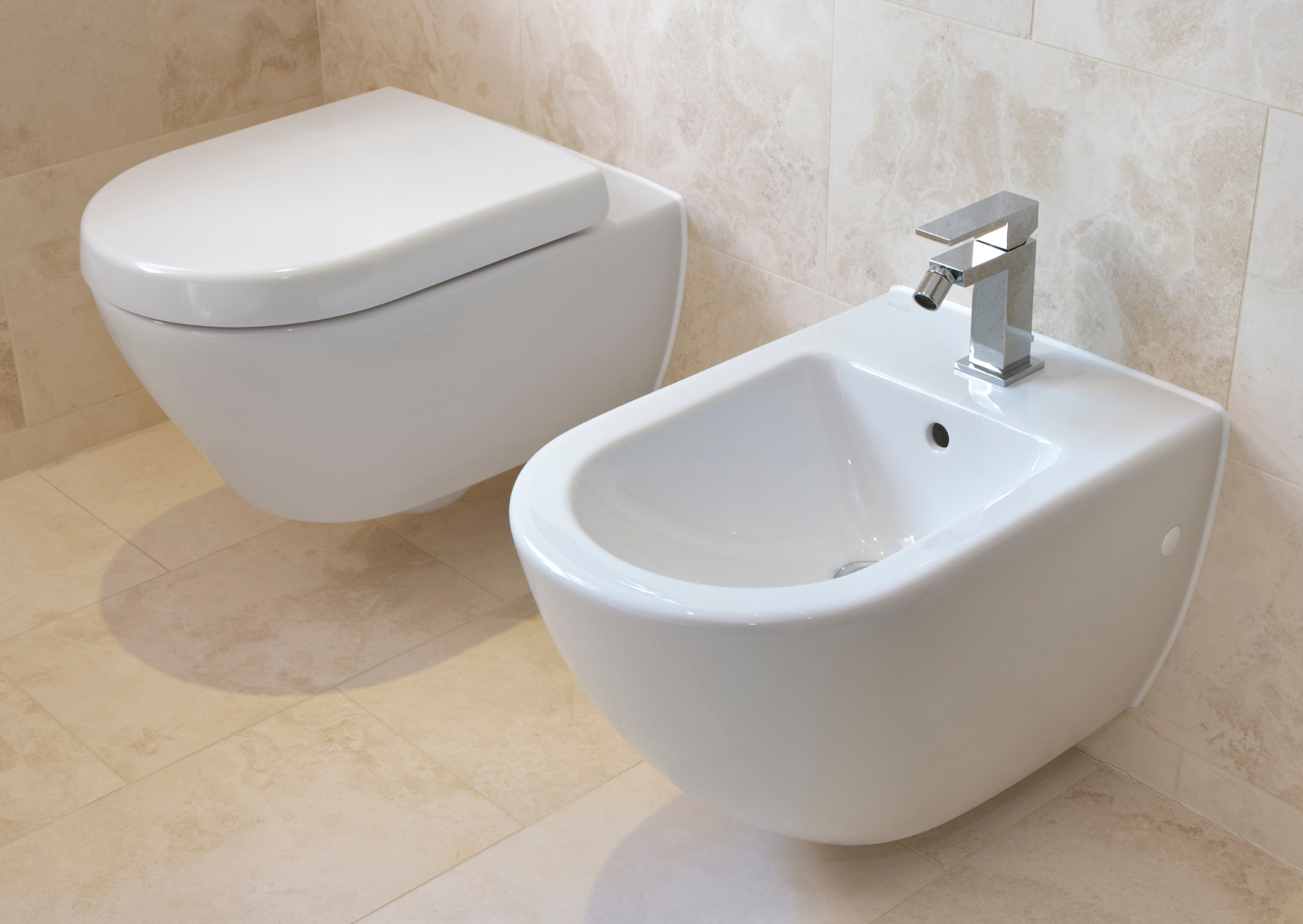
Here’s the part American visitors often don’t realize: in many European homes, paper is not the main cleaning tool.
The bidet — that low-sitting sink-like fixture — still exists in millions of homes across Italy, Spain, Portugal, and parts of France. And it’s not there for decoration.
After using the toilet, people clean with water — then dry with a small towel or a small piece of toilet paper. The entire process is quieter, cleaner, and less abrasive.
Doctors in the U.S. often discourage excessive wiping, especially with scented or textured paper. But they also rarely suggest bidets, which are far gentler.
In Europe, the system already works — and paper becomes secondary.
3. Public Toilets May Offer the Bare Minimum — And That’s Expected
In many American public restrooms, you’ll find thick rolls of paper, often with multiple backups in each stall. Dispensers are designed for volume and reassurance.
In Europe? You may find a near-empty roll, a tissue dispenser, or nothing at all.
In fact, it’s not uncommon for public bathrooms to require you to bring your own paper. Or for the paper to be in a central location — outside the stalls.
What shocks American visitors is treated in Europe as common knowledge. Locals carry tissues. Or adapt to what’s there. There’s no outrage — just habit.
4. Recycled Paper Is Normal — Not a Health Hazard
In the U.S., recycled toilet paper is a niche product — often labeled as “eco-friendly” but rarely chosen over soft, commercial brands. Doctors sometimes caution against it due to rough texture or chemical residue.
In Europe, recycled toilet paper is mainstream. Supermarkets carry entire shelves of it. Public buildings often stock nothing else. Schools, universities, even hotels may use it — proudly.
It breaks down quickly in septic systems. It’s cheaper. It’s sustainable.
And guess what? People are still perfectly healthy.
5. No One Uses “Flushable Wipes” — And the Plumbing Is Grateful
Americans increasingly rely on flushable wipes for a “cleaner” feeling — despite doctors and plumbers warning that they clog pipes and aren’t truly biodegradable.
In Europe, the idea of adding a moist wipe to toilet plumbing is laughable — and almost universally discouraged.
People either use water (via bidet or handheld sprayer), or paper. Not both. Not layered. Not scented. Not flushed in bulk.
The result? Fewer blockages, fewer chemicals, and fewer cases of irritation caused by unnecessary products.
6. There’s No Shame in Using the Minimum
American bathroom culture encourages overuse. Better too much than too little. Wrap your hand. Layer it thick. Use more just in case.
In Europe, restraint is the default. A few squares. Done. No performance. No guilt. No excessive wiping.
Doctors may warn about irritation, but Europeans rarely get that far. Because they’re not using the paper as their main tool. They’re using technique — and often, water.
7. Perfumed Toilet Paper Exists — But It’s Treated with Skepticism
Some European countries — especially France, Italy, and Germany — still sell lightly perfumed toilet paper in drugstores and supermarkets.
Americans often find this shocking. Doctors warn against fragrance near sensitive areas. Dermatologists preach unscented hygiene products.
But in Europe, these scented rolls are used sparingly — and no one assumes they’re dangerous if used wisely.
The cultural rule? Use what’s available, but don’t overdo it. The paper isn’t the hero. It’s just a tool.
8. Children Are Taught to Use Water — Not Just Wipe
In American parenting, children are taught early to wipe with paper. Over and over. Parents obsess about teaching them to “get clean.”
In Europe, many children grow up with bidets, or with adults showing them how to clean with water, dry off, and move on.
The result? Less irritation. Less anxiety. Less confusion.
To American doctors dealing with over-wiped, under-washed skin problems, this European method might seem like a revelation — if only it were more common in the U.S.
9. Europeans Trust Their Bodies — More Than Their Products
At the heart of this contrast is trust.
Americans often turn to products to feel clean. The right brand, the right scent, the softest formula. If something feels uncomfortable, the solution is usually more product.
In Europe, there’s a stronger trust in the body’s ability to manage itself, and in simpler, traditional tools. Water. A few squares. An old habit passed down from a grandmother who didn’t have 2-ply options at all.
There’s no obsession with perfection. No fear of discomfort. Just a functional system that doesn’t need a label to be valid.
One Bathroom, Two Beliefs
To Americans, European toilet paper feels wrong. Thin. Scratchy. Barely there.
To Europeans, American toilet paper feels excessive. Overpriced. Overused. Wasteful.
To American doctors, scented rolls, rough textures, and recycled pulp raise red flags.
To European doctors, it’s behavior — not paper quality — that matters most.
In the end, both cultures are trying to stay clean. But one trusts soft materials and heavy routines. The other trusts simple tools and smarter habits.
So next time you’re in Europe, staring at a half-empty roll of recycled grey paper in a train station bathroom, take a breath.
It’s not a crisis. It’s not a failure. It’s just a different definition of clean — and a quieter confidence that the human body isn’t as fragile as you were taught.

About the Author: Ruben, co-founder of Gamintraveler.com since 2014, is a seasoned traveler from Spain who has explored over 100 countries since 2009. Known for his extensive travel adventures across South America, Europe, the US, Australia, New Zealand, Asia, and Africa, Ruben combines his passion for adventurous yet sustainable living with his love for cycling, highlighted by his remarkable 5-month bicycle journey from Spain to Norway. He currently resides in Spain, where he continues sharing his travel experiences with his partner, Rachel, and their son, Han.