
In Spain, the workday doesn’t begin with a bang. It rolls in slowly, pauses for hours, stretches into the night—and drives American visitors quietly insane.
But what looks like inefficiency from the outside is, in reality, an ancient survival mechanism. One that evolved not just around heat or habit, but around community, human rhythm, and well-being.
To the American mind, where productivity is sacred and work hours are streamlined, the Spanish schedule seems chaotic, indulgent, or just outdated. Why start at 10 AM? Why close for hours in the afternoon? Why eat dinner so late? And how does anything ever get done?
But the real question is: how did Americans come to believe that nonstop speed equals health, success, or sanity?
Here’s how the Spanish work schedule works—and why it’s actually designed to protect something Americans are quietly losing: the human body’s ability to function long-term.
Want More Deep Dives into Everyday European Culture?
– Why Europeans Walk Everywhere (And Americans Should Too)
– How Europeans Actually Afford Living in Cities Without Six-Figure Salaries
– 9 ‘Luxury’ Items in America That Europeans Consider Basic Necessities
1. The Day Starts Later—But Not Out of Laziness

Spanish workdays often begin around 9 or 10 AM. This isn’t because Spaniards sleep in, but because the country’s internal clock has always operated differently.
Spain exists in a mismatched time zone—geographically aligned with the UK, but historically shifted forward to match Central European Time. As a result, sunrise comes later, and so does everything else.
Shops open mid-morning. Offices fill slowly. Most errands don’t happen until well after coffee.
To an American used to 8 AM meetings and sunrise commutes, this feels like a delay. But it’s actually the body catching up with the sun. Spanish life begins when the day is ready for it—not when an imported schedule demands it.
2. The Midday Break Is Real—And It’s Not Just About Napping
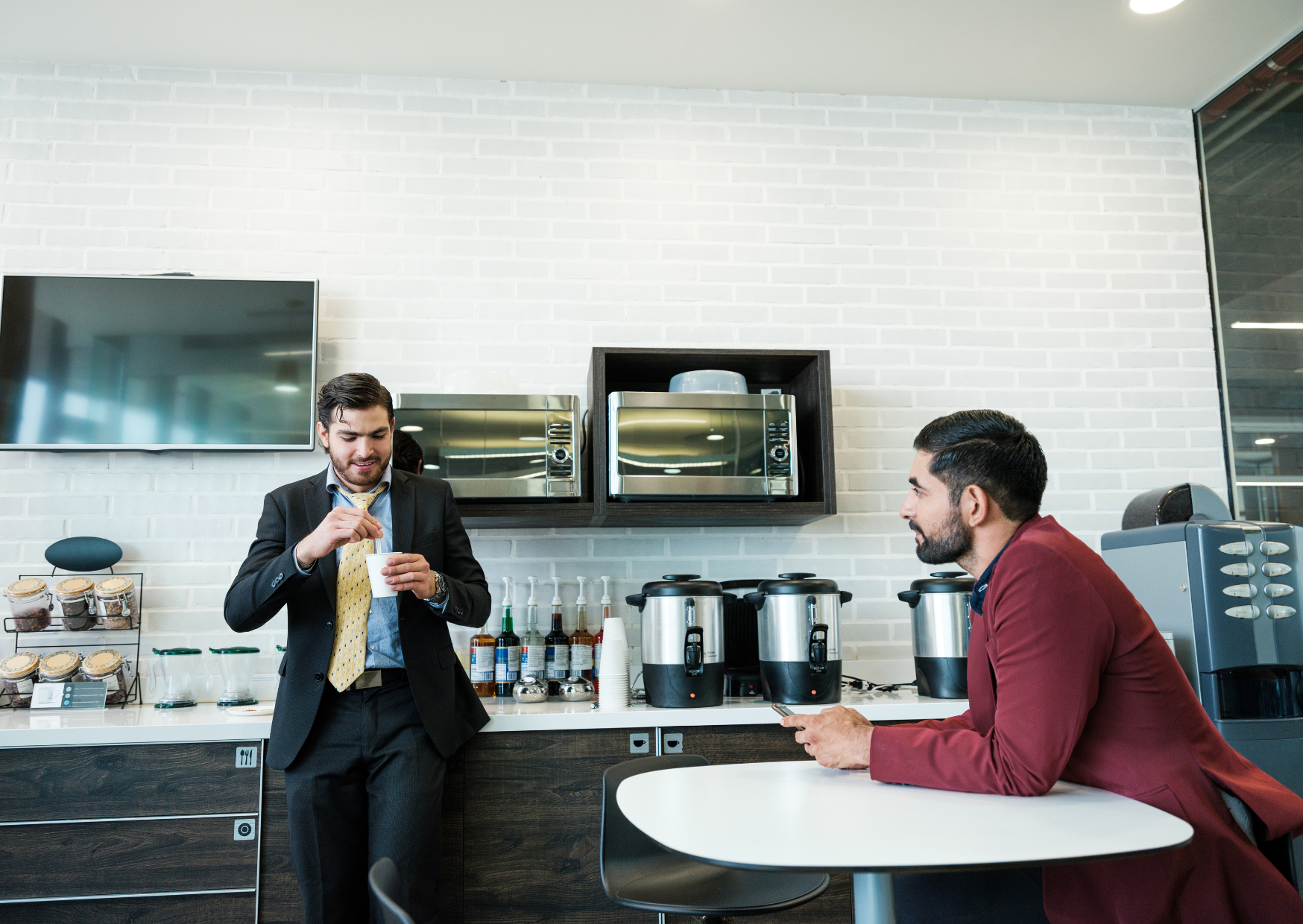
The Spanish jornada partida (split workday) famously includes a midday break. It’s not always a full “siesta,” but from 2 PM to 5 PM, many businesses shut down completely.
Yes, this can be inconvenient for newcomers trying to get errands done. But for workers, it’s essential.
The break isn’t a luxury. It’s a health intervention.
In cities that routinely hit 35°C or more in summer, pushing through the hottest hours of the day is physically punishing. Pausing work during these hours allows:
- Lunch with family or friends
- Rest and digestion
- Time indoors away from peak sun
- Space for quiet or solitude
Some people nap. Some don’t. But nearly everyone stops—and that’s the point.
To Americans, this break looks like a productivity killer. But it’s actually the key to the next item.
3. Work Often Resumes—And Peaks—In the Evening
Spanish office hours may pause, but they don’t disappear. In many industries, the real focus period happens after 5 PM and stretches to 7 or 8 PM.
Shops reopen. Meetings pick up. Cafés refill with workers tapping away on laptops.
In fact, two work phases—a morning push and an evening sprint—are typical. And because energy levels rebound after the midday break, workers are often more productive during this second stretch than if they’d plowed through a continuous 9-to-5.
To Americans used to powering through lunch, this feels disruptive. But the Spanish method embraces the truth of human energy cycles: no one is focused for eight straight hours. So why pretend?
4. Meals Aren’t Rushed—They’re Protected
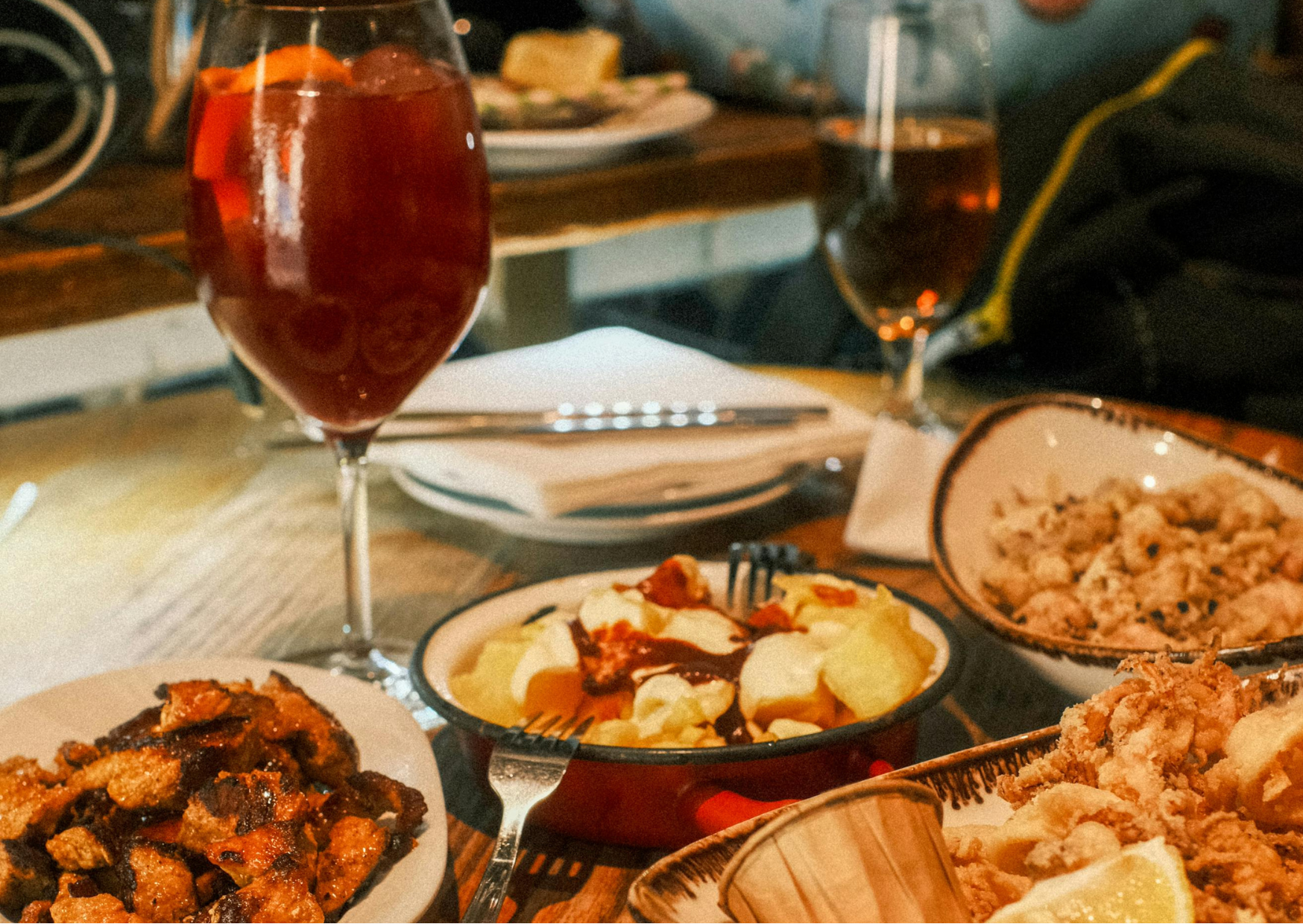
Lunch in Spain is not a sandwich at your desk. It’s a ritual. A pause. A time for connection, digestion, and reset.
A typical lunch can last 1 to 1.5 hours. Even schoolchildren eat at home or in proper cafeterias, not in rushed shifts.
Dinner, meanwhile, happens late—often after 9 PM. This follows the natural rhythm of a hot climate and a long workday.
To Americans, who are trained to eat “efficiently,” these long, late meals look indulgent. But they reduce stress, promote digestion, and—perhaps most importantly—separate work from life.
Food isn’t just fuel. It’s space between tasks. And that space keeps people sane.
5. Health Outcomes Speak Louder Than Schedules
Despite working fewer continuous hours and taking more frequent breaks, Spain regularly ranks higher than the U.S. in key health and well-being indicators:
- Lower rates of heart disease
- Longer life expectancy
- Lower obesity rates
- Better work-life balance scores
This isn’t coincidence. It’s structure.
The Spanish work schedule may look inefficient on paper. But the recovery time, the reduced stress, and the daily pause keep burnout at bay.
In contrast, American workers report rising rates of:
- Chronic stress
- Sleep deprivation
- Burnout
- Work-life imbalance
The non-stop hustle may produce more hours. But it doesn’t produce better outcomes.
6. Remote Work is Adapting—But Slowly and Locally
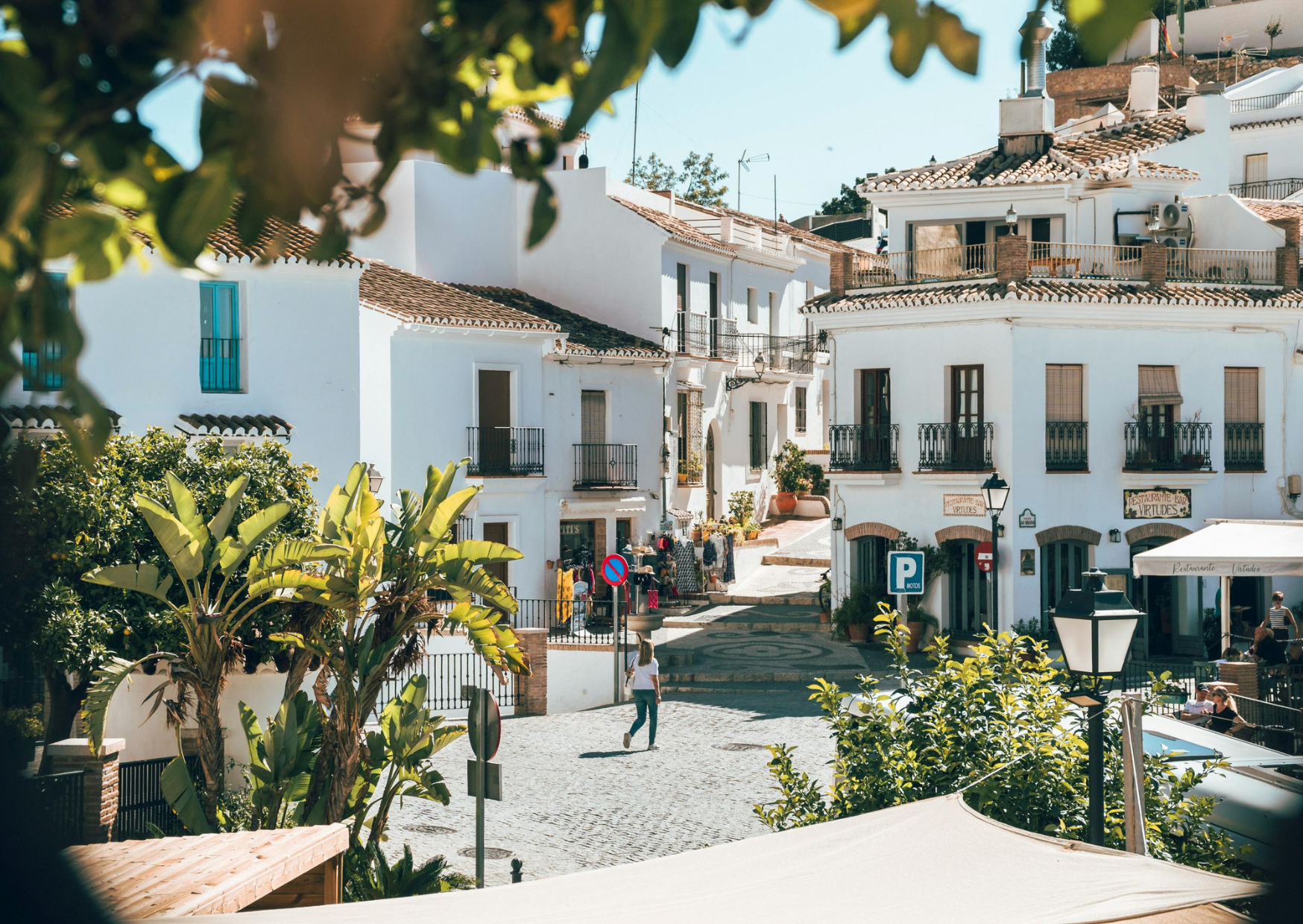
In May 2025, Spain continues to adapt its work traditions to the demands of the digital world. Remote and hybrid jobs are more common. Startups embrace flexibility. International companies often impose U.S. time zones.
But even among tech workers, the Spanish rhythm persists:
- Mornings are calm
- Afternoons are quiet
- Nights are productive
You’ll see remote workers in cafés at 10 PM, not just because of deadlines, but because that’s when their minds are sharpest and the streets cool down.
Americans moving to Spain often struggle with this rhythm. But many, over time, learn to love it — and feel better within it.
7. Vacations Are Real—and Respected
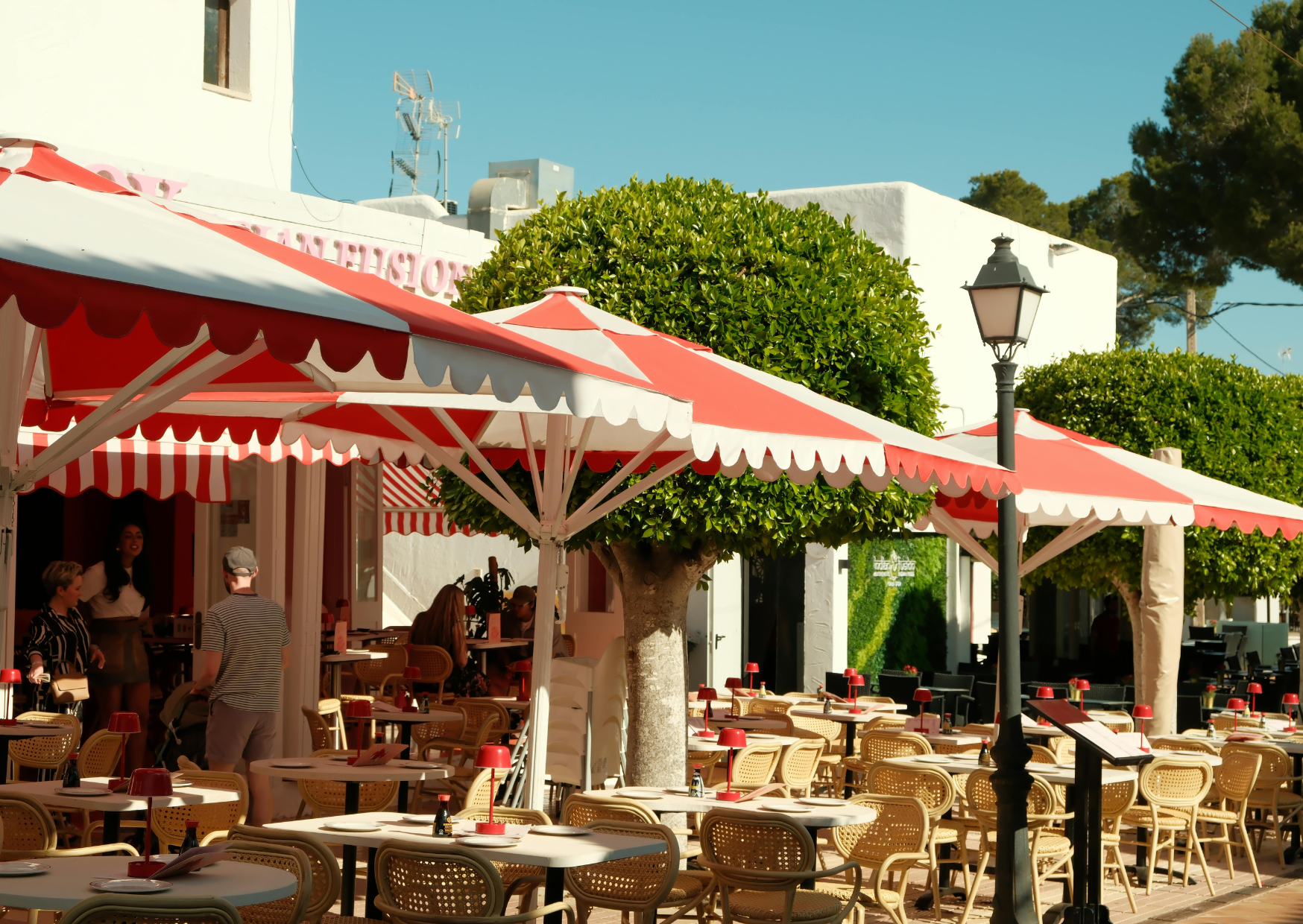
The Spanish schedule isn’t just about the day. It’s about the year.
Most workers receive at least 22 paid vacation days by law — and many take the entire month of August off.
This isn’t “lazy.” It’s structural recuperation. Everyone from top executives to postal workers steps back — and society adjusts.
Compare that to the U.S., where vacation guilt, limited time off, and digital tethering keep many employees “working” even while away.
Spain’s approach says: You can’t work well if you never fully stop.
8. Work Doesn’t Define Identity
Perhaps the deepest cultural difference is this: in Spain, you are not your job.
People take pride in their work, of course. But it doesn’t consume identity. A waiter doesn’t need to explain they’re “really an actor.” A teacher doesn’t feel the need to brand themselves as a thought leader.
Work is part of life. Not the center of it.
That’s why people take breaks. That’s why shops close at 2 PM. That’s why no one panics if you don’t respond to email in 10 minutes.
This shift in perspective doesn’t just save lives. It preserves them—whole, meaningful, and rich with time.
9. The “Inconvenient” Schedule Is Actually a Layer of Protection

To outsiders, the Spanish work schedule seems inconvenient. Stores closed when you need them. Offices shutting just as you arrive. Dinners at a time that feels like bedtime.
But these inconveniences are actually guardrails—cultural buffers against overwork, overheating, and overextension.
They are reminders that not everything should be available all the time. That people need breaks. That bodies need rest. That time matters more than output.
Americans often see this rhythm as inefficient. But it’s not inefficient. It’s human-sized.
Final Thought: What If the Point Isn’t Productivity?
The American dream has long tied success to productivity. More hours, more hustle, more reward.
But Spain offers an alternate blueprint. One that says:
- Work is important, but not sacred
- Breaks are not weakness
- Recovery is built-in
- Health and time are non-negotiable
This doesn’t mean every Spaniard lives stress-free or that the system is flawless. But it does mean that another model exists—one where the body is not punished for needing rest, and the mind isn’t forced into 24/7 readiness.
For Americans used to equating value with speed, the Spanish schedule is a shock. But if we listened to it closely, we might hear something familiar beneath it:
A reminder that we are still biological beings. That rhythm matters. That work was never supposed to be constant. And that life happens between the tasks—not just after them.

About the Author: Ruben, co-founder of Gamintraveler.com since 2014, is a seasoned traveler from Spain who has explored over 100 countries since 2009. Known for his extensive travel adventures across South America, Europe, the US, Australia, New Zealand, Asia, and Africa, Ruben combines his passion for adventurous yet sustainable living with his love for cycling, highlighted by his remarkable 5-month bicycle journey from Spain to Norway. He currently resides in Spain, where he continues sharing his travel experiences with his partner, Rachel, and their son, Han.