
And what it reveals about convenience, cultural rhythm, and two very different definitions of a working kitchen
Step into almost any American home, and you’ll see it. Stainless steel, usually built-in, humming quietly in the corner. It’s not just a kitchen staple — it’s an assumed necessity. The dishwasher.
To Americans, a dishwasher isn’t luxury. It’s baseline functionality. You use it every day. Sometimes twice. You rinse the plate, load it in, and walk away. To go without one — especially in a family home — feels like a step backward.
Now visit a home in Spain, Portugal, France, or even Italy. What you’ll find, more often than not, is an empty space where the dishwasher would be. Or a dishwasher that’s used once a week. Or only when guests come. Or that’s filled with… pots and pans being stored, not washed.
Because in Europe — even in 2025 — the dishwasher is not the centerpiece of the kitchen. In many homes, it’s barely used. In others, it’s never been installed. Dishes are done by hand. Every meal. Every day.
Here’s why Europeans rarely use the kitchen appliance Americans can’t live without — and what that choice reveals about time, water, energy, and the quiet ritual of post-meal cleanup.
Want More Deep Dives into Everyday European Culture?
– Why Europeans Walk Everywhere (And Americans Should Too)
– How Europeans Actually Afford Living in Cities Without Six-Figure Salaries
– 9 ‘Luxury’ Items in America That Europeans Consider Basic Necessities
1. Dishwashing by Hand Is Still a Daily Ritual
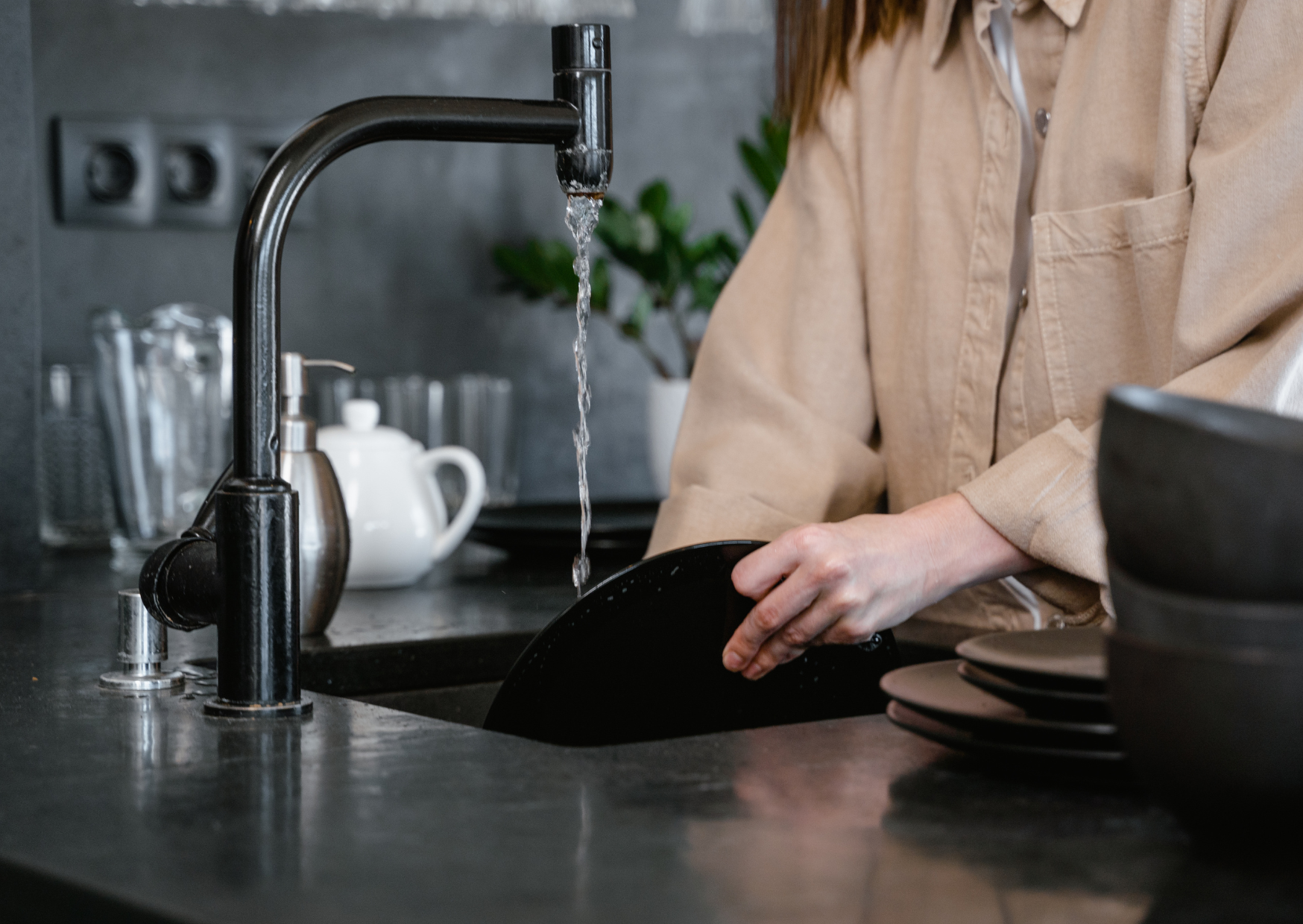
In American households, dishwashing by hand is associated with inconvenience. A backup plan. Something you do when the dishwasher breaks — or when you’re camping.
In European homes, washing dishes by hand is normal life.
It’s not seen as punishment. It’s not rushed. After lunch, someone brings the plates. Someone washes. Someone dries. The process is shared. Familiar. Rhythmic.
Even in families with modern appliances, the choice to do dishes by hand is not based on necessity — it’s based on habit.
2. Space Is Tight — and Priorities Are Different
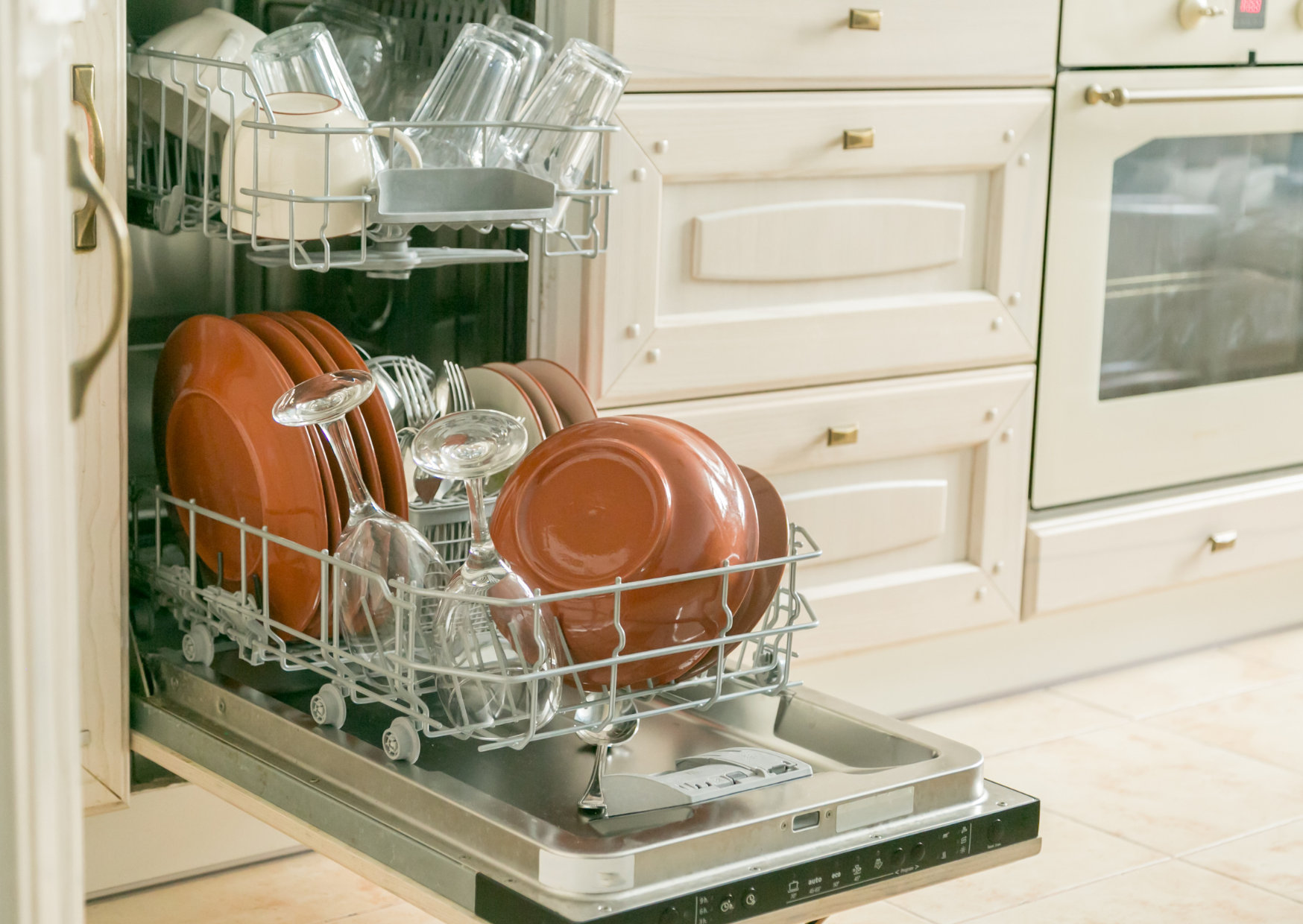
Many European kitchens are much smaller than their American counterparts. Built-in dishwashers take up valuable cabinet space. For many families, that space is better used for pantry goods, cookware, or even a washing machine.
If you have to choose between storing dry goods or installing a dishwasher, most Europeans choose the shelf.
And if the kitchen has a dishwasher, it’s often compact — a half-size model — or so infrequently used that it doubles as extra storage.
To Americans used to massive kitchens, this seems like a compromise.
To Europeans, it’s just smart use of space.
3. Water Use Is Treated with More Caution
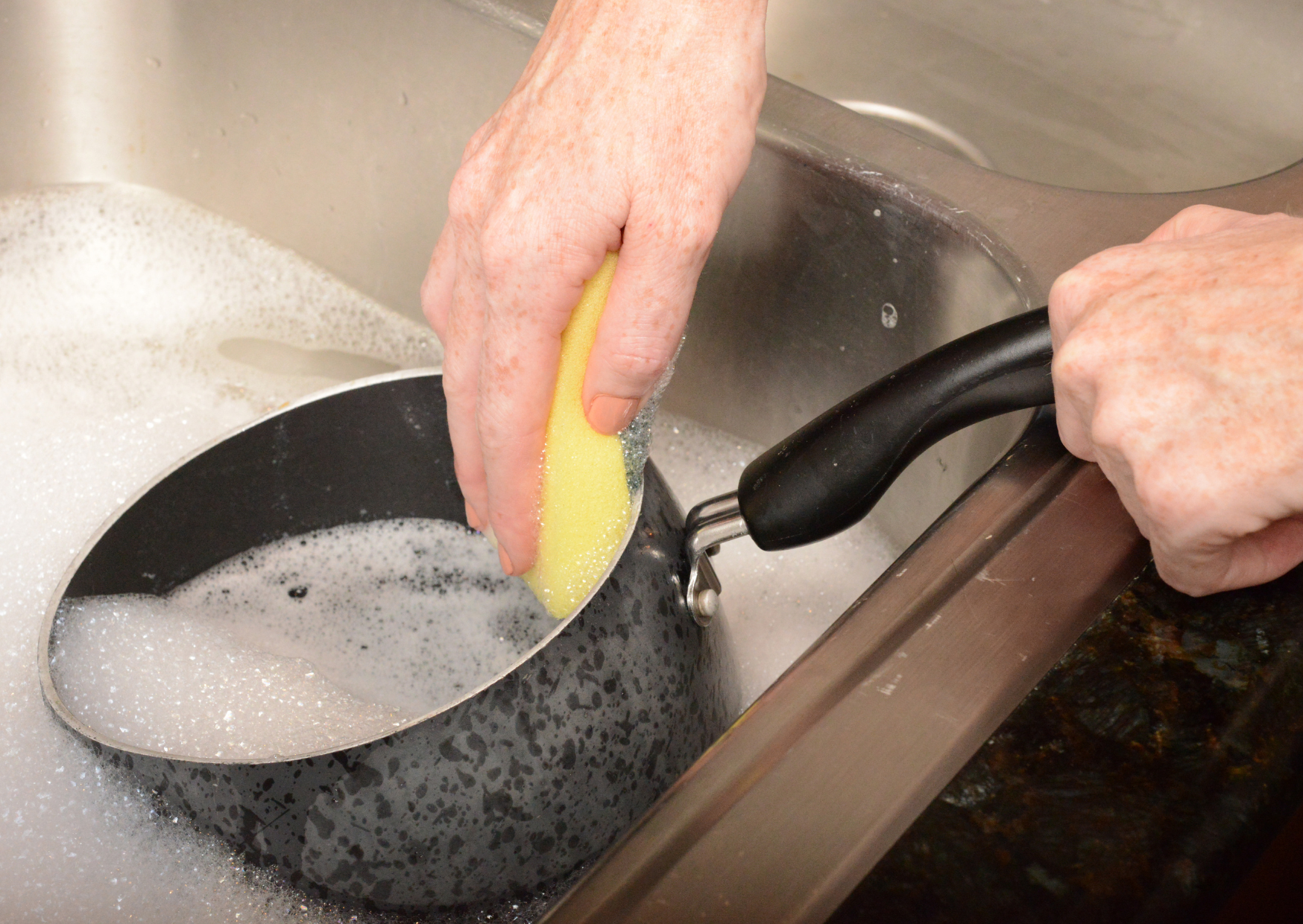
In the U.S., the modern dishwasher is advertised as water-efficient. Some models use less water than handwashing — if loaded properly and used with eco settings.
But in Europe, there’s a deeply ingrained sense that dishwashers waste water — or at least use more than necessary for small loads.
Many people wash dishes with a single sink basin, using the least amount of water possible. Soaking. Scrubbing. Rinsing with a trickle.
It’s not about being old-fashioned. It’s about conservation and cost.
Water is expensive. And many regions have experienced droughts. For southern European households, water use is never taken lightly — even in the kitchen.
4. Energy Costs Are Too High for Daily Cycles
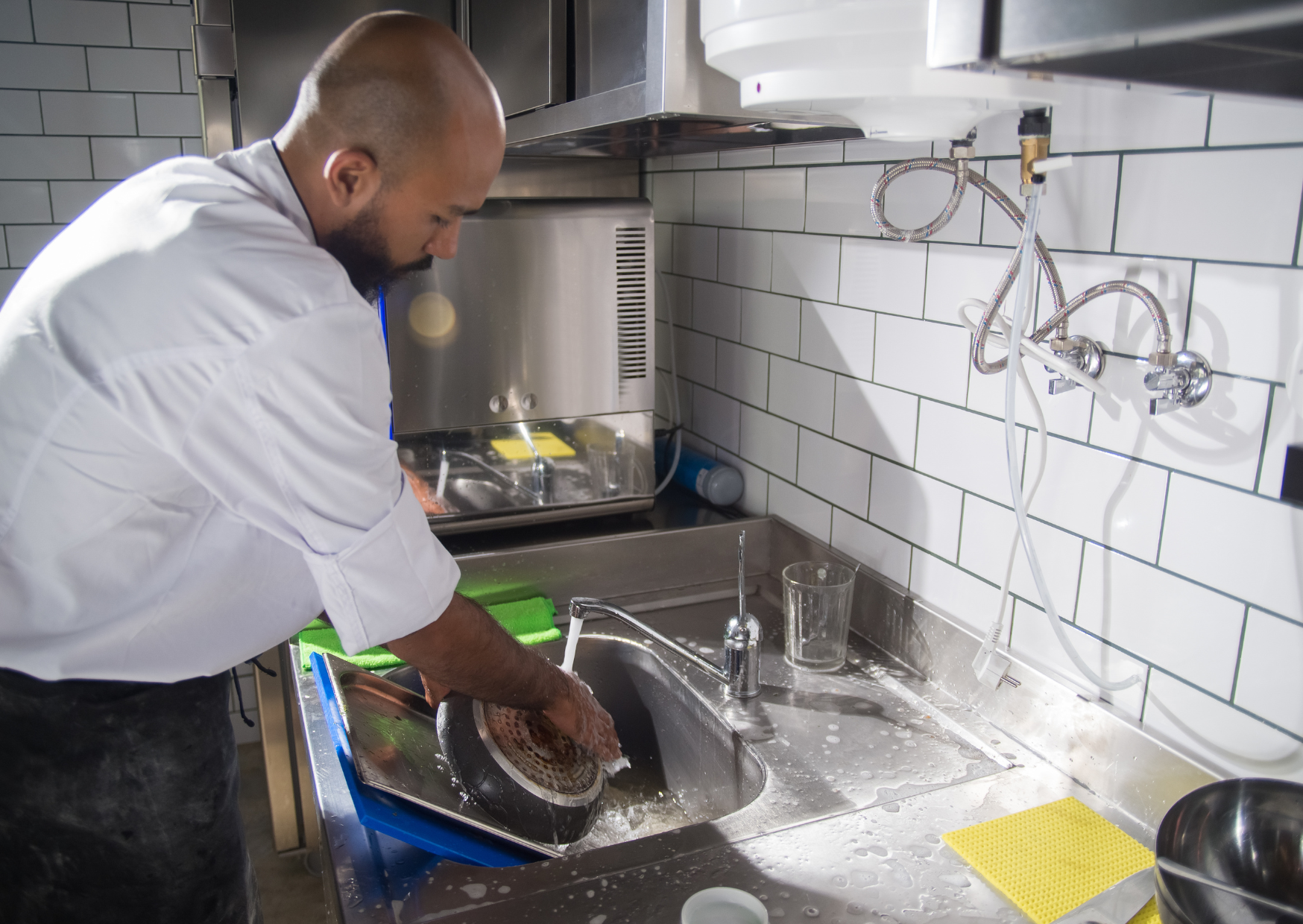
Running a dishwasher isn’t just about water — it’s about electricity, and in many European countries, energy costs are significantly higher than in the U.S.
In Spain, Portugal, or Italy, running a dishwasher every night would noticeably increase a household’s monthly bill — especially during peak hours.
Some families run it once a week. Others wait for off-peak times — often overnight or weekends — which means handwashing fills the gap.
This economic logic doesn’t occur in most American homes, where energy is comparatively cheaper and rarely part of the conversation around kitchen habits.
5. Cultural Meal Patterns Support Immediate Cleanup
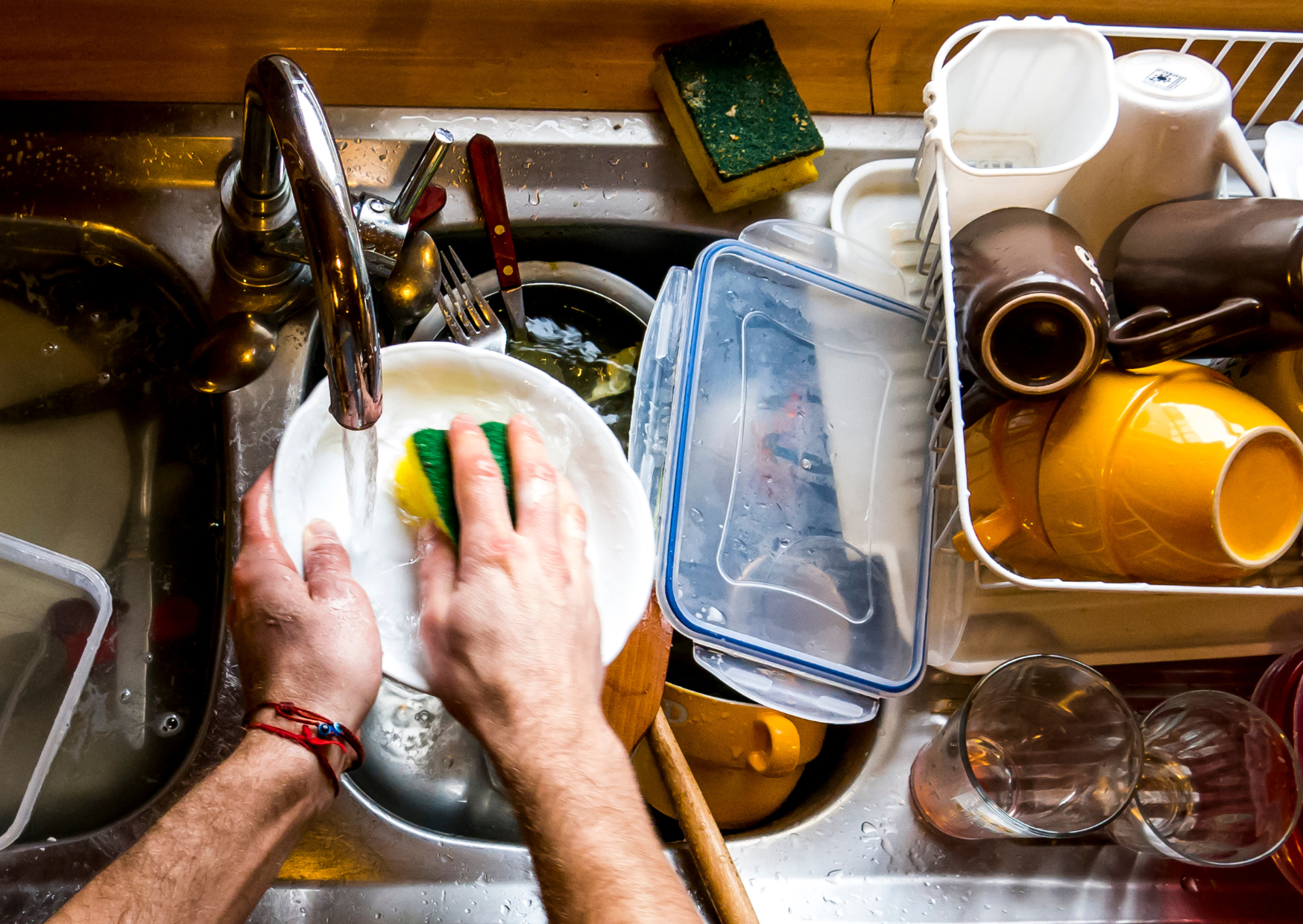
In the U.S., many people eat scattered meals. Leftovers are heated up. Kids grab snacks on their own. Families eat at different times. Dishes pile up all day.
In Europe, meals are structured and collective. Lunch is the main event. Dinner is late and light. Meals are eaten at the table, together — and cleanup follows immediately.
This rhythm makes dishwashing feel natural. You eat, you clean. There’s no pile-up. No chaos. Just a rhythm that resets after every meal.
You don’t need to fill a dishwasher. You just get the dishes done, and move on.
6. Hosting Doesn’t Mean Outsourcing Cleanup
In the U.S., part of the logic behind dishwashers is post-hosting fatigue. After a party, a big family meal, or even a Sunday brunch, no one wants to deal with a mountain of plates.
In Europe, the response is different: everyone helps.
Guests clear plates. Cousins wash wine glasses. Aunts and uncles dry. Teenagers pass trays. The after-meal moment is part of the gathering, not a burden.
And because the meal was likely made from scratch, the pride in cleanup is just as real.
7. Cleanliness Doesn’t Require Automation
There’s an American perception that dishwashers are cleaner. More sanitary. That unless the dishes were machine-washed at 140°F, they’re still “dirty.”
In Europe, cleanliness comes from hot water, soap, and thoroughness — not machinery.
Scrubbing a plate by hand is not seen as inferior. It’s effective. It’s tactile. You know when it’s clean because you see it, feel it, and rinse it yourself.
There’s no fear of germs lingering — only the satisfaction of having done it right.
8. Appliances Are Repaired — or Avoided
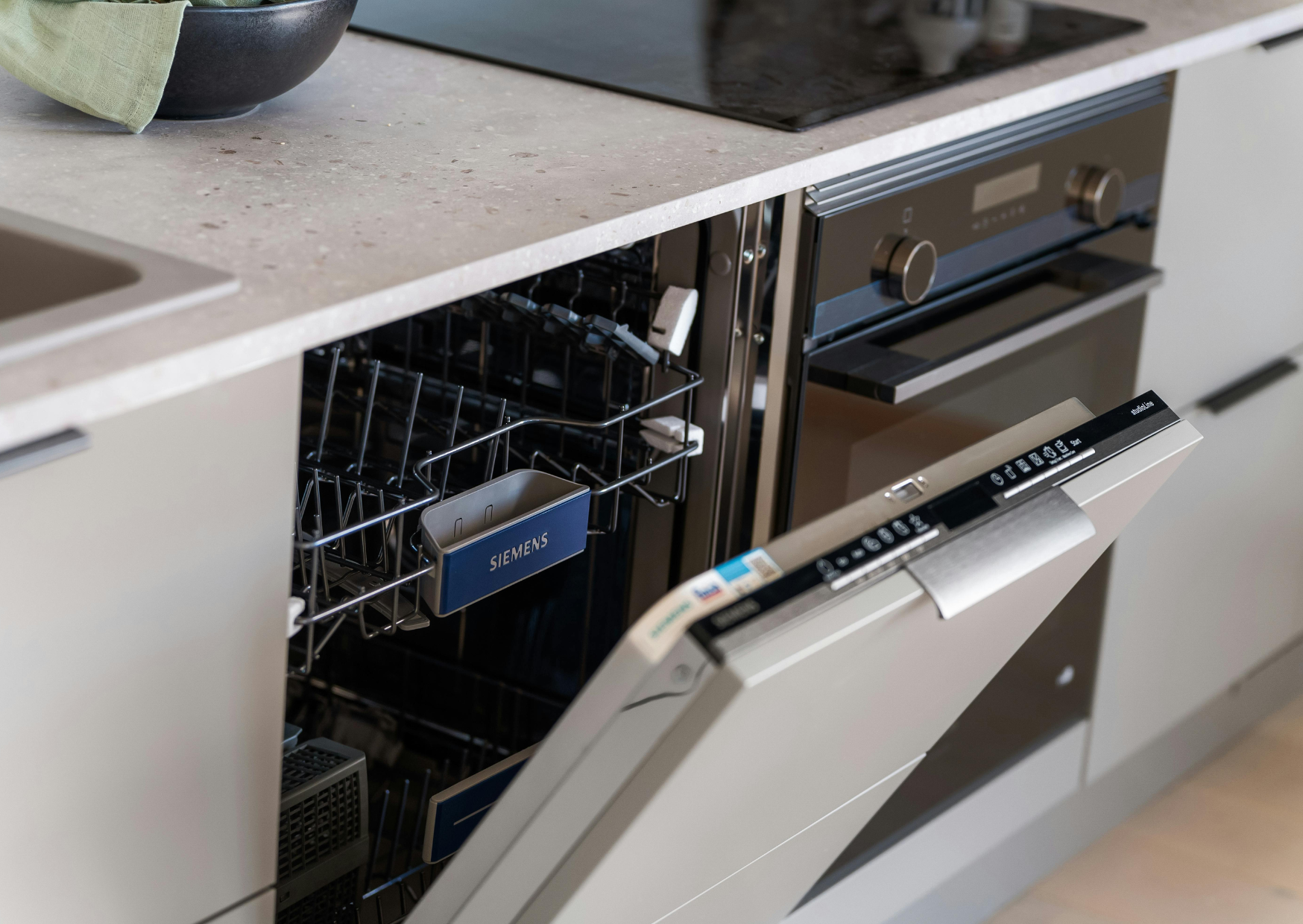
In the U.S., when a dishwasher breaks, it’s replaced — quickly. In Europe, when a dishwasher breaks, it might sit unused for months.
Repairs are expensive. Warranties are unclear. And more importantly, there’s a sense of not needing it.
Why stress about a broken machine when dishes can be washed faster by hand?
In this context, dishwashers become non-essential. They’re not “missing” — they’re just unnecessary.
9. Slowness Is Built into the Domestic Routine
The American kitchen is designed for speed. Microwaves. Garbage disposals. Double ovens. Large refrigerators. Big dishwashers. The entire layout screams efficiency.
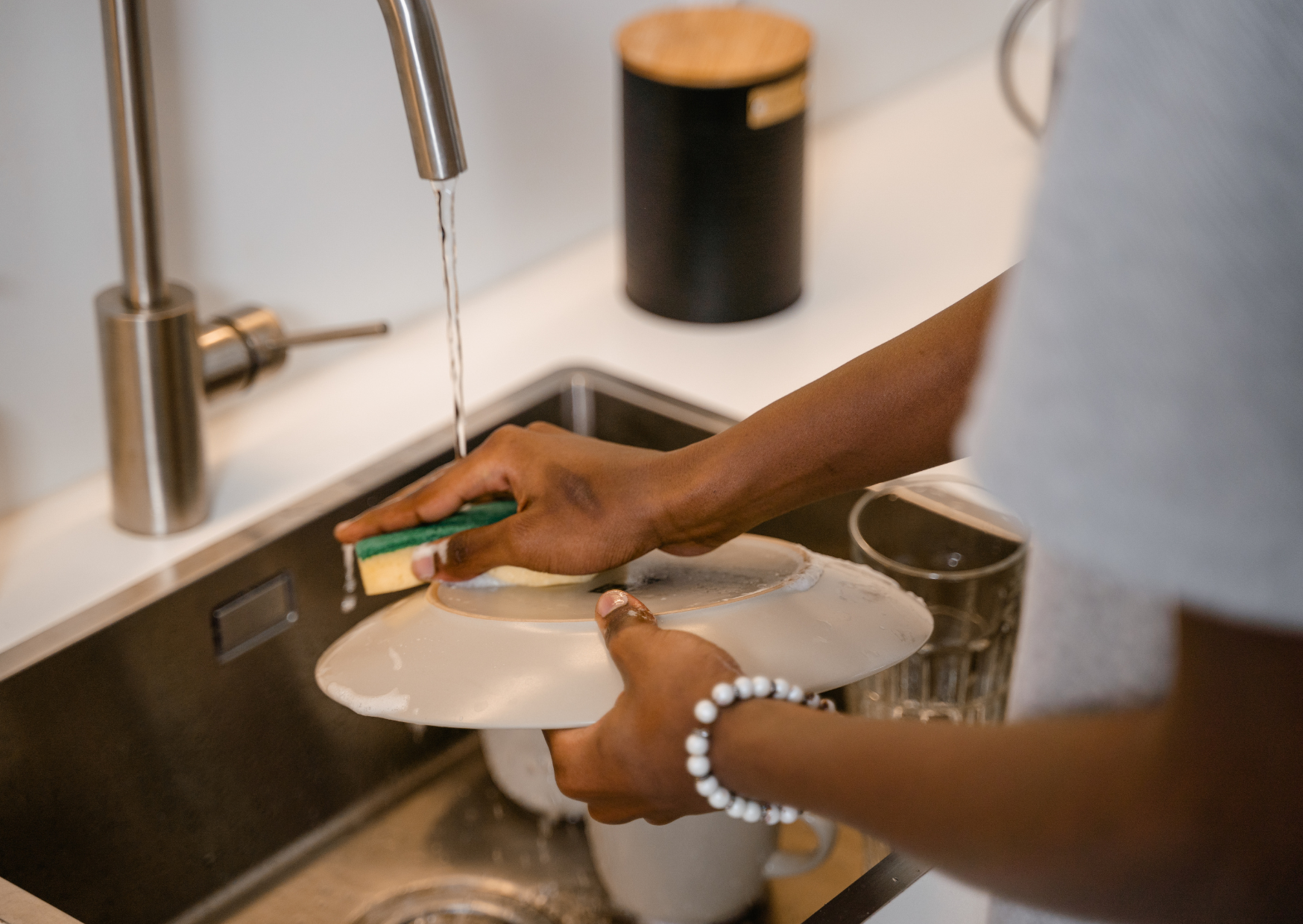
European kitchens, by contrast, are designed for living. Meals are slow. Cleanup is slower. Conversations continue while water runs. Someone dries while someone else talks.
There’s no race. No rush. No need to press a button and forget about it.
The dishes don’t go away by magic — they disappear through habit, cooperation, and a shared sense that doing things slowly is part of doing them well.
One Kitchen, Two Philosophies
To Americans, a dishwasher is basic infrastructure — like plumbing or Wi-Fi.
To Europeans, it’s a convenience that may or may not fit the kitchen, the budget, or the rhythm of life.
In American homes, dishes are handled later — and by machine.
In European homes, they’re handled now — and together.
One system values efficiency, labor-saving, and convenience.
The other values presence, rhythm, and small daily rituals.
Neither is inherently better. But only one depends on an appliance to feel “complete.”
So if you find yourself in a European kitchen, standing at the sink with someone else passing you a dish towel — don’t ask where the dishwasher is.
You’re looking at it.

About the Author: Ruben, co-founder of Gamintraveler.com since 2014, is a seasoned traveler from Spain who has explored over 100 countries since 2009. Known for his extensive travel adventures across South America, Europe, the US, Australia, New Zealand, Asia, and Africa, Ruben combines his passion for adventurous yet sustainable living with his love for cycling, highlighted by his remarkable 5-month bicycle journey from Spain to Norway. He currently resides in Spain, where he continues sharing his travel experiences with his partner, Rachel, and their son, Han.