
And what it reveals about longevity, moderation, and why movement doesn’t have to be a lifestyle brand
Spend time in a European city — from Copenhagen to Madrid, from Bordeaux to Bologna — and you’ll notice something curious. People walk. Everywhere. Not as a fitness goal. Not as a challenge. Not because they tracked their steps or joined a 30-day challenge. But because it’s just how life happens.
No leggings. No earbuds. No workout gear. Just people in ordinary clothes, moving through ordinary streets, with no rush and no apology.
To many Americans, especially those immersed in fitness culture, this feels lazy. Where’s the sweat? The goals? The training zones? Where’s the evidence that you’re transforming your body?
But to Europeans, daily walking — slow, steady, unscheduled — is exercise. Not a substitute. Not a warm-up. The whole thing.
And they don’t just believe it. They live longer, stay mobile into old age, and experience fewer lifestyle-related injuries than many of their American counterparts who spend hours a week in gyms.
Here’s why Europeans swear by walking as their primary form of exercise — and why so many American fitness experts still dismiss it as not enough.
Want More Deep Dives into Everyday European Culture?
– Why Europeans Walk Everywhere (And Americans Should Too)
– How Europeans Actually Afford Living in Cities Without Six-Figure Salaries
– 9 ‘Luxury’ Items in America That Europeans Consider Basic Necessities
1. Walking Isn’t a Workout — It’s a Way of Life

In the U.S., walking is often seen as light activity. Something you do if you’re older, recovering, or “not ready” for real training.
But in Europe, walking is baked into the day. You walk to work. You walk to the store. You walk the dog, then walk your groceries home. You walk after dinner just because the air feels good.
There’s no app. No watch. No step counter. Just movement as normal life.
It’s not a lesser form of exercise. It’s the default.
2. Fitness Isn’t Scheduled — It’s Built Into the Infrastructure

In many American cities, if you want to walk, you have to plan it. Drive to a park. Find a walking path. Schedule a walk like you’d schedule a workout.
In Europe, the cities are walkable by design. Streets are dense. Errands are done on foot. You walk not for steps, but for function — and in the process, you stay active without carving out extra time.
American experts often focus on structure: reps, splits, progressions. Europeans focus on rhythm. If your entire lifestyle includes movement, you don’t need to “exercise” in a separate block.
3. There’s No Pressure to Look Fit While You Do It
In the U.S., fitness is part of image. You wear the right leggings, branded shoes, moisture-wicking tops. The gear signals your commitment.
In Europe, people walk in jeans. In skirts. In office clothes. In old shoes. They might sweat. They might carry a bag of groceries in one hand and a baguette in the other.
No one expects performance. No one expects you to “look like a runner” to get the benefits of movement.
And that lowers the barrier to entry for people of all ages, shapes, and schedules.
4. It’s Not Just About Health — It’s About Enjoyment
American fitness culture often emphasizes discipline, sacrifice, and transformation. You push yourself. You track calories. You count down the minutes.
In Europe, walking is pleasant. You stop to look at a fountain. You take the scenic route. You sit for a coffee halfway. You chat with a friend. You stroll.
It’s not “cheating.” It’s the point.
Fitness experts might ask what zone your heart rate is in. Europeans ask did you enjoy yourself? If yes, then the walk was worth it.
5. It’s Lifelong — Not a Phase
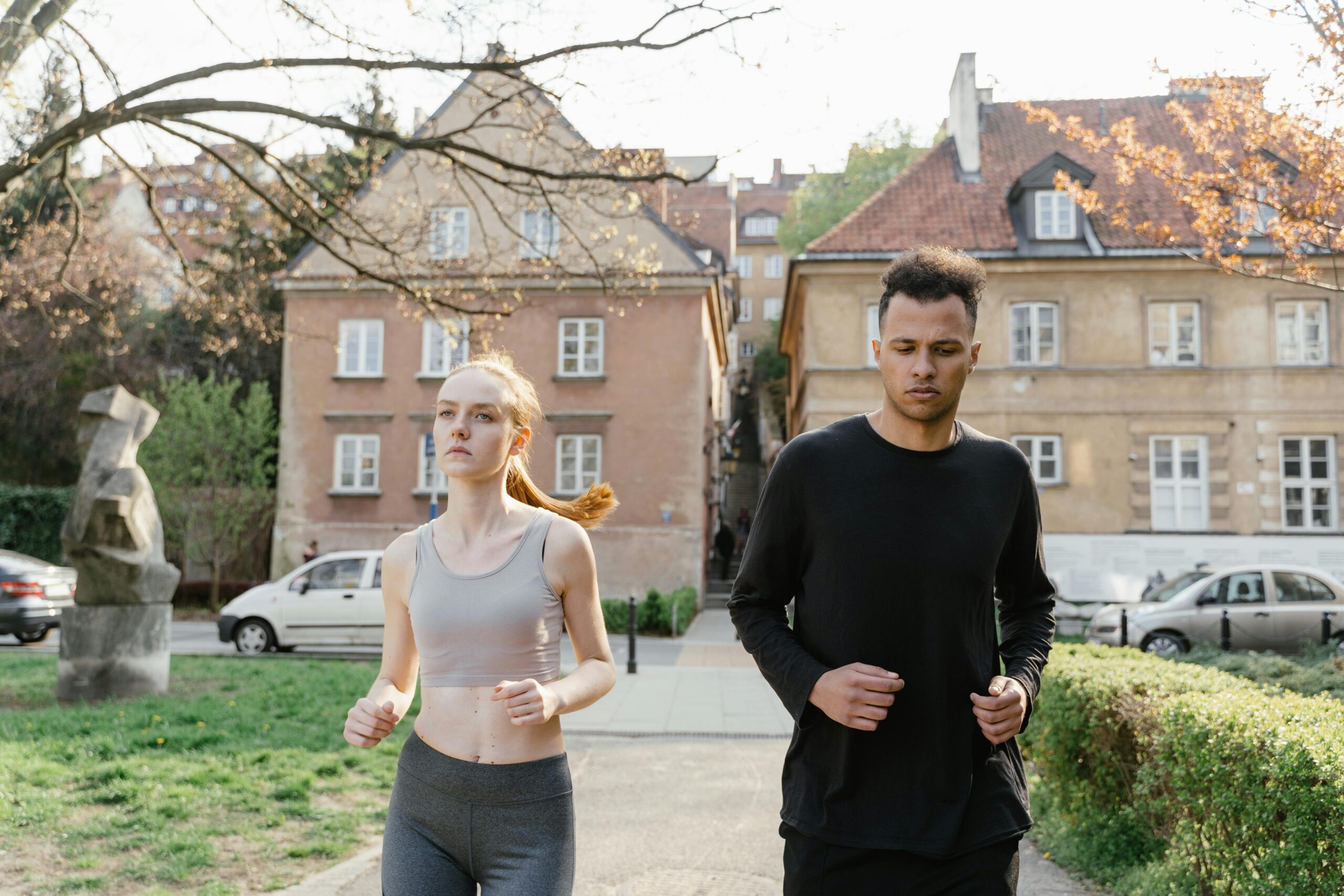
American fitness can be intense, but also episodic. Gym memberships surge in January, then drop. High-intensity classes come and go. The language is about progress, milestones, and goals.
In Europe, walking is sustained for decades. Elderly people walk daily. Parents walk with their kids. It’s not something you age out of — it’s something you age through.
Because it’s not based on ability or motivation. It’s based on habit.
No burnout. No “starting over.” Just a lifelong rhythm of movement that never needs rebranding.
6. It Comes Without Injury, Burnout, or Recovery Plans
One quiet reason Europeans stick with walking? It’s sustainable. It doesn’t lead to joint pain. It doesn’t require supplements, massage guns, or physio appointments.
In contrast, many American fitness trends push the body hard — then sell products to help recover.
Walkers in Europe don’t need that. They’re not chasing peak performance. They’re building functional, consistent mobility.
The result? Fewer injuries. Less mental fatigue. More consistent well-being.
7. Mental Health Comes Built In
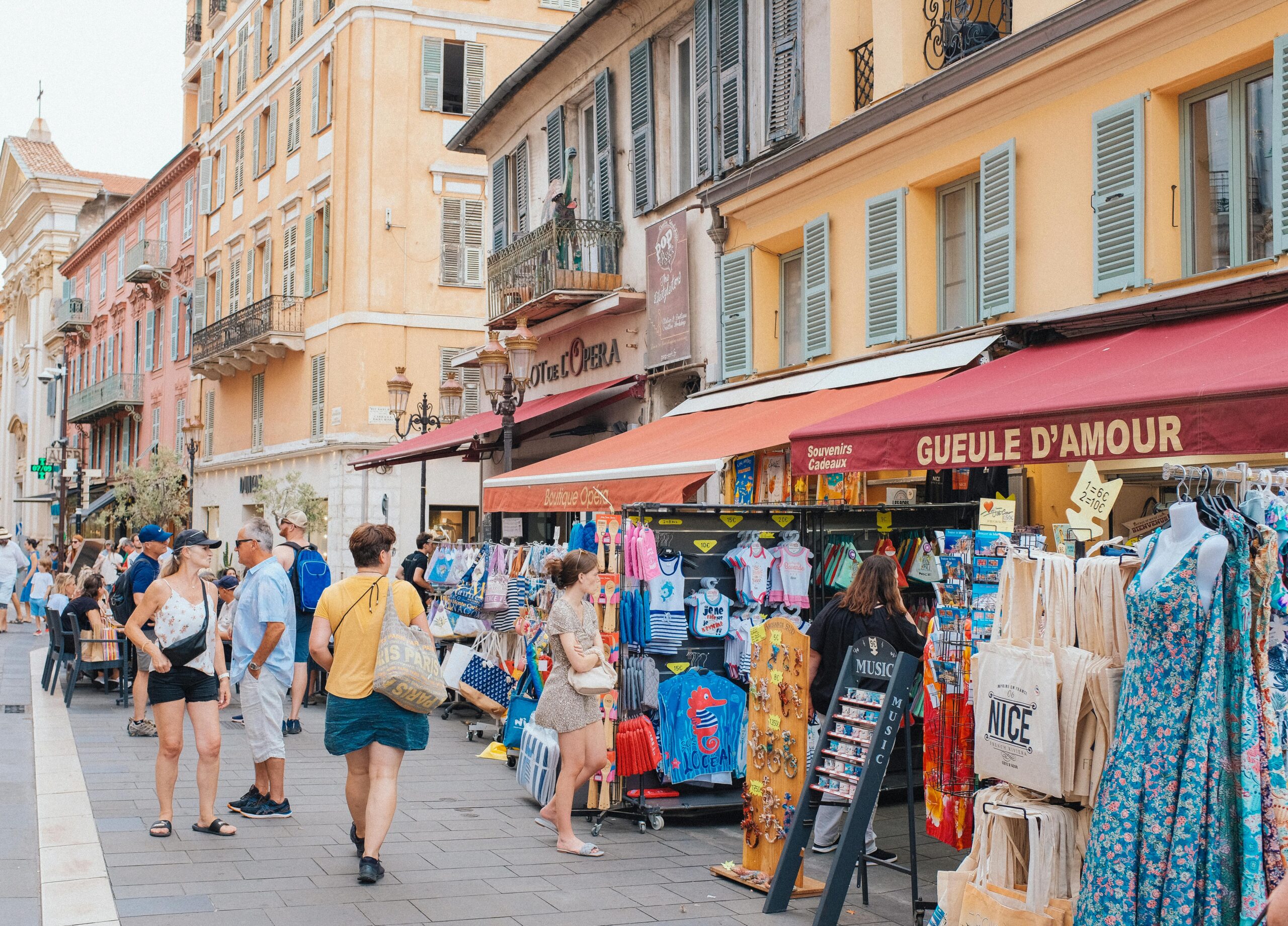
In the U.S., walking is now recommended by therapists and psychologists for its proven mental health benefits. But it’s still framed as a “tool.”
In Europe, walking has always been part of mental hygiene.
You walk to calm down. To process. To talk things through. To come home from work without bringing your stress inside.
You don’t walk to fix something. You walk because it keeps you from needing fixing in the first place.
And it works — quietly, daily, and with no sign-up required.
8. It Happens Without Effort — But With Results
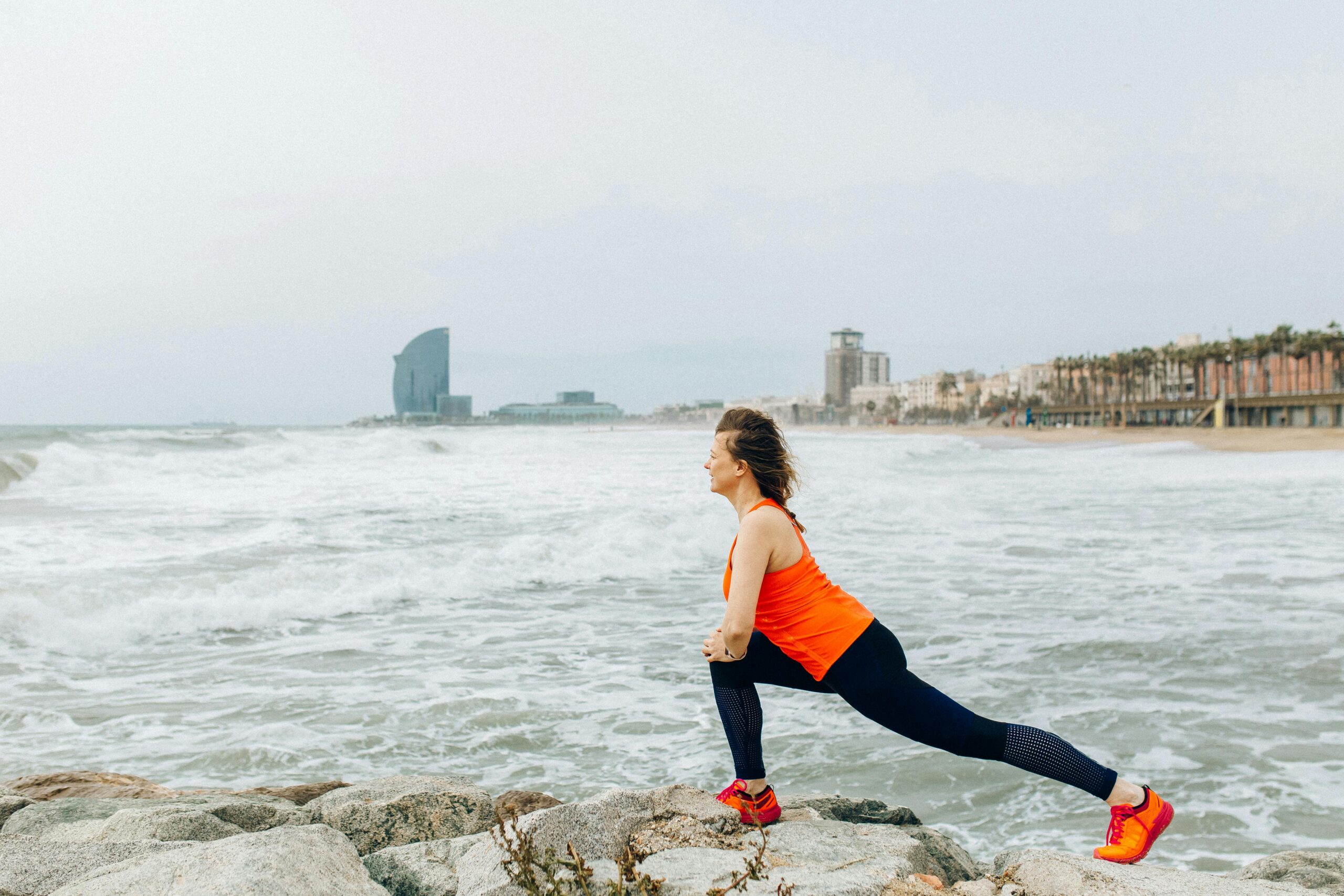
American fitness often links effort with effectiveness. If it didn’t hurt, it didn’t count. If you didn’t sweat, it didn’t work. If you’re not sore, it wasn’t worth it.
Europeans reject that premise. You don’t have to suffer to stay healthy. You just have to move often enough that movement never becomes foreign.
A 60-year-old woman in southern Spain may walk six kilometers a day — not because she trained for it, but because it’s how she buys vegetables, visits her friend, and enjoys the sunset.
And she’s likely healthier than many gym-goers with more gear than consistency.
9. It Doesn’t Feed a Billion-Dollar Industry
American fitness is a massive economy — gyms, supplements, apps, wearables, programs, influencers.
Walking, by comparison, can’t be monetized. And that’s exactly why it gets dismissed.
There’s no product to sell. No radical before-and-after photos. No crash plan. Just steady, enjoyable, lifelong movement that doesn’t create dependency on a brand or coach.
Which means it’s dismissed as “not serious enough.” But the outcomes — long-term health, fewer injuries, better sleep, less anxiety — speak for themselves.
One Habit, Two Mindsets
To American fitness culture, walking is warm-up. Maintenance. Something for people who “can’t handle the real stuff.”
To Europeans, walking is the real stuff. And always has been.
It doesn’t demand attention. It doesn’t generate profit. But it works.
It keeps your knees good. Your heart healthy. Your mental state balanced. It lets you age in motion. It gives you time to think, breathe, talk, observe, and simply be part of the world around you.
So the next time you see a group of older Europeans walking uphill in everyday clothes, arms swinging freely, and no earbuds in sight, don’t mock the habit.
Notice the quiet strength. The calm resilience. The lack of hurry — and the abundance of health.
It may not come with a six-pack. But it comes with mobility, sanity, and peace.

About the Author: Ruben, co-founder of Gamintraveler.com since 2014, is a seasoned traveler from Spain who has explored over 100 countries since 2009. Known for his extensive travel adventures across South America, Europe, the US, Australia, New Zealand, Asia, and Africa, Ruben combines his passion for adventurous yet sustainable living with his love for cycling, highlighted by his remarkable 5-month bicycle journey from Spain to Norway. He currently resides in Spain, where he continues sharing his travel experiences with his partner, Rachel, and their son, Han.