
You want to find out what the 7 Popular Tourist Spots in Danger of Vanishing? Imagine visiting your favorite historical landmark only to find it closed off, crumbling, or forever changed. That’s the reality many of our planet’s most incredible cultural sites face today. From the majestic ruins of Machu Picchu in Peru to the sprawling temple complex of Angkor Wat in Cambodia, these landmarks are under threat from too many visitors, environmental challenges, and simply the passage of time.
In this article, we’ll take a look at some of the world’s most beloved cultural landmarks that need a little extra care. We’ll explore the risks they face and the cool, innovative efforts to keep them standing strong. It’s a journey through the challenges of preservation, but also a celebration of the dedication and hard work going into protecting these irreplaceable gems for future generations.
Join us to discover how people around the globe are stepping up to save our shared history, and find out what you can do to help!
More reads:
– 6 Essentials to Pack for Europe
– Why September and October are The Best Months to Visit Europe
– The Best Destinations in Europe for Travelling with Young Children
– 15 Common Mistakes to Avoid in Europe and How to Avoid Them
– Travel Insurance for Europe
1. Venice, Italy
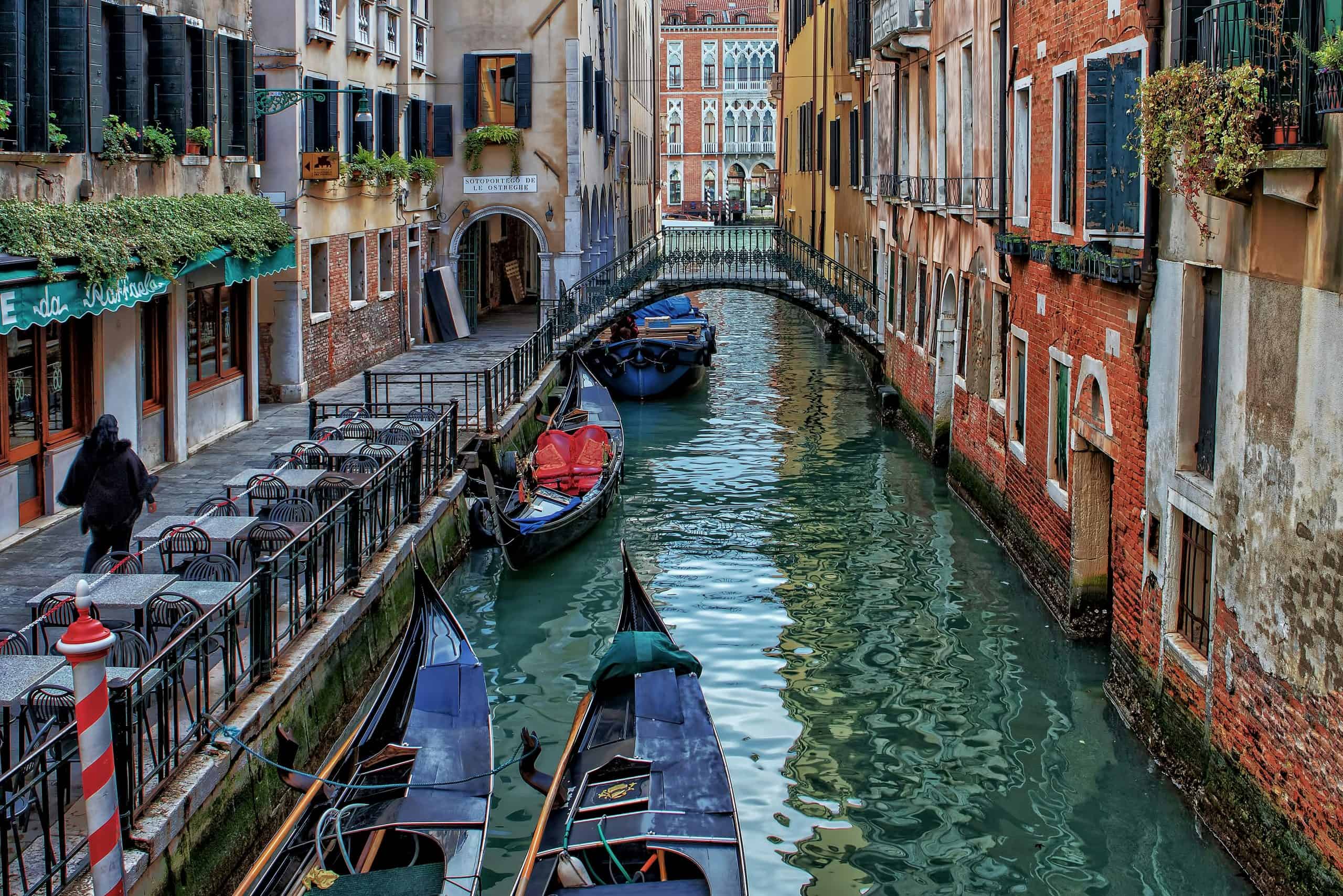
Challenge: Venice, the enchanting city built on water, faces the daunting challenge of fighting both natural and man-made threats. Rising sea levels and frequent flooding threaten its ancient structures, while the millions of tourists who walk its narrow alleys and cross its historic bridges each year accelerate wear and tear.
What’s Happening: Venice isn’t just sinking under the weight of its popularity; it’s also battling against time and tide. The city’s delicate foundations, some centuries old, are continuously exposed to saltwater, leading to deterioration of the iconic stone and brickwork. The heavy traffic of boats, including massive cruise ships, contributes further to the erosion of its canal walls.
Preservation Efforts:
- MOSE Project: This ambitious engineering project involves a series of mobile gates designed to protect Venice from flooding during high tides. It’s a critical part of the city’s strategy to combat rising water levels.
- Tourism Management: Efforts to manage tourist numbers include restricting large cruise ships from docking in the city center and implementing a reservation system for visitors during peak times.
- Building Restoration: Numerous restoration projects are continuously underway, focusing on reinforcing the structural integrity of buildings, repairing damaged artworks, and maintaining the city’s unique architecture.
Local Impact: These preservation efforts not only aim to safeguard Venice’s architectural marvels but also strive to maintain the vibrancy of local life. By managing tourism and protecting the city from environmental threats, Venice hopes to sustain its heritage and continue captivating visitors with its timeless beauty.
Visitor Tips:
- Visit Responsibly: Choose less crowded times for your visit, respect local guidelines, and consider staying in accommodations that contribute to the local economy rather than large hotel chains.
- Support Local Artisans: Engage with and purchase from local craftsmen and businesses to help keep the Venetian culture alive and thriving.
Venice is more than just a city; it’s a living museum, a testament to human ingenuity and a cultural treasure that requires our care and respect. By visiting responsibly and supporting preservation efforts, we can help ensure that Venice continues to awe and inspire for many more generations.
2. Athens, Greece
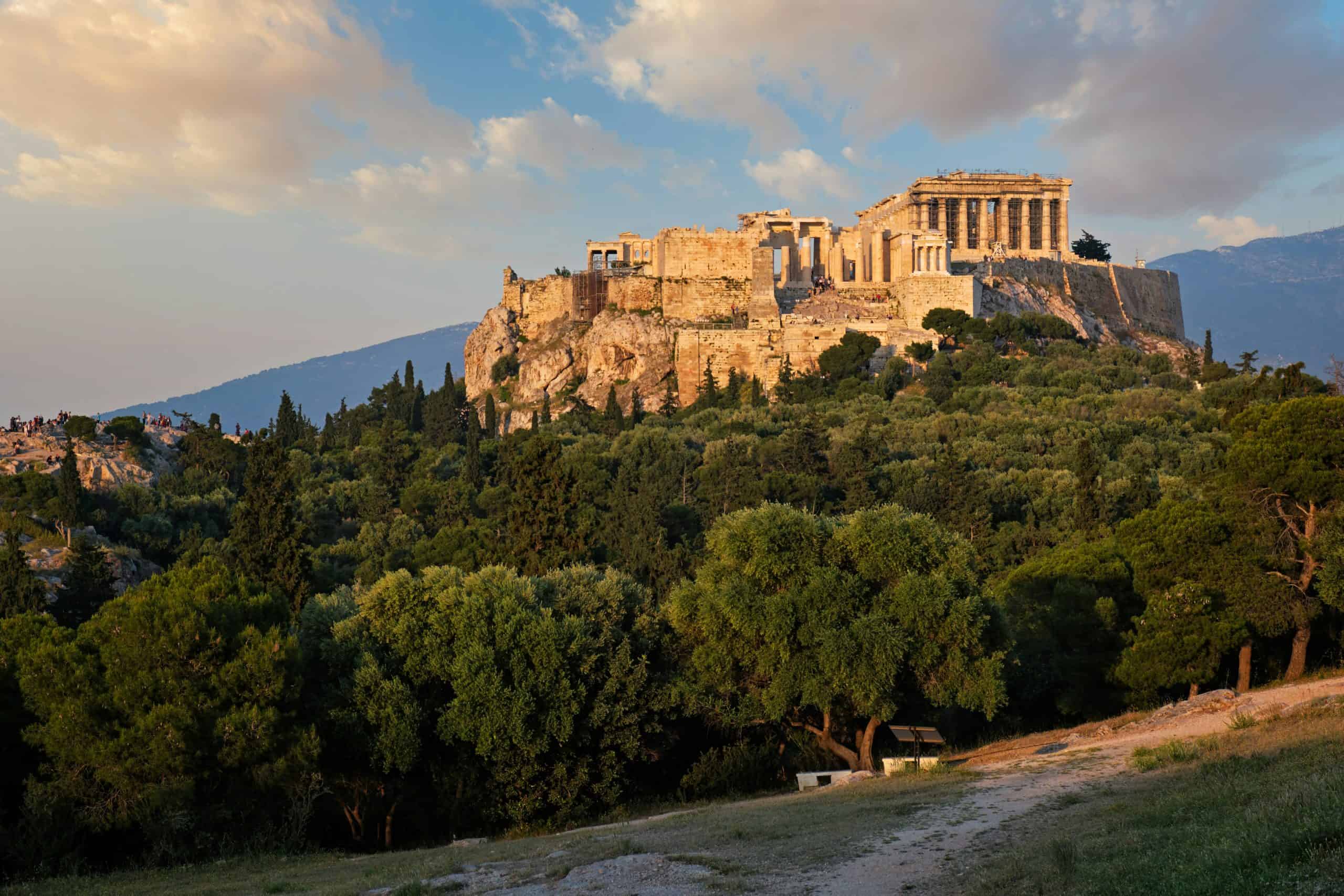
Challenge: Athens, the historical heart of Greece, is home to some of the world’s most revered ancient sites, including the Acropolis. However, the weight of centuries and the relentless footfall of tourists pose significant threats to these priceless monuments. Environmental factors like air pollution and natural erosion further exacerbate the preservation challenges.
What’s Happening: The Acropolis and other ancient structures around Athens are under constant stress from both natural elements and human activities. Air pollution in the city accelerates the deterioration of marble and other materials, while the vibrations and wear from millions of yearly visitors lead to structural weakening.
Preservation Efforts:
- Acropolis Restoration Project: This ongoing initiative has been working for decades to stabilize and restore the structural integrity of the Parthenon and surrounding buildings. It uses original materials wherever possible and modern engineering techniques to ensure longevity.
- Visitor Management: Efforts to control the flow of tourists include timed entry tickets and strict paths to minimize contact with vulnerable structures.
- Public Awareness Campaigns: Educational programs aimed at both locals and tourists highlight the importance of preserving these ancient treasures and promote respectful visitation practices.
Local Impact: These efforts not only help preserve Athens’ ancient heritage but also ensure that the city remains a vibrant hub for cultural tourism—a key component of the local economy. Sustainable tourism practices help maintain the quality of life for residents while providing a richer, more meaningful experience for visitors.
Visitor Tips:
- Plan Ahead: Purchase tickets in advance, especially during peak tourist seasons, to avoid overcrowding and ensure a smoother visit.
- Follow Guidelines: Stay on marked paths and follow all guidelines provided at sites to help reduce your impact on these ancient structures.
- Explore Beyond the Acropolis: Athens is full of historical sites that are less visited but equally fascinating, helping to distribute tourist traffic more evenly across the city.
By understanding and participating in these preservation efforts, visitors can enjoy the rich historical tapestry of Athens while contributing positively to its conservation. The city’s ancient sites not only stand as a testament to Greece’s glorious past but also as symbols of our ongoing commitment to cultural preservation.
3. Cairo, Egypt
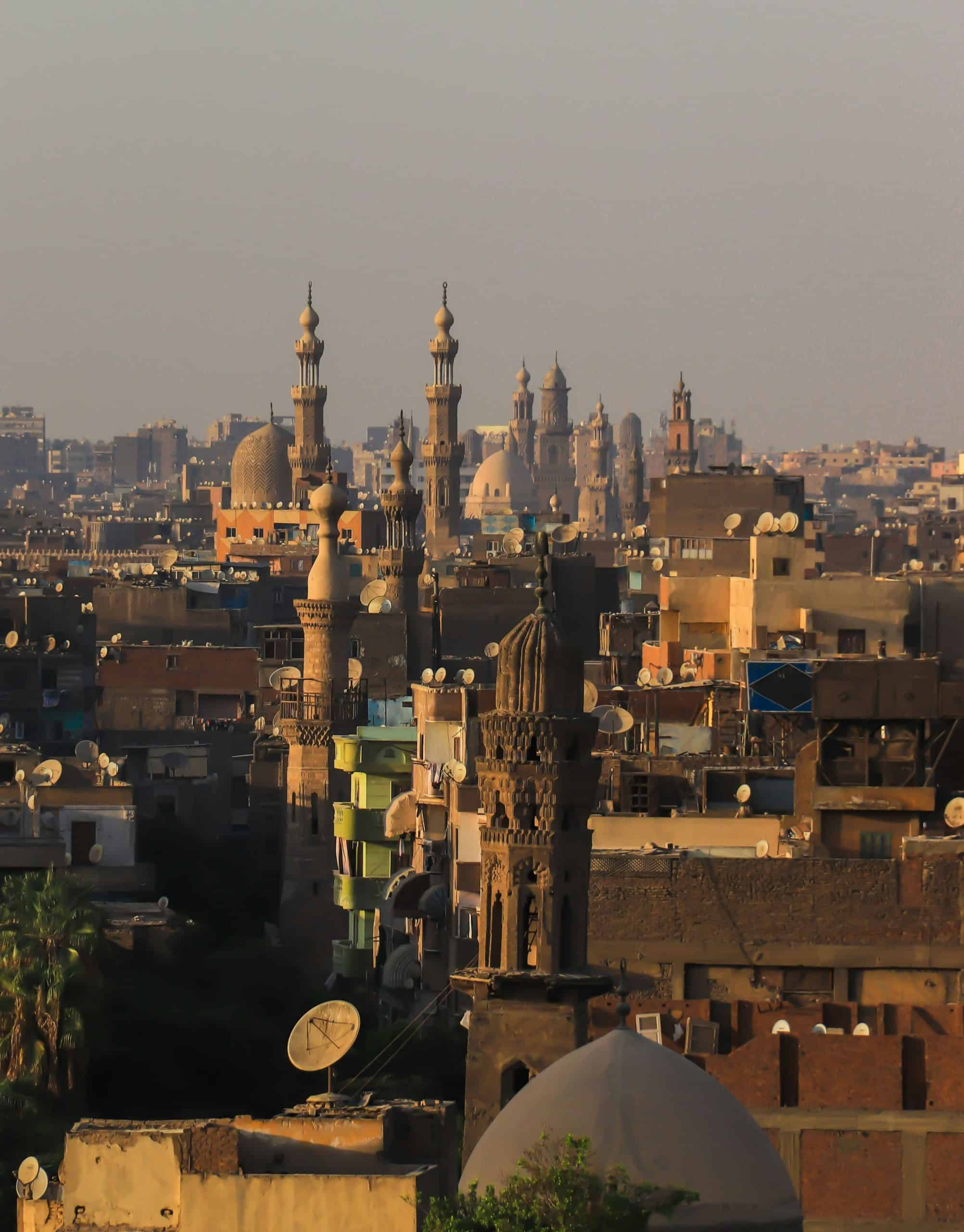
Challenge: The iconic pyramids and ancient monuments of Cairo, including the sprawling necropolis of Giza, face myriad threats from urban encroachment, pollution, and the constant wear and tear of tourism. These ancient structures, some of the oldest man-made wonders still in existence, require meticulous care to withstand the pressures of modern life and environmental factors.
What’s Happening: The close proximity of Cairo’s expanding urban area to ancient sites has led to increased pollution, which can accelerate the deterioration of stone and other materials. Additionally, the high volume of visitors each year can lead to physical damage to these historic sites.
Preservation Efforts:
- Grand Egyptian Museum (GEM): Set to house thousands of artifacts, including the entire Tutankhamun collection, the GEM aims to provide a controlled environment for preservation while alleviating tourist pressure on the actual sites.
- Site Management Upgrades: Enhancements in site management, including advanced ticketing systems and visitor caps, help manage the flow of tourists, reducing stress on the physical structures.
- International Collaborations: Partnerships with global preservation societies and UNESCO help fund and execute complex restoration projects that adhere to the highest standards of archaeological integrity.
Local Impact: These preservation efforts not only aim to protect Egypt’s archaeological treasures but also seek to boost sustainable tourism, which is vital for the local economy. By investing in both conservation and visitor experience, Egypt ensures that its historical sites continue to educate and inspire future generations.
Visitor Tips:
- Visit Off-Peak: Plan your visit during less busy times of the year to help reduce the impact on sites and enjoy a more contemplative experience.
- Respect the Rules: Adhere to all site guidelines, such as no-touch and no-flash photography rules, to help minimize damage.
- Support Local Economy: Engage with local guides and purchase souvenirs from authorized vendors to help ensure that the benefits of tourism are distributed within the community.
Cairo’s ancient wonders are a testament to human history and ingenuity. By supporting and respecting these preservation efforts, visitors can help ensure that the legacy of Egypt’s pharaohs continues to awe and educate for many years to come.
4. Machu Picchu, Peru
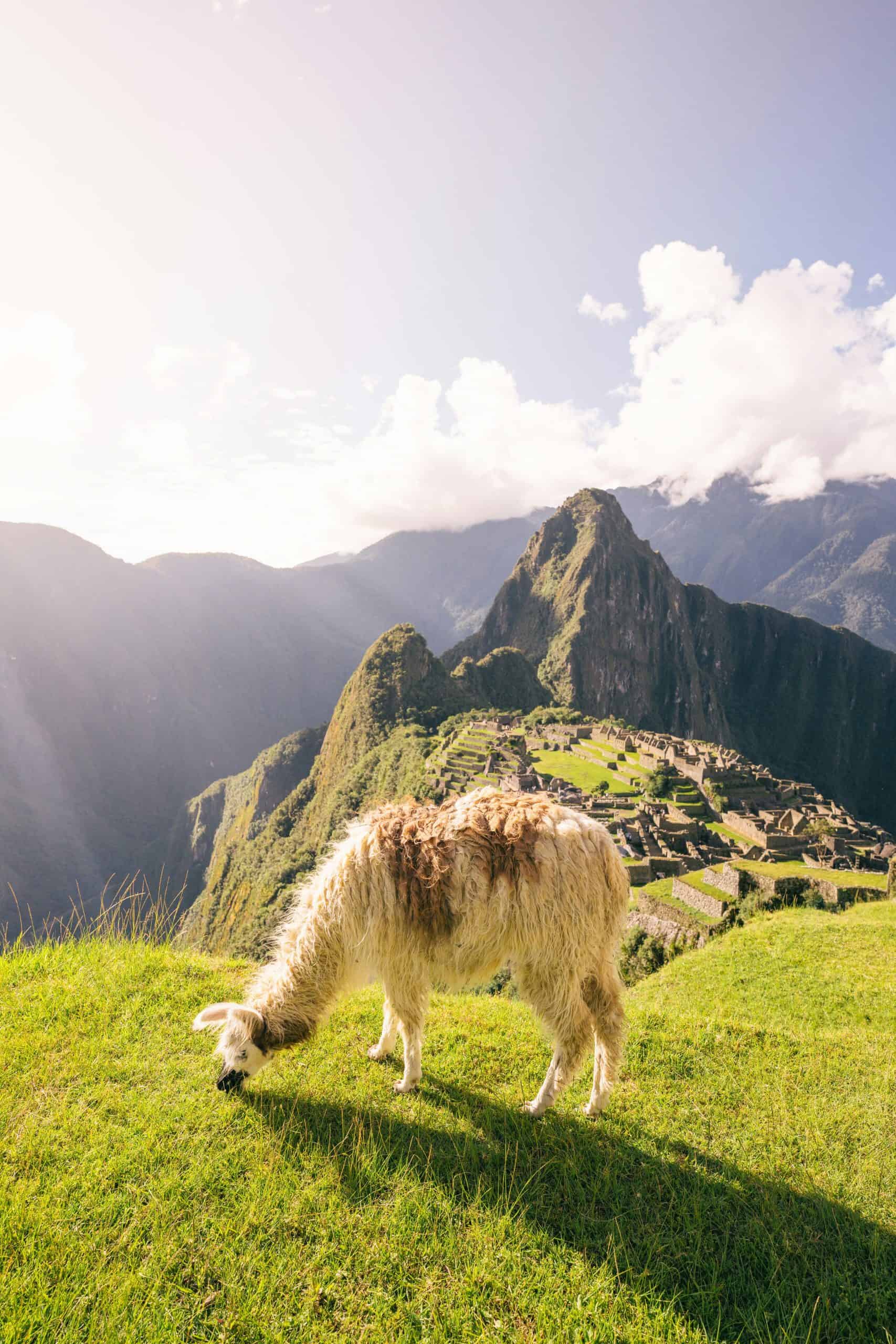
Challenge: Perched high in the Andes, Machu Picchu is one of the most iconic symbols of ancient Inca civilization. However, its remote location and popularity pose significant challenges. The site faces threats from over-tourism, which can lead to erosion and structural damage, as well as environmental degradation from the thousands of visitors it attracts daily.
What’s Happening: The influx of tourists trekking to Machu Picchu puts immense pressure on the ancient pathways and structures. Additionally, the limited infrastructure for handling waste and the physical impact of foot traffic are accelerating wear on this UNESCO World Heritage site.
Preservation Efforts:
- Restricted Visitor Numbers: To minimize impact, the Peruvian government has implemented strict limits on the number of visitors allowed to enter Machu Picchu each day. Advanced booking is now required, and visitors must adhere to specific entry times.
- Sustainable Tourism Practices: Encouraging the use of eco-friendly tour operators who adhere to best practices for minimizing environmental impact is key. This includes sticking to designated paths and bringing all waste back down the mountain.
- Maintenance and Restoration: Ongoing maintenance efforts are crucial, including the restoration of paths and structures using traditional Inca techniques to ensure authenticity and durability.
Local Impact: These measures help balance the economic benefits of tourism with the preservation of Machu Picchu. Sustainable tourism helps support local communities while ensuring that this ancient wonder remains intact for future generations to experience.
Visitor Tips:
- Plan Ahead: Ensure you book your visit well in advance due to visitor restrictions. Consider visiting during the shoulder season to avoid peak crowds.
- Follow Guidelines: Always stay on marked paths and follow the instructions of your guide. Respecting these rules is crucial for preserving the site.
- Support Local Communities: Choose services and goods from local providers to help distribute economic benefits within the region.
Machu Picchu remains a testament to the ingenuity of the Inca civilization. By visiting responsibly and supporting preservation initiatives, tourists can ensure that this mystical site continues to inspire awe and wonder while maintaining its cultural and historical integrity.
5. Angkor Wat, Cambodia
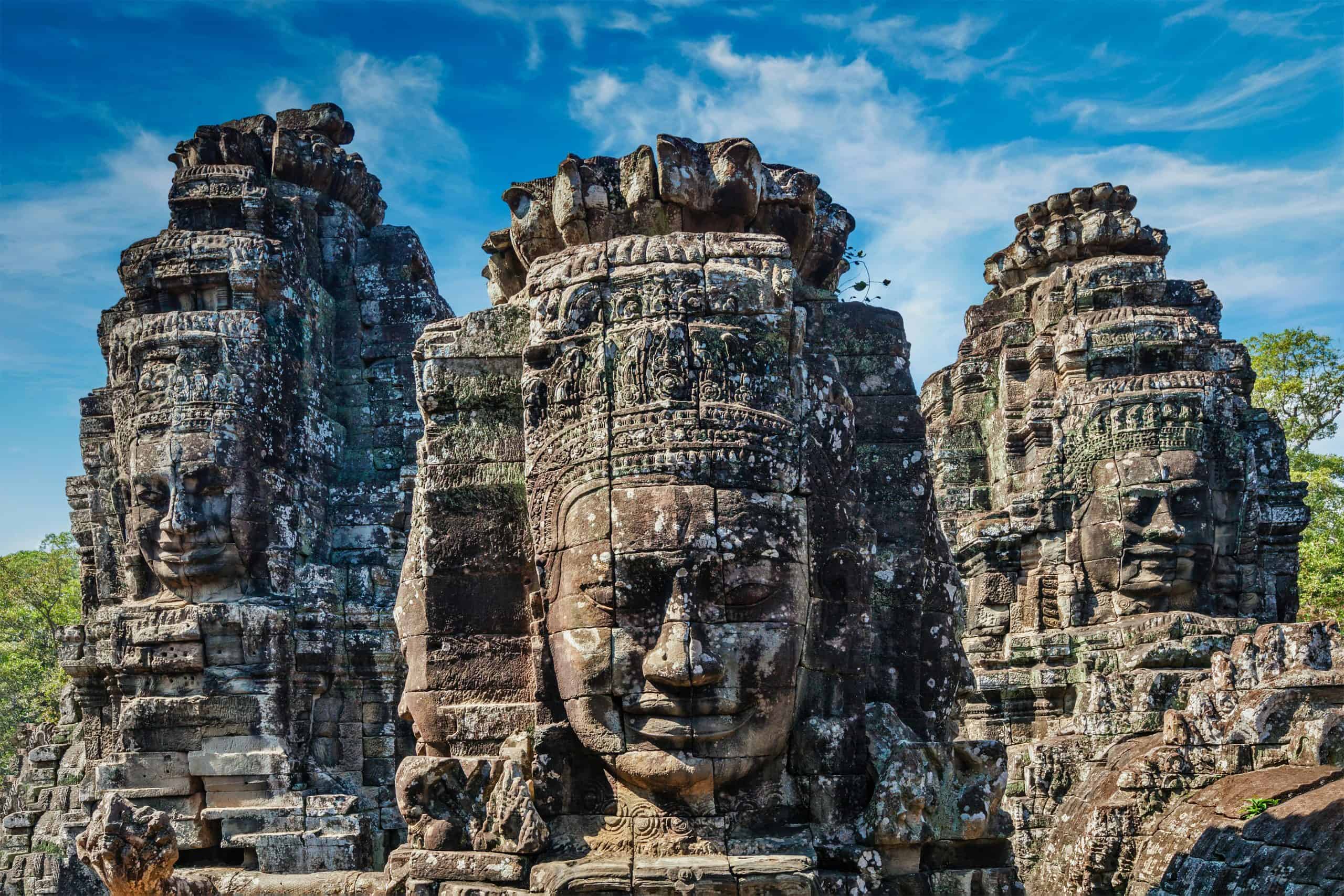
Challenge: Angkor Wat, part of a larger complex of ancient temples in Cambodia, is exposed to the dual threats of environmental damage and the pressures of increasing tourist numbers. The delicate sandstone carvings and structures suffer from natural wear and the impact of foot traffic, while the surrounding jungle poses ongoing maintenance challenges.
What’s Happening: The Angkor complex, once hidden beneath dense forest, now receives millions of visitors each year. This immense flow of people can lead to physical degradation of the temples, and the necessary infrastructure development around the site further strains the environment.
Preservation Efforts:
- Visitor Management Strategies: The Cambodian government and international bodies have introduced measures to control the flow of tourists, such as designated walking paths and limited entry to more sensitive areas.
- Conservation Partnerships: Collaboration with international conservation groups ensures that restoration efforts use both modern and traditional techniques, respecting the site’s historical integrity while incorporating contemporary scientific understanding.
- Educational Programs: Increasing visitor awareness about the importance of preservation is seen as key to protecting Angkor Wat. Educational initiatives aim to inform tourists about how their actions can impact the site.
Local Impact: Sustainable tourism practices are encouraged to ensure that the economic benefits of tourism are felt by local communities without compromising the preservation of their cultural heritage. This approach seeks to provide a livelihood for locals while fostering a protective attitude towards the temples.
Visitor Tips:
- Visit Responsibly: Adhere to all posted signs and barriers, and avoid touching carved surfaces or removing any artifacts.
- Support Local Guides: Employing local guides not only enhances the visitor experience through deeper insights into the history and culture of Angkor Wat but also helps support the local economy.
- Choose Off-Peak Times: Planning your visit early in the morning or later in the day can help avoid the largest crowds and minimize your impact on the site.
By respecting these preservation efforts and visiting with mindfulness, tourists can play a part in safeguarding Angkor Wat, ensuring this monumental site continues to astonish and educate visitors for generations to come.
6. Petra, Jordan
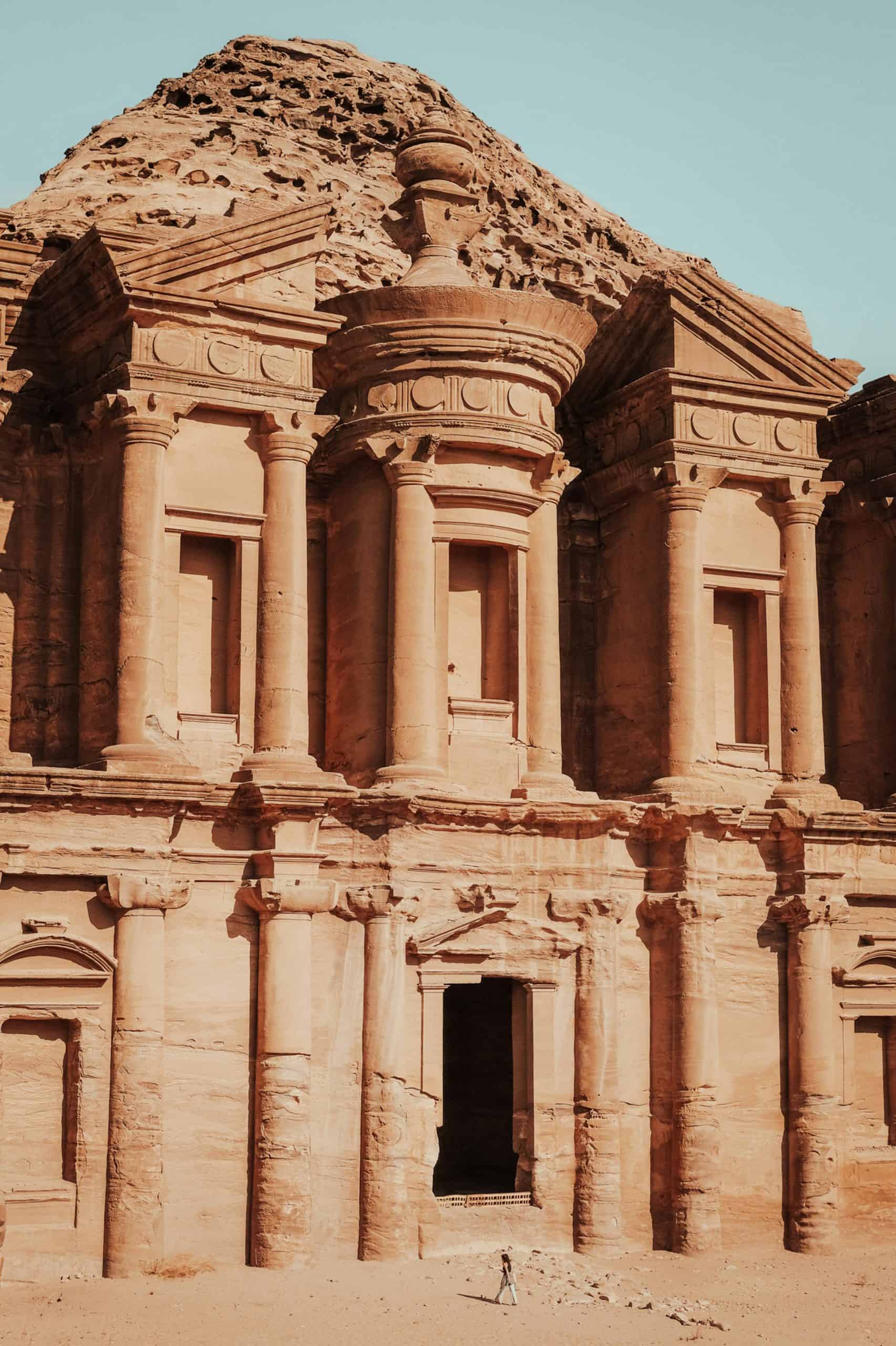
Challenge: Petra, known as the Rose-Red City for its colorfully striated rock-cut architecture, faces challenges from natural erosion and the wear resulting from its popularity with tourists. The delicate sandstone from which the ancient city is carved is susceptible to weathering, and the daily influx of visitors accelerates this deterioration.
What’s Happening: The fragile nature of Petra’s structures, combined with Jordan’s harsh climate, puts the site at significant risk. The foot traffic not only causes physical wear but also leads to potential damage from improper tourist behaviors, such as touching and climbing on the ancient structures.
Preservation Efforts:
- Controlled Access: To minimize damage, certain areas of Petra are restricted to the public, and pathways are designed to divert foot traffic away from the most vulnerable structures.
- Restoration Projects: Ongoing restoration and conservation efforts are crucial. These projects often involve international experts and use advanced technology to preserve and sometimes restore the integrity of Petra’s architecture.
- Education and Awareness Campaigns: Increasing the awareness of both locals and tourists regarding the importance of preserving Petra is seen as key. Educational programs and signage throughout the site inform visitors about how to interact responsibly with the environment.
Local Impact: These conservation efforts not only help protect Petra but also ensure it remains a viable source of cultural pride and economic benefit for the local community. Sustainable tourism practices are promoted to balance visitor interest with preservation needs.
Visitor Tips:
- Follow Guidelines Strictly: Always stick to marked paths and observe all signage. Do not climb on structures or remove any stones.
- Visit During Off-Peak Hours: Consider visiting early in the morning or late in the afternoon to avoid the crowds and reduce your impact.
- Support the Local Economy: Engage with local businesses and artisans. Opting for local guides and purchasing local handicrafts help support the community and promote sustainable economic development.
Petra’s survival as a cultural and historical monument depends significantly on the cooperation and respectful behavior of its visitors. By adhering to these guidelines, tourists can help ensure that this ancient wonder continues to captivate and educate future generations.
7. The Great Wall of China – 7 Popular Tourist Spots in Danger of Vanishing
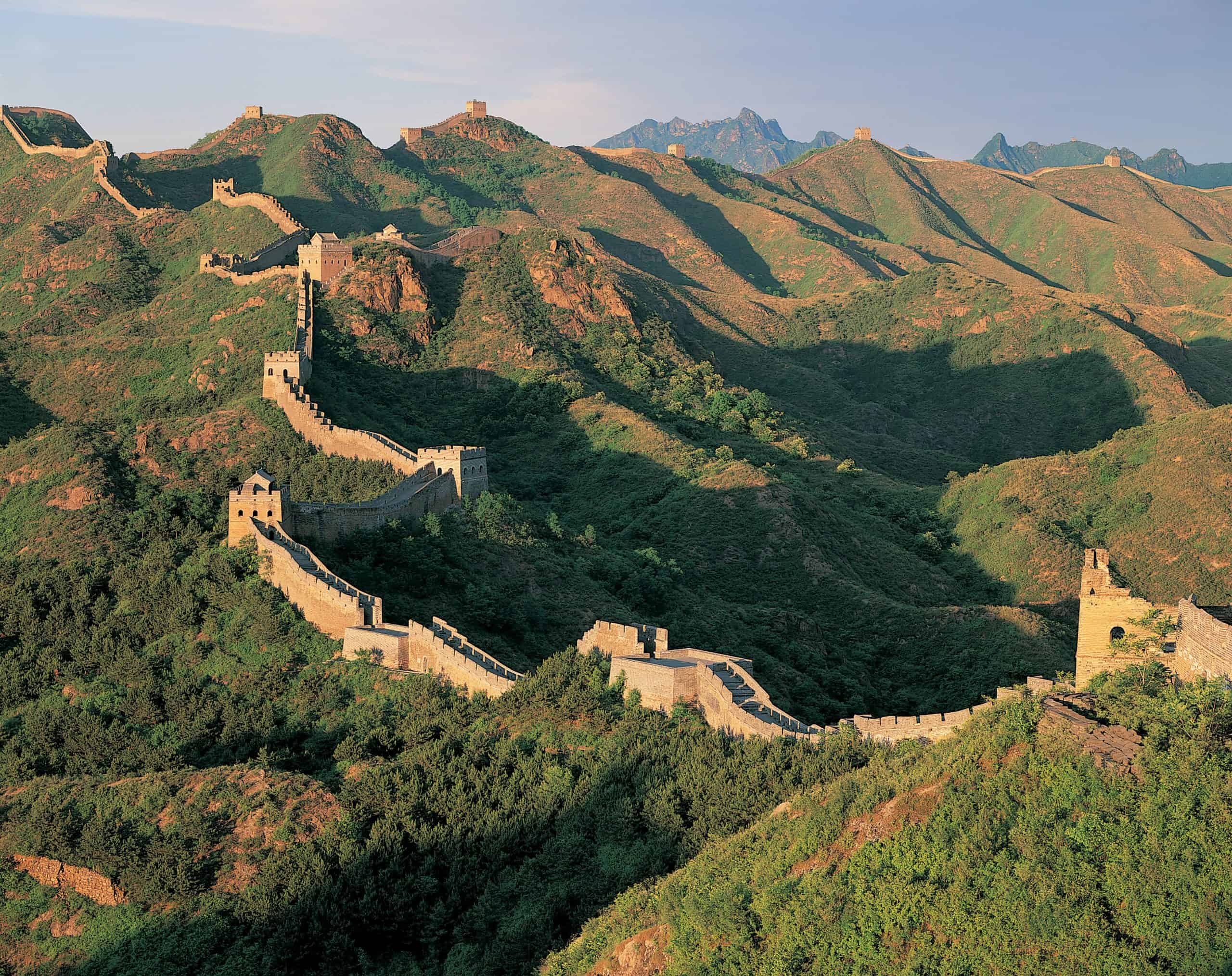
Challenge: The Great Wall of China, stretching thousands of miles across northern China, is not only a symbol of historical significance but also a major tourist attraction. However, it faces threats from environmental erosion, unchecked vegetation growth, and damage from the millions of visitors it attracts. Certain sections have also suffered from vandalism and theft of bricks.
What’s Happening: The immense popularity of the Great Wall has led to areas being overrun by tourists, particularly near Beijing. This excessive foot traffic, coupled with insufficient maintenance in some sections, has led to noticeable deterioration. Additionally, local villagers have sometimes removed bricks for personal construction projects, further endangering the structure.
Preservation Efforts:
- Regulated Access: To protect vulnerable sections of the Wall, the Chinese government has implemented access restrictions. Some parts are now off-limits to tourists to allow for natural regeneration and restoration efforts.
- Restoration Projects: Restoration work is ongoing, particularly on the most visited sections. These projects are careful to use traditional materials and methods to maintain the Wall’s historical integrity.
- Awareness and Enforcement: Increased efforts to educate the public on the importance of preserving this iconic structure are coupled with stronger enforcement of protection laws, including penalties for vandalism.
Local Impact: Preservation efforts not only help maintain the structural and historical integrity of the Great Wall but also ensure that it continues to serve as a vital source of cultural identity and tourism revenue for China. Sustainable tourism practices are encouraged, balancing visitor interest with conservation needs.
Visitor Tips:
- Choose Less Visited Sections: For a more sustainable visit, consider exploring less popular sections of the Great Wall, which are often just as scenic but less crowded.
- Respect the Site: Do not carve initials, take bricks, or damage the Wall in any way. Follow all local guidelines during your visit.
- Support Conservation Efforts: Consider contributing to or participating in local conservation initiatives, which sometimes offer programs for tourists to help with preservation activities.
By visiting responsibly and respecting these monumental efforts, tourists can contribute to the longevity and integrity of the Great Wall, ensuring that this ancient marvel continues to awe and inspire for many generations to come.
Conclusion: A Collective Responsibility to Preserve Our Heritage – 7 Popular Tourist Spots in Danger of Vanishing
As we journey from the waterlogged pathways of Venice to the sprawling Great Wall of China, it becomes clear that our world’s cultural landmarks are not just relics of the past; they are living testimonies of human ingenuity and perseverance. However, as these sites face the dual threats of natural decay and human impact, the responsibility to protect and preserve them grows increasingly urgent.
The challenges are indeed daunting, but the innovative preservation efforts underway provide a beacon of hope. These initiatives remind us that with collective effort and responsible tourism, we can safeguard these treasures for future generations. Each visitor plays a crucial role in this endeavor—through mindful exploration, respecting local guidelines, and supporting preservation efforts, every tourist can become a guardian of global heritage.
We are reminded that these sites are more than just destinations; they are the chapters of the human story, written in stone and mortar. By supporting their preservation, we honor our ancestors’ legacy and ensure that future generations can also draw inspiration, knowledge, and identity from these monumental achievements.
Let us carry forward the message that while our footprints may fade, our commitment to preserving our shared heritage must remain steadfast. Through awareness, action, and advocacy, we can ensure that these cultural landmarks continue to stand as symbols of our collective human spirit.

About the Author: Ruben, co-founder of Gamintraveler.com since 2014, is a seasoned traveler from Spain who has explored over 100 countries since 2009. Known for his extensive travel adventures across South America, Europe, the US, Australia, New Zealand, Asia, and Africa, Ruben combines his passion for adventurous yet sustainable living with his love for cycling, highlighted by his remarkable 5-month bicycle journey from Spain to Norway. He currently resides in Spain, where he continues sharing his travel experiences with his partner, Rachel, and their son, Han.