
Ever notice how Europeans seem to break all the “healthy living” rules Americans swear by, yet somehow end up healthier? Those habits that make American nutritionists cringe? They’re actually onto something.
When Americans travel to Europe, they often notice behaviors that seem, at first glance, downright unhealthy—daily pastries, late dinners, midday wine, and a general resistance to “wellness” trends pushed by the U.S. health industry. But here’s the twist: many Europeans enjoy longer life expectancies, lower stress levels, and better overall quality of life. So what gives?
These so-called “bad habits” challenge conventional American wisdom about health and wellness. From eating bread with every meal to avoiding gyms in favor of casual walking, Europeans seem to thrive without rigid diets or 5 a.m. spin classes. The result? A more relaxed, sustainable lifestyle that prioritizes joy, moderation, and human connection over perfection.
In this post, we’re breaking down 13 habits that Americans often label as indulgent—or even irresponsible—but that actually contribute to a healthier, more balanced life in the long run. Some may surprise you. Others might just inspire you to ditch the guilt and rethink what “healthy” really means.
Read here how to pack for Europe and Best eSIM for Europe
BOOK YOUR TRAVEL INSURANCE
Two of our favorite travel insurance: Heymondo Vs Safetwing cheapest travel Insurance. You can get for $135 USD your Heymondo Travel Insurance with Heymondo discount code valid for 90 days. Read our full comparison of Genki vs Safetywing Travel Insurance Review and the comparison Heymondo vs Genki
Quick & Easy Tips
Slow Down: Europeans don’t rush meals. Embrace long, sit-down lunches—it helps digestion and reduces stress.
Walk More, Worry Less: Forget the treadmill. Build movement into your daily routine like the French and Italians do—by walking everywhere.
Eat What You Love—Just Less: The Mediterranean way of eating includes carbs, wine, and cheese—but in reasonable portions, without food guilt.
Skip the Supplements: Many Europeans rely on real food, fresh air, and rest instead of pills and powders.
Prioritize Pleasure: Health isn’t just physical—it’s emotional. Make time for joy daily, whether it’s dessert or doing nothing at all.
One of the biggest misconceptions Americans have about European habits is that they’re reckless or “bad for you.” For example, daily wine might seem indulgent, but in places like Italy and Portugal, it’s often consumed in moderation with food—contributing to heart health and social bonding. Similarly, carbs aren’t demonized; they’re celebrated. Whole cultures have built longevity around fresh bread and pasta.
There’s also an aversion in the U.S. to rest and idleness, which Europeans don’t share. Taking a nap or an afternoon espresso break isn’t lazy—it’s restorative. Meanwhile, Americans often equate productivity with virtue, leading to burnout and stress-related health issues. The truth is, sometimes doing less is actually doing better.
Perhaps most controversial is the idea that you don’t need a gym membership to stay healthy. Many Europeans rarely set foot in a fitness center, yet stay active through daily life. Walking to work, biking to the market, or dancing on a night out keeps them fit without obsessing over calories burned. It’s not about performance—it’s about movement integrated into joy.
1. The Late Dinner ‘Scandal’
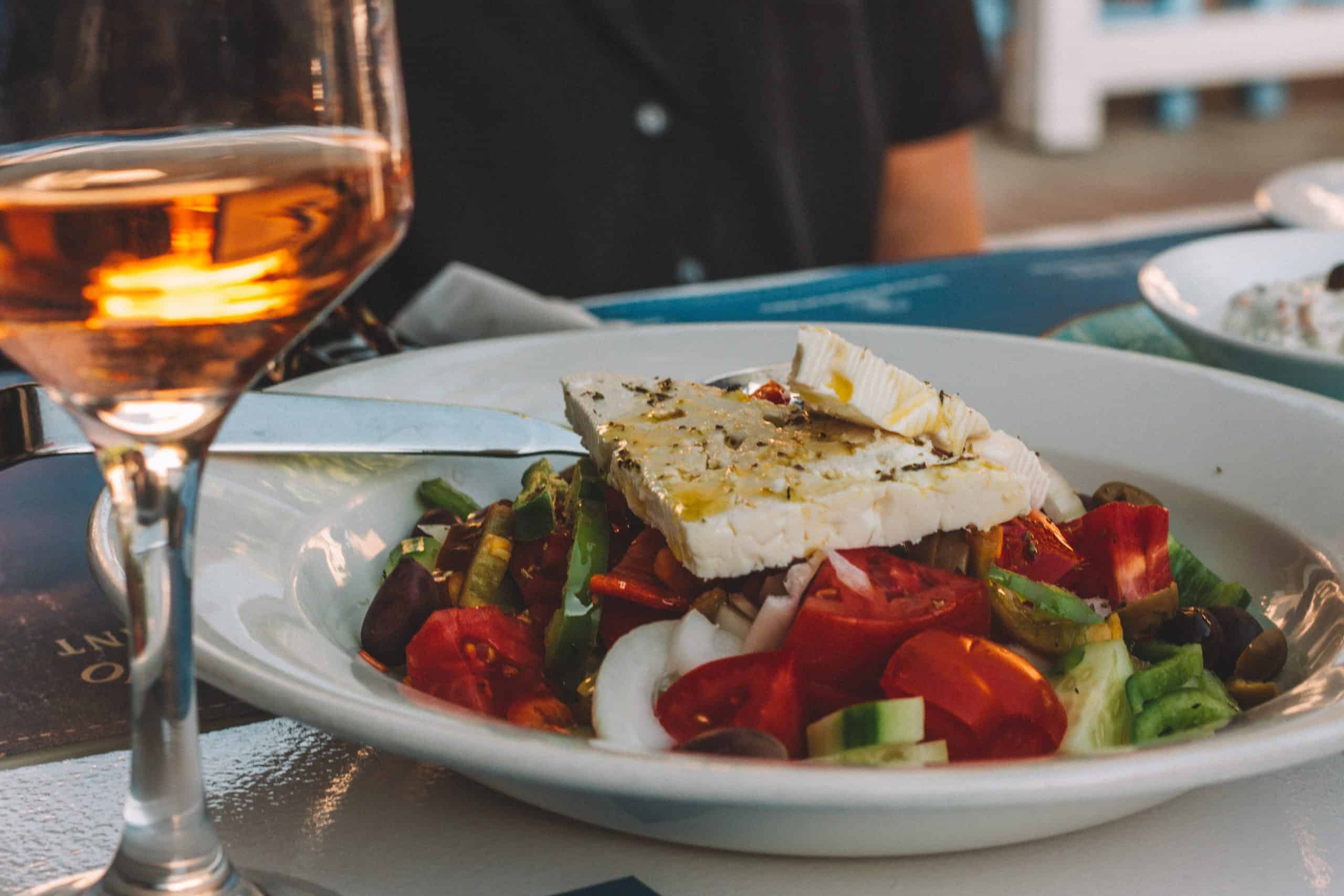
While Americans panic about eating after 6 PM, Southern Europeans are just thinking about what to cook for their 10 PM dinner. The horror! But here’s what’s actually happening:
Why It Works:
- Natural alignment with Mediterranean work schedules
- Better digestion due to relaxed eating
- Social connection over rushed meals
- Lower stress hormone levels
- Better portion control through social dining
The Science Behind It: Studies show it’s not when you eat, but how you eat. That relaxed 10 PM Spanish dinner? It typically involves smaller portions, longer eating times, and more social interaction than rushed early dinners eaten alone.
2. The Daily Bread Obsession
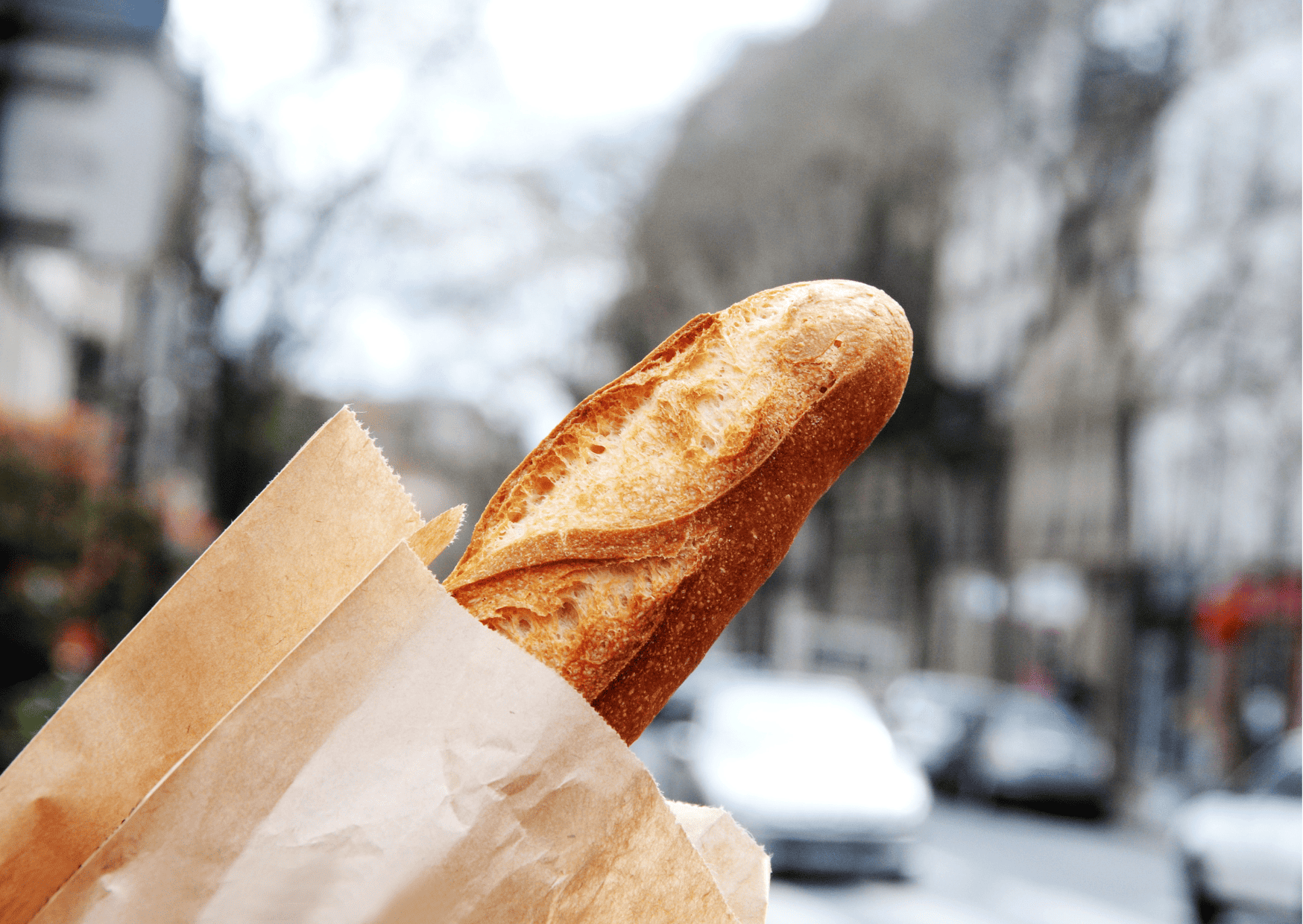
Americans give up bread to “be healthy” while Europeans buy it fresh twice a day. The difference? It’s not just about the bread.
The Real Story:
- Morning bakery walks (sneaky exercise)
- Fresh, few-ingredient bread
- No preservatives or additives
- Social neighborhood interaction
- Active daily routine creation
What Actually Happens: That “unhealthy” bread habit creates a daily routine of walking, social interaction, and eating real food instead of processed alternatives. Plus, fresh bread with real ingredients satisfies you better than packaged versions.
3. The Full-Fat Freedom
While Americans reach for fat-free everything, Europeans are adding butter to their butter. Sounds horrifying to health-conscious Americans, but there’s a method to this “madness.”
What We Actually Do:
- Real butter on everything
- Full-fat yogurt for breakfast
- Whole milk in coffee
- Regular cheese (not low-fat)
- Cream in cooking
Why It Actually Works: The European approach to fat isn’t about restriction – it’s about quality and satisfaction. That full-fat yogurt for breakfast? It keeps you fuller longer than a low-fat version with added sugars. Real butter? You use less because the flavor satisfies you faster.
The Science Reality: Studies now show that countries consuming the most natural dairy fats often have lower obesity rates. Why? When you eat real, satisfying fats:
- Better satiety signals
- Less snacking
- Fewer processed foods
- More stable blood sugar
- Actually eat less overall
Pro Tip: That “unhealthy” full-fat cappuccino keeps you satisfied until lunch, while a fat-free latte often leads to mid-morning snacking. Sometimes more fat means eating less overall.
4. The Wine With Meals Mystery
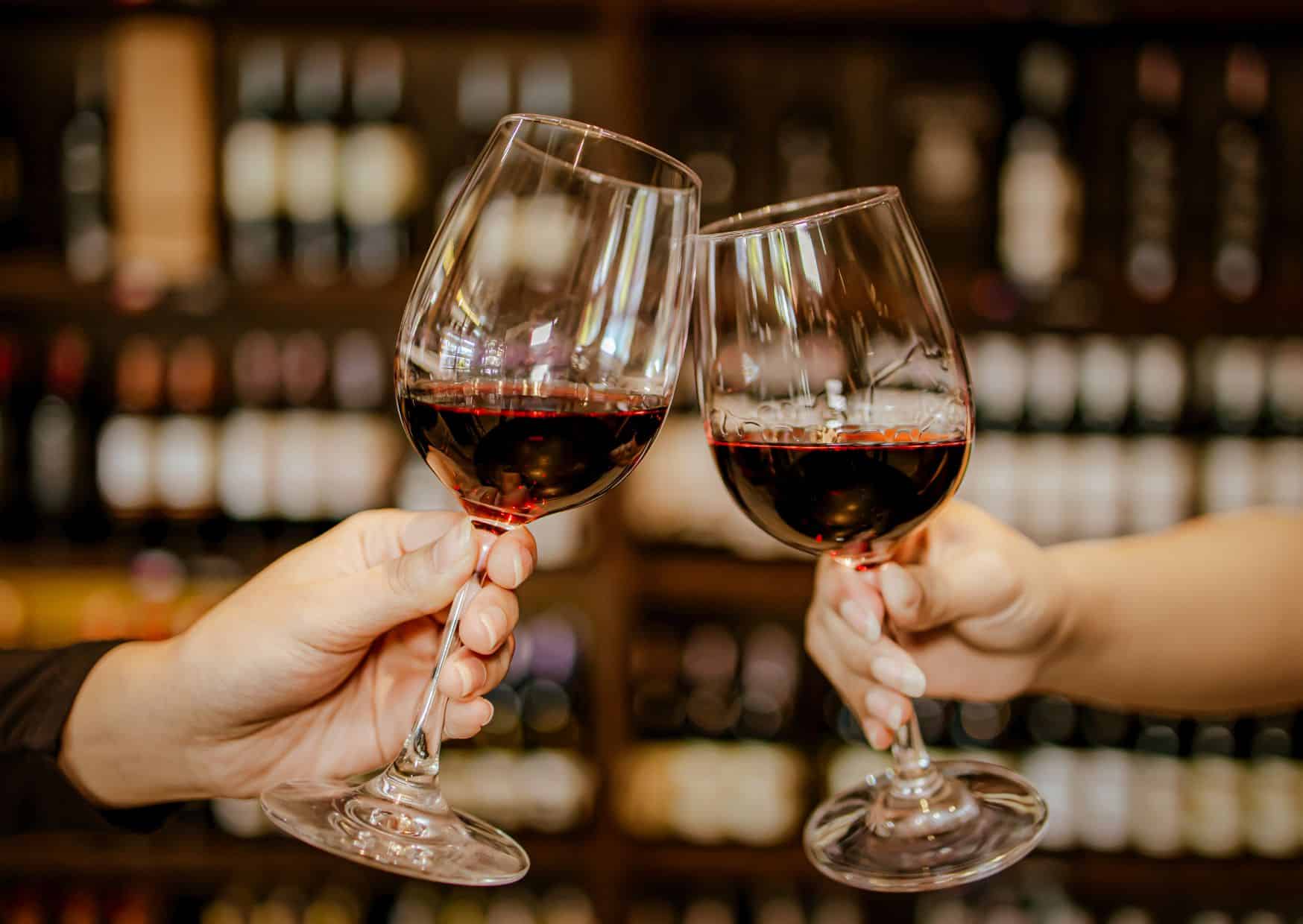
Here’s what shocks Americans most: Europeans treating wine as food, not alcohol. That glass of wine with lunch? It’s not day drinking – it’s cultural dining practice that’s worked for centuries.
What We Actually Do:
- Small glasses with meals
- Quality over quantity
- Food and wine pairing
- Family meal tradition
- No guilt, no binge
The Cultural Reality: While Americans save wine for “special occasions” (leading to occasional overindulgence), Europeans integrate it naturally:
- Children learn responsible consumption
- Wine is part of the meal, not the main event
- Small glasses versus American mega-pours
- Focus on appreciation, not intoxication
- Better quality over higher quantity
Why It Actually Works: Research backs this up. Countries with integrated wine cultures often show:
- Lower binge drinking rates
- Better cardiovascular health
- Stronger family dining habits
- Higher food appreciation
- More stable drinking patterns
Pro Tip: It’s not about drinking more – it’s about drinking better. That small glass of wine with your meal actually helps you eat slower, digest better, and appreciate your food more.
5. The Long Lunch Logic
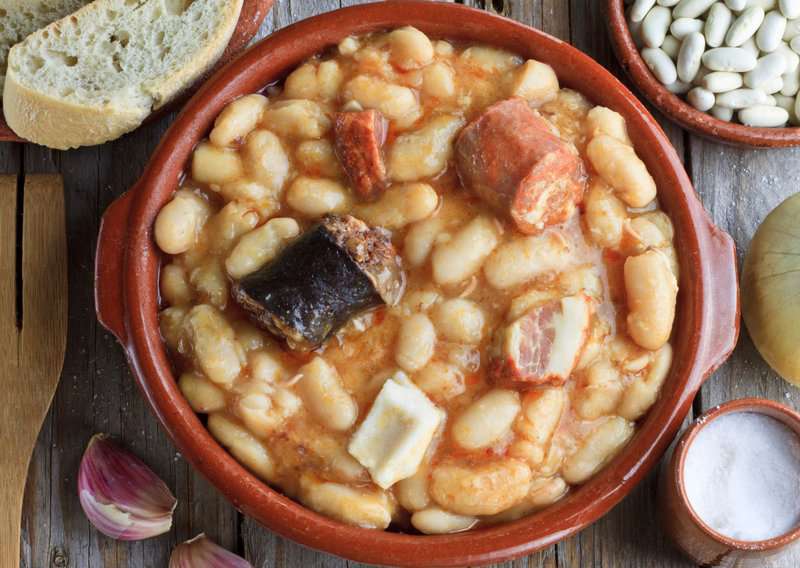
While Americans pride themselves on working through lunch at their desks, Europeans are having two-hour lunch breaks. Lazy? Actually, it’s brilliant.
How It Really Works:
- 1-2 hour proper breaks
- Real meals, not sad sandwiches
- Social connection time
- Mental reset period
- Active digestion time
The Science Behind It: When you give your body and mind a real break:
- Better digestion (yes, sitting properly matters)
- Lower stress levels
- Improved afternoon productivity
- Better food choices
- Reduced evening overeating
What Actually Happens:
- Morning: High productivity knowing break comes
- Lunch: Proper meal without rushing
- Afternoon: More focused work
- Evening: No need to overeat
- Overall: Better work-life balance
The Cultural Impact: While Americans boast about “grinding” through lunch, Europeans are:
- Building work relationships
- Making better food choices
- Reducing stress levels
- Improving mental health
- Actually getting more done
Pro Tip: Those two-hour Spanish lunch breaks? They’re why Spaniards can work effectively until 8 PM while still having energy for evening social life. Sometimes slower actually means more productive.
6. The Standing Coffee Culture
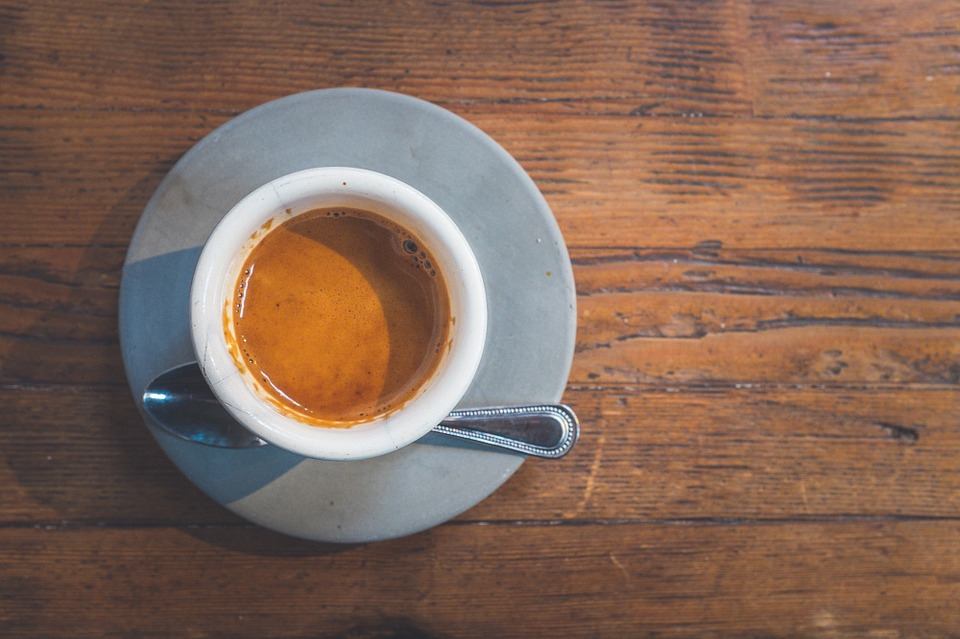
Americans spending hours in cafes with massive coffee drinks think we’re crazy for standing at bars for espresso. But our “unhealthy” coffee habit is actually a masterclass in balance.
The European Reality:
- Quick espresso at the bar
- Standing for 5-10 minutes
- Social interaction built in
- No sugary additions
- Multiple short breaks
Why It Actually Works: While Americans sip enormous lattes for hours:
- We’re getting movement breaks
- Having social interactions
- Consuming less sugar
- Taking real mental breaks
- Maintaining better energy levels
The Science Makes Sense:
- Standing increases metabolism
- Short breaks improve focus
- Less caffeine overall
- Better coffee quality
- More frequent movement
What Really Happens:
- Morning: Quick standing espresso
- Mid-morning: Social coffee break
- After lunch: Digestive coffee moment
- Afternoon: Quick energy boost
- No massive sugar crashes
Pro Tip: That tiny Italian espresso taken standing up isn’t just about the coffee – it’s a micro-break that combines movement, socializing, and just enough caffeine to keep you going.
7. The ‘Unhealthy’ Afternoon Rest
While Americans push through afternoon slumps with energy drinks, Southern Europeans are unapologetically taking breaks. That famous siesta culture? It’s not lazy – it’s genius.
The Real Deal:
- Natural energy management
- Temperature adaptation
- Productivity booster
- Stress reducer
- Better work-life rhythm
How It Actually Works:
- 2-4 PM: Peak heat/low energy time
- 15-30 minute rest (not always sleep)
- Temperature adaptation period
- Natural body rhythm respect
- Extended evening productivity
The Science Behind It: Research shows our bodies naturally crave afternoon rest:
- Natural circadian rhythm dip
- Better heart health
- Improved mental clarity
- Reduced stress levels
- Better evening energy
What Americans Don’t Get: While they’re chugging their third coffee:
- We’re reducing heart disease risk
- Managing stress better
- Working more efficiently
- Enjoying longer evenings
- Living more balanced lives
Pro Tip: Even in modern European cities where traditional siesta isn’t possible, you’ll notice a different rhythm – longer lunches, quiet periods, and a general respect for the body’s natural afternoon dip. Sometimes doing “less” actually means doing more.
8. The No-Snacking Normal
Here’s what horrifies American nutritionists: Europeans rarely snack between meals. No protein bars, no mid-morning smoothies, no constant grazing. The horror!
What We Actually Do:
- Three proper meals
- No scheduled snack times
- No food in meetings
- No eating while working
- Full focus on meal times
The Cultural Reality: While Americans are told to eat every 2-3 hours:
- We’re enjoying satisfying full meals
- Maintaining stable blood sugar
- Having better digestion
- Appreciating food more
- Actually eating less overall
Why It Works: The science is catching up to what Europeans have known forever:
- Better insulin response
- Natural hunger signals
- Improved digestion
- More satisfying meals
- Better food appreciation
What Really Happens:
- Breakfast: Proper start
- Lunch: Main meal focus
- Coffee: Social not snack
- Dinner: Family time
- Result: Better relationship with food
Pro Tip: That American idea of “grazing all day for fast metabolism”? Turns out sitting down for proper meals and actually feeling hungry before eating might be healthier. Who knew? (Well, Europeans did.)
9. The ‘Bizarre’ Food Storage Habits
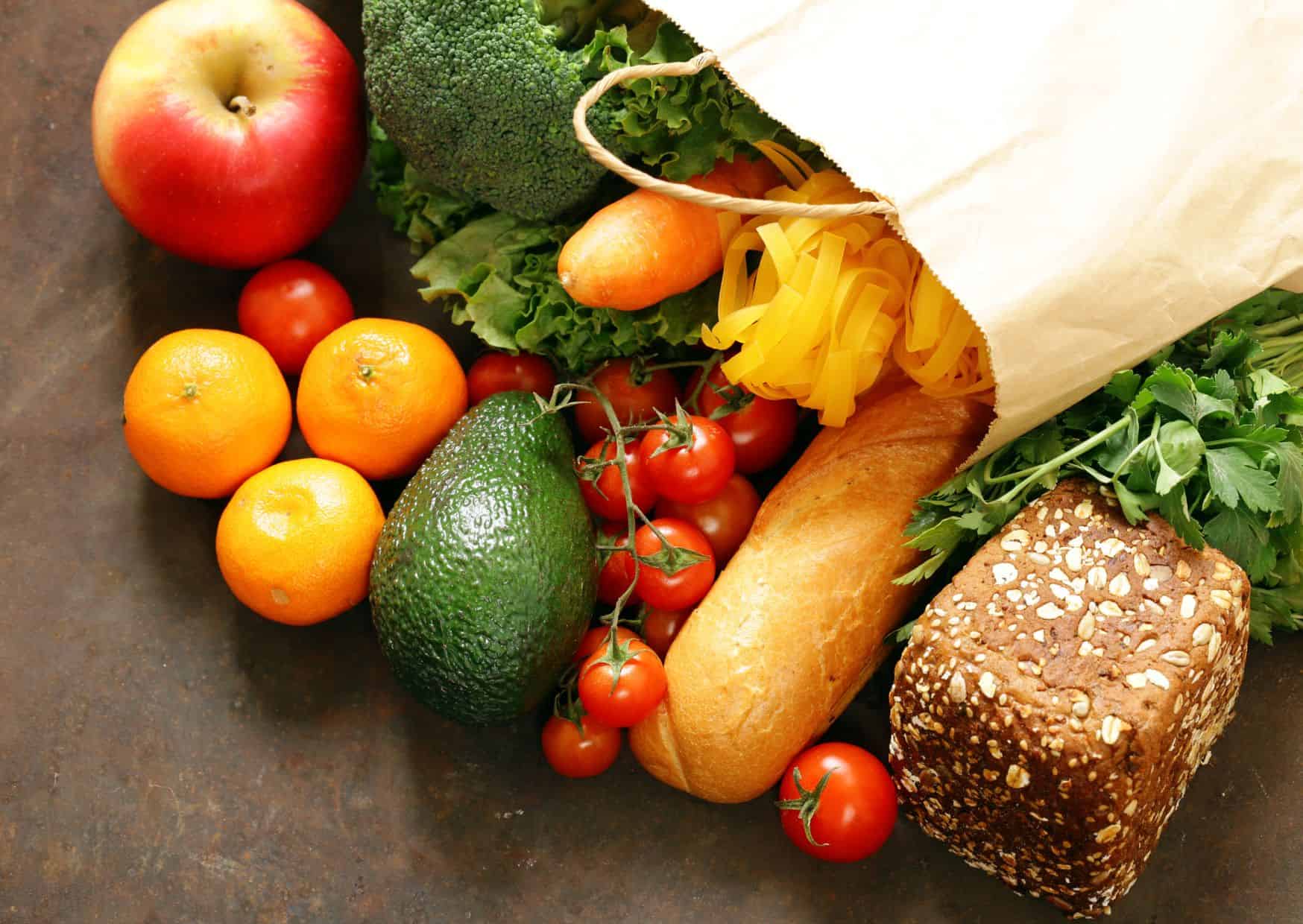
While Americans stockpile enough food to survive apocalypse in massive fridges, we’re shopping almost daily with tiny fridges. This isn’t about being behind on appliance trends – it’s about food quality.
What We Actually Do:
- Shop for 2-3 days max
- Tiny “inefficient” fridges
- Daily market visits
- Limited frozen foods
- Fresh over preserved
The Fresh Food Reality:
- Morning market runs
- Relationships with vendors
- Seasonal eating patterns
- Less food waste
- Better nutrition naturally
Why It Actually Works: Science shows our “inconvenient” system leads to:
- Higher nutrient content
- Less processed food intake
- More physical activity
- Better food quality
- Reduced waste
What Americans Don’t Get: “But what if you need something?” “What about stocking up?” “Isn’t it inefficient?”
The Truth:
- We’re eating fresher food
- Moving more daily
- Saving on electricity
- Wasting less
- Eating more seasonally
Pro Tip: That “tiny” European fridge isn’t a sacrifice – it’s a tool for better eating. When you can’t stock up on processed foods, you naturally eat better. Plus, those daily “inconvenient” shopping trips? They’re building movement into your day without trying.
10. The Evening Social ‘Madness’

While Americans hit the gym after work then head home to Netflix, Europeans are having lengthy social dinners. Sounds unproductive? Actually, it’s crucial for health.
What We Really Do:
- Post-work social hours
- Long evening meals
- Late-night walks
- Community connection
- Active socializing
The Health Impact: Research shows our “unproductive” evening habits lead to:
- Lower stress levels
- Better mental health
- Stronger social bonds
- Improved sleep quality
- Longer life expectancy
How It Actually Works:
- 6-8 PM: Social aperitivo
- 8-10 PM: Leisurely dinner
- 10-11 PM: Evening paseo
- Result: Natural movement
- Bonus: Real human connection
The Cultural Truth: While Americans schedule “self-care”:
- We’re getting natural exercise
- Building community bonds
- Reducing stress naturally
- Creating lasting relationships
- Living longer, happier lives
Pro Tip: That “unhealthy” habit of late-night socializing? It’s actually a powerful antidote to loneliness, stress, and mental health issues. Sometimes the best workout isn’t at the gym – it’s walking and talking with friends after dinner.
11. The ‘Shocking’ Breakfast Culture
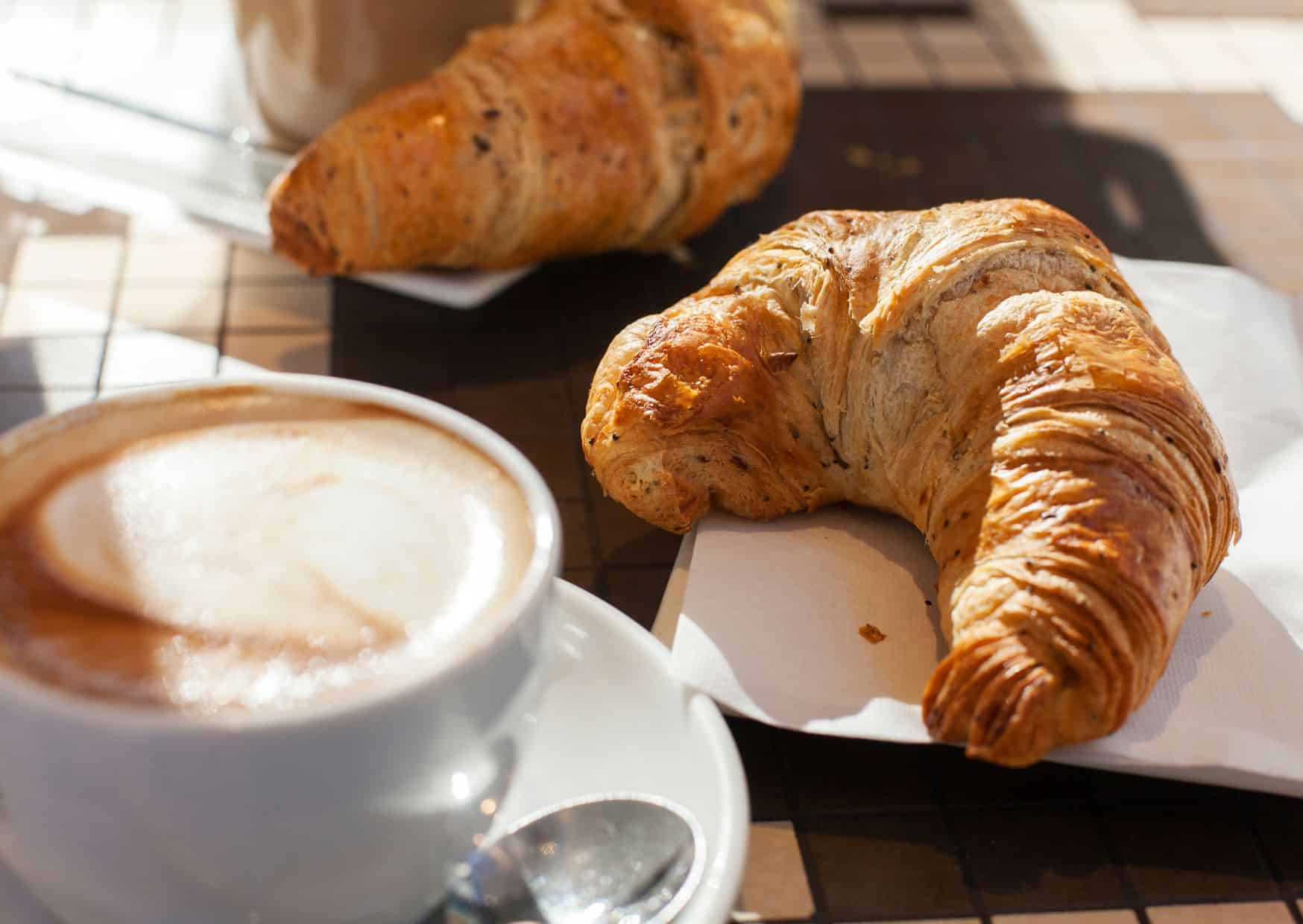
While Americans load up on protein-packed power breakfasts, Europeans are “barely eating” in the morning. That tiny breakfast that horrifies American nutritionists? There’s wisdom in our madness.
What Europeans Actually Eat:
- Small coffee and pastry
- Light bread and butter
- Simple yogurt or fruit
- Quick standing breakfast
- Minimal morning fuss
The Science Behind It: Our “inadequate” breakfasts actually lead to:
- Better hunger signals
- More stable energy
- Less morning sluggishness
- Better lunch appetite
- Natural portion control
How It Really Works: Spain:
- Quick café con leche
- Small tostada
- No food coma
- Better lunch enjoyment
Italy:
- Standing cappuccino
- Small cornetto
- Quick metabolic start
- Natural morning energy
France:
- Simple croissant
- Small café au lait
- Light start
- Better food appreciation
Pro Tip: That tiny European breakfast isn’t about deprivation – it’s about starting your day light and building real hunger for a proper lunch. Sometimes less really is more, especially in the morning.
12. The ‘Crazy’ Outdoor Living

While Americans rush from air-conditioned homes to air-conditioned offices, Europeans are living half their lives outside. Our obsession with outdoor spaces isn’t just for Instagram – it’s a health hack hiding in plain sight.
What We Actually Do:
- Year-round terrace dining
- Evening neighborhood walks
- Outdoor coffee culture
- Winter outdoor markets
- All-weather socializing
The Health Reality: Our “impractical” outdoor lifestyle delivers:
- Natural Vitamin D
- Better mental health
- Stronger immune systems
- More physical movement
- Increased social connection
How Different Countries Do It: Nordics:
- “No bad weather, only bad clothes”
- Winter outdoor dining
- Year-round outdoor life
- Cold exposure benefits
Mediterranean:
- Daily evening paseos
- Outdoor café culture
- Plaza social life
- Nature connection
Pro Tip: That “crazy” habit of sitting at outdoor cafés even in winter? It’s giving us natural light exposure, fresh air, and social connection – three things most Americans are seriously lacking.
13. The ‘Time-Wasting’ Cooking Habits

While Americans praise 15-minute meals and meal prep shortcuts, Europeans are “wasting time” cooking fresh meals daily. This isn’t about being behind on modern conveniences – it’s about knowing what really matters.
What We Actually Do:
- Daily fresh cooking
- No massive meal prep
- Market-to-table meals
- Family cooking time
- Real ingredients only
The Reality Behind It: While Americans save time with shortcuts:
- We’re eating better quality
- Building family connections
- Reducing processed foods
- Teaching next generations
- Creating natural routines
How Different Regions Work It: Italy:
- Fresh pasta making
- Sauce from scratch
- Family recipes preserved
- Daily cooking rituals
France:
- Fresh bread daily
- Market-based meals
- Cooking as culture
- Time-honored techniques
What Science Shows: Our “inefficient” cooking habits lead to:
- Better nutrition
- Stronger family bonds
- Lower obesity rates
- Better food understanding
- Healthier relationships with food
Pro Tip: That “time-consuming” habit of cooking fresh meals? It’s actually saving us money on takeout, keeping us healthier, and creating family bonds that last generations. Sometimes slower is actually more efficient in the long run.
The Bottom Line: When “Unhealthy” Actually Means Healthier
After looking at these supposedly “unhealthy” European habits, a pattern emerges. While Americans are obsessing over step counts, meal plans, and health apps, Europeans are naturally healthier by simply living differently.
The Real Numbers:
- Longer life expectancy
- Lower obesity rates
- Better heart health
- Lower stress levels
- Higher happiness ratings
What Actually Matters:
- Natural movement over scheduled exercise
- Real food over “health” products
- Social connection over solo efficiency
- Quality over convenience
- Life rhythm over strict rules
The Truth About Our “Bad” Habits:
- Late dinners create community
- Full-fat foods satisfy better
- Daily shopping keeps us moving
- Long lunches reduce stress
- Outdoor living boosts health
- “Inefficient” cooking nourishes souls
Pro Tips That Actually Work:
- Stop fighting natural body rhythms
- Prioritize food quality over quantity
- Make movement part of daily life
- Value social connections
- Trust traditional wisdom
Remember: While Americans are working harder than ever to be healthy, Europeans are achieving better health outcomes by seemingly breaking all the rules. Maybe it’s time to realize that some “unhealthy” habits are actually the healthiest choices of all.
And yes, we’ll keep having our butter, wine, and late-night dinners. Doctor’s orders.

About the Author: Ruben, co-founder of Gamintraveler.com since 2014, is a seasoned traveler from Spain who has explored over 100 countries since 2009. Known for his extensive travel adventures across South America, Europe, the US, Australia, New Zealand, Asia, and Africa, Ruben combines his passion for adventurous yet sustainable living with his love for cycling, highlighted by his remarkable 5-month bicycle journey from Spain to Norway. He currently resides in Spain, where he continues sharing his travel experiences with his partner, Rachel, and their son, Han.