
And what it reveals about adaptation, expectation, and a culture built to live with discomfort
Ask a Spanish person about the weather, and you’ll get a short answer. “Hace calor.” It’s hot. Or “Hace frío.” It’s cold. That’s it. No drama. No panic. No color-coded alerts or warnings in all caps. Just a quiet acknowledgment that the season is doing what it does, and you adjust.
To Americans, who are used to temperature-controlled homes, real-time radar apps, and headlines that call a 90-degree day a heatwave, this seems strange. Because the kind of weather Spanish people consider entirely normal — scorching summers, unheated homes in winter, torrential rains, and Sahara dust in the air — would likely shut down entire cities in the United States.
But in Spain, life goes on. Without AC. Without dryers. Without central heating. Without apologies.
Here’s why Spanish people live through weather that would grind American cities to a halt — and what it says about a cultural mindset that doesn’t just survive discomfort, but expects it.
Want More Deep Dives into Everyday European Culture?
– Why Europeans Walk Everywhere (And Americans Should Too)
– How Europeans Actually Afford Living in Cities Without Six-Figure Salaries
– 9 ‘Luxury’ Items in America That Europeans Consider Basic Necessities
1. 105°F? Just Close the Shutters
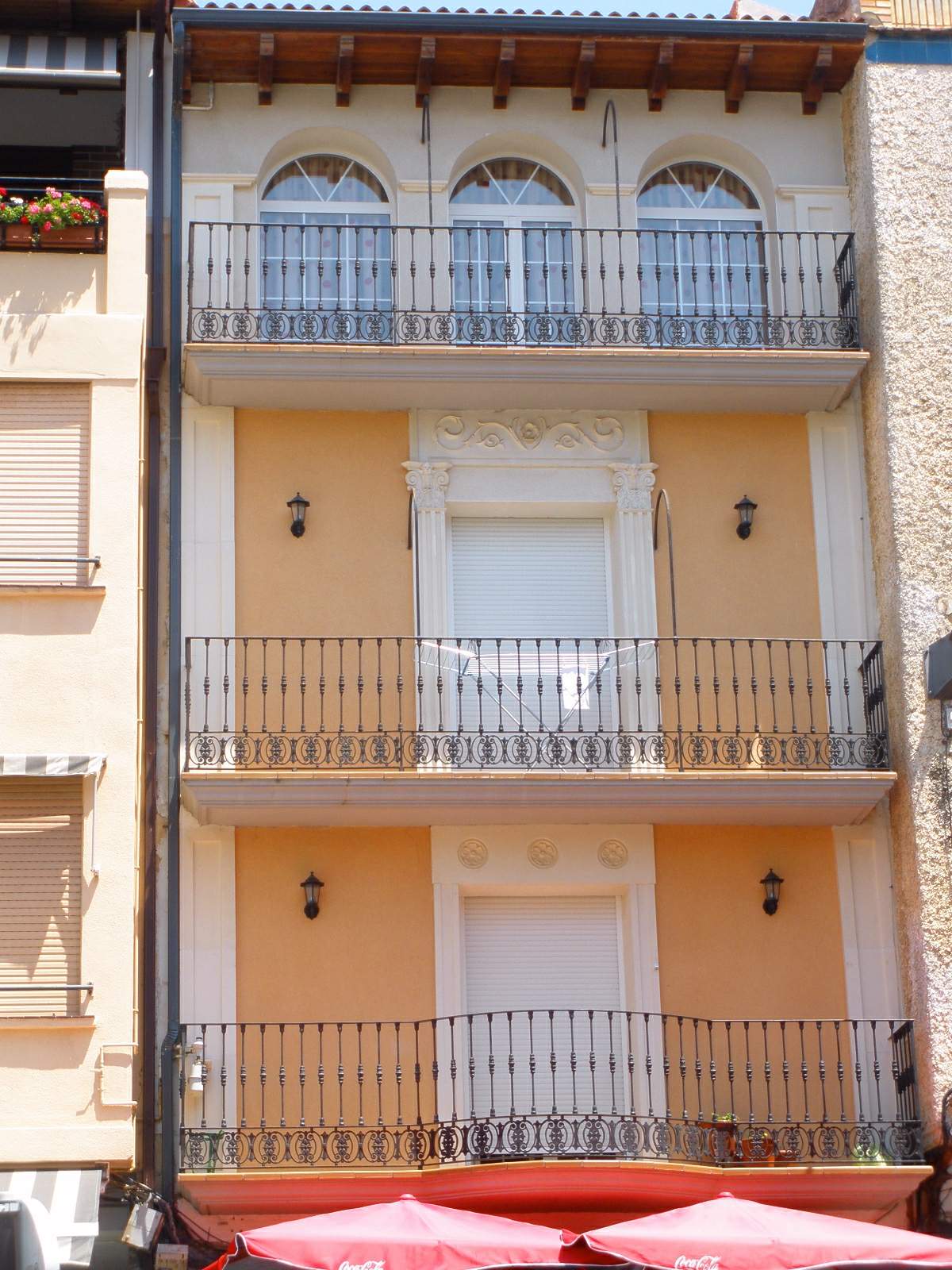
In cities like Seville, Córdoba, and even parts of Madrid, temperatures above 100°F (38°C) are a summer norm. In many parts of the U.S., especially outside the Southwest, those numbers trigger state-wide heat warnings, cooling station alerts, and school closures.
In Spain, people lower their persianas — thick, adjustable shutters that keep out sunlight and heat. They stop cooking at midday. They walk slowly. They disappear indoors from 2:00 p.m. to 6:00 p.m. and reappear for dinner at 10:00.
You won’t hear complaints. You’ll hear a fan humming, a spoon stirring gazpacho, and the click of the shutter cord being pulled down. That’s the sound of a country adjusting — not fighting — the heat.
2. Central Air Conditioning Is Still a Luxury
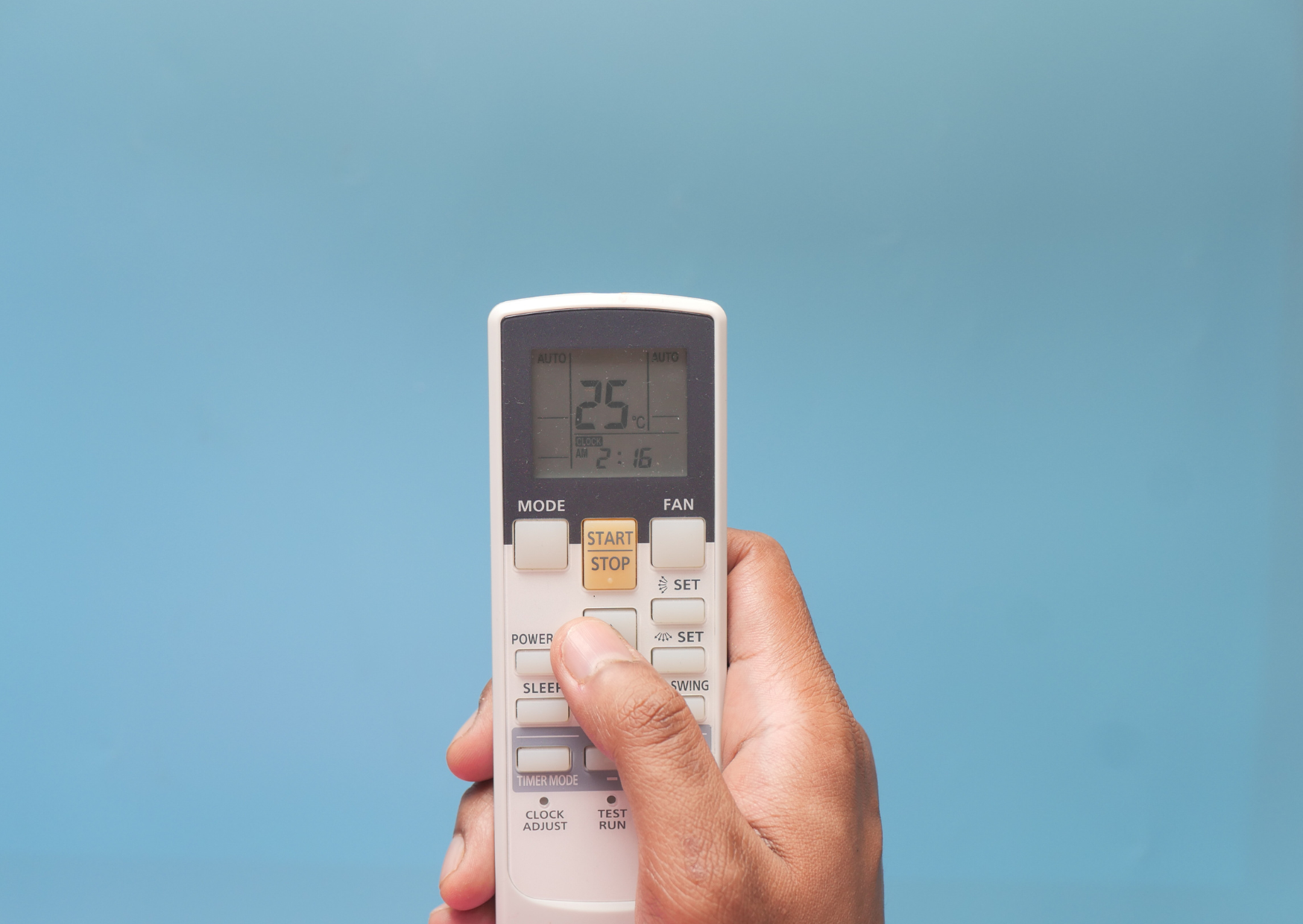
In the United States, a lack of air conditioning in hot weather is often treated as unsafe. In Spain, even in May 2025, many homes still don’t have central AC. If there’s a unit, it’s likely in one room. If not, people rely on fans, cross-ventilation, tile floors, and cold drinks.
They don’t try to cool the house. They cool themselves.
Children nap in shaded rooms. Grandparents sit by open windows. You don’t complain — you adapt.
To many Americans, this sounds like hardship. But to Spaniards, the idea of cooling an entire apartment for just a few hot weeks a year sounds wasteful.
3. Winter Cold Is Normal — Inside the House
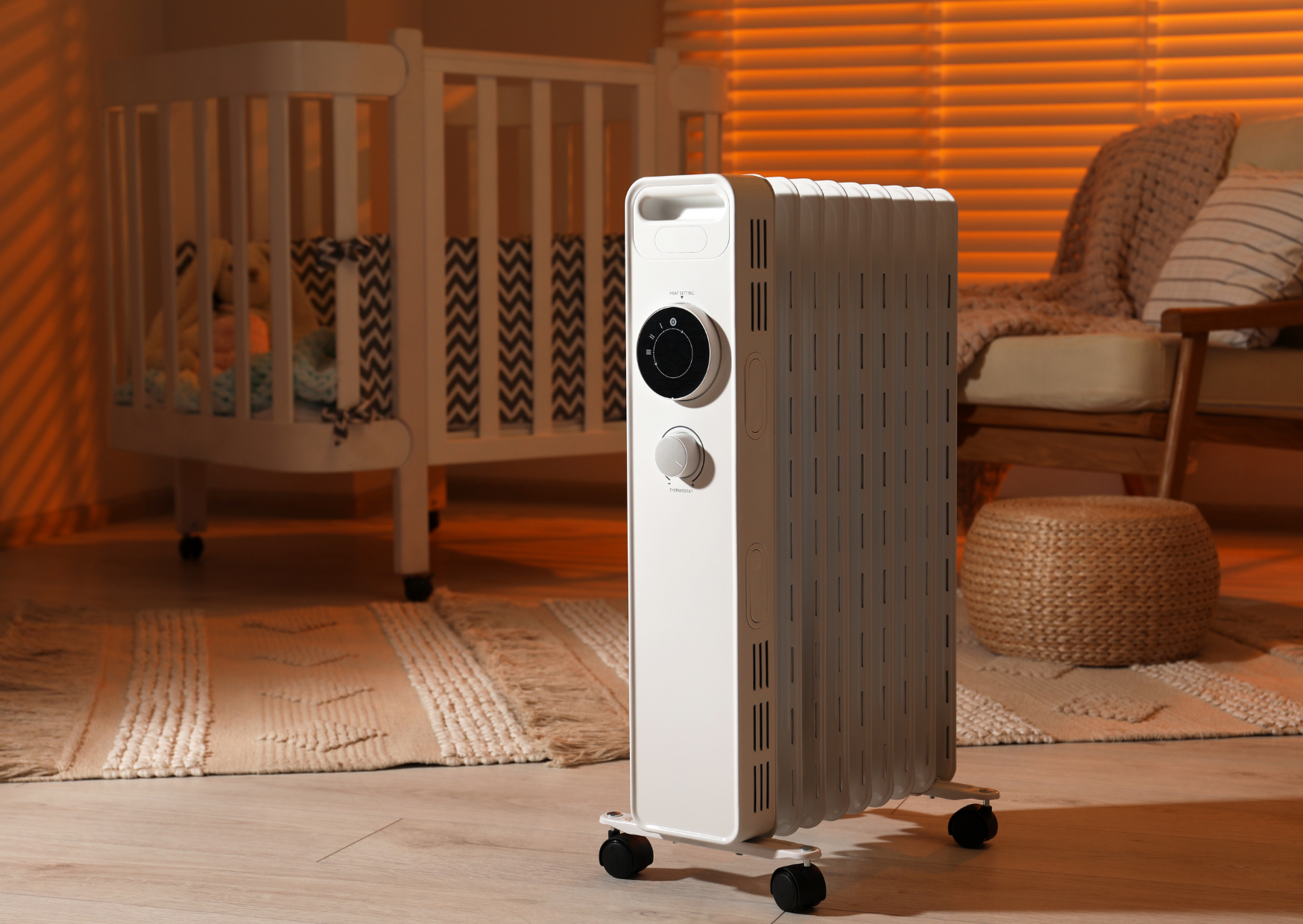
In Spain, winters are relatively mild compared to much of the U.S. But Spanish homes are not built for warmth. Most have no central heating, little insulation, and tile floors that retain cold long after the sun comes up.
Indoor temperatures in winter can hover around 10 to 13°C (50–55°F) — and no one thinks it’s strange. People sleep under wool blankets. They wear scarves and coats indoors. They boil water for soup. And they keep one room warm — not the whole house.
American homes with heating systems that maintain a steady 70°F all winter would seem luxurious, even excessive, by comparison. In Spain, you heat the person, not the space.
4. Power Flickers and No One Complains
During heat waves, windstorms, or heavy rain, it’s not unusual for the electricity to blink. Sometimes it’s out for ten minutes. Sometimes an hour.
In American cities, even short outages lead to urgent calls, media coverage, and complaints.
In Spain, the lights go out. You light a candle. You wait. You don’t panic. You trust it will come back. And it usually does — with no drama, no lawsuits, and no need to tweet about it.
5. Torrential Rain Just Means You Need a Better Umbrella

In many Spanish cities, rain falls hard and long. Not for ten minutes, but for hours. In the U.S., this might cancel school, flood streets, or delay public transport. In Spain, people put on rain boots. They carry oversized umbrellas they’ve had for a decade. They step over puddles. And they keep walking.
Children splash in the street. Restaurants pull out plastic awnings. Shopkeepers sweep water out the door with brooms.
No one calls it a crisis. They call it a day with rain.
6. Sahara Dust? Shut the Windows

A few times a year, parts of Spain — especially the Canary Islands, southern Andalusia, and the Mediterranean coast — are hit by the calima, a dust cloud carried from the Sahara desert.
Skies turn orange. The air thickens. Cars and balconies are covered in reddish dust. Americans might assume schools would close or people would be told to stay indoors.
In Spain, people shut the windows, sweep the balcony later, and continue their day.
You might take an antihistamine. You might wear sunglasses. But you don’t post about the end of the world.
7. Wind Is Just Another Element to Dress For
Cities like Zaragoza are known for brutal, bone-drying wind. Others, like Cádiz or Tarifa, face ocean gusts strong enough to knock over signs and close beaches to swimmers.
In the U.S., wind of this kind often triggers weather alerts. In Spain, it just means you dress differently.
You don’t wear a skirt. You hold onto your hat. You button your coat. And you walk a little faster.
No one expects the wind to stop for them. They expect to move around it.
8. No One Has a Clothes Dryer — and It Doesn’t Matter
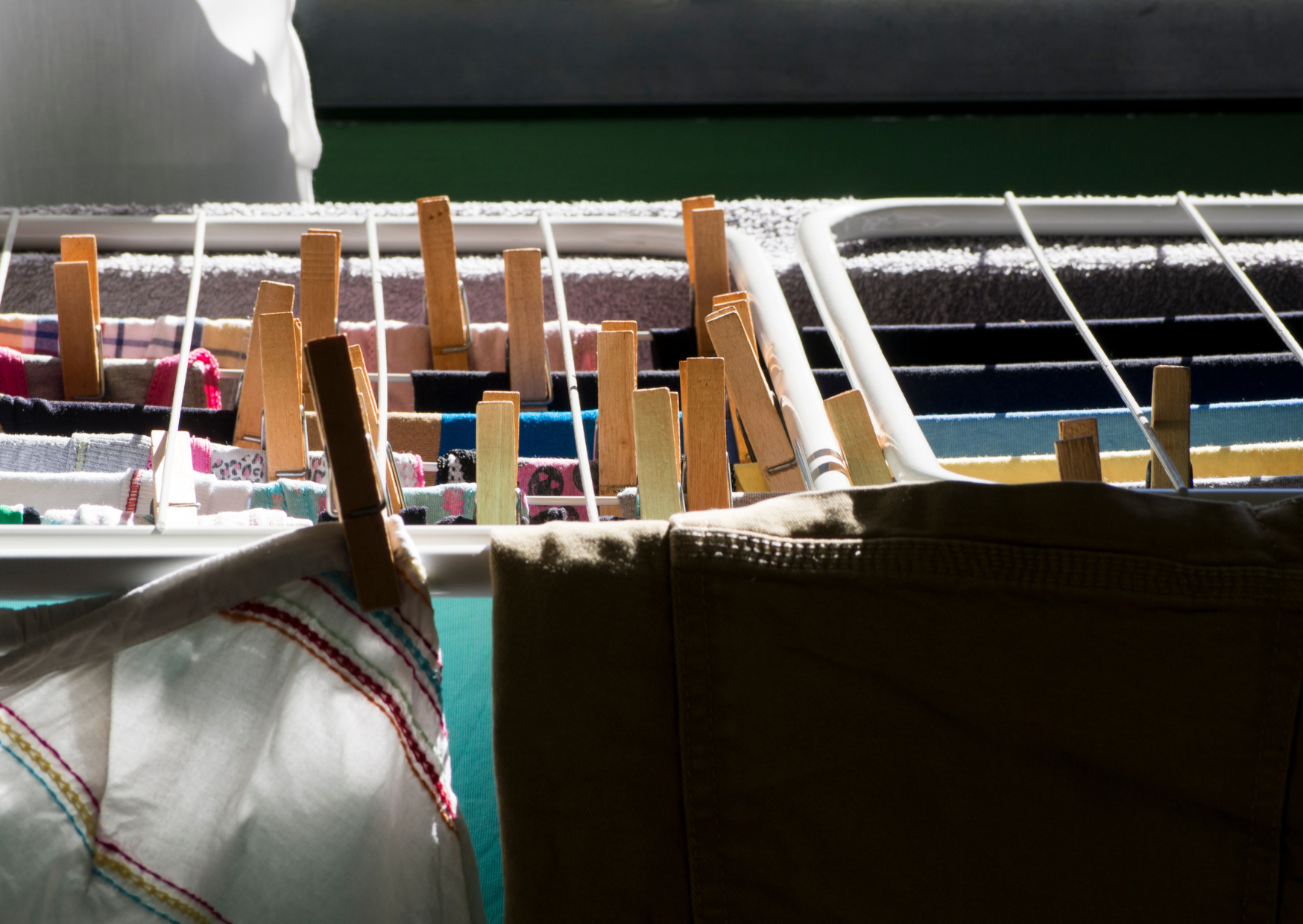
In rainy, cold, or dusty weather, laundry still happens. Why? Because most Spanish homes don’t have dryers. Clotheslines are hung indoors. Radiators dry socks. Balconies are used when the sky clears.
If it takes two days to dry a pair of jeans, that’s life. You rotate. You wait. You don’t stop doing laundry because the weather isn’t ideal.
Americans might see this as a hassle. Spaniards see it as normal — and remarkably efficient, once you build the rhythm.
9. Weather Isn’t Something You “Fight” — It’s Something You Work With
Ultimately, the difference isn’t the temperature. It’s the mindset.
In the U.S., weather is framed as a force to be controlled. Through HVAC systems. Through city alerts. Through lifestyle conveniences that eliminate any sign of seasonal discomfort.
In Spain, weather is accepted as part of life. You don’t fight it. You don’t expect to beat it. You move with it.
You change your schedule when it’s too hot. You bundle up when it’s cold indoors. You wipe dust off your table. You open your umbrella. You close your shutters.
And you get on with it.
One Climate, Two Expectations
Americans expect weather to be comfortable, or else they expect help.
Spaniards expect weather to be weather — and plan accordingly.
The Spanish approach isn’t about suffering. It’s about acknowledging limits. Infrastructure has limits. Budgets have limits. And yes — the human body has limits. But they’re wider than we think when we stop pretending that every day should feel like 72 degrees with filtered air.
So when you’re sweating in a dark apartment in Sevilla or shivering under three blankets in Burgos, don’t assume it’s broken.
It’s just Spain — a country that never asked the weather to be convenient, and never needed it to be.

About the Author: Ruben, co-founder of Gamintraveler.com since 2014, is a seasoned traveler from Spain who has explored over 100 countries since 2009. Known for his extensive travel adventures across South America, Europe, the US, Australia, New Zealand, Asia, and Africa, Ruben combines his passion for adventurous yet sustainable living with his love for cycling, highlighted by his remarkable 5-month bicycle journey from Spain to Norway. He currently resides in Spain, where he continues sharing his travel experiences with his partner, Rachel, and their son, Han.