
And what it reveals about trust in the body, cultural memory, and a different understanding of what healing really means
Ask an American what they’d do if they broke a bone, spiked a high fever, or got diagnosed with an infection, and the answer will likely be quick and clinical: go to the hospital, take the medication, follow the doctor’s orders — immediately.
Medical culture in the United States is rooted in quick response and intervention. Hospitals are open 24/7. Urgent care centers multiply by the month. Over-the-counter medications are heavily marketed, and prescription drugs are often pursued with a sense of urgency, even when the issue is minor.
In Spain? That instinct doesn’t exist. At least not in the same way.
In fact, there are several medical treatments that Americans would consider non-negotiable, even life-saving — and yet many Spanish people routinely decline, delay, or quietly avoid them, not out of ignorance, but out of a different philosophy about health, trust, and the role of medical systems in daily life.
Here’s why Spanish people sometimes refuse treatments that Americans would never question — and what it says about cultural ideas of illness, healing, and when it’s actually necessary to intervene.
Looking for More Travel & Culture Reads?
– They Don’t Work 24/7: 5 Vacation Customs in Europe That Drive Americans Crazy
– 7 Dress Code Shocks Americans Face in Italy
– 9 European Beach Habits That Shock First-Time Tourists
– 7 Beach Behaviors That Make Locals Avoid You in Italy
1. Antibiotics Aren’t a First-Line Response — They’re a Last Resort
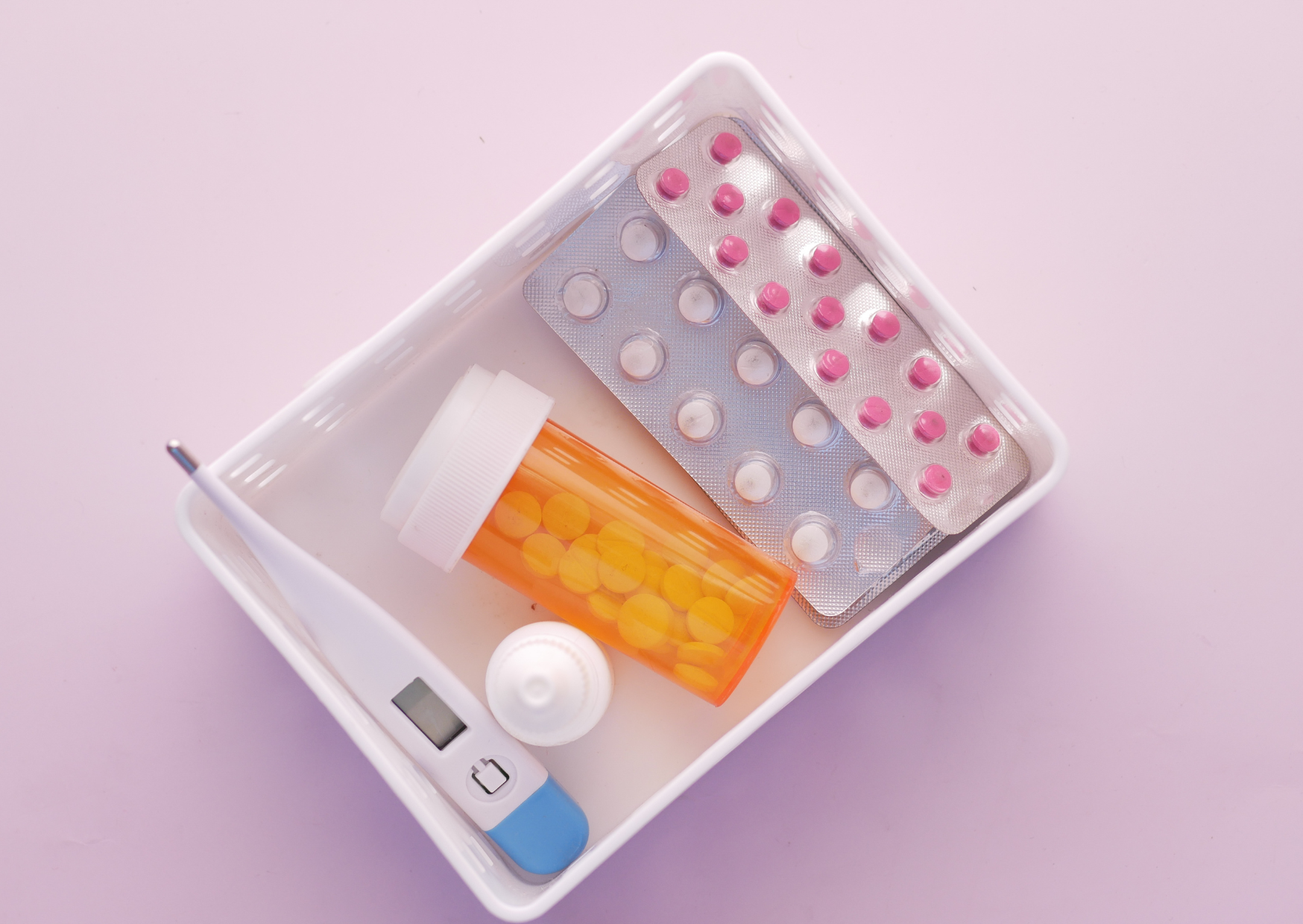
In the U.S., antibiotics are still often seen as the go-to for infections, colds, or mystery illnesses that last more than a few days. Even though awareness is growing around overuse, many patients demand them, and many doctors still prescribe them quickly to meet expectations.
In Spain, antibiotics are strictly regulated. You can’t get them without a prescription — and even then, doctors are not eager to hand them out.
It’s common for Spanish doctors to say:
“Descansa. Bebe agua. Espera.”
Rest. Drink water. Wait.
Americans may see this as a delay that risks escalation. Spaniards see it as a measured, thoughtful response, trusting the body to recover before introducing heavy intervention.
2. Pain Medication Is Often Declined — Even When Offered
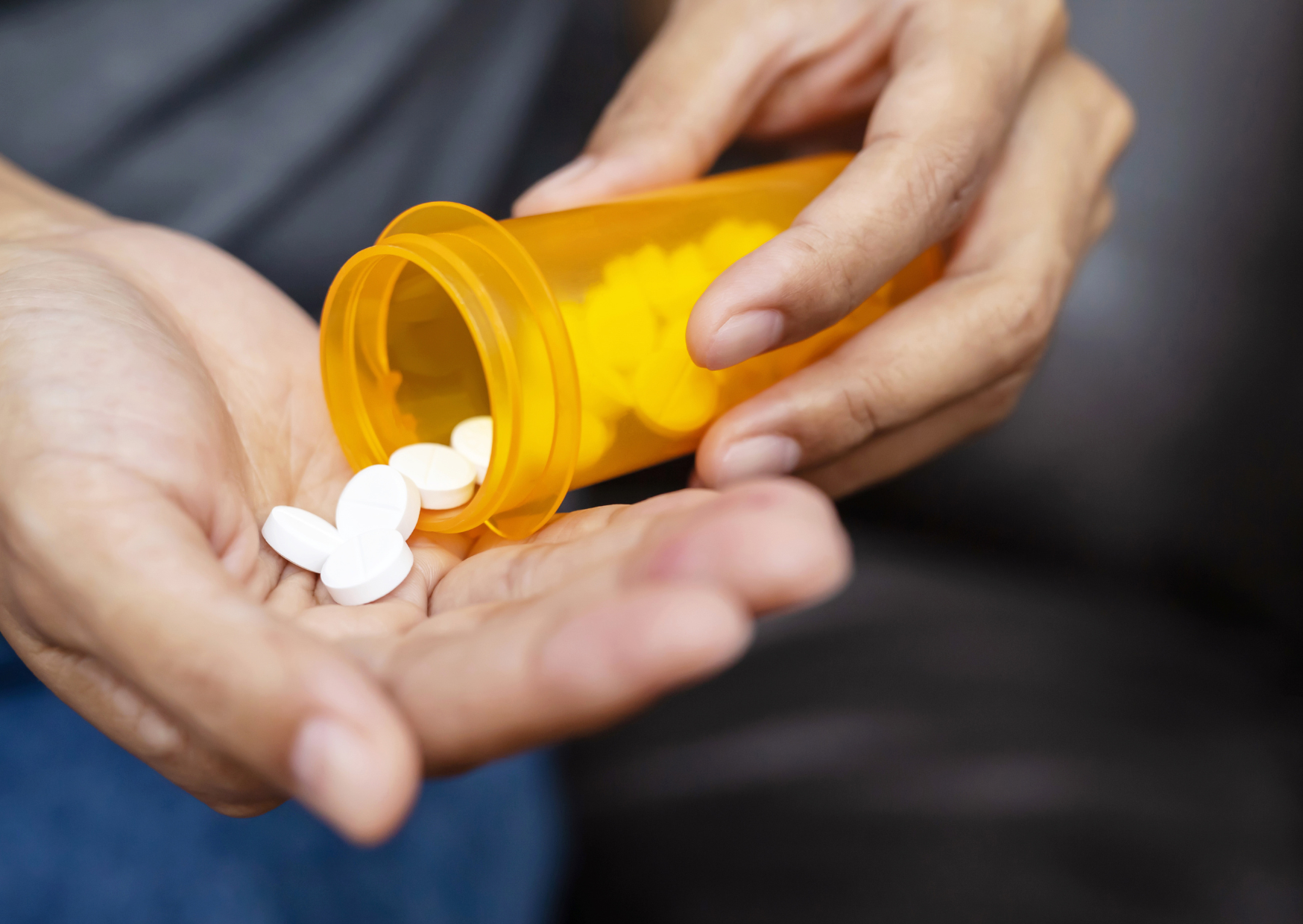
In American hospitals, pain is aggressively managed. It’s considered a vital sign. If a patient reports discomfort, there’s a clear expectation that medication will be administered quickly.
In Spain, pain is not treated as an emergency — especially if it’s low-level or expected.
People walk around with headaches, cramps, and back pain without taking anything. Even after minor surgery or injury, many Spanish patients avoid painkillers unless the discomfort is severe.
There’s a quiet cultural belief that pain is part of the healing process, not something to be erased immediately.
3. Colds and Fevers Are Not Medical Events

In the U.S., a cold that lingers, a cough that gets worse, or a low-grade fever may send people to urgent care — especially if they have insurance that encourages quick visits.
In Spain, these symptoms are handled at home. Often without medication.
Many Spanish people will rest, eat broth, drink herbal infusions, and wait it out. They don’t expect immediate relief. And they’re not worried unless symptoms escalate dramatically — over time.
It’s not negligence. It’s confidence in the natural progression of illness — something Americans are taught to distrust.
4. Hospitalization Is Avoided Unless Absolutely Necessary
In American culture, hospitalization is often viewed as a precaution. Better safe than sorry. You’re admitted “for observation” even if no immediate intervention is needed.
In Spain, hospital beds are not used this way.
You are only hospitalized if your condition demands acute medical care, often with clear intervention protocols. You don’t get admitted for reassurance. You get admitted when there is no other choice.
Because of this, many Spaniards view the hospital as a place to avoid unless you’re truly sick — not somewhere to go “just in case.”
5. Epidural During Childbirth? Many Spanish Women Refuse It
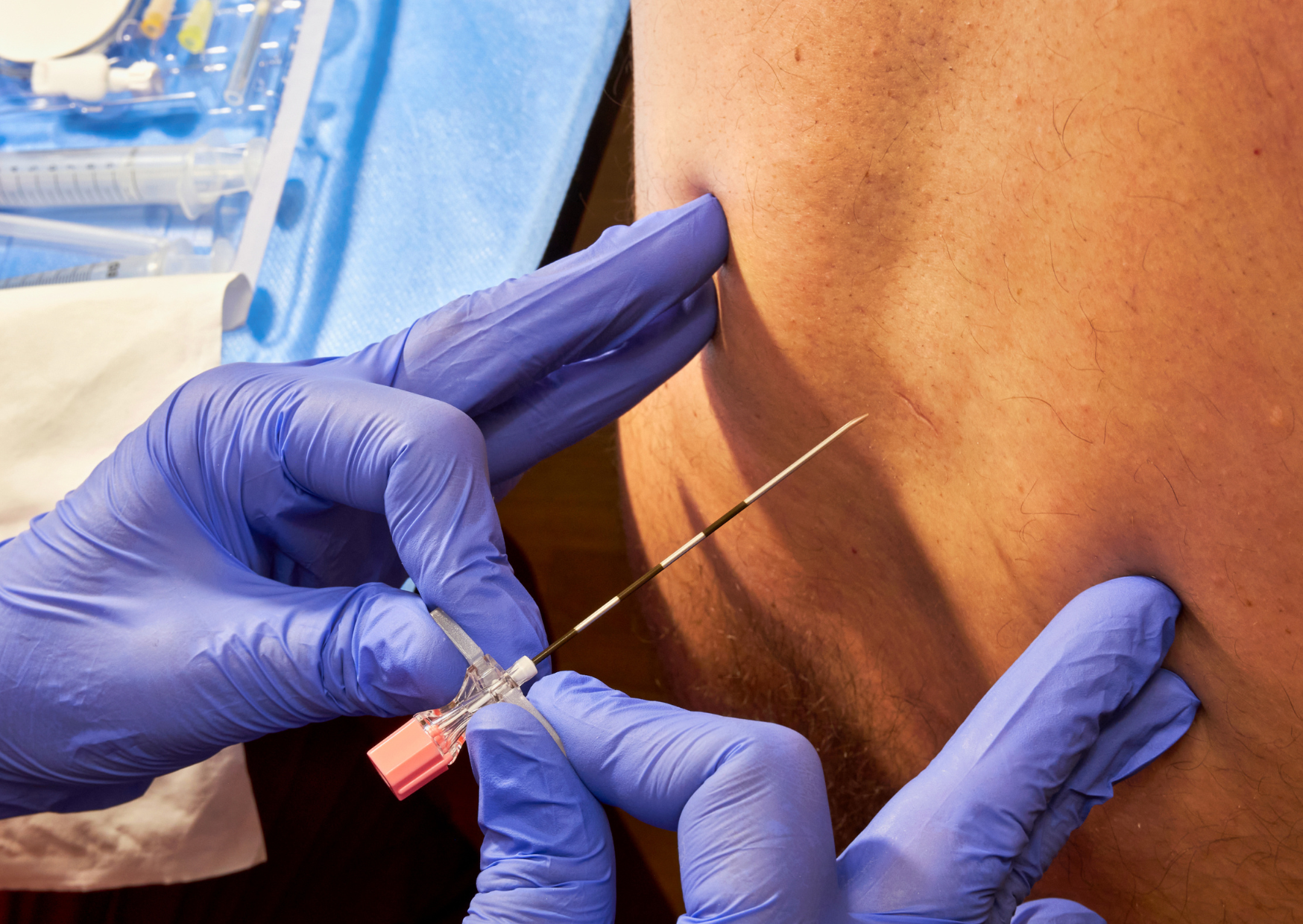
In the U.S., the majority of women who give birth in hospitals opt for an epidural. It’s framed as part of managing labor — a right, a relief, even a necessity.
In Spain, epidurals are available, but many women choose not to use them.
They may prefer a natural birth. They may fear the risks. Or they may view pain during childbirth as something to be endured rather than eliminated.
Cultural memory around childbirth in Spain is different. It’s shaped by generational stories, not television portrayals. And many women feel empowered — not deprived — by skipping the epidural entirely.
6. Mental Health Medication Is Used Carefully — Not Immediately

In the U.S., anxiety and depression are often managed with medication as a first step. SSRIs and similar drugs are common. Prescriptions can be obtained through primary care doctors with little resistance.
In Spain, mental health is less medicalized at the first sign of struggle.
Doctors may recommend lifestyle changes, rest, therapy, or even a temporary leave from work before turning to pharmaceuticals. Medications are available, but they’re not handed out without a clear diagnosis and process.
This restraint doesn’t mean mental health is ignored — it means it’s approached with long-term caution rather than urgency.
7. Cosmetic Surgery and “Preventive” Treatments Are Not Cultural Norms
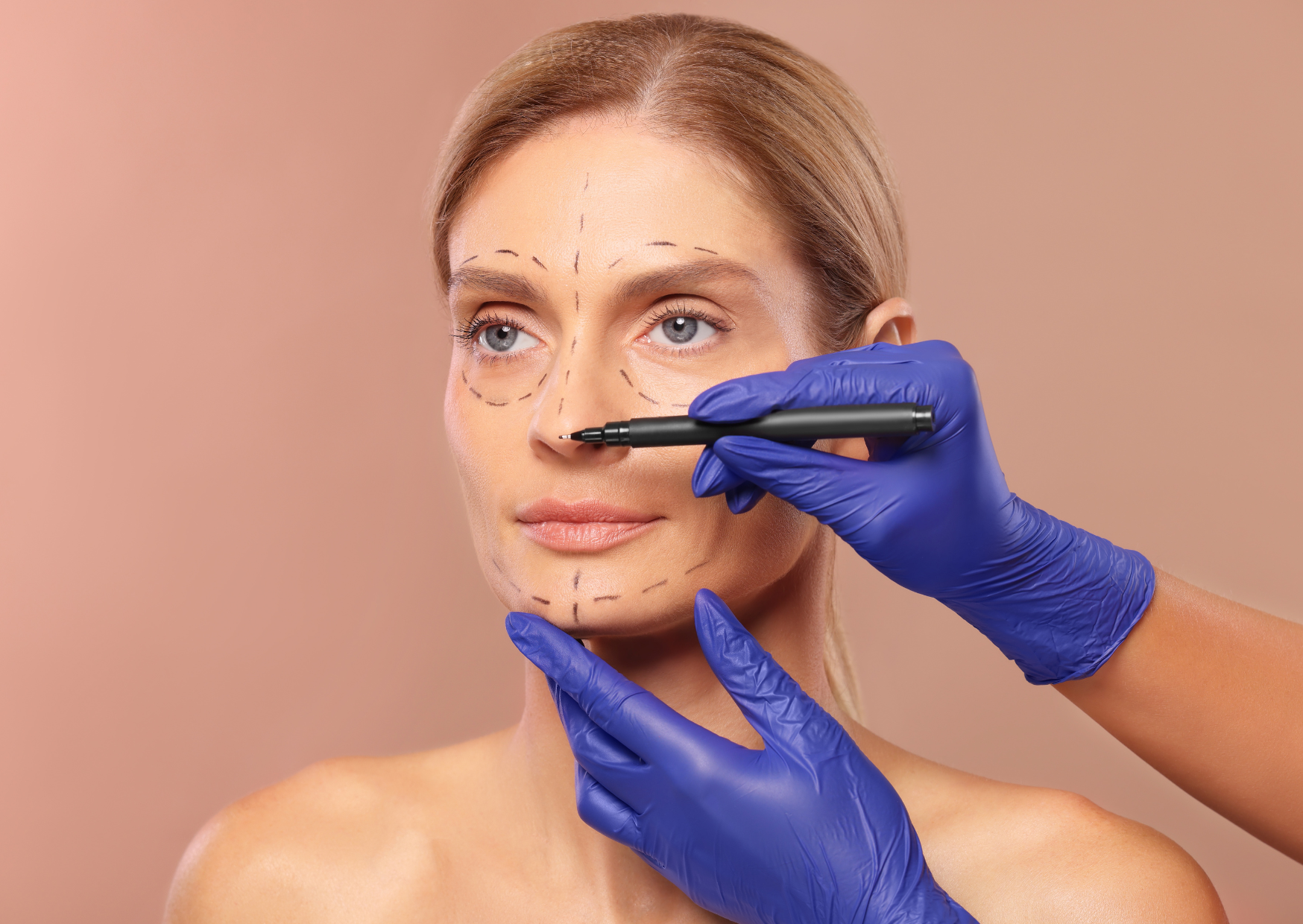
In the U.S., preventive Botox, elective procedures, and “early intervention” for signs of aging are widespread and socially normalized.
In Spain, while cosmetic surgery exists, it’s less normalized, especially for non-medical purposes.
Wrinkles, gray hair, and physical changes are not treated as problems to solve. People don’t rush to freeze, fill, or lift at the first sign of aging.
Even among younger Spaniards, there’s less social pressure to modify the body early — and far less urgency to “correct” signs of living.
8. “Over-the-Counter Culture” Doesn’t Dominate Daily Life
In the U.S., pharmacies sell rows of painkillers, decongestants, antihistamines, sleep aids, and supplements — all available without a prescription.
In Spain, the pharmacy (“la farmacia”) is more controlled and more personal.
You ask the pharmacist. You explain your symptoms. They might give you something mild — or tell you to wait it out.
You don’t walk in and self-medicate for every small issue. You don’t stock cabinets with medication for “just in case.” The pharmacy is for solving real problems, not preparing for every possibility.
9. Health Anxiety Is Lower — Even When Systems Are Slow

In the U.S., medical treatment is often tied to urgency culture. The sooner you treat something, the more responsible you are. Waiting feels negligent.
In Spain, medical systems may move more slowly — especially in the public sector — but people don’t panic.
They trust their GP. They wait for appointments. They use public services. They know that not every symptom is a crisis.
This slower pace creates less anxiety overall — and more space for the body to do its work before intervention is forced.
One Diagnosis, Two Mentalities
To Americans, refusing a medical treatment — antibiotics, painkillers, hospitalization — seems risky. Even dangerous.
To Spaniards, accepting unnecessary treatment seems equally dangerous, and sometimes foolish.
In the U.S., medical authority is used to eliminate uncertainty.
In Spain, it’s used when uncertainty becomes danger.
In the U.S., comfort is a reason to intervene.
In Spain, comfort is not always the goal.
So when an American says, “I can’t believe they didn’t go to the hospital,”
A Spaniard might reply, “Why would they?”
Because for Spaniards, life isn’t about treating every discomfort. It’s about learning to recognize when the body needs help — and when it just needs time.

About the Author: Ruben, co-founder of Gamintraveler.com since 2014, is a seasoned traveler from Spain who has explored over 100 countries since 2009. Known for his extensive travel adventures across South America, Europe, the US, Australia, New Zealand, Asia, and Africa, Ruben combines his passion for adventurous yet sustainable living with his love for cycling, highlighted by his remarkable 5-month bicycle journey from Spain to Norway. He currently resides in Spain, where he continues sharing his travel experiences with his partner, Rachel, and their son, Han.