
And what it reveals about hygiene logic, trust in science, and a cultural confidence in clean that doesn’t need packaging
In American bathrooms, toothbrushes are sacred objects. They’re stored in sleek holders. Bristles are replaced on a rigid three-month schedule. If the brush touches the sink, it’s considered contaminated. And if someone else uses it, even once, it’s tossed without discussion.
But walk into a family bathroom in Germany, and you may notice something that would horrify most American guests: toothbrushes stored together — often touching — sometimes damp, and rarely thrown away unless absolutely necessary.
They may be stored in the same cup. They may lean into one another like old friends. And if someone accidentally uses yours, you may not even hear about it — because it’s not that big of a deal.
To American standards, this seems unhygienic, even unsanitary. But to many Germans, it’s simply efficient, normal, and based on a more scientific understanding of germs and the human body.
Here’s why German toothbrush habits would make Americans gag — and what they reveal about deeper differences in hygiene, risk tolerance, and what “clean” really means.
Want More Deep Dives into Everyday European Culture?
– Why Europeans Walk Everywhere (And Americans Should Too)
– How Europeans Actually Afford Living in Cities Without Six-Figure Salaries
– 9 ‘Luxury’ Items in America That Europeans Consider Basic Necessities
1. Toothbrushes Share Space — and That’s Not a Crisis
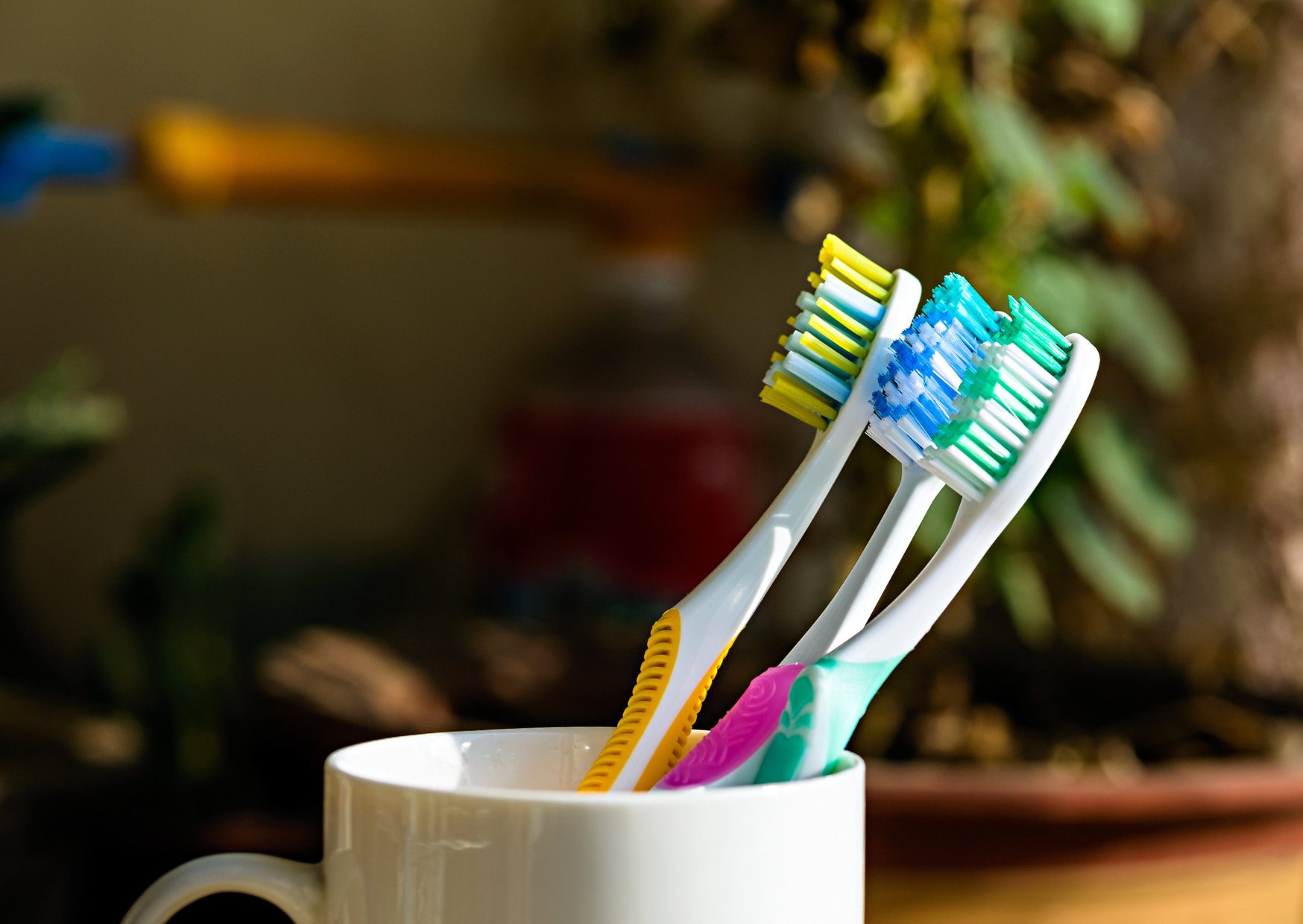
In many German homes, you’ll find all the household’s toothbrushes stored together — in a single glass, cup, or small holder. They may lean against each other. They may drip onto one another. No one is arranging them with medical precision.
To an American, this feels unsanitary. Where’s the airflow? The bristle separation? The designated zones?
To Germans, the logic is simple: you’re brushing your own teeth. The brush is rinsed before and after. You’re not sharing food. You’re cleaning your mouth.
And minor cross-contact? It’s not a health hazard — it’s a nonissue.
2. Replacement Schedules Are Based on Need — Not Marketing
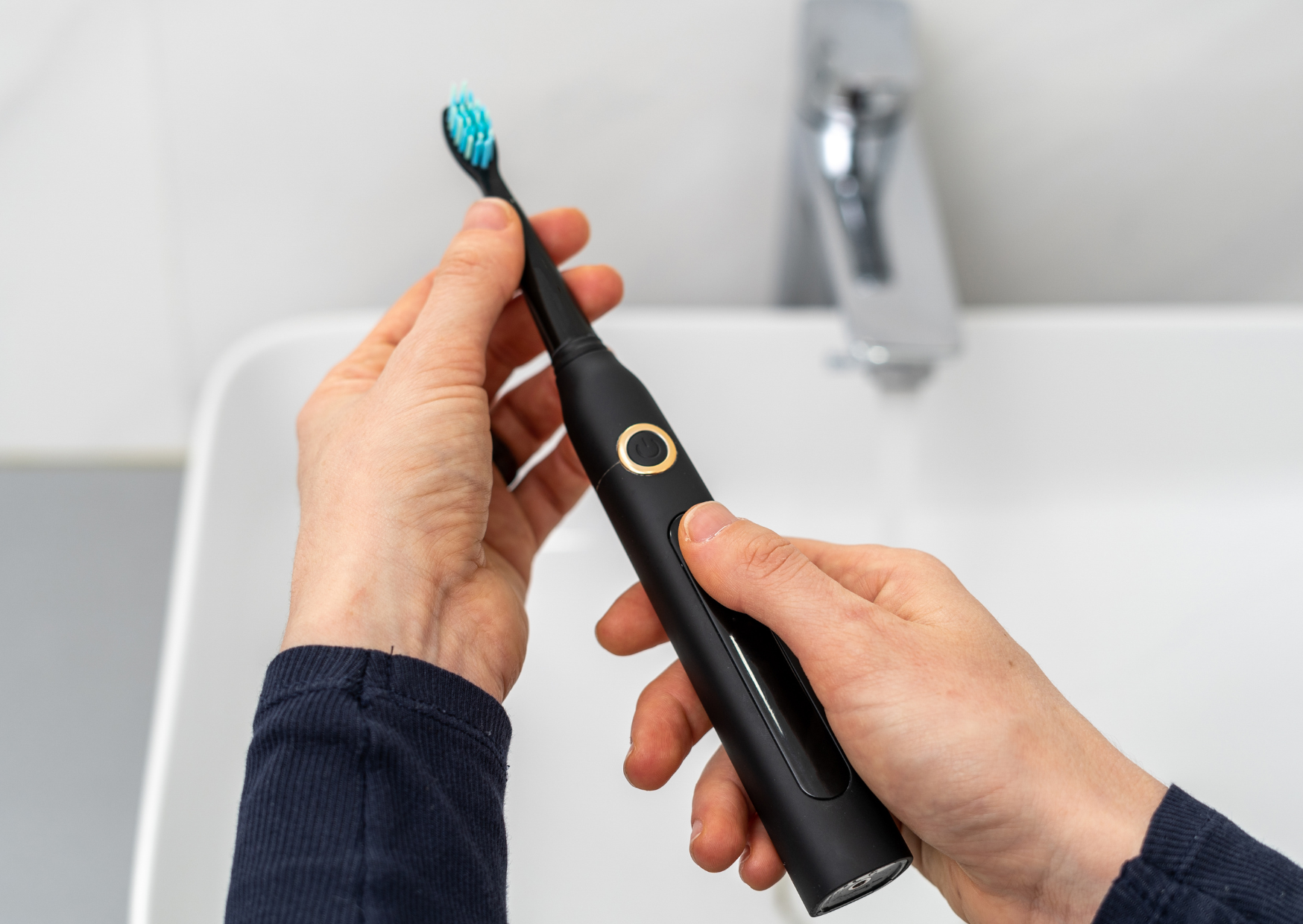
American dentists and product ads repeat the mantra: replace your toothbrush every 3 months. Some apps even track your usage and alert you when it’s time for a new one.
In Germany, people often replace their toothbrushes when they see a reason to — worn bristles, damage, illness. Not based on a clock.
This isn’t laziness. It’s practicality. Germans are highly health-conscious — but they resist overconsumption. If the brush still works, it’s fine. No one is throwing away a perfectly good toothbrush just because a calendar says so.
3. Sharing a Toothbrush in a Pinch Isn’t Considered Disgusting

Ask an American if they’d share a toothbrush — even with a spouse — and you’ll likely get a hard no. Even accidental sharing is treated like a major hygiene fail.
In Germany? It’s not encouraged, but it’s not scandalous either.
If someone forgets theirs while traveling, or uses the wrong one by mistake, it’s not treated as a contamination event. You rinse it. You move on.
There’s an unspoken belief that if you kiss someone, share food, or live together, the toothbrush is not introducing anything new to your body.
4. Brushing at the Kitchen Sink Isn’t Shocking

In American households, brushing your teeth outside the bathroom — especially near food — is often frowned upon.
But in Germany, it’s common to see someone brushing at the kitchen sink if the bathroom is occupied. It’s not seen as gross. You’re not brushing into your soup. You’re using the nearest available sink.
Functionality trumps formality. The body is treated with trust, not performance. You’re not contaminating the house — you’re just maintaining it.
5. Germs Aren’t Feared — They’re Understood
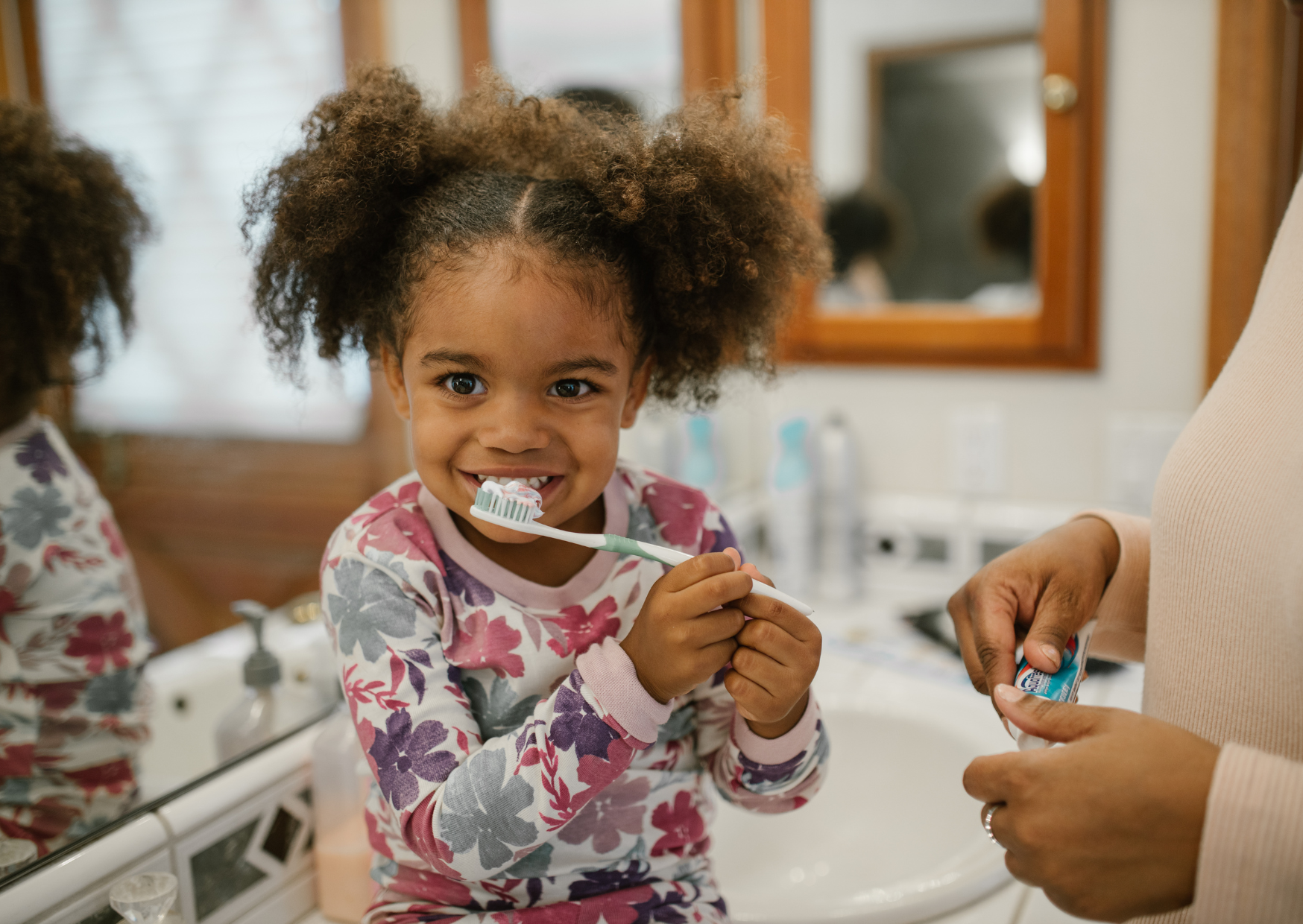
American cleanliness culture is full of invisible threats. Germs are seen as lurking, spreading, attacking — unless neutralized by sprays, wipes, and routine replacement.
Germans, especially post-2020, are no strangers to hygiene. But their approach is rooted in rationality, not fear.
Toothbrushes are rinsed. Sinks are cleaned. Bacteria exists — but it doesn’t mean every contact will result in illness.
The goal is not to sterilize the world. It’s to keep things clean enough to stay healthy — without anxiety.
6. Travel Toothbrushes Aren’t Always Sealed in Plastic
In the U.S., many people carry their toothbrushes in rigid cases, ziplock bags, or travel tubes. The idea is to shield it from all outside air.
In Germany, a toothbrush might be tossed into a dopp kit, wrapped in a towel, or placed in a simple cloth pouch. It’s rinsed before and after. That’s enough.
The logic is: if you trust the tap water, you can trust a quick rinse to clean your toothbrush.
It’s not carelessness. It’s a belief in low-maintenance cleanliness.
7. Children Aren’t Taught to Fear “Contamination”

In many American households, kids are taught strict rules about toothbrush storage. Don’t let them touch. Keep them apart. Replace them regularly.
In Germany, children learn to be clean without being obsessive.
They brush twice a day. They rinse well. They might knock over the toothbrush cup, pick it up, and rinse their brush again without a meltdown.
The cultural message isn’t “Don’t let that brush touch anything.” It’s “If it does, wash it off.”
The result? Fewer hangups. Fewer dramatics. Just routine hygiene.
8. Minimalism Extends to Hygiene Products

American bathrooms are often full of individual products — special holders, personalized labels, coordinated storage.
In Germany, the approach is minimal and functional.
A single cup. Four brushes. No matching. No branding. Just what works.
There’s no expectation that hygiene routines must be beautiful. They must be effective — and sustainable.
If you have to label your toothbrush, fine. But if you can recognize yours by color or shape, even better. No one’s offended by shared space — as long as the basics are respected.
9. The Bathroom Isn’t a Science Lab — It’s a Lived-In Space
Ultimately, the American view of the toothbrush is shaped by a medicalized idea of hygiene. The brush must be protected. Its surroundings must be sterile. Any deviation equals danger.
The German view? Use it, rinse it, move on.
The bathroom is part of the home, not a hospital. A little mess isn’t a crisis. A little contact isn’t contamination. You clean what matters — and don’t overthink the rest.
This calm approach doesn’t result in poorer health outcomes. In fact, Germans have some of the highest standards of dental care and hygiene in Europe.
Because cleanliness isn’t about drama. It’s about habits.
One Toothbrush, Two Philosophies
To Americans, the German toothbrush cup — crowded, damp, bristles touching — feels like a violation.
To Germans, it’s just Tuesday.
In the U.S., hygiene is often symbolic — clean as a performance.
In Germany, hygiene is practical — clean as a habit.
To Americans, cleanliness means prevention at all costs.
To Germans, it means balance, common sense, and a willingness to trust your immune system.
So the next time you’re staying in a German home, and you see all the toothbrushes lined up together, don’t panic.
No one’s trying to gross you out. They’re just living cleanly — and quietly refusing to let marketing or anxiety shape how they brush their teeth.

About the Author: Ruben, co-founder of Gamintraveler.com since 2014, is a seasoned traveler from Spain who has explored over 100 countries since 2009. Known for his extensive travel adventures across South America, Europe, the US, Australia, New Zealand, Asia, and Africa, Ruben combines his passion for adventurous yet sustainable living with his love for cycling, highlighted by his remarkable 5-month bicycle journey from Spain to Norway. He currently resides in Spain, where he continues sharing his travel experiences with his partner, Rachel, and their son, Han.