
Food in Spain isn’t just nourishment—it’s a social ritual, a way of life, and a point of national pride. From the bustling tapas bars of Seville to the family-run seafood joints in Galicia, meals here aren’t rushed or eaten on the go. They’re savored, shared, and often stretched across hours. But if you visit Spain with typical tourist habits, you might miss out on the most authentic flavors and experiences.
Many travelers arrive expecting early dinners, oversized portions, or free refills—all of which are rare in Spain. Instead, locals follow a rhythm that values fresh ingredients, regional specialties, and, most importantly, time spent enjoying meals with others. Understanding how Spaniards eat is just as important as knowing what they eat.
If you want to experience Spain’s culinary culture beyond the paella clichés, this guide is for you. These nine simple tips will help you blend in at the table, find better food, and enjoy Spain the way locals do—bite by bite.
The best Spanish food to try, Breakfast in Spain, and vegetarian food in Spain
BOOK YOUR TRAVEL INSURANCE
Two of our favorite travel insurance: Heymondo Vs Safetwing cheapest travel Insurance. You can get for $135 USD your Heymondo Travel Insurance with Heymondo discount code valid for 90 days. Read our full comparison of Genki vs Safetywing Travel Insurance Review and the comparison Heymondo vs Genki
Quick & Easy Tips
Adjust your mealtimes: Lunch starts at 2 PM, dinner rarely before 9 PM. Plan snacks accordingly.
Skip the tourist menus: Look for places without English signs—where locals actually eat.
Stand up for tapas: In many regions, eating at the bar is a sign you’re doing it right.
Know your regions: Try pulpo in Galicia, pintxos in Basque Country, and fideuà in Valencia.
Order a “menu del día”: These fixed-price lunches are local favorites and great value.
One of the most common mistakes tourists make in Spain? Expecting the service and dining pace to match American or Northern European standards. But slow service isn’t bad service—it’s part of the culture. Meals are meant to be leisurely, not transactional. Waiters won’t bring the bill unless you ask, because lingering over a meal is the norm, not the exception.
Another controversial truth: paella is not an everyday dish—and definitely not something locals eat at dinner. It’s a Sunday-lunch-in-Valencia kind of meal. Many travelers chase it across the country expecting it to be standard fare, when locals might opt instead for grilled fish, tortilla española, or croquetas. Eating like a local often means unlearning what you thought you knew about Spanish food.
To truly enjoy Spanish cuisine, you’ll need to slow down, eat seasonally, and trust the locals—not your guidebook.
How to Eat in Spain Like a Local
1. Understand the Meal Schedule
Spanish mealtimes are quite different from what many travelers might be used to. Locals eat later in the day and meals are often spread out over several hours, particularly dinner.
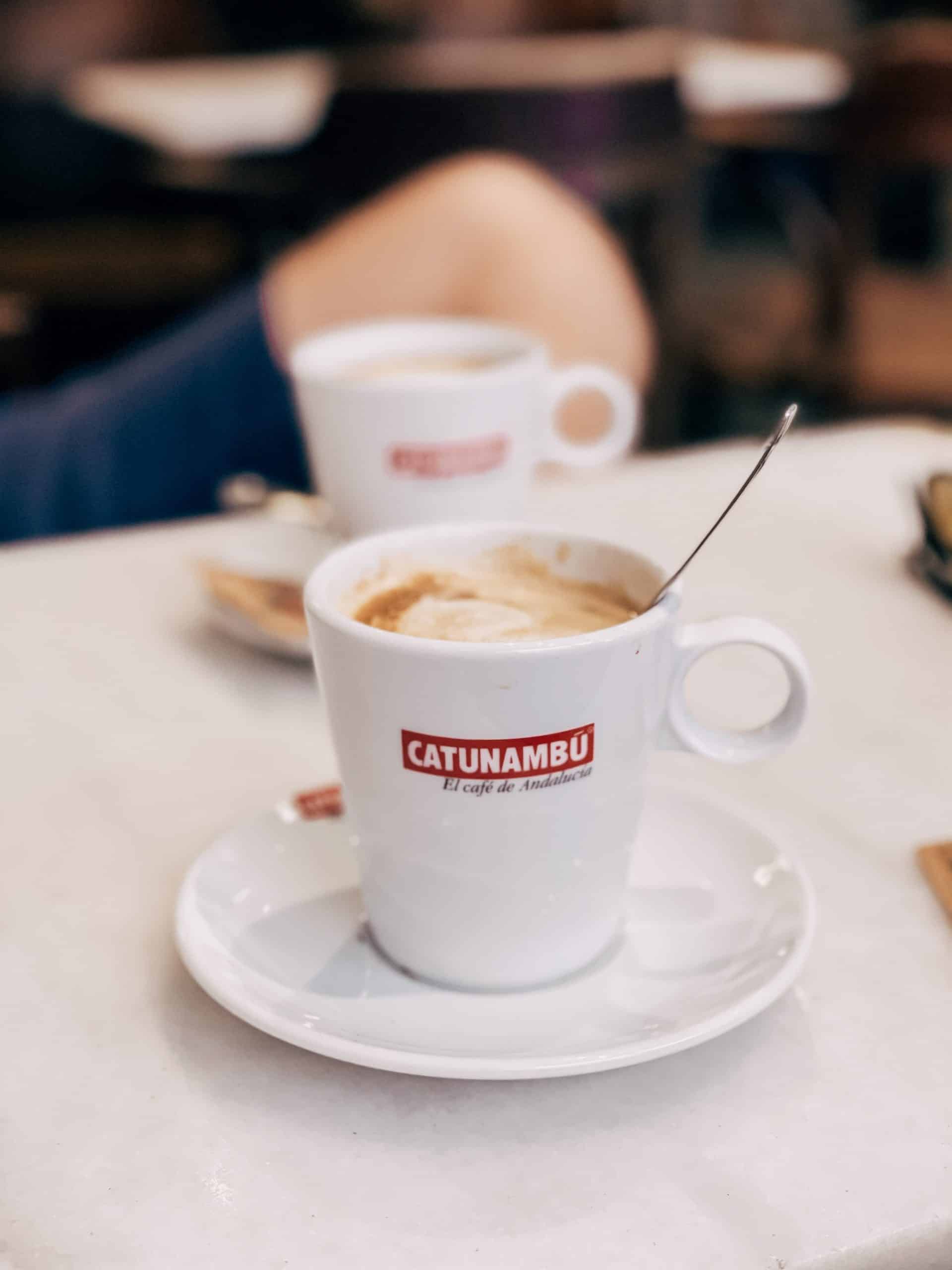
Desayuno (Breakfast): Typically eaten between 7:30 AM and 10:00 AM, breakfast is light. Locals usually have café con leche (coffee with milk) and a tostada (toast) with toppings like tomato, olive oil, or jamón. Churros with chocolate is a treat but more common for a late-morning snack.
Almuerzo (Mid-Morning Snack): Around 11:00 AM, many Spaniards enjoy a small snack, often a bocadillo (sandwich) or a pincho de tortilla (a slice of Spanish omelet).
La Comida (Lunch): The main meal of the day, eaten between 2:00 PM and 4:00 PM. This is when locals enjoy a multi-course meal, often starting with a primer plato (starter), followed by a segundo plato (main dish), and dessert. It’s usually accompanied by wine or beer, and the meal can last for two hours or more.
La Merienda (Afternoon Snack): Between 5:00 PM and 6:00 PM, Spaniards might have a small snack such as pastries, fruit, or sandwiches to tide them over until dinner.
La Cena (Dinner): Dinner is a lighter meal, eaten much later than in many countries, usually between 9:00 PM and 11:00 PM. Locals may have a simple salad, soup, or tapas (small plates).
Tip: Be prepared for late meals! If you’re feeling hungry earlier, indulge in the tradition of tapas (see below) or go for merienda.
Read here best Spanish Recipes to try
2. Embrace the Tapas Culture
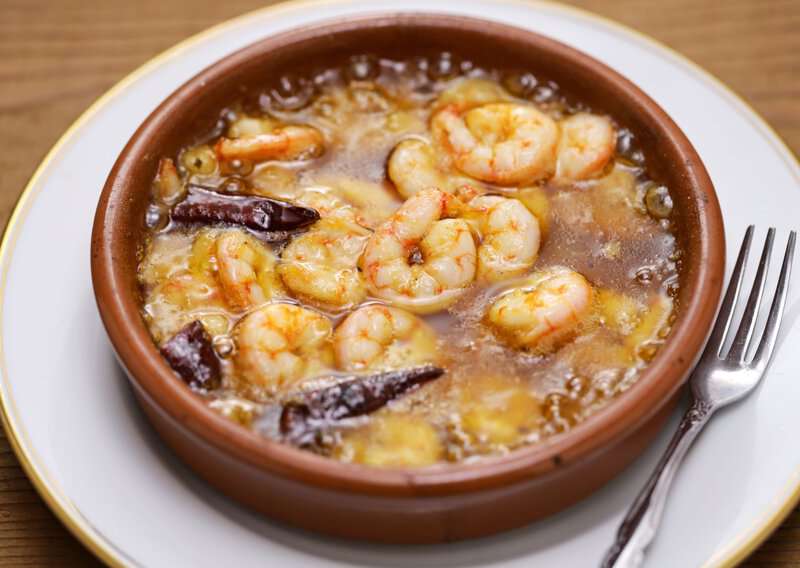
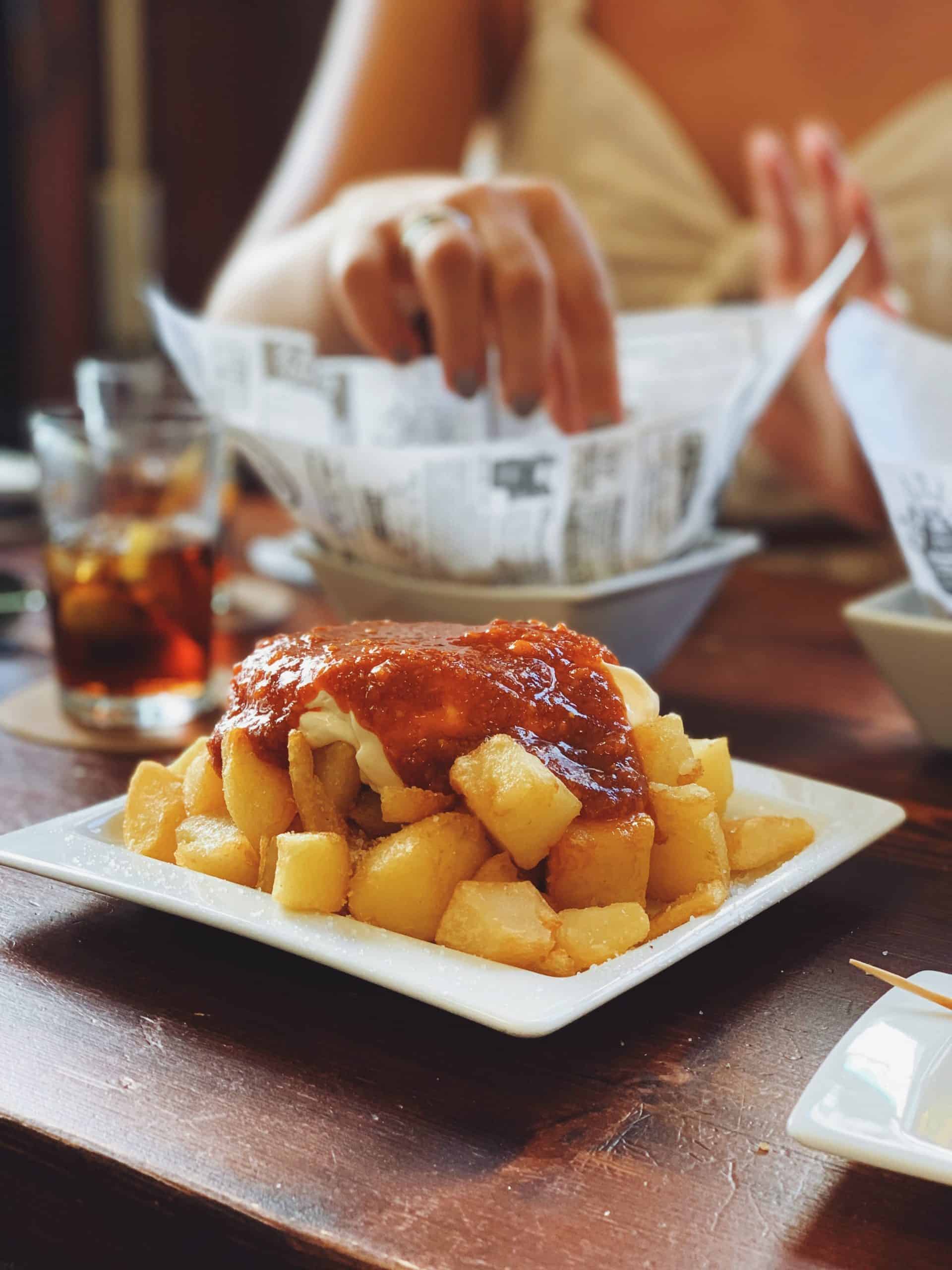
What Are Tapas? Tapas are small portions of food that are meant to be shared and enjoyed with drinks, typically at bars or taverns. They can range from simple items like olives and patatas bravas (fried potatoes with spicy sauce) to more elaborate dishes like gambas al ajillo (garlic shrimp) or pulpo a la gallega (Galician-style octopus).
How to Order Tapas:
Tapas: Small individual servings.
Raciones: Larger portions meant for sharing.
Pinchos (or Pintxos): Bite-sized snacks typically skewered with a toothpick, more common in the northern regions like Basque Country.
Tip: In some cities like Granada or Salamanca, tapas are often served free with your drink. In larger cities like Madrid or Barcelona, you may have to order them separately, but they are still affordable.
Read here best tapas to try in Spain
3. Try the Menu del Día
What It Is: A Menu del Día is a fixed-price lunch menu offered at many restaurants, especially during weekdays. It’s a great way to try local dishes without spending too much money.
What’s Included: Typically includes a starter, main course, dessert, and drink (water, wine, or beer), all for a reasonable price (usually between €10 and €15).
Tip: This is one of the most authentic ways to enjoy lunch like a local and get a good deal on high-quality food.
4. Sample Regional Specialties
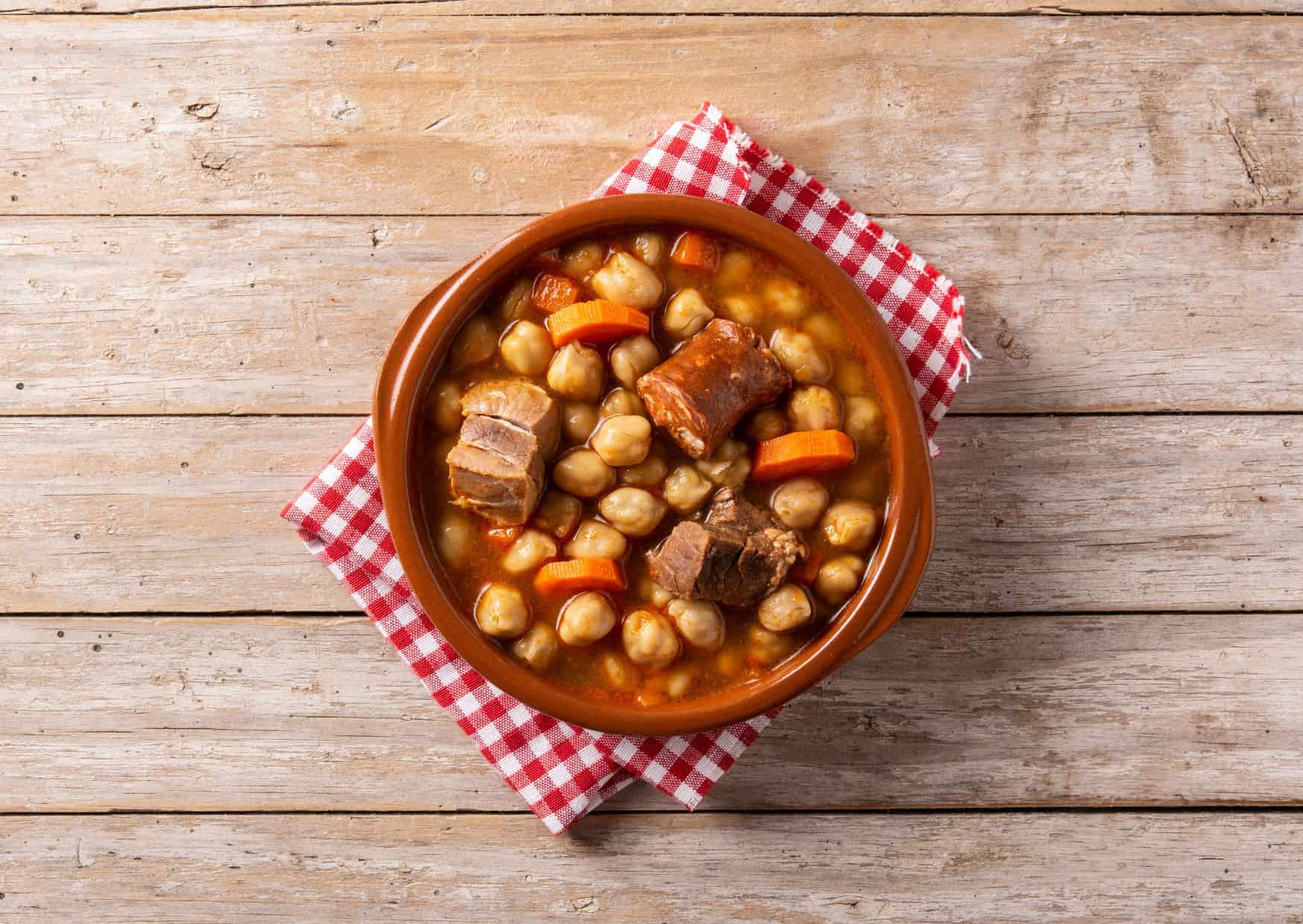
Spain’s cuisine is incredibly diverse, with each region boasting its own dishes and flavors. To truly eat like a local, focus on trying regional specialties based on where you are:
Madrid: Try cocido madrileño (a hearty chickpea and meat stew) or bocadillo de calamares (fried calamari sandwich).
Barcelona (Catalonia): Don’t miss pa amb tomàquet (bread with tomato), escalivada (grilled vegetables), or crema catalana (similar to crème brûlée).
Valencia: The birthplace of paella, particularly Paella Valenciana (rice dish with rabbit, chicken, and sometimes seafood).
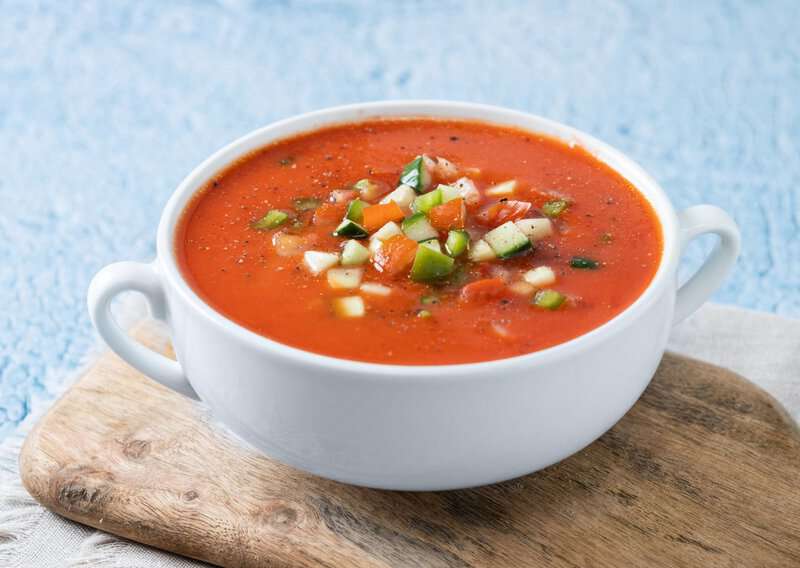
Andalusia: In southern Spain, enjoy gazpacho (cold tomato soup), salmorejo (a thicker version of gazpacho), and jamón ibérico (Iberian ham).
Basque Country: Known for pintxos (small snacks), bacalao a la Vizcaína (salted cod in a pepper sauce), and txangurro (spider crab).
Galicia: Don’t leave without trying pulpo a la gallega (Galician-style octopus), empanada gallega (savory pie), or pimientos de Padrón (small green peppers).
5. Drink Like a Local
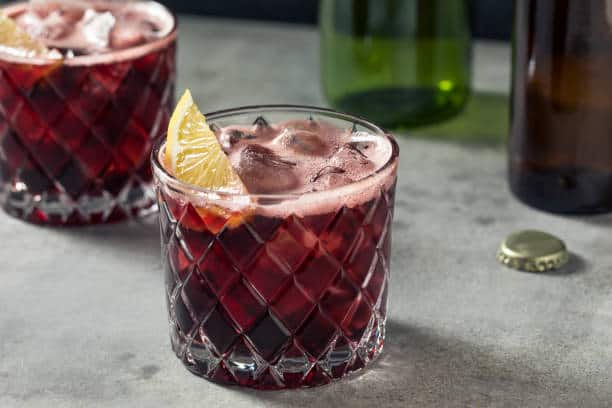
Wine: Spain is famous for its wine, especially Rioja (red) and Albariño (white from Galicia). Order a glass or a bottle with your meal, or enjoy a copa de vino at a local bar.
Cerveza (Beer): Spaniards often enjoy a small beer known as a caña. It’s refreshing, light, and perfect with tapas.
Sangria: While tourists love sangria, Spaniards don’t drink it as much as you might think. If you want something more local, try tinto de verano (red wine mixed with soda) in the summer.
Café: Spaniards take their coffee seriously. Order a café solo for an espresso, a café con leche for coffee with milk, or a cortado (espresso with a dash of milk).
Read here the most popular cocktails in Spain
6. Don’t Skip the Siesta
What It Is: Traditionally, siesta is a time to rest after lunch. Many local restaurants and shops close between 2:00 PM and 5:00 PM in smaller towns, and while this practice is fading in larger cities, it’s still a significant part of Spanish culture.
Tip: Plan your meal times around siesta hours. If you find yourself hungry during siesta, head to a bar for tapas and drinks, or visit touristy areas where restaurants tend to stay open.
Read here best things to know before visiting Spain
7. Enjoy La Sobremesa
What It Is: Sobremesa is the Spanish tradition of lingering at the table after a meal to chat, relax, and enjoy the company. Meals are seen as a time to connect with family and friends, and there’s no rush to leave after finishing your food.
Tip: After lunch or dinner, don’t rush to leave the table. Order another coffee, a digestif like orujo or licor de hierbas, and enjoy the conversation.
8. Know How to Order Like a Local
Be Polite but Direct: Spaniards appreciate directness when ordering. For example, instead of asking if you can order, you can simply say “me pones una cerveza, por favor” (bring me a beer, please).
Wait for the Check: In Spain, it’s customary to wait for the bill rather than asking for it immediately after the meal. When you’re ready to pay, say “la cuenta, por favor” (the check, please).
9. Visit Food Markets
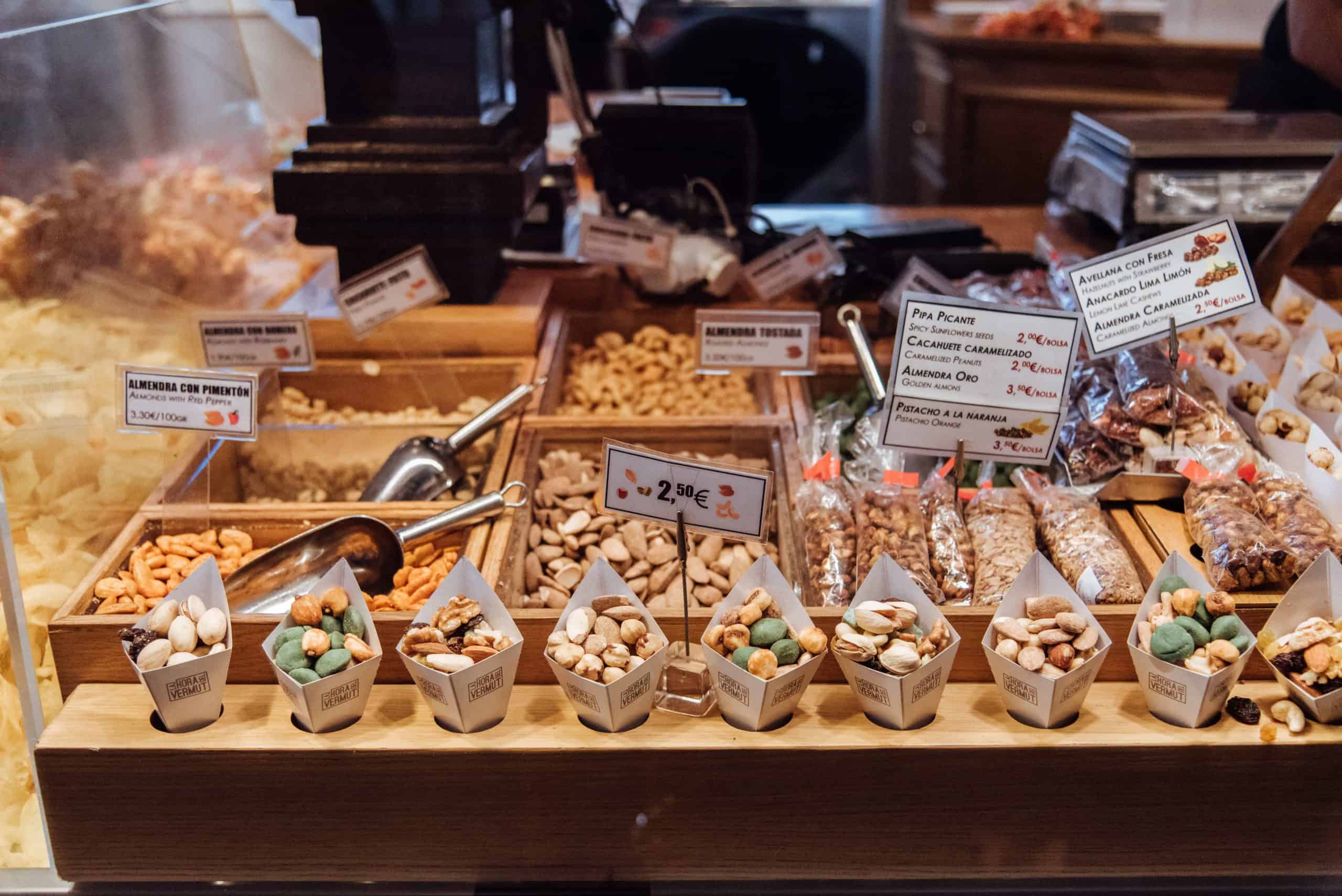
Why: Spain’s mercados (food markets) are the heart of local food culture. You’ll find everything from fresh produce and seafood to local cheeses and cured meats. These markets are perfect for grabbing a snack or gathering ingredients for a picnic.
Top Markets to Visit:
Mercado de San Miguel (Madrid): A gourmet market with stalls offering tapas, seafood, and wine.
La Boqueria (Barcelona): Famous for fresh produce, fish, and local Catalan specialties.
Mercado Central (Valencia): Known for its paella ingredients, seafood, and regional delicacies.
Final Thoughts
Eating in Spain like a local doesn’t require a food tour or fluent Spanish. It just requires curiosity, openness, and a willingness to shift your schedule and mindset. Follow the rhythm of the locals, try what’s fresh, and embrace the long, joyful meals that define Spanish life.
Whether you’re sipping vermouth in Madrid or grabbing late-night churros in Granada, every bite brings you closer to understanding Spain—not just as a destination, but as a culture. So ditch the fast food, step away from the tourist traps, and taste Spain the way it was meant to be enjoyed.

About the Author: Ruben, co-founder of Gamintraveler.com since 2014, is a seasoned traveler from Spain who has explored over 100 countries since 2009. Known for his extensive travel adventures across South America, Europe, the US, Australia, New Zealand, Asia, and Africa, Ruben combines his passion for adventurous yet sustainable living with his love for cycling, highlighted by his remarkable 5-month bicycle journey from Spain to Norway. He currently resides in Spain, where he continues sharing his travel experiences with his partner, Rachel, and their son, Han.