
(Yes, They Notice When You Ask for It)
If you’ve ever traveled to Europe during the summer and sat down at a restaurant gasping for hydration, you may have experienced one of the continent’s quietest but most persistent cultural shocks: no ice in your water.
Instead of a tall, frosty glass filled with clinking cubes, you’ll likely receive a modest pour of still or sparkling water—cool, yes, but rarely cold, and almost never accompanied by ice. Even in July. Even during a heatwave. Even when you beg.
To Americans, this feels like bad hospitality. But to Europeans? It’s totally normal—and even healthier. In fact, many Europeans consider ice water not only unnecessary but actually bad for you.
Let’s break down the cultural, historical, and health-based reasons behind this chilly divide—and why skipping the ice might just be better than you think.
Curious About More Subtle Culture Shocks?
– Why Mediterranean People Never Drink Water With Meals (And Maybe They’re Right)
– The 3-Minute Mediterranean Breakfast That’s Breaking the Internet
– How Europeans Handle Heat Without Air Conditioning (And Still Sleep Better)
1. They Believe Cold Water Disrupts Digestion

One of the most common reasons Europeans avoid ice water—especially at mealtimes—is the belief that it interferes with digestion.
In countries like Italy, Spain, France, and Greece, people grow up hearing that very cold drinks “shock the stomach”. It’s thought that drinking ice water tightens your digestive muscles, slows the process, and makes it harder for your body to process food effectively.
This belief is particularly strong around meals. Many locals will tell you that cold water “hardens fats” or “puts out the digestive fire.” While this isn’t widely proven by Western science, Traditional Chinese Medicine and Ayurveda share similar beliefs—that overly cold drinks disrupt the digestive system’s natural temperature.
In practice, Europeans stick to room temperature or lightly chilled water—especially when eating. It’s about helping the body stay in balance rather than cooling it down too fast.
And if you’re wondering why your server seems uncomfortable when you ask for ice—it’s not personal. They just think you’re doing your stomach a disservice.
2. Hot Food and Ice Water Don’t Mix (At Least, Not in Europe)

In many parts of the U.S., pairing a hot meal with a freezing drink is second nature. A sizzling burger and a tall glass of ice water? That’s refreshing, right?
Not in Europe.
In much of the continent, especially Southern Europe, the idea of drinking something freezing alongside something hot makes no sensory or digestive sense. Locals find it jarring, even unpleasant. The flavors don’t marry well, and it numbs your mouth—making it harder to actually taste the food.
Meals in Europe are a ritual, and every part of the experience matters: the temperature of the soup, the seasoning of the bread, and yes, the temperature of the water. Room temperature water helps preserve the flow of the meal, keeping the digestive process smooth and the palate sensitive.
So if you’re sitting at a trattoria in Florence with a plate of risotto and wondering why your ice-cold water never came—it’s because it wasn’t supposed to.
3. Ice Water Is Linked to Illness, Not Wellness
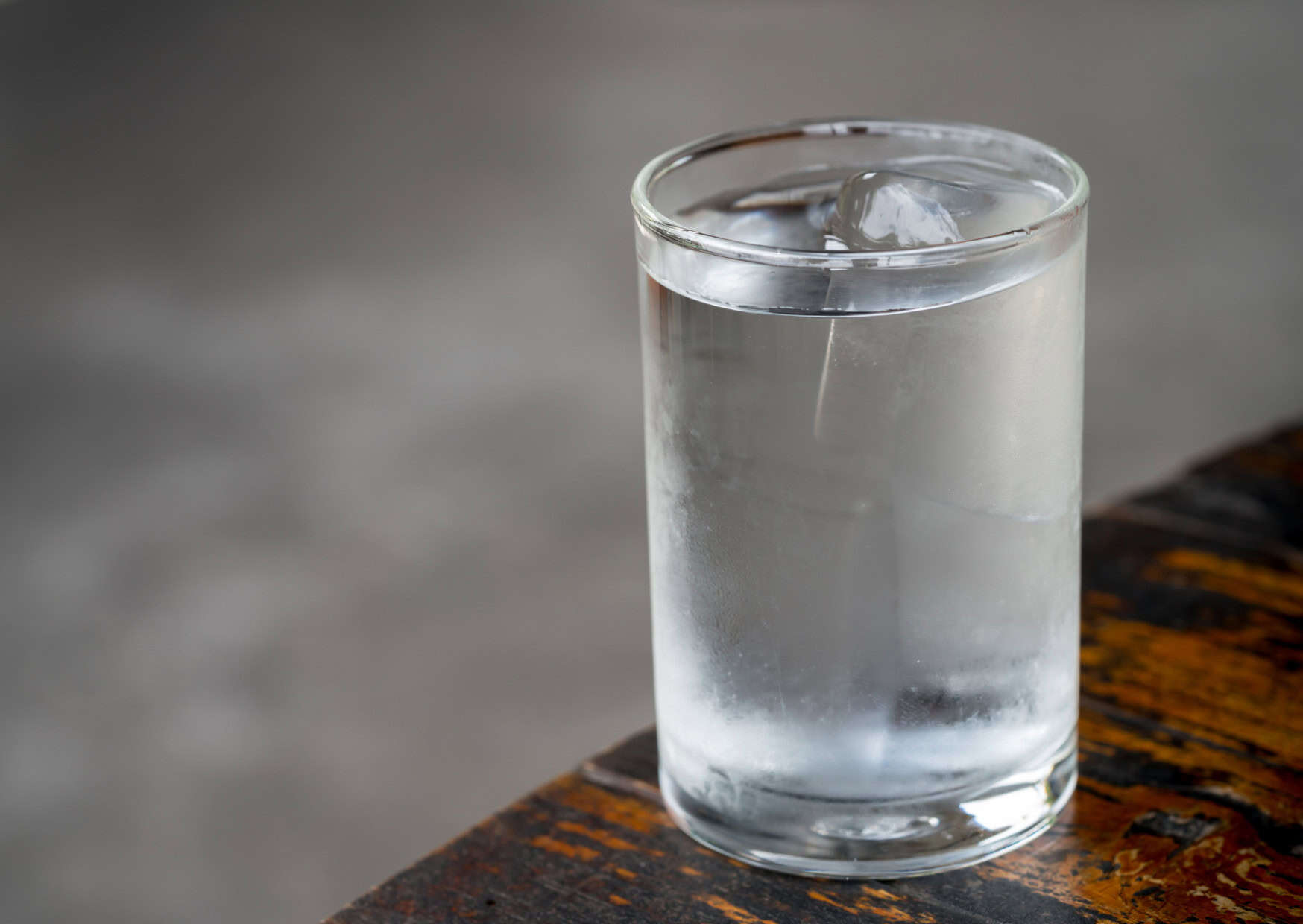
Many Europeans—especially older generations—believe that drinking cold water when your body is hot can make you sick. You’ll hear warnings like:
- “It’s bad for your throat.”
- “You’ll get a cold.”
- “You’ll upset your stomach.”
This belief is deeply rooted in European wellness culture, where sudden changes in body temperature are considered inherently risky.
Ironically, Americans often drink cold water to feel healthier—thinking of it as refreshing or cleansing. But in much of Europe, especially in countries like Germany, Portugal, or Croatia, ice water is considered aggressive on the system, especially if you’re sweating or just finished a workout.
Instead, they recommend sipping cool—not cold—water slowly, allowing the body to rehydrate at a pace it can actually manage. For Europeans, health isn’t about extremes—it’s about moderation and respect for the body’s rhythms.
4. There’s No “Big Gulp” Mentality
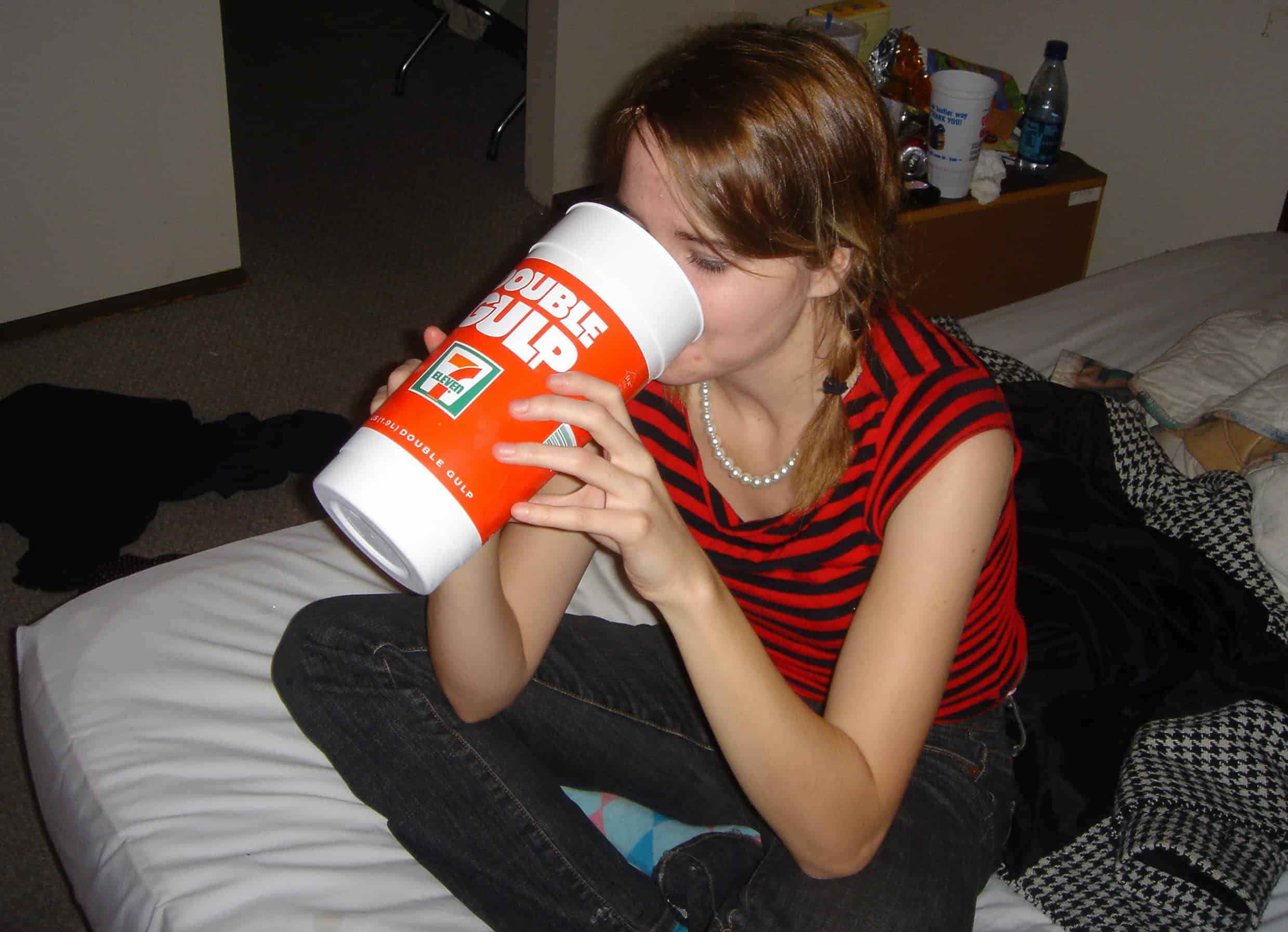
In the U.S., drinks are massive. We love oversized tumblers, giant plastic cups, and restaurant glasses that could double as flower vases. Refill culture is strong, and ice is part of the performance.
Europeans? Not so much.
In Europe:
- Water is served in small glasses
- It’s often not complimentary at restaurants
- Refills must be requested—and paid for
- Water comes in a bottle (still or sparkling), not from a tap
- Ice is absent unless specifically requested—and even then, expect 2 cubes
In short, water is a side character, not the star of the meal. Europeans tend to sip slowly, hydrate gradually, and avoid turning hydration into a competitive sport. You won’t see many locals carrying around gallon water jugs or tracking their H2O intake with apps.
The goal is balance—not overload.
5. Ice Was Historically Scarce (and Still Isn’t the Norm)
Part of this cultural habit stems from history: ice was historically a luxury in Europe, available only to the elite or to those with access to high-altitude snow or early refrigeration.
While Americans industrialized ice production earlier and embraced it with abandon (even putting it in milk in the 19th century—true story), Europeans stuck with room temperature and lightly cooled drinks, building an entire culture around minimal chill.
Even today:
- Most European home refrigerators don’t have built-in ice makers
- Ice trays are rare—and small
- It’s more common to drink wine, juice, or water as-is, without needing to cool it further
Ordering a cocktail? Yes, it’ll come with ice. But ordering ice in water still feels foreign, even slightly wasteful to many.
6. Health Culture Avoids Extremes (Including Temperature)
European health culture is not about control or restriction—it’s about flow, moderation, and longevity. This applies to food, alcohol, exercise, and yes—even water temperature.
While the U.S. loves ice baths, icy smoothies, and gallon challenges, Europeans tend to:
- Avoid shocking the body
- Stick with habits that support digestion
- Hydrate slowly throughout the day
- Drink herbal teas or warm water in the morning
It’s not that ice water is “bad”—it’s just not seen as beneficial. When health is viewed as balance rather than reaction, cold water loses its appeal.
For example, in France, many people drink warm water with lemon in the morning. In Italy, warm tea is used to calm the system after a heavy meal. These rituals aren’t just wellness trends—they’re cultural standards passed down for generations.
7. It’s a Dead Giveaway That You’re a Tourist
Even if your server doesn’t say it out loud, ordering ice water in Europe—especially with a lot of it—outs you immediately as a foreigner.
Locals just don’t ask for it. And while many restaurants in touristy areas will oblige, it’s still not customary. You might get a few polite smiles—or a small bowl of ice cubes on the side that you awkwardly dump in yourself.
And the most you’ll usually get? Two cubes in a short glass. Not a glacier. Not a full glass of frozen water. Just a gentle nod to your American request.
That’s why you’ll rarely see Europeans refilling water bottles at fountains with icy water. They’ll take it lukewarm, thank you very much.
8. They Actually Feel Better Without It
Many Europeans say the same thing when asked why they skip ice:
“I feel better.”
Whether it’s digestion, throat comfort, bloating, or simply feeling more balanced, locals swear that room temp water is kinder on the body.
It might be psychological. It might be real. Either way, millions of people across the continent consistently choose not to drink cold water—and feel healthier for it.
And if you’re staying in Europe for a while, don’t be surprised if you start craving less chill, too. Most long-term travelers end up adjusting without even noticing.
9. It Reflects a Different Definition of “Comfort”

This is the core cultural difference. In the U.S., comfort means immediate relief—cold drinks, AC blasting, iced coffees to go.
In Europe, comfort is gradual, sustainable, and internal. Comfort means:
- Being able to digest your food easily
- Feeling warm enough without shocking your system
- Supporting the body’s balance, not overriding it with intensity
Drinking cold water on a hot day might feel good in the moment, but to Europeans, that short-term chill isn’t worth the long-term discomfort. They’d rather hydrate smartly, pace themselves, and keep the internal temperature regulated.
Because for many Europeans, comfort isn’t just about pleasure—it’s about peace.
Final Thoughts: It’s Just Water—But It’s Also Not
To an outsider, the lack of ice in Europe might feel like bad service or stubborn tradition. But to locals, it’s a deliberate choice—one rooted in health, history, and a long cultural understanding of what the body actually needs.
So the next time you’re parched in a Paris café or sweltering in southern Spain and wondering where your ice water went, take a beat. Sip what you’re given. Listen to your body.
And who knows? You might realize that less chill equals more ease.
Pro Tip: If you really want ice, ask politely (*“con ghiaccio” in Italy, *“avec des glaçons” in France, “con hielo” in Spain)—but be prepared for just a few cubes. After a while, you may not miss them at all.

About the Author: Ruben, co-founder of Gamintraveler.com since 2014, is a seasoned traveler from Spain who has explored over 100 countries since 2009. Known for his extensive travel adventures across South America, Europe, the US, Australia, New Zealand, Asia, and Africa, Ruben combines his passion for adventurous yet sustainable living with his love for cycling, highlighted by his remarkable 5-month bicycle journey from Spain to Norway. He currently resides in Spain, where he continues sharing his travel experiences with his partner, Rachel, and their son, Han.