
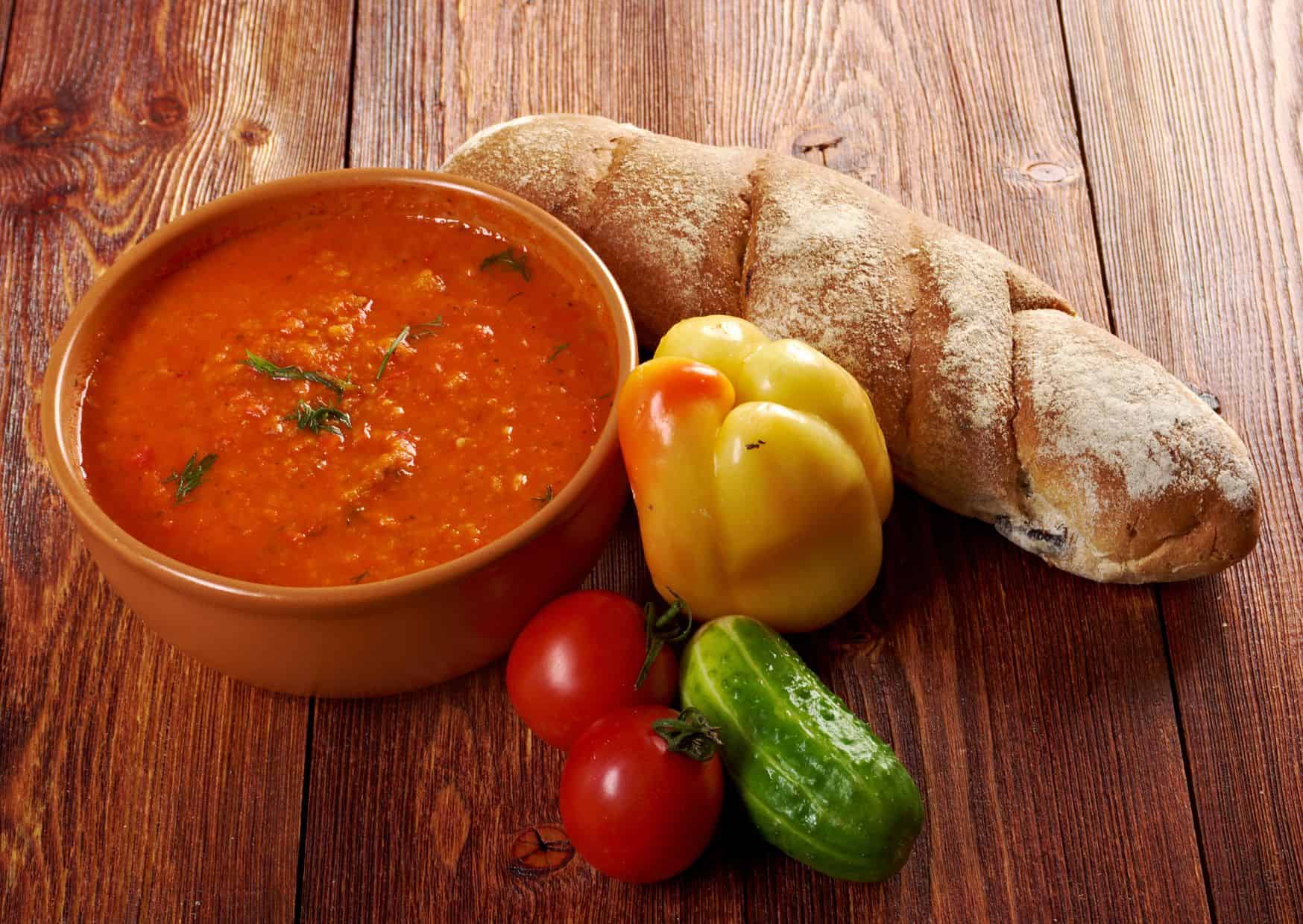
Pappa al pomodoro is a rustic, hearty tomato and bread soup that perfectly captures the soul of Tuscan cooking. With humble ingredients like ripe tomatoes, garlic, olive oil, basil, and stale bread, this dish transforms pantry staples into a deeply flavorful, comforting meal. Far from ordinary, pappa al pomodoro embodies the Italian philosophy of cucina povera—the art of making simple, seasonal food taste extraordinary. It’s thick, rich, and more of a porridge than a traditional soup, delivering the essence of summer tomatoes in every spoonful.
While it may not have the international fame of pizza or pasta, pappa al pomodoro holds a special place in Italian hearts and kitchens. It’s a dish tied to tradition, home cooking, and the idea of wasting nothing—making use of stale bread to create something nourishing and deeply satisfying. This recipe guide will take you through the steps of making it from scratch, including tips for getting the texture just right and adjusting flavors based on the season or your taste.
Whether you’re a seasoned home cook or new to Italian cuisine, pappa al pomodoro is a dish that invites you to slow down and savor the process. It’s a celebration of honest ingredients, perfect for a cozy evening or as part of a rustic Italian meal shared with family or friends.
Here’s how to make Pappa al Pomodoro, along with some helpful tips and calorie information.
Read here best Italian food, vegetarian food in Italy, best drinks in Italy and best breakfast in Italy
Read Here Things to know before visiting Italy and how to buy a sim card in Italy
BOOK YOUR TRAVEL INSURANCE
Two of our favorite travel insurance: Heymondo Vs Safetwing cheapest travel Insurance. You can get for $135 USD your Heymondo Travel Insurance with Heymondo discount code valid for 90 days. Read our full comparison of Genki vs Safetywing Travel Insurance Review and the comparison Heymondo vs Genki
How to Eat Pappa al Pomodoro
Pappa al Pomodoro is traditionally eaten warm, served in rustic bowls that highlight its hearty texture. A drizzle of extra-virgin olive oil on top adds richness and depth, making each spoonful luxurious despite its simplicity.
It can also be enjoyed at room temperature, particularly during summer. This version emphasizes freshness and makes the soup feel lighter, offering a refreshing take on a classic dish.
In Italy, it’s often eaten as a primo piatto (first course), before the main dish. However, its hearty nature allows it to stand alone as a satisfying meal when paired with bread or a small salad.
How to Partner Pappa al Pomodoro
Pappa al Pomodoro pairs beautifully with a slice of toasted rustic bread, rubbed lightly with garlic. This simple addition enhances the dish’s rustic appeal and ensures no drop of soup is wasted.
Wine is another natural partner. A light Chianti or Sangiovese complements the tomato base, while a crisp white like Vernaccia di San Gimignano offers a refreshing contrast.
For a complete meal, serve the soup alongside a platter of cured meats and cheeses. This combination balances the soup’s simplicity with richer flavors, creating a well-rounded dining experience.
One controversy is whether canned tomatoes can be used in place of fresh. Purists argue that only sun-ripened fresh tomatoes achieve true authenticity, while others believe high-quality canned tomatoes are practical and equally flavorful.
Another debate centers on texture. Some cooks prefer the soup very thick, almost like a porridge, while others make it slightly looser for easier spooning. Each version reflects personal preference and regional interpretation.
Finally, there’s discussion around modern twists. Some chefs elevate the dish with cream or additional spices, while traditionalists believe such changes undermine its humble origins. This tension highlights the broader question of whether classic recipes should be preserved as they are or adapted for new audiences.
How to Make Pappa al Pomodoro Tomato Soup
Pappa al Pomodoro Tomato Soup Recipe Ingredients
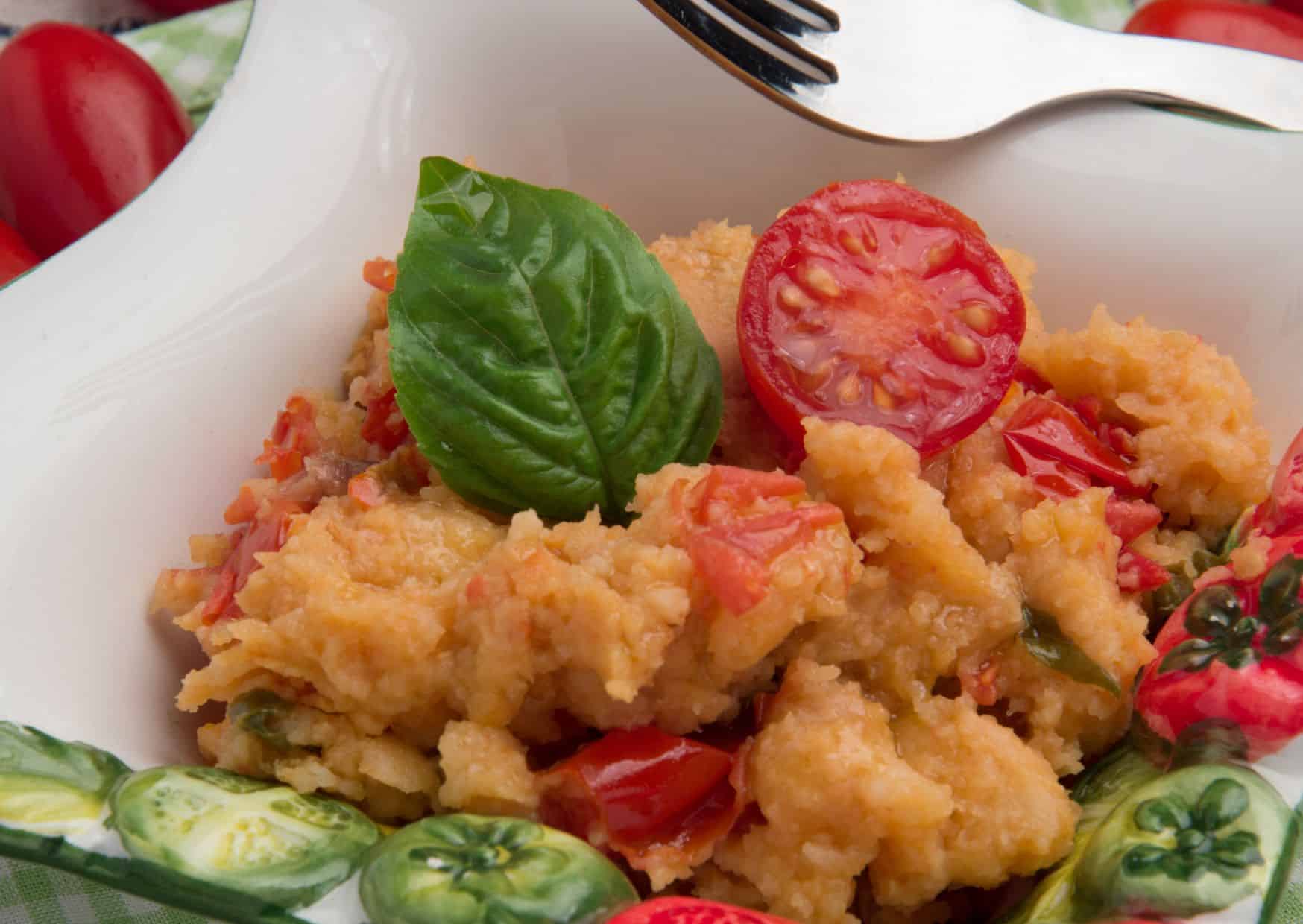
2 lbs (900g) ripe tomatoes, peeled and chopped (or 2 cans of whole peeled tomatoes)
4-6 slices of stale Tuscan bread or any rustic bread, torn into pieces
4 cloves garlic, minced
1/4 cup extra virgin olive oil, plus more for drizzling
4 cups vegetable or chicken broth
1 teaspoon sugar (optional, to balance acidity)
Salt and freshly ground black pepper to taste
Fresh basil leaves, torn (plus extra for garnish)
Freshly grated Parmesan cheese (optional, for serving)
Get the best deals for your home and kitchen needs
Step By Step How to Make Pappa al Pomodoro Tomato Soup
Prepare the Tomatoes
If using fresh tomatoes, bring a pot of water to a boil. Score the bottoms of the tomatoes with an “X” and blanch them in the boiling water for 30 seconds. Remove them and immediately place them in an ice bath to cool. Peel off the skins and chop the tomatoes.
If using canned tomatoes, simply crush them by hand or chop them coarsely.
Cook the Soup
In a large pot, heat the olive oil over medium heat. Add the minced garlic and sauté until fragrant, about 1-2 minutes. Be careful not to burn the garlic.
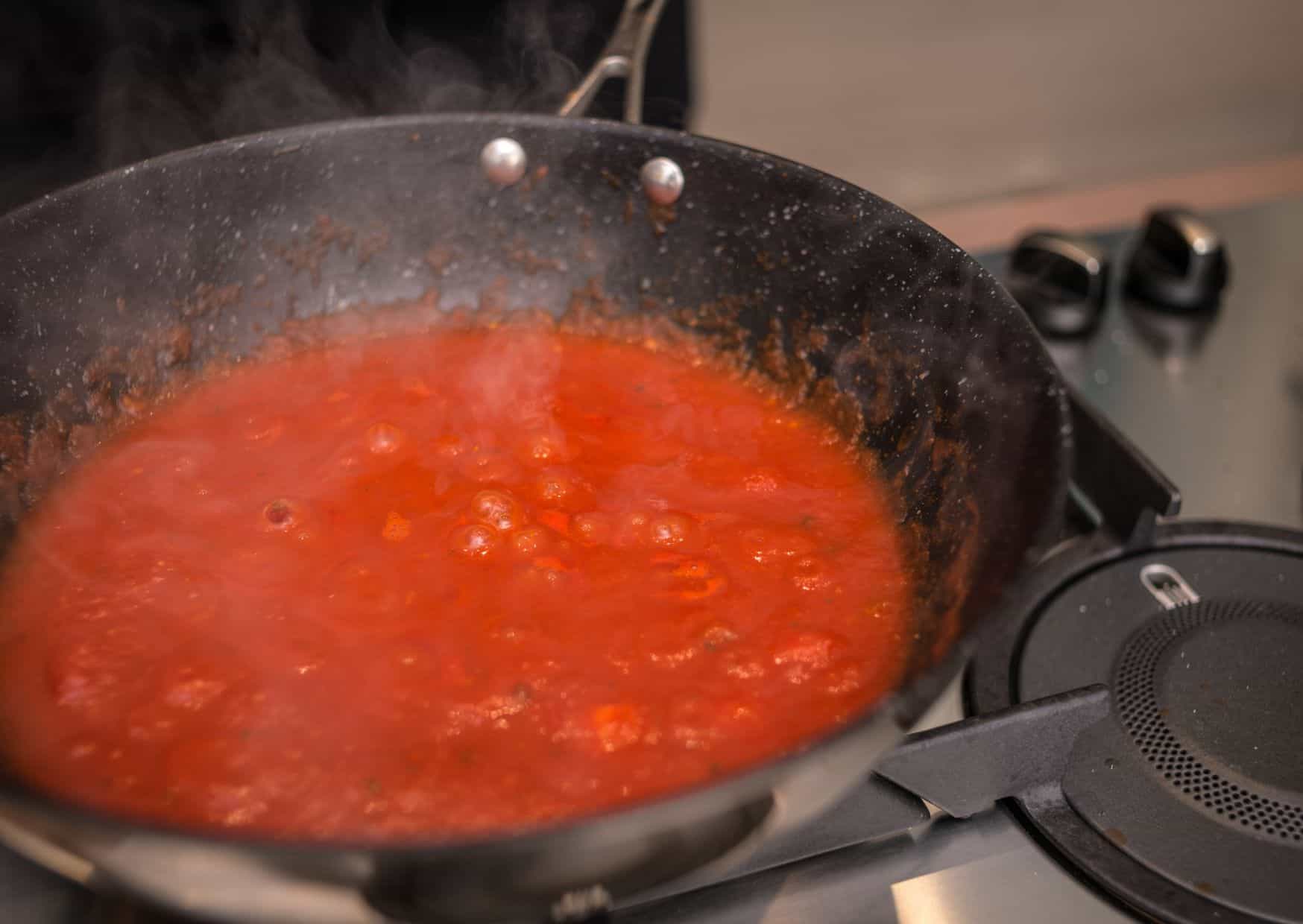
Add the chopped or crushed tomatoes to the pot. If the tomatoes are very acidic, add a teaspoon of sugar to balance the flavor. Cook for about 10-15 minutes, stirring occasionally, until the tomatoes break down and form a thick sauce.
Pour in the vegetable or chicken broth and bring the mixture to a simmer. Cook for another 10 minutes, allowing the flavors to meld.
Incorporate the Bread
Tear the stale bread into small pieces and add them to the pot. Stir well to incorporate the bread into the tomato mixture. The bread will absorb the liquid and start to break down, thickening the soup.
Continue to cook the soup for another 10-15 minutes, stirring occasionally, until the bread has fully broken down and the soup has a thick, porridge-like consistency.
Season and Serve
Stir in the torn basil leaves and season the soup with salt and freshly ground black pepper to taste.
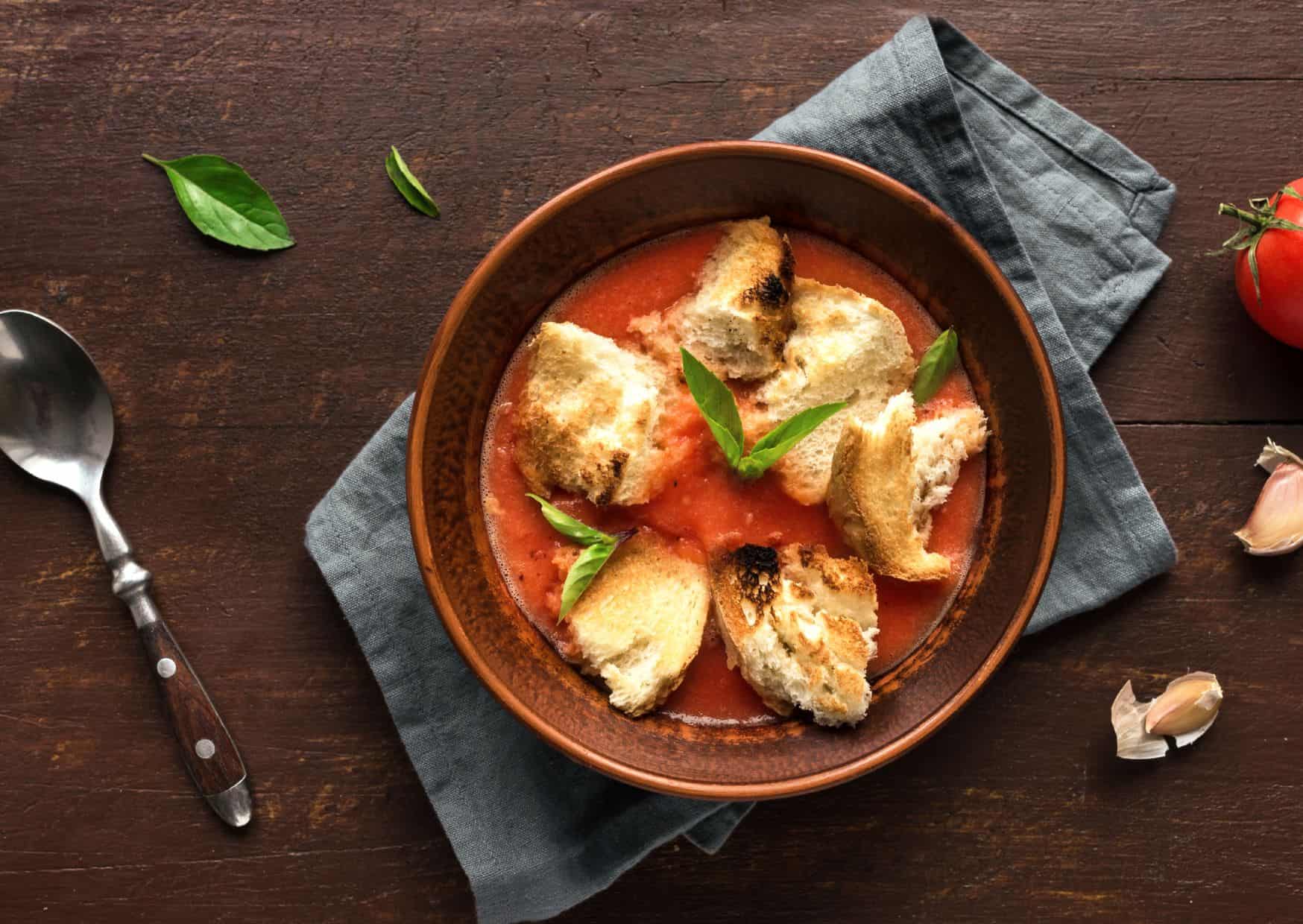
Ladle the Pappa al Pomodoro into bowls. Drizzle with extra virgin olive oil and garnish with additional fresh basil leaves. If desired, sprinkle with freshly grated Parmesan cheese.
Tips To Make Pappa al Pomodoro Tomato Soup
The key to a good Pappa al Pomodoro is using stale bread, which helps thicken the soup and gives it the right texture. If you don’t have stale bread, you can lightly toast fresh bread in the oven to dry it out before adding it to the soup.
When using fresh tomatoes, choose the ripest, most flavorful ones you can find. In-season tomatoes will give the best flavor.
The consistency of Pappa al Pomodoro should be thick and hearty, almost like a stew. If it’s too thick, you can add a bit more broth. If it’s too thin, let it simmer longer to reduce.
Pappa al Pomodoro is delicious served warm or at room temperature. It pairs well with a glass of red wine and a simple salad.
How Many Calories Have Pappa al Pomodoro Tomato Soup
Calories Per Serving: Approximately 250-300 calories per serving (based on 4 servings)
Breakdown:
Olive Oil: ~60 calories per tablespoon
Tomatoes: ~30 calories per serving
Bread: ~70-100 calories per serving
Broth: ~10-20 calories per serving
Parmesan Cheese (optional): ~20 calories per tablespoon
Origin and History
Pappa al pomodoro comes from Tuscany, a region known for turning scarcity into deeply satisfying food. The soup was born in rural kitchens where nothing was wasted, especially bread. Stale loaves were considered an ingredient, not a problem, and tomatoes provided the acidity and moisture needed to bring them back to life.
This dish belongs to the tradition of cucina povera, or “poor cooking,” which prioritized nourishment and flavor over refinement. Families relied on pantry staples—bread, olive oil, garlic, and tomatoes—to create meals that could feed many without cost or complexity.
Historically, pappa al pomodoro was prepared in summer, when tomatoes were at their peak and bread from earlier in the week had gone hard. The soup offered a way to stretch harvests and keep meals filling during hot months when heavy dishes felt oppressive.
Over time, what began as necessity became identity. Pappa al pomodoro is now celebrated as a symbol of Tuscan restraint, proving that simplicity and technique matter more than luxury ingredients.
One common misunderstanding is treating pappa al pomodoro like a standard tomato soup. In reality, bread is the foundation, not an afterthought. Without the right bread, the dish loses its defining texture and purpose.
Another point of debate is consistency. Some expect a smooth, blended soup, while traditional versions are thick, rustic, and spoonable rather than pourable. Refining it too much erases its character.
There’s also controversy around seasoning. Modern adaptations often add cream, stock, or herbs beyond basil. Traditionalists argue that these additions dilute the tomato’s natural sweetness and the olive oil’s richness.
What makes pappa al pomodoro divisive is its restraint. It asks diners to appreciate nuance rather than intensity, which can feel underwhelming to those accustomed to heavily seasoned soups.
How Long It Takes to Prepare
Pappa al pomodoro is not a fast soup, but it’s not labor-intensive either. Active preparation usually takes about 15 minutes, involving chopping garlic, tomatoes, and tearing bread.
The cooking process unfolds gently over 30 to 40 minutes. Tomatoes break down slowly, releasing their juices, while bread absorbs liquid and thickens the soup naturally.
Stirring is important but not constant. The goal is to let the bread dissolve without scorching, creating a cohesive texture rather than lumps.
From start to finish, the soup takes under an hour. The time invested allows flavors to meld without forcing complexity.
Serving Suggestions
Pappa al pomodoro is traditionally served warm or at room temperature, especially during summer. Serving it too hot masks its subtle sweetness.
A generous drizzle of high-quality olive oil is essential. This finishing touch adds richness and aroma, transforming the soup from simple to complete.
Basil is used sparingly, torn by hand rather than chopped. Its fragrance should support the tomatoes, not dominate them.
The soup is often served on its own, without sides. It’s meant to satisfy quietly, not compete with other dishes.
Final Thoughts
Pappa al pomodoro endures because it honors ingredients instead of hiding them. Each component remains recognizable, yet contributes to a unified whole.
Making it correctly requires letting go of modern expectations. It’s not creamy, smooth, or bold—it’s grounded, soft, and deeply comforting.
This soup teaches patience and restraint. The reward isn’t dramatic flavor, but a sense of balance that lingers after the bowl is empty.
In a world of excess, pappa al pomodoro reminds us that some of the most enduring dishes were built from leftovers, care, and an understanding of time.

About the Author: Ruben, co-founder of Gamintraveler.com since 2014, is a seasoned traveler from Spain who has explored over 100 countries since 2009. Known for his extensive travel adventures across South America, Europe, the US, Australia, New Zealand, Asia, and Africa, Ruben combines his passion for adventurous yet sustainable living with his love for cycling, highlighted by his remarkable 5-month bicycle journey from Spain to Norway. He currently resides in Spain, where he continues sharing his travel experiences with his partner, Rachel, and their son, Han.