
And what it reveals about autonomy, boundaries, and a cultural trust in childhood that’s built, not feared
In many parts of the United States, a child riding the metro alone, staying out past 10 p.m., or walking to school unaccompanied would raise serious concerns. Parents might be judged, schools might get involved, and in some cases, neighbors would consider it borderline neglect.
But in Spain, these behaviors are not only common — they are expected.
To the average Spanish parent, independence is not something you wait until 18 to grant. It is something you cultivate in childhood, in everyday life, and in full public view. The result? Kids who seem more mature, more comfortable in their own skin, and more capable of navigating public life — with fewer rules and more responsibility.
For many American parents, these habits might feel shocking, even dangerous. But for Spanish families, they are woven into the rhythm of daily life. And they reflect a deeper cultural confidence in children, in neighborhoods, and in shared responsibility.
Here are 9 things Spanish kids do that American parents would never allow — and why they’re central to how childhood unfolds across Spain.
Want More Deep Dives into Everyday European Culture?
– Why Europeans Walk Everywhere (And Americans Should Too)
– How Europeans Actually Afford Living in Cities Without Six-Figure Salaries
– 9 ‘Luxury’ Items in America That Europeans Consider Basic Necessities
1. Spanish Kids Walk to School Alone — Sometimes at Age 7
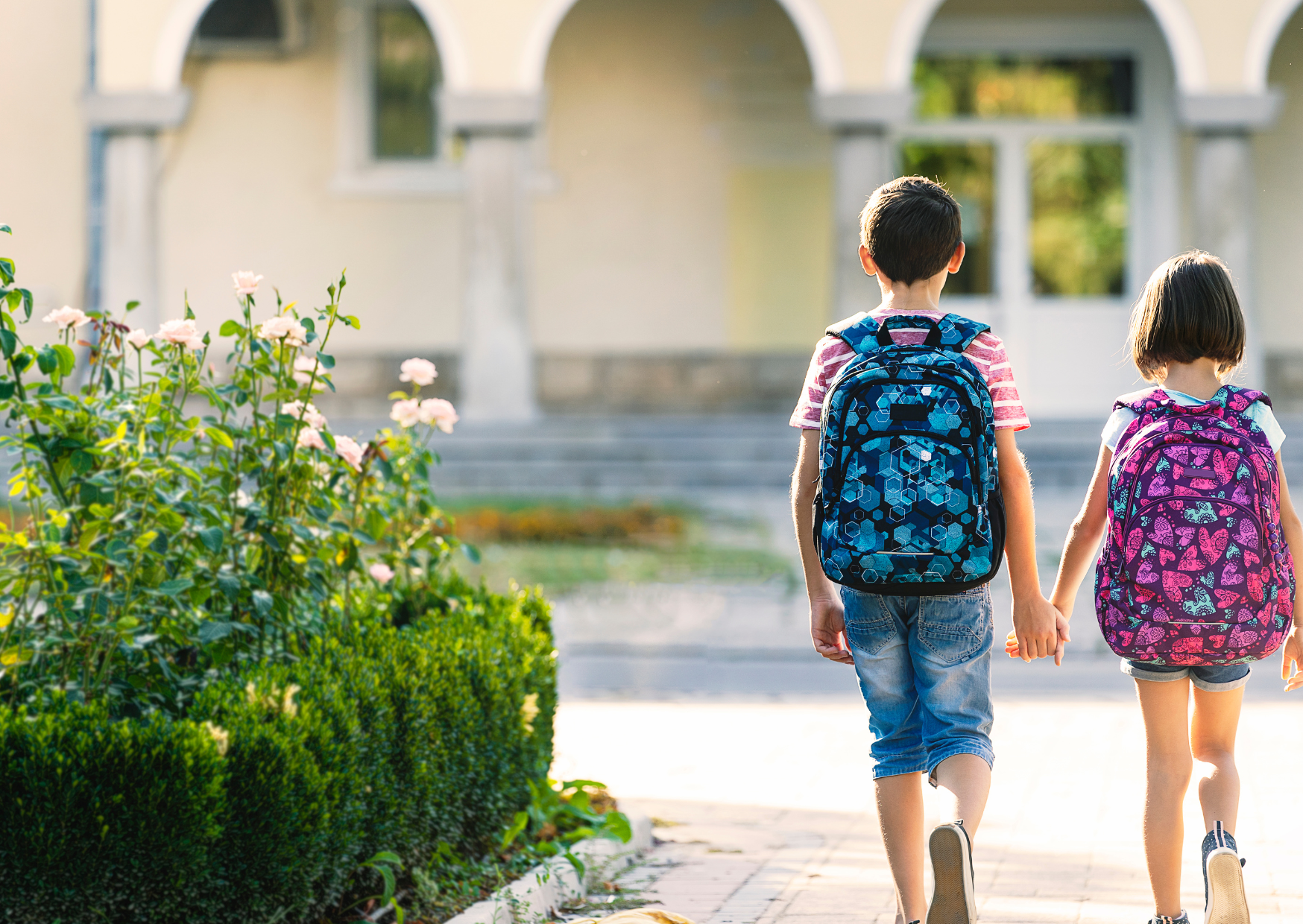
It is not unusual in Spanish cities and towns to see children — some no older than 7 or 8 — walking to school unaccompanied. They may walk in pairs, with a sibling, or with a friend. They carry their own backpacks. They follow their own route. And yes, they cross streets.
In the U.S., this would be seen as a major safety issue. But in Spain, children are taught how to navigate their neighborhoods from an early age. Traffic is slower, crossings are clearly marked, and city planning is often designed to accommodate pedestrian movement, not cars.
More importantly, the community itself is involved. Shopkeepers know the kids. Neighbors recognize faces. Parents trust the public to be part of their children’s safety net.
2. They Stay Out Late — Really Late
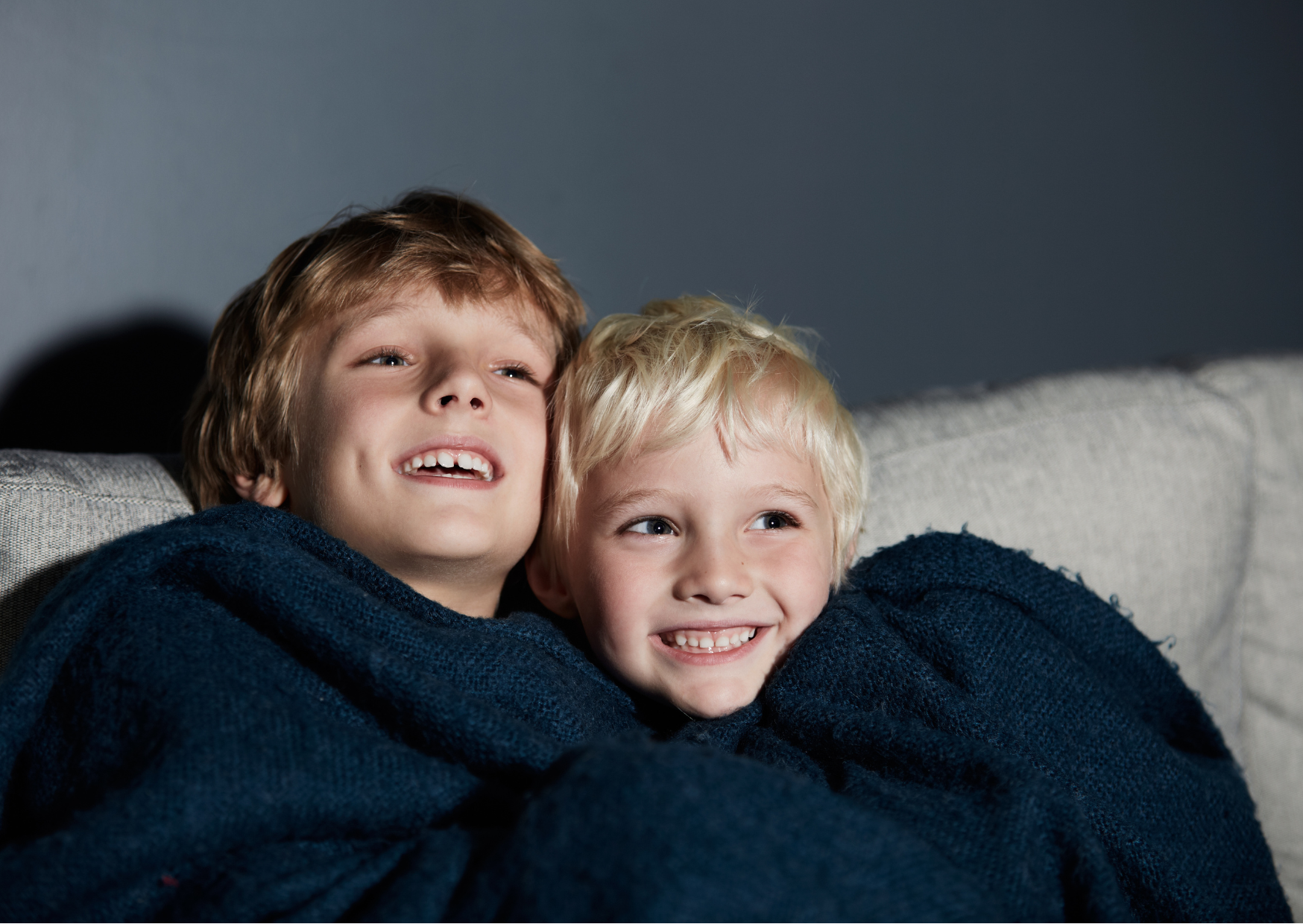
Spanish children do not go to bed at 7:30 p.m. In fact, many are just finishing dinner around that time.
Especially in summer, it’s completely normal to see children at playgrounds past 10 p.m., sitting at outdoor terraces with their families, or walking through the town square while the adults chat with friends.
This is not seen as poor parenting. It is considered normal. Childhood is not limited to homework and early bedtimes. It is part of the wider rhythm of life, and kids are included in that rhythm.
American families often see early bedtimes as essential to health and order. Spanish families see shared time — even if it runs late — as essential to emotional balance.
3. Spanish Kids Don’t Get Grounded — They Get Talked To
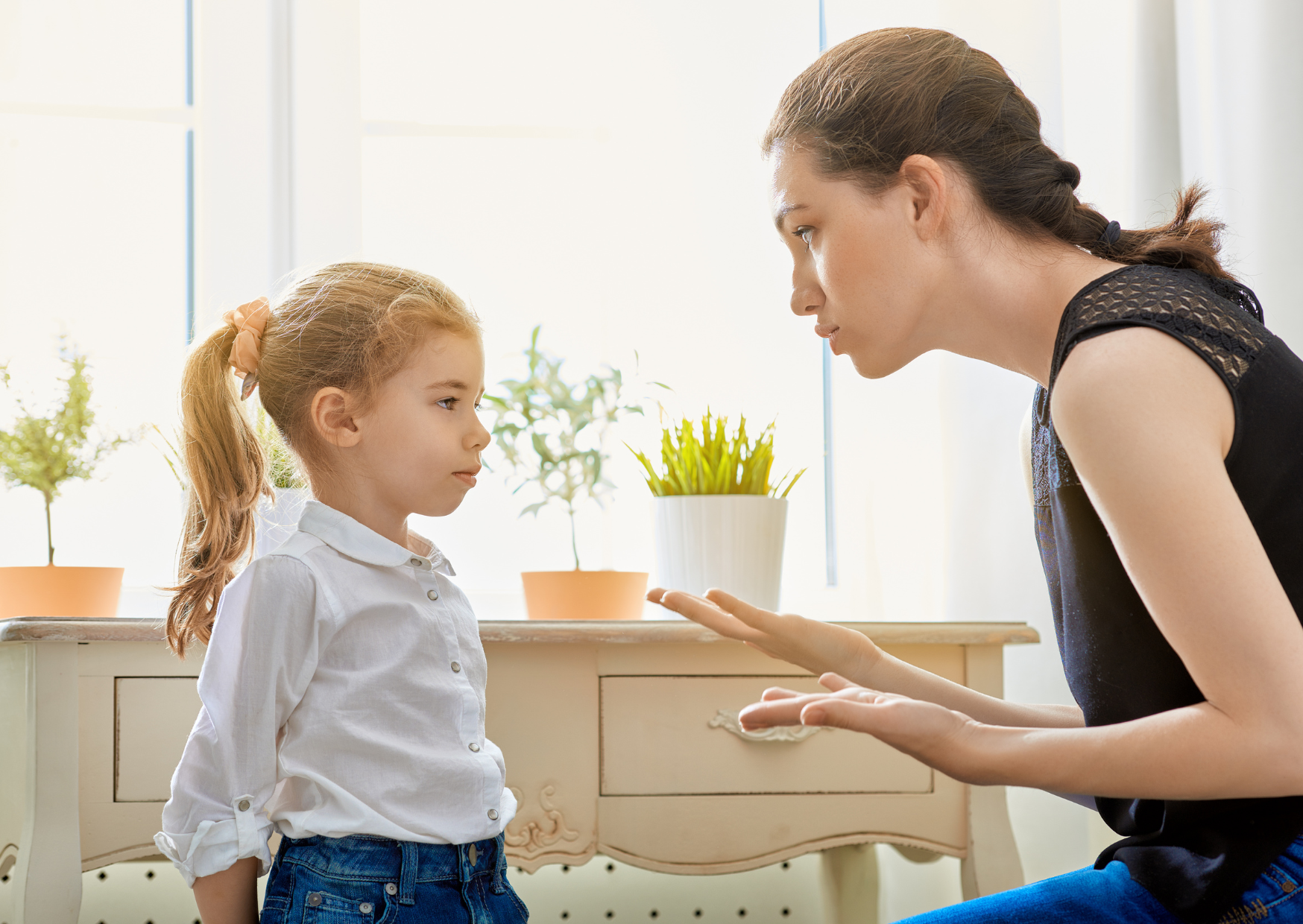
The concept of “grounding” a child, especially for weeks at a time, is virtually nonexistent in most Spanish homes. Punishment tends to be immediate, verbal, and very direct — not extended into the following week.
That does not mean Spanish kids get away with everything. But the disciplinary style is different. It favors social correction over restriction. A child who misbehaves is often scolded publicly, right there on the sidewalk or in the kitchen. But they are not typically banished to their room for a week without screens.
The goal is correction, not control. Communication, not withdrawal.
4. They Handle Cash — And Buy Things Alone
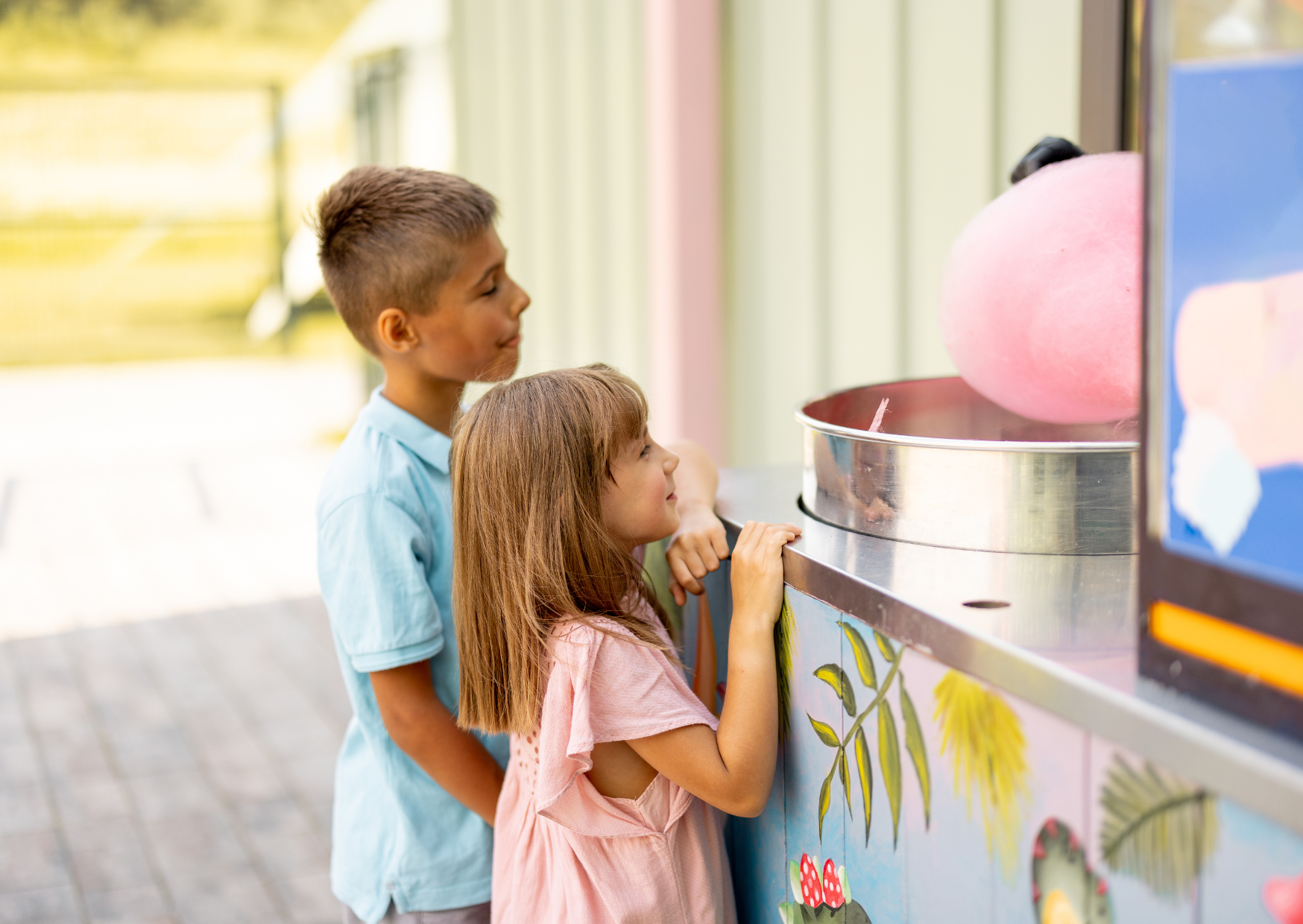
Even very young Spanish children are often given a few euros to buy a loaf of bread, a snack, or a small school supply. They know how to handle change, speak to adults at a shop counter, and follow basic commercial etiquette.
In many U.S. settings, sending a child alone into a shop to handle money would raise alarms. But in Spain, it is considered a normal part of growing up — and an early way to teach financial responsibility and independence.
Many corner stores and bakeries know the local kids by name. The entire interaction is social, not transactional.
5. They Climb, Run, and Get Dirty Without Apology
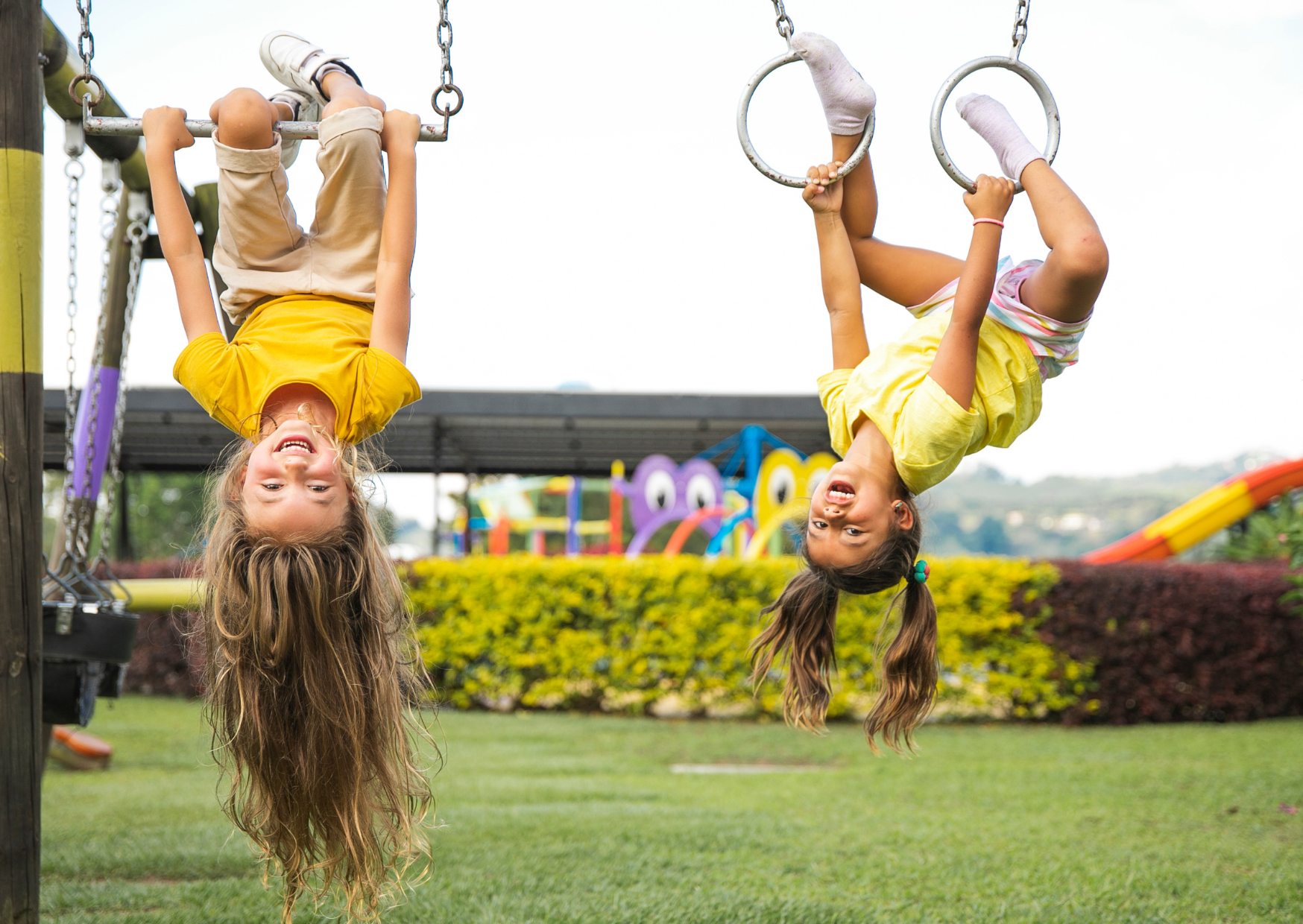
Go to any Spanish plaza after school and you’ll find children running across cobblestones, climbing lampposts, racing on scooters, and playing fútbol barefoot. They fall. They get scratched. Sometimes, they cry.
No one rushes in to overcorrect.
Spanish parents are generally less anxious about minor injuries. They believe in physical freedom, exploration, and the idea that risk is a part of learning. There is little helicopter parenting — and even less guilt when a child comes home muddy.
6. They Talk to Adults — Without Being Told To
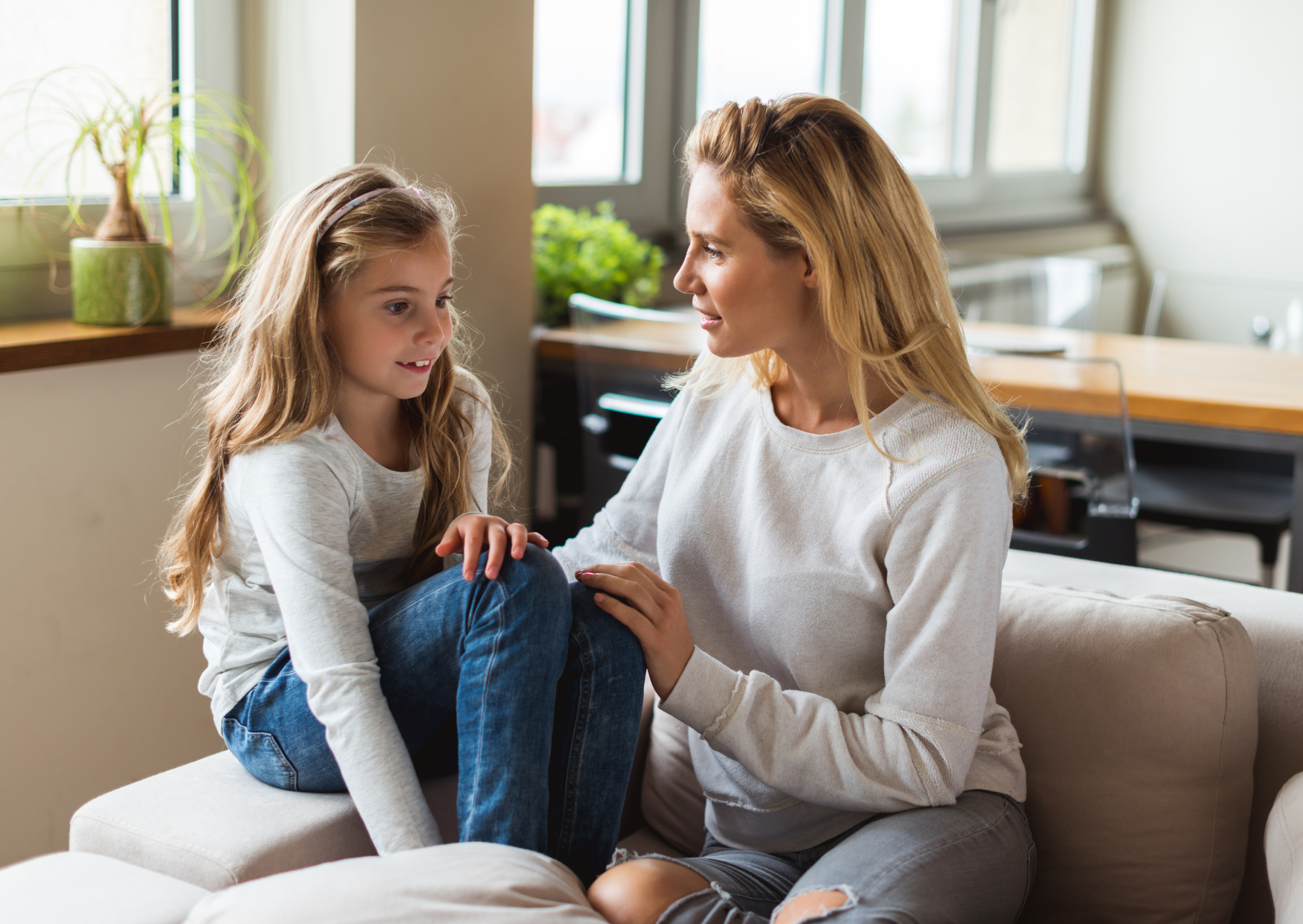
Spanish children are not shy about speaking to adults. Whether it’s a family friend, a shopkeeper, or someone at the next table, they often participate in adult conversations naturally.
They are not told to “say hello” or “be polite.” They are included in conversation from the start — and they expect to be taken seriously.
This habit comes from a cultural norm: kids are not hidden away until they are old enough to contribute. They are treated as full participants in family life, including social interactions.
7. They Ride Public Transport Alone in Their Early Teens
By the time a Spanish child reaches 12 or 13, riding the metro, tram, or city bus alone is commonplace. They often carry a phone, a transit card, and the confidence to ask for help if needed.
In American cities, this is less common — often due to safety concerns or sprawling public systems that don’t accommodate young riders well. But in Spain, where public transport is deeply integrated into daily life, kids are expected to learn how to use it.
Parents don’t see this as exposing a child to risk. They see it as teaching them to navigate the real world.
8. They Don’t Always Have Adult Supervision — And That’s Okay
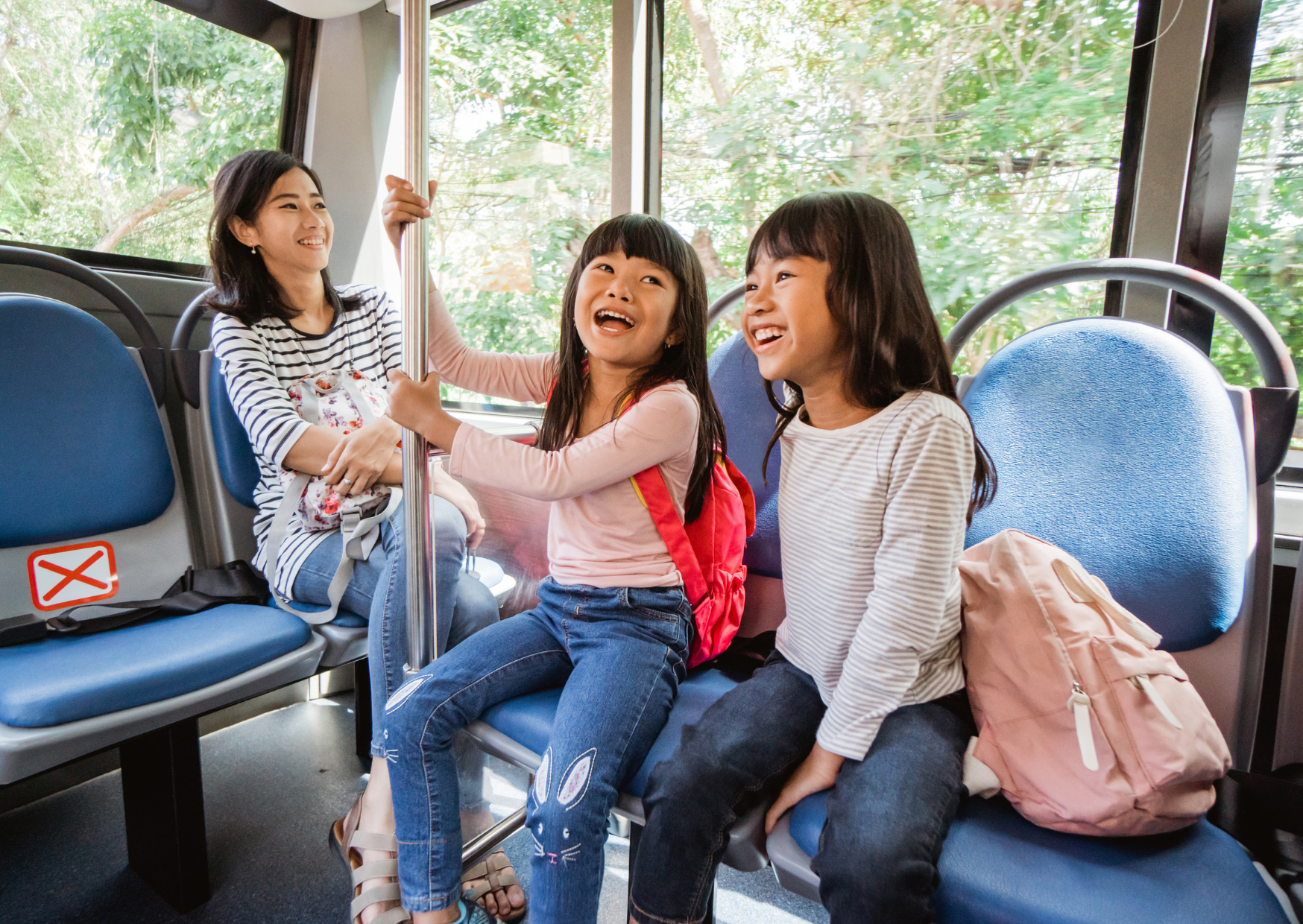
In Spain, the concept of “supervised play” is less rigid than in the U.S. Children gather in plazas, playgrounds, and side streets after school — often without an adult constantly watching.
The key difference is not law, but trust. Spanish neighborhoods are built around public life. There are always eyes — just not necessarily parental ones.
This freedom fosters group dynamics, self-regulation, and shared responsibility among the kids themselves.
9. They’re Given Autonomy Sooner — And Parents Worry Less
The Spanish approach to parenting is often less anxious, less obsessed with optimization, and more rooted in social integration. Children are not constantly measured, tested, or compared.
This does not mean parents are indifferent. They care deeply. But they also understand that independence is something to be taught early, not delayed until adulthood.
American parenting tends to be high-stakes. Spanish parenting, by contrast, is often high-trust.
A Childhood Shaped by Confidence, Not Control
To the American observer, these habits can feel jarring. Where are the chaperones? The curfews? The structured schedules?
But the Spanish model of childhood does something quietly radical: it assumes children are capable of more than we give them credit for. It integrates them into adult life without forcing them to grow up too fast. And it trusts that the best way to raise responsible adults is by giving them small responsibilities early — with public support, not private fear.
In the U.S., freedom is often granted as a reward for obedience. In Spain, it is extended as a tool for growth.
The difference shows. In confidence. In social ease. In the way Spanish kids speak, move, and carry themselves. Not because they are naturally different — but because they were raised in a world that expected more from them, and gave them the space to meet that expectation.

About the Author: Ruben, co-founder of Gamintraveler.com since 2014, is a seasoned traveler from Spain who has explored over 100 countries since 2009. Known for his extensive travel adventures across South America, Europe, the US, Australia, New Zealand, Asia, and Africa, Ruben combines his passion for adventurous yet sustainable living with his love for cycling, highlighted by his remarkable 5-month bicycle journey from Spain to Norway. He currently resides in Spain, where he continues sharing his travel experiences with his partner, Rachel, and their son, Han.