
And what it reveals about trust, tradition, and the line between caution and common sense in Italy
Wander through an Italian construction site, a countryside mechanic’s shop, or even a busy family-run restaurant, and you may witness something that would stop an American cold. A rickety aluminum ladder balanced unevenly between two cracked steps. A wooden sawhorse that looks like it came from the 1950s. Workers in sneakers on rooftops. Power tools without guards. Open flames near paper menus. Extension cords trailing across a crowded sidewalk.
To the average American, this all looks like a lawsuit waiting to happen. The kind of thing that would trigger an emergency call to OSHA or at least a raised eyebrow from a passing city inspector.
But in Italy, no one seems alarmed. The workers carry on. The equipment is patched, maintained, and used confidently. The risk, if you ask them, is under control. And the system — or what looks like the lack of one — keeps moving.
This isn’t negligence. It’s a completely different way of thinking about safety, responsibility, and the human capacity to navigate real-world risk. Italian workplaces, particularly outside of highly regulated sectors, operate on a mix of local knowledge, learned experience, and inherited trust — not on strict enforcement or documentation.
Here’s why Italian workers regularly use tools, vehicles, and practices that would terrify American inspectors — and what it says about deeper cultural differences between regulation and reason.
Want More Deep Dives into Everyday European Culture?
– Why Europeans Walk Everywhere (And Americans Should Too)
– How Europeans Actually Afford Living in Cities Without Six-Figure Salaries
– 9 ‘Luxury’ Items in America That Europeans Consider Basic Necessities
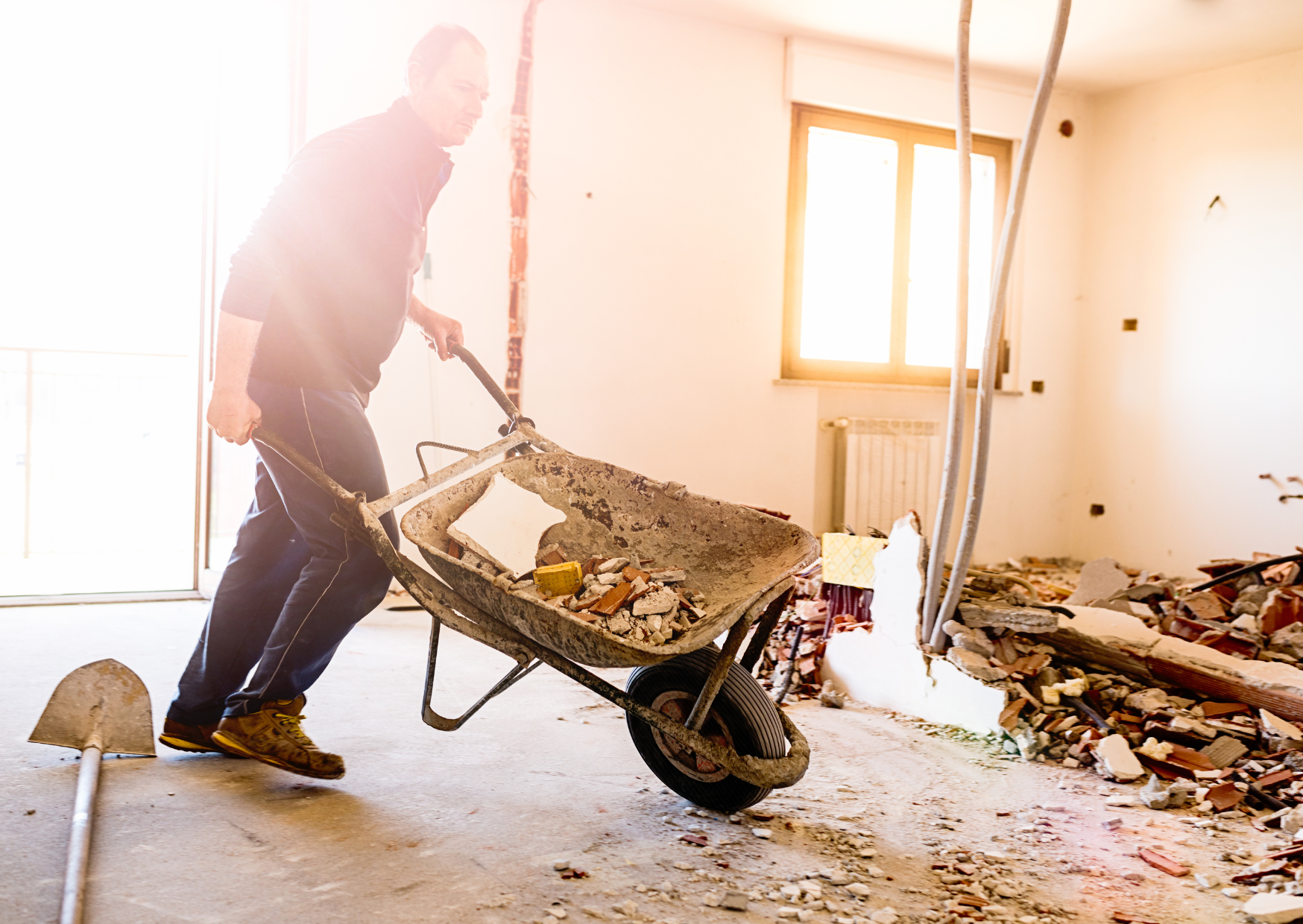
1. Safety Is a Responsibility, Not a System
In the U.S., workplace safety is typically enforced from the top down. You wear the gear, follow the protocol, sign the waiver, and assume that anything outside of regulation is automatically dangerous.
In Italy, especially in smaller companies and trades, safety is more personal. It’s learned through mentorship, habits, and real-time correction — not handbooks.
There’s an understanding that systems can’t protect everyone from everything. So individuals are expected to know their tools, read the space, and use judgment.
What looks chaotic to an American is, in many cases, deeply familiar to the people using it.
2. Equipment Is Repaired, Not Replaced
In American job sites, broken equipment is usually discarded. Tools are swapped out frequently. Ladders, saws, electrical cords — if they show signs of wear, they’re flagged or replaced.
In Italy, especially in smaller operations, the instinct is different: repair it.
Welding tools are patched. Generators are kept alive with spare parts. Ladders are reinforced with duct tape or metal braces. Safety rails are added later. Motorbikes used for deliveries may have outdated brakes but fresh tires and new lights.
It’s not about being careless. It’s about being resourceful. Equipment is expensive. If it still works — or can be made to — it stays.
3. Paperwork Exists — But Trust Moves Faster
In many American companies, safety compliance involves layers of paperwork: forms, liability releases, documentation, and third-party audits. These ensure legal protection — and often slow down the work.
In Italy, official documentation is required by law, but in many settings, it’s the human connection that ensures safety, not the form.
A restaurant owner might trust a cook to use a knife correctly because they’ve worked together for ten years. A foreman might show a new worker how to use scaffolding based on technique, not training records.
To Americans, this might seem risky. To Italians, it feels more honest.
4. Uniforms Are for Function — Not Compliance
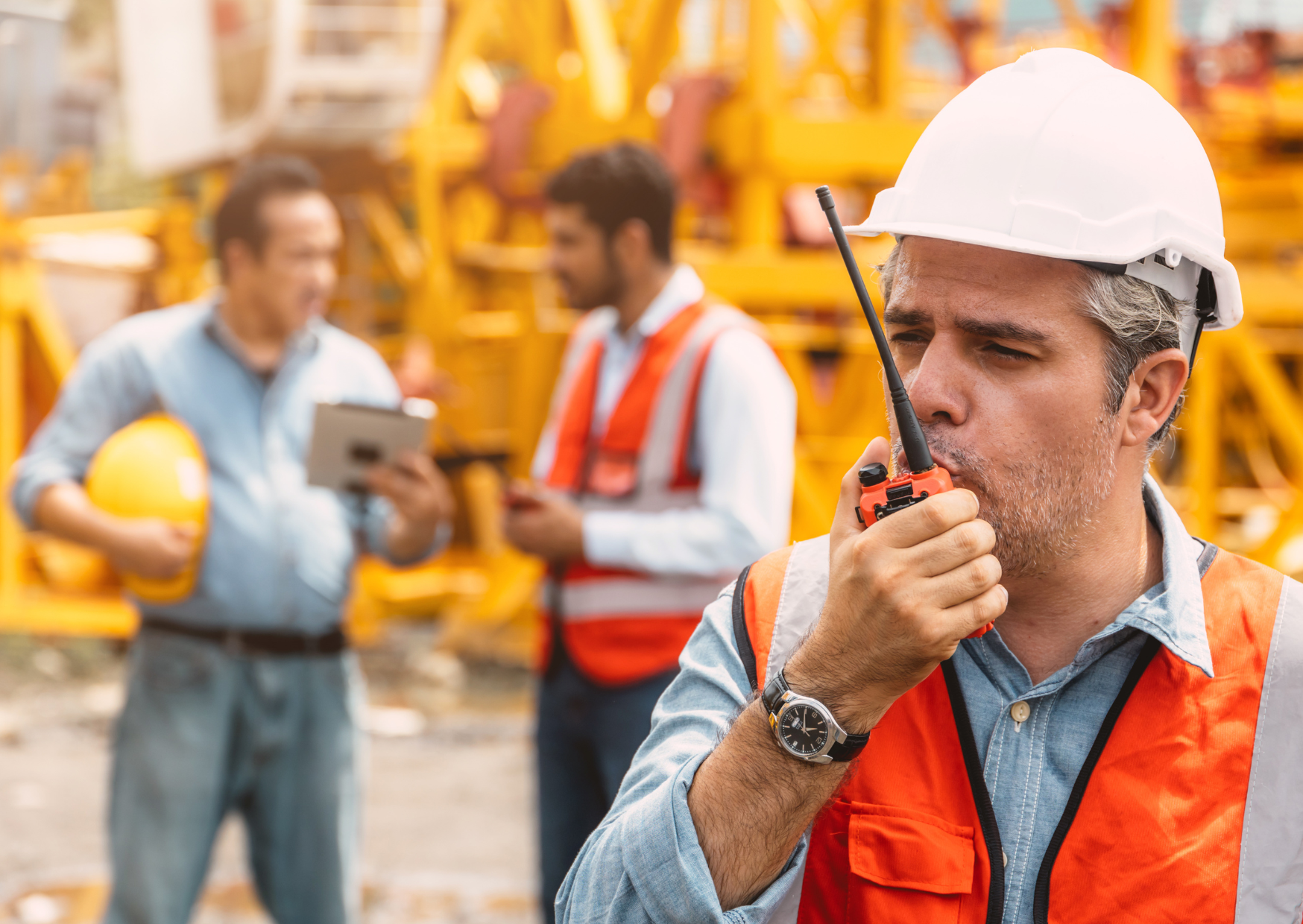
On an American job site, workers wear high-vis vests, steel-toed boots, helmets, and sometimes full-body suits, whether or not the risk level calls for it.
In Italy, uniforms are worn — but selectively.
A carpenter might wear sneakers instead of boots. A delivery rider may have no helmet if they’re just going around the block. In small-town garages, shorts are common, even around welding torches.
The logic isn’t that safety doesn’t matter. It’s that comfort and efficiency matter too — and many believe they can stay safe without full gear.
For Americans, this looks like an HR violation. For Italians, it’s simply tailoring the rules to the real conditions.
5. Ladders and Scaffolding Would Never Pass U.S. Code
Walk past a renovation site in Italy and you may see ladders tied together, scaffolding without full guardrails, or platforms supported by cinder blocks and wood planks.
You’ll also see workers scaling rooftops, balancing on balconies, or using ropes tied to railings as makeshift safety harnesses.
This might cause panic in an American city. But in Italy, particularly in rural areas or family-run sites, practicality outweighs protocol.
There’s still an awareness of danger — but it’s mitigated through experience, not standardized protections.
6. Tools Are Shared, Modified, and Improvised
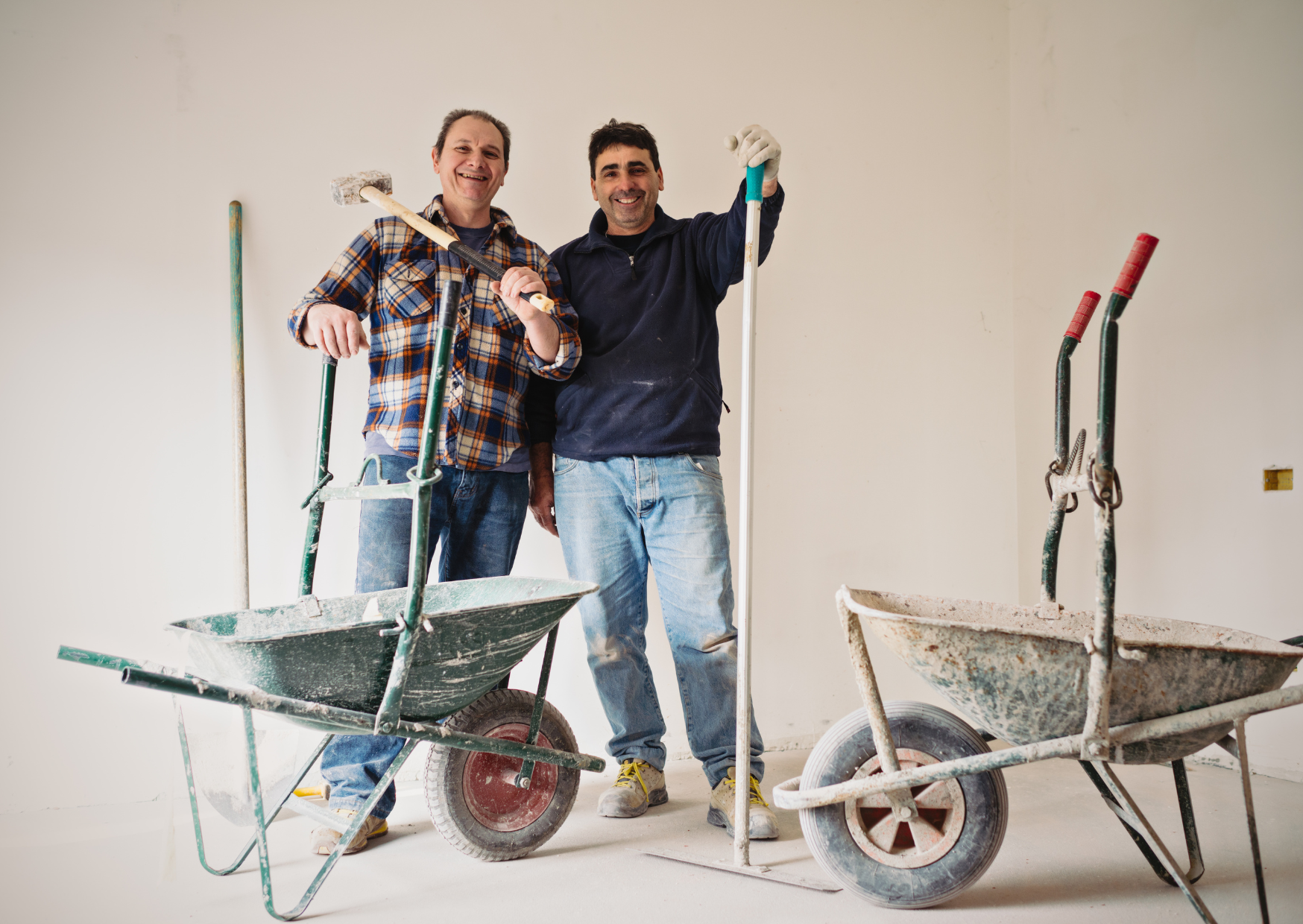
American construction culture emphasizes specialized tools for specific jobs, and workers often use gear as specified by the manual.
In Italy, workers are improvisers.
They modify grinders. Attach cords in creative ways. Rebuild engines from mismatched parts. Use one saw for five different materials. The mentality is: If you know how to use it, you can make it work.
This flexibility allows for fast problem-solving — but it also challenges American ideas of regulation and brand-specific training.
Italians rely on know-how, not labels.
7. Work Happens on the Street — With Pedestrians Walking Through It
In the U.S., construction zones are often blocked off with barriers, cones, signage, and security. Pedestrians are rerouted. Vehicles are redirected.
In Italy, it’s not unusual to see work happening in the middle of a sidewalk — and people walking right through it.
A cafe might refinish its terrace while guests still sip espresso next to a sanding machine. A delivery truck might unload in the middle of traffic. A crew may jackhammer a street corner while tourists step around the dust.
There’s no outrage. Just awareness. Everyone coexists. Life continues.
8. Training Comes from Observation — Not Certification
American workers often need certifications before operating heavy machinery, using power tools, or handling chemicals.
In Italy, especially in smaller trades, training happens through watching, doing, and being corrected on the job.
A teenager may learn to cut stone in their uncle’s workshop. A waiter might learn to use the espresso machine after two demos. A gardener might learn to trim hedges with industrial shears on their first day.
To American standards, this is risky. But in Italy, it’s the norm. Knowledge is handed down, not handed out.
9. Everyone Knows Someone Who Got Hurt — But They Keep Going
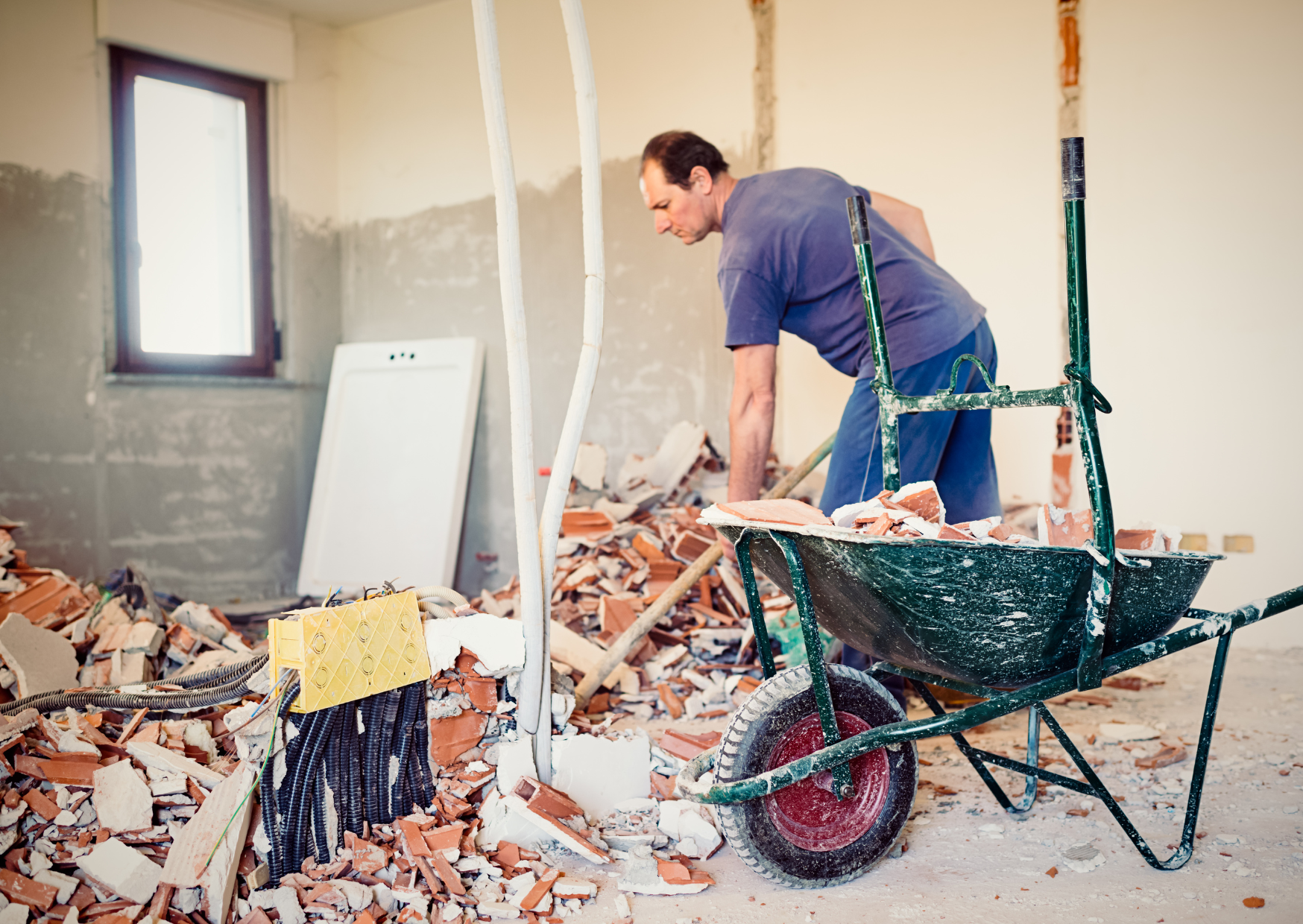
There’s no illusion in Italy that these practices are without consequence. People do get injured. Fingers are lost. Falls happen. But these stories are not buried or dramatized. They’re passed around, like weather reports or traffic tips.
They reinforce the idea that the worker, not the equipment, is ultimately responsible.
It’s a culture that accepts risk not out of ignorance, but from a long-standing belief that life — and work — is never completely safe. And you can’t regulate everything away.
You trust your instincts. You learn from mistakes. You move forward.
One Job, Two Philosophies
American safety culture is built on control, compliance, and prevention. Italian work culture, especially in trades and family-run businesses, is built on adaptation, experience, and trust.
To Americans, a poorly secured ladder is a lawsuit waiting to happen.
To Italians, it’s a tool — one you respect, adjust, and use carefully.
To Americans, a lack of gear is negligence.
To Italians, it’s freedom of movement.
Neither system is perfect. But both reflect something deeper:
Americans believe safety is created by rules.
Italians believe safety is created by people.
And that quiet distinction explains why, even in 2025, you’ll still see a man in a tank top and sneakers welding the gate to a family vineyard — with no goggles, no gloves, and no doubt in his ability to get the job done.

About the Author: Ruben, co-founder of Gamintraveler.com since 2014, is a seasoned traveler from Spain who has explored over 100 countries since 2009. Known for his extensive travel adventures across South America, Europe, the US, Australia, New Zealand, Asia, and Africa, Ruben combines his passion for adventurous yet sustainable living with his love for cycling, highlighted by his remarkable 5-month bicycle journey from Spain to Norway. He currently resides in Spain, where he continues sharing his travel experiences with his partner, Rachel, and their son, Han.