
There are many cultural habits that divide Europe and the United States: eating dinner at 10 p.m., taking a month-long vacation in August, or treating wine as a daily table drink instead of a special occasion indulgence. But perhaps no daily habit sparks as much confusion—and fascination—among travelers as the bidet.
In Italy, the bidet isn’t just common—it’s expected. It’s a bathroom staple, installed in nearly every home, hotel, and even many public restrooms. Italians grow up with it, rely on it, and swear by its hygienic benefits. Ask any Italian about the bidet, and you’ll likely be met with a mix of shock and pity that you don’t use one.
Meanwhile, across the Atlantic, Americans remain largely unconverted. Despite rising interest, bidets still haven’t gone mainstream in the U.S. In fact, many American homes don’t even have the plumbing infrastructure to support them, and countless people still regard them as either unnecessary, unfamiliar, or downright strange.
Read Here European Things that terrify Americans and American Habits that make Europeans Cringe
Read here how to pack for Europe and Best eSIM for Europe
BOOK YOUR TRAVEL INSURANCE
Two of our favorite travel insurance: Heymondo Vs Safetwing cheapest travel Insurance. You can get for $135 USD your Heymondo Travel Insurance with Heymondo discount code valid for 90 days. Read our full comparison of Genki vs Safetywing Travel Insurance Review and the comparison Heymondo vs Genki
So, why is this bathroom essential embraced so fully in Italy—and why do Americans continue to resist it?
Let’s dive into the history, the cultural context, and the deep-seated attitudes behind Italy’s bidet obsession—and America’s persistent reluctance.
1. The History of the Bidet: A European Invention
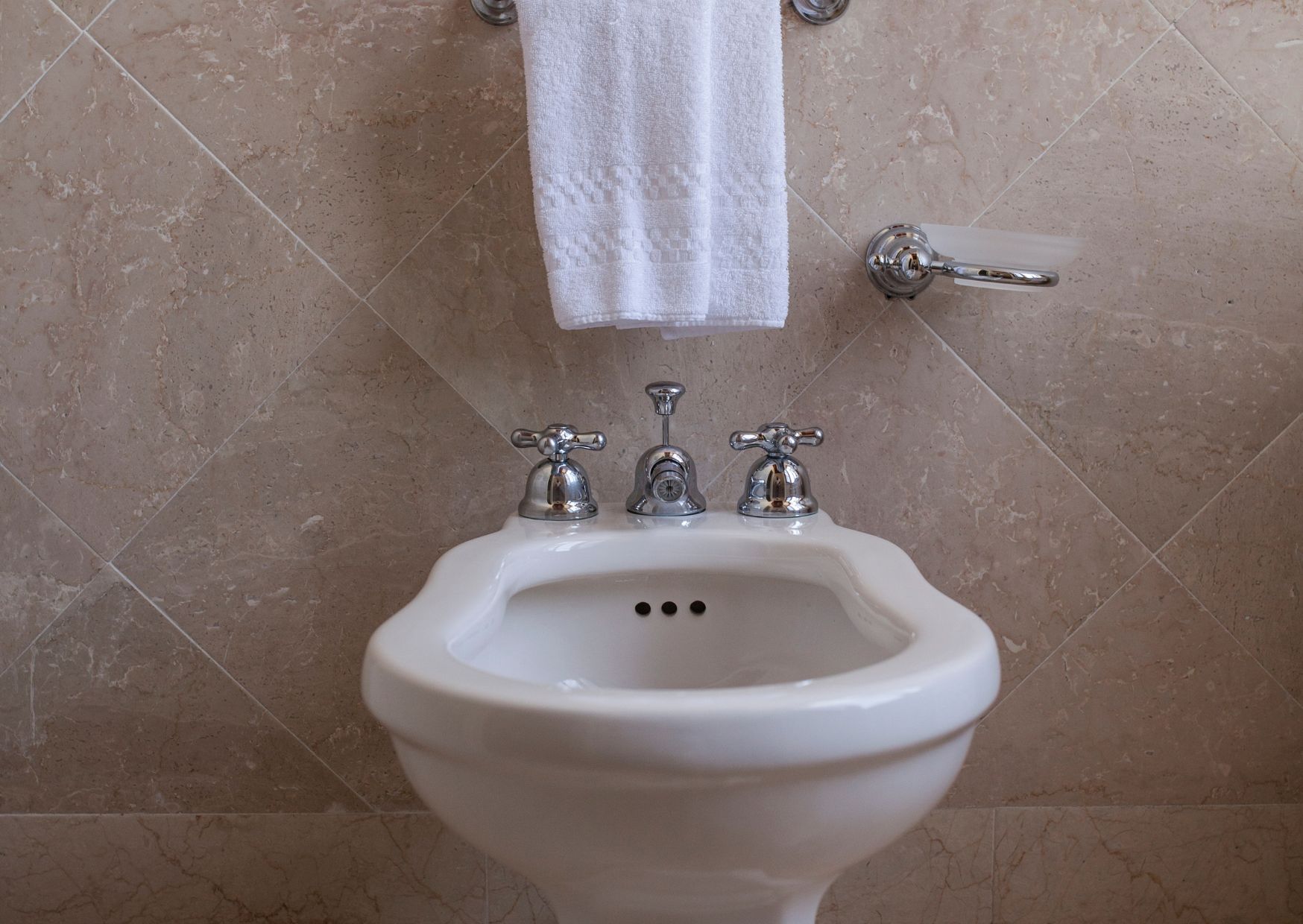
The bidet’s origins date back to 18th-century France, where it was used by the aristocracy for personal hygiene. The word bidet comes from the French word for “pony,” likely because of the straddling position it required. It was originally a standalone basin designed to be sat on for cleaning the genitals and buttocks.
By the early 20th century, the bidet had made its way to Italy, where it quickly became standard in residential bathrooms. Over time, the design evolved from a small basin to more modern bidet seats, sprayers, and now even electronic bidet toilets with built-in features like heated water, dryers, and deodorizers.
In Italy today, having a bidet in your home isn’t considered a luxury—it’s considered basic hygiene. So basic, in fact, that Italian building codes require new homes to include a bidet.
Meanwhile, in the U.S., the bidet never quite caught on. It was seen as foreign, unfamiliar, or unnecessarily fancy. During WWII, American soldiers in Europe encountered bidets in brothels, leading to unfortunate associations that may have tainted its reputation for decades.
2. Italians and Hygiene: Why the Bidet Matters
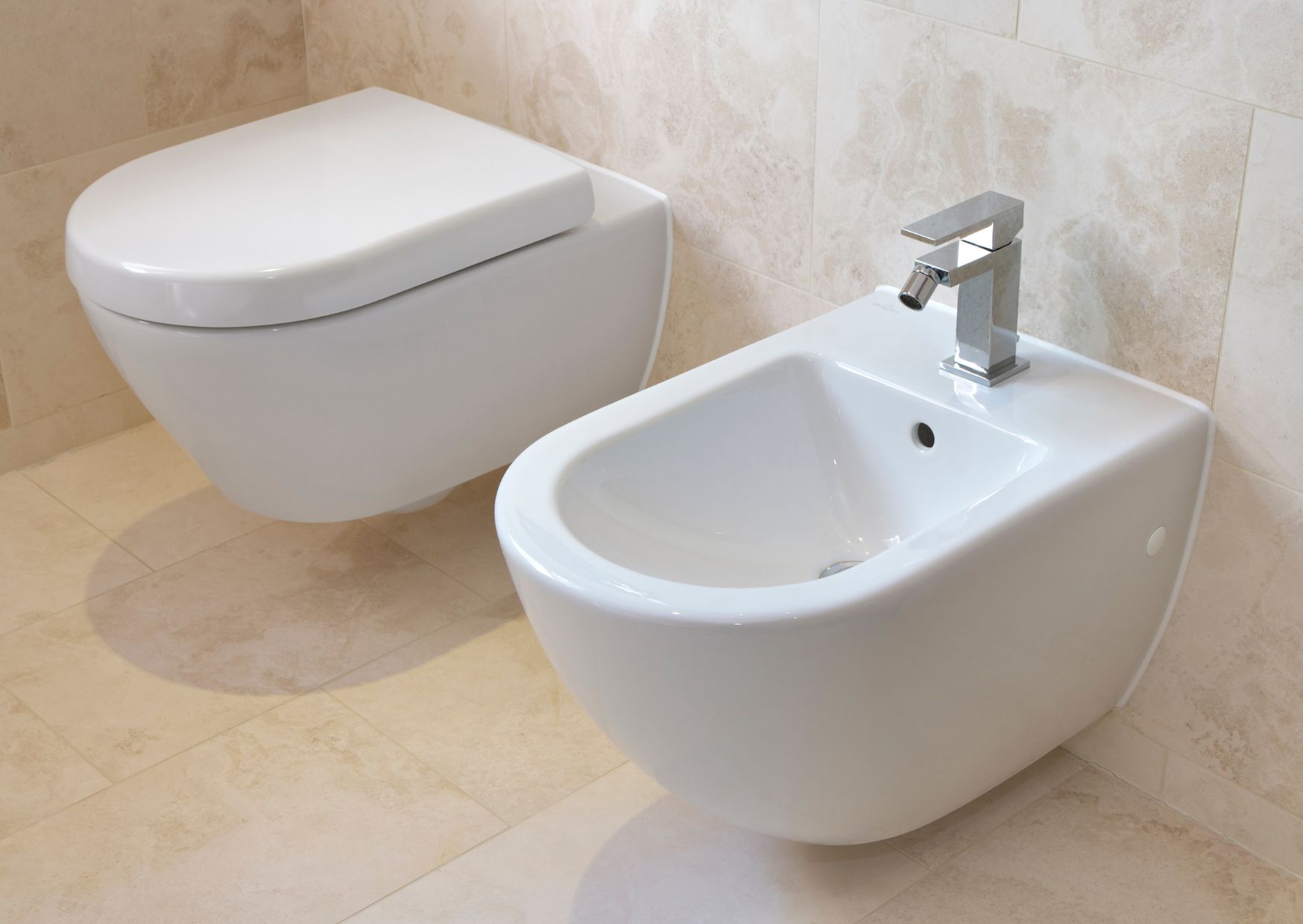
Ask an Italian why they use a bidet, and the answer is simple: It’s cleaner.
To Italians, washing with water after using the toilet is a basic, non-negotiable act of cleanliness. Using only toilet paper is often seen as inadequate—or even unsanitary. Just as you wouldn’t clean a dirty dish with a dry paper towel and call it clean, Italians argue that you shouldn’t rely solely on paper to clean your body.
The bidet is used for multiple daily routines, not just post-toilet hygiene. People use it to freshen up in the morning, after exercise, during menstruation, or before bed. It’s a fast, easy, and eco-friendly way to stay fresh without taking a full shower.
The result? A population that sees personal hygiene not just as cleanliness, but as self-respect and care for others. Italians are famously well-groomed and fastidious—not out of vanity, but because it’s ingrained in the culture. The bidet is part of that philosophy.
3. Americans and the Taboo of Bathroom Talk
One of the biggest reasons bidets never took off in the U.S. may be rooted in cultural discomfort. Americans are generally more private—and more prudish—about bathroom topics.
Talking about bowel movements, hygiene, or anything “below the belt” is often avoided in polite conversation. Even discussing toilet preferences can feel taboo. This discomfort can create a resistance to trying something that’s overtly focused on cleaning the most intimate parts of the body.
Then there’s the intimidation factor. For those unfamiliar with bidets, the idea of spraying water onto your nether regions may seem messy or confusing. People wonder: Will I flood the bathroom? Is it cold? Do I towel off afterward? Without exposure or education, the bidet remains an unknown—and therefore unnecessary—tool.
Add to that the common American perception that toilet paper is good enough, and there’s little incentive to switch.
4. The Pandemic Wake-Up Call: A New Curiosity
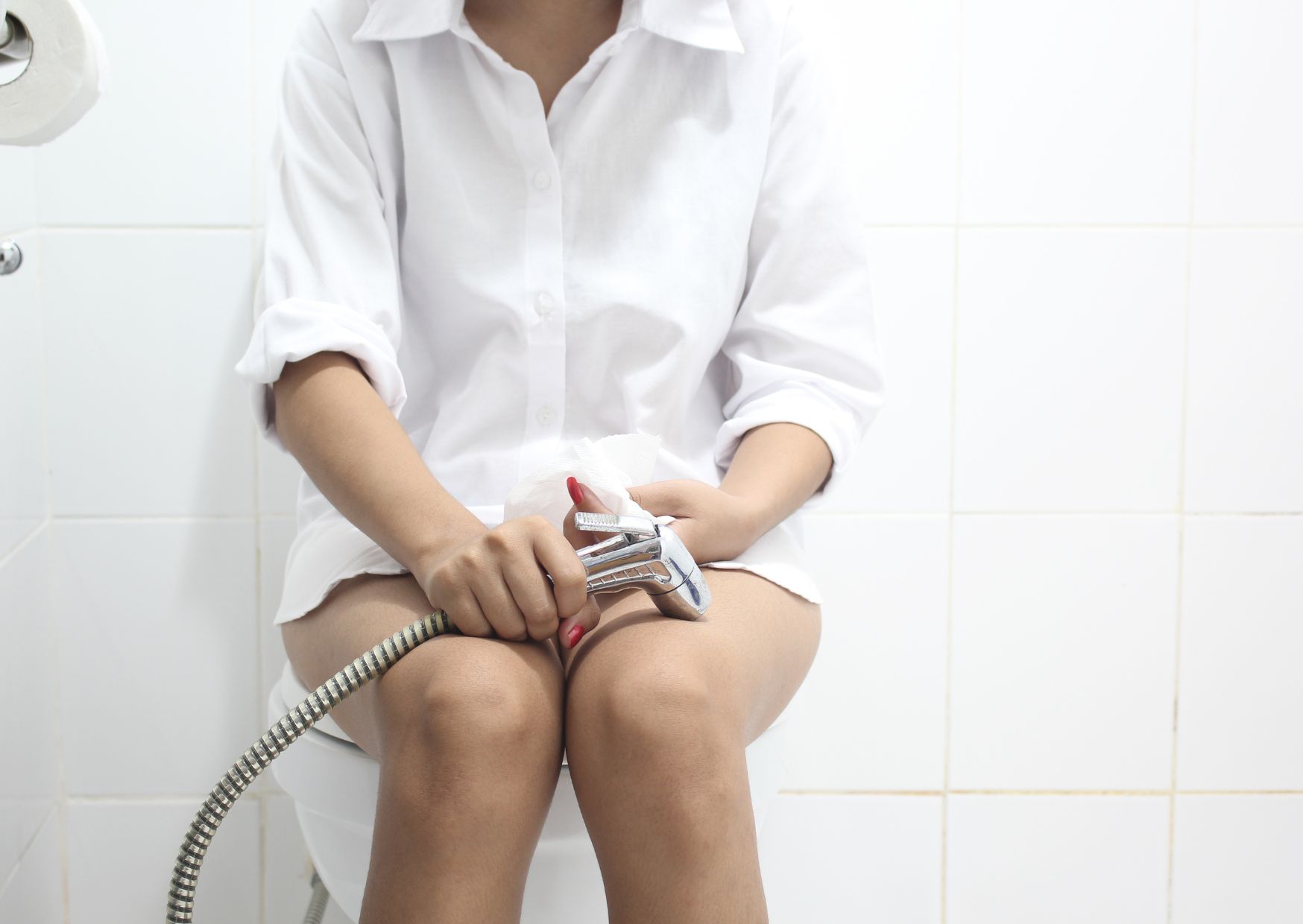
Interestingly, the toilet paper shortages of 2020 sparked a wave of curiosity about bidets in the U.S. When store shelves were wiped clean (pun intended), many Americans started researching alternatives—and discovered the world of bidet attachments and washlets.
Sales of bidet seats skyrocketed during the early months of the pandemic. For the first time, mainstream American retailers began stocking bidet products, and influencers shared glowing reviews on social media. Some who tried them became instant converts, realizing that water-based cleaning felt more thorough and refreshing.
Still, the adoption has been slow. While interest is growing, especially among younger generations and eco-conscious consumers, bidets remain far from standard in American homes.
5. Plumbing and Architecture: A Practical Divide
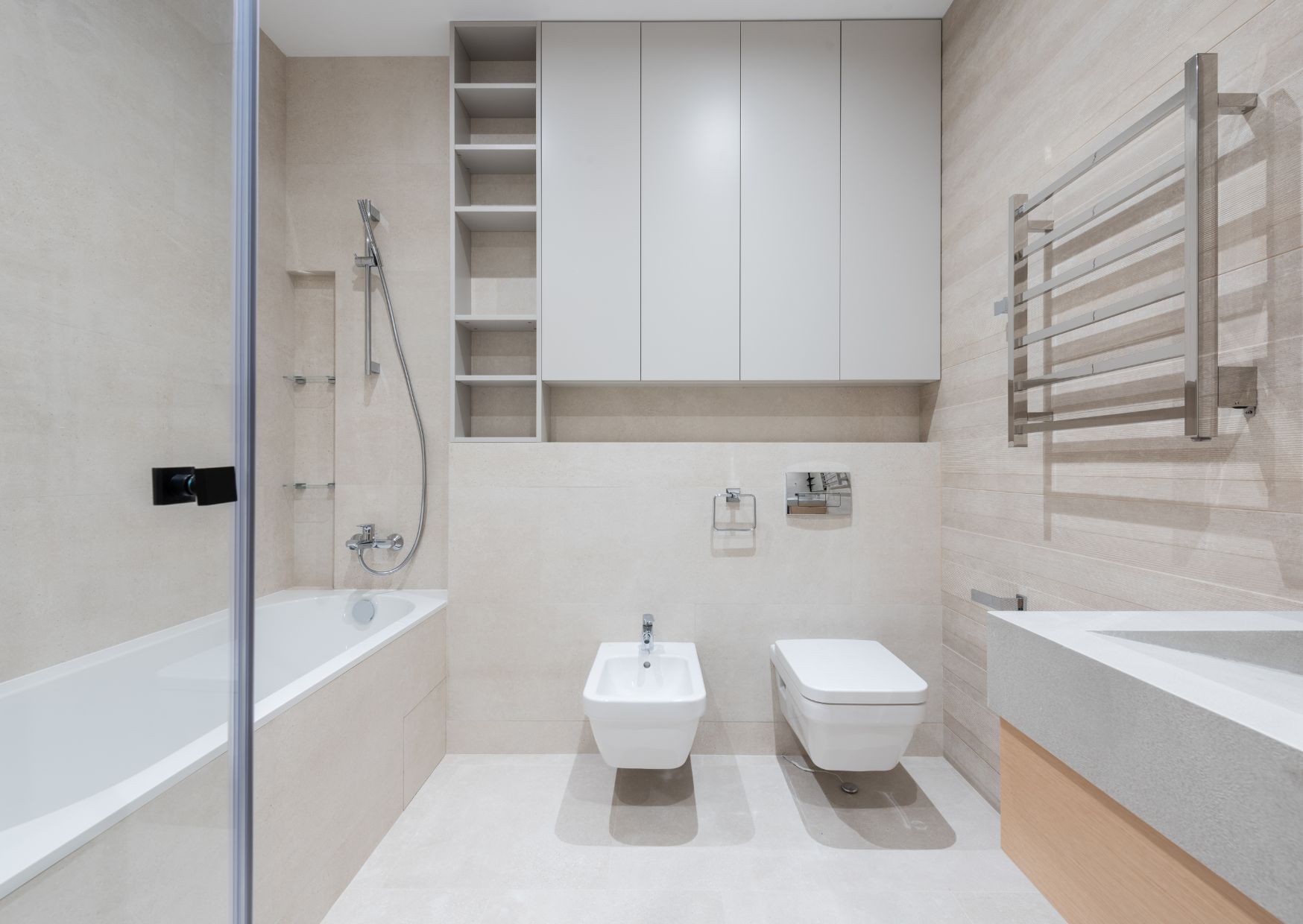
Another major factor behind the bidet divide is infrastructure. In Europe, and especially in Italy, bathrooms are often designed with a separate fixture for the bidet, or more recently, a combined toilet-bidet seat.
In the U.S., however, most homes don’t have the plumbing or space for an additional fixture. Retrofitting a bathroom to include a traditional bidet can be expensive and complicated, which limits its appeal.
That said, the rise of bidet attachments and integrated toilet seats is starting to bridge that gap. These products are easy to install and don’t require additional plumbing, making them more accessible to curious Americans. Yet, the cultural leap remains a challenge.
6. Environmental Impact: Bidets vs. Toilet Paper
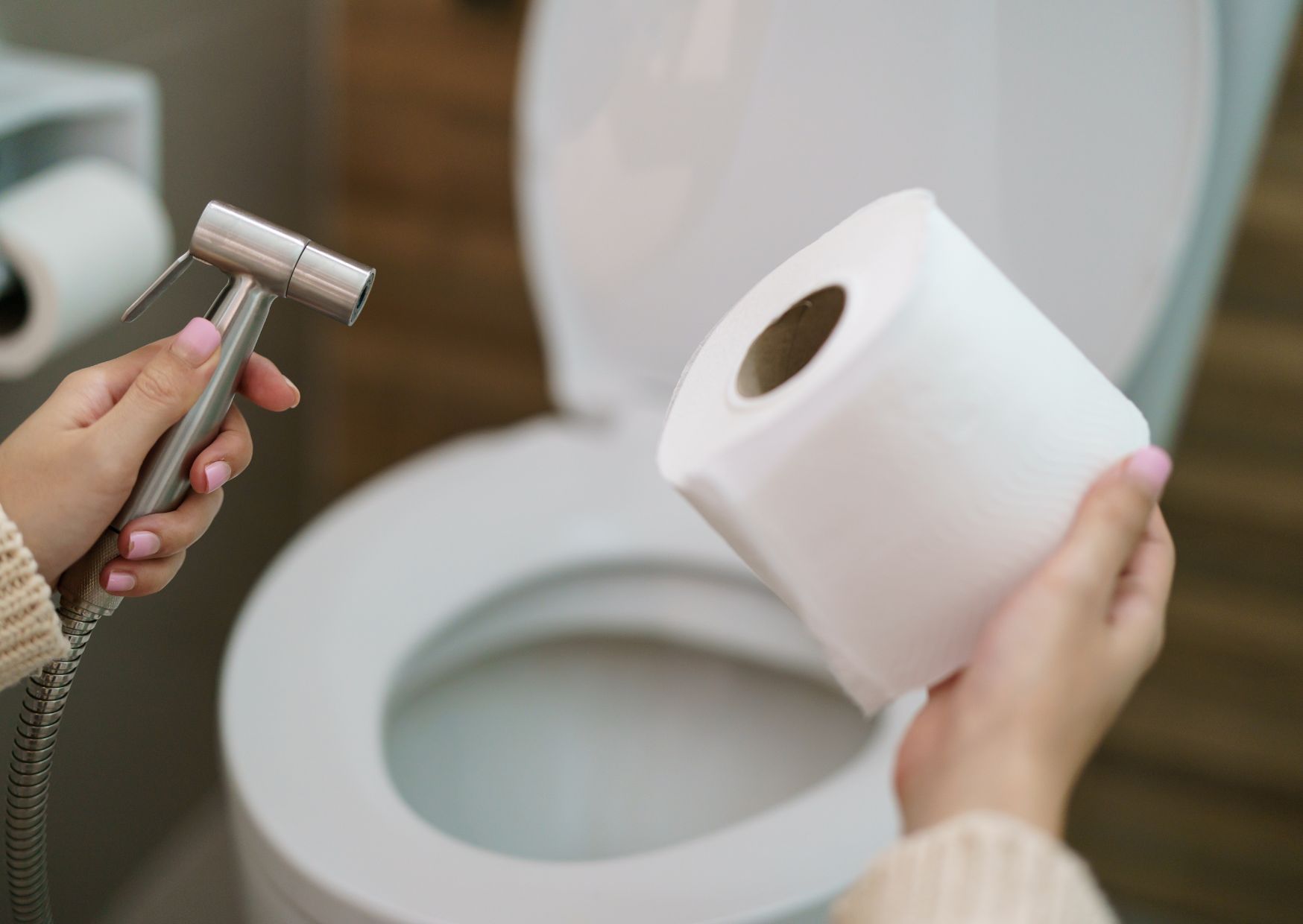
Here’s a point in the bidet’s favor that resonates beyond culture: sustainability.
Toilet paper production is resource-intensive. It contributes to deforestation, uses large amounts of water and energy, and creates significant waste. A single roll of toilet paper requires about 37 gallons of water to produce—not to mention packaging and transport emissions.
By contrast, bidets use only a small amount of water per use, and dramatically reduce or eliminate the need for toilet paper. Over time, households that switch to bidets can lower their environmental footprint and even save money on paper products.
In eco-conscious circles in the U.S., this argument is gaining traction. For Italians, who have used bidets for decades, it’s just common sense.
7. What Americans Get Wrong About Bidets
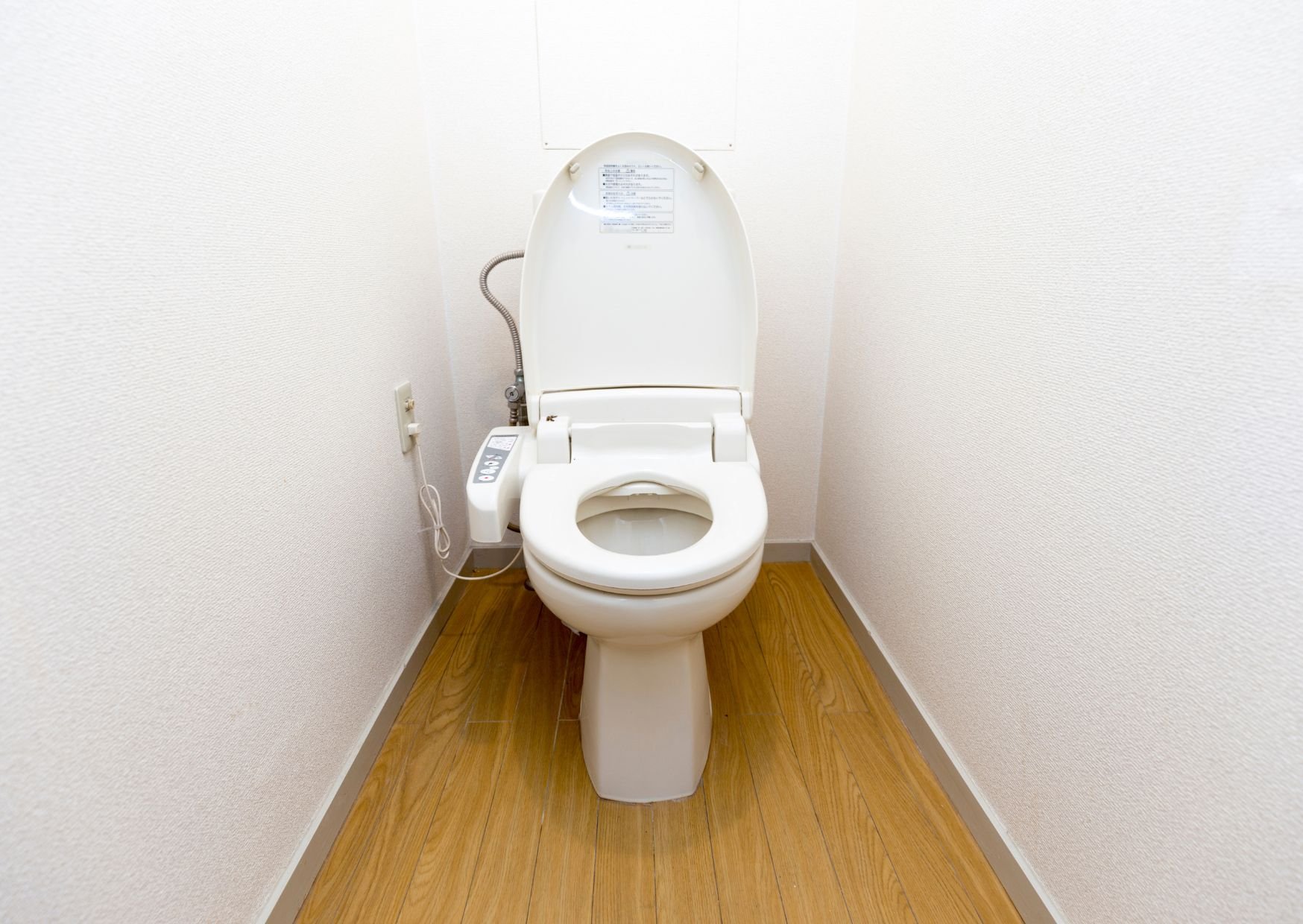
Many Americans imagine the bidet as a mysterious European water fountain shooting an unpredictable jet into the air. But in reality, modern bidets are incredibly user-friendly and customizable.
Electronic bidet toilet seats (common in Japan and increasingly in Italy) come with heated seats, adjustable spray positions, warm water, air dryers, and even deodorizing features. Far from being a clunky, outdated fixture, today’s bidet is often a high-tech upgrade to bathroom hygiene.
There’s also a misconception that bidets are only for women, or for certain religious or ethnic groups. In truth, bidets are used by everyone in Italy, regardless of gender, age, or background. They’re a standard feature, just like a shower or a sink.
8. Bidet Etiquette in Italy: How It’s Used
If you visit Italy and find a bidet in your hotel or Airbnb, you might wonder: how do you actually use this thing?
Here’s a quick overview of Italian bidet etiquette:
Use it after the toilet: It’s not a replacement, but a follow-up for better cleanliness.
Face forward or backward: There’s no right or wrong way. Choose whatever feels comfortable.
Use soap if desired: A gentle soap can be used, especially for freshening up.
Dry off with a towel or toilet paper: Many Italians keep a small towel nearby, specifically for bidet use.
Clean it after use: Just as you’d rinse a sink, you’re expected to leave the bidet clean for the next person.
Using a bidet isn’t complicated—it’s just unfamiliar to those who haven’t grown up with one.
9. Will America Ever Fully Embrace the Bidet?
Change is slow, but not impossible. The combination of greater global awareness, rising eco-consciousness, and improved product design may lead to wider adoption of bidets in the U.S.
Younger generations, in particular, are more open to trying new hygiene practices and more comfortable talking about body-related topics. The bidet may still be rare, but it’s no longer an unknown. And once people experience the clean, fresh feeling of water over paper, many never go back.
Still, the cultural resistance is real. For Italians, the bidet is a daily ritual, a symbol of care and cleanliness. For Americans, it’s still often a novelty—or a punchline. Whether that changes depends on how willing people are to rethink what “clean” really means.
Final Thoughts: A Lesson in Comfort and Openness
Italy’s bidet habit isn’t just about hygiene. It reflects a broader cultural attitude—a willingness to prioritize comfort, ritual, and physical care in daily life. It’s about making space for small, personal luxuries and embracing practices that make sense, even if they seem different at first.
For Americans, the bidet represents more than just a plumbing fixture. It’s a challenge to long-held beliefs about cleanliness, privacy, and even taboos around talking about the human body.
But as travel expands our worldview and cultures increasingly intersect, perhaps the bidet’s time in America has finally come.
And if not? Well, the Italians will keep using theirs anyway—with pride, style, and impeccable cleanliness.
Have you tried using a bidet while traveling in Italy or elsewhere? What was your reaction? Let’s talk about it in the comments — and don’t forget to share this post with someone who still doesn’t get the bidet hype!

About the Author: Ruben, co-founder of Gamintraveler.com since 2014, is a seasoned traveler from Spain who has explored over 100 countries since 2009. Known for his extensive travel adventures across South America, Europe, the US, Australia, New Zealand, Asia, and Africa, Ruben combines his passion for adventurous yet sustainable living with his love for cycling, highlighted by his remarkable 5-month bicycle journey from Spain to Norway. He currently resides in Spain, where he continues sharing his travel experiences with his partner, Rachel, and their son, Han.