
Traveling the world opens your eyes to new cultures, languages, and—perhaps most memorably—flavors. For the truly adventurous foodie, tasting the unusual is part of the thrill. Every region has its own culinary identity, and some of the world’s most unexpected foods are considered delicacies or symbols of cultural pride. From fermented shark in Iceland to balut in the Philippines, these dishes often leave travelers both curious and hesitant.
But what might seem strange to one person is completely normal to someone else. The idea of what’s edible—or appetizing—is entirely shaped by upbringing, geography, and tradition. That’s why exploring so-called “strange” foods can be one of the most eye-opening aspects of global travel. Not only do these meals tell stories about history, survival, and ingenuity, but they also challenge you to step outside your culinary comfort zone.
For travelers, trying unfamiliar foods is more than a dare—it’s a chance to connect with local people and customs on a deeper level. Whether you love it, hate it, or never want to see it again, sampling the unexpected shows respect for the culture you’re visiting. Still, there are a few things to keep in mind to avoid accidental offense—or a surprise trip to the bathroom.
Quick & Easy Tips
Do a little research before you arrive. Knowing what ingredients are used and how dishes are prepared can mentally prepare you and help avoid dietary mishaps.
Ask locals for recommendations. Street vendors and small eateries often serve the most authentic versions of traditional dishes.
Start small. Take one bite—there’s no need to finish the entire portion if you don’t like it.
Learn basic food etiquette. In some countries, refusing food can be considered rude, so having polite ways to decline (or explain allergies) is helpful.
Avoid eating on an empty or overly full stomach. This helps your body adjust to unfamiliar textures and flavors without discomfort.
Labeling a dish “strange” can unintentionally reinforce cultural biases or even come off as disrespectful. What’s bizarre to a Western palate might be a centuries-old tradition elsewhere. For example, eating insects like crickets or ants is common in parts of Asia and Africa, but still treated like a novelty or gross-out challenge in many Western countries. The same applies to animal organs, fermented foods, or dishes involving blood—often viewed through a judgmental lens that overlooks nutritional and cultural context.
This kind of food bias highlights a larger issue: how Western media shapes perceptions of what’s “normal” to eat. Global food diversity is frequently exoticized or turned into entertainment, rather than being appreciated as an expression of resourcefulness, cultural identity, or ecological sustainability. It’s important to understand that many of these unusual dishes exist not just for tradition but because of regional availability, colonial history, and survival-based cooking methods passed down through generations.
Trying strange foods should never be about mockery or shock value. Instead, it should be rooted in genuine curiosity and respect. When done thoughtfully, food can become a bridge—connecting people across cultures, even when language fails.
BOOK YOUR TRAVEL INSURANCE
Two of our favorite travel insurance: Heymondo Vs Safetwing cheapest travel Insurance. You can get for $135 USD your Heymondo Travel Insurance with Heymondo discount code valid for 90 days. Read our full comparison of Genki vs Safetywing Travel Insurance Review and the comparison Heymondo vs Genki
Strangest Foods Around the World
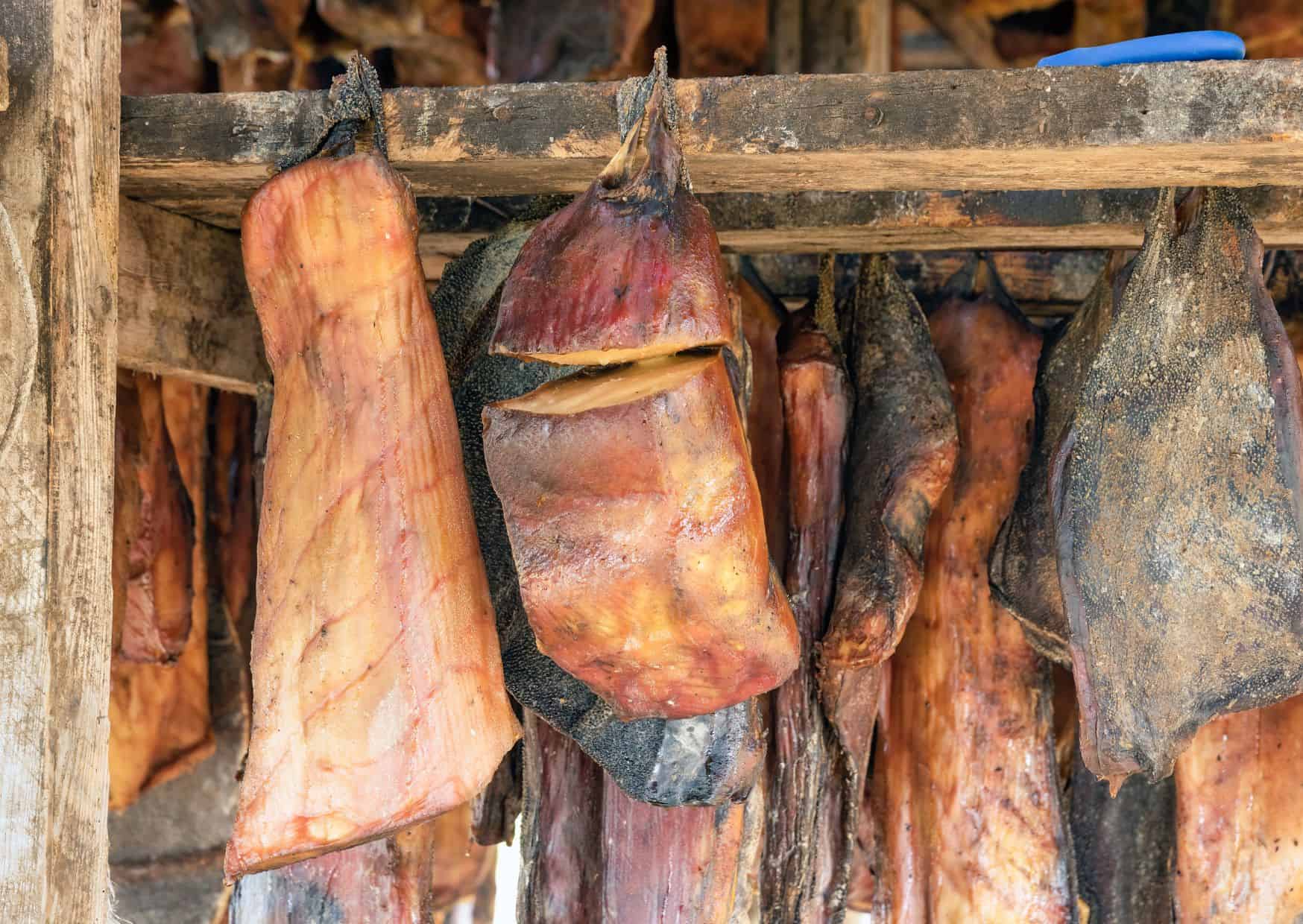
1. Hákarl (Fermented Shark) – Iceland
Overview:
Description: Hákarl is fermented Greenland shark that has been hung to dry for several months.
Flavor Profile: Strong ammonia smell, chewy texture, and a fishy taste.
Where to Try:
Best Places: Reykjavik, especially at local restaurants like Café Loki or during the Þorrablót festival.
Tips:
Pairing: Often served with a shot of Brennivín, a local schnapps, to help with the strong taste.
Read here the best Icelandic Food
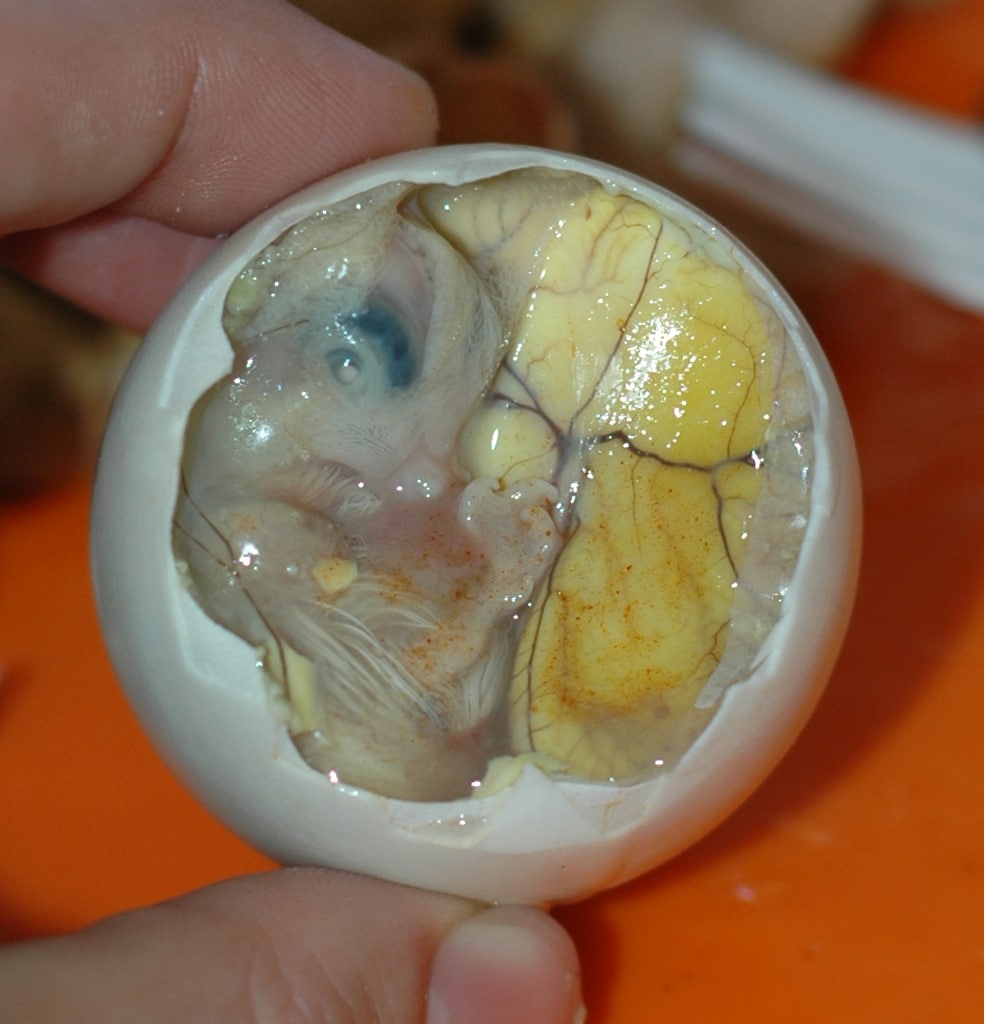
2. Balut (Duck Embryo) – Philippines
Overview:
Description: A fertilized duck egg with a nearly developed embryo inside, boiled and eaten from the shell.
Flavor Profile: Rich and savory with a mix of textures from the liquid broth, yolk, and the developing duck.
Where to Try:
Best Places: Street vendors in Manila and other major cities.
Tips:
Preparation: Usually eaten with a pinch of salt, chili, and vinegar.
Read here the best Filipino Food
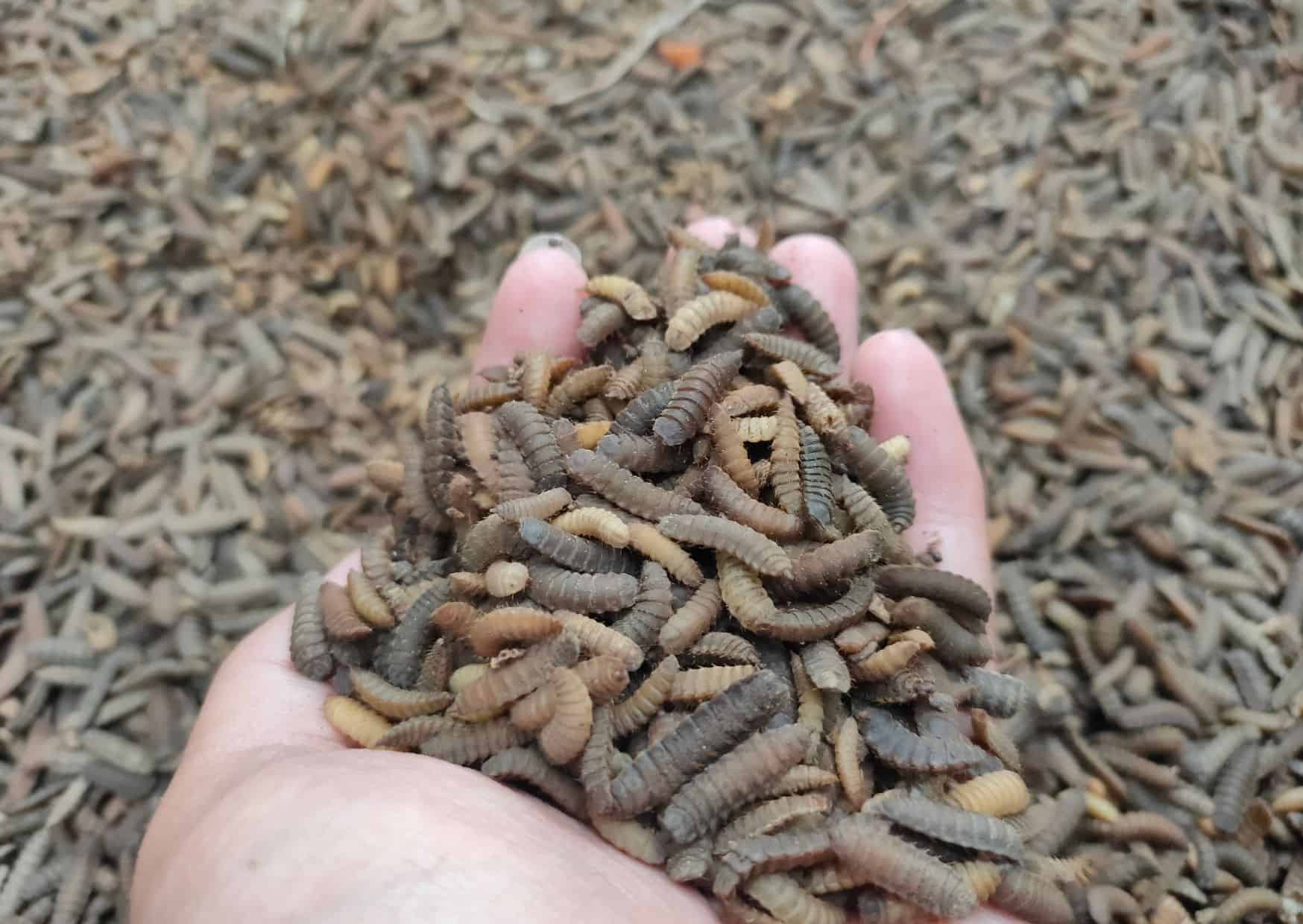
3. Casu Marzu (Maggot Cheese) – Italy
Overview:
Description: A traditional Sardinian cheese containing live insect larvae.
Flavor Profile: Creamy, strong flavor with a spicy kick from the larvae.
Where to Try:
Best Places: Sardinia, though it’s technically illegal due to health regulations.
Tips:
Consumption: It’s important to ensure the larvae are alive, as dead larvae indicate the cheese is spoiled.
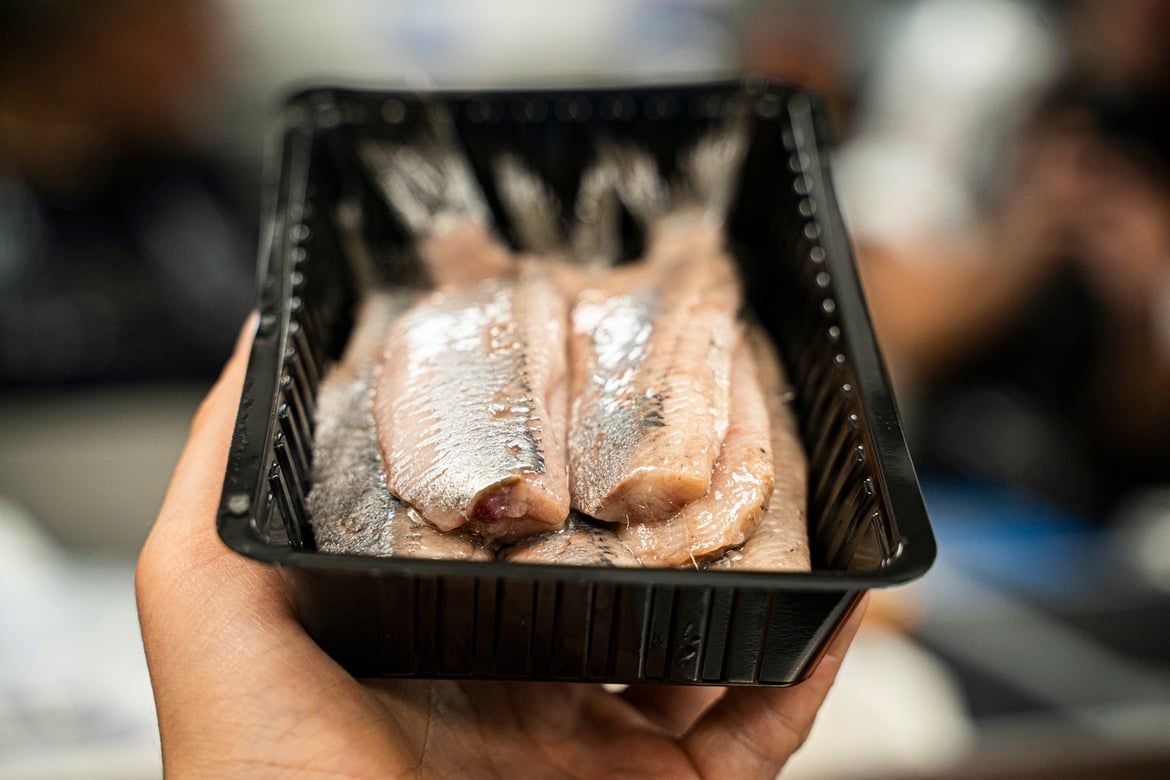
4. Surströmming (Fermented Herring) – Sweden
Overview:
Description: Baltic herring fermented for months, known for its potent smell.
Flavor Profile: Strong, salty, and acidic flavor with a pungent aroma.
Where to Try:
Best Places: Northern Sweden, often enjoyed during Surströmming parties.
Tips:
Opening: Open the can outdoors to avoid the strong smell indoors. Eat with thin flatbreads, potatoes, and onions.
Read here the best Breakfast in Sweden
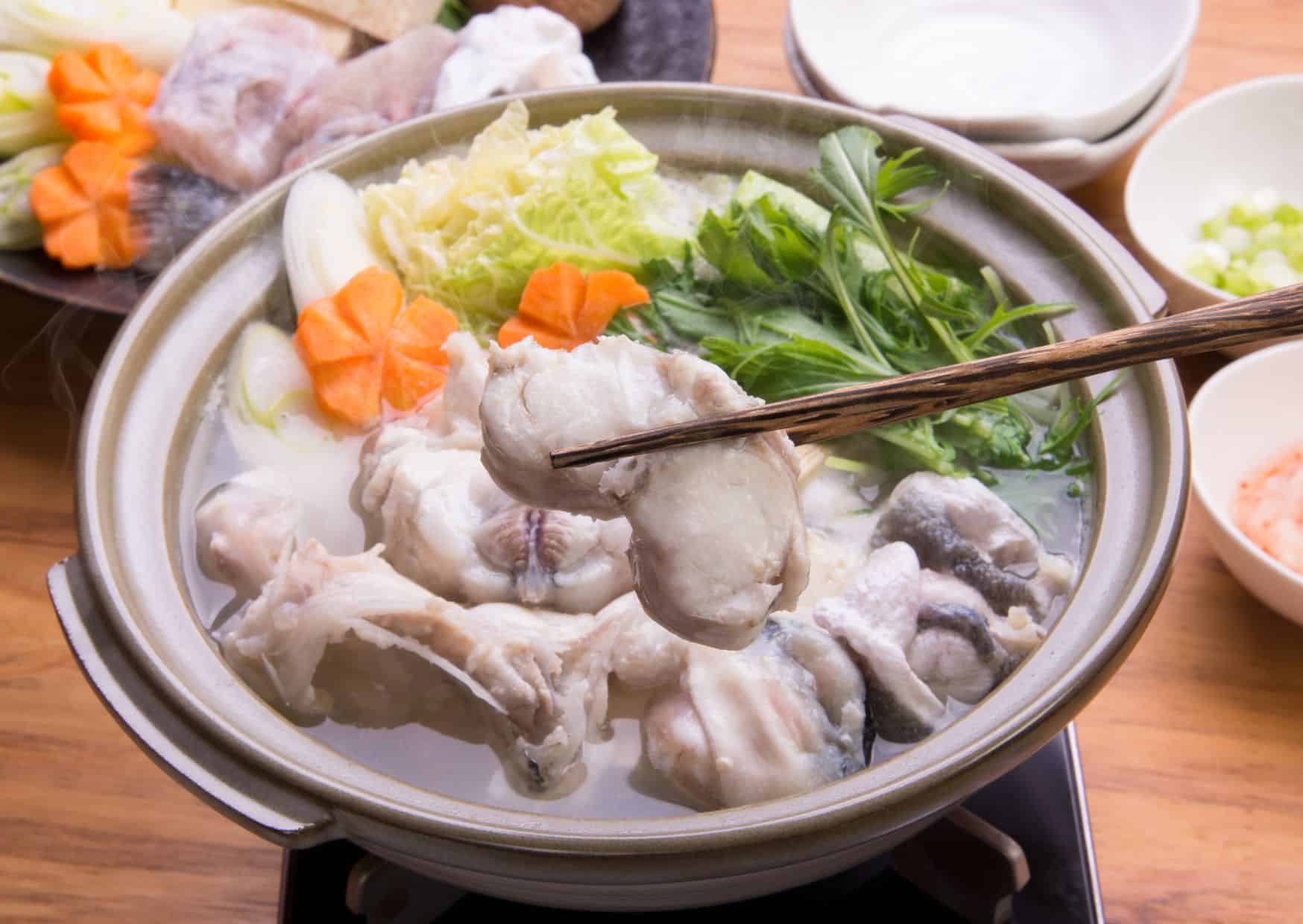
5. Fugu (Pufferfish) – Japan
Overview:
Description: A potentially lethal pufferfish prepared by specially trained chefs.
Flavor Profile: Delicate, slightly chewy texture with a mild taste.
Where to Try:
Best Places: Specialty restaurants in Tokyo, Osaka, and other major cities.
Tips:
Safety: Ensure the restaurant has a licensed chef skilled in preparing Fugu safely.
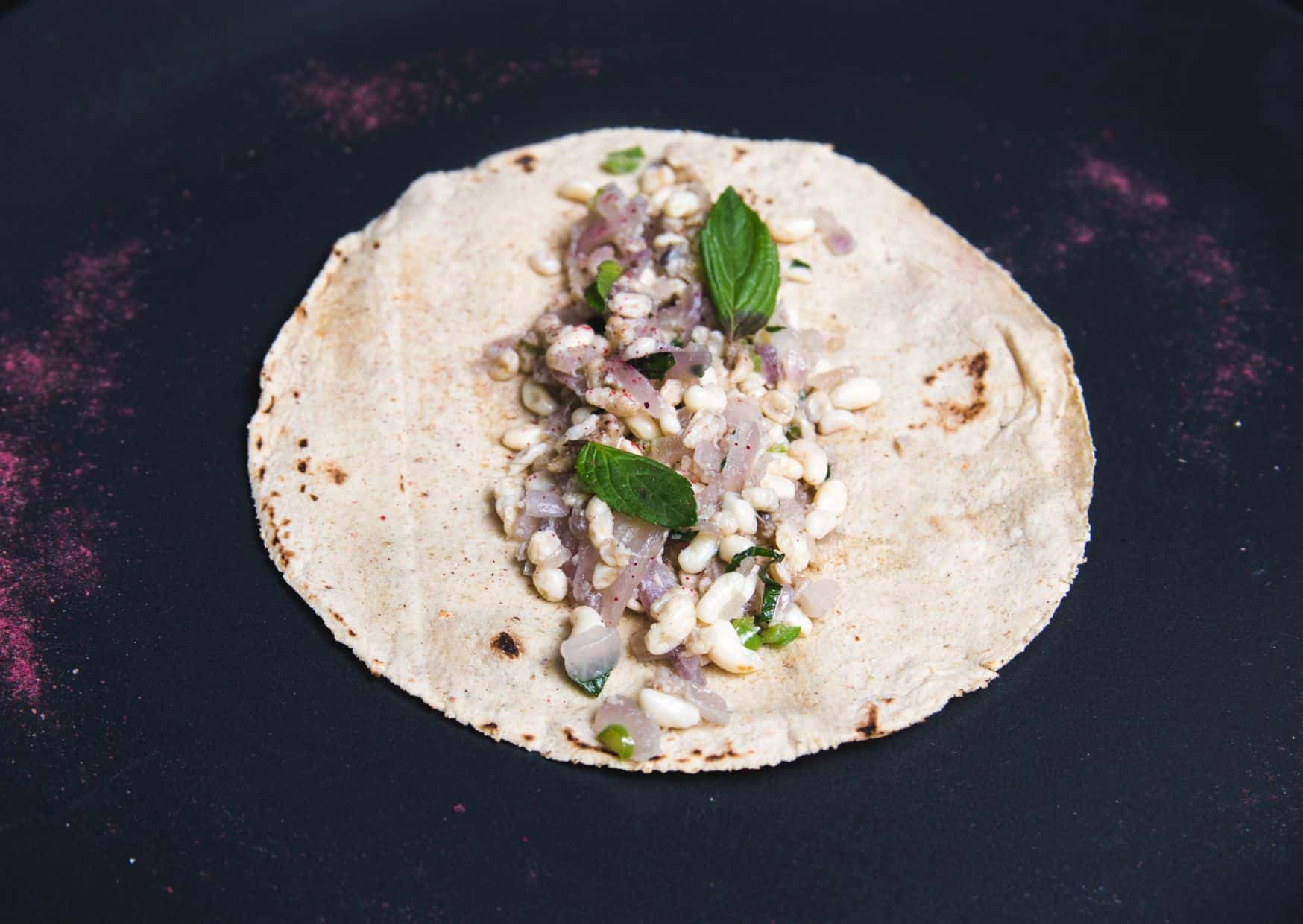
6. Escamoles (Ant Larvae) – Mexico
Overview:
Description: Known as “insect caviar,” these ant larvae are harvested from the roots of agave or maguey plants.
Flavor Profile: Buttery, nutty flavor with a slightly crunchy texture.
Where to Try:
Best Places: High-end restaurants in Mexico City, such as Restaurante El Cardenal.
Tips:
Preparation: Often served in tacos or with guacamole.
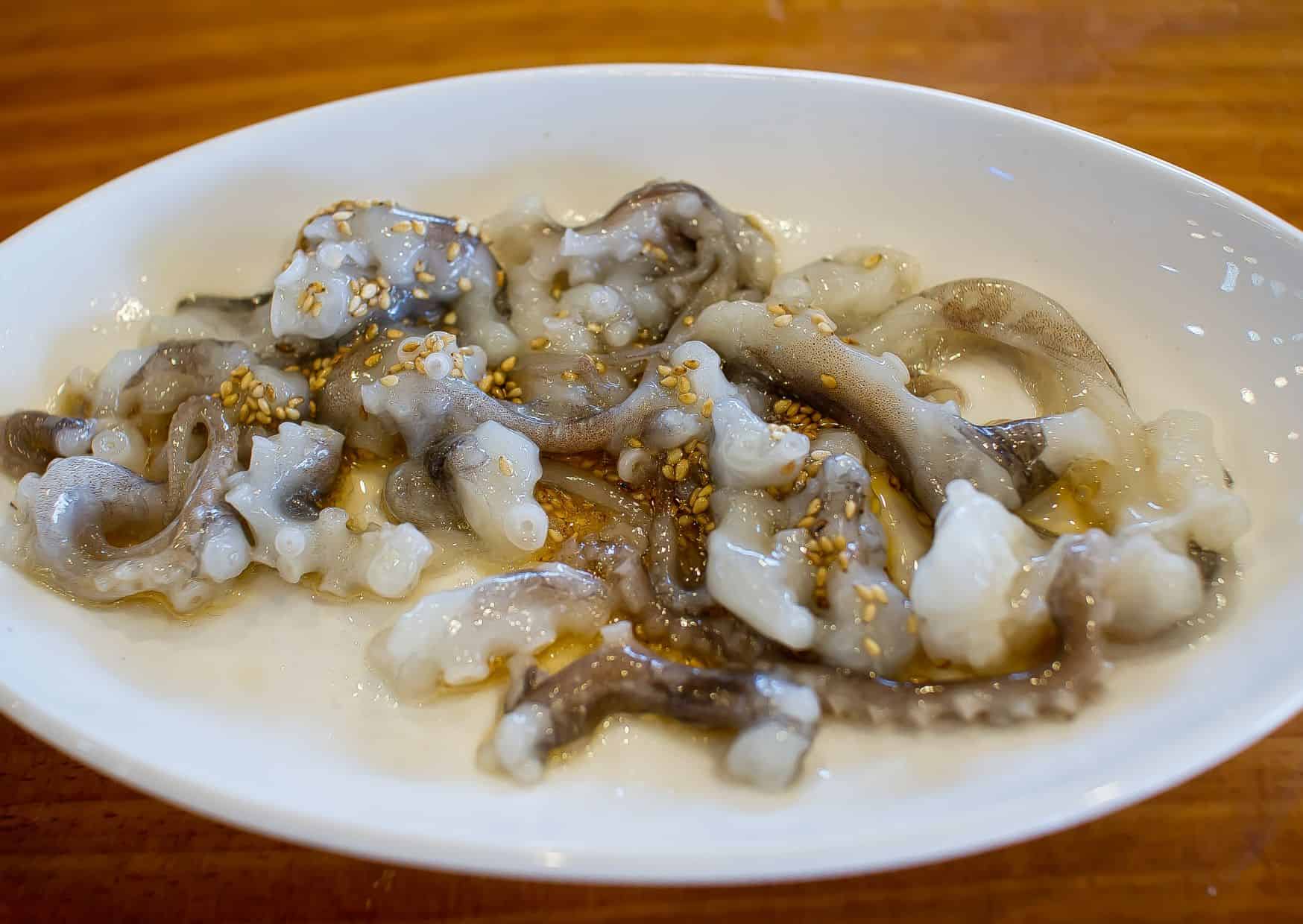
7. Sannakji (Live Octopus) – South Korea
Overview:
Description: Live octopus cut into small pieces and served immediately while still wriggling.
Flavor Profile: Chewy texture with a subtle sea flavor.
Where to Try:
Best Places: Noryangjin Fish Market in Seoul or seafood restaurants along the coast.
Tips:
Eating: Chew thoroughly to avoid suction cups sticking to the throat.
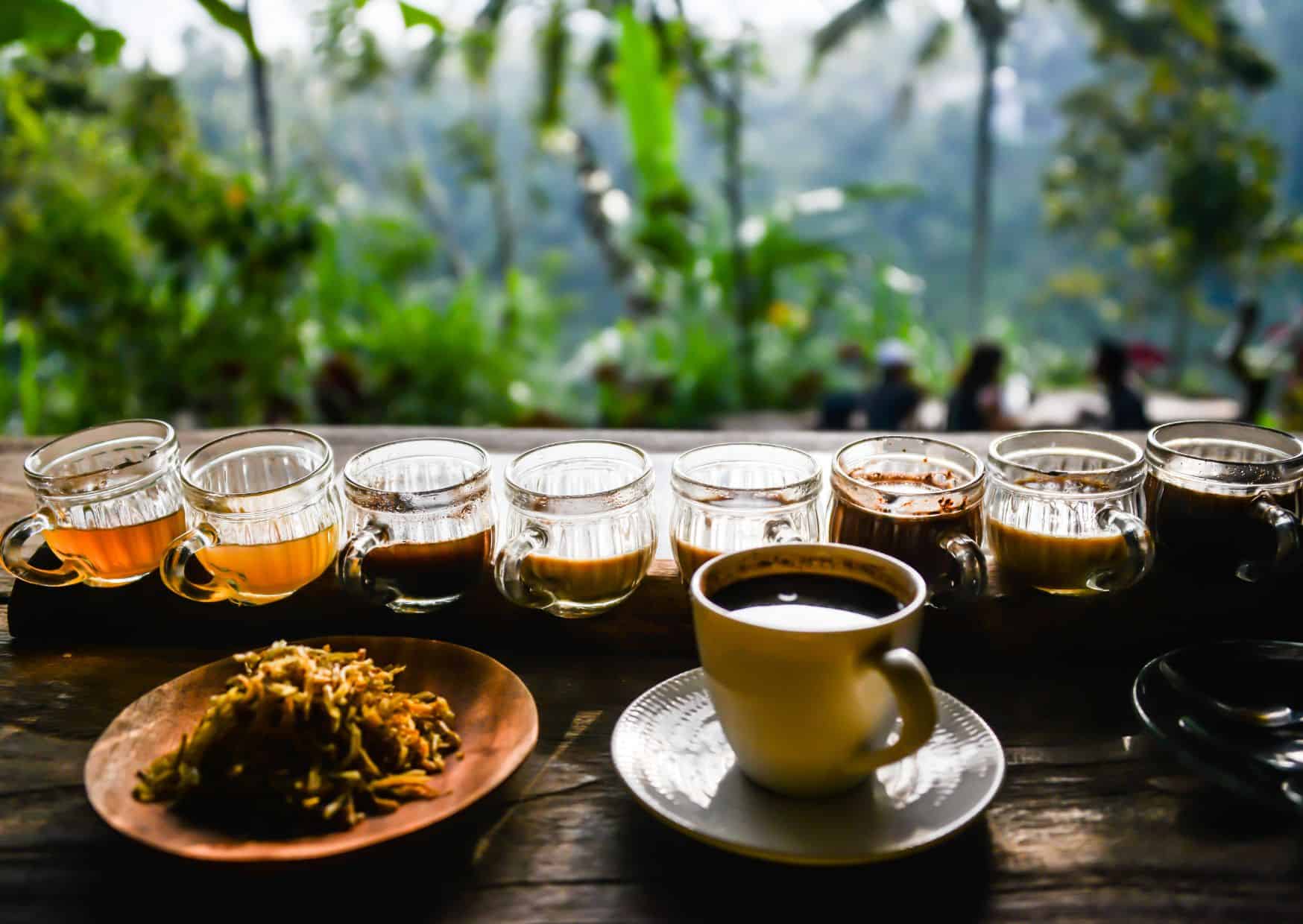
8. Kopi Luwak (Civet Coffee) – Indonesia
Overview:
Description: Coffee beans eaten and excreted by civet cats, then cleaned and roasted.
Flavor Profile: Smooth, less acidic, with a rich and complex flavor profile.
Where to Try:
Best Places: Bali and Sumatra, at local coffee plantations and specialty cafes.
Tips:
Ethical Sourcing: Ensure the coffee is ethically sourced and not from caged civets.
9. Huitlacoche (Corn Smut) – Mexico
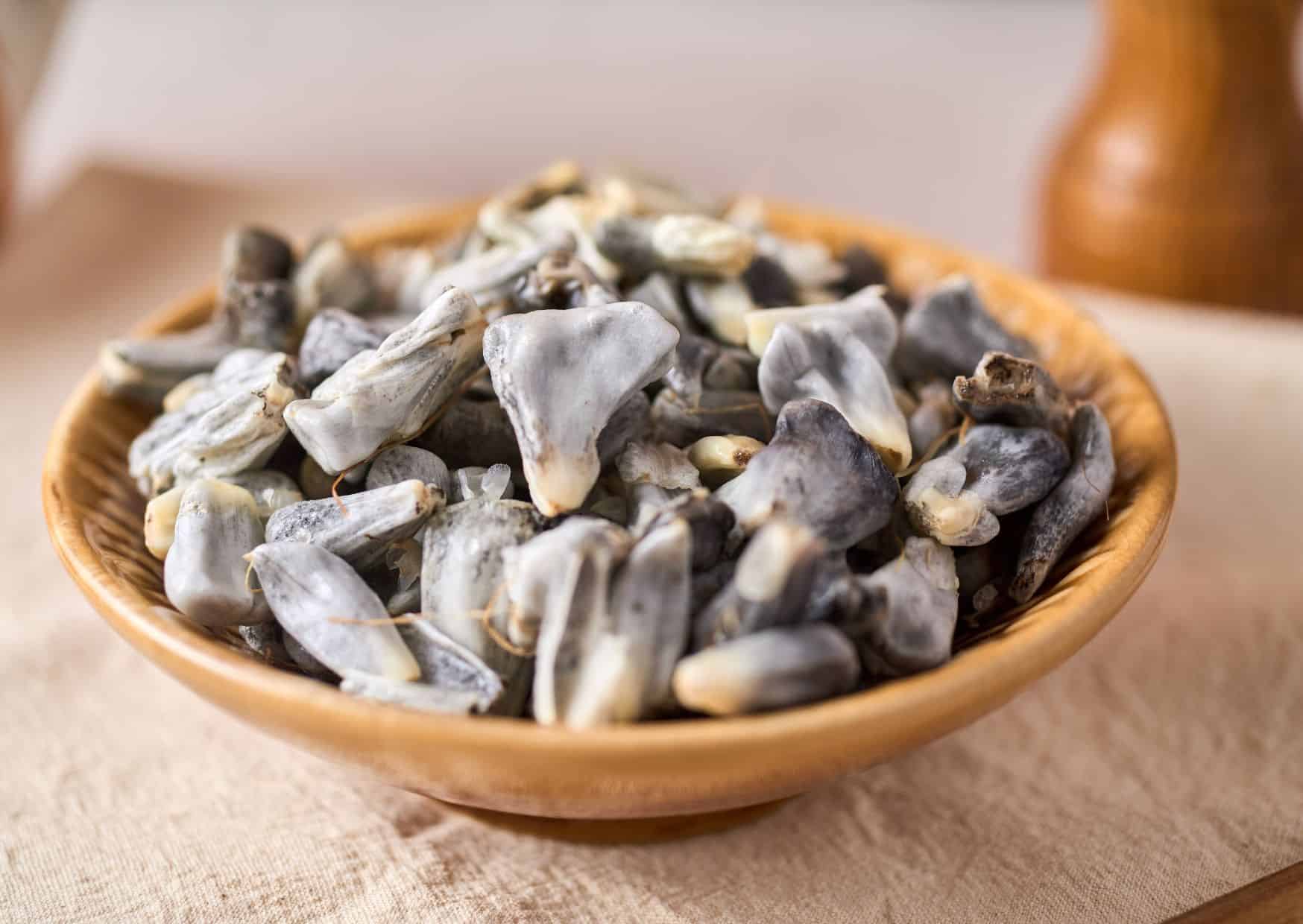
Overview:
Description: A fungal growth on corn, considered a delicacy.
Flavor Profile: Earthy, smoky, and slightly sweet, similar to mushrooms.
Where to Try:
Best Places: Street vendors and traditional markets in Mexico City.
Tips:
Preparation: Often used in quesadillas, tamales, and soups.
10. Durian – Southeast Asia
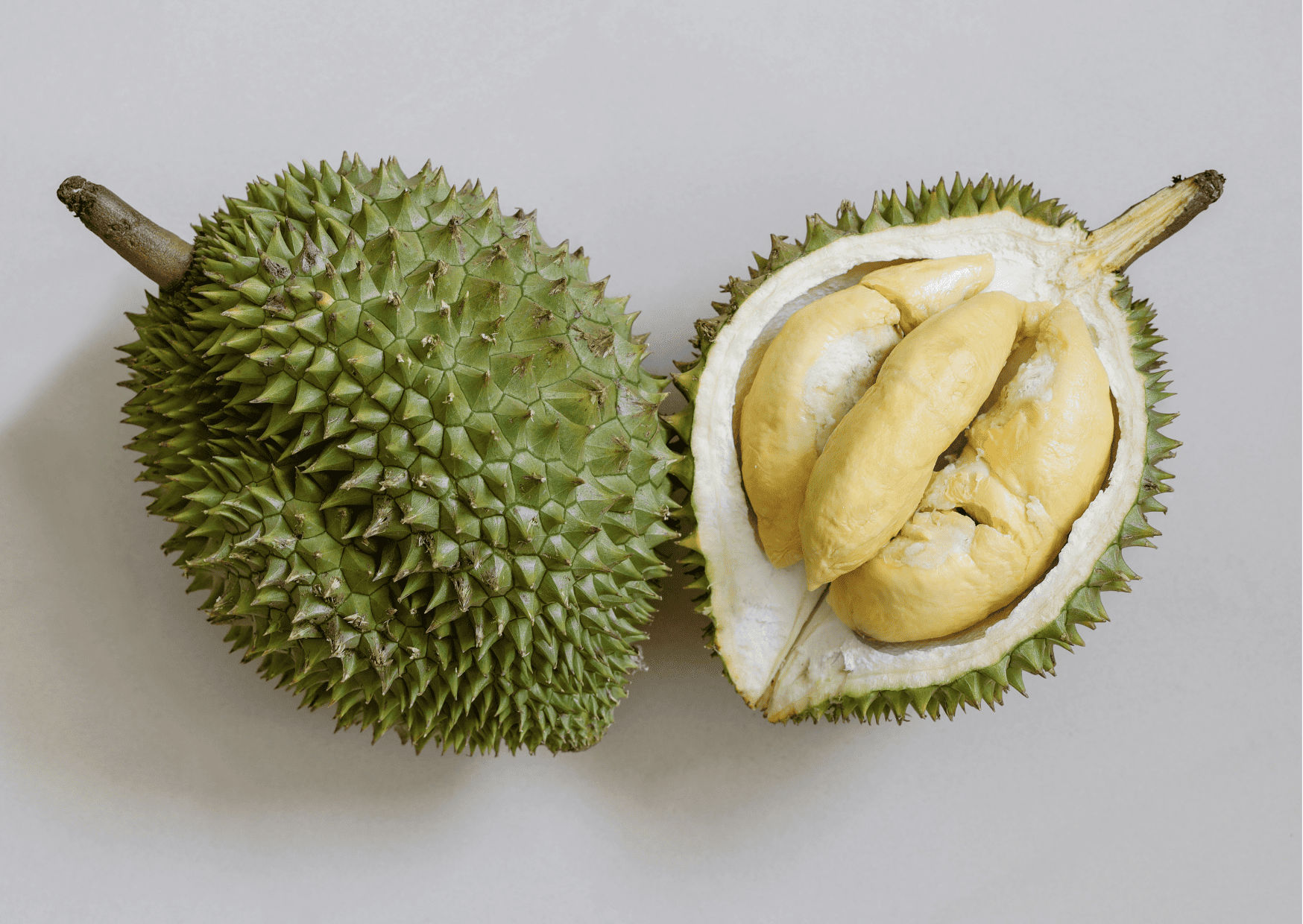
Overview:
Description: A spiky fruit known for its strong odor, often described as a mix of rotten onions, turpentine, and raw sewage.
Flavor Profile: Creamy, custard-like texture with a sweet, almond-like flavor.
Where to Try:
Best Places: Markets in Thailand, Malaysia, and Singapore.
Tips:
Consumption: Many places have rules about where you can eat durian due to its smell. Try it in an open area.
Read here the best Fruits in Singapore
Final Thoughts
Exploring the world’s strangest foods is a daring, delicious way to embrace cultural diversity. Whether you’re sampling fried tarantulas in Cambodia or haggis in Scotland, each bite is a story—one that teaches you about resilience, heritage, and creativity in the kitchen. Some foods will surprise you in delightful ways; others might confirm your boundaries. Both are valid experiences that make you a more thoughtful, adaptable traveler.
Just remember, you don’t have to love every dish to appreciate the culture behind it. Approach these experiences with an open mind and a sense of humility. You’re stepping into someone else’s tradition—and that deserves both bravery and sensitivity.
So the next time you’re handed something that looks a little unusual or smells unfamiliar, consider it a cultural invitation rather than a test. You might just find a new favorite flavor—or at the very least, a great story to share.

About the Author: Ruben, co-founder of Gamintraveler.com since 2014, is a seasoned traveler from Spain who has explored over 100 countries since 2009. Known for his extensive travel adventures across South America, Europe, the US, Australia, New Zealand, Asia, and Africa, Ruben combines his passion for adventurous yet sustainable living with his love for cycling, highlighted by his remarkable 5-month bicycle journey from Spain to Norway. He currently resides in Spain, where he continues sharing his travel experiences with his partner, Rachel, and their son, Han.