
And what it reveals about trust, tradition, and a cultural confidence in homemade solutions
There’s something about Spanish kitchens that feels effortless. Simple meals made from scratch, olive oil in glass bottles, herbs drying near the window, and an unshakable belief that what worked for their grandparents will work just as well today.
But for many Americans, that charm fades the moment they open a Spanish fridge or glance inside the pantry. Because somewhere, tucked behind the eggs or sitting on the countertop, is a reused yogurt tub filled with something that definitely didn’t come from a factory.
That container might hold leftover lentils, puréed tomato sauce, soaked chickpeas, a garlic-heavy aioli, or even milk-soaked bread meant for croquetas. It’s unlabeled, often mismatched with its lid, and definitely not BPA-free or “microwave safe.”
In short, it’s the kind of food container that would horrify any American food safety instructor — and possibly trigger a call to the FDA if spotted in a commercial kitchen.
But in Spain, it’s standard. Reusing old containers is not just normal — it’s expected. And it speaks to something deeper: a different relationship with food, waste, and the myth of hyper-sterile domestic life.
Here are nine reasons why this practice is alive and well in Spanish homes in 2025 — and why Americans still can’t believe it’s legal, let alone beloved.
Want More Deep Dives into Everyday European Culture?
– Why Europeans Walk Everywhere (And Americans Should Too)
– How Europeans Actually Afford Living in Cities Without Six-Figure Salaries
– 9 ‘Luxury’ Items in America That Europeans Consider Basic Necessities
1. Yogurt Tubs, Ice Cream Boxes, and Olive Jars Never Die
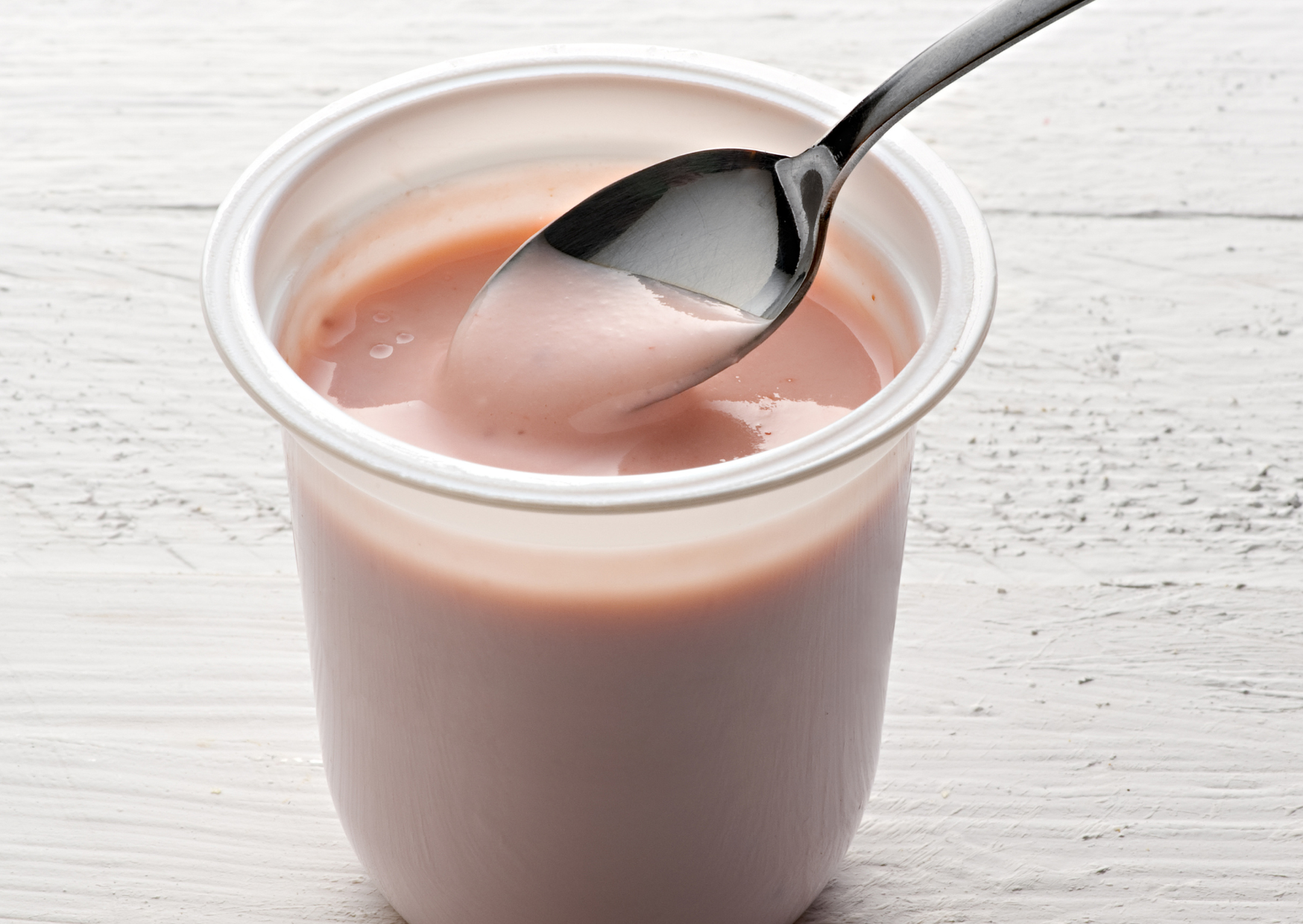
In an American household, a plastic yogurt tub goes straight to recycling. Maybe, just maybe, it gets reused once for paint or spare change.
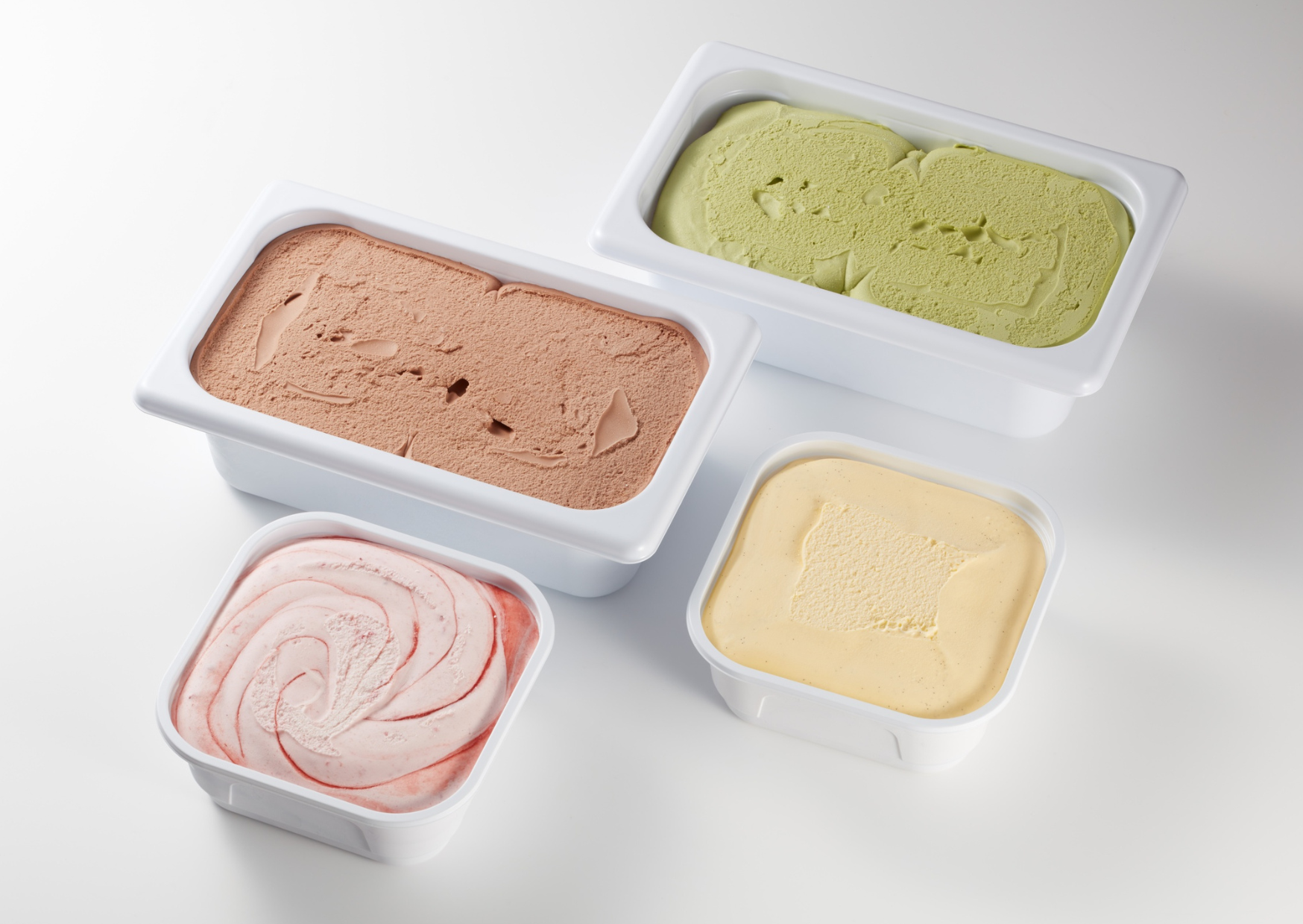
In Spain, it becomes part of the permanent food storage collection. Families stack them by size. Every household has that drawer filled with random plastic tubs and lids — none of which match, but all of which are used weekly.
Leftover lentils? Yogurt tub. Homemade broth? Ice cream container. Pickled onions? Washed-out olive jar.
Americans ask, “Is it food safe?”
Spaniards ask, “Does the lid still fit?”
2. Labels Don’t Matter — Your Memory Does
In the U.S., unlabeled containers are frowned upon. You’re told to date everything, name everything, and toss anything older than three days.
In Spain, memory — and scent — do the work.
You open the fridge. You spot the container. You remember what’s inside, because you made it. Or if you don’t remember, you open it and give it a sniff.
Expiration dates? Factory suggestions. Spanish logic says if it smells fine and looks fine, it’s fine.
To American food safety experts, this feels reckless. But to Spaniards, it’s just how people have always lived.
3. Fridge Space Is Used Like a Puzzle — Not a Showroom
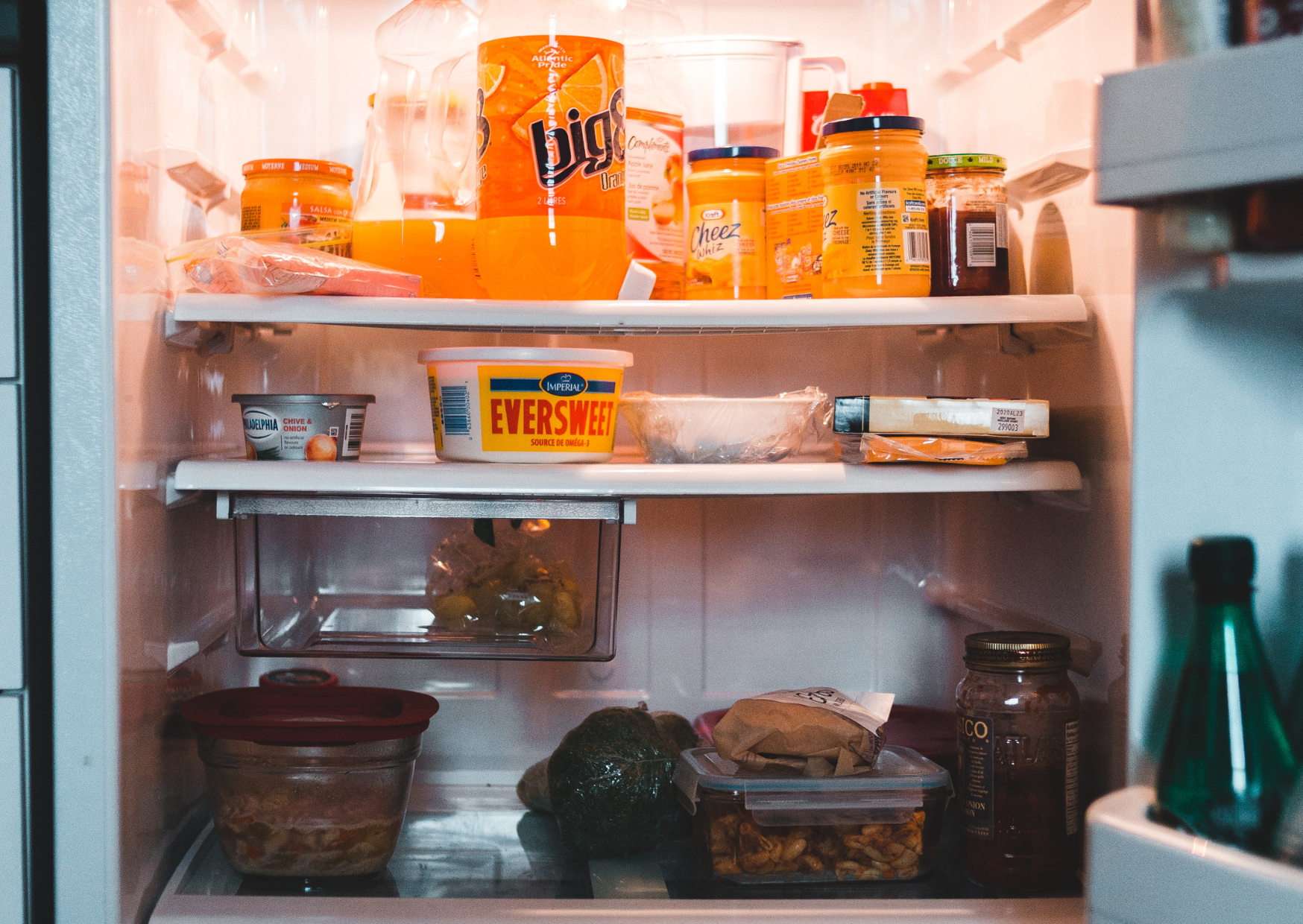
In many Spanish homes, especially older apartments, refrigerators are smaller than in American kitchens. There are no massive side-by-side stainless steel beasts with built-in screens. Fridges are compact, efficient, and tightly packed.
Reused tubs are stacked strategically, lids slightly cracked for air, sauces poured into any jar that fits.
It’s a jigsaw puzzle of home cooking — not a minimalist ad for Tupperware.
Americans value visibility and uniformity in their fridges. Spaniards value function. If the food is homemade and the container holds it, it goes in.
4. No One Cares If It’s Microwave-Safe — Because You Use a Pan Anyway
One of the top concerns for Americans is whether a container is microwave-safe. Will it melt? Will it release chemicals? Will it spark?
In Spain, many families don’t even use the microwave for reheating food. They reheat on the stove, in a pot or pan — the same way the food was cooked originally.
If a soup is in an old yogurt tub, it gets poured into a saucepan. The container never touches heat again.
So whether or not the plastic is BPA-free or “certified safe” is irrelevant. The system avoids the microwave altogether.
5. The Culture of Reuse Runs Deep
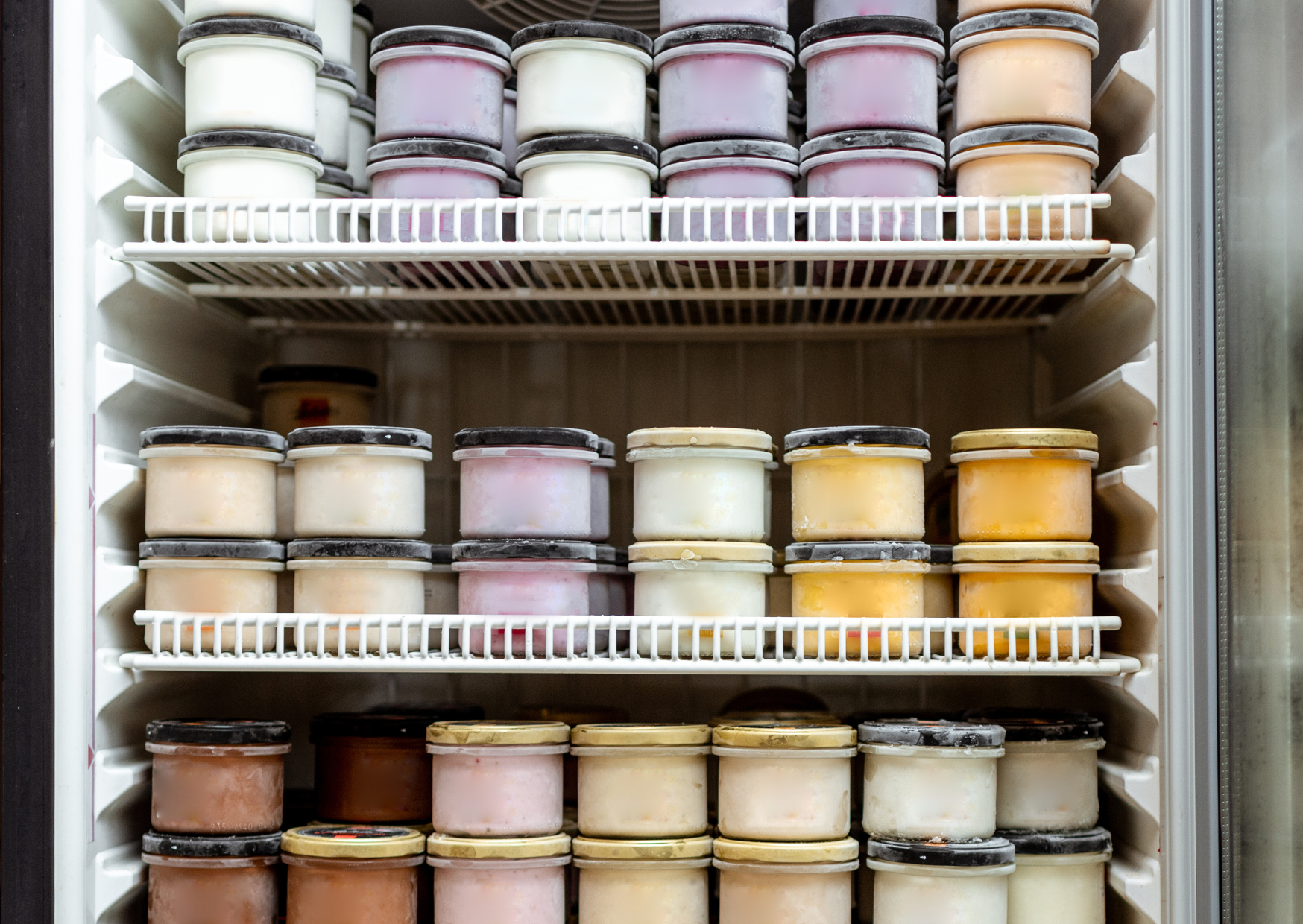
Spain has long been a culture of reuse over replacement. Whether it’s food containers, grocery bags, kitchen towels, or aluminum foil, the mindset is clear: if it still works, don’t throw it away.
This isn’t just frugality — it’s habit. A natural resistance to waste. A belief that materials have more than one life.
Italians, Greeks, and Portuguese homes do the same. But Spain takes it further — making the yogurt tub as essential as the saucepan.
To an American consumer taught to toss and replace, this feels regressive. But in Spain, it’s responsible living.
6. No One Panics About “Cross Contamination”
In the U.S., food safety messaging is saturated with warnings about cross-contamination. Don’t let raw meat touch anything. Don’t reuse plastic. Sanitize surfaces constantly.
In Spain, cleanliness exists — but it’s based on practical limits.
You don’t store raw chicken next to cooked rice, obviously. But the same container can be rinsed and reused without bleach or anxiety.
Cutting boards are wiped. Containers are washed. And no one freaks out over potential “pathogen exposure” from storing rice in a butter tub.
Americans often confuse sterility with safety. Spaniards understand that exposure, cleaned properly, builds resilience — not disaster.
7. Food Doesn’t Sit Long Enough to Spoil
Another quiet reason reused tubs work in Spain: homemade food doesn’t sit around.
Meals are made in smaller portions. Leftovers are eaten quickly — usually within one or two days. And fridges are restocked frequently, not stuffed with bulk freezer meals or forgotten leftovers.
When food moves quickly, container concerns matter less.
The yogurt tub holding garbanzos today will hold gazpacho tomorrow. Nothing stays long enough to grow mold or leak chemicals.
8. Grandmothers Still Lead the Way
Ask any Spaniard why they keep an entire drawer full of recycled containers, and you’ll likely hear the same answer:
“Mi abuela lo hacía.” My grandmother did it.
This isn’t a TikTok trend or zero-waste challenge. It’s a generational norm. One passed down through everyday observation — not through Pinterest boards or documentaries.
Grandmothers didn’t waste. They cooked from scratch, cleaned carefully, and reused everything. And their methods stuck — even as modern packaging replaced what they never saw the need to discard.
9. It’s Not About Aesthetic — It’s About Trust
American kitchens are often curated. Matching jars. Coordinated labels. Color-coded shelves. Part of what makes reused containers shocking to Americans is that they look messy.
But in Spain, no one is trying to impress their fridge. No one is performing domestic perfection for social media.
They are cooking, storing, and feeding people — without worrying whether the container matches the countertop.
Trust in your own cooking — and in your family’s palate — matters more than optical harmony or technical specs.
One Refrigerator, Two Mentalities
To Americans, a reused yogurt container filled with homemade tomato sauce looks unsanitary, even irresponsible.
To Spaniards, it looks like lunch tomorrow.
To Americans, labels, expiration dates, and BPA-free logos are critical.
To Spaniards, smell, memory, and common sense do the job.
Both systems have logic. But only one demands you spend money to feel safe. The other trusts you to know when food is fine — and how to keep using something until it truly can’t be used anymore.
So next time you open a Spanish fridge and see four mismatched tubs stacked high, don’t be alarmed. You’re not seeing neglect. You’re seeing a lifetime of habits — habits that quietly say:
We don’t waste what works.
We don’t panic about what we understand.
And we don’t need new containers to store food made with love.

About the Author: Ruben, co-founder of Gamintraveler.com since 2014, is a seasoned traveler from Spain who has explored over 100 countries since 2009. Known for his extensive travel adventures across South America, Europe, the US, Australia, New Zealand, Asia, and Africa, Ruben combines his passion for adventurous yet sustainable living with his love for cycling, highlighted by his remarkable 5-month bicycle journey from Spain to Norway. He currently resides in Spain, where he continues sharing his travel experiences with his partner, Rachel, and their son, Han.