
And what it reveals about practicality, habit, and a cultural refusal to upgrade what still works
If you walk into a typical Spanish home, especially outside of ultra-modern city apartments, you’ll find something surprising. It isn’t a vintage lamp, an old tile floor, or a grandmother’s preserved china collection. It’s something that seems so outdated, so unnecessary by American standards, that most people in the U.S. wouldn’t recognize it as “technology” at all.
A landline phone, mounted to the wall.
A boiler that must be switched on manually before each shower.
A portable gas tank in the kitchen to fuel the stove.
A radio tuned to an AM news channel.
And perhaps most jarringly: a washing machine in the kitchen, and no dryer in sight.
While Americans embraced smart thermostats, tankless water heaters, and AI-powered appliances years ago, many Spanish households still rely on systems that, to an outsider, feel frozen in the 1990s — or earlier.
But what looks like technological lag to Americans is, in many cases, a sign of intentional continuity. Spanish homes don’t update for the sake of novelty. They hold on to tools that serve a purpose. And they resist upgrades that cost money, complicate life, or demand more energy than they give back.
Here are nine types of “obsolete” technology that many Spanish homes still use in 2025 — and why Americans gave them up decades ago.
1. Landline Telephones That Actually Ring — And Are Still Answered
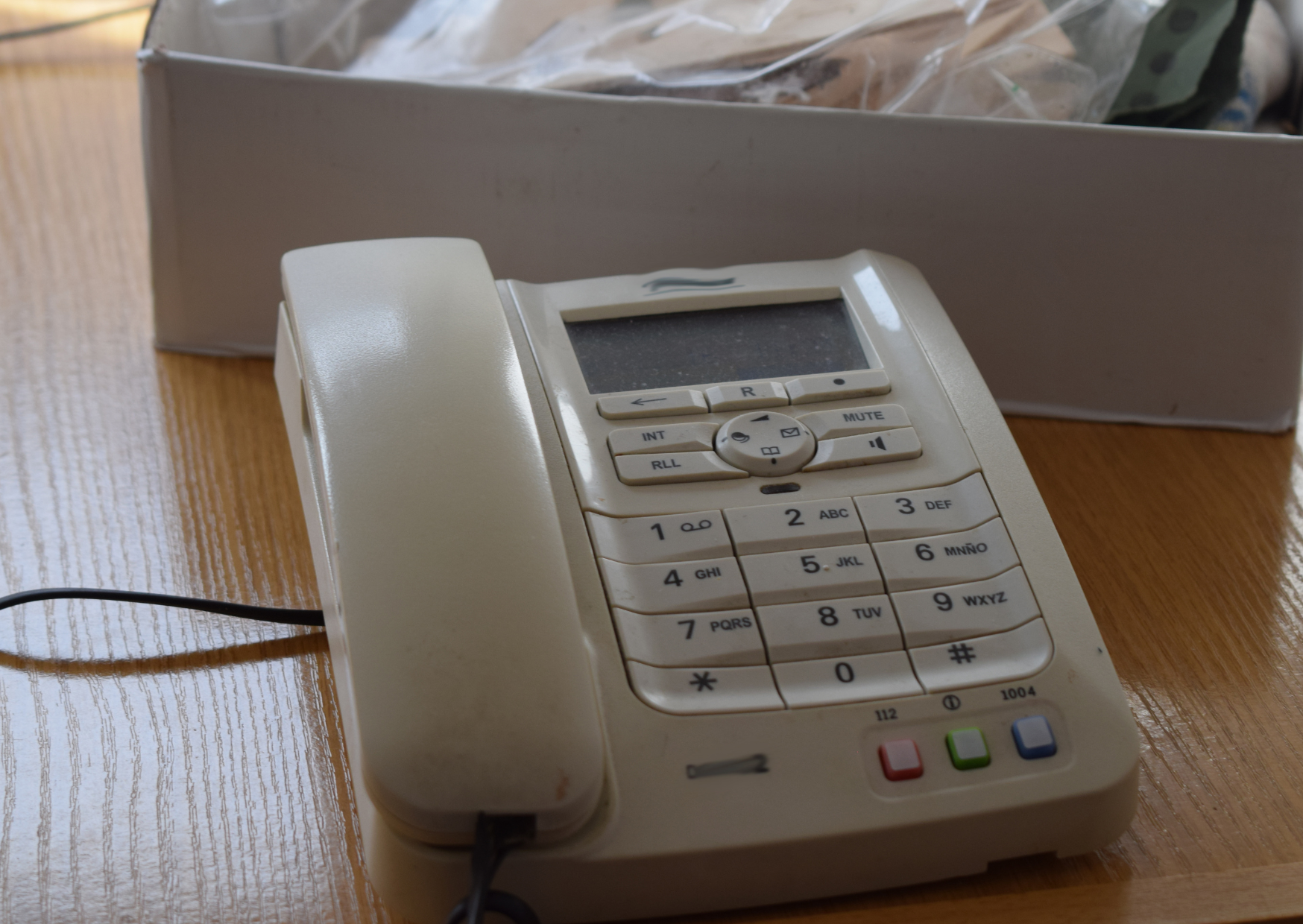
In the U.S., landlines have all but vanished. Most Americans under 40 have never paid for one, let alone used one as a household staple. But in Spain, landline phones are still very much alive.
You’ll find them in kitchens, entryways, and bedrooms. They ring with that classic mechanical tone. And people still answer them — sometimes without checking who’s calling first.
Why? Because many internet packages still include landlines by default. Older generations prefer them. And they serve a cultural purpose — allowing conversation without the distraction of texts, apps, or multitasking.
It’s not about being stuck in the past. It’s about maintaining boundaries. A call to the landline means something different. It’s not work. It’s not spam. It’s someone trying to reach the house, not just the person.
2. Washing Machines in the Kitchen — And Clotheslines in the Sun
In Spain, laundry is not done in a separate room. Most apartments don’t have laundry rooms at all. Instead, the washing machine lives in the kitchen — right next to the fridge or under the counter.
There’s a logic to it: water access, drainage, and apartment space. But for American visitors, it feels strange — as if two incompatible household functions are sharing a space.
Even more shocking to Americans: no dryer.
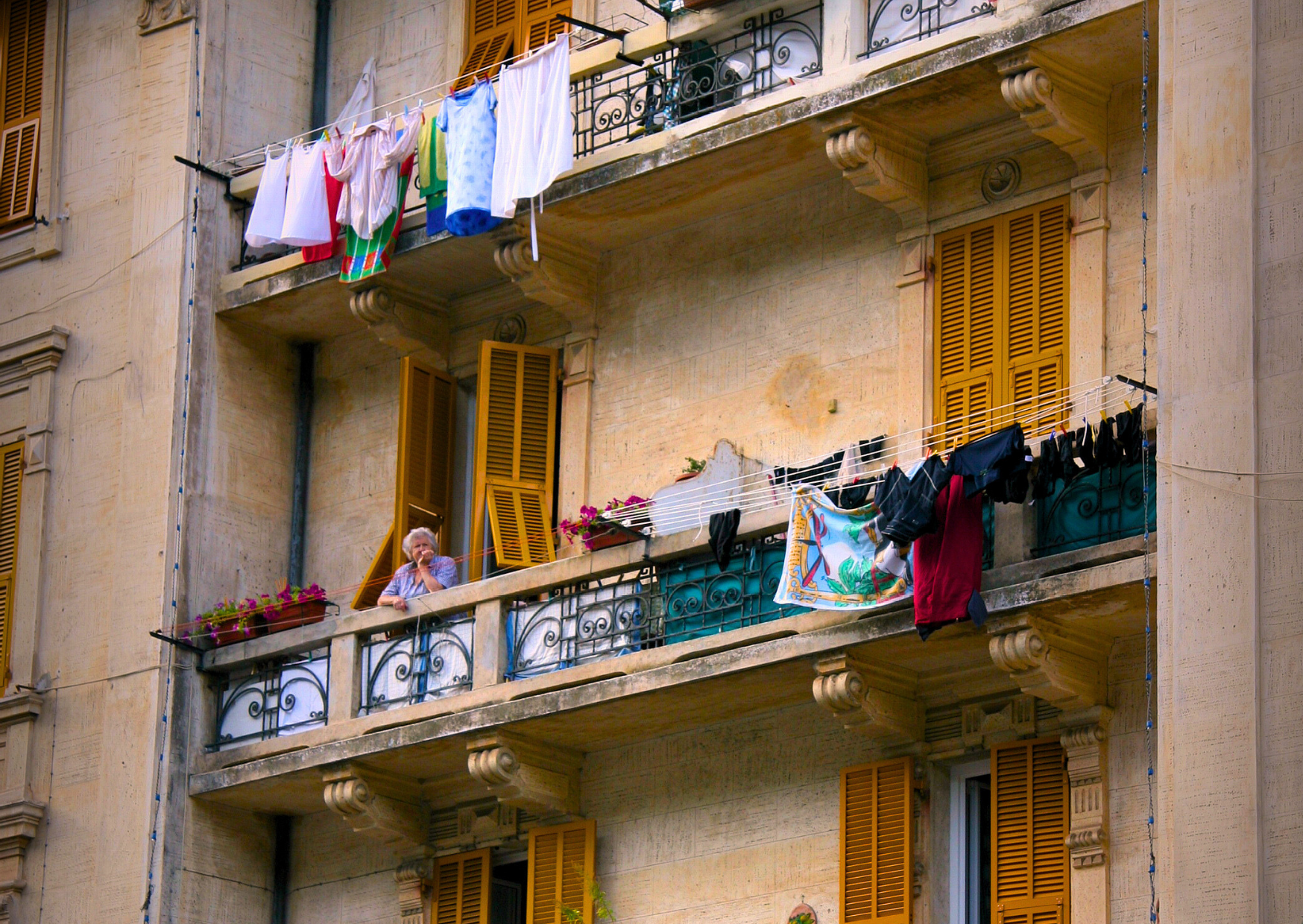
Spanish families hang laundry to dry — always. On terraces, balconies, interior courtyards, and foldable racks near windows. Even in winter. Even during workdays.
It’s slower. It’s quieter. And it’s deeply ingrained.
3. Butane Tanks Instead of Built-In Gas Lines
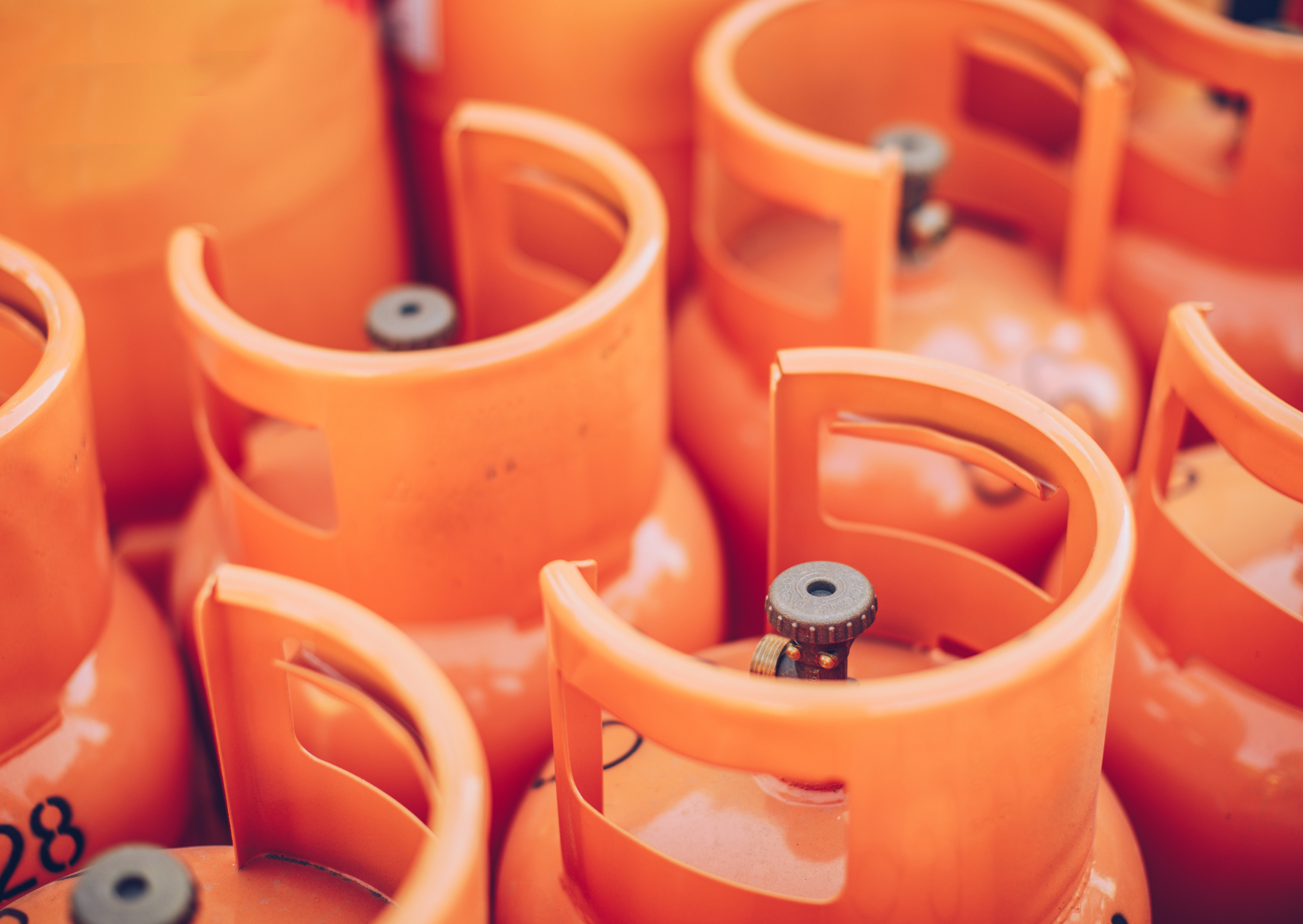
In many older Spanish homes and rural areas, gas-powered stoves don’t connect to a municipal gas line. Instead, they run on portable butane tanks — the kind that look like orange or silver barrels.
When one runs out, you haul it to the store or wait for the local gas delivery truck to make its rounds. You swap it out, relight the burner, and continue.
To an American used to hidden pipelines and automatic service, this seems wildly inconvenient — even unsafe.
To Spaniards, it’s normal. It gives control over usage, avoids fixed utility fees, and ensures that even during infrastructure outages, you can still cook.
4. Manual Water Heaters That Require Advance Planning
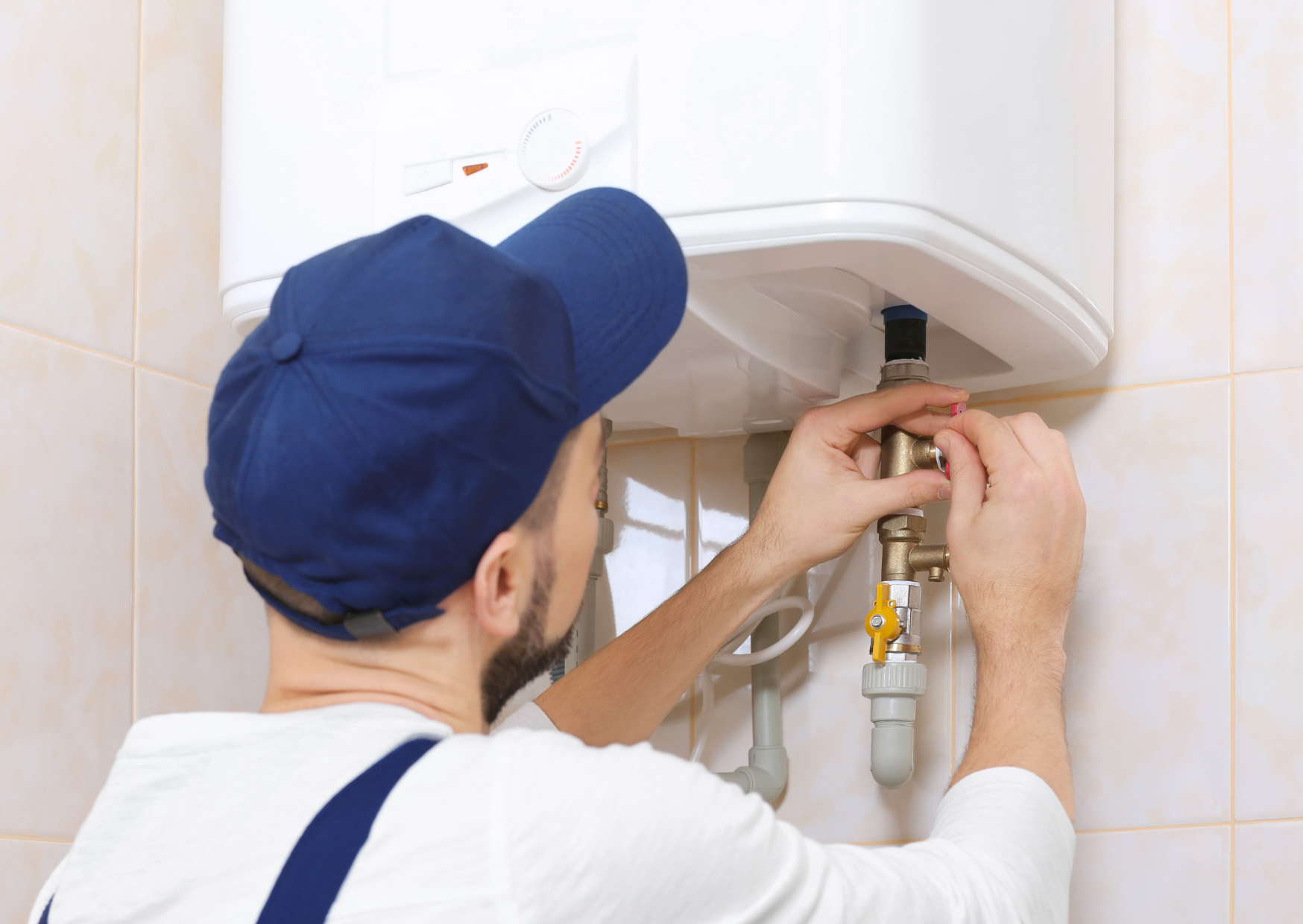
Many Spanish households still rely on manual water heaters — compact, wall-mounted units that need to be switched on 10 to 30 minutes before you shower.
You flip a switch. The boiler clicks on. You wait. Then you shower — quickly, before the hot water runs out.
There are no endless hot showers. No preset timers. No digital temperature controls.
This isn’t seen as backward — it’s seen as resource-conscious. Hot water is not a limitless stream. It’s something you prepare, use, and respect.
5. Wall-Mounted Radiators Instead of Central Heating
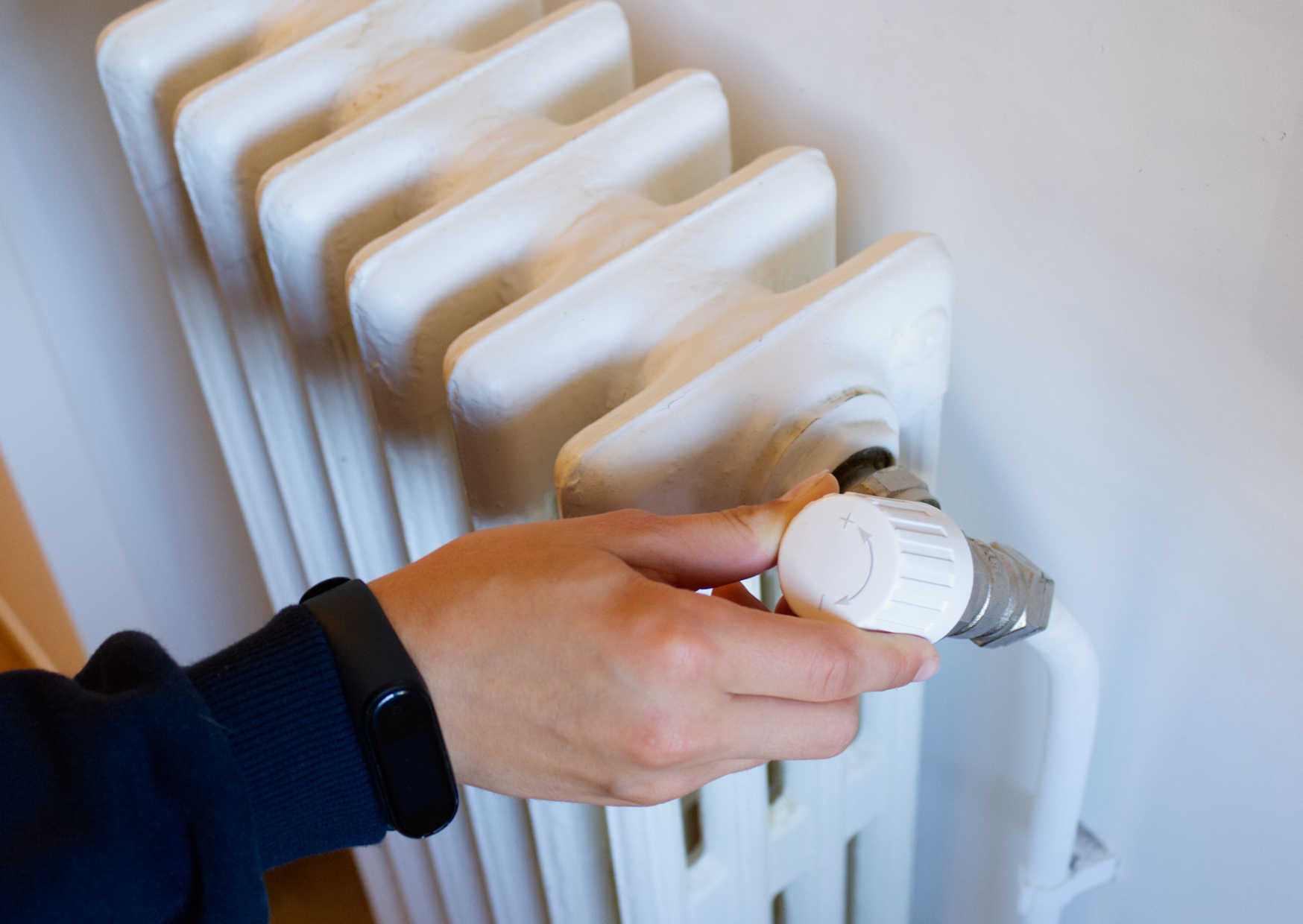
Central heating is rare in Spain. Most homes rely on radiators, often fueled by gas or electric power. They’re switched on room by room, usually only during the coldest hours of the day.
Each radiator has a valve. Some make hissing noises. Some heat unevenly. But they work.
And they’re not left running all day. Rooms are heated selectively. Blankets and warm clothing do the rest.
Americans used to entire homes set to 72°F would struggle. But for Spaniards, localized heat is more efficient — and culturally preferred.
6. Basic Thermostats (If Any at All)
The smart thermostat boom never really took off in Spain. In many homes, there’s no thermostat at all — just switches, timers, or manual dials.
Heat and air conditioning are managed directly at the unit, and often only when absolutely necessary.
There’s no programmed schedule. No smartphone integration. Just basic tools and awareness of the weather.
The attitude isn’t anti-tech. It’s anti-waste. You heat what’s needed, when it’s needed. You open a window if you’re too warm. The rest? You adjust.
7. Plug-In Heaters That Look Like Relics — And Still Work
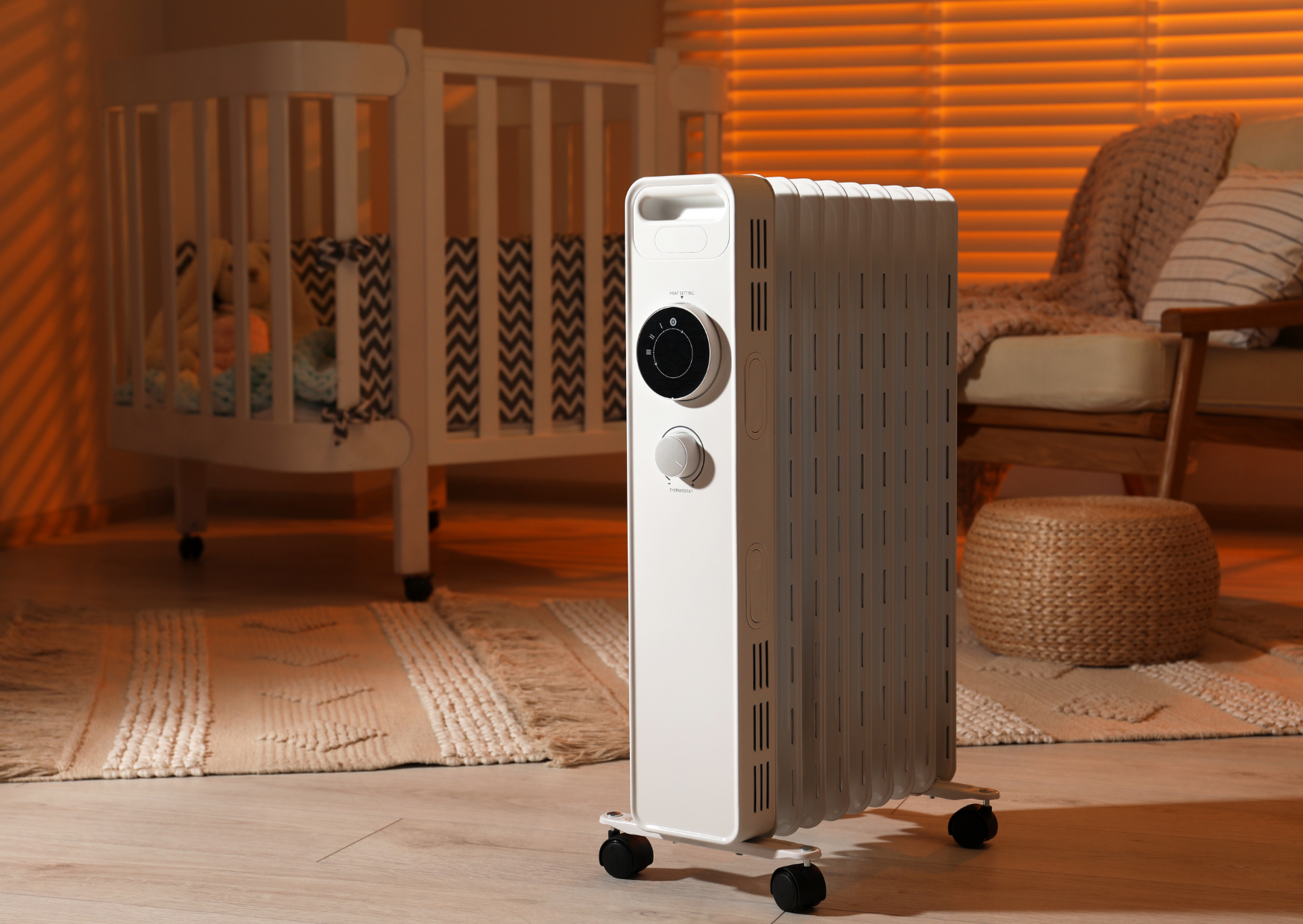
Portable electric radiators — the kind that roll around on tiny wheels, heat unevenly, and hum loudly — are everywhere in Spanish homes.
They’re not beautiful. They’re not sleek. But they’re used every winter, especially in rooms without permanent heating.
Americans might expect these to be replaced by built-in units or smart systems. But in Spain, if something works, it stays.
This principle holds true across many technologies. Newer doesn’t mean better — it just means different. And sometimes, unnecessary.
8. AM/FM Radios with Antennas and Dusty Dials
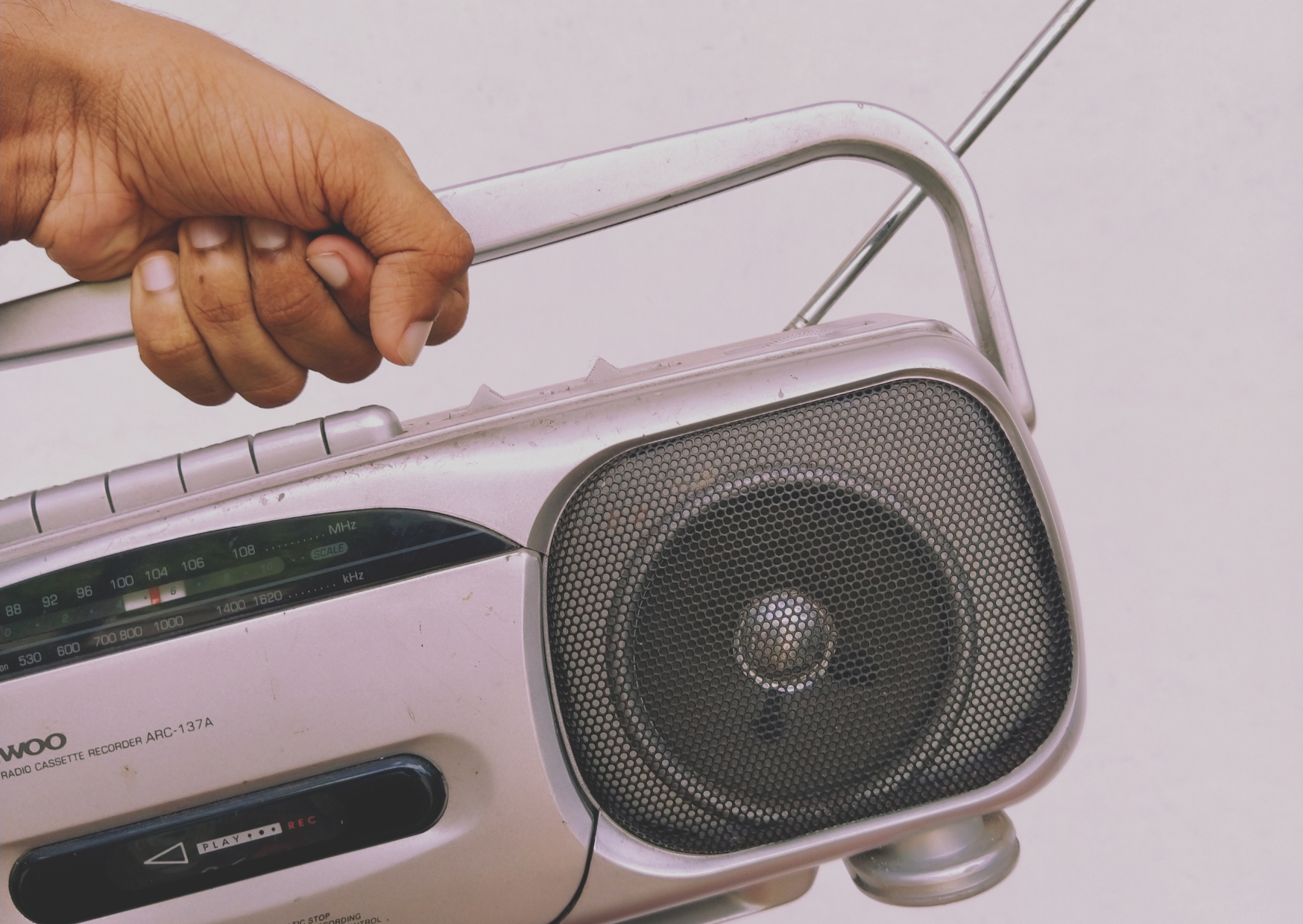
Yes, people in Spain still use actual radios.
You’ll find them in kitchens and bedrooms, playing news, flamenco, talk shows, or classical music. They’re not connected to Wi-Fi. They don’t sync to Spotify.
They’re just radios — with real knobs, static between stations, and the daily rhythm of live programming.
It’s not nostalgia. It’s habit. Radios are low-maintenance, immediate, and perfectly suited for a culture that still values background sound that doesn’t demand your attention.
9. Corded Door Phones Instead of Smart Video Buzzers
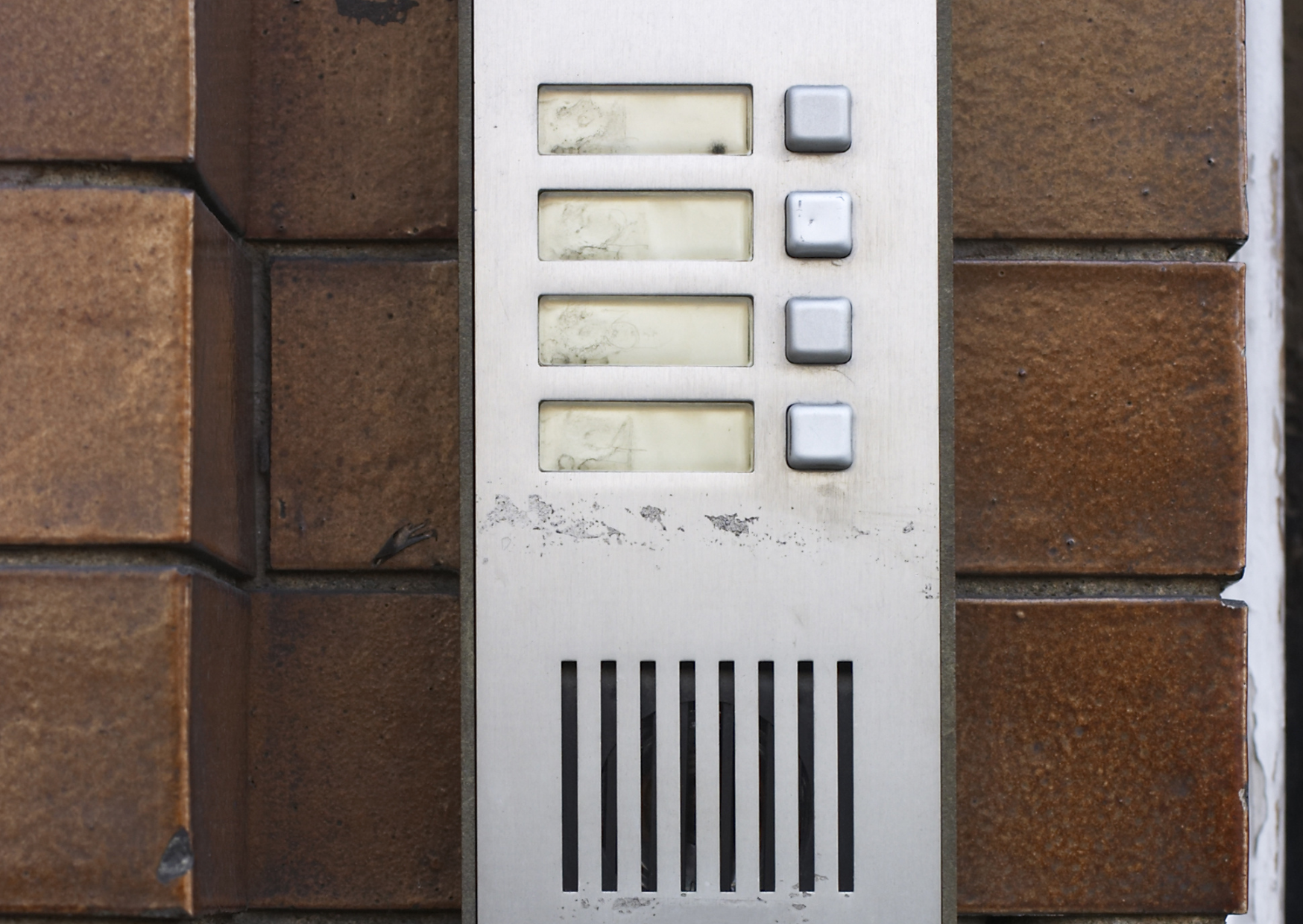
Many Spanish apartments use corded intercoms to buzz guests in. They’re white plastic boxes mounted near the door. You pick up the receiver, press a button, and buzz.
There’s no video feed. No app alert. No two-way recording. Just a short tone and a voice.
It works. It’s direct. And in a country where people expect physical interaction, it’s more than enough.
Smart locks and video bells are slowly gaining ground. But most people stick with what they know — and what doesn’t break.
One Household, Two Worldviews
To Americans, the idea of using analog systems in 2025 feels inefficient. Why not upgrade? Why not automate?
But to many Spaniards, these systems still function. They’re understandable, repairable, and aligned with how people live — not how companies want them to live.
Technology, in Spain, is not about chasing the latest. It’s about what works in real life, not in marketing slides.
The water heater switch. The drying rack on the balcony. The radio on the counter. The butane tank in the kitchen.
These are not signs of delay. They’re signs of domestic pragmatism — a quiet resistance to throwing things away just because the calendar flipped.
So when you enter a Spanish home and see these relics, don’t mistake them for poverty or backwardness. See them for what they are:
A culture that knows how to live comfortably — without constantly upgrading the machines that power the life behind closed doors.

About the Author: Ruben, co-founder of Gamintraveler.com since 2014, is a seasoned traveler from Spain who has explored over 100 countries since 2009. Known for his extensive travel adventures across South America, Europe, the US, Australia, New Zealand, Asia, and Africa, Ruben combines his passion for adventurous yet sustainable living with his love for cycling, highlighted by his remarkable 5-month bicycle journey from Spain to Norway. He currently resides in Spain, where he continues sharing his travel experiences with his partner, Rachel, and their son, Han.